Gardening can be a rewarding endeavor, both for your well-being and your wallet. It can save you money on groceries, provide a healthy hobby, and even become a profitable side gig. However, many novice gardeners quickly discover that they’re spending more money on their gardens than they’re saving. This is often due to common mistakes that can be easily avoided with some knowledge and planning.
Let’s explore the 16 most common ways you could be losing money in your garden, and how you can avoid these pitfalls to ensure your gardening efforts are fruitful in every sense of the word.
Advertisement
1. Buying Too Many Plants

Many gardening enthusiasts make the mistake of buying more plants than they actually need or have space for. This not only leads to overcrowding, but also wastes money on plants that will not thrive due to lack of space and resources.
Consider planning your garden space before you go plant shopping. Determine how many plants your space can accommodate, ensuring you leave enough room for each plant to grow. Remember, plants need adequate space to spread their roots and get enough sunlight.
2. Overwatering
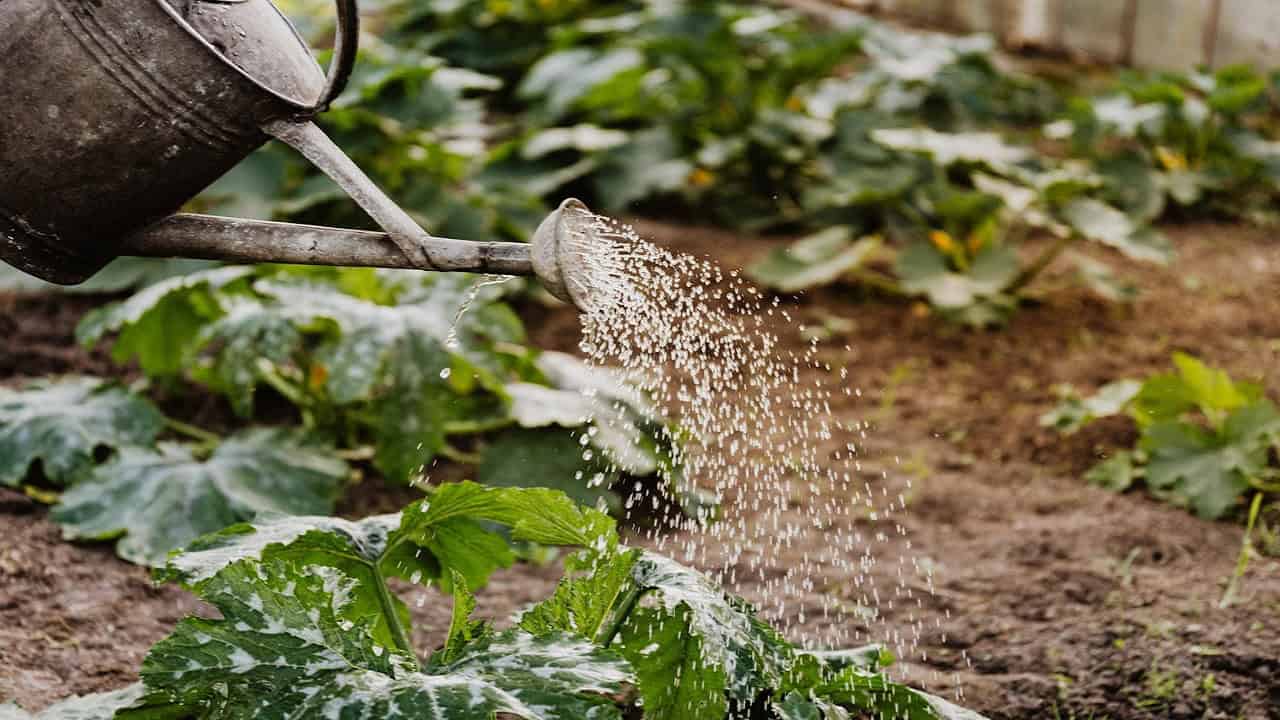
Watering seems like a simple task but it’s surprisingly easy to get wrong, and overwatering can lead to root rot and the death of your plants. Plus, you’re wasting money on water bills.
It’s important to research the specific watering needs of each plant in your garden. Some plants thrive with minimal watering, while others require more regular hydration. Use a water meter or simply feel the soil; if it’s dry two inches below the surface, it’s time to water.
3. Neglecting Soil Health

Many gardeners overlook the importance of soil health. Poor soil can lead to poor plant growth, meaning you’re wasting money on plants that won’t thrive.
Invest in a soil test kit to understand what your soil lacks. You may need to add compost, fertilizers, or other soil amendments to improve its fertility. Remember, healthy soil equals healthy plants.
4. Ignoring Pests
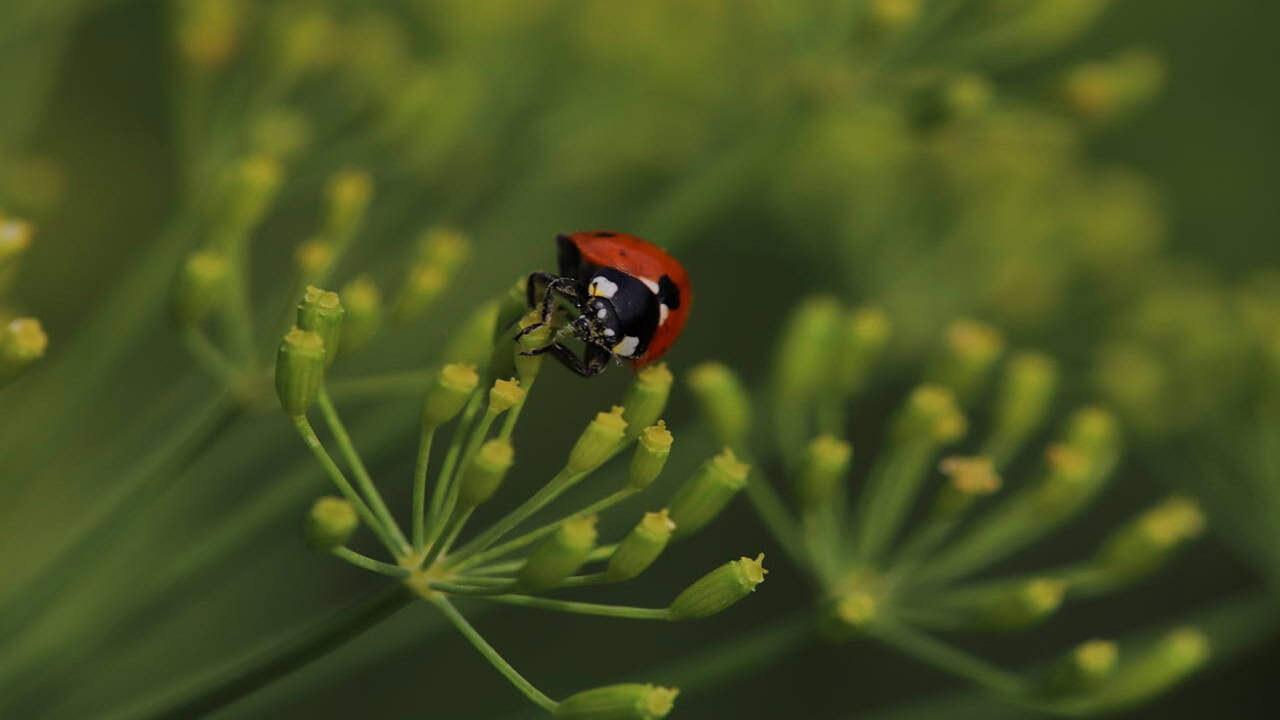
Ignoring pests in your garden can lead to massive plant loss. Dealing with a full-blown pest infestation can also be costly.
Regularly inspect your plants for signs of pests. If you spot any, act immediately. Use organic pest control methods to avoid harming your plants or the environment.
5. Buying Expensive Tools

Investing in top-of-the-range gardening tools can quickly drain your budget, especially when starting out.
Start with the basics and upgrade as you go. Many tools can be bought second-hand or even borrowed. Remember, it’s not the tools that make a gardener, but how you use them.
6. Planting the Wrong Plants

Planting the wrong plants for your climate or soil can lead to plant failure. This not only wastes money but can also be disheartening.
Research which plants will thrive in your specific conditions. Consult with local gardeners or gardening centers for advice.
7. Not Composting
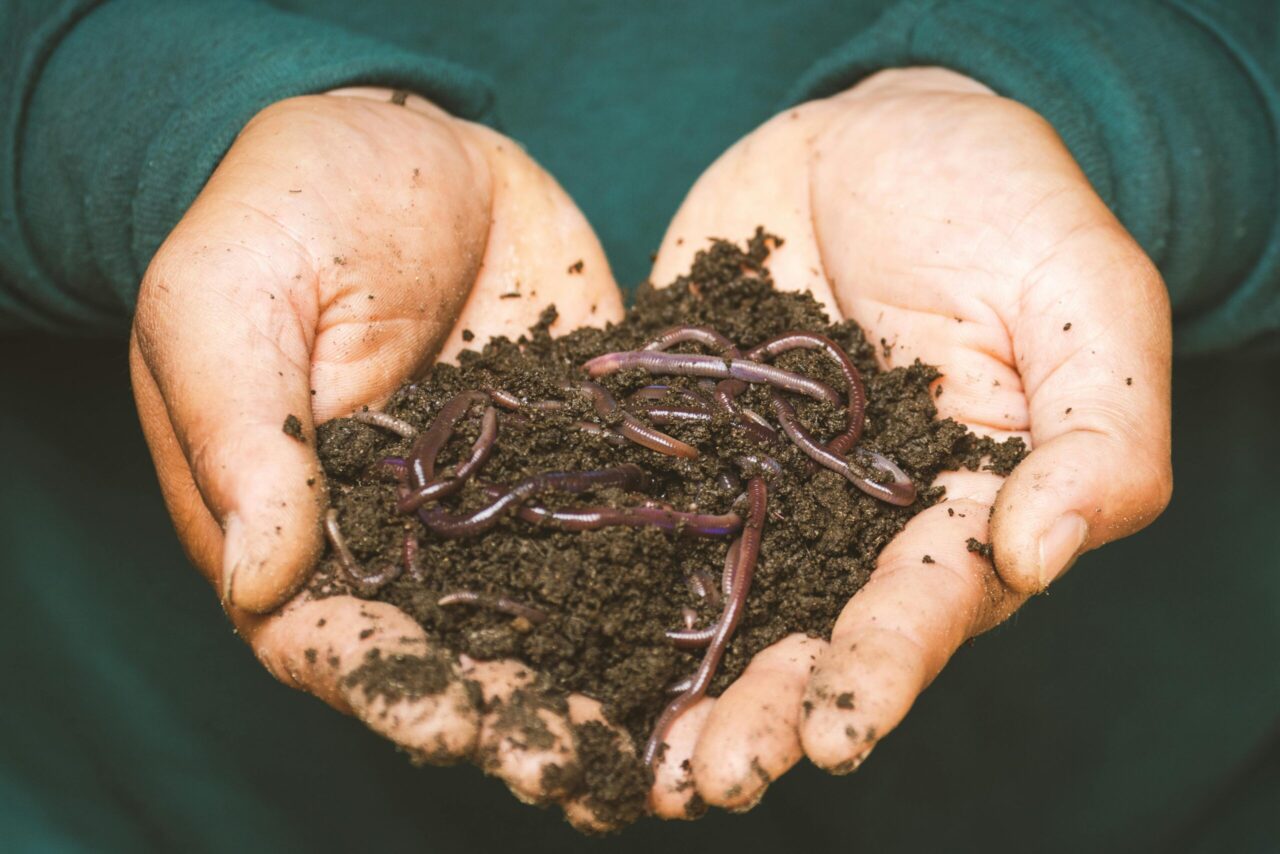
Not composting is a missed opportunity to save money and improve your garden. Compost improves soil fertility and structure, and it’s free to make from kitchen scraps.
Start a compost pile or bin in your garden. It’s easy, eco-friendly, and your plants will thank you.
8. Over-Fertilizing
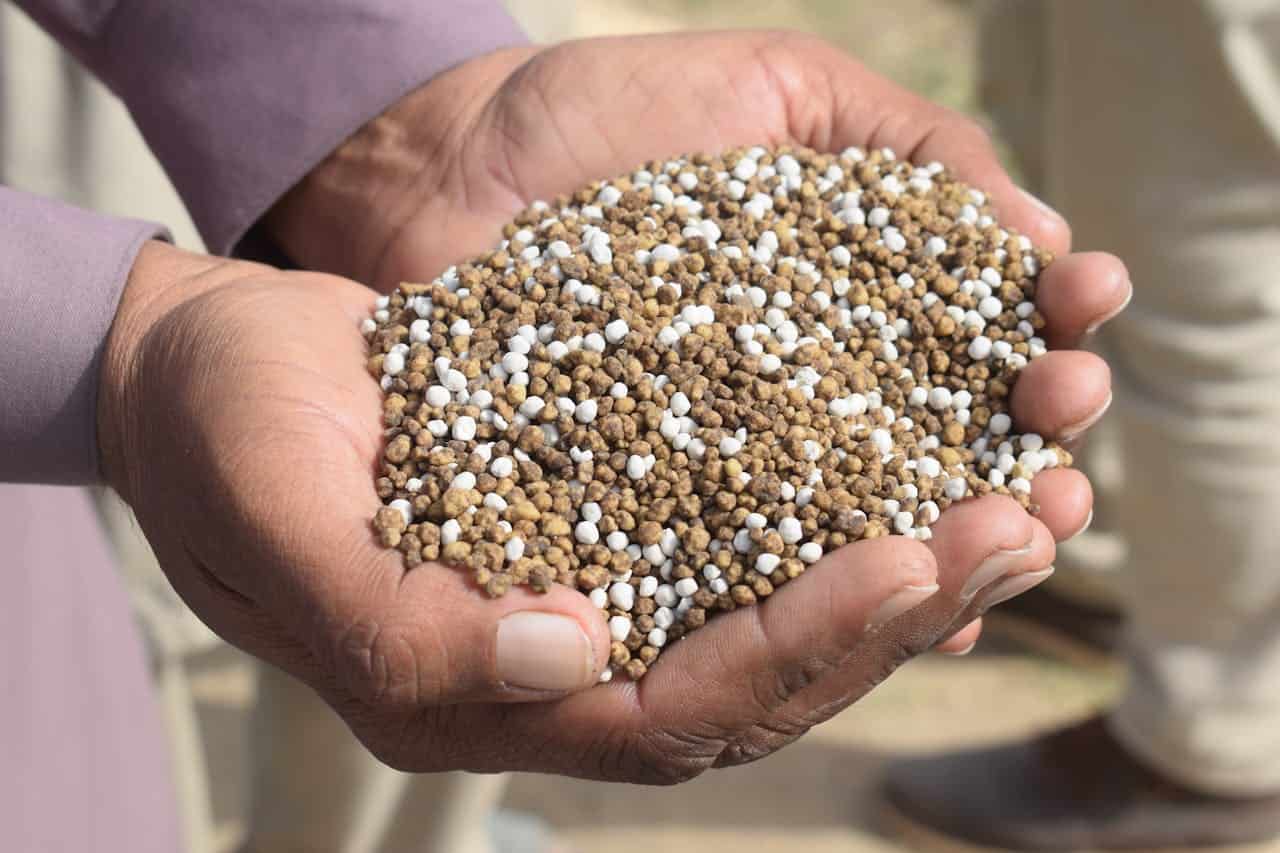
Over-fertilizing can harm your plants and waste your money. Too much of a good thing can be detrimental in gardening.
Again, get a soil test kit to determine what nutrients your soil lacks. Only add what’s necessary and follow the instructions on the fertilizer packaging.
9. Neglecting Weeds
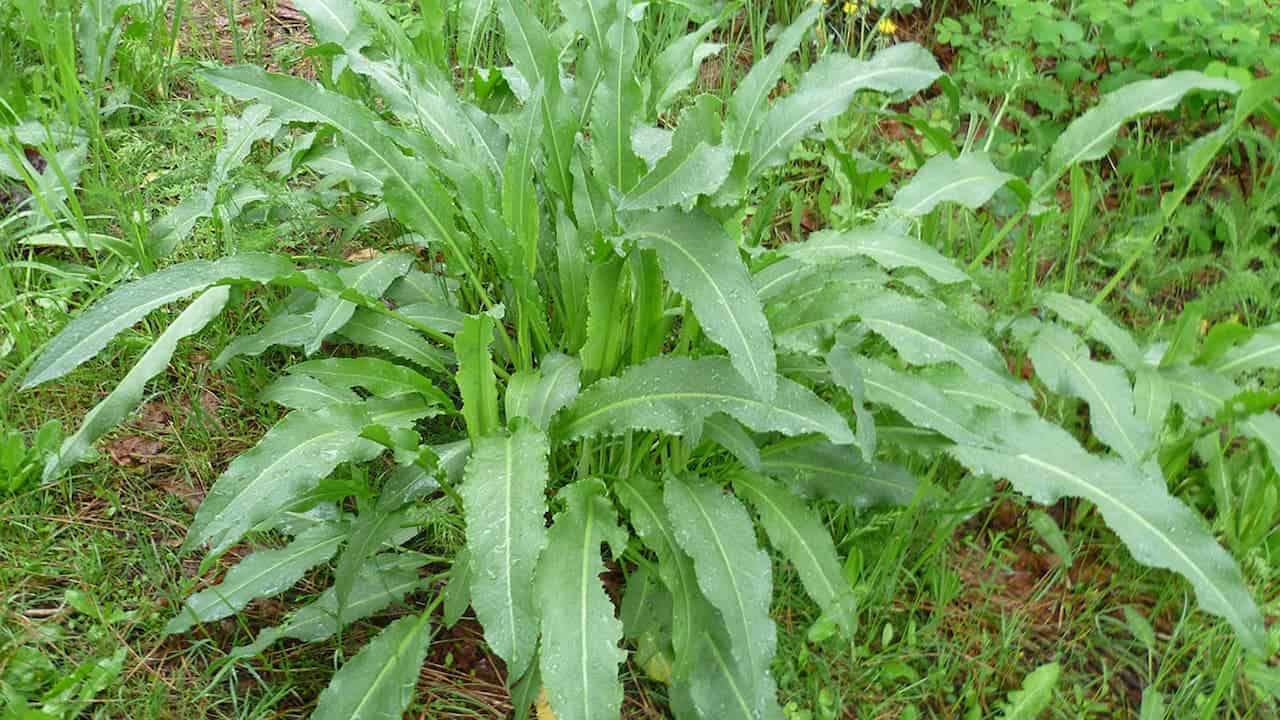
Neglecting weeds in your garden can lead to competition for resources with your plants. Weeds can quickly take over a garden if not managed effectively.
Regularly weed your garden to keep it under control. Consider using mulch to suppress weed growth and conserve soil moisture.
10. Starting From Seed When You Shouldn’t

Starting plants from seeds can save money, but it’s not always the best option. Some plants are tricky to grow from seed and buying seedlings might be more cost-effective.
Research what plants are easy to grow from seed and which ones are worth buying as seedlings.
11. Overlooking Plant Disease

Overlooking plant diseases can lead to plant loss and wasted money.
Regularly inspect your plants for signs of disease. If you spot any, act immediately to prevent the disease from spreading to other plants.
12. Not Rotating Crops

Not rotating crops can lead to soil nutrient depletion and increased disease and pest problems.
Plan your garden layout each season and rotate crops to different spots. This helps maintain soil health and reduces pest and disease problems.
13. Ignoring the Weather

Ignoring the weather can lead to plant stress or death. Planting, watering, and harvesting should be done in accordance with the weather conditions.
Keep an eye on the weather forecast and plan your gardening activities accordingly.
14. Not Mulching
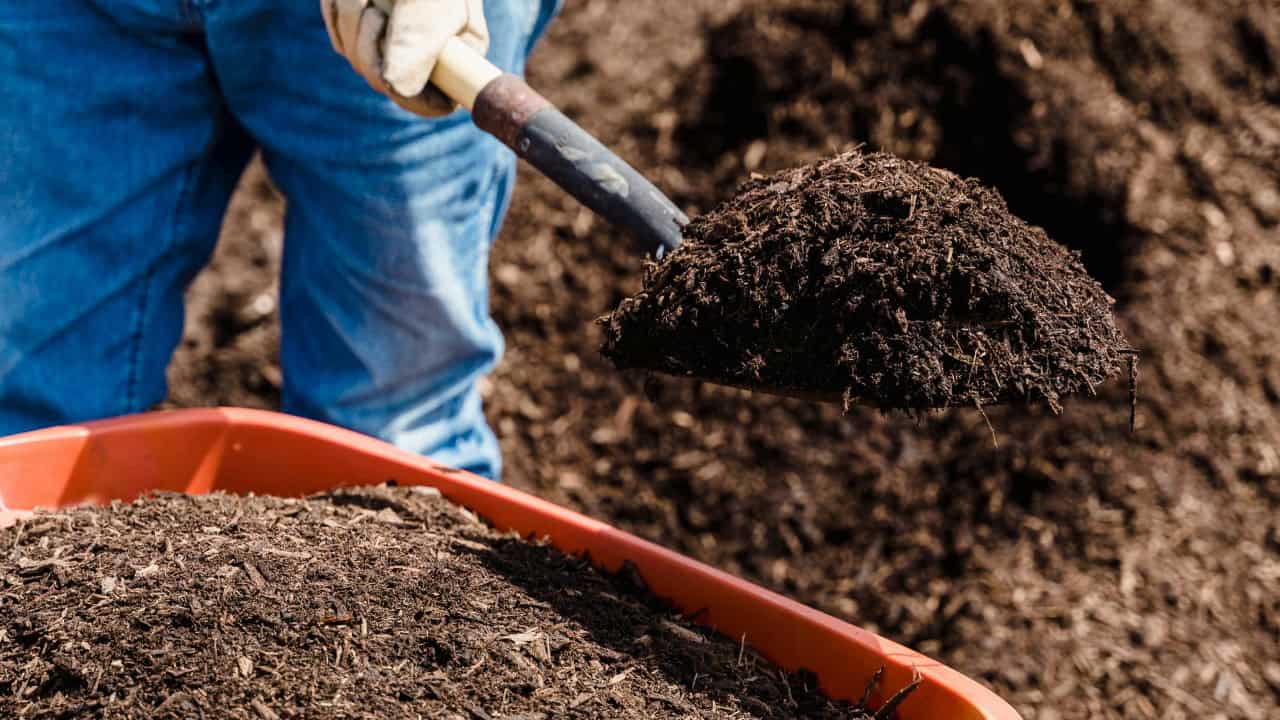
Not mulching can lead to water loss, weed growth, and soil erosion.
Mulch your garden to conserve water, suppress weeds, and protect your soil.
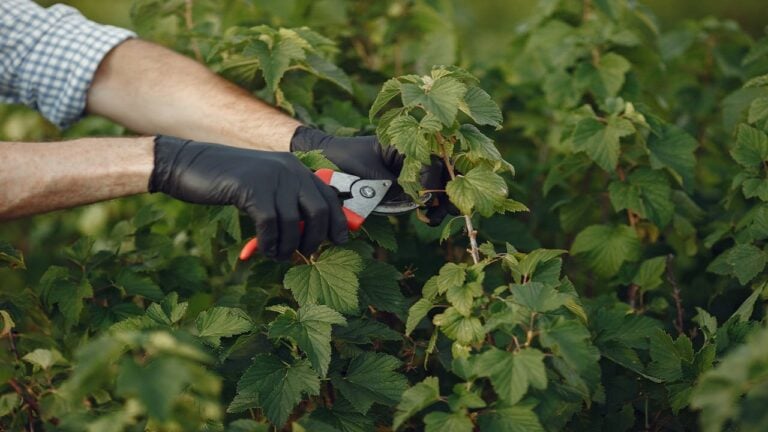
15. Not Pruning

Not pruning your plants can lead to poor growth and reduced yields.
Learn how to properly prune your plants. This promotes healthy growth and can increase yields.
16. Not Harvesting on Time
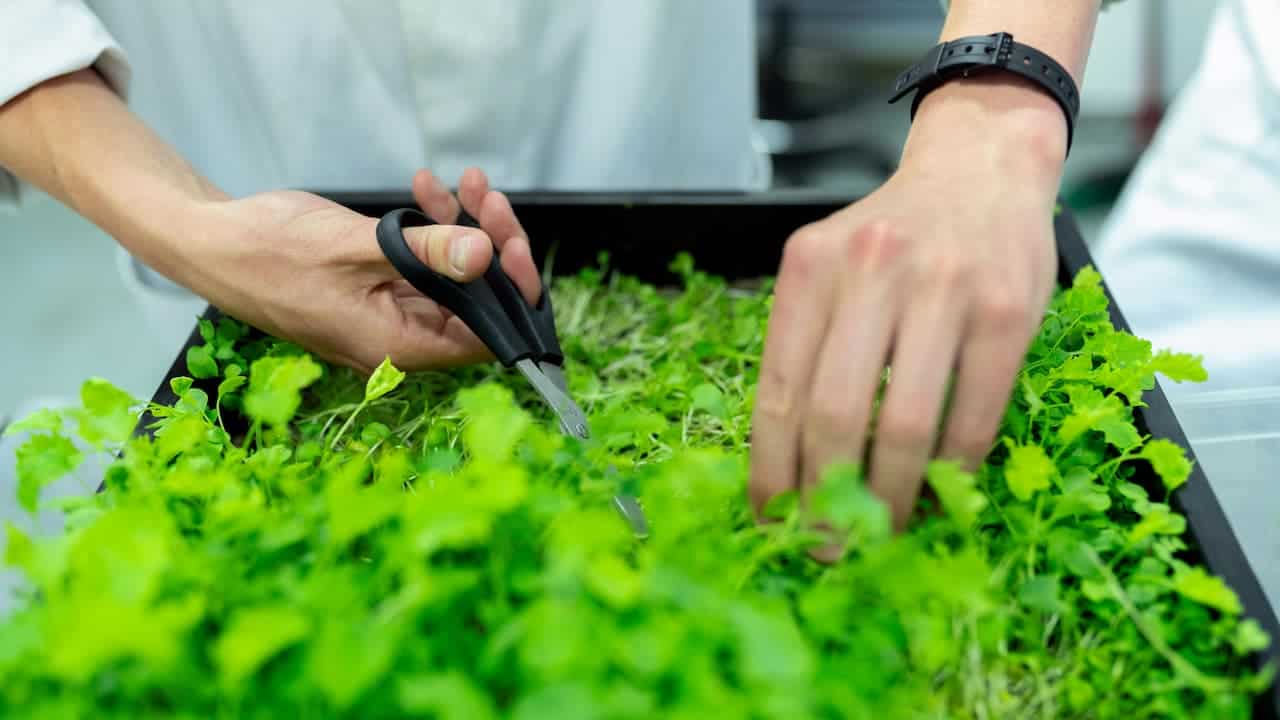
Not harvesting fruits and vegetables on time can lead to waste.
Harvest your produce when it’s ripe. If you have a surplus, consider preserving, sharing, or selling it.