Getting your garden ready for peak season takes some planning and care, but it doesn’t have to be overwhelming. Preparing your space thoughtfully will make your gardening experience more enjoyable and productive throughout the warmer months.
You can set your garden up for success by focusing on key tasks that improve soil health, plant growth, and overall garden resilience. With the right approach, you’ll create a thriving environment that supports healthy plants and beautiful blooms.
Advertisement
Check your gardening zone to time planting correctly

You should find your gardening zone by entering your zip code on the USDA Plant Hardiness Zone Map website. Knowing your zone helps you understand when frost will likely end and begin, which guides your planting schedule.
Planting too early or too late can affect your garden’s success. Timing is especially important for crops sensitive to frost or heat. Use your zone information to choose the best planting dates and protect your plants accordingly.
Remove winter debris from garden beds
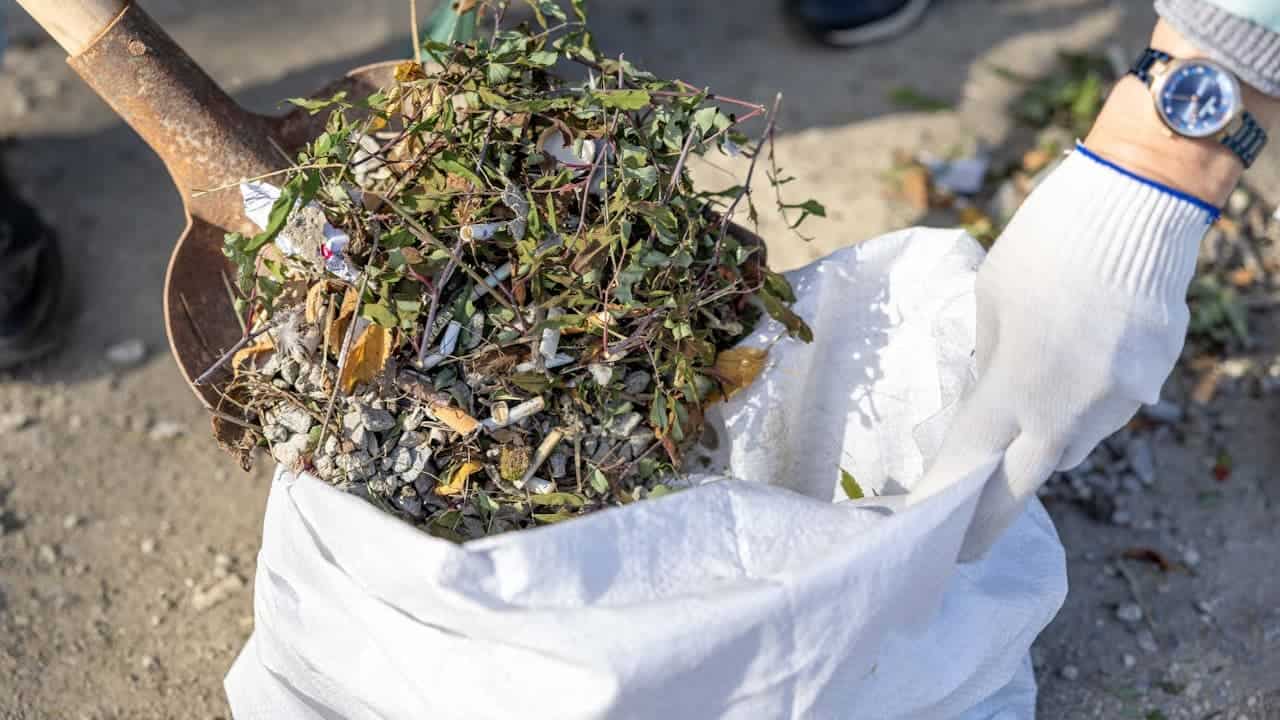
Start by clearing away leaves, branches, and dead plants from your garden beds. This helps prevent pests and allows your soil to breathe better.
You can use some of the organic debris to create mulch or fill base layers in raised beds. This is a simple way to recycle garden waste and improve soil health.
Make sure your beds are clean and smooth before adding new soil or plants for the season.
Test and amend soil with compost
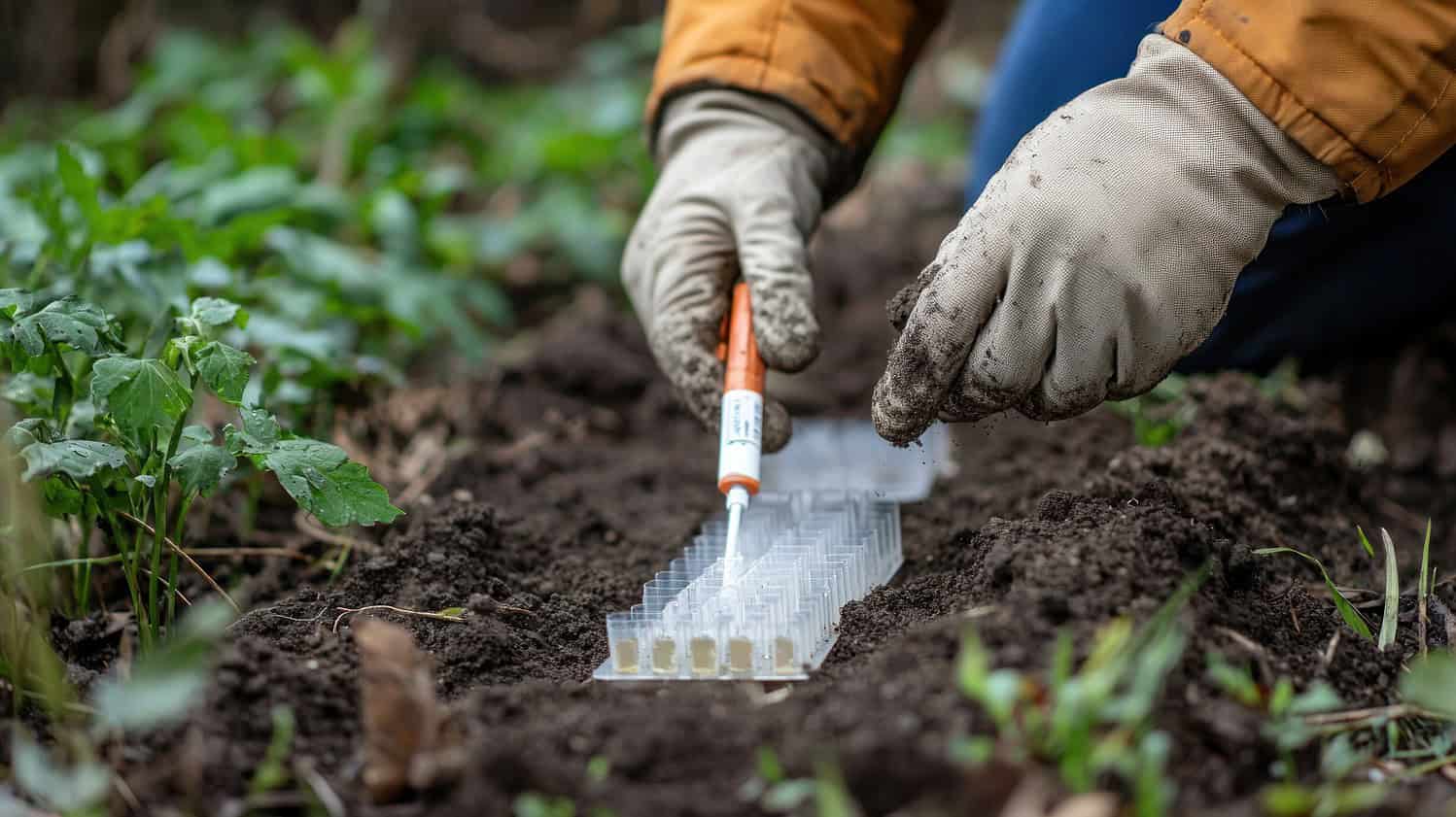
Start by testing your soil to understand its nutrient levels and pH. This helps you know exactly what your garden needs. You can contact your local Extension office for guidance on testing.
Once you have results, add compost to improve soil health naturally. Mix it well but avoid using too much, as that can affect certain plants. Compost adds nutrients and helps soil drain better.
Plan garden layout for optimal plant growth

You want to give your plants the best chance to thrive by planning your garden layout carefully. Position taller plants on the north side to prevent them from shading shorter ones. This simple step helps maximize sunlight for every plant.
If you have limited space, consider vertical gardening to save ground room and add interest. Organize your beds with clear sections to make watering and maintenance easier. Thinking about sun exposure and soil type will also guide your plant placement.
Start seeds indoors for a head start

Starting seeds indoors gives you extra time to grow strong, healthy plants before the outdoor season begins. You can get a jump on the garden even if the weather outside isn’t quite ready.
You’ll need good quality seeds, a proper seed-starting mix, and containers. Keep the soil moist and provide enough light to help seedlings grow well.
This method is especially helpful for plants that take longer to germinate or need warmer conditions to sprout. It’s an easy way to expand your garden variety without buying mature plants.
Prepare raised beds and loosen soil

Start by checking your raised beds for any damage. Fix cracks or rotting wood to keep the structure strong and safe for your plants.
Loosen the soil by turning it gently with a garden fork. This helps improve drainage and allows roots to grow easier.
Adding a layer of compost or organic matter will boost nutrients. You can also plant a cover crop to naturally refresh the soil before your main planting.
Clean and sharpen gardening tools
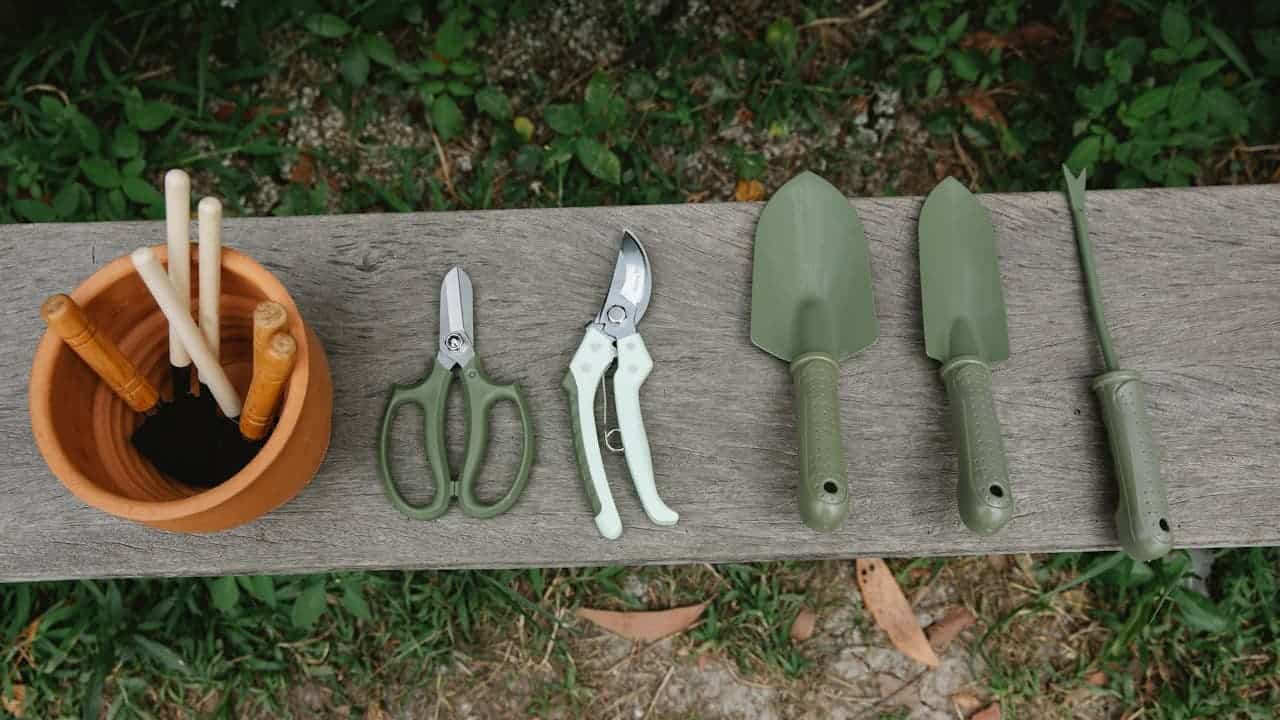
You should clean your gardening tools after each use to remove dirt and sap. This helps prevent rust and reduces the chance of spreading diseases between plants.
Sharpen blades on tools like pruners and hoes regularly. A sharp edge makes your work easier and safer.
Store tools in a dry place, hanging them if possible, to keep them in good condition all season long.
Stock up on seeds for your chosen plants

Start by deciding which plants you want to grow this season. Buying seed packets is usually cheaper than getting seedlings, so you can try more varieties without spending much.
Consider saving seeds from your garden too. Collecting seeds from plants you like saves money and lets you preserve your favorite strains for future planting. Keep seeds dry and stored properly until you’re ready to use them.
Prune dead branches from shrubs and trees
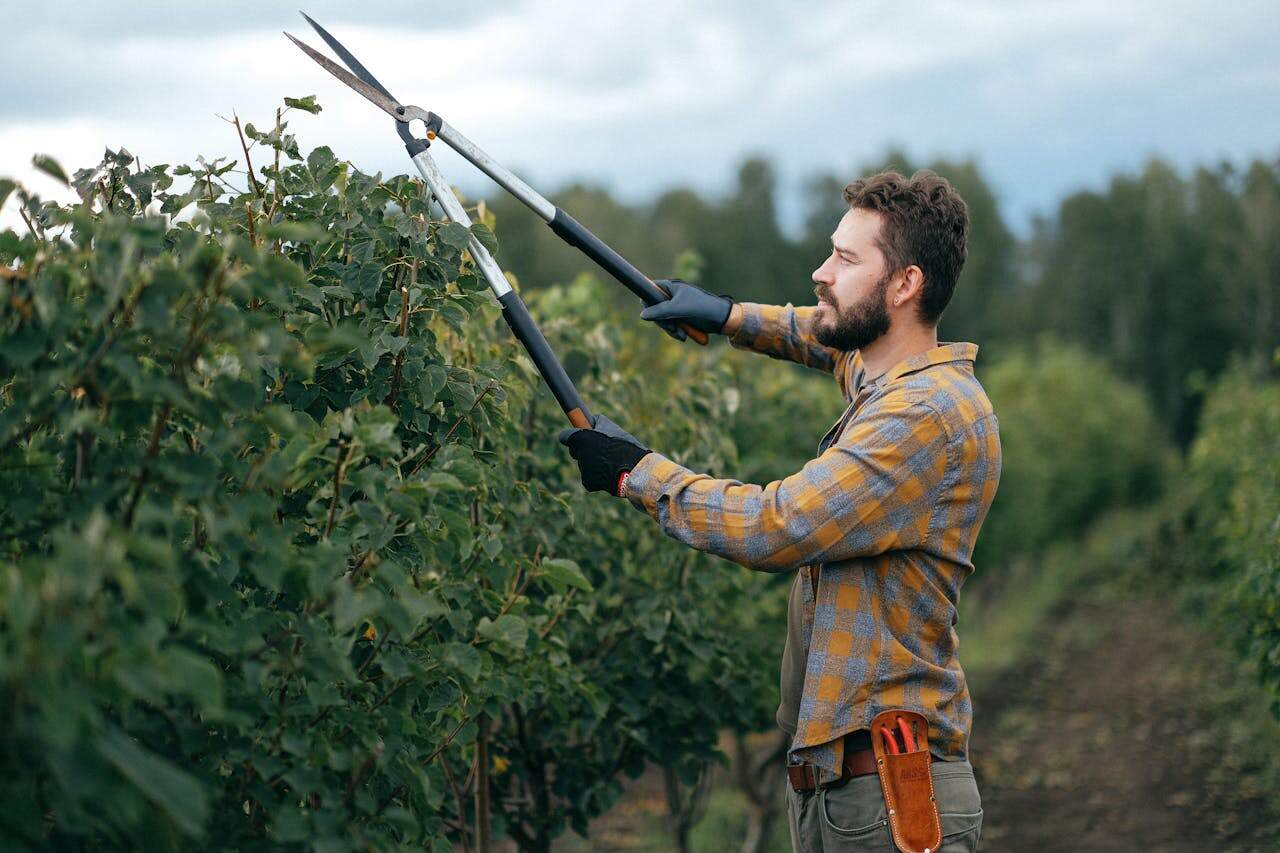
You should remove dead branches to keep your plants healthy and safe. Dead limbs can cause damage to surrounding branches if left too long.
Pruning also helps your shrubs and trees focus energy on new growth. Use clean, sharp tools and cut close to the main stem without damaging it.
Check your plants regularly and trim any dead parts before peak season to give your garden a fresh start.
Set up supports for climbing plants
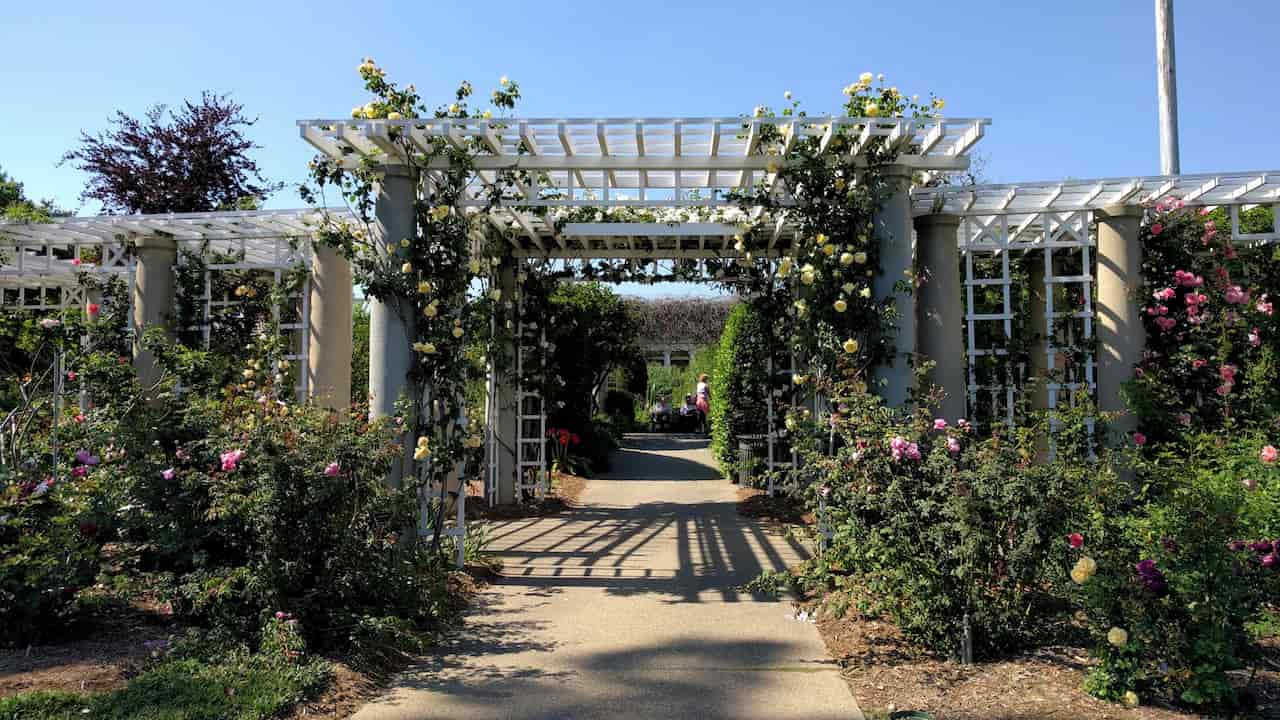
You’ll want to provide strong supports so your climbing plants can grow upward and stay healthy. Supports like trellises, arches, or simple stakes help plants spread out and get enough sunlight.
Setting up these structures early makes maintenance easier and encourages more blooms or fruit. Consider using tiered or layered supports to maximize space and add visual interest to your garden. This also keeps your garden organized and neat.
Apply mulch to retain moisture and suppress weeds

You can improve your garden health by applying mulch around your plants. A 2-3 inch layer helps keep the soil moist, reducing how often you need to water.
Mulch also stops most weeds from growing, saving you time on maintenance. Be sure to spread it evenly and keep it a few inches away from plant stems to avoid rot.
Using mulch gives your garden a neat look while protecting roots from temperature changes. It’s a simple step that supports your plants through the busy growing season.
Remove weeds early before they spread

You want to catch weeds as soon as they appear. Removing them early stops them from flowering and spreading seeds in your garden.
Early weeding also helps protect your soil’s nutrients, so your plants don’t have to compete for food.
Check your garden regularly, especially in spring. Pulling weeds when they’re small is much easier than dealing with large, established ones later.
Check irrigation systems for leaks or blockages

You should regularly inspect your irrigation system for leaks or blockages to keep your garden healthy. Start by turning off all water uses and checking your water meter for unusual activity.
Look for wet spots, soggy soil, or low water pressure in certain zones. These can indicate leaks or clogged pipes.
Fixing small issues early saves water and prevents costly damage. Clear any debris from sprinkler heads and make sure pipes are intact before peak season.
Add organic fertilizer suited to your plants
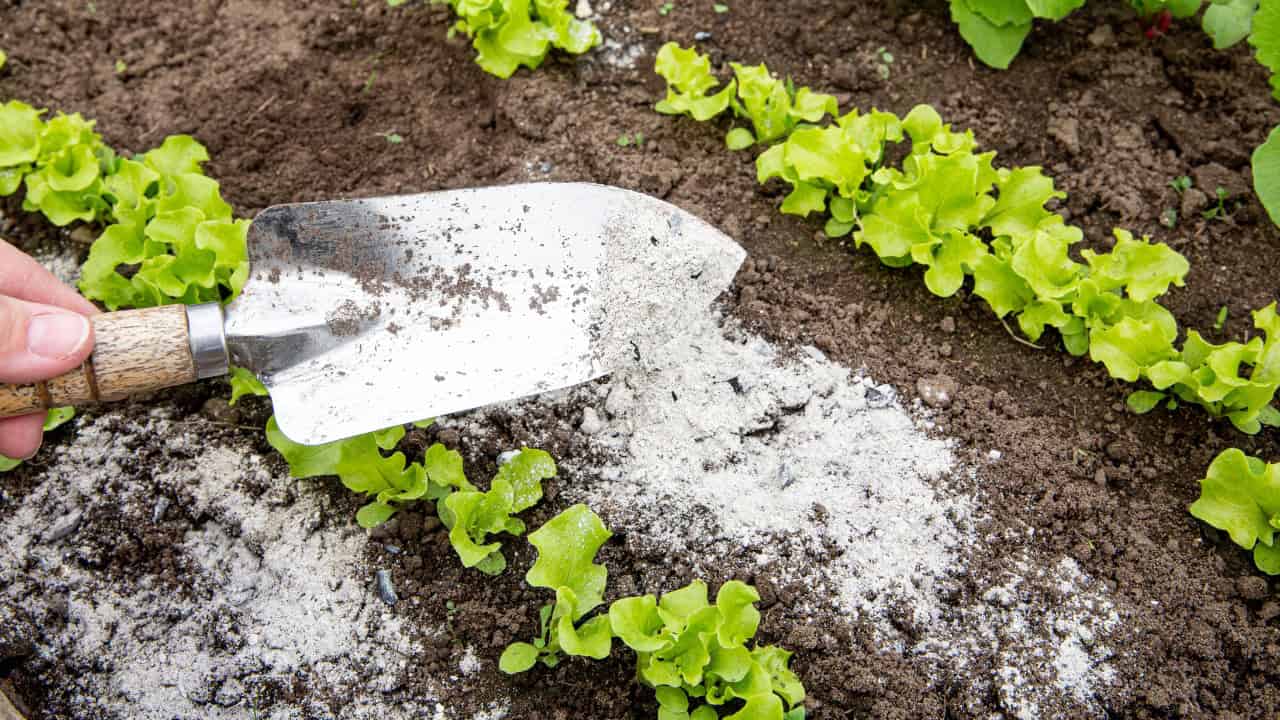
Choose an organic fertilizer based on what your plants need and the type of soil you have. Different plants require different nutrients, so consider options like bone meal for phosphorus or wood ash for potassium.
You can make your own using simple materials like compost enriched with manure or banana peels. Applying the right fertilizer can help your plants grow healthier and stronger during the peak season.
Rotate crops to prevent soil depletion

You can keep your soil healthy by rotating crops each season. Different plants use and return nutrients differently, so changing what you plant helps balance soil fertility.
For example, legumes like beans fix nitrogen, which benefits future crops. Rotating also disrupts pest cycles, reducing the chance of infestations.
By planning your garden layout with rotation in mind, you’ll support stronger plants and richer soil without extra fertilizers.
Install bird feeders or insect hotels for garden health
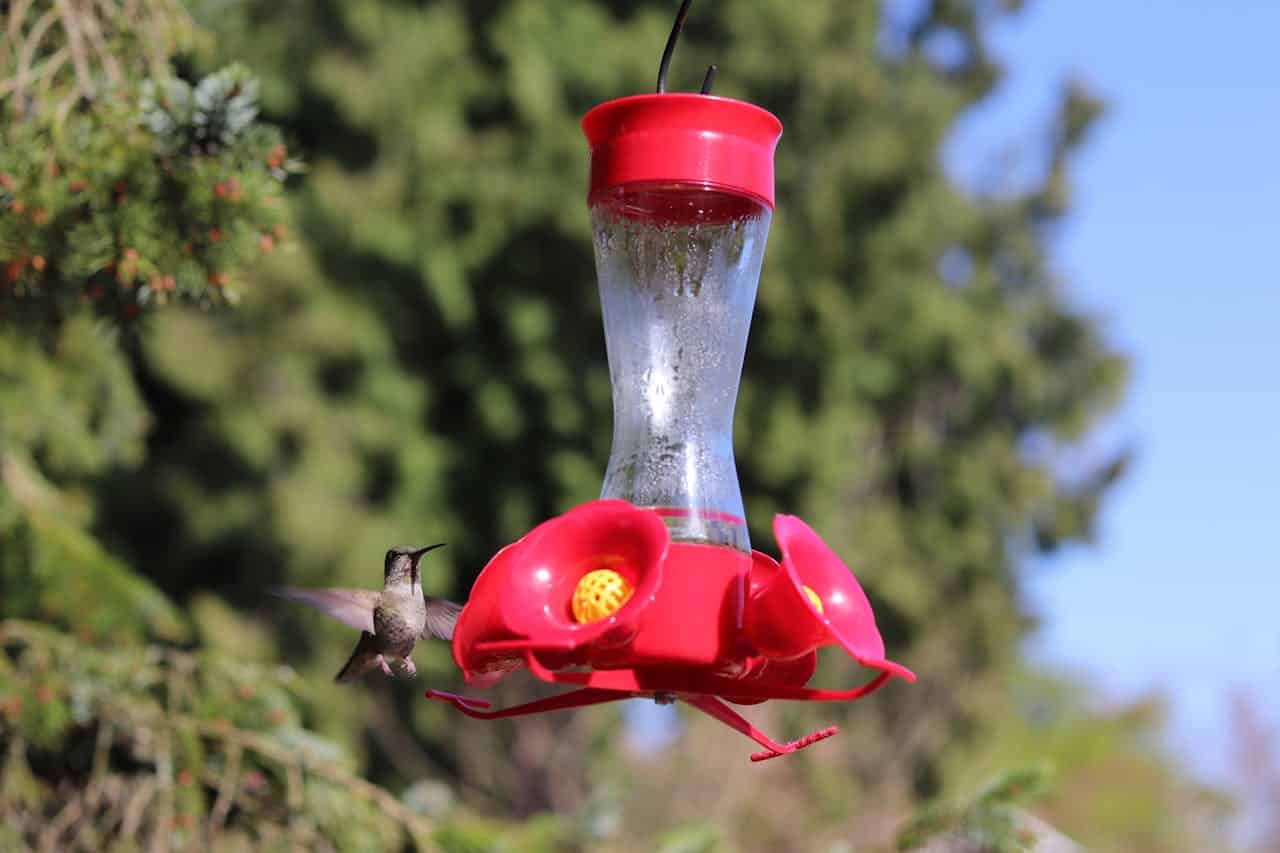
You can attract helpful wildlife by adding bird feeders or insect hotels to your garden. Birds help control pests by eating harmful insects.
Insect hotels provide shelter for beneficial bugs like solitary bees and ladybugs. Position insect hotels where they get morning sun and are easy to spot.
Keep feeders and hotels clean and well-maintained to encourage regular visits. This simple addition supports your garden’s natural balance.