1. Unrealistic Expectations
Social media has a knack for presenting perfect, flawless images that are often far from reality. It’s easy to fall in love with a picture-perfect garden on Pinterest and expect your garden to mirror the same. However, what we don’t see behind these beautiful images are the hours of hard work, professional help, and the resources that go into creating such gardens.
For example, a picture of a lush, green lawn may not divulge that it is maintained by a team of professional gardeners, or that it’s located in a region with a perfect climate for grass growth. Trying to replicate such a lawn can lead to frustration and wasted resources when the results are not as pictured. It’s important to understand and accept the limitations of your garden space, climate, and personal ability.
Advertisement
2. Overwhelming Information
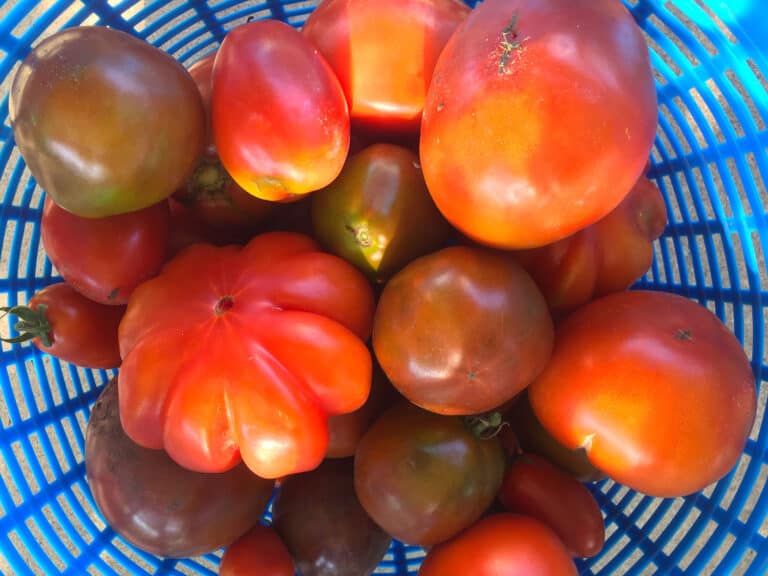
Social media platforms are brimming with information. While this can be beneficial, it can also be overwhelming. For instance, if you’re looking for advice on how to grow tomatoes, you’ll find thousands of posts – each suggesting a different method or technique.
Sifting through all this information to find what works best for you can be a daunting task. Moreover, not all advice on social media is useful or reliable. It’s always advisable to cross-check information with reliable sources like university extensions or gardening books. Remember that gardening is a process of trial and error, and what works for one person may not work for you.
3. Instant Gratification Culture
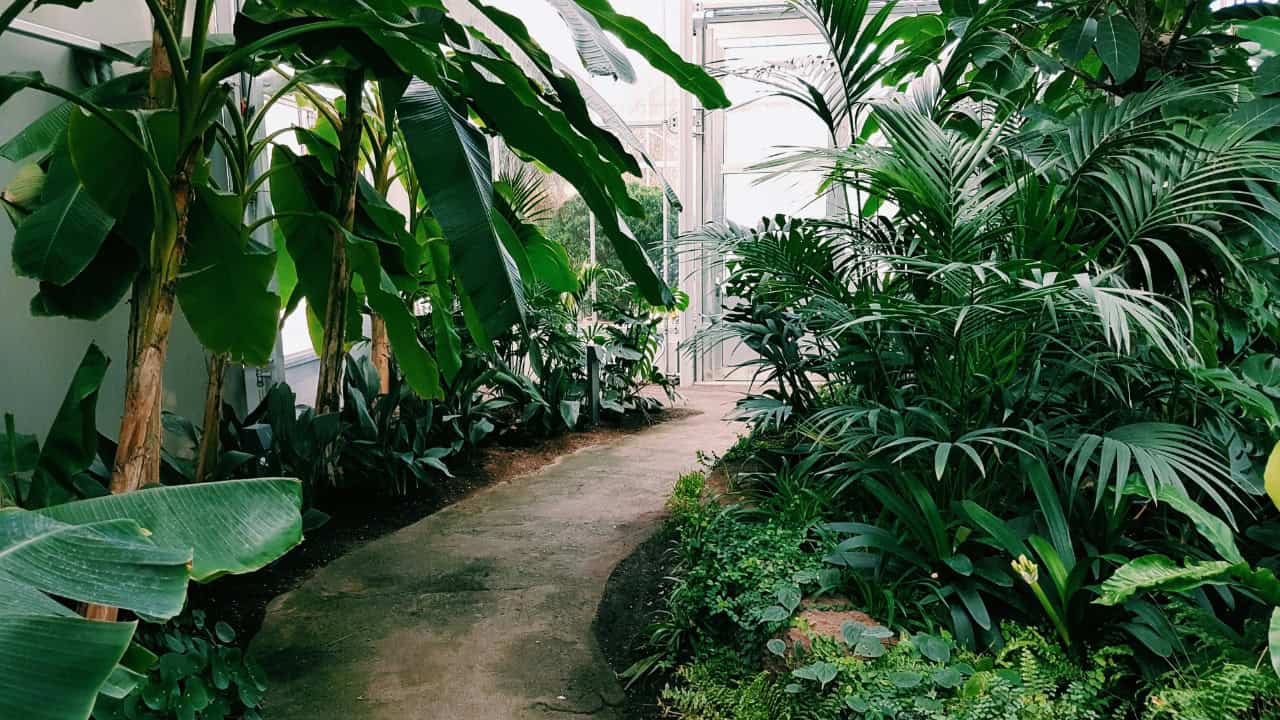
The culture of instant gratification that social media promotes doesn’t align with the patience gardening requires. Gardens take time to grow and flourish, but social media often showcases instant makeovers and quick results which can lead to impatience and unreal expectations.
This can lead to impulsive decisions, like overwatering or overfertilizing in an attempt to speed up growth, which can be detrimental to your plants. It’s important to remember that gardening is a long-term commitment, and patience is the key to a healthy, thriving garden.
4. Trend Pressures
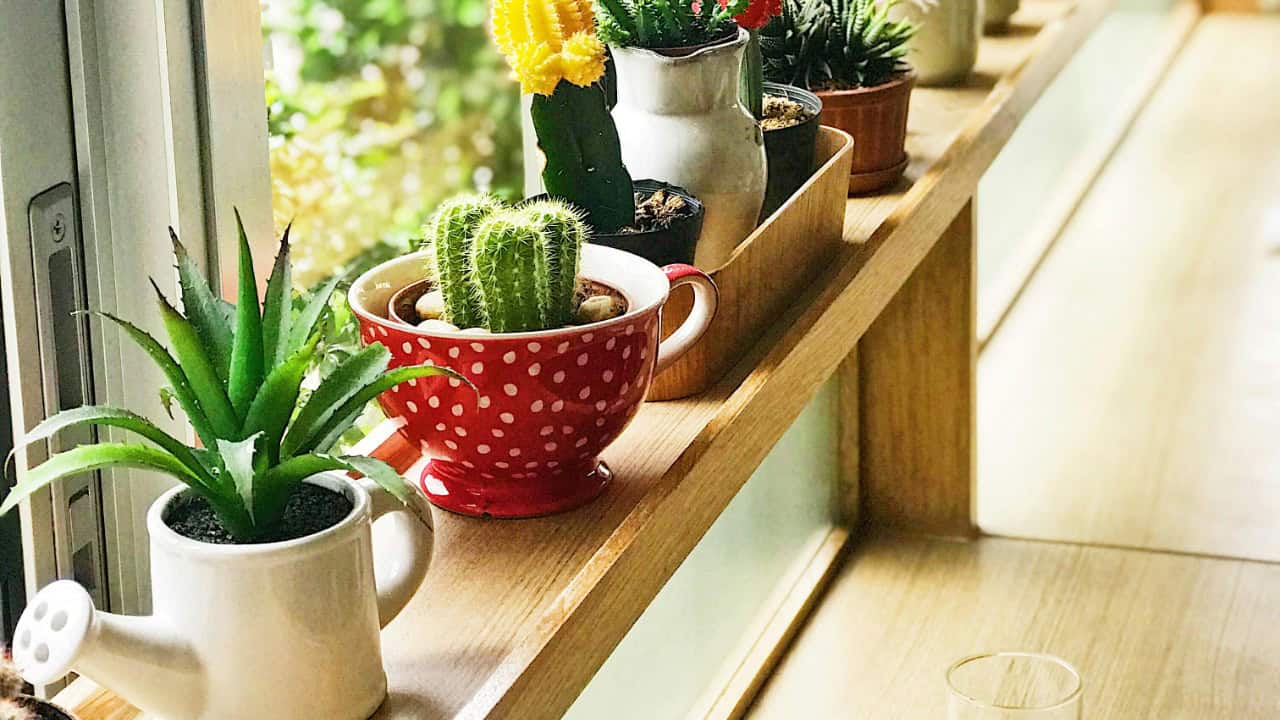
Social media trends can put pressure on gardeners to keep up, leading to unnecessary purchases and garden additions that may not suit your space or climate. For instance, succulents were a huge trend on social media, leading many to fill their gardens with them despite living in non-arid climates where succulents struggle to survive.
It’s important to consider the needs and conditions of your garden first before jumping on a trend. If a trendy plant doesn’t suit your garden conditions, it’s okay to admire them from afar and stick to what works for your garden.
5. False Marketing
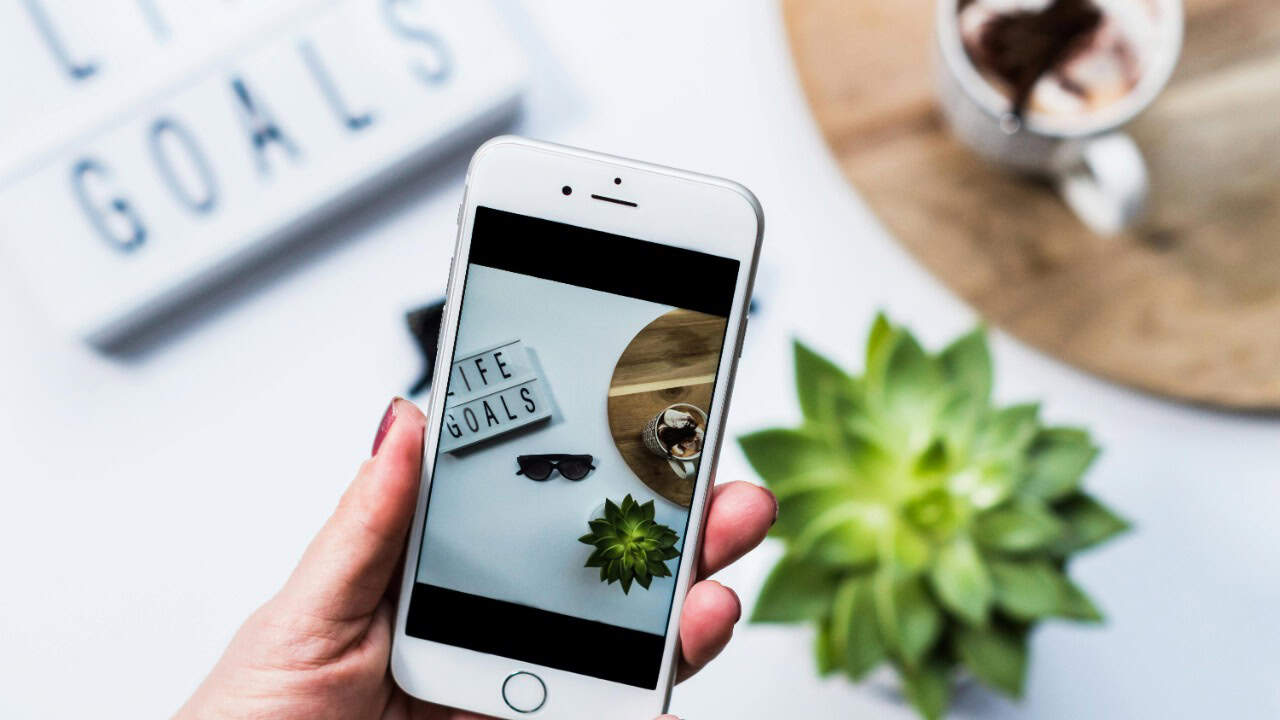
Social media is rife with sponsored posts and products promising miraculous results. These can be misleading and end up causing more harm than good to your garden. A common example is the promotion of ‘miracle’ growth products that promise to make your plants grow bigger and faster.
However, these products can often be unnecessary, overpriced, or even harmful to your garden’s ecosystem. Always research a product thoroughly before purchasing it, and remember that the best way to a healthy garden is through regular care and attention, not miracle products.
6. Garden Comparison
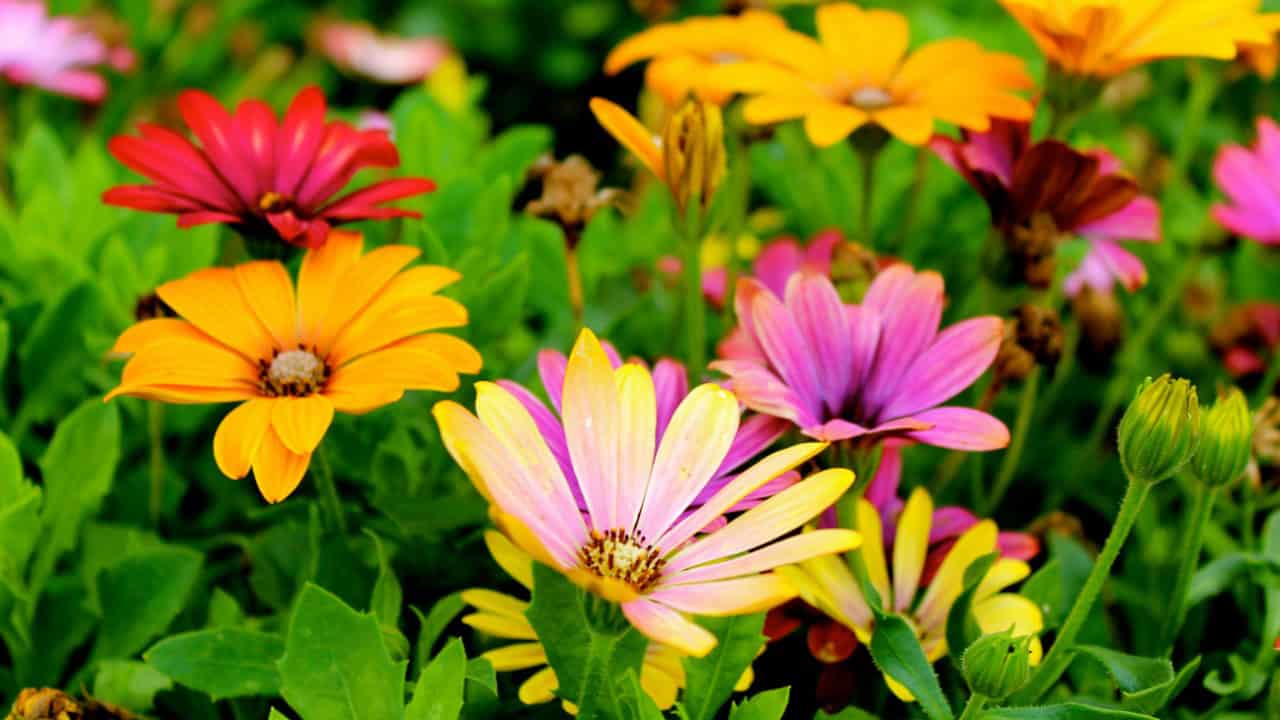
Social media can sometimes lead to an unhealthy comparison of your garden with others. It’s easy to get disheartened when your garden doesn’t seem to measure up to the lush, vibrant gardens portrayed on social media.
Remember that every garden is unique, with its own set of challenges and advantages. Your garden’s worth is not determined by its comparison to others, but by the joy and satisfaction it brings to you.
7. Ignoring Local Conditions
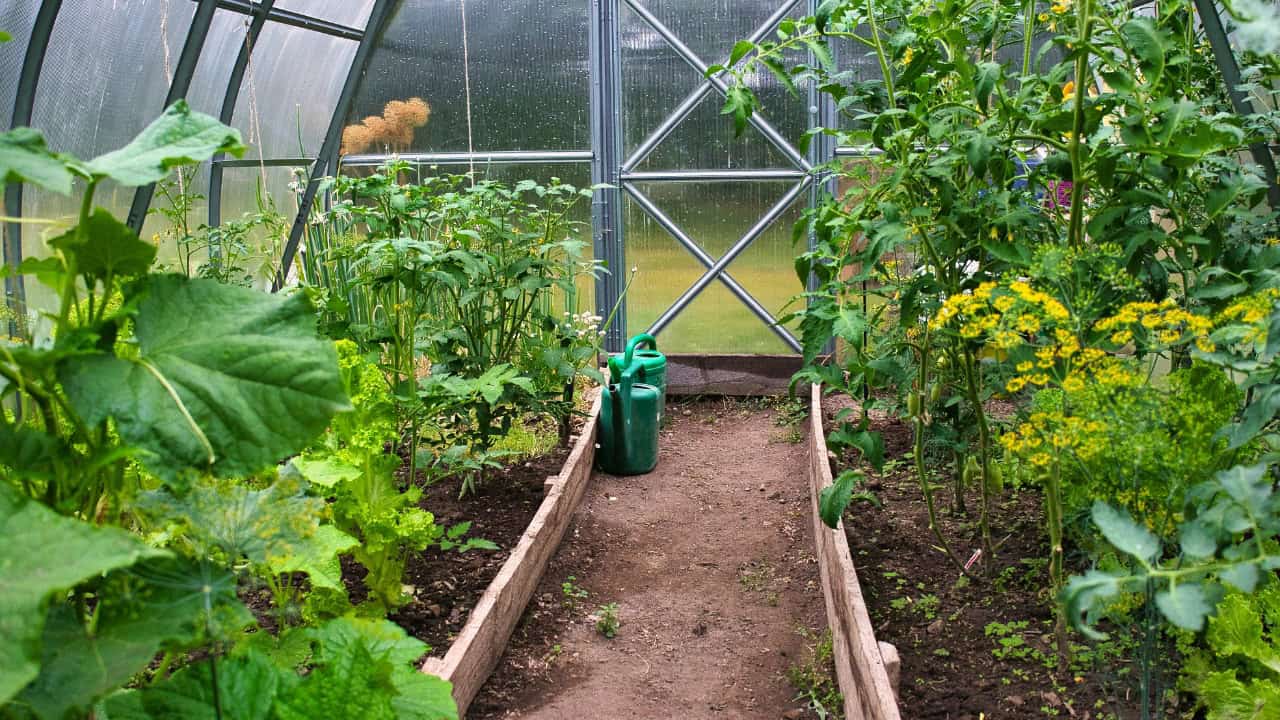
It’s easy to get swept away by the beautiful gardens showcased on social media, but it’s important to remember that not all plants are suited to all conditions.
Just because a particular plant thrives in a garden halfway across the world doesn’t mean it will thrive in your garden. Always consider your local climate, soil conditions, and sun exposure before selecting plants for your garden.
8. Invasive Species
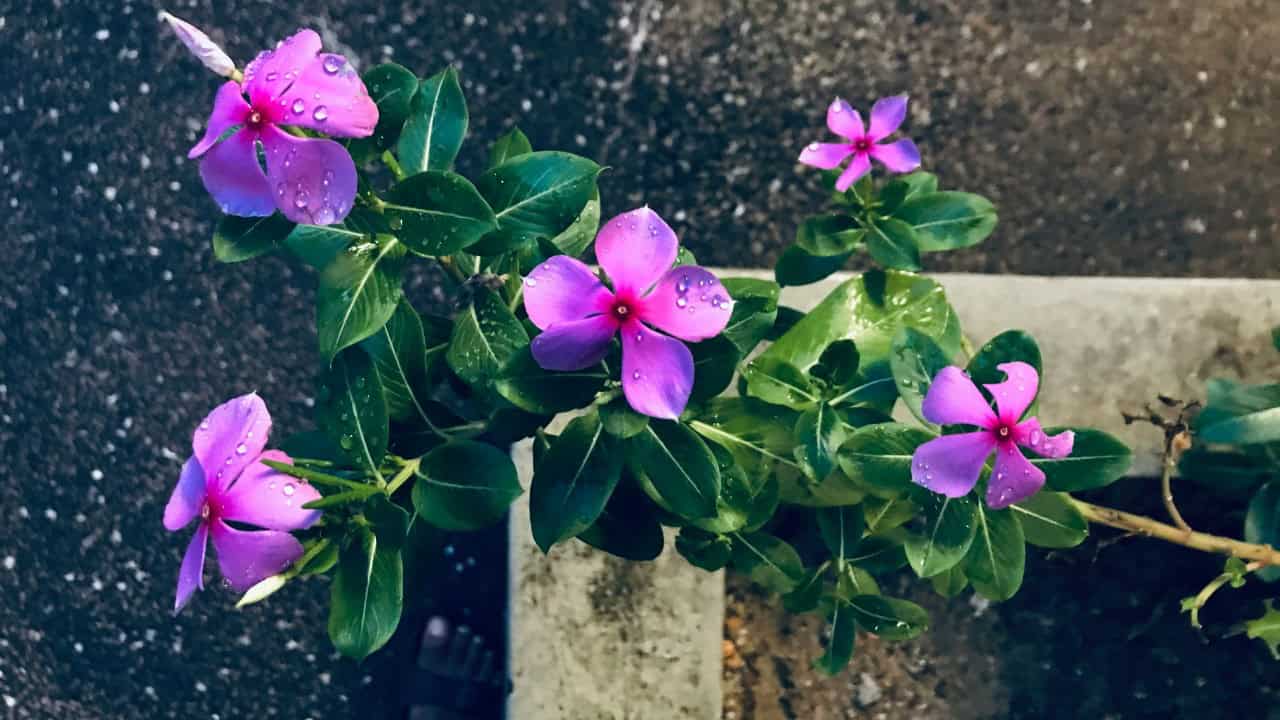
Sometimes, social media can popularize plants that are actually invasive in certain areas. Planting these can harm local ecosystems and even your own garden.
Before planting anything, it’s worth doing some research to ensure it’s not an invasive species in your area. Check with local nurseries or extension services if you’re unsure.
9. Overemphasis on Aesthetics
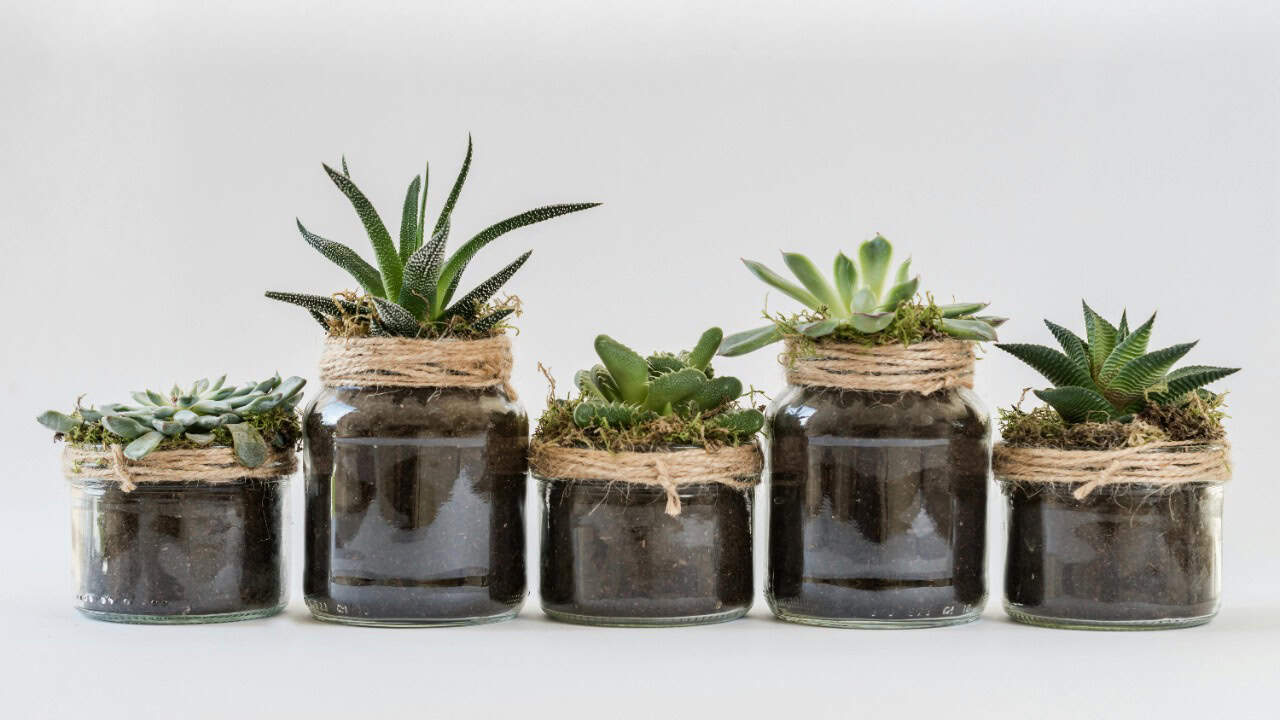
Social media has a tendency to prioritize aesthetics over function and sustainability. This can lead to gardens that look good on Instagram but are not necessarily good for the environment or practical to maintain.
Remember that a truly successful garden is one that is not only beautiful but also environmentally friendly and sustainable.
10. Promoting Unhealthy Practices
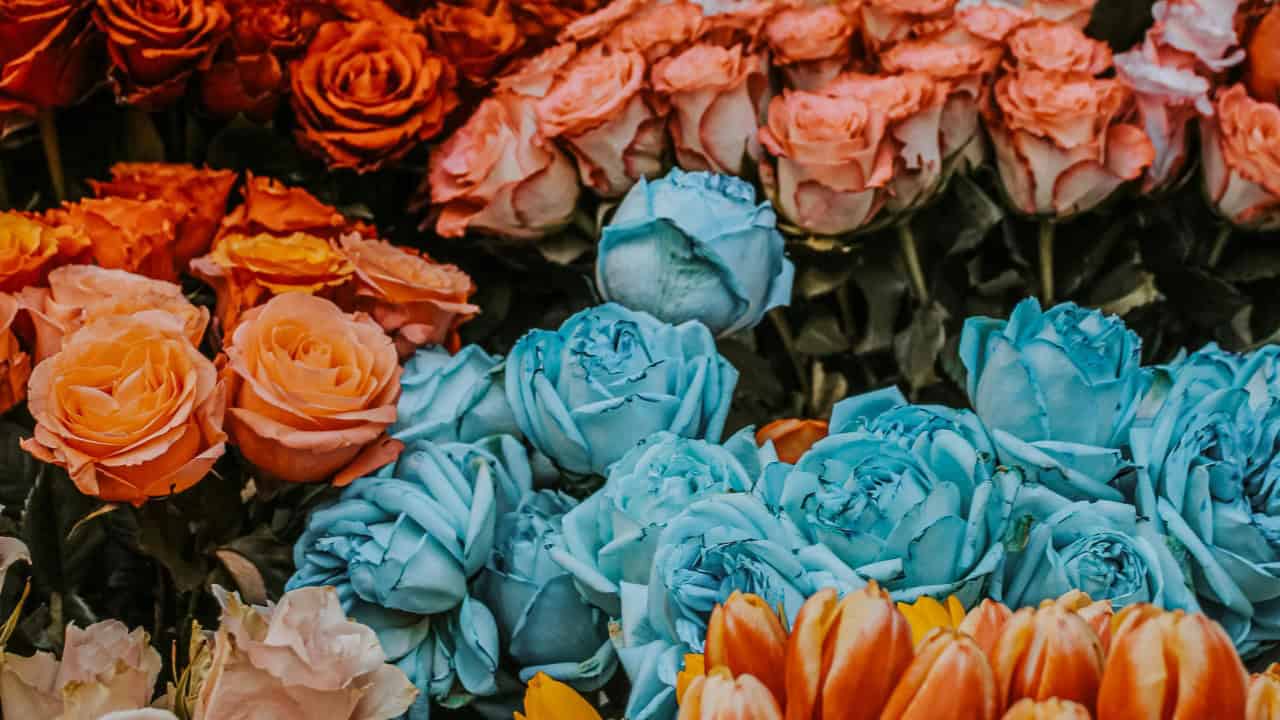
Some social media trends promote practices that are not healthy for plants or the environment. For example, dyed plants or chemically treated blooms might look visually appealing, but they can be harmful to plants and the wider ecosystem.
Always prioritize the health of your plants and the environment over aesthetics or trends.
11. Over-Reliance on Social Media for Information
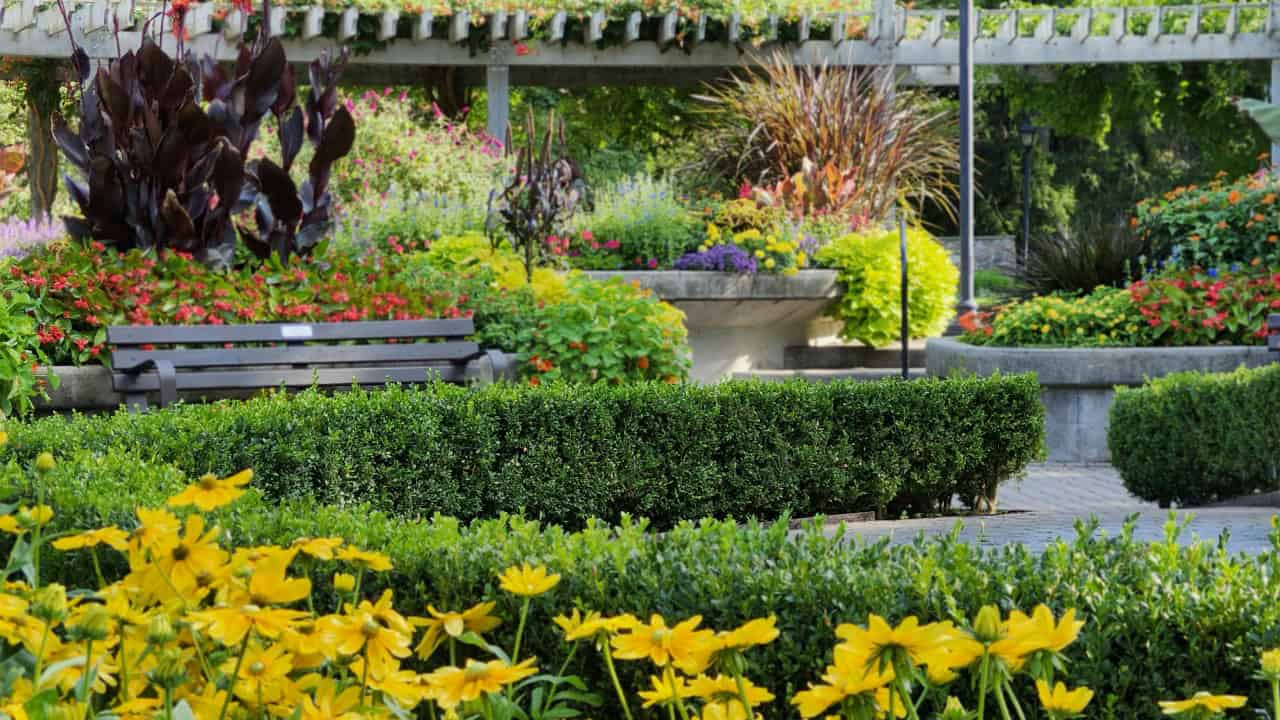
While social media can be a great place to find inspiration and ideas, over-reliance on it for information can be detrimental. Not all advice you find on social media is accurate or reliable.
It’s always best to cross-reference information with reputable sources or consult with local gardening experts.
12. Skewing of Seasonal Timelines
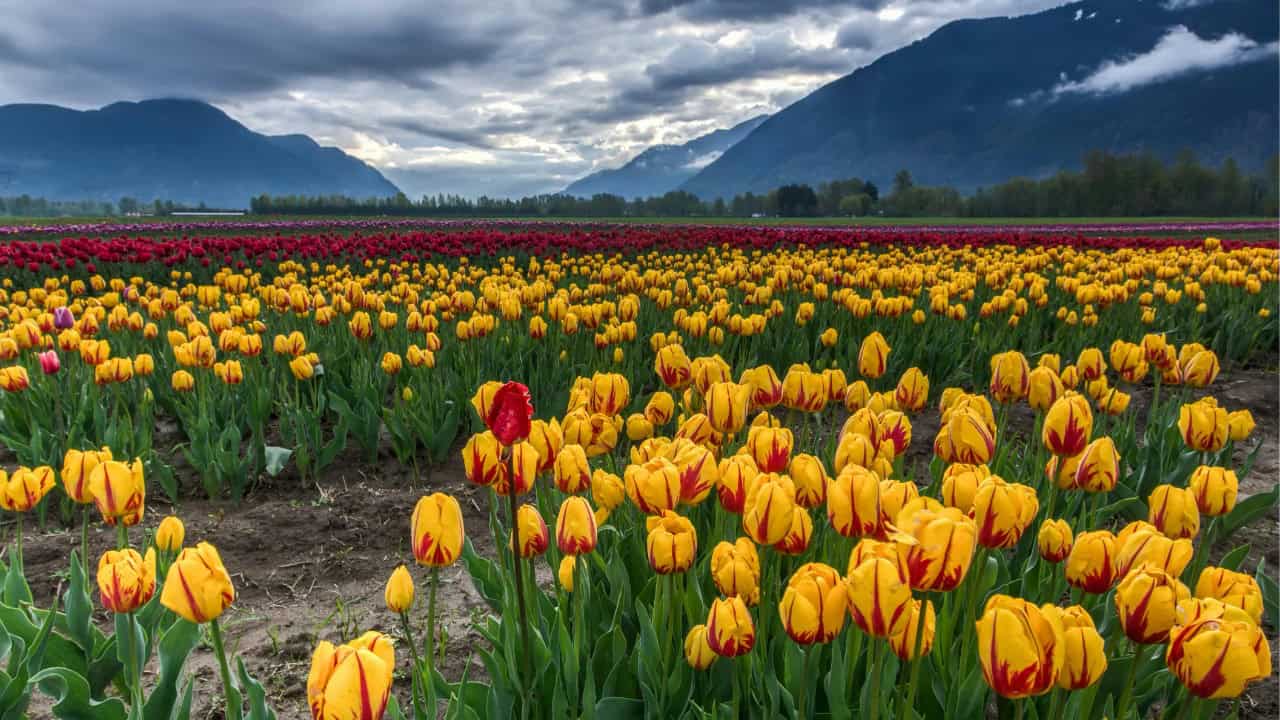
Often, social media can skew our perception of seasonal timelines. We might see images from other parts of the world where plants are blooming earlier or later than in our own gardens, which can cause confusion or frustration.
Remember to take into account regional and seasonal differences when planning your garden activities.
13. Disregarding Local Wildlife
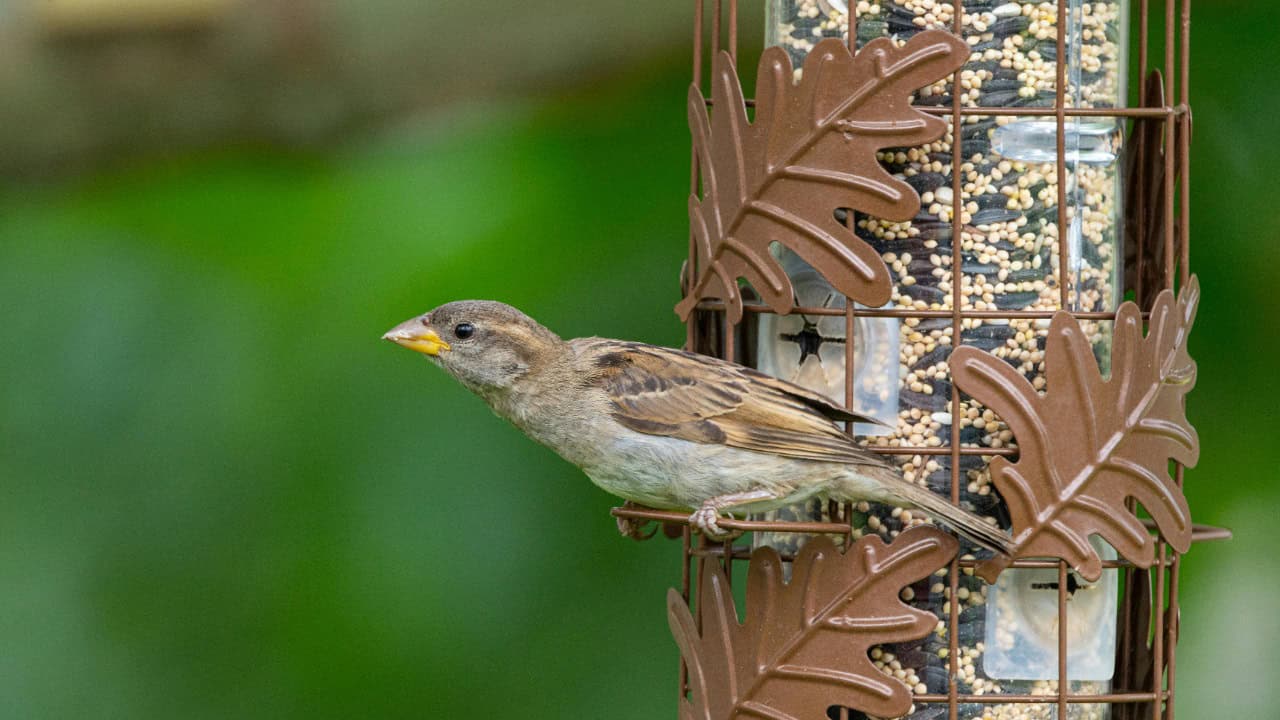
Some gardening practices promoted on social media can be harmful to local wildlife. For example, using certain pesticides or planting non-native plants can disrupt local ecosystems.
Always consider the impact of your gardening practices on local wildlife and strive to create a garden that is friendly to both plants and animals.
14. Ignoring Basic Gardening Principles

In the race to create the most Instagrammable garden, basic gardening principles can sometimes be ignored. This can lead to unhealthy plants and unsustainable gardens.
Remember to always prioritize good gardening practices like proper plant spacing, appropriate watering, and organic pest control.
15. Overspending
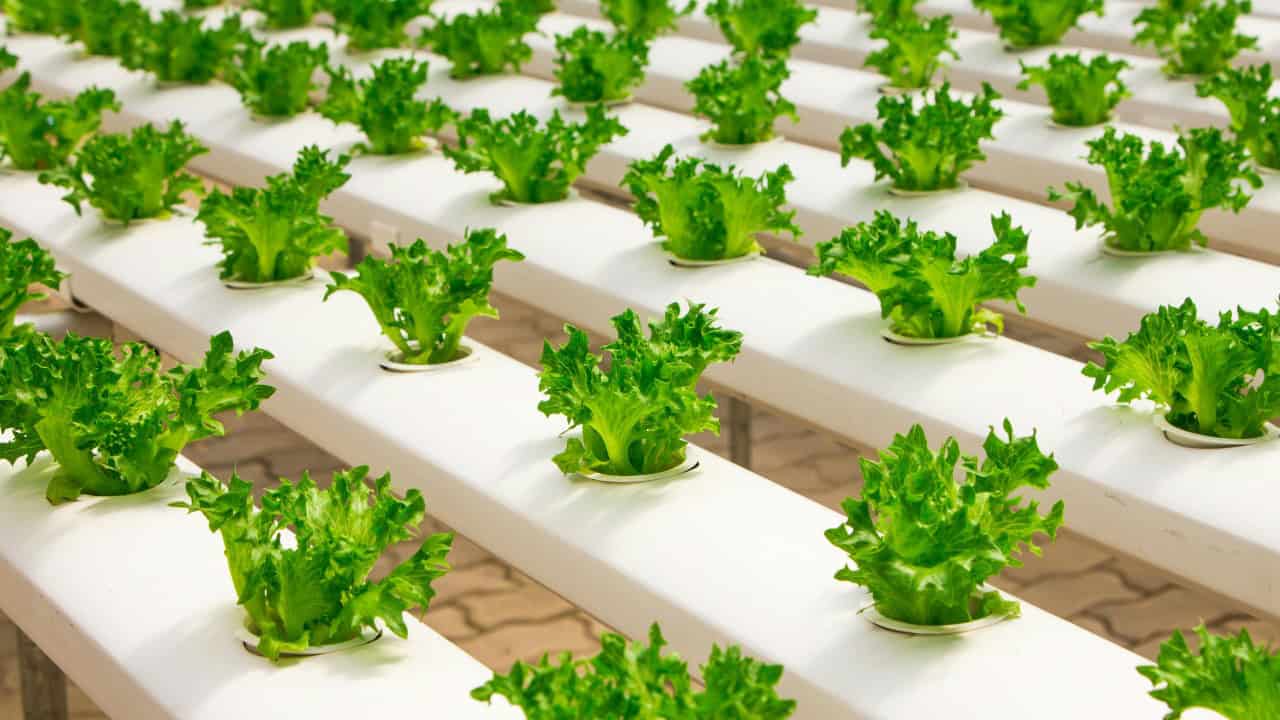
Social media can sometimes encourage unnecessary purchases. From fancy garden tools to exotic plants, these purchases can quickly add up and lead to overspending.
Before making any purchases, consider whether you really need the item or if you’re just buying it because it’s trendy.
16. Neglecting Personal Enjoyment
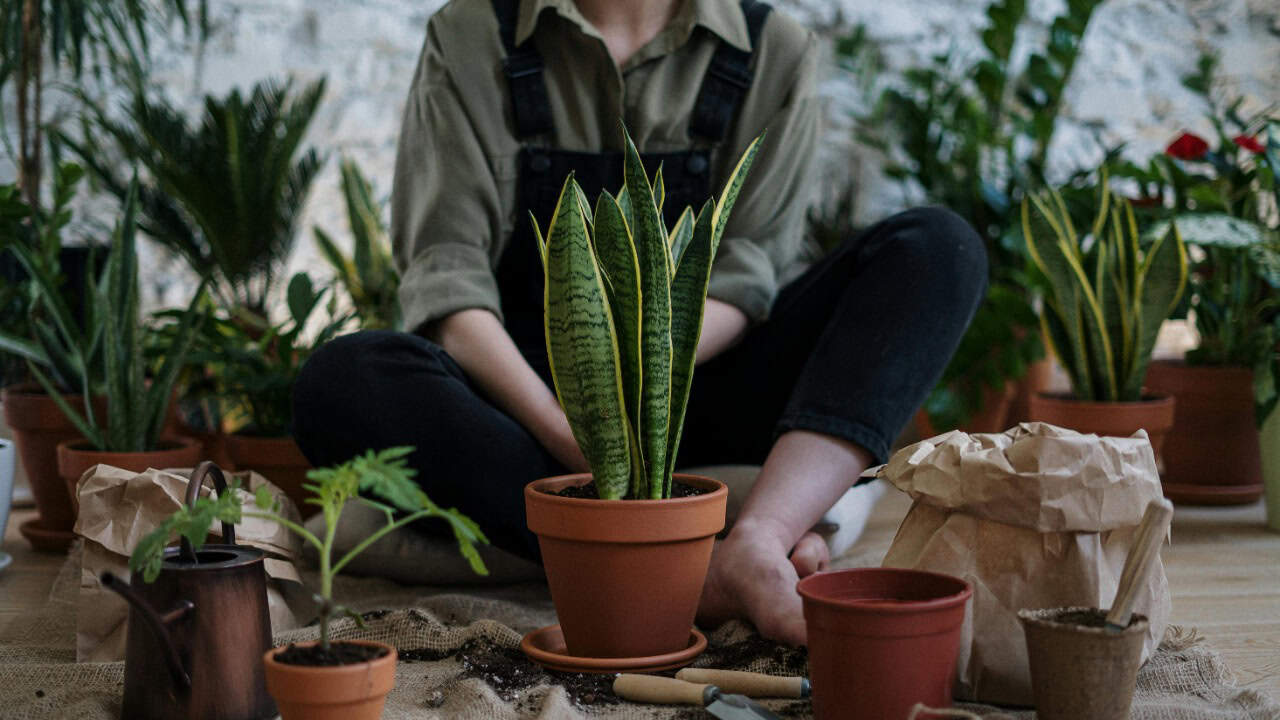
Finally, social media can sometimes make gardening feel like a chore or a competition, rather than a hobby to be enjoyed. Remember that the purpose of gardening is to bring joy and satisfaction.
Don’t let social media pressure you into making your garden something it’s not. Enjoy your garden for what it is and find pleasure in the process of gardening, rather than just the end result.