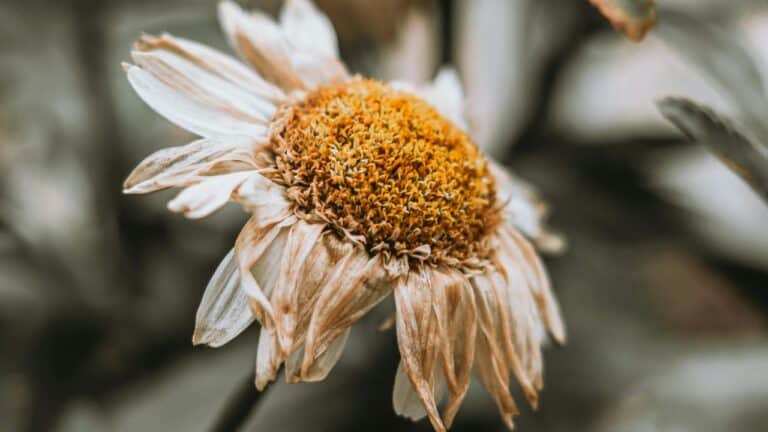
As we’re in the thick of summer, heatwaves are increasingly becoming a common occurrence. The sweltering heat doesn’t just affect us humans; it affects our plants too. Many of us are proud of our lush green gardens and the last thing we want is to see them wilt under the scorching sun. Understanding how heatwaves can ruin your plants and what precautionary measures you can take is vital to maintaining a healthy garden.
Let’s explore 16 ways in which extreme heat can detriment your plants.
Advertisement
1. Wilting

Heatwaves can cause plants to wilt. This is because the heat causes them to lose water faster than they can absorb it. When this happens, the plants’ cells lose their turgidity, leading to the wilting effect.
For instance, if your tomato plants start to wilt during a heatwave, it might not necessarily mean they need more water. They could be wilting as a physiological response to the heat. Instead of watering them more, which could cause root rot, consider providing them with some shade during the hottest parts of the day.
2. Sunscald
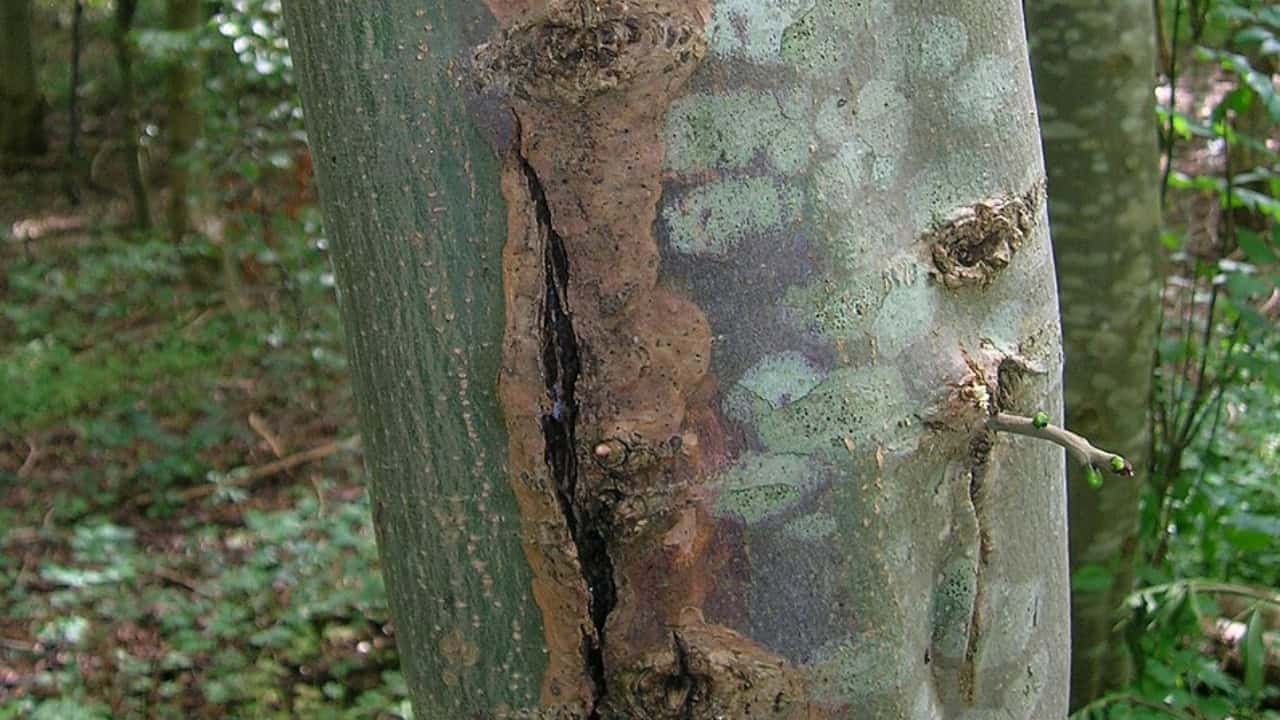
Sunscald is a type of plant injury that occurs when plants are exposed to extreme heat and sunlight. It can lead to discoloration, browning, and drying of leaves, fruits, and bark.
Take, for example, apple trees. The fruits can get sunscald, which results in brown, sunken, or wrinkled patches on the skin. To prevent this, you can use tree wraps or paint the trunk white to reflect sunlight.
3. Reduced Flowering
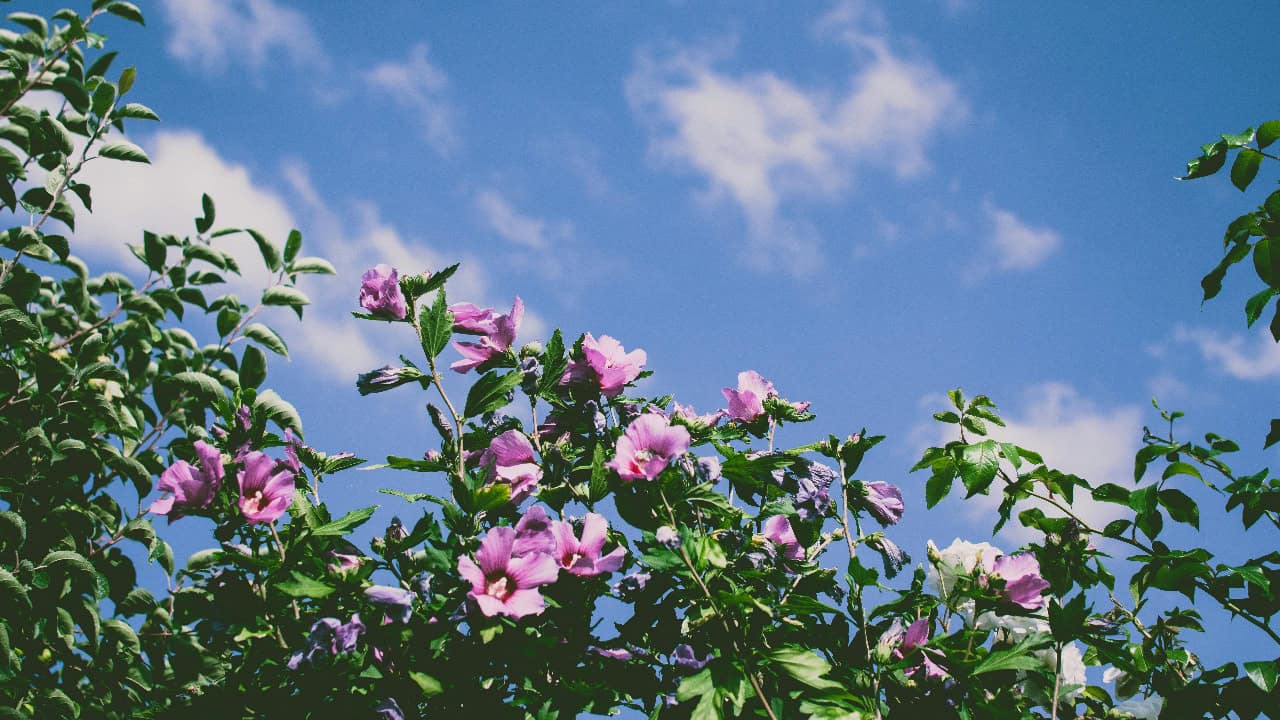
Heatwaves can reduce flowering in plants. This is because high temperatures can interfere with the process of pollination. Without successful pollination, plants cannot produce fruits or seeds.
This effect is particularly evident in plants like peas and beans. These plants love cool weather and when exposed to high temperatures, they may fail to flower. Planting them in a shaded area or using shade cloth can help mitigate this.
4. Leaf Scorch
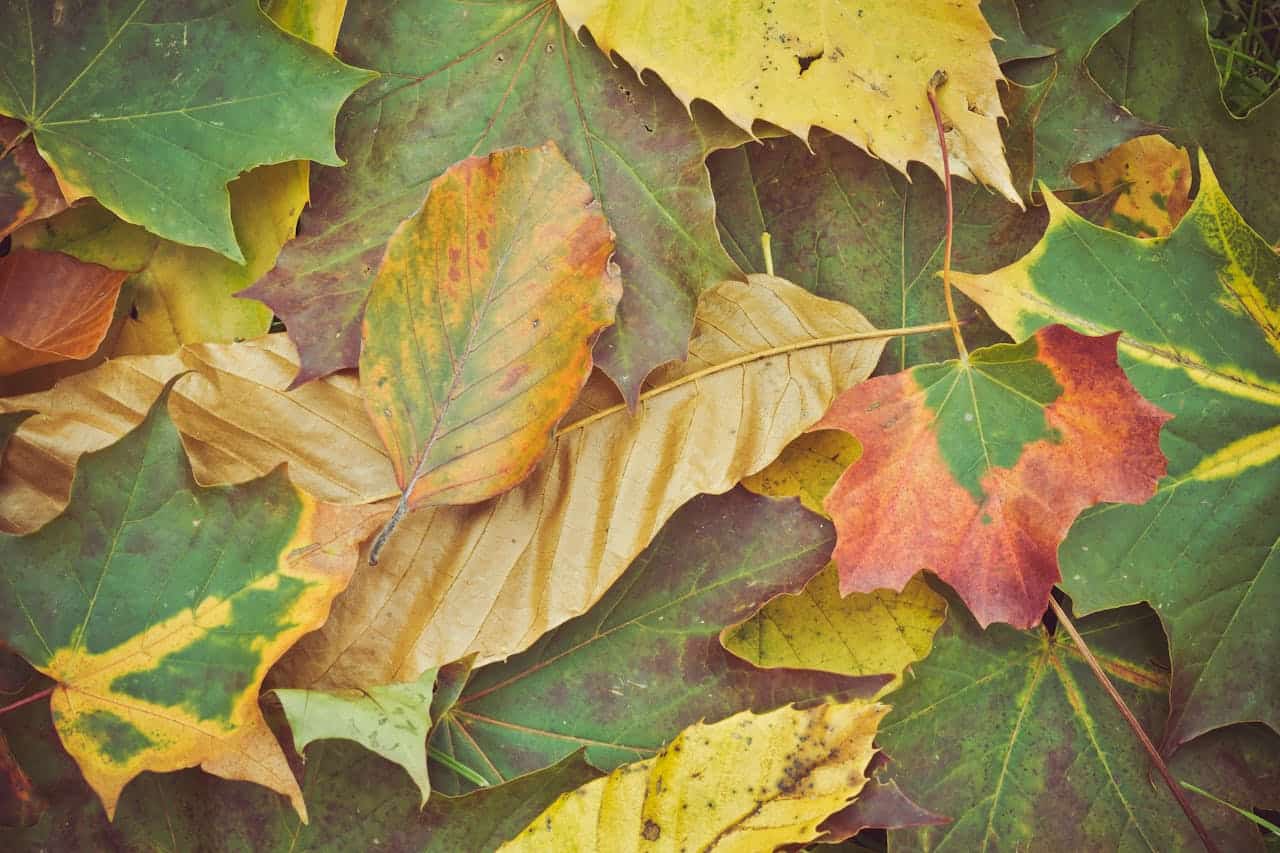
Leaf scorch is a common symptom of heat stress in plants. It’s characterized by the browning or yellowing of leaf margins, and sometimes the entire leaf.
Maple trees, for example, are prone to leaf scorch. To prevent this, make sure the soil around your tree is well-mulched to conserve moisture and keep the roots cool.
5. Stunted Growth

Heat stress can also result in stunted growth. High temperatures can slow down the process of photosynthesis, which is essential for plant growth.
An example is lettuce, which prefers cooler temperatures. During a heatwave, you might notice your lettuce plants are smaller than usual. Consider growing heat-tolerant varieties or using a shade cloth to protect them.
6. Root Damage

Heatwaves can cause damage to plant roots. High soil temperatures can kill beneficial soil organisms and damage the roots, leading to poor nutrient uptake.
For instance, grasses can suffer from root damage during a heatwave. Watering deeply and less frequently encourages roots to grow deeper, which can help them survive the heat.
7. Dehydration
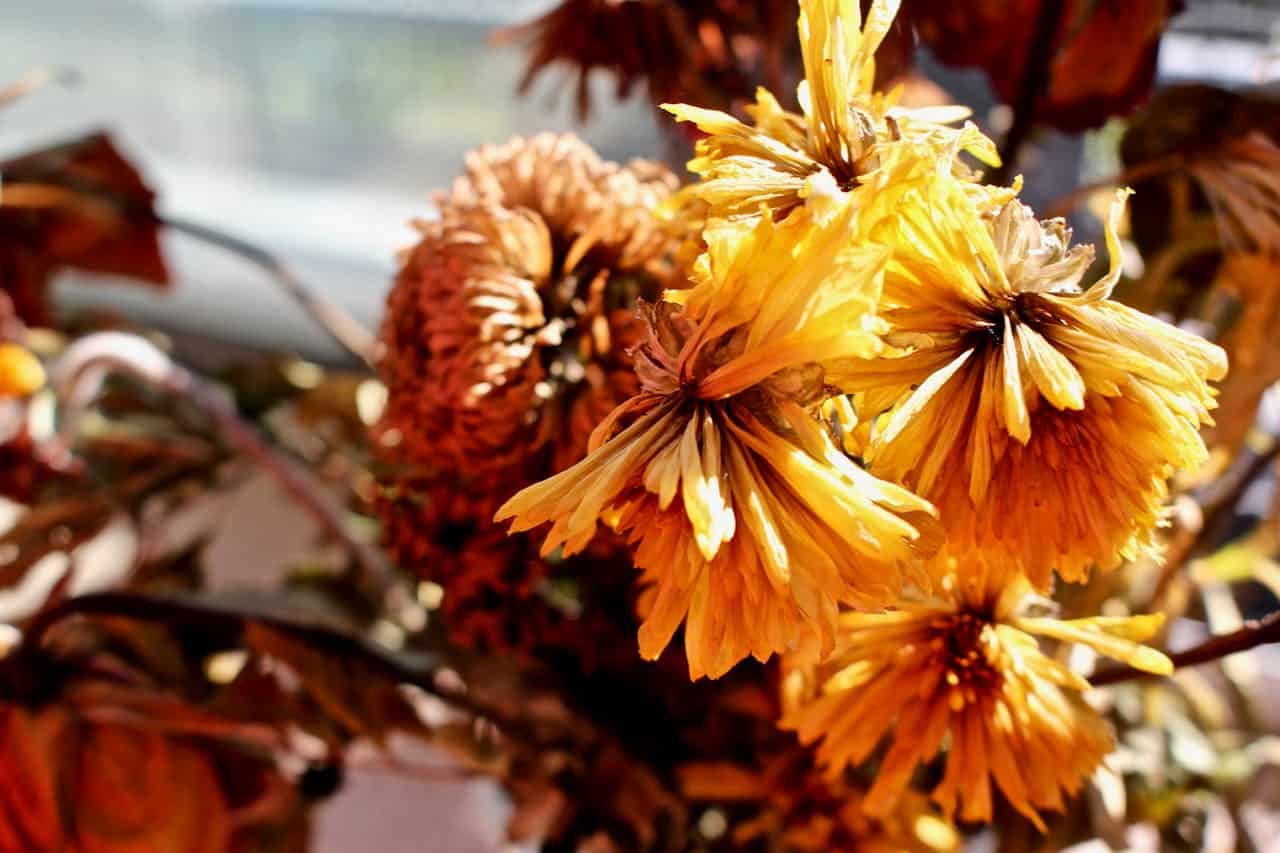
Dehydration is another common effect of heatwaves on plants. High temperatures can cause plants to lose water through transpiration faster than they can absorb it.
Take succulents, for example. While they are adapted to withstand dry conditions, extreme heat can still cause them to dehydrate. Watering them early in the morning or late in the evening, when temperatures are cooler, can help prevent this.
8. Fruit Drop

Heatwaves can cause fruit drop in many plants. High temperatures can cause the plant to abort its fruits in an attempt to conserve water.
Citrus trees, for example, may drop their immature fruits during a heatwave. Regular watering and mulching can help prevent this.
9. Increased Pest Activity

Heatwaves can increase pest activity. Many pests reproduce faster in warm weather, which can lead to an infestation.
For instance, aphids thrive in warm weather and can quickly infest your roses during a heatwave. Regularly inspecting your plants and using natural pest control methods can help keep them at bay.
10. Disease Susceptibility
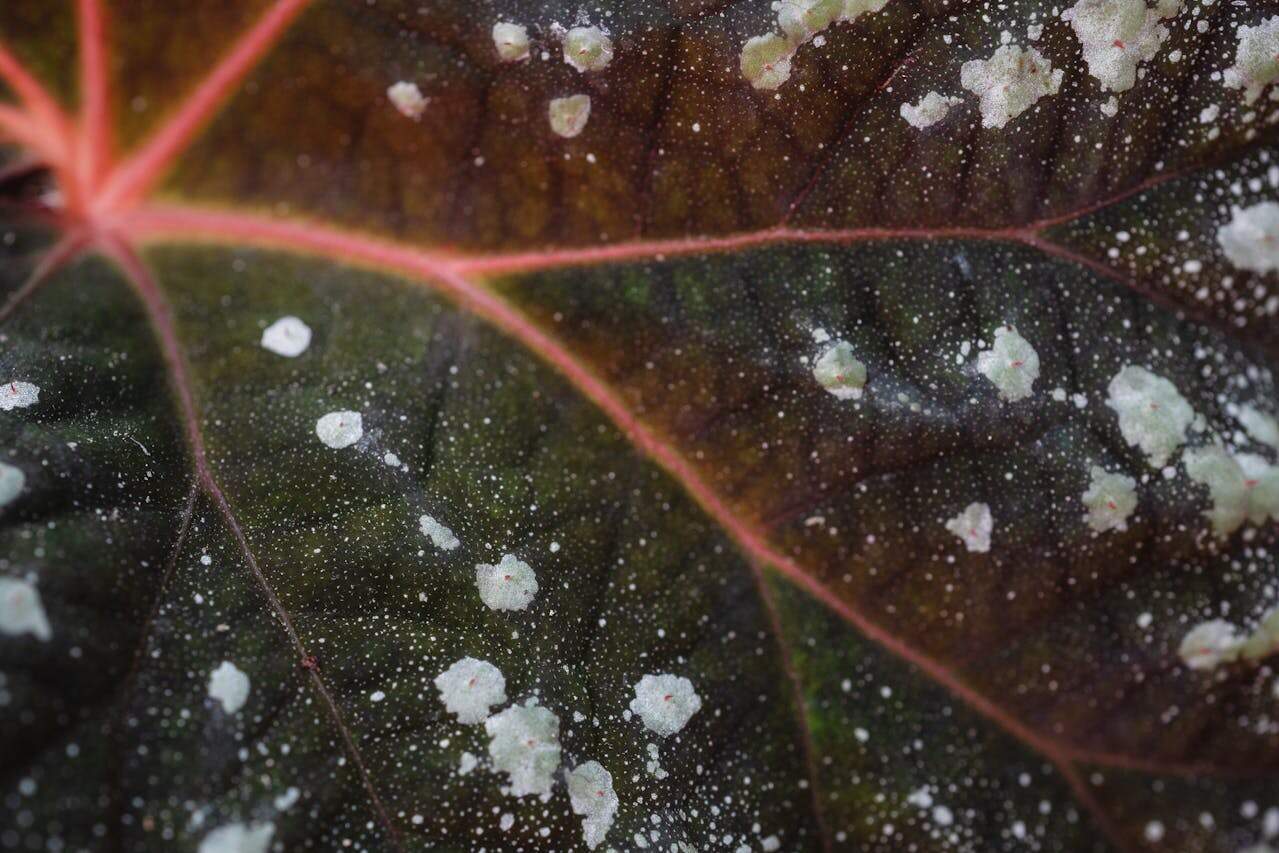
Plants stressed by heatwaves are more susceptible to diseases. The combination of heat and high humidity can create a perfect environment for fungal diseases.
For example, powdery mildew can become a problem on your roses during a heatwave. Regularly pruning your roses can help improve air circulation and reduce disease incidence.
11. Leaf Drop
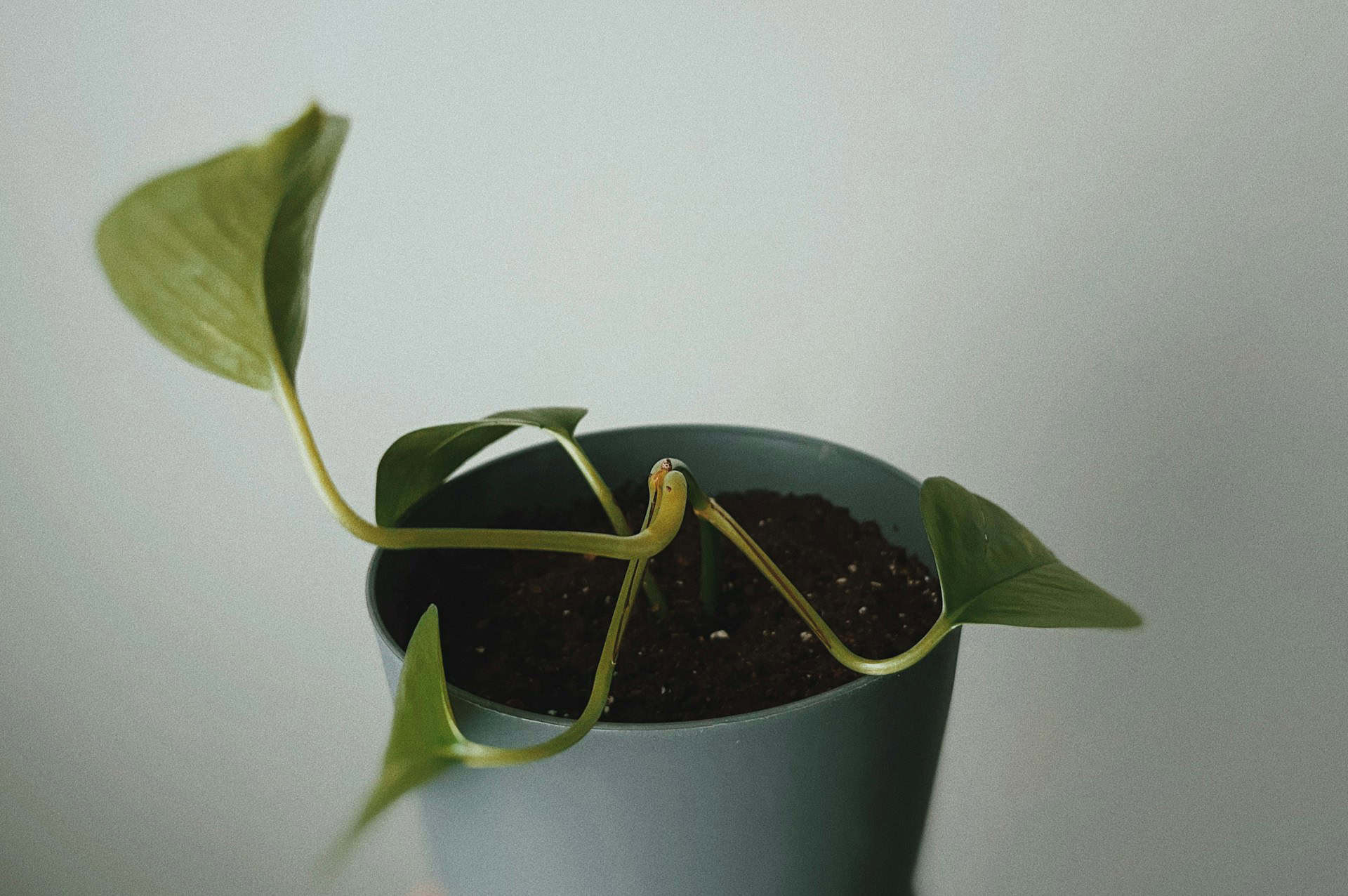
Heat stress can cause leaf drop in plants. This is a survival mechanism where the plant drops leaves to reduce its water loss.
For instance, your hydrangeas might start dropping leaves during a heatwave. Providing them with some shade and watering them regularly can help prevent this.
12. Chlorosis
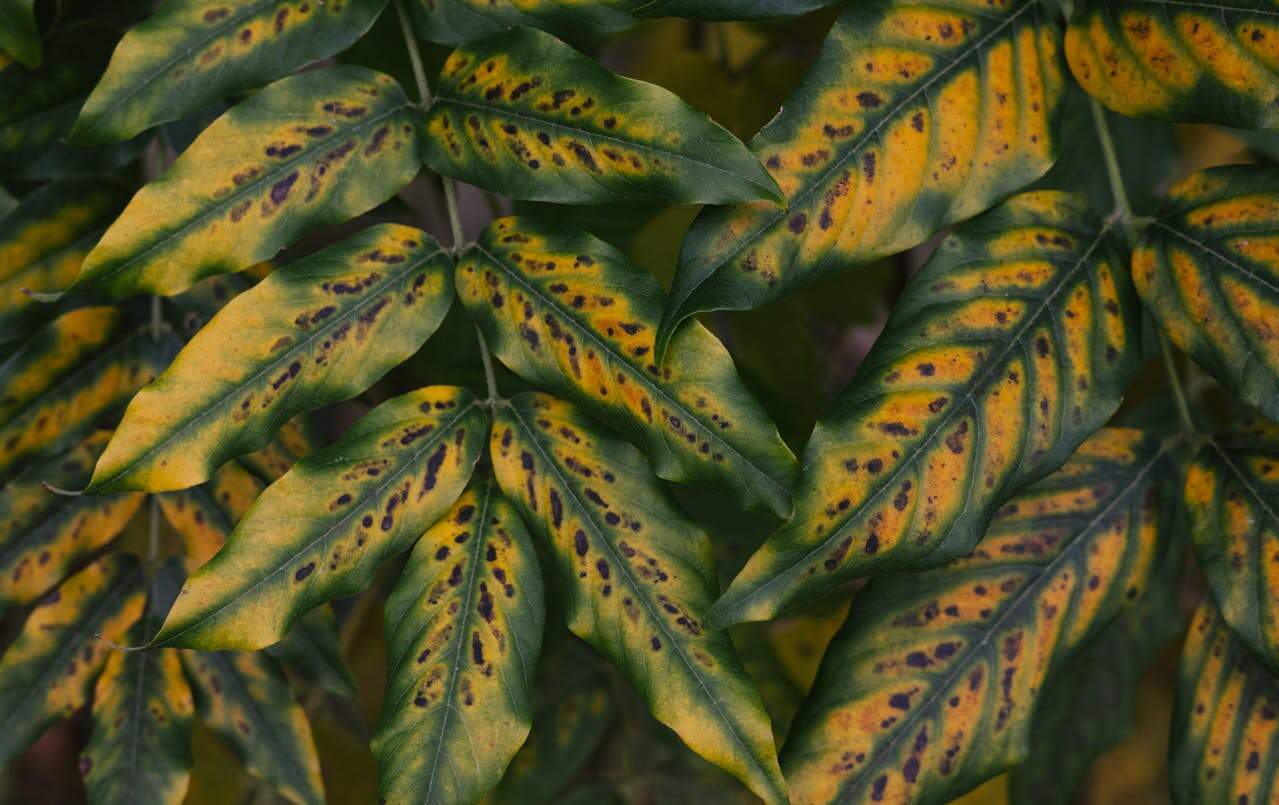
Chlorosis, a yellowing of the leaves, can occur in plants during a heatwave. This is due to the breakdown of chlorophyll due to excessive heat.
For example, your lawn grass might start to turn yellow during a heatwave. Watering your lawn deeply and less frequently can help prevent this.
13. Premature Ripening

Heatwaves can cause premature ripening of fruits. High temperatures can speed up the ripening process, often leading to poor quality fruits.
For example, your tomatoes might start to ripen prematurely during a heatwave. Regular watering and providing some shade can help prevent this.
14. Reduced Crop Yield
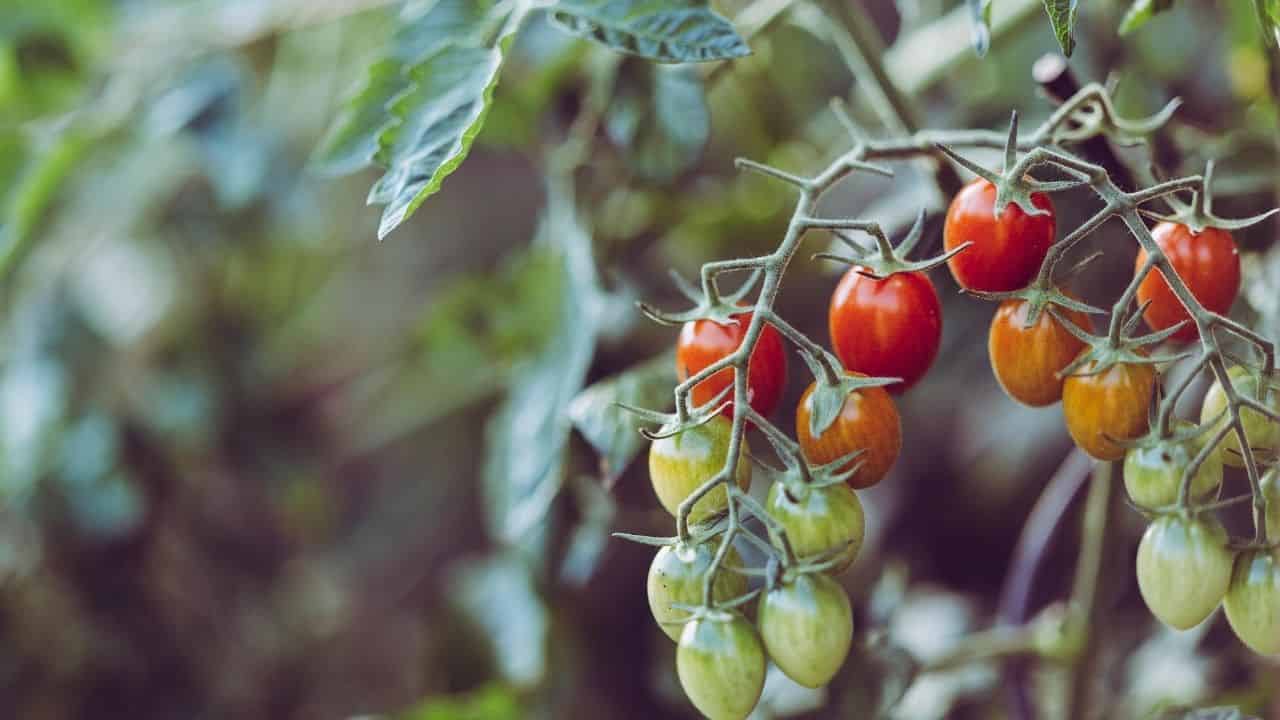
Heat stress can reduce crop yield. High temperatures can interfere with the process of photosynthesis, leading to reduced production of fruits or seeds.
For instance, your corn might produce smaller cobs during a heatwave. Watering deeply and less frequently can help mitigate this.
15. Browning of Needles on Conifers
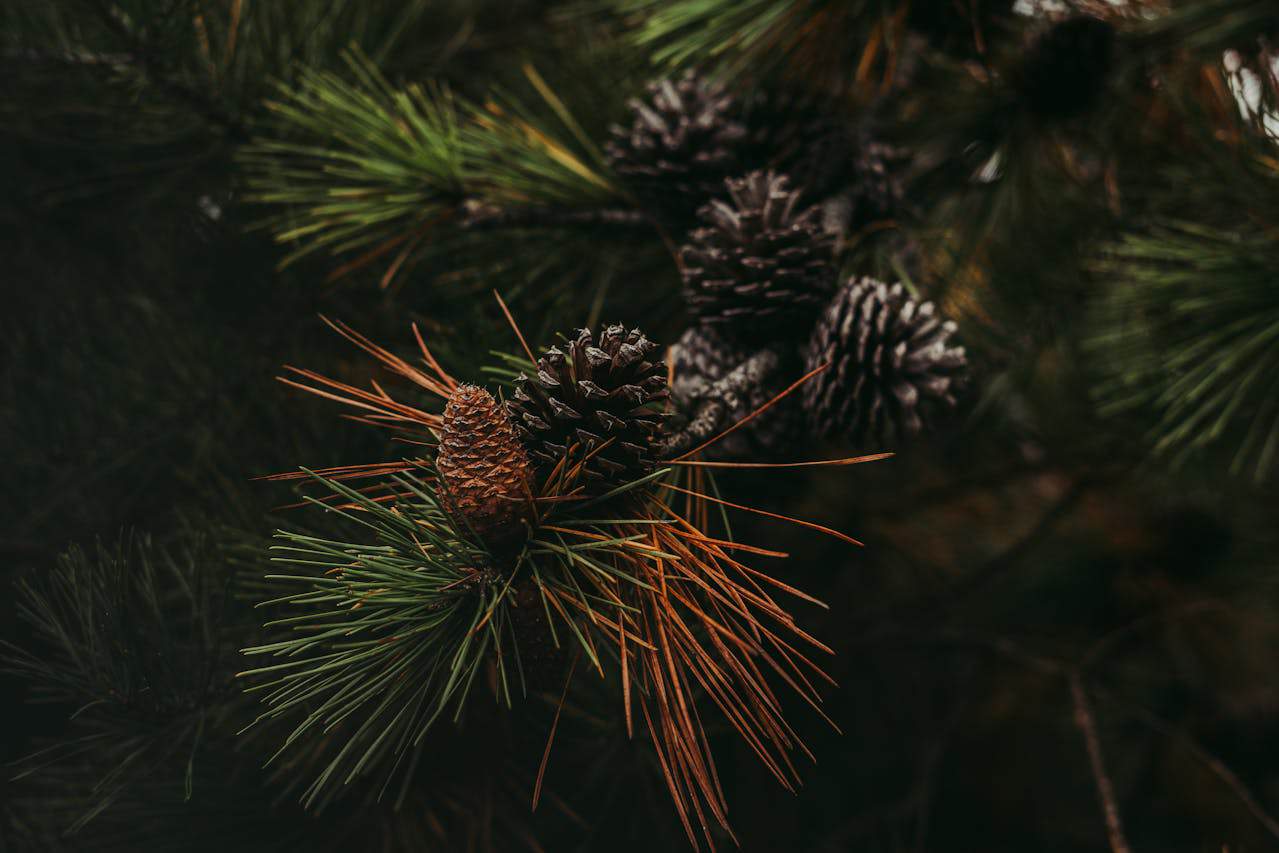
Heatwaves can cause browning of needles on conifers. High temperatures can cause the needles to turn brown and die.
For example, your pine trees might start to show brown needles during a heatwave. Providing them with plenty of water can help prevent this.
16. Increased Water Requirements
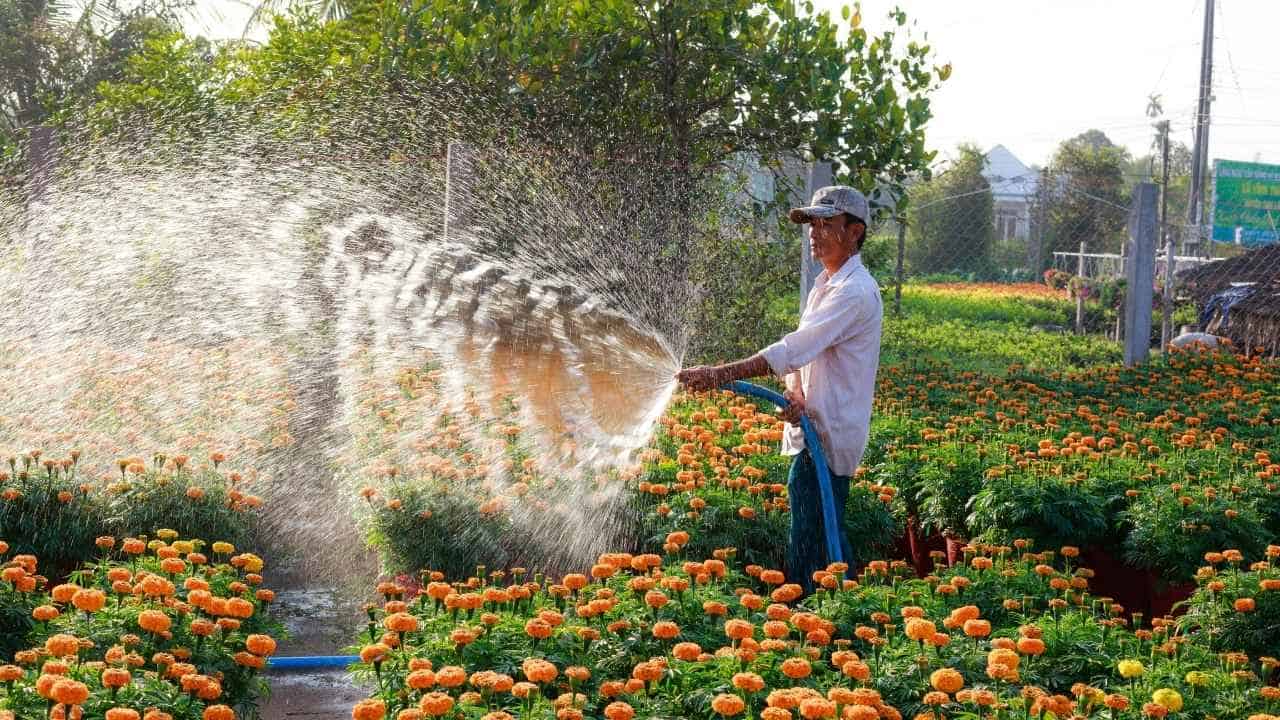
Lastly, heatwaves increase the water requirements of plants. High temperatures cause plants to lose water faster, necessitating more frequent watering.
For instance, your flower bed might require watering twice a day during a heatwave. Consider using a soaker hose or drip irrigation system to provide a slow, deep watering that encourages roots to grow deeper.
Heatwaves can be brutal to your garden, but with awareness and proper care, you can help your plants beat the heat. Happy gardening!