Gardens add beauty and life to your home, but they can also come with hidden risks. Sometimes, plants, pests, and garden materials can unintentionally cause damage to your property. Understanding these risks helps you protect your home while enjoying your outdoor space.
Knowing how your garden might harm your home allows you to take simple steps to prevent costly repairs and maintain a safe environment. This article will explore common ways gardens can damage your house and what you can do to avoid those problems.
Advertisement
Tree roots causing foundation cracks
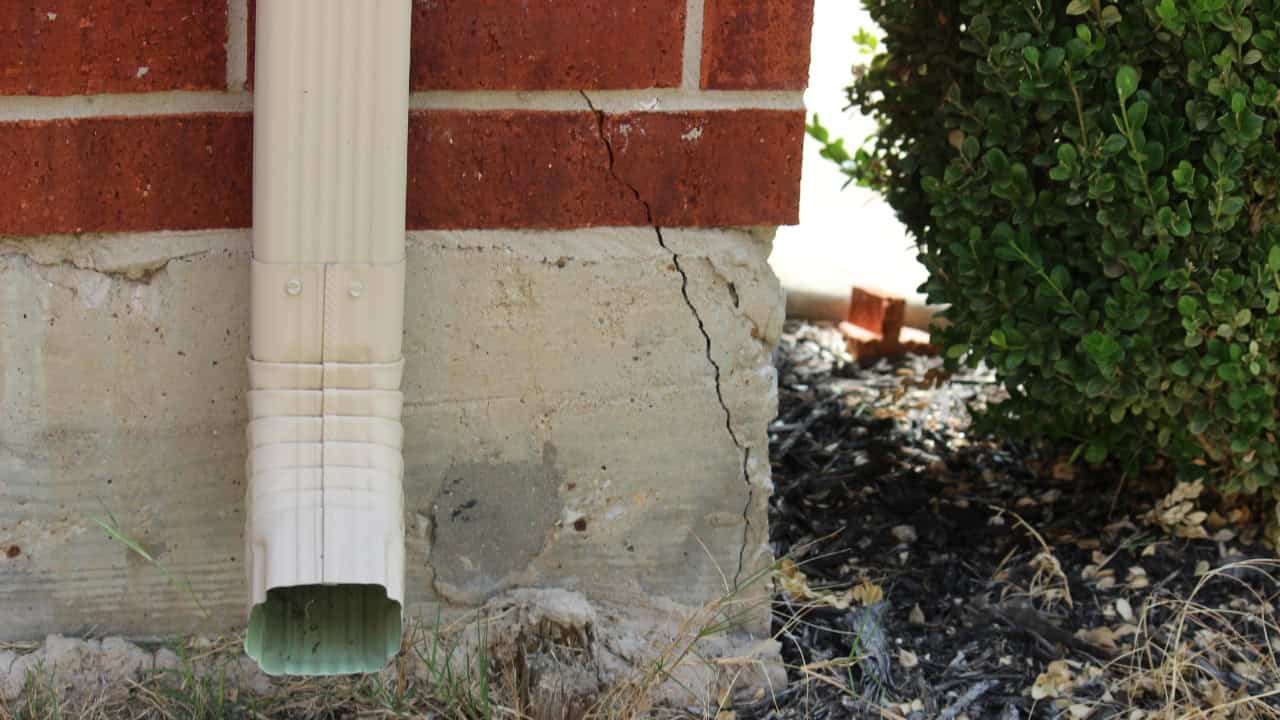
You might not realize it, but tree roots can affect your home’s foundation. They grow towards moisture and nutrients, which often means they move under your house.
As roots expand, they can dry out soil and cause it to shift. This movement may lead to cracks in your foundation over time.
Be careful when removing trees, though. Suddenly cutting roots can disturb the soil and cause additional problems like soil heaving.
Wisteria vines damaging walls

If you plant wisteria too close to your walls, it can cause problems. The thick stems grow strong and may push against surfaces, widening cracks or gaps.
Over time, this pressure can lead to damage in your walls, gutters, and roof edges. Wisteria’s growth can also lift or pull on parts of your home, so it’s best to give it plenty of space.
Bamboo roots invading pipes

If you plant bamboo near your home, its roots can spread quickly and aggressively. These roots can find their way into small cracks in your pipes.
Once inside, they may cause blockages or even cracks, leading to leaks and costly repairs. You should avoid planting bamboo close to drainage systems or plumbing to protect your home.
Overwatering leading to soil erosion

When you overwater your garden, the excess water can wash away the topsoil. This soil erosion weakens the ground around your home.
Eroded soil can create gaps and cracks near your foundation, making your home less stable. You might also notice nutrient loss, which affects your plants and soil health.
By watering appropriately, you help keep your soil intact and protect your home’s structure.
Willow trees causing soil shrinkage

If you have a willow tree near your home, be aware it uses a lot of water. This can dry out the soil, especially if it’s heavy clay.
When clay soil loses moisture, it shrinks and can cause your foundation to move or crack.
Willows grow large, so they may create bigger problems over time if planted too close. You might want to think carefully before planting one near your house.
Oak roots causing subsidence
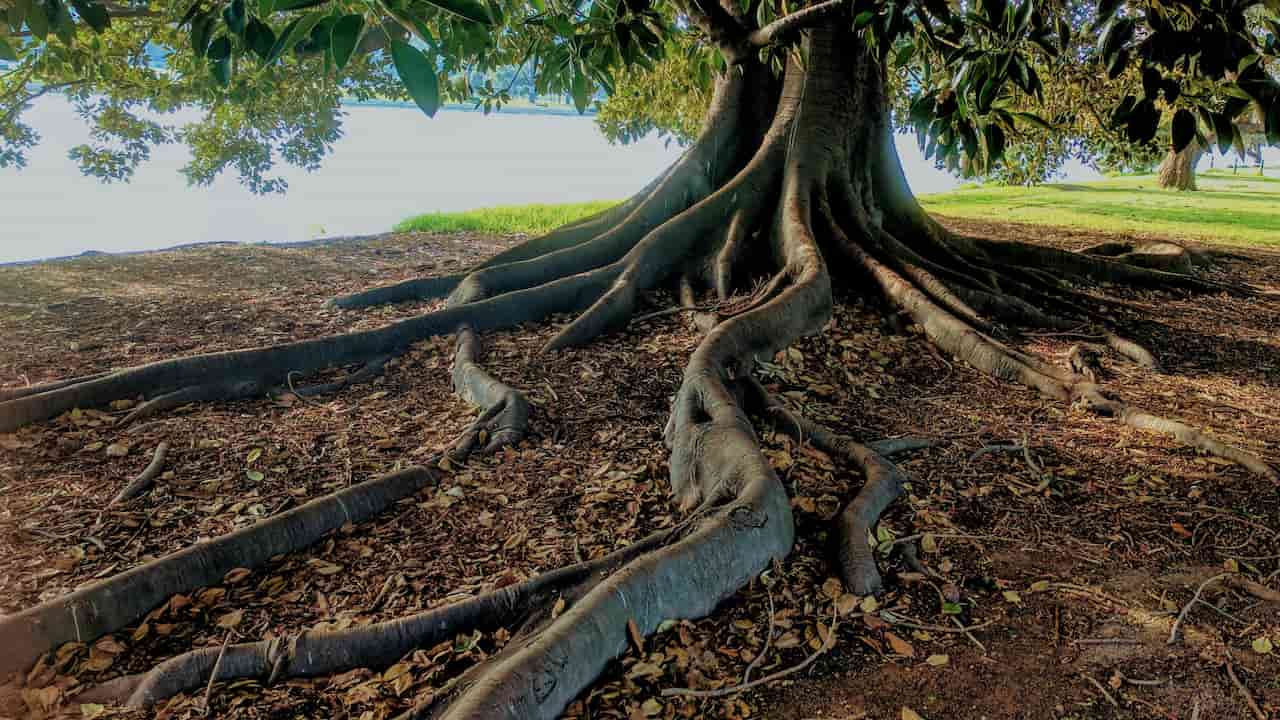
If you have oak trees near your house, their roots might cause issues. These trees have strong roots that can draw moisture from clay soils, causing shrinkage.
This shrinkage may lead to your house’s foundation settling unevenly, increasing the risk of subsidence. While roots usually stay clear of deep foundations, they can affect shallow ones, especially garden sheds or patios.
It’s a good idea to monitor any cracks or shifts in your walls if you have mature oaks nearby.
Close planting encouraging termite infestations

When plants are placed too close to your home, they can create a pathway for termites. The dense foliage holds moisture near your walls, attracting these pests.
Roots and mulch touching the building can give termites easy access to wooden structures. You might want to keep some space between plants and your home’s foundation.
This simple step helps reduce humidity and blocks termites from reaching your house unnoticed. Regularly check for soil or wood contact to keep your home safer.
Climbing plants trapping moisture on siding
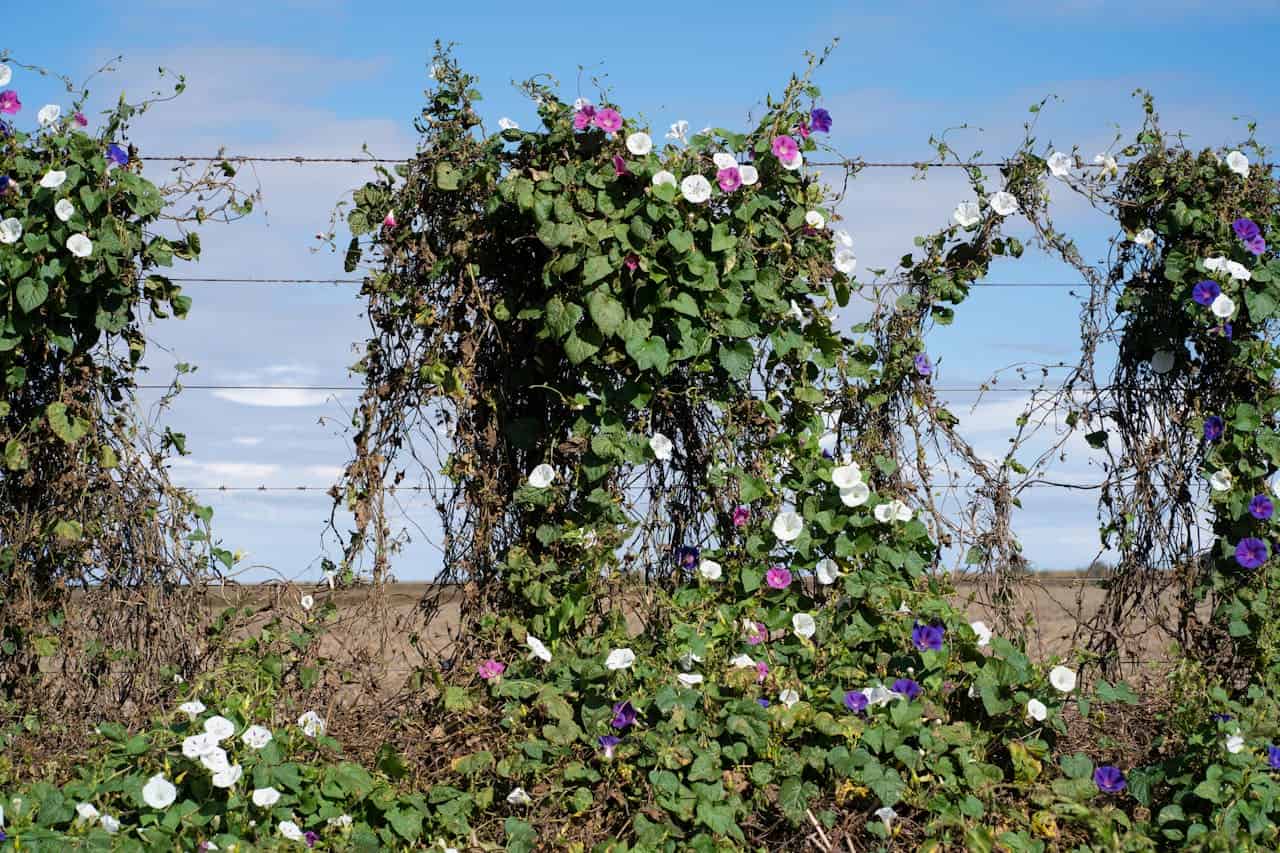
When you let climbing plants grow on your siding, they can trap moisture against your walls. This damp environment may promote mold and rot, especially if your siding is wood or composite.
You might not notice it at first, but over time, this hidden moisture can damage the materials and attract insects. Keeping vines away from your home’s siding helps prevent these issues.
Dense shrubbery blocking airflow to home
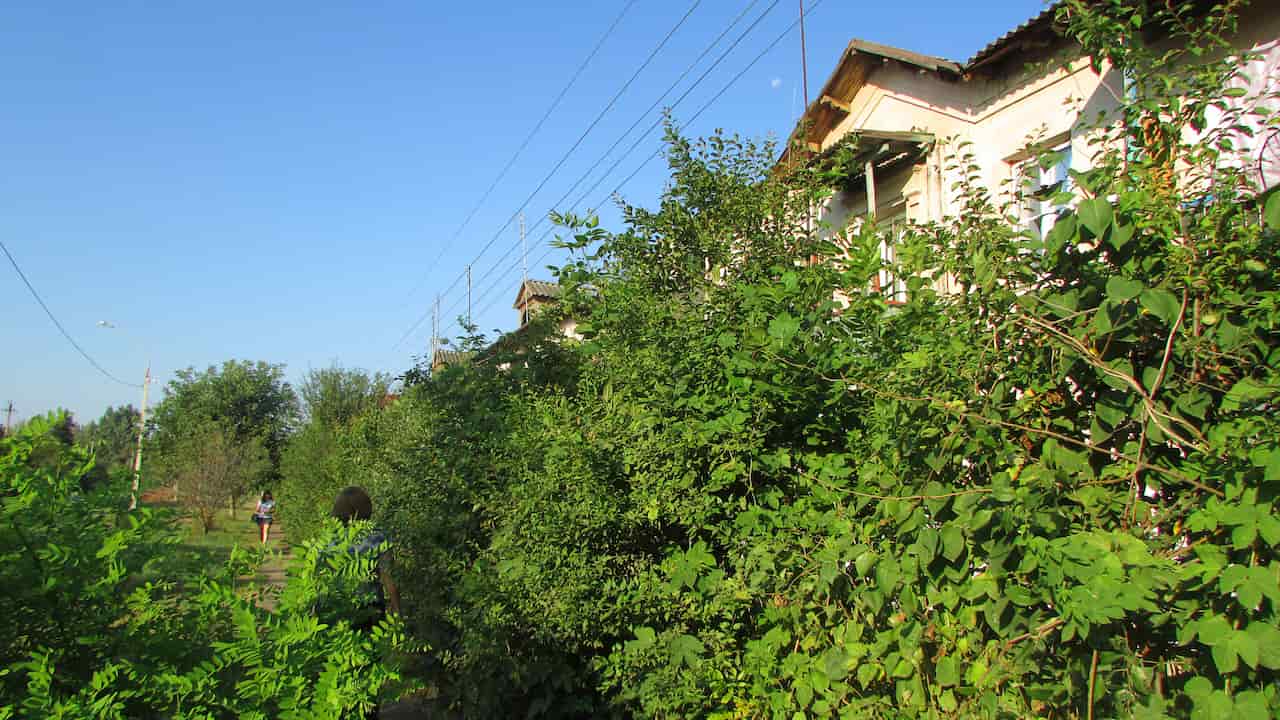
When dense shrubs grow too close to your house, they can limit airflow around your walls. This trapped moisture creates a damp environment that may lead to mold or mildew.
You want to keep shrubs trimmed and spaced well to allow air to circulate freely. This helps protect your siding and foundation from moisture damage.
Proper airflow also reduces the chance of pests hiding in dense vegetation near your home. Regular maintenance keeps your garden healthy and your home safer.
Poor drainage from landscape slopes

If your garden slopes toward your home, water can collect near your foundation. This creates a risk of water seepage into basements or crawl spaces.
You might notice damp walls, mold growth, or even soil erosion around your house. Proper grading directs water away from your home, helping prevent these issues.
Fixing slope drainage often means reshaping the land or adding drainage solutions like swales or French drains to guide water safely away.
Excessive lawn watering causing basement leaks
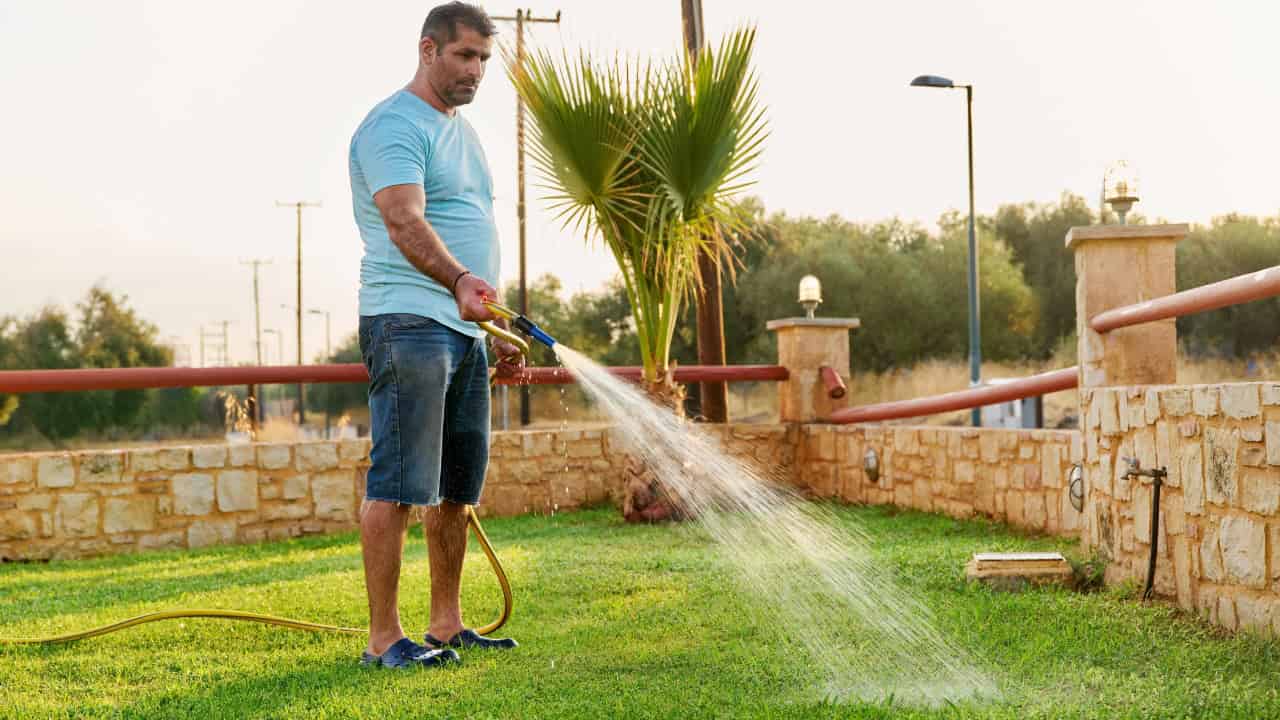
If you water your lawn too much, the soil around your home can become overly saturated. This extra moisture can seep into your foundation, causing basement leaks.
Poor drainage from constant watering can increase water pressure against your walls. Over time, this may lead to cracks or water entering your basement.
Be mindful of how much water your lawn needs and check that irrigation doesn’t pool near your foundation. Proper watering helps protect your home’s structure.
Neglected gutters clogged by plant debris
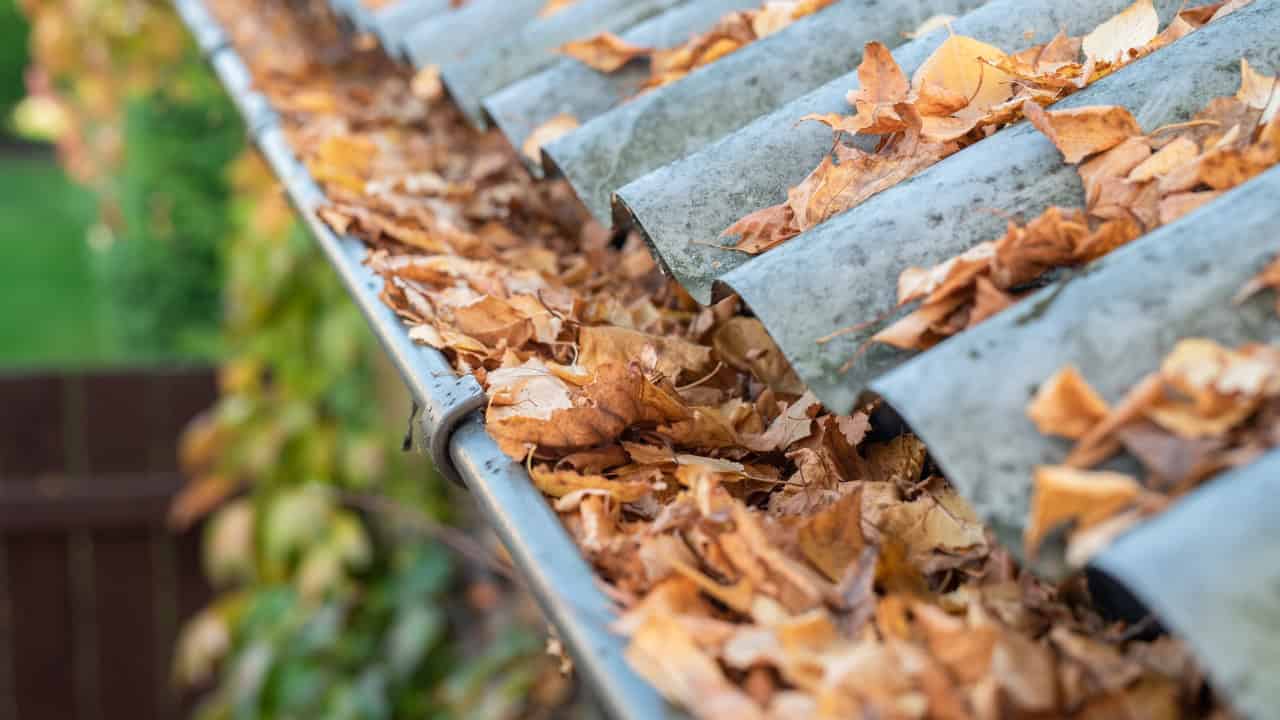
When you let leaves and plant debris build up in your gutters, water can’t flow properly. This often leads to overflowing, which might cause damage to your home’s foundation or walls.
Plants can even start growing in the clogged gutters. Their roots push into gutter debris and mud, compacting it and making the blockage worse.
If you don’t clean gutters regularly, you risk water damage, mold growth, and pests attracted by the stagnant moisture. Staying on top of gutter maintenance helps protect your home.
Heavy mulch touching wood siding
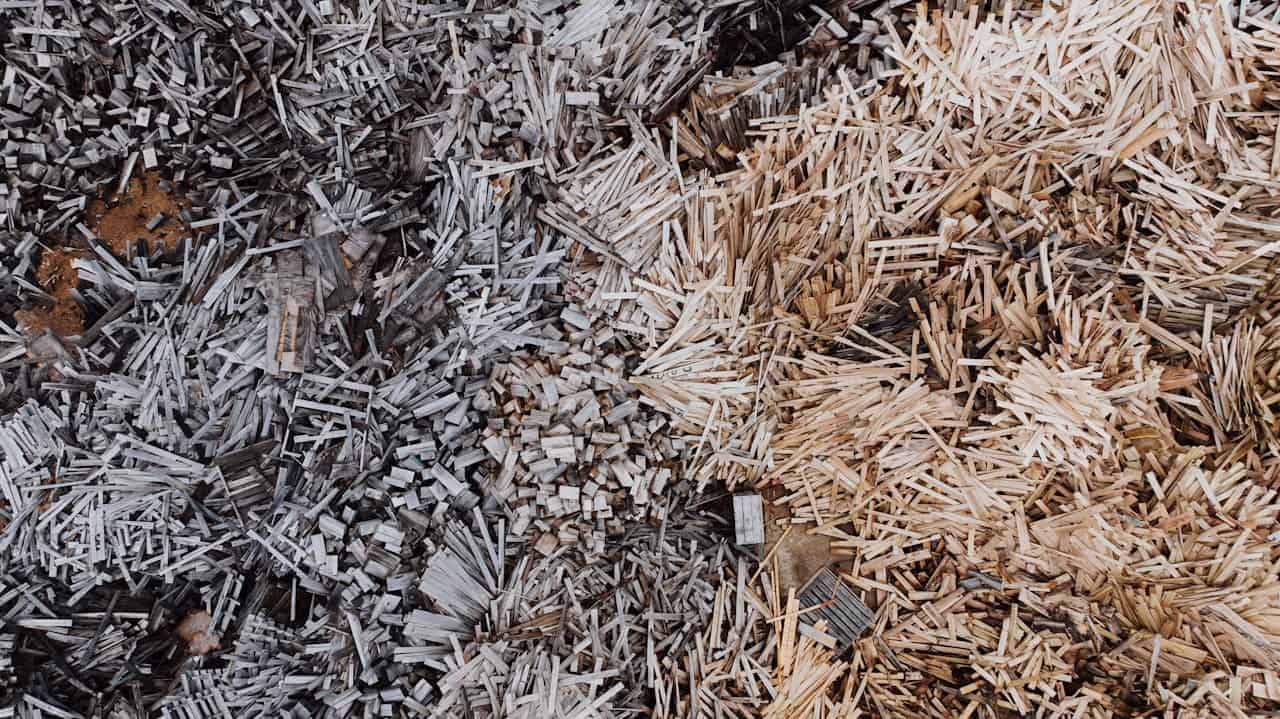
If you pile mulch directly against your wood siding, it can trap moisture. This leads to wood softening and eventual decay.
Mulch also creates a habitat for insects that may damage your home. You might notice pests attracted to the damp environment close to the siding.
Keeping mulch a few inches away from your house helps prevent these problems. It also reduces the risk of mold growth and siding deterioration.
Potted plants without proper trays causing water stains
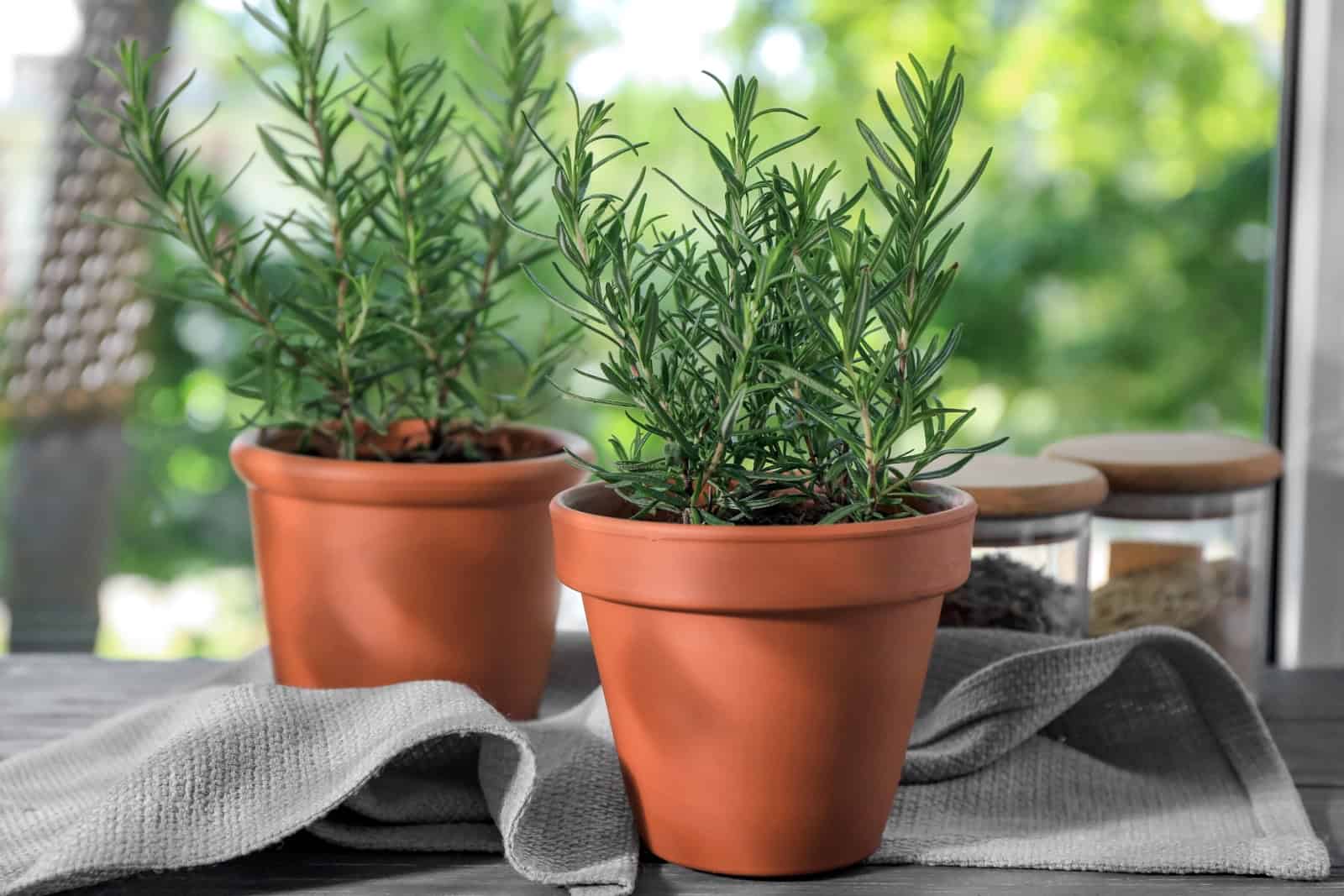
If you don’t use trays under your potted plants, water can leak and create stains on surfaces. This is especially common on tabletops and wooden floors.
Using a plastic or ceramic saucer catches excess water and prevents damage. Make sure to empty the trays regularly to avoid standing water and mold.
Proper trays protect your home while keeping your plants healthy by allowing drainage without mess.
Vines growing into roof shingles
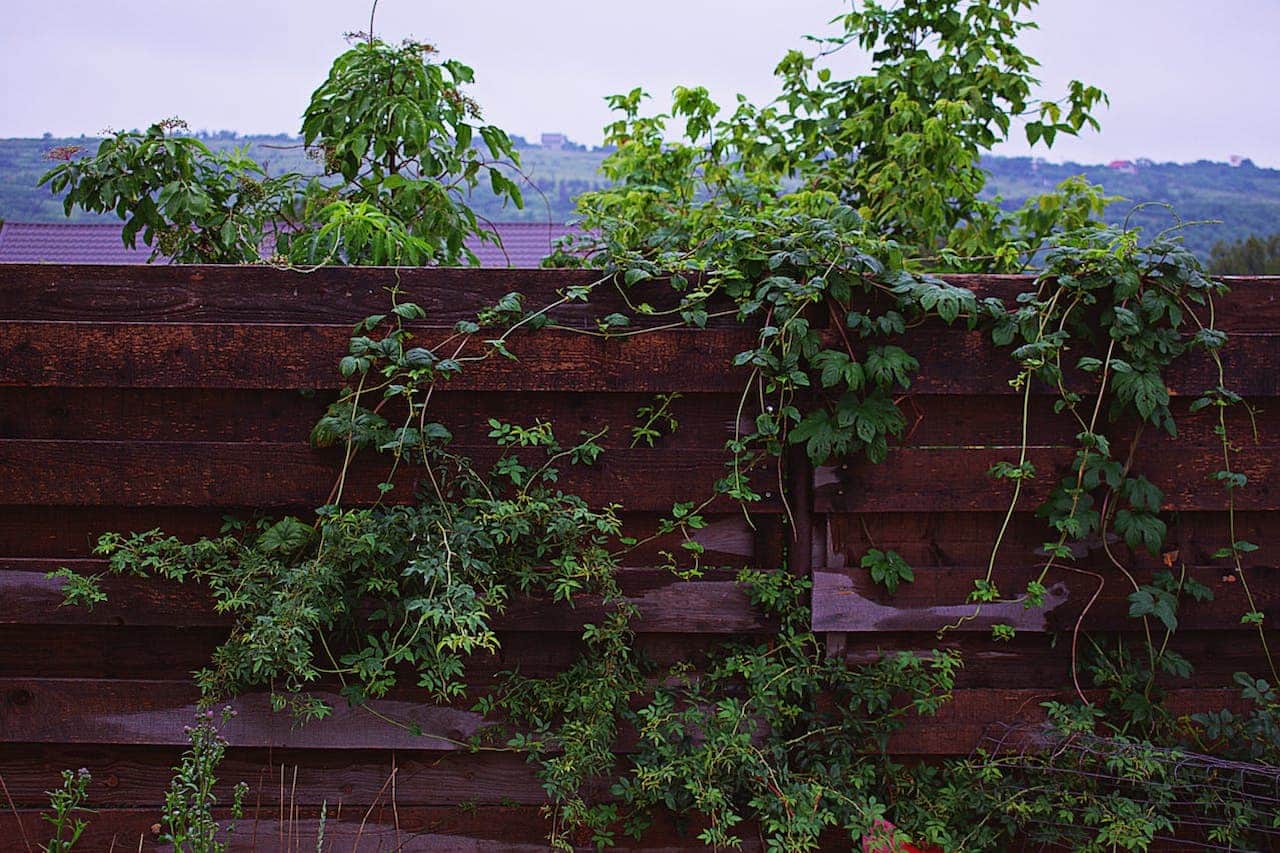
If vines start growing into your roof shingles, they can work their way under them. This can pull shingles loose and create gaps. Over time, these gaps let moisture in, which might cause damage.
You might not notice it at first because vines can look nice. But it’s smart to check regularly and trim any growth near your roof. This helps protect your shingles and prevents costly repairs.
Using chemicals harming soil near foundations
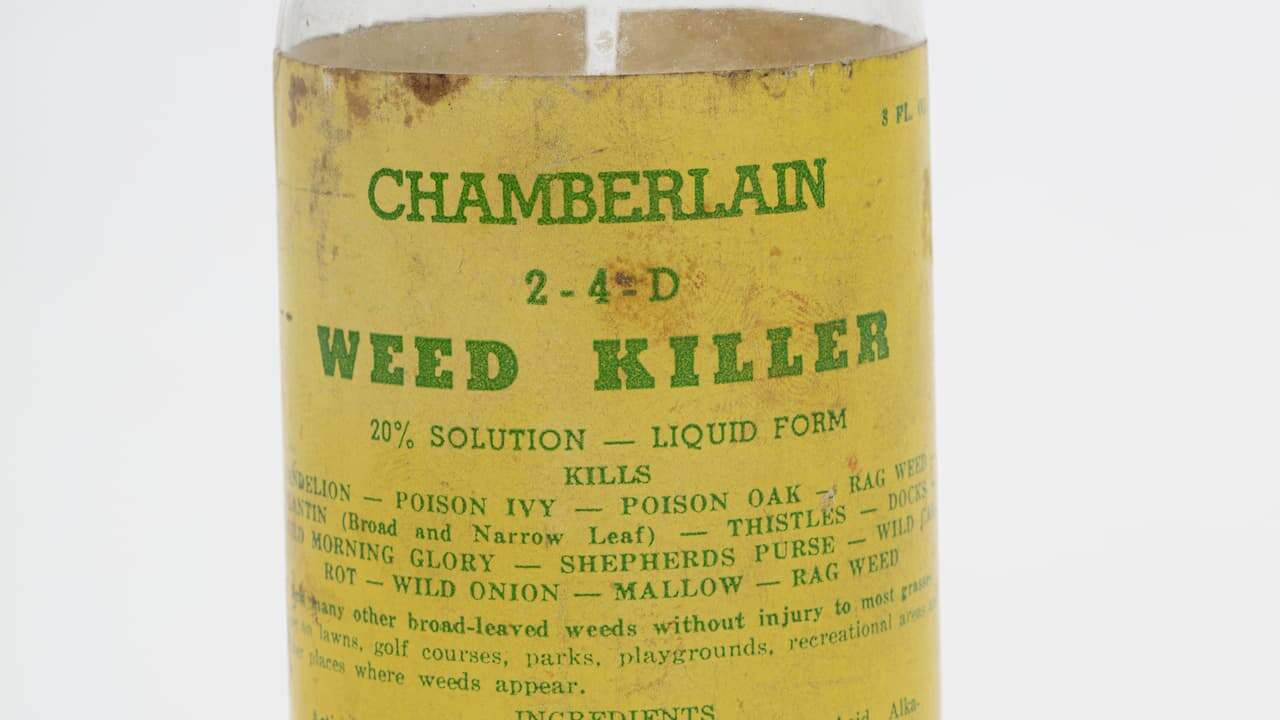
When you apply pesticides or fertilizers near your home’s foundation, harmful chemicals can build up in the soil. These substances may seep into the ground and affect the stability of soil supporting your foundation.
Chemicals can also harm beneficial soil organisms that help maintain soil health. Over time, this can lead to soil compaction and reduced drainage, increasing the risk of water damage to your home’s base. Use natural alternatives when possible to protect both your soil and foundation.