
Your wardrobe can quickly become cluttered with items that no longer serve you or your style. Knowing which pieces to let go of can help simplify your closet and make getting dressed easier each day.
Stylists often recommend tossing specific wardrobe items that don’t fit well, aren’t versatile, or simply feel outdated to keep your collection fresh and functional. This guide will help you identify those pieces so you can create a more streamlined and wearable wardrobe.
Old stretched-out socks

If your socks have lost their shape or have stretched-out elastic, they’ve lost their comfort and support. Wearing them can feel sloppy and may affect how your shoes fit.
It’s a good idea to toss worn-out socks instead of keeping them. You can recycle or repurpose them, but for wearing, fresh socks always feel better and look cleaner.
T-shirts with permanent stains

If you have T-shirts with permanent stains, it’s usually better to let them go. Once a stain has been set by heat, like in the dryer, it’s very hard to remove.
You might try pre-treating and washing again, but if the stain remains, it’s unlikely to disappear. Holding on to stained T-shirts can take up space you could use for clothes you actually wear.
Worn-out workout leggings

If your workout leggings feel too stretched out or saggy, it’s time to rethink keeping them. Leggings should fit snugly to support you during activities without losing shape.
Once they start becoming limp or see-through, their performance and look take a hit. Holding on to worn-out leggings can make your workouts less comfortable and your outfit less fresh.
Consider recycling or repurposing old leggings instead of letting them clutter your drawer. Your activewear deserves to work as hard as you do.
Ill-fitting jeans

If your jeans don’t fit well, it’s time to let them go. Wearing jeans that are too tight or too loose can make you feel uncomfortable and impact your confidence.
Jeans stretch and change shape over time, so check your collection regularly. Keeping only those that flatter your body helps you feel and look your best every day.
Sweaters with pilling

If your sweater has little balls of fabric called pills, it’s a sign it’s worn down. These pills happen when fibers rub together, usually in areas like sleeves or underarms.
You might be tempted to toss these sweaters, but gentle care can sometimes restore them. Use a fabric shaver or a pill remover tool to tidy up small areas.
Still, sweaters with heavy pilling often lose their neat look. At that point, it’s okay to let them go and make room for something fresh in your wardrobe.
Outdated graphic tees

If your wardrobe is full of oversized or loud graphic tees from years ago, it might be time for a change. These styles can feel dated and take away from a polished look.
You don’t have to give up graphic tees entirely, though. Choose ones with subtle designs or invest in classic, timeless cuts that work well with your everyday outfits.
Clothes with missing buttons

If you have clothes missing buttons, it’s time to take action. Missing buttons can make an outfit look unfinished or neglected.
You could sew the buttons back on if you want to keep the item. But if it’s missing multiple buttons or the repairs feel too tedious, consider letting it go.
Keeping clothes in good condition helps you feel confident and organized. Don’t let worn-out pieces hold you back.
Wrinkled or damaged dress pants

If your dress pants are badly wrinkled and the fabric won’t smooth out, it might be time to let them go. Steamers can help with wrinkles, but be careful with delicate fabrics as they might get damaged.
Small tears or worn spots can sometimes be repaired, but extensive damage makes pants look old and unprofessional. When pants lose their shape or fabric quality, replacing them keeps your wardrobe sharp.
Uncomfortable shoes you never wear
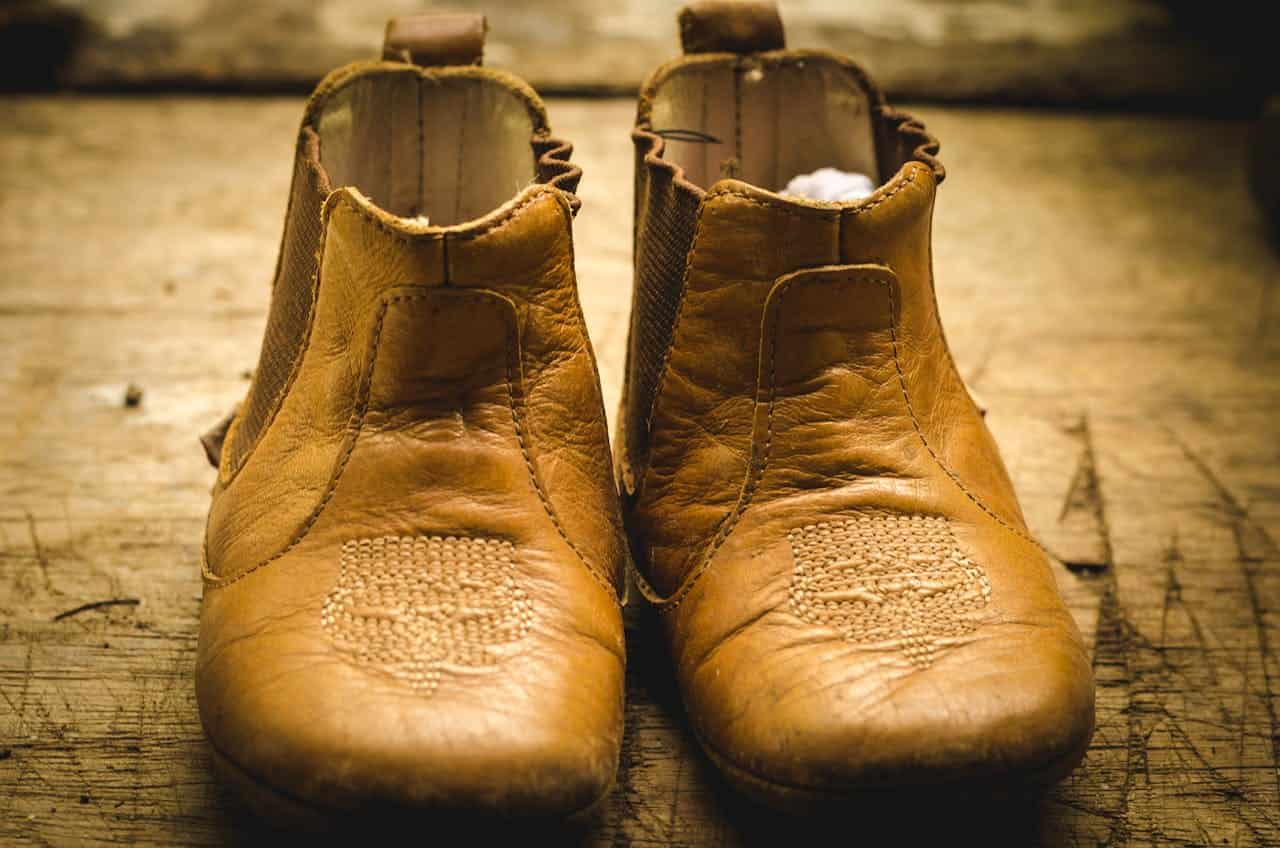
You probably have shoes that pinch or cause blisters but keep holding onto them just in case. Those shoes may look good, but if they hurt, they won’t get much use.
Stylists recommend letting go of any footwear that doesn’t fit well or feels painful. Shoes should support you comfortably and complement your wardrobe without hassle. If you never wear certain pairs because they hurt, it’s time to say goodbye.
Expired dry-clean-only items

You might have dry-clean-only clothes that have been sitting in your closet for years without use. If they’re faded, stained, or have an unpleasant smell even after professional cleaning, it’s time to consider letting them go.
Keeping expired or damaged dry-clean-only pieces can clutter your wardrobe and take up space needed for items you actually wear. Don’t hold on out of guilt—your closet will thank you for the refresh.
Overly sentimental pieces you never use

You might hold onto clothes because of memories tied to them. While that’s understandable, if you never wear these pieces, they just take up space.
Keeping items for nostalgia can clutter your wardrobe and make it harder to find what you actually use.
Try to keep only a few meaningful pieces that you truly enjoy or can wear. The rest can be donated or stored elsewhere to lighten your closet.
Unworn party dresses from years ago

If you have party dresses tucked away that you haven’t worn in years, it’s a good idea to let them go. Styles change, and what felt right back then might not fit your current taste or lifestyle.
Holding onto them can create clutter and make your closet harder to manage. Instead, focus on keeping pieces you truly enjoy wearing now. This helps keep your wardrobe fresh and practical for your life today.
Outgrown jackets

If your jacket no longer fits well, it’s time to let it go. Wearing something too tight or too loose can affect your overall look and comfort.
Try pairing your jackets with at least three other items in your closet. If it doesn’t match well or feels outdated, consider removing it.
Keeping only jackets that fit and coordinate with your style helps make choosing outfits quicker and easier every day.
Clothes with broken zippers

If your clothes have broken zippers, it’s usually time to let them go. A stuck or missing zipper can make an item frustrating to wear and harder to fix than it seems.
You might think about repairing, but often it’s quicker and easier to clear these pieces out. Keeping broken zippers only adds clutter and delays your style choices.