You might be surprised how many vegetables you can regrow right from scraps in your kitchen. Instead of tossing parts you usually throw away, you can give them a second life and grow fresh veggies at home with minimal effort.
Regrowing vegetables from scraps is an easy way to reduce waste and save money while adding fresh greens to your meals. It’s a simple process anyone can try, even if you don’t have a big garden or much experience growing plants. If you’re curious, the following guide will walk you through 16 vegetables you can start regrowing today.
Advertisement
Green Onions
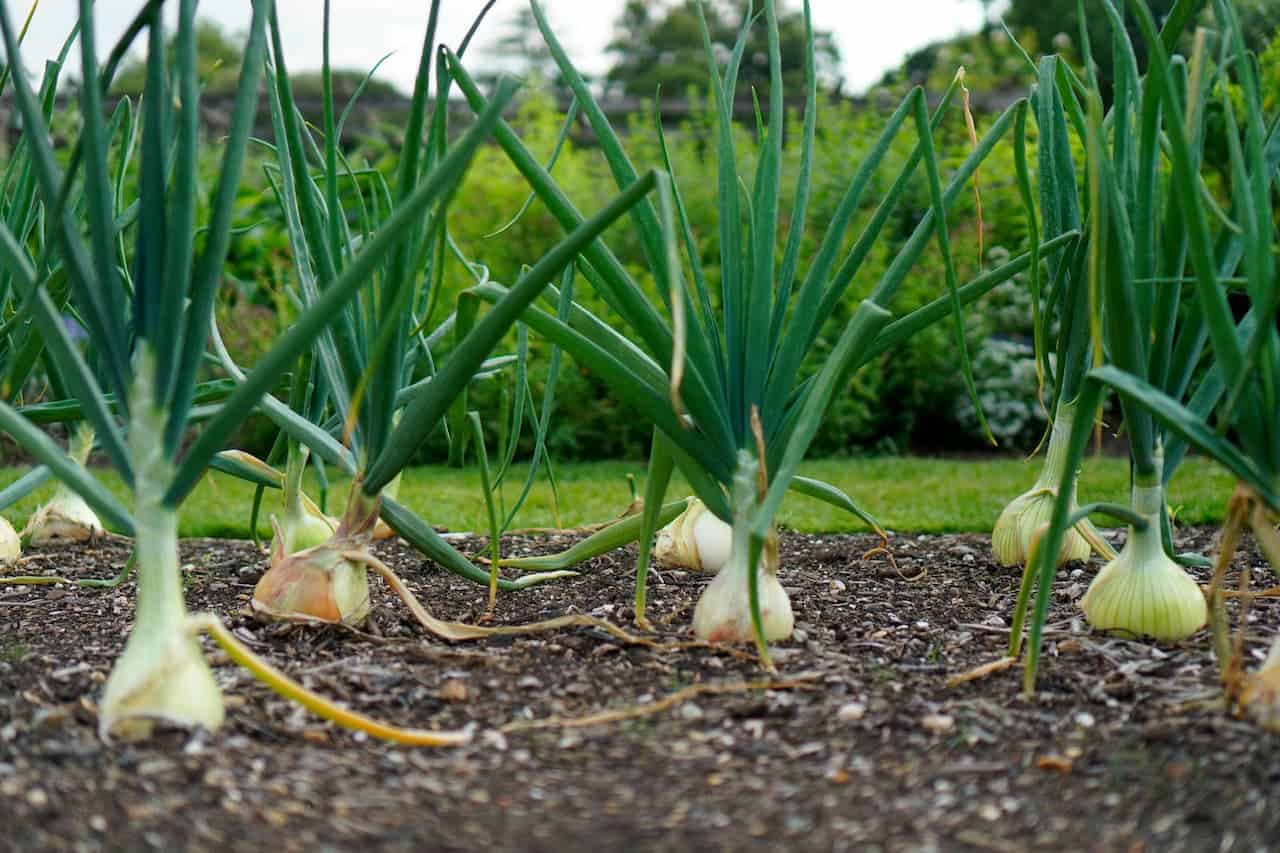
You can easily regrow green onions from the white root end. Just place the roots in a glass of water and set them somewhere with good light.
Within a few days, you’ll see new green shoots starting to grow. Change the water every couple of days to keep them fresh. This is a simple way to enjoy fresh green onions longer without buying new ones each time.
Celery
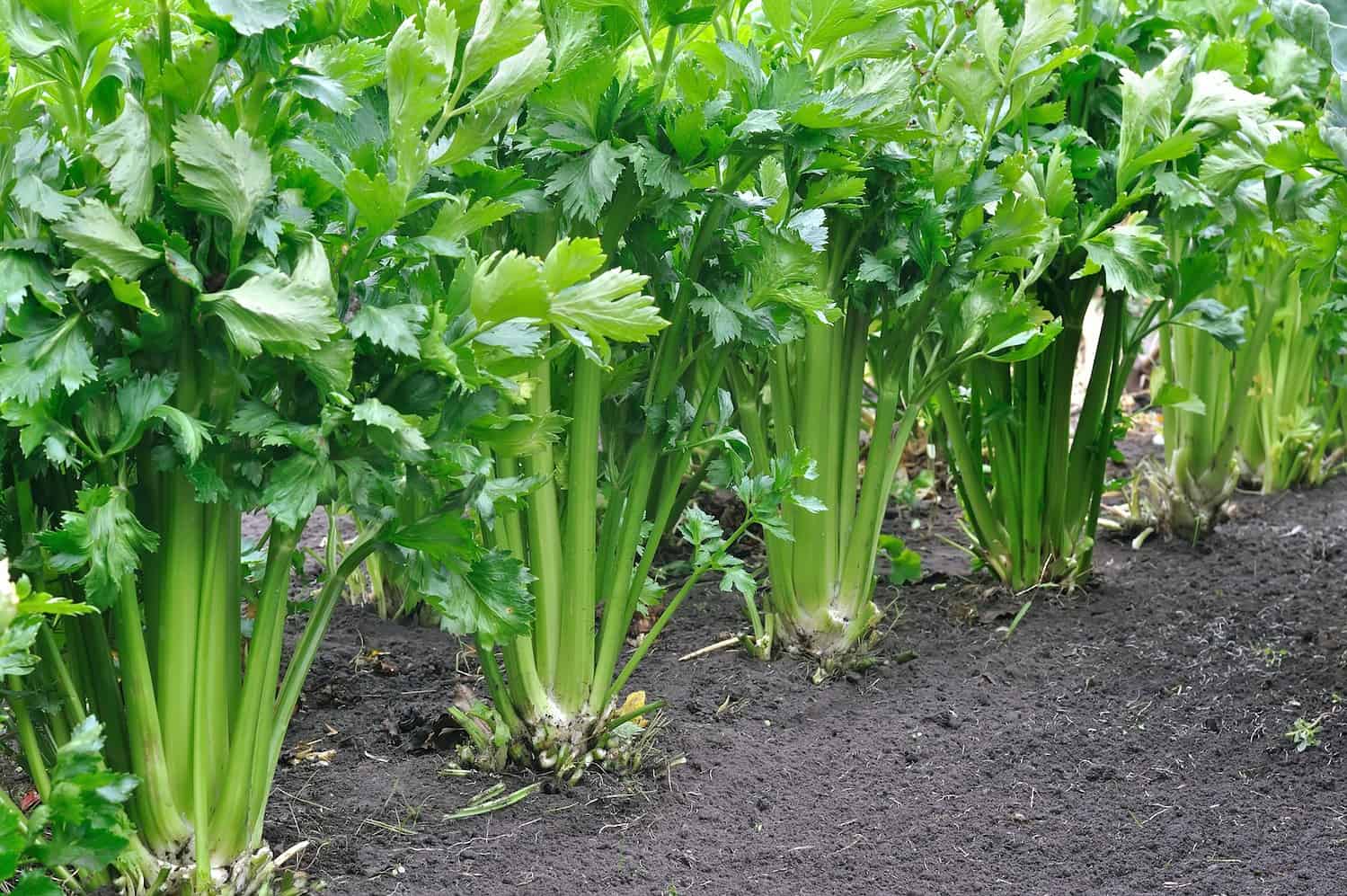
To regrow celery, start with the base of the stalk. Place the root end in a shallow dish with water.
Change the water every couple of days. After about a week, you’ll see new growth at the center. Once roots and leaves appear, plant it in soil to grow more celery. It’s a simple way to get extra stalks from scraps.
Romaine Lettuce
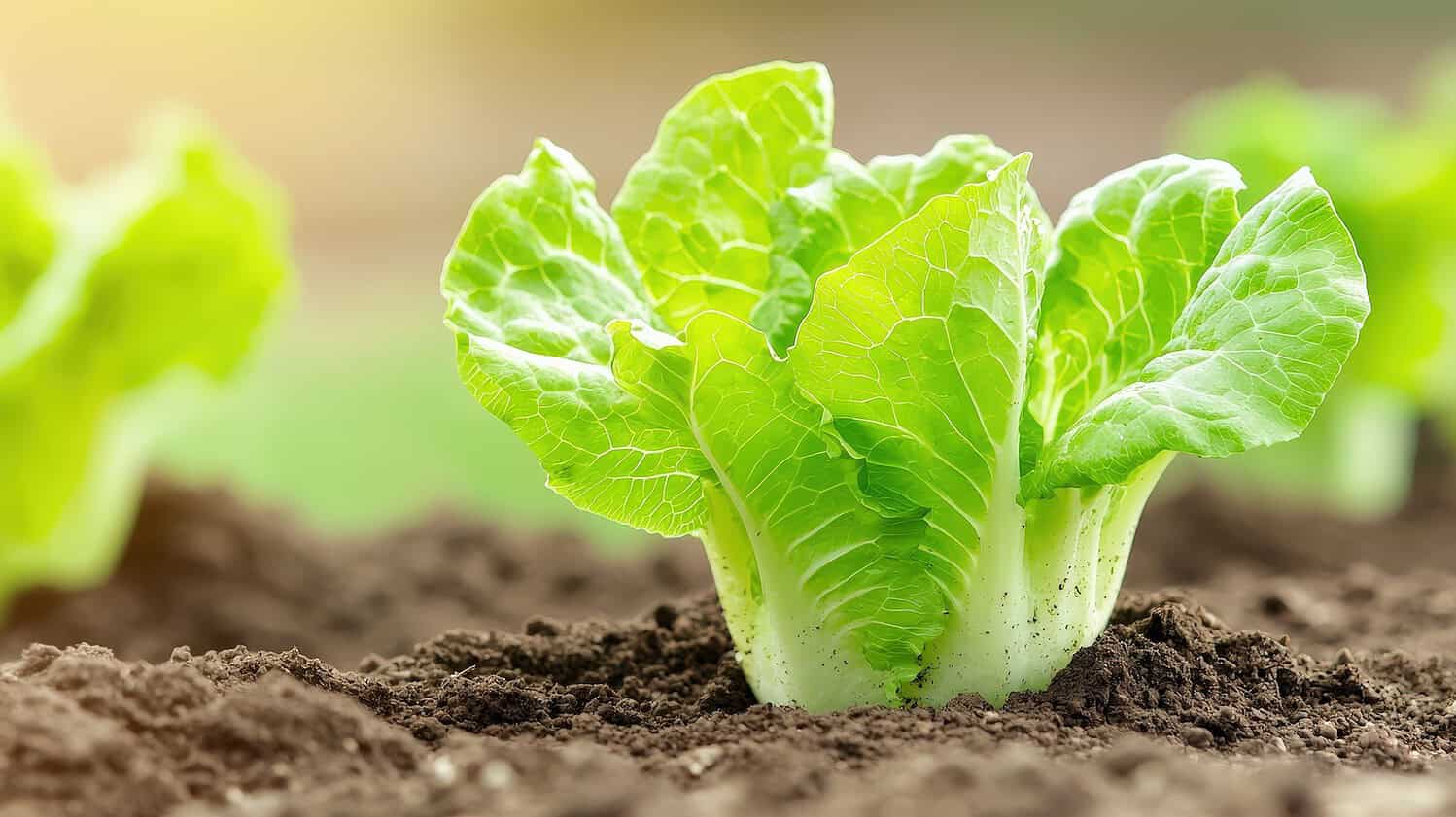
You can regrow romaine lettuce from the bottom part of the head. Just cut the base about 2 inches from the bottom.
Place the base in a shallow dish with water. After about a week, you’ll see new leaves start to grow. Keep the water fresh, and once roots develop, you can plant it in soil for continued growth.
Garlic

You can regrow garlic from a single clove by planting it root-end down in soil. Give it plenty of sunlight and keep the soil moist.
In a few weeks, you’ll see green shoots start to sprout. With time, those shoots can grow into a whole new garlic bulb. It’s an easy way to get more garlic without buying new bulbs each time.
Ginger
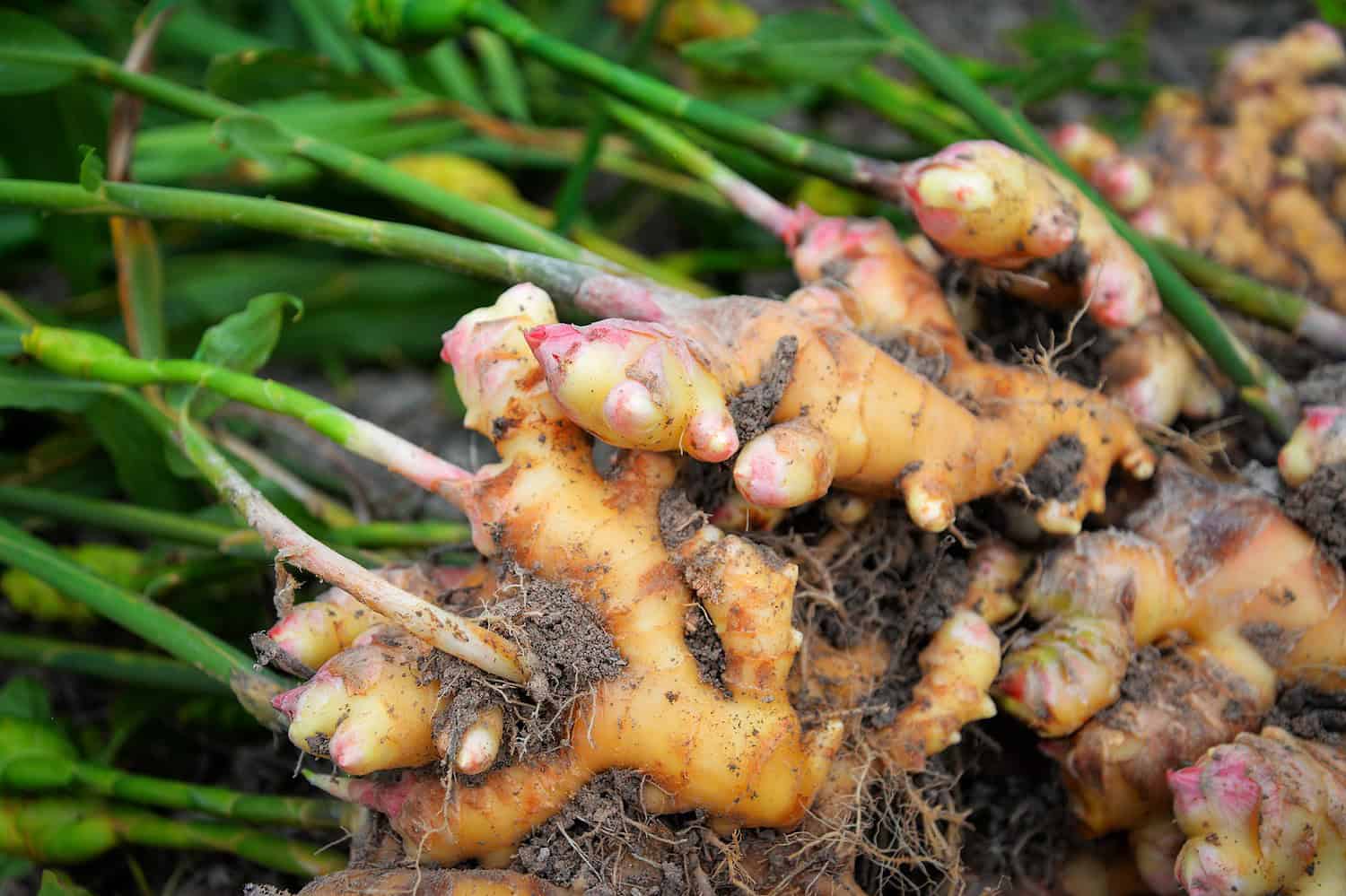
You can easily regrow ginger from a piece of the rhizome, the thick knobbly part you cook with. Just plant it in potting soil with the newest, smallest buds facing up.
Keep your ginger indoors since it’s a tropical plant. Soon, green shoots will appear, and roots will start spreading out.
Potatoes

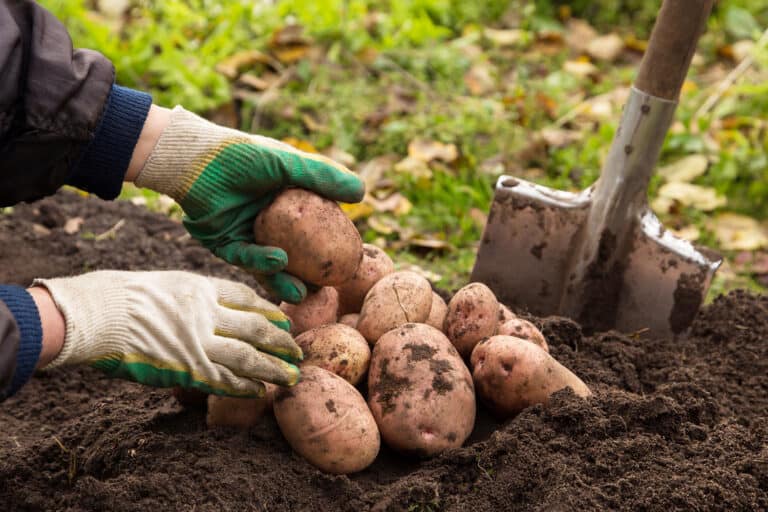
You can regrow potatoes from the “eyes” on old potatoes. Just cut a potato into pieces, each with at least one eye, and plant them in soil.
Keep the soil moist and give them plenty of sunlight. In a few weeks, you’ll see new shoots growing. This is an easy way to get more potatoes from scraps.
Sweet Potatoes
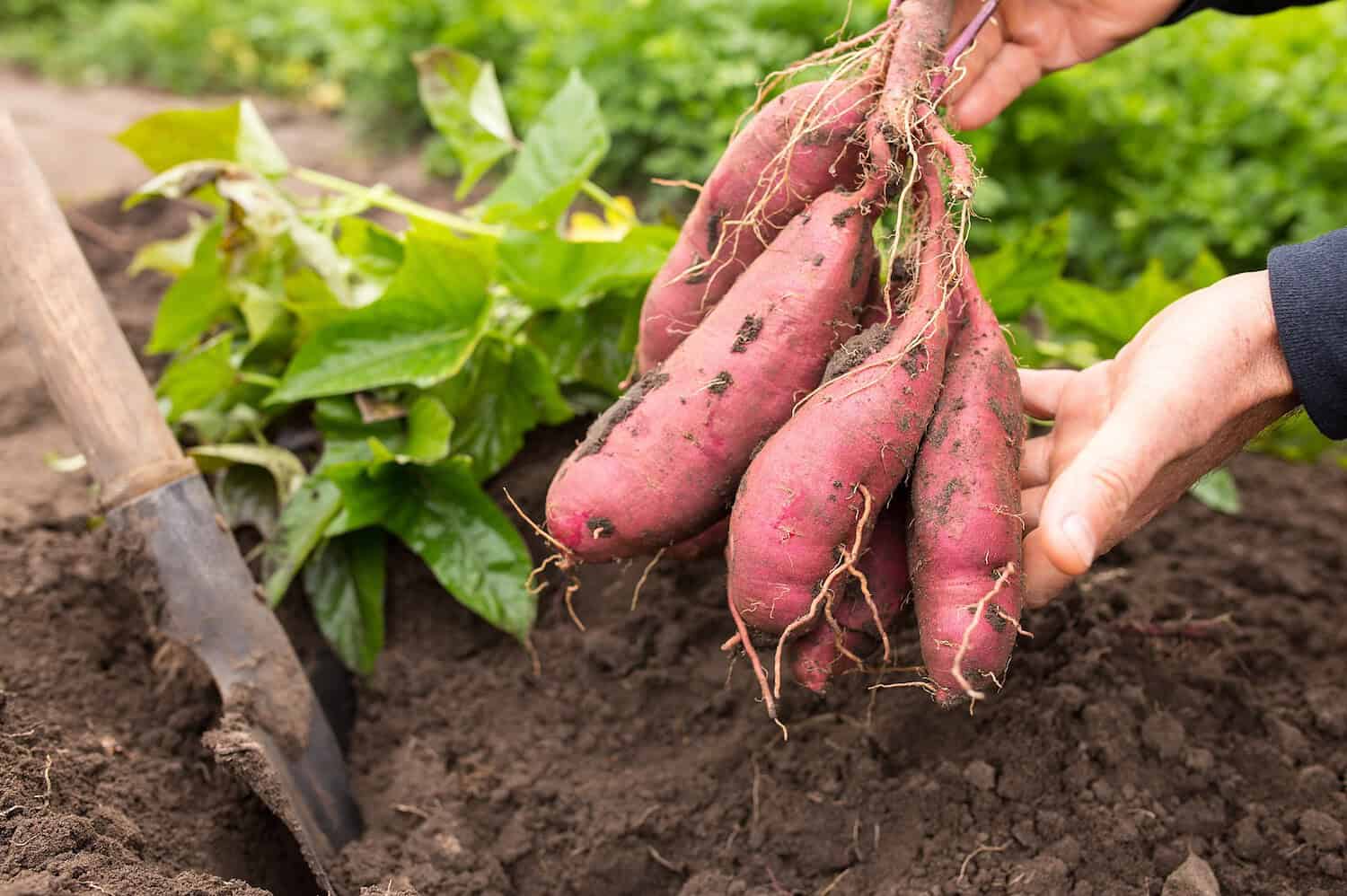
You can regrow sweet potatoes by planting the “eyes” or shoots that sprout from the tuber. Just bury part of the sweet potato under a thin layer of soil in a sunny and moist spot.
In a little while, you’ll see new shoots grow, which you can transplant or leave to grow roots. It’s a simple way to get more sweet potatoes from scraps.
Basil
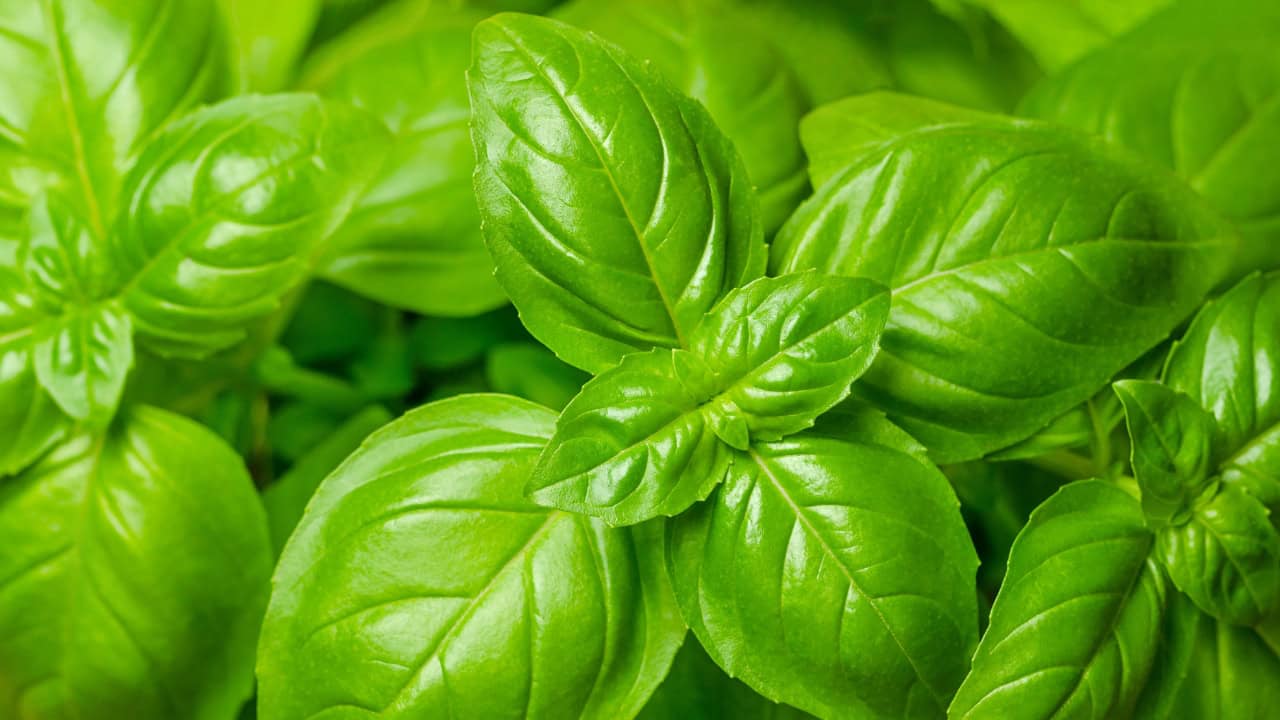
Basil is super easy to regrow from cuttings. Just snip a few inches from the stem and place them in water.
You’ll see roots start to form in about a week. Once the roots are a couple of inches long, you can plant them in soil. It’s a simple way to keep fresh basil around without buying new plants all the time.
Tomatoes
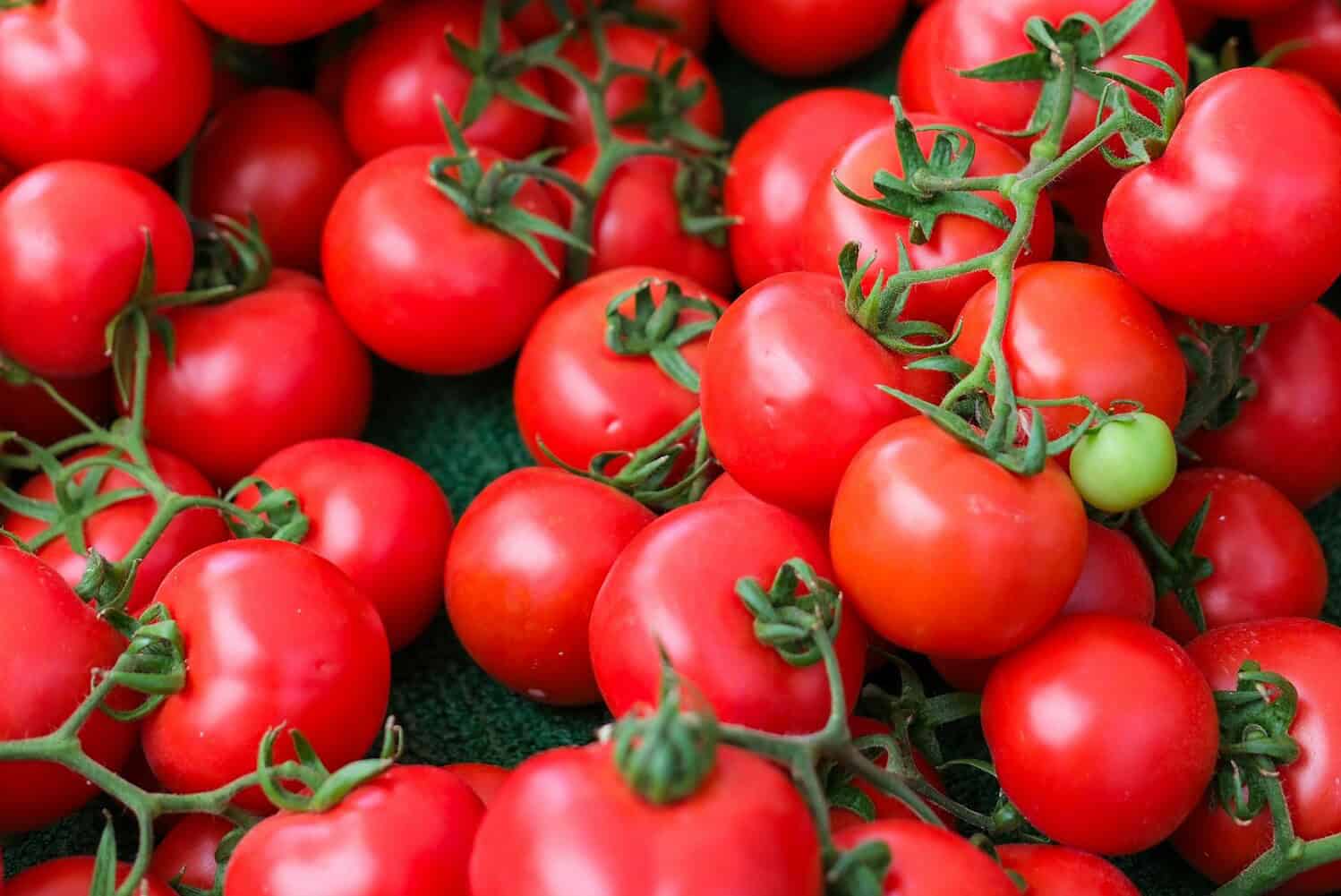
You can regrow tomatoes by saving seeds from a ripe tomato. Rinse the seeds and let them dry before planting in soil.
Once the seedlings sprout, keep them in a sunny spot and water regularly. Growing tomatoes from kitchen scraps lets you start new plants without buying seeds.
Carrots
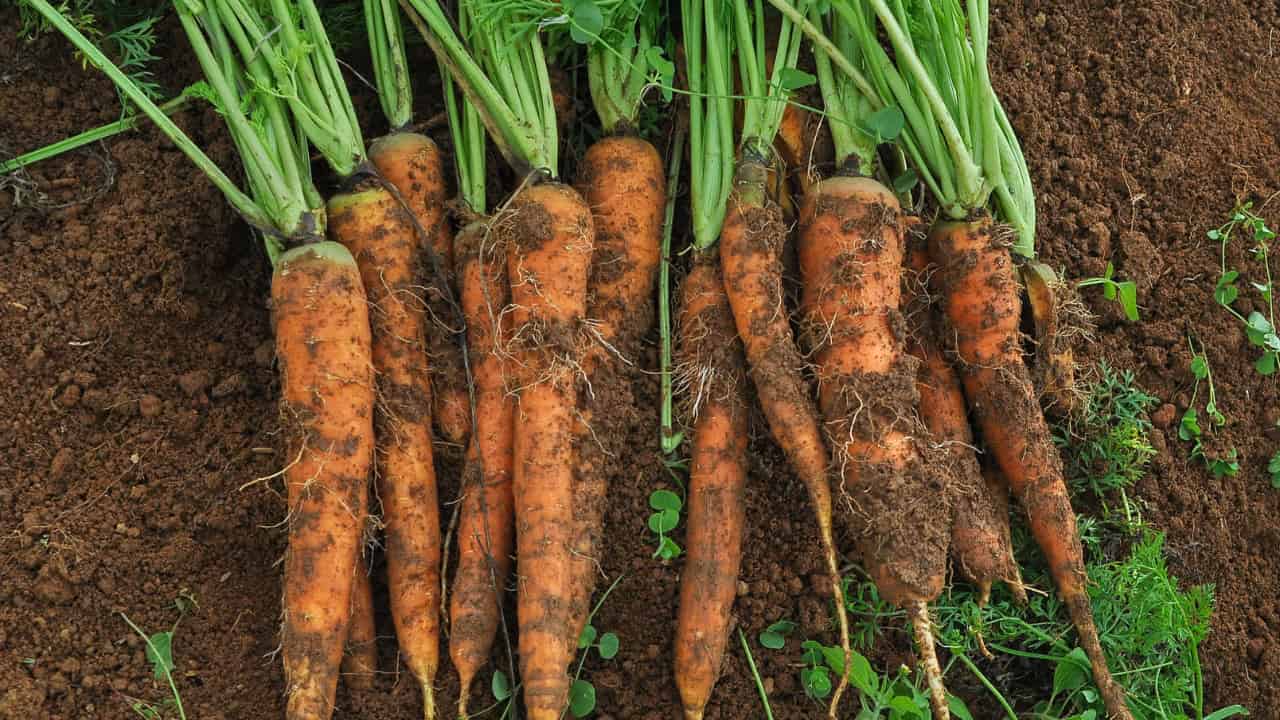
You can’t regrow a full carrot root from scraps, but the tops of carrots will sprout fresh greens. Just cut off the top inch, place it in a shallow dish with water, and put it in indirect sunlight.
After a few days, you’ll see new green shoots. These carrot greens are great for garnishes or adding a fresh twist to salads.
Lemongrass

You can easily regrow lemongrass from kitchen scraps. Just cut the stalks with the root end intact and place them in a glass of water.
After a few weeks, you’ll see roots starting to form. Once the roots grow well, transfer your lemongrass to soil to keep it growing strong.
Bell Peppers

You can regrow bell peppers from the seeds inside the fruit. Just remove the seeds, let them dry, and plant them in soil.
Keep the soil moist and place the pot in a sunny spot. With some patience, you’ll see sprouts in a couple of weeks. Growing peppers this way is simple and rewarding.
Butternut Squash
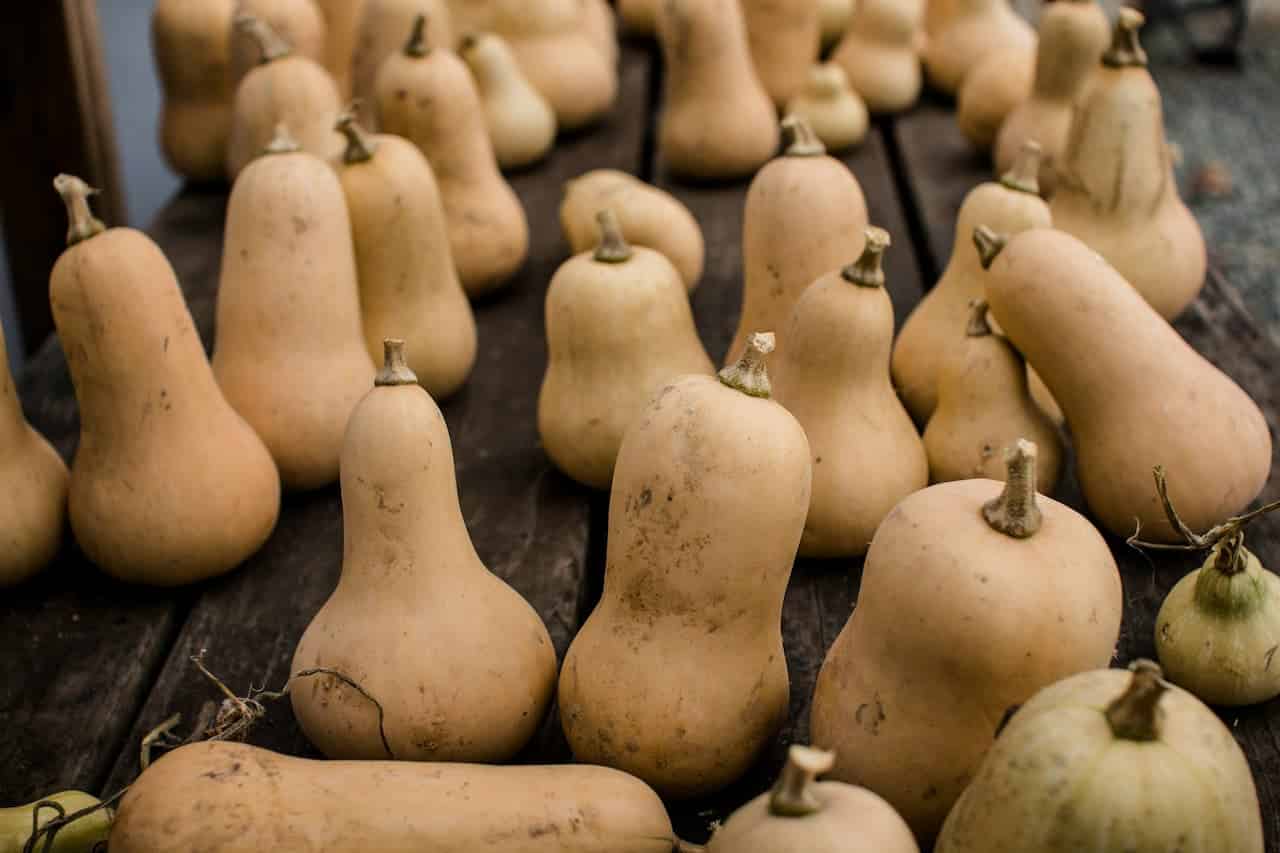
You can regrow butternut squash from the seeds inside the fruit. After scooping them out, rinse and dry the seeds before planting them in soil.
It’s best to start them indoors if you live in a cooler climate. Give your seedlings plenty of sunlight once they sprout to help them grow strong. Regrowing butternut squash takes patience, but it’s a rewarding way to make the most of your kitchen scraps.
Acorn Squash
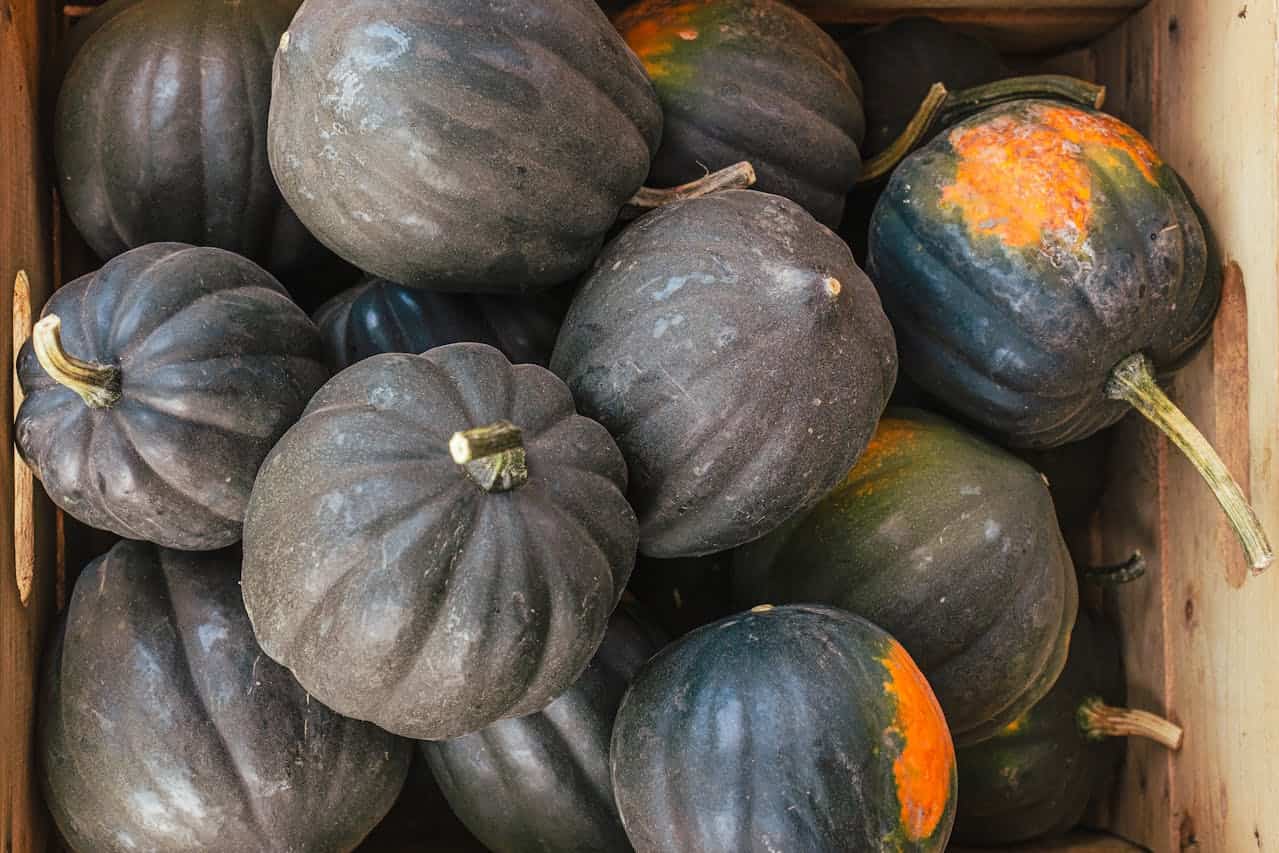
You can regrow acorn squash from seeds saved from the squash itself. Just dry the seeds and plant them in soil with good drainage.
Keep the seedlings in a sunny spot and water them regularly. They need space to spread out as they grow.
Avocado

You can regrow an avocado plant from the large pit inside the fruit. Start by cleaning the pit and sticking toothpicks around its middle. Suspend it over water, with the bottom half submerged, and wait for roots and a sprout to appear.
It takes some patience, but soon you’ll see a small avocado tree beginning to grow from your kitchen scraps. This is a fun and easy project to try at home.
Fennel

To regrow fennel, keep the base of the bulb intact, about a couple of centimeters.
Place this base in water or moist soil, and it will start to sprout new growth in a few days. Make sure to give it plenty of light, and you can enjoy fresh fennel stalks again without buying a new bulb.