Wildlife in our backyards can be a double-edged sword. On one hand, spotting a family of deer, squirrels scurrying about, or birds chirping melodiously can be a delightful spectacle. However, at times, these critters can cause havoc, damaging our plants, digging up the lawn, or becoming a nuisance with their incessant noise.
Understanding what attracts these critters to your yard can help in managing them better, and in this post, we will discuss 16 things that could be turning your yard into a critter magnet.
Advertisement
1. Bird Feeders

Bird feeders are a common sight in many yards. While they are great for attracting beautiful birds to your backyard, they can also attract unwanted visitors like squirrels, raccoons, and even bears. Often, the food you put out for the birds falls to the ground, attracting critters who are all too glad to clean it up.
To prevent this, ensure to clean up any spilled bird food immediately. Opt for squirrel-proof bird feeders, or place the feeders in a location that’s hard for squirrels to reach. Remember, the goal is to feed the birds, not the entire wildlife population in your neighborhood.
2. Open Garbage Bins
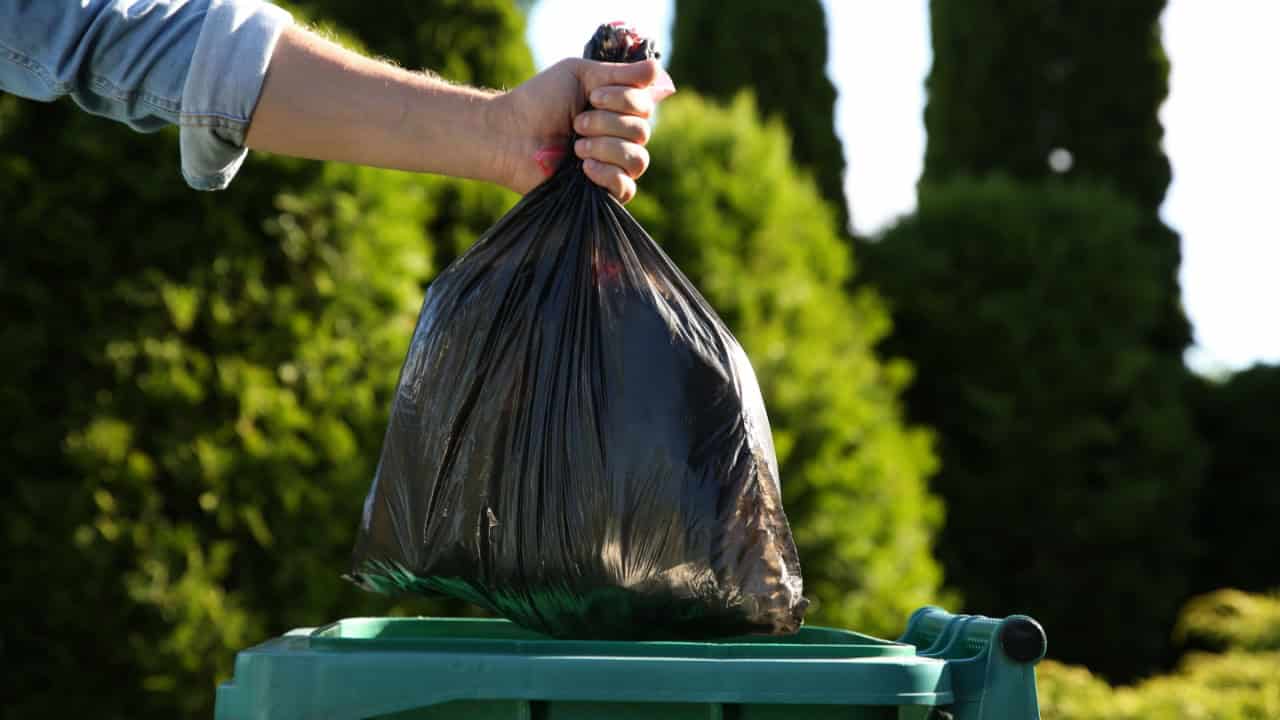
Garbage bins can be a buffet for many critters. Raccoons, in particular, are notorious for rummaging through trash cans, scattering garbage all over your yard. Even the smell of garbage can attract a variety of critters from afar.
Invest in critter-proof garbage bins, or keep them in a closed garage or shed. Always ensure that the lids are tightly secured. It’s also advisable to frequently clean your bins to minimize odors that might attract animals.
3. Pet Food
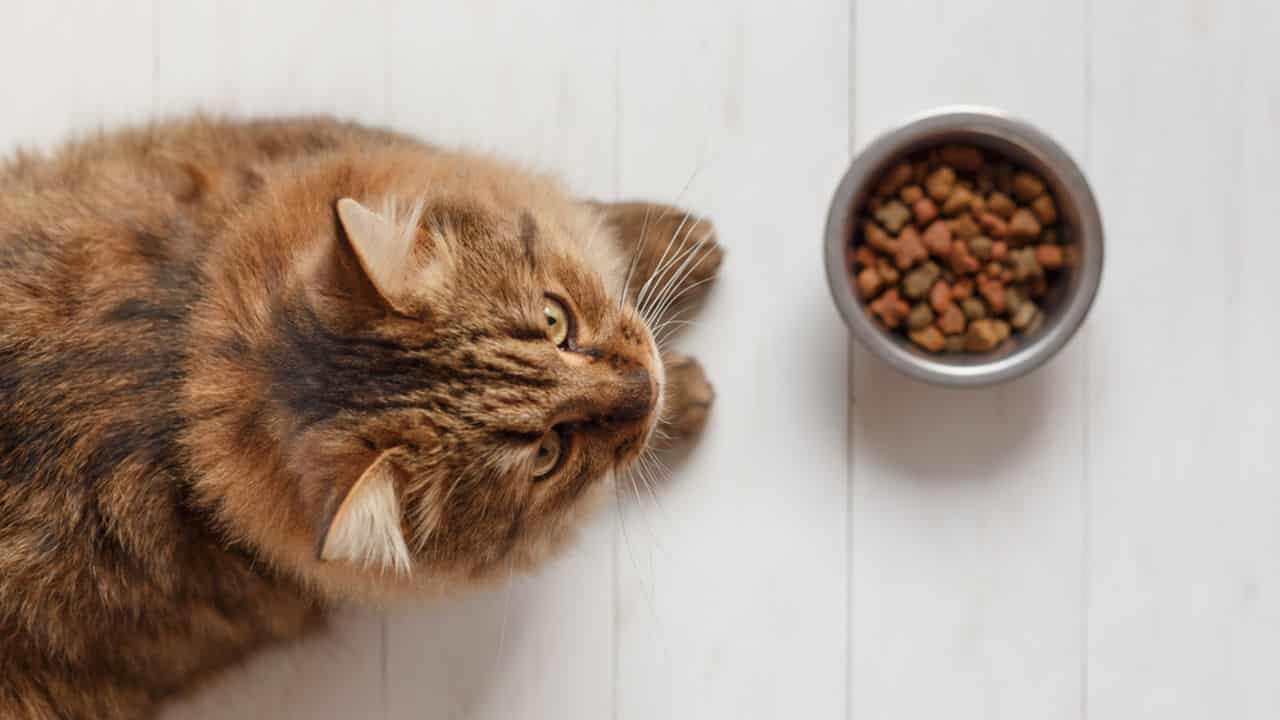
If you have pets and you feed them outside, you might be unknowingly inviting critters to your yard. Pet food, especially dry kibble, can be irresistible to many animals, such as raccoons, squirrels, and even larger ones like coyotes.
Consider feeding your pets indoors, or if that’s not possible, don’t leave pet food outdoors overnight. Also, ensure to clean up any leftovers promptly to dissuade critters from visiting.
4. Gardens

Gardens are a paradise for many critters. They provide a rich food source, from fruits, vegetables, to ornamental plants. Deer, rabbits, and groundhogs are just a few examples of animals that might be attracted to your garden.
To keep critters out, fence your garden and use repellents. Opt for plants that are less attractive to these animals. Also, regular maintenance of your garden can help reduce the likelihood of critters finding it inviting.
5. Water Sources
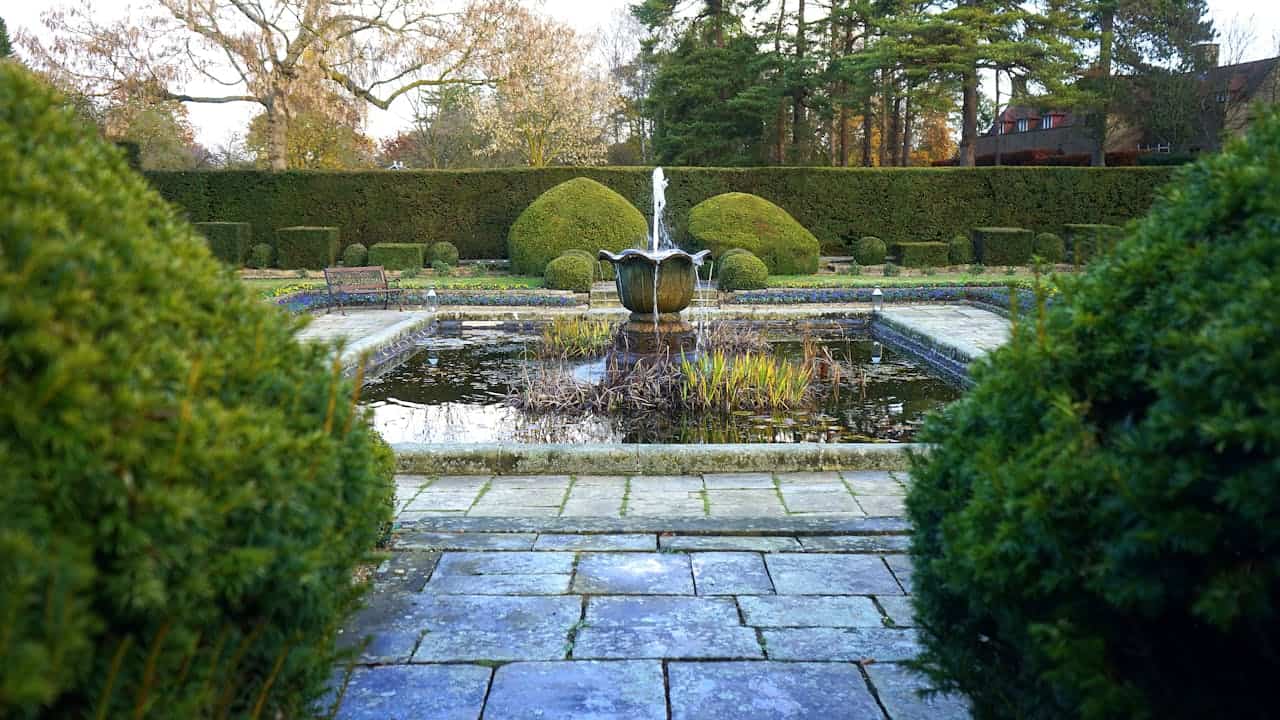
Water sources are another major attraction for wildlife. Birdbaths, ponds, or even a leaking faucet can draw in critters who are looking for a drink or a place to cool off.
Ensure to change the water in birdbaths regularly to prevent mosquitoes from laying eggs. Leaky faucets should be fixed promptly. For larger water features like ponds, consider using a cover or net to keep critters out.
6. Compost Piles

Composting is an excellent way to reduce waste and improve soil health. However, compost piles can also attract critters, as they can smell the food scraps from afar.
To minimize this, use a compost bin with a lid rather than an open pile. Avoid composting meat, dairy, and cooked food, which are particularly attractive to critters. Turning the compost regularly can also help reduce smells.
7. Overgrown Plants

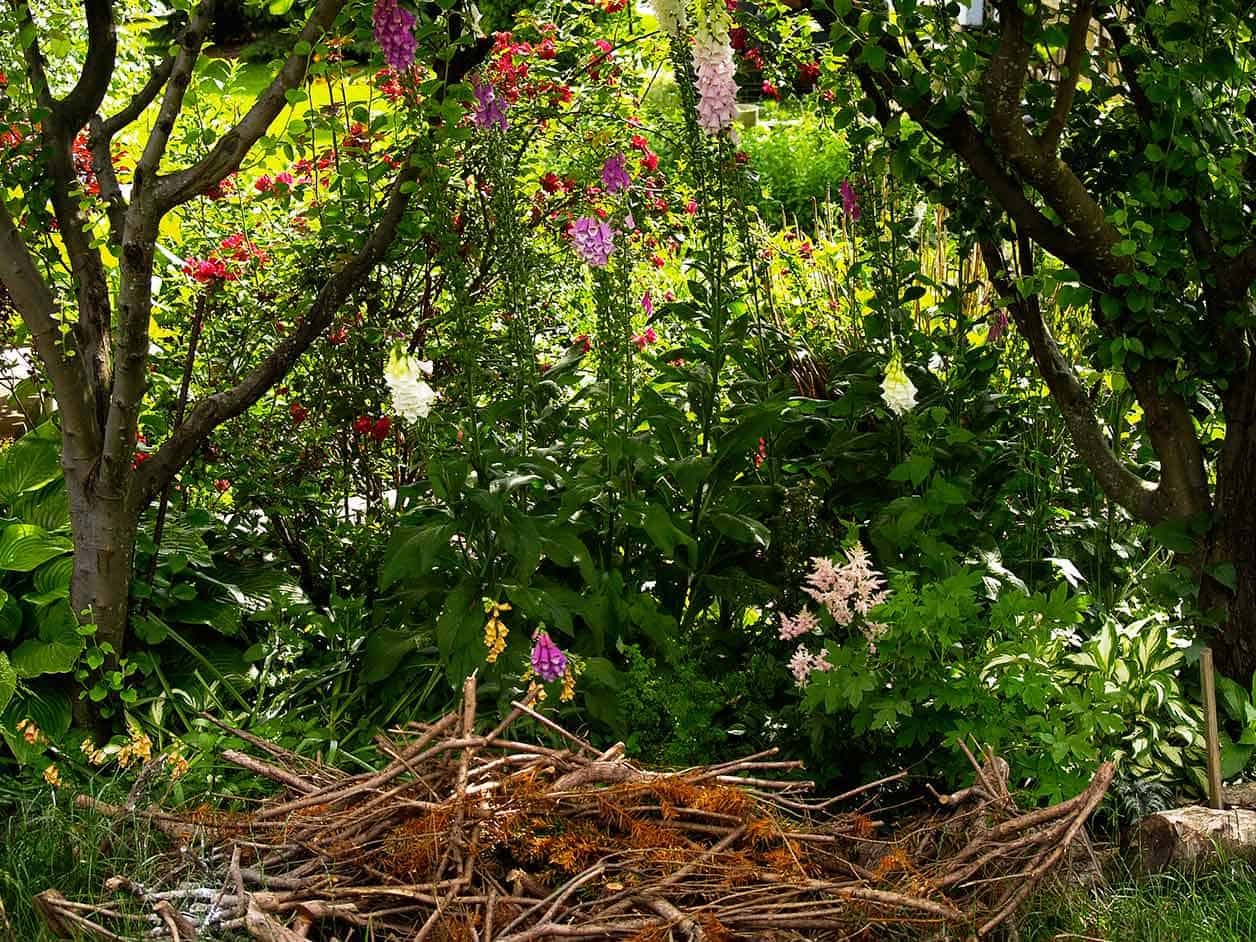
Overgrown plants can provide cover and nesting sites for many critters. They can also serve as a food source for some animals.
Regularly prune your plants and keep your yard tidy. Remove any dead or dying plants promptly, as they can attract insects, which in turn can attract larger critters.
8. Birdhouses

Birdhouses are designed to attract birds, but they can also attract unwanted critters. Squirrels, for instance, can invade birdhouses and even eat the eggs or chicks.
Place birdhouses on metal poles instead of trees, as squirrels have a harder time climbing them. You can also use squirrel baffles to deter them.
9. Fruit Trees

Fruit trees can be a major attraction for many critters, from birds to squirrels, to raccoons. They are drawn to the sweet, ripe fruits, and can often cause significant damage to the trees.
Pick fruits as soon as they ripen, and clean up any fallen fruits promptly. Netting can also be used to protect the fruits from being eaten.
10. Firewood Piles

Firewood piles can provide a cozy home for many critters, from insects to small mammals. They can also serve as a food source for some animals.
Store firewood off the ground and away from your house. Regularly inspect and rotate your firewood to prevent critters from settling in.
11. Grills
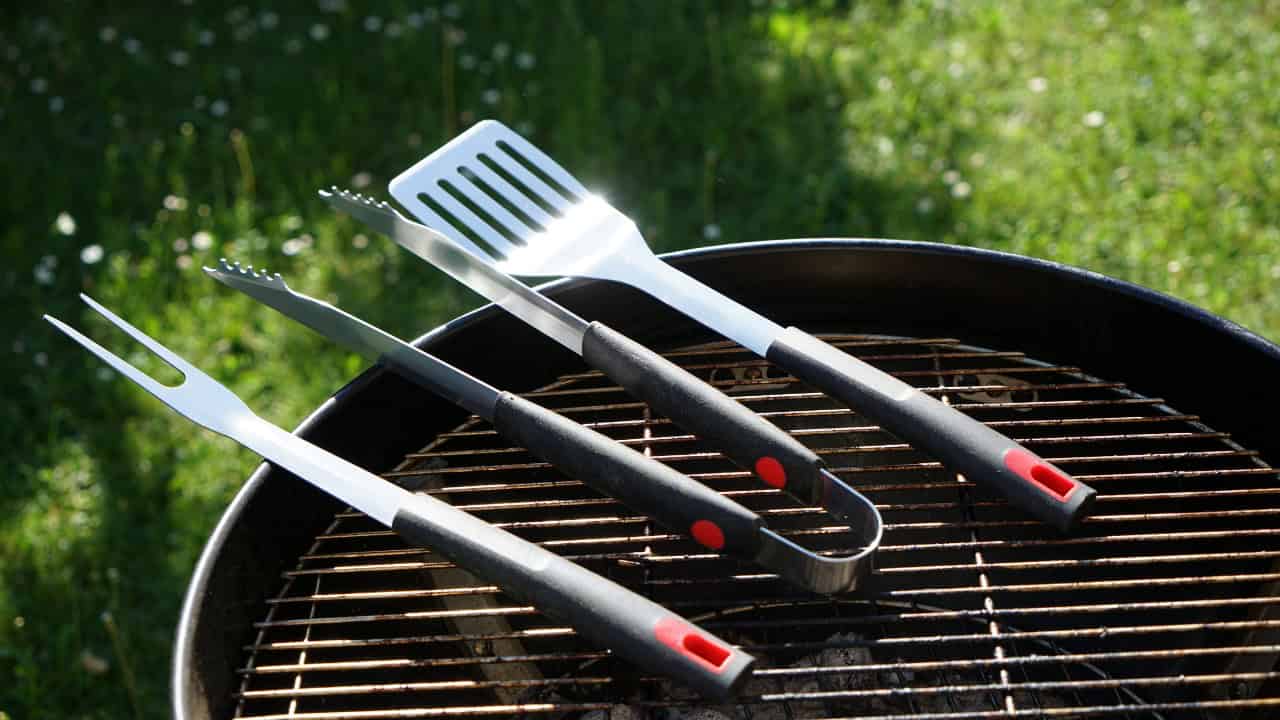
The smell of food on grills can attract critters. Even the leftover grease and food particles can be a feast for some animals.
Clean your grill after each use, and ensure to remove all food particles. Cover your grill when not in use to prevent critters from getting to it.
12. Outdoor Dining Areas

Outdoor dining areas, particularly those with food leftovers, can attract a variety of critters. Even the smell of food can attract animals from afar.
Clean up immediately after eating outdoors. If possible, avoid leaving food unattended outdoors, as it can quickly attract critters.
13. Pools and Hot Tubs

Pools and hot tubs can attract critters looking for a drink or a place to cool off. Some animals, like frogs and ducks, might even see your pool as a suitable habitat.
Cover your pool or hot tub when not in use. Regular maintenance and cleaning can also help deter critters.
14. Nut and Seed Trees

Trees that produce nuts and seeds can be a major food source for many critters. Squirrels, in particular, are fond of these trees.
Regularly clean up any fallen nuts or seeds. Netting can also be used to prevent critters from reaching the nuts or seeds.
15. Outdoor Lights
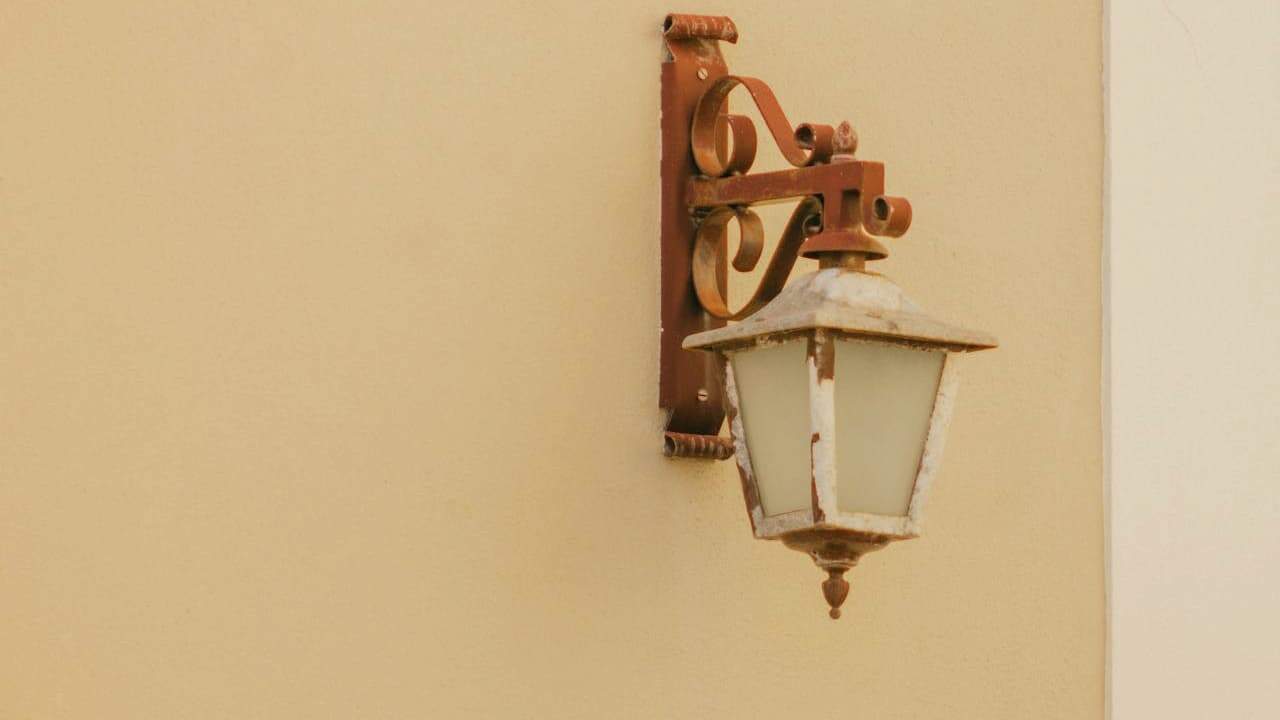
Outdoor lights can attract insects, which in turn can attract larger critters who eat them. Even the warmth of the lights can be a draw for some critters.
Use insect-repelling bulbs or those that don’t attract insects. Consider using motion sensor lights instead of leaving them on all night.