Taking care of plants can be rewarding, but sometimes your efforts don’t get the results you expect. There are common habits and mistakes that can stress or harm your plants without you realizing it.
Understanding what might be making your plants unhappy helps you improve their health and growth. With a little awareness, you can build a better relationship with your greenery and watch them thrive.
Advertisement
Overwatering your plants
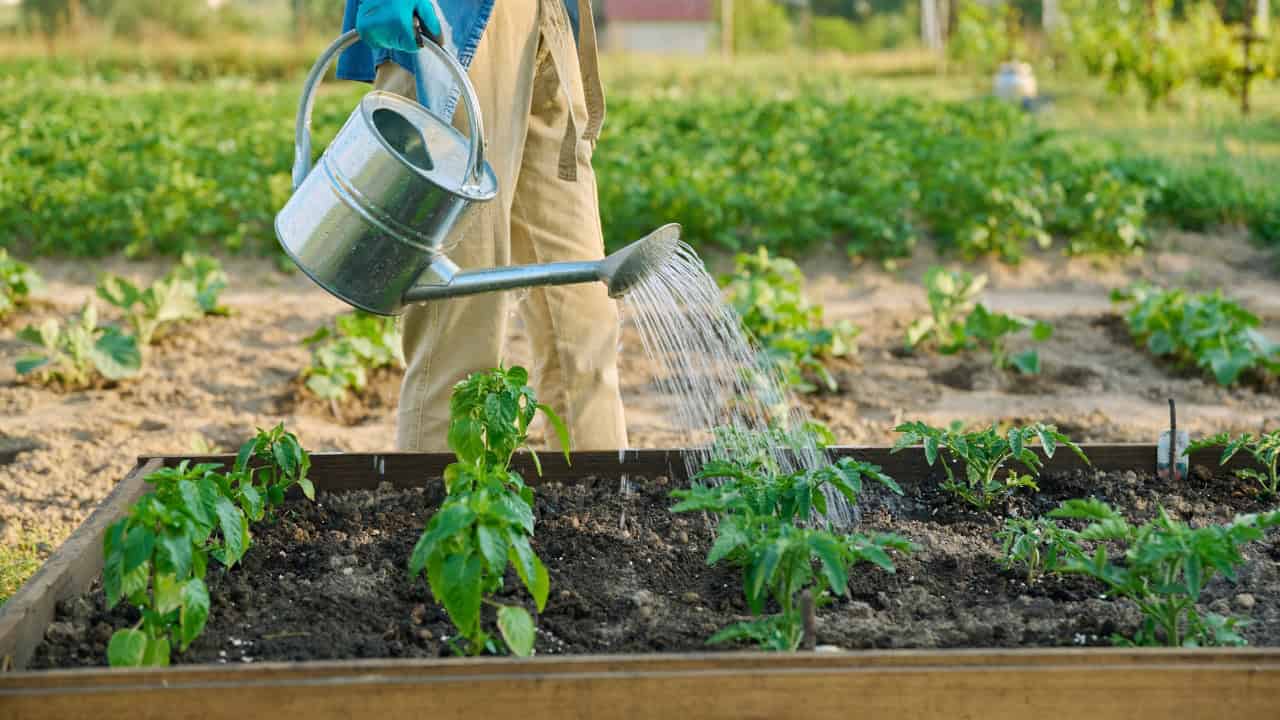
You might think more water means happier plants, but too much can actually harm them. Overwatering fills the soil with too much moisture, pushing out air that roots need to breathe.
When roots can’t get air, they start to rot, and your plant’s growth slows down or stops. Watch for soggy soil and yellowing leaves—they signal it’s time to cut back on watering.
Ignoring proper sunlight needs
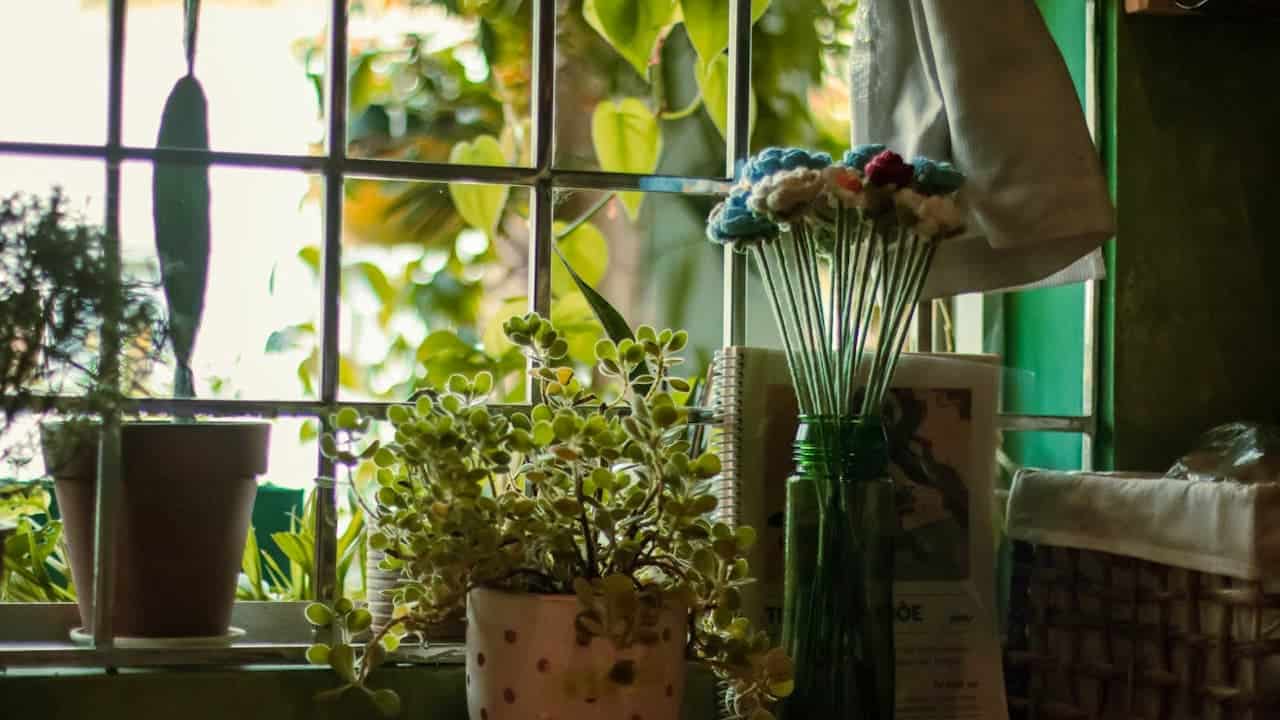
You might think any spot will do for your plants, but sunlight matters a lot. Each plant has a specific light requirement—some need full sun, others prefer shade.
Placing a sun-loving plant in a shady area can stunt its growth. Likewise, putting shade plants in direct sunlight can cause wilting or burns.
Take time to watch how sunlight moves in your garden during the day. Matching your plants to the right light conditions helps them stay healthy and strong.
Using the wrong type of soil

Using soil that doesn’t suit your plant can cause frustration. Different plants need different soil textures and drainage. For example, succulents need well-draining soil, while orchids prefer chunkier mixes.
Garden soil is not always the same as potting soil. Potting soil is lighter and better for container plants. If you use garden soil indoors, your plants might struggle to absorb nutrients properly.
Check your soil’s pH and texture before planting. This helps your plants thrive and absorb nutrients efficiently.
Neglecting to clean dusty leaves

If you skip cleaning the dust off your plant’s leaves, they can’t absorb sunlight as well. This slows down their growth and makes them less healthy.
Dust also blocks air flow around the leaves, which plants need to breathe properly.
You can gently wipe your leaves with a damp cloth or rinse them occasionally to keep them clean. This simple step helps your plants stay happy and thrive indoors.
Constantly moving plants around
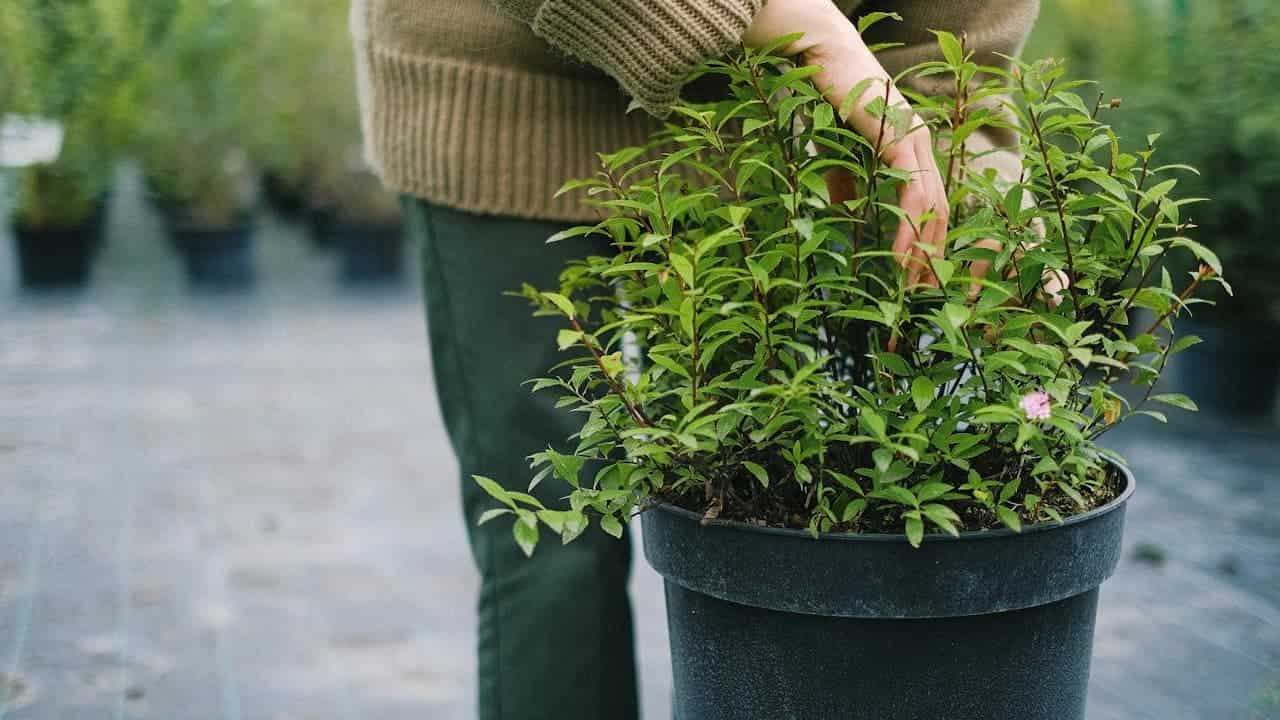
When you keep moving your plants, they can get stressed. Each spot has different light, temperature, and humidity. Your plant needs time to adjust to these conditions.
If you suddenly change where your plant sits, the shift in light can harm the leaves. A move from low light to bright light might cause leaf burn.
Try to find a good spot and let your plant settle there. This helps it stay healthy and happy.
Failing to check for pests regularly

If you don’t inspect your plants often, pests can quickly take hold without you noticing. Even small infestations can cause damage that affects your plant’s health.
Make it a habit to check your plants weekly, focusing on the undersides of leaves and near the soil. Catching pests early helps you treat them before they spread.
Quarantining new plants for a few weeks can also protect your whole collection from unwanted hitchhikers.
Over-fertilizing your plants
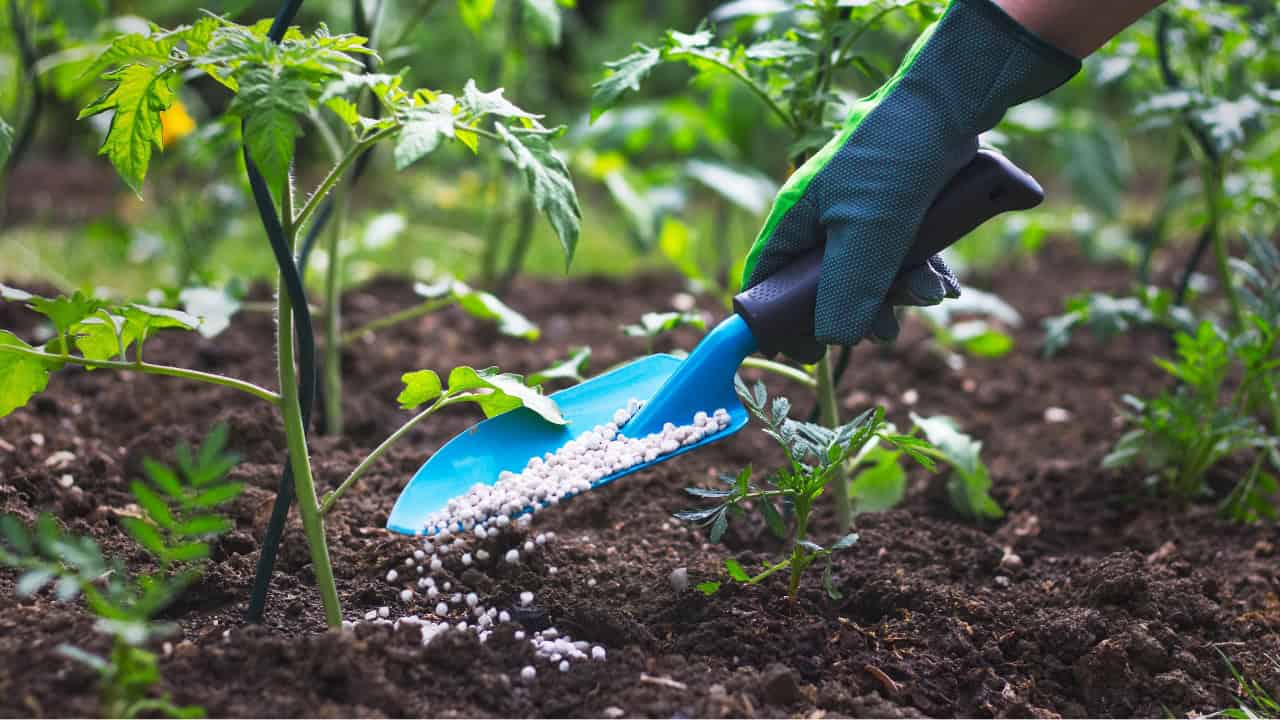
Giving your plants too much fertilizer might seem helpful, but it can actually harm them. Over-fertilizing often causes weak roots and stems, making your plant less healthy overall.
You might notice yellowing leaves, crispy edges, or stunted growth. These are signs your plant is struggling with too many nutrients.
If this happens, try flushing the soil with water to remove excess fertilizer. It helps your plants recover and grow stronger.
Not pruning dead or yellow leaves

If you leave dead or yellow leaves on your plants, it can slow down their growth. These leaves no longer help with photosynthesis and may attract pests.
Pruning helps your plant focus energy on healthy and new growth. Use clean shears to cut dead leaves at the base without damaging nearby healthy parts.
Regularly removing yellow or dead leaves keeps your plant looking neat and can prevent disease from spreading.
Keeping plants in drafty areas
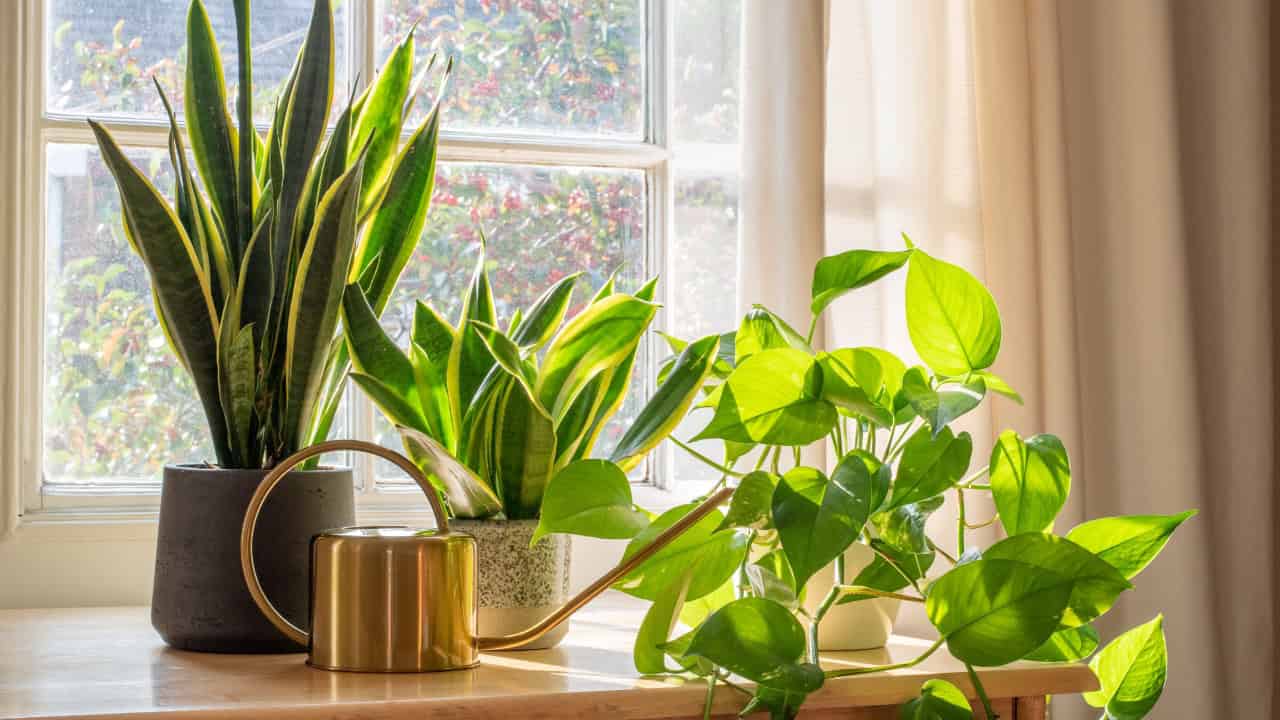
You might not realize it, but drafty spots can stress your plants. Cold or hot air blowing directly on them can cause leaves to drop or turn yellow.
Try to keep your plants away from frequently opened doors and windows. If you can’t move them, use draft stoppers or insulating curtains to reduce airflow.
Grouping your plants together can also help create a small, protected environment, making drafts less harmful to your green friends.
Letting pots sit in standing water

When your pots sit in standing water, the roots can’t get enough oxygen. This makes it easier for root rot to develop.
If you notice water collecting in the saucer, it’s best to empty it quickly.
Using pots with drainage holes helps water flow through and prevents water from pooling at the bottom.
Sometimes watering from the bottom works well, but only if you remove excess water after plants absorb what they need.
Using non-draining pots
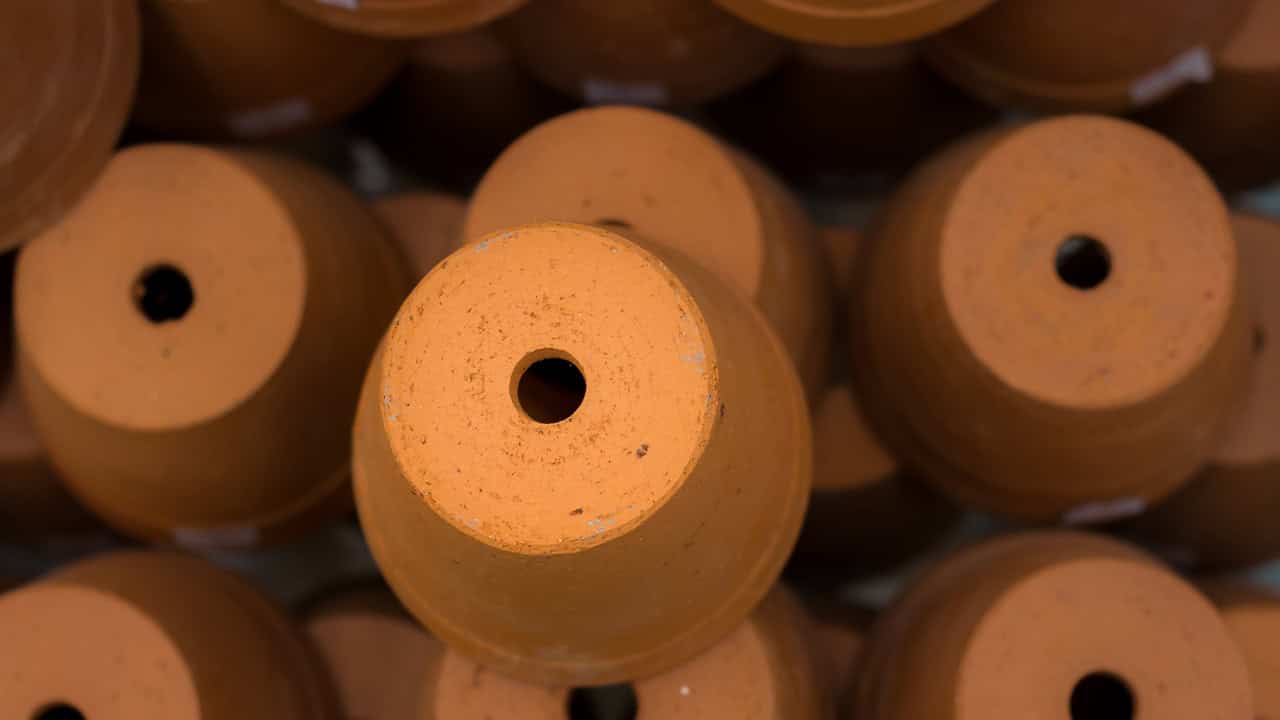
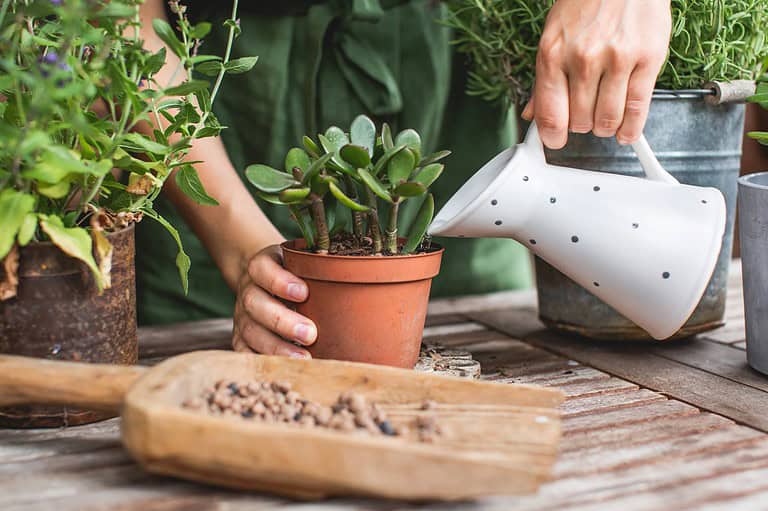
Using pots without drainage holes can trap excess water, leading to root rot. If you choose these pots, create a drainage layer at the bottom with small rocks or activated charcoal to help absorb moisture.
Be careful with watering. Since water can’t escape, you need to water sparingly and check the soil often to avoid soggy roots.
Keep in mind that plants with strong, healthy roots handle non-draining pots better than more sensitive types.
Ignoring humidity requirements

Your plants need the right humidity to stay healthy, especially tropical ones. Too little humidity can cause dry, crispy leaves that signal your plant is unhappy.
On the other hand, too much humidity can lead to problems like leaf rot. Finding the right balance, usually around 60% for many tropical plants, helps them thrive.
Check your indoor air and adjust with a humidifier or misting if needed. Paying attention to humidity makes a big difference for your plant’s growth.
Neglecting to repot when root-bound

If you ignore signs that your plant is root-bound, its growth can slow down. When roots fill the pot and start circling, they struggle to absorb water and nutrients properly.
Your plant might dry out faster or look stunted because the roots have no more space. Repotting gives them room to spread and stay healthy.
Check the drainage holes or gently lift the plant to see if roots are crowded. Moving to a bigger pot helps your plant grow strong and happy.
Using harsh chemical pesticides

When you use harsh chemical pesticides, you might harm more than just pests. These chemicals can kill beneficial insects and disrupt the natural balance in your soil.
Your soil’s health matters because it supports your plants. Chemicals can kill helpful microbes, making it harder for your plants to grow well.
Using pesticides can also affect wildlife around your garden. Some animals may eat plants with pesticide residue and get sick. Consider gentler alternatives to keep your garden happy.
Ignoring specific watering needs for each plant

Your plants aren’t all the same, so they don’t all need the same amount of water. Some like to stay moist, while others prefer to dry out between watering.
If you water every plant the same way, you might stress some by overwatering or underwatering. Check each plant’s water requirements before you decide when and how much to water.
Poking the soil about an inch deep can help you know if your plant really needs water. This simple step can keep your plants happy and healthy.
Crowding plants too closely together
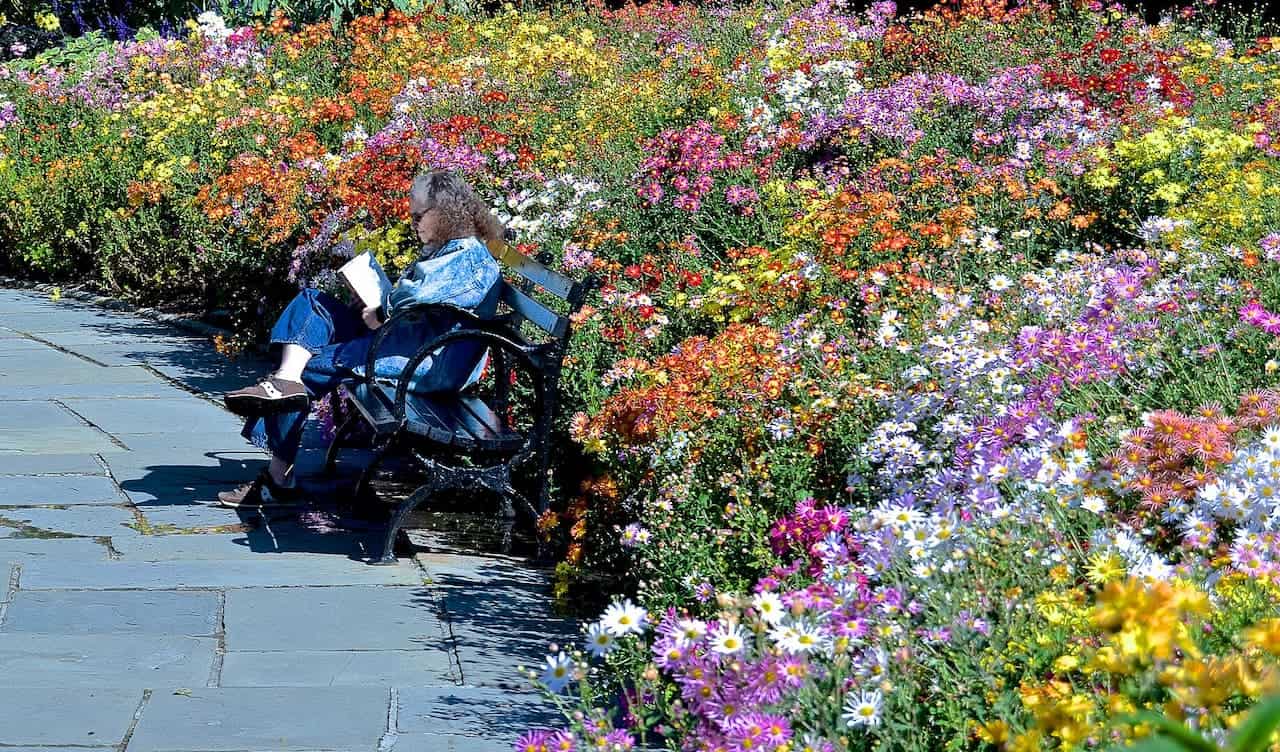
When you plant too close, your plants compete for sunlight, water, and nutrients. This stress can lead to smaller flowers or fewer blooms.
Crowding also keeps leaves wet longer, which may encourage fungal diseases like powdery mildew.
Giving your plants enough space helps roots grow well and ensures healthy, happy growth for each one.