When you have a small garden, choosing the right plants is key to making the most of your space. Some popular plants can quickly take over or create maintenance challenges that make your garden feel crowded or difficult to manage.
Knowing which plants don’t belong in a small garden helps you avoid common problems like overgrowth and excessive care needs. This guide will help you identify plants that might look appealing but aren’t the best fit for limited space.
Advertisement
English Ivy

If you have a small garden, English ivy might not be the best choice. It grows quickly and can take over limited space, making it hard to control.
This plant clings to surfaces and spreads vigorously, which can crowd out other plants you want to grow. You might enjoy it more as an indoor plant, where you can manage its growth better.
Trumpet Creeper
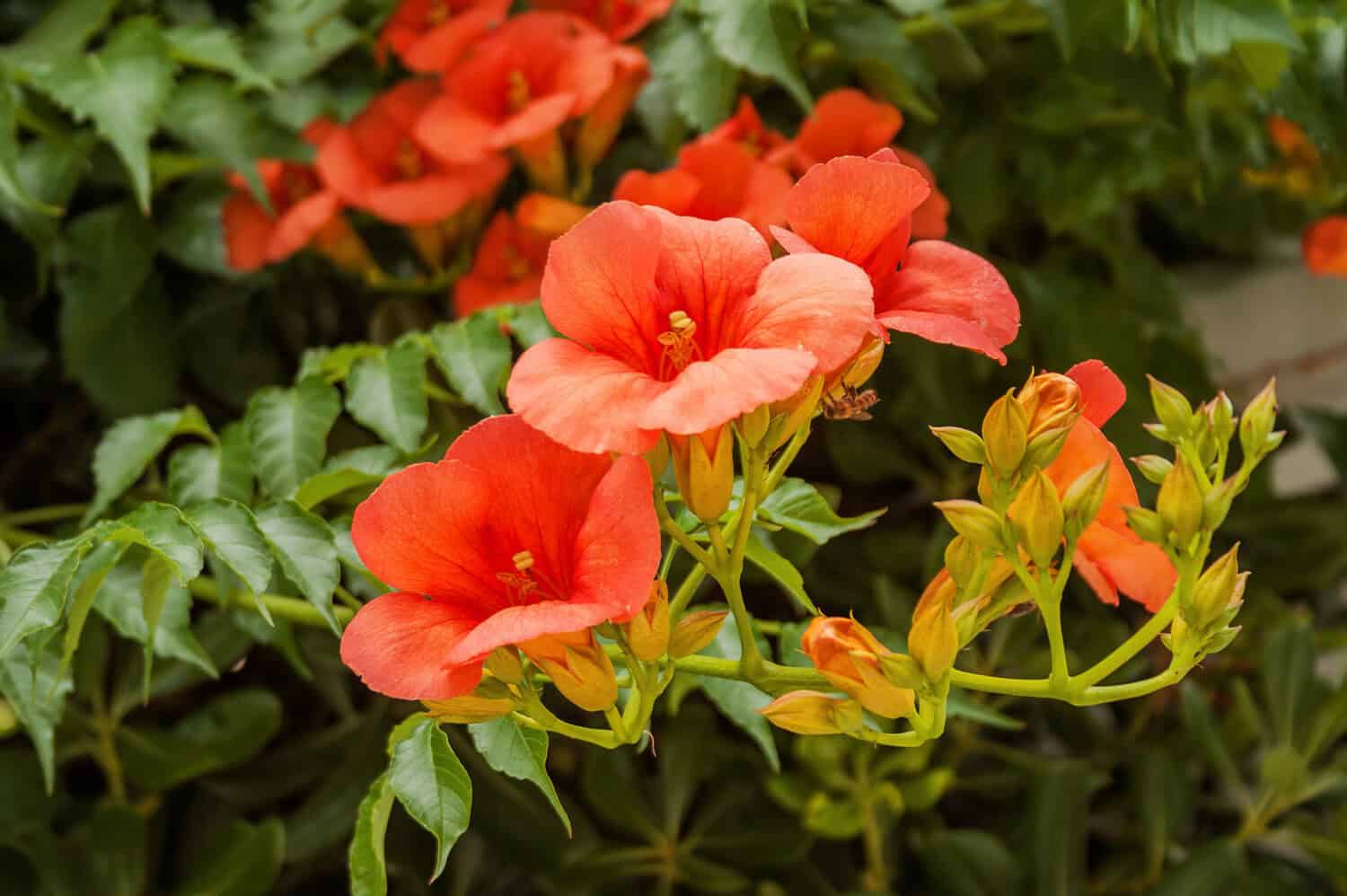
If you have a small garden, trumpet creeper might not be the best choice. It grows quickly and spreads aggressively, which can take over limited space.
This vine can climb walls and fences easily, but it can also damage structures if left unchecked. You’ll need to prune it often to keep it under control.
Butterfly Bush

If you have a small garden, the butterfly bush might not be the best fit. It grows quickly and can spread aggressively, crowding out other plants you want to keep.
Some varieties are less invasive, but most can take over if not managed carefully. Keep this in mind before planting one in your limited space.
Wisteria
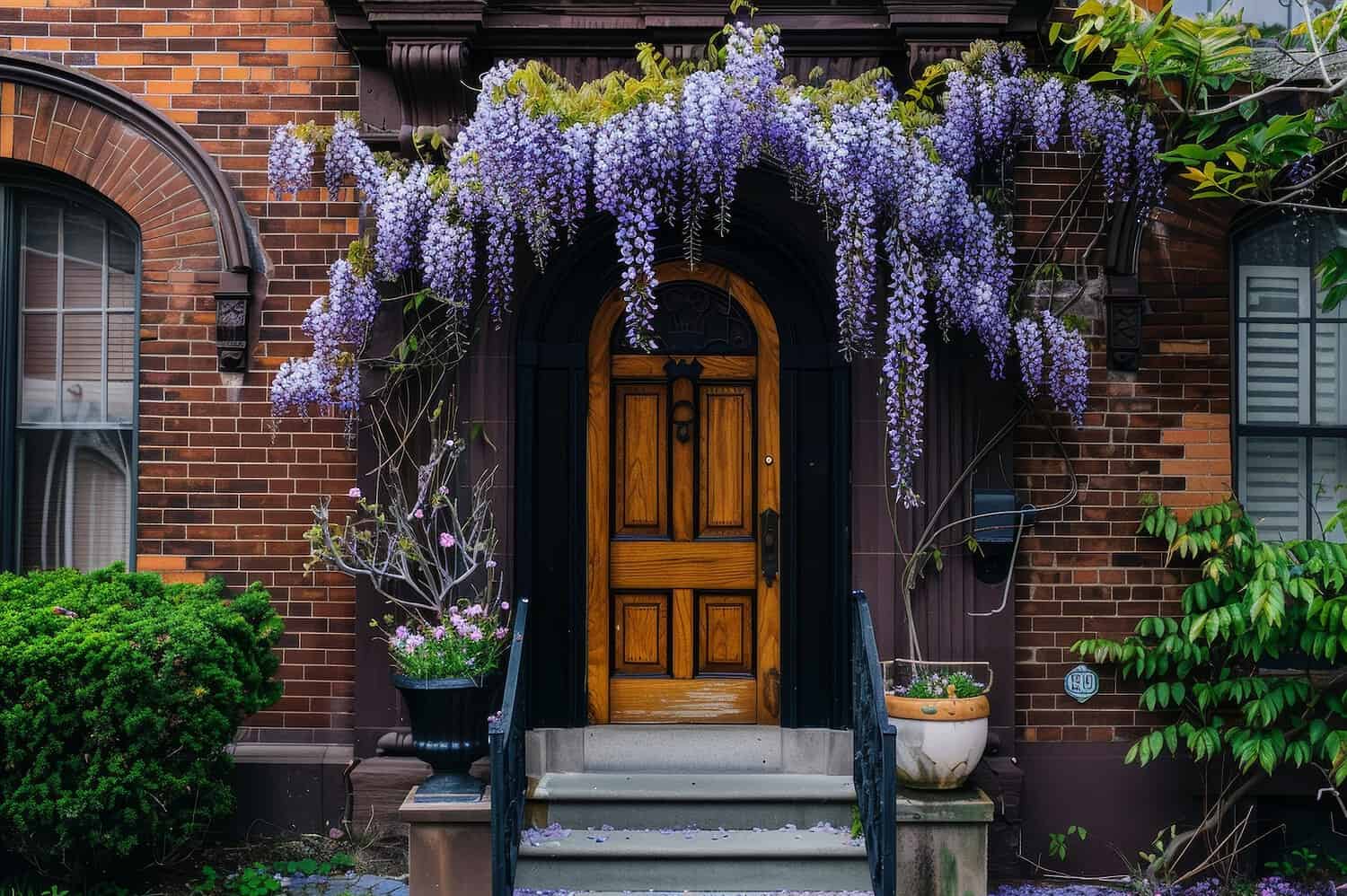
Wisteria may look beautiful, but it can quickly take over your garden. Its fast growth and strong vines can crowd out other plants and damage structures.
If you have a small garden, wisteria’s size and spread could become overwhelming. You’ll need a sturdy frame and regular pruning to keep it under control.
Bittersweet
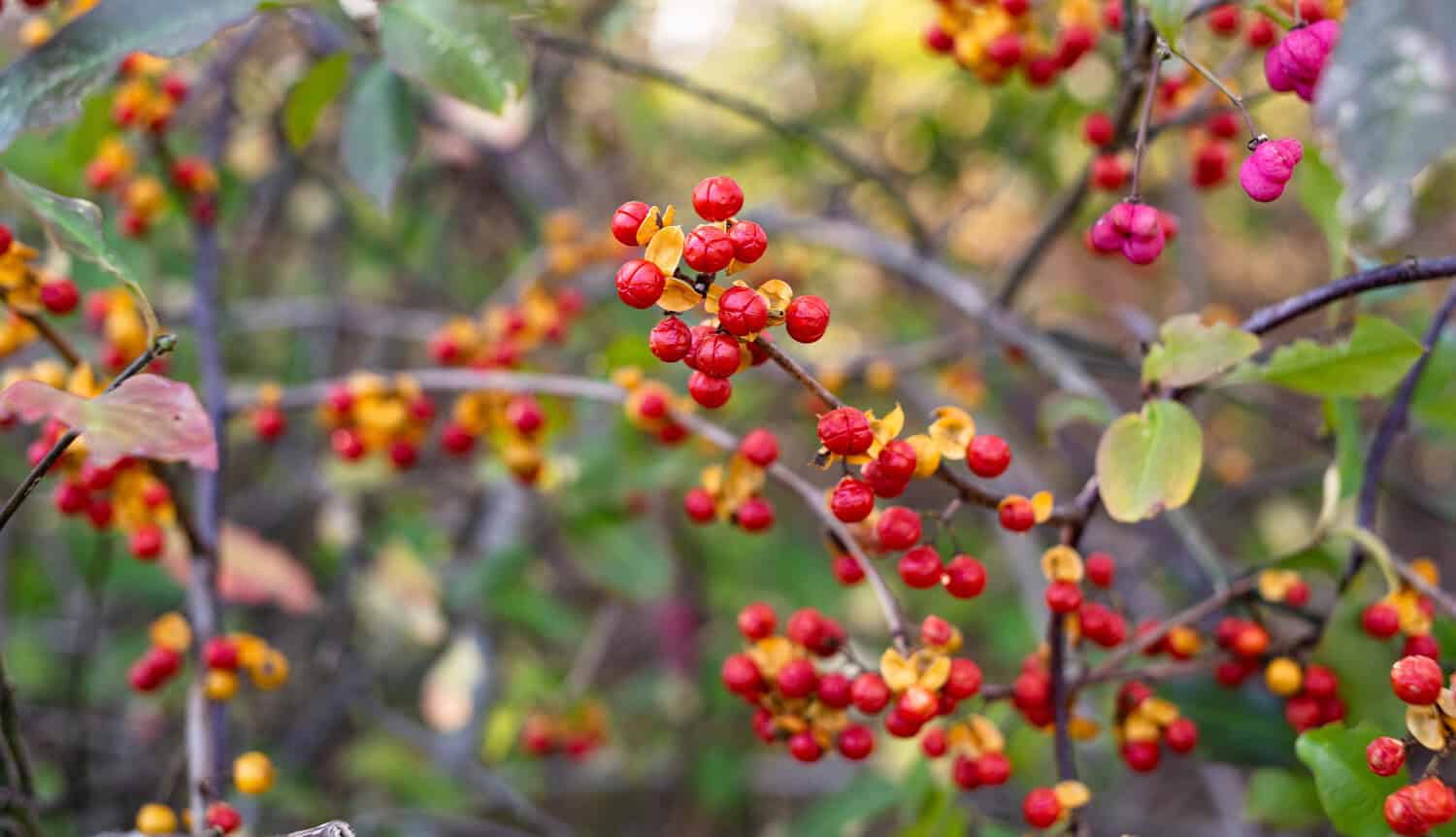
If you have a small garden, bittersweet may not be the best choice. This plant spreads quickly and can take over your space.
It climbs on trees, fences, and structures, which can cause damage over time. You’ll find it hard to control once it starts growing. It’s better to choose something less aggressive for your garden.
Virginia Creeper

Virginia creeper can grow quickly and spread aggressively. If your garden is small, it might take over other plants and spaces before you notice.
The vine climbs walls and fences easily, which can be hard to control. You might find it harder to keep your garden tidy if you choose this plant. If you like vines, consider smaller or less invasive options that fit better in limited spaces.
Barberry
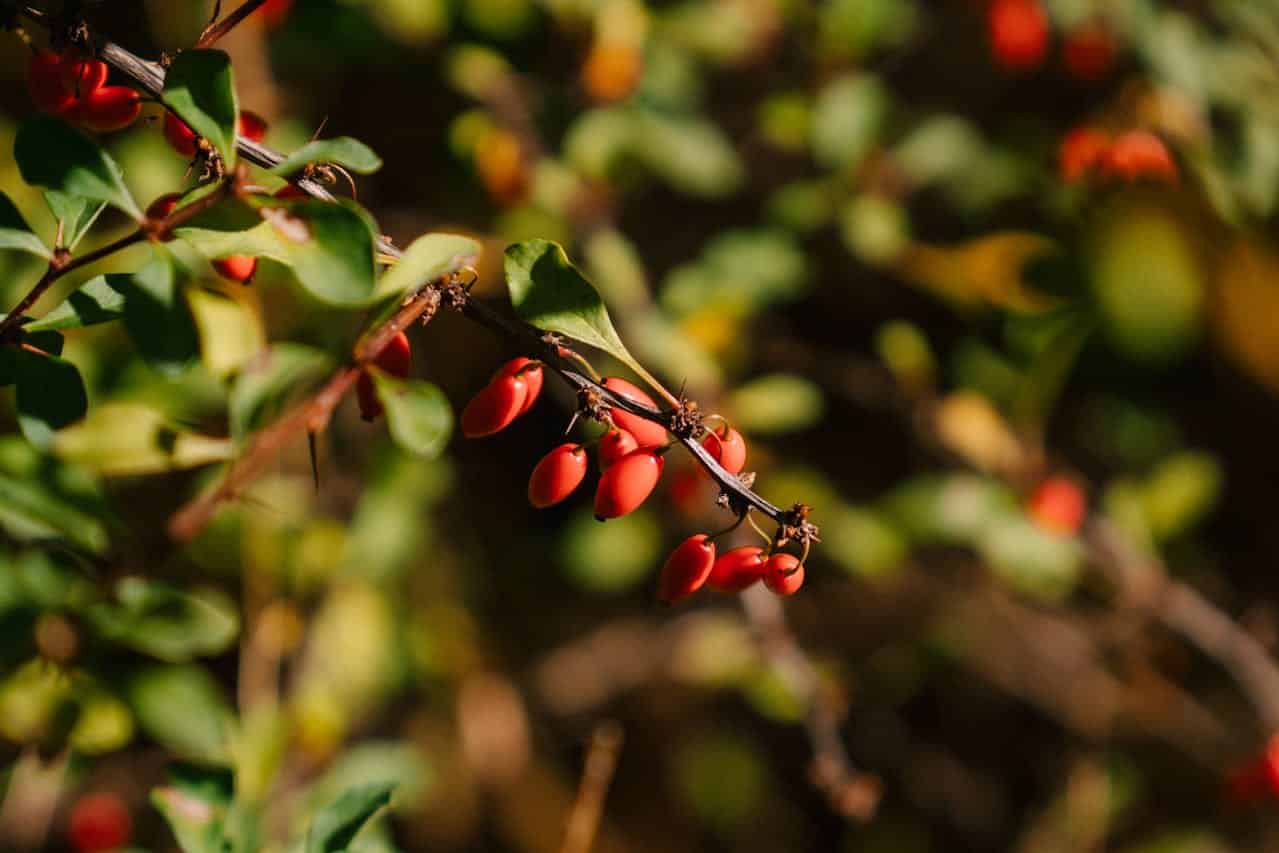
Barberry shrubs are often chosen for their colorful foliage and low maintenance. However, they can spread aggressively, taking over small garden spaces quickly.
You might appreciate their drought resistance and deer-repellent thorns, but in limited areas, their growth can become hard to control. Consider if you have the space before planting barberry in your garden.
Burning Bush
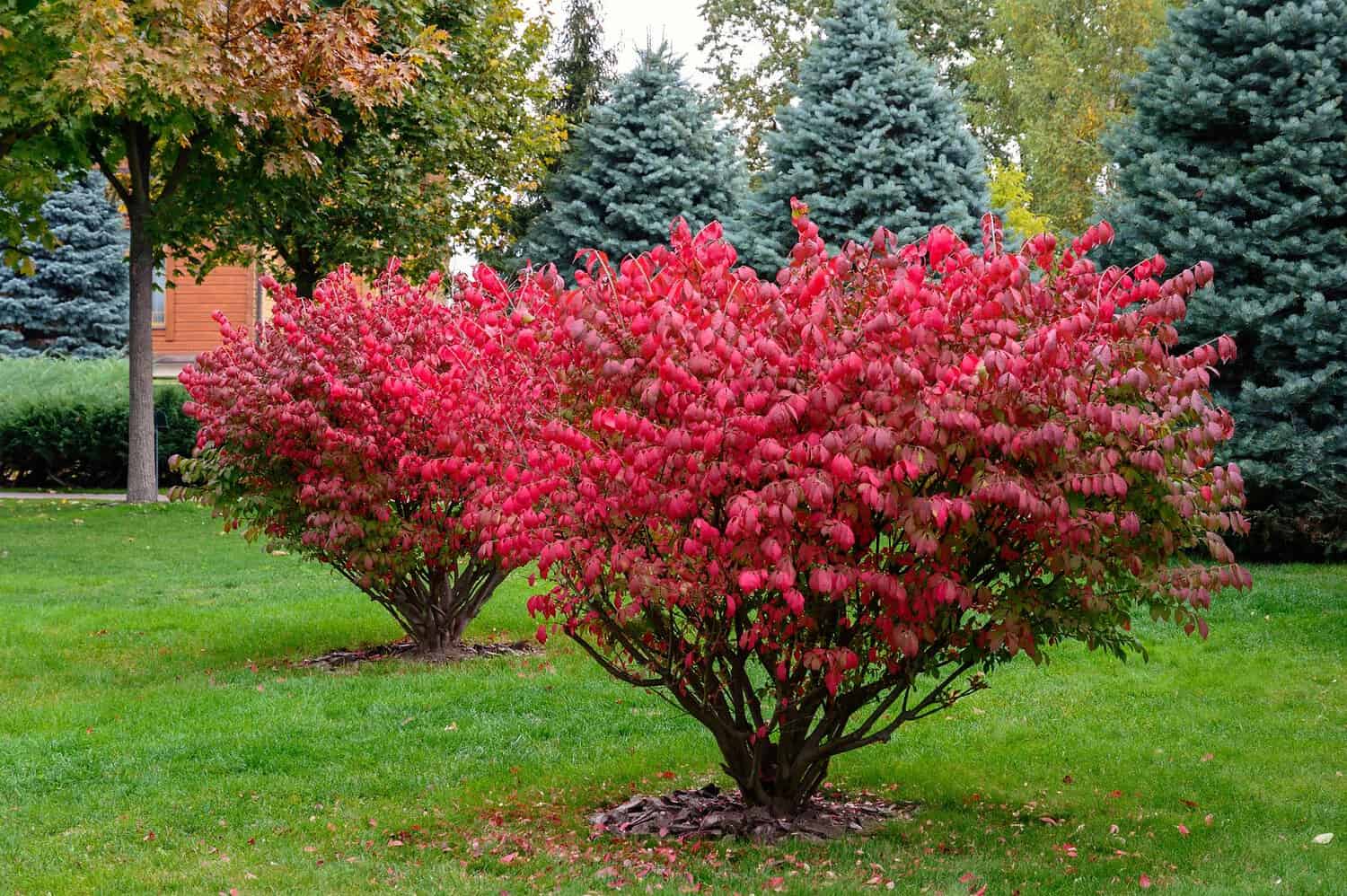
If you have a small garden, Burning Bush might not be the best choice. It spreads quickly through seeds and runners, which can take over space and crowd out other plants.
You might also find it tough to control once it starts spreading. Plus, in some states, it’s considered invasive or even banned. Choosing plants that stay put will help keep your garden neat and manageable.
Grapes (invasive varieties)

If you want grapes, be careful with the type you choose. Some wild or non-native grape varieties can grow aggressively and take over small garden spaces. These invasive kinds spread quickly and can crowd out other plants you want to keep.
Stick to cultivated varieties like Concord or Niagara if you have limited space. They’re easier to manage and less likely to become invasive in your garden.
Wild Stonecrop

Wild Stonecrop spreads quickly, forming a thick mat of succulent light-green leaves. It produces small star-like white flowers in late spring and early summer.
If your garden is small, it might take over space faster than you expect. You may find it hard to control once established, making it less suitable for confined areas.
Orange Daylilies
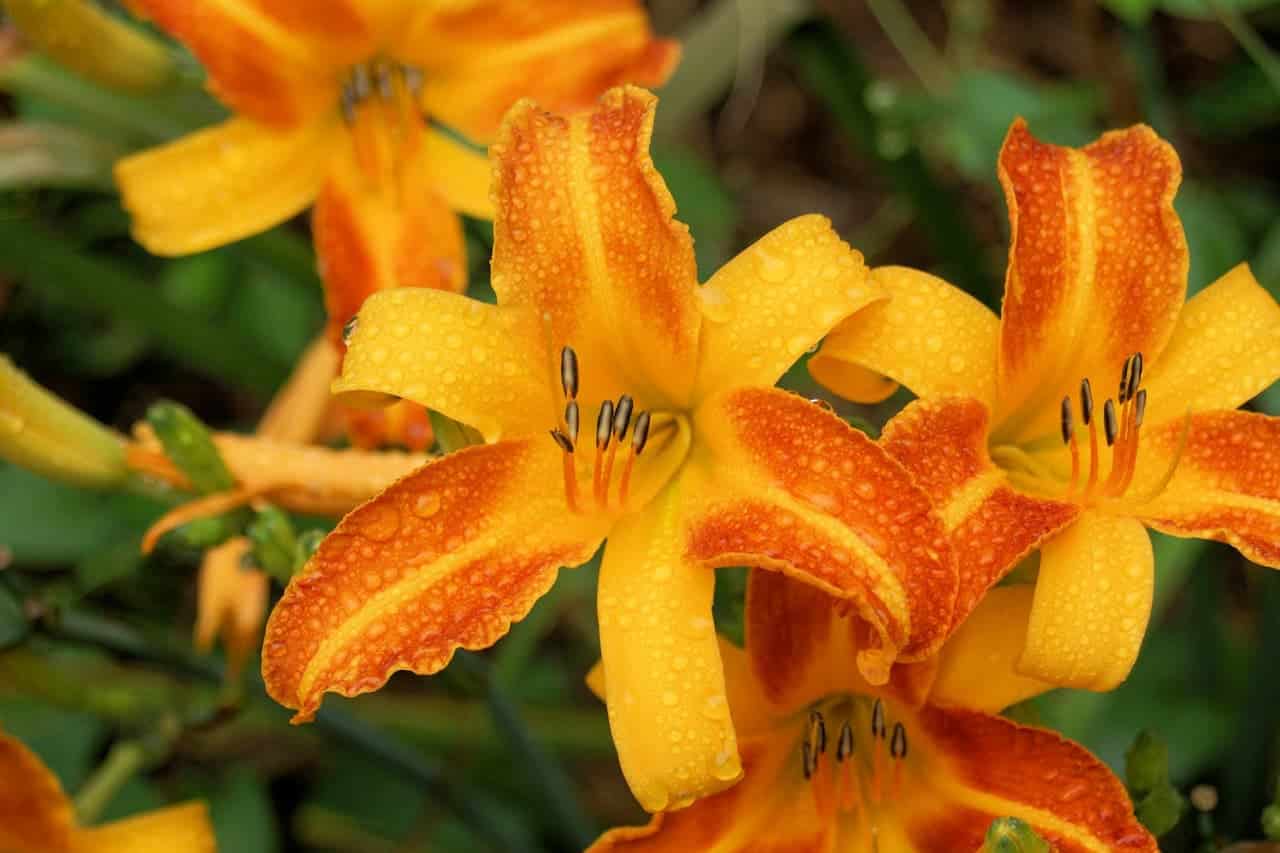
If you have a small garden, orange daylilies might not be the best choice. They spread quickly through bulbs underground, making them hard to control.
These hardy plants can take over nutrient space and crowd out other flowers. Their height can also overpower smaller garden plants, leaving less room for variety.
Spiderwort

Spiderwort spreads quickly and can take over small garden spaces. If you’re short on room, it might crowd out other plants you want to grow.
Its fast growth and ability to multiply easily make it better suited for larger gardens. You’ll appreciate its flowers and foliage, but be ready to control its spread regularly.
Vinca Vines
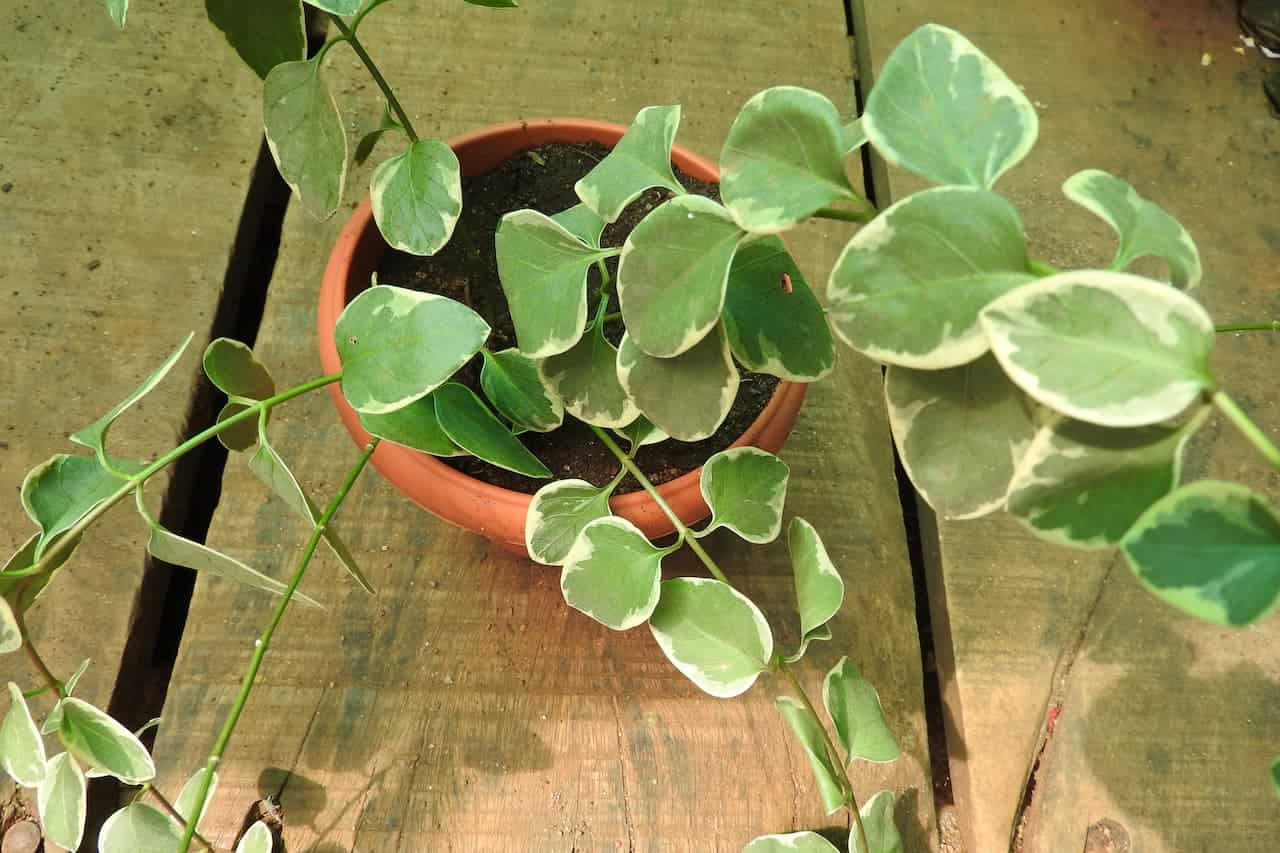
If you have a small garden, be cautious with vinca vines. They grow quickly and form dense ground cover. This dense growth can block sunlight and crowd out other plants you want to keep.
While they add color and are low maintenance, vinca vines can be hard to control in limited space.
Wild Strawberry
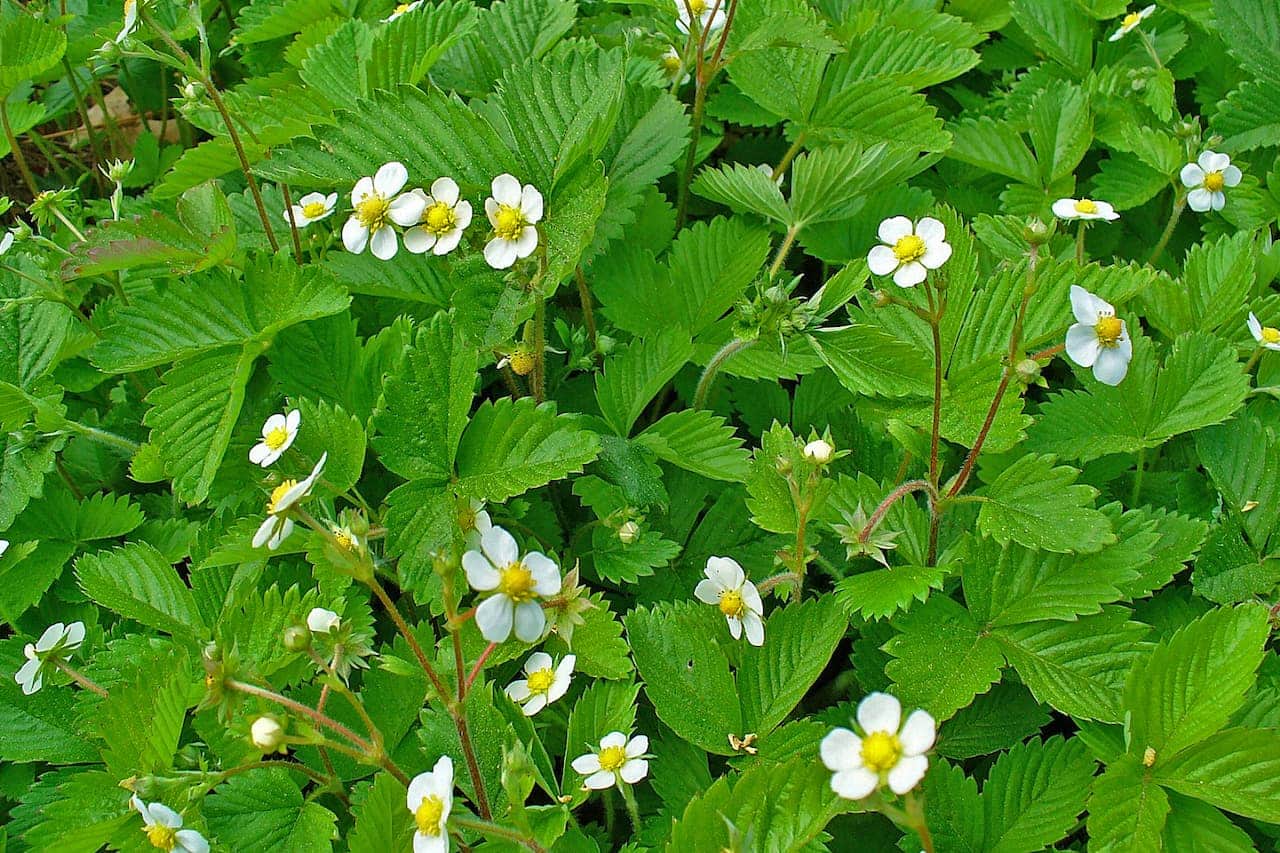
Wild strawberry produces small, tasty berries that look like tiny versions of store-bought strawberries. You might think they’re a good fit for your garden, but they spread quickly and can take over small spaces.
If you like strawberries, they’re better suited for larger areas where they won’t crowd out other plants.
Bradford Pear
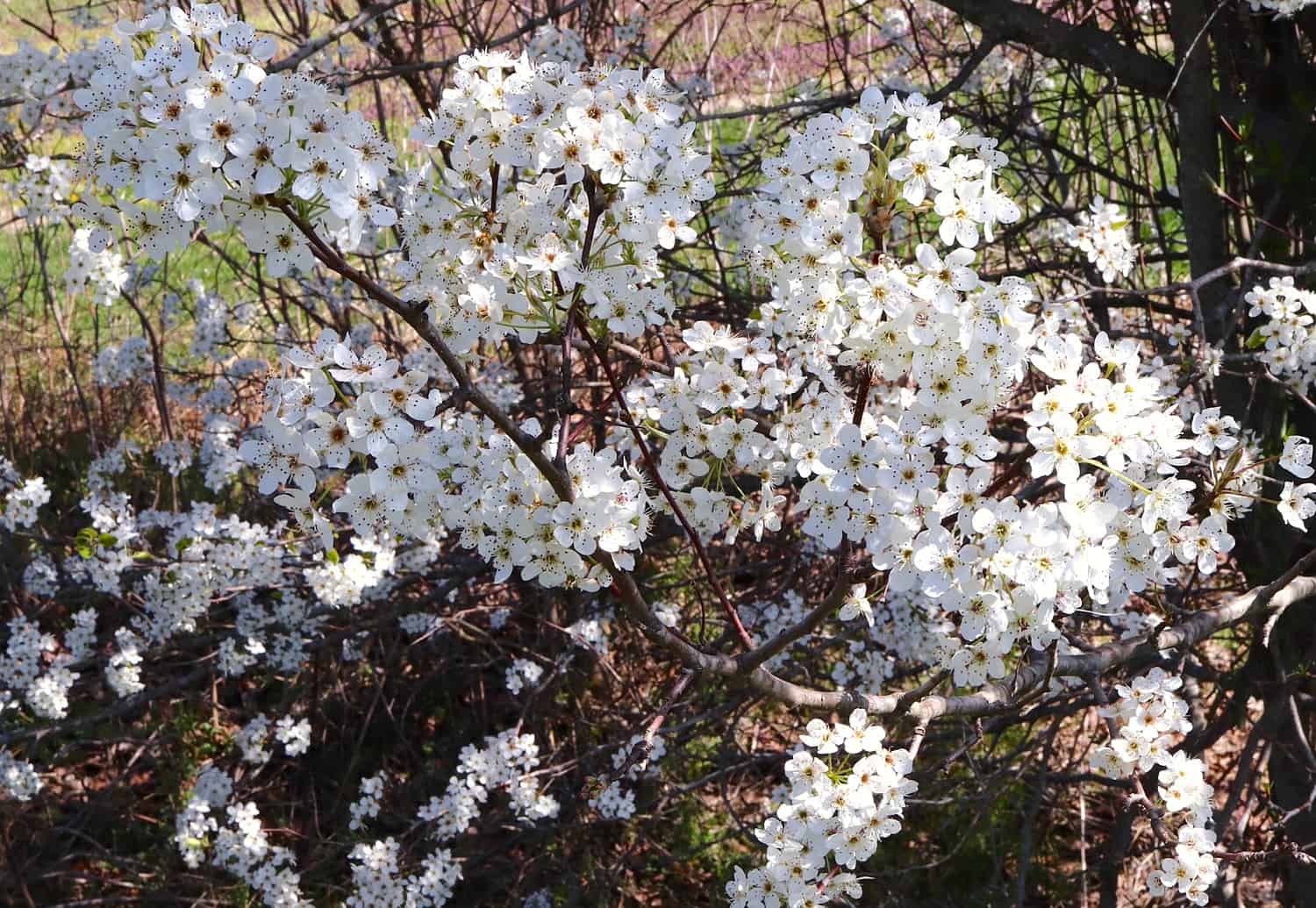
You might be tempted to grow Bradford Pear because it looks nice and grows fast. However, its wood is weak and prone to breaking in storms. This can be a safety concern in small gardens.
Also, Bradford Pear can spread aggressively and crowd out other plants you want to keep. Consider other options that suit your space better.
Male Ginkgo Trees
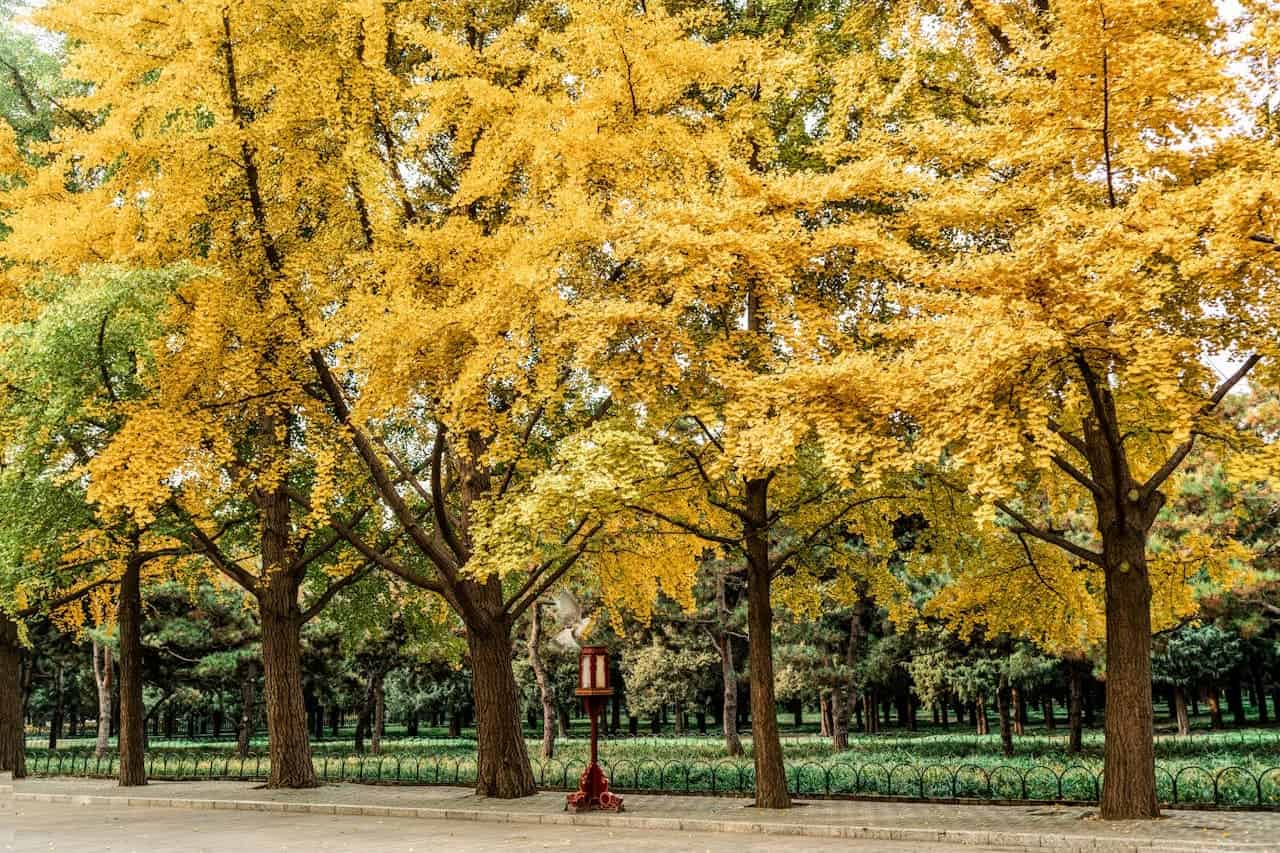
If you want a ginkgo tree in your garden, be aware that male ginkgo trees can grow quite large. They are often chosen because they don’t produce the messy fruit female ginkgo trees do.
However, even some smaller male varieties, like Troll Ginkgo, can outgrow small garden spaces. Consider the size carefully before planting, as these trees may need more room than expected.