When planning your garden, it’s important to know which plants get along and which don’t. Some plants secretly harm their neighbors by competing for nutrients or creating conditions that stunt growth.
Understanding which plants negatively affect others can help you avoid common pitfalls and create a healthier garden. By choosing the right combinations, you give your plants the best chance to thrive and keep your garden looking great.
Advertisement
Bradford Pear Trees

If you have Bradford pear trees in your garden, you might want to reconsider keeping them. They spread quickly by producing lots of seeds that grow into new trees nearby.
These trees crowd out native plants and disrupt local ecosystems. They also cross-pollinate with related types, which helps them invade even more areas.
Though their flowers look nice in spring, Bradford pears are banned in some places because of their invasive nature. Choosing native trees instead will help your garden stay healthy.
English Ivy
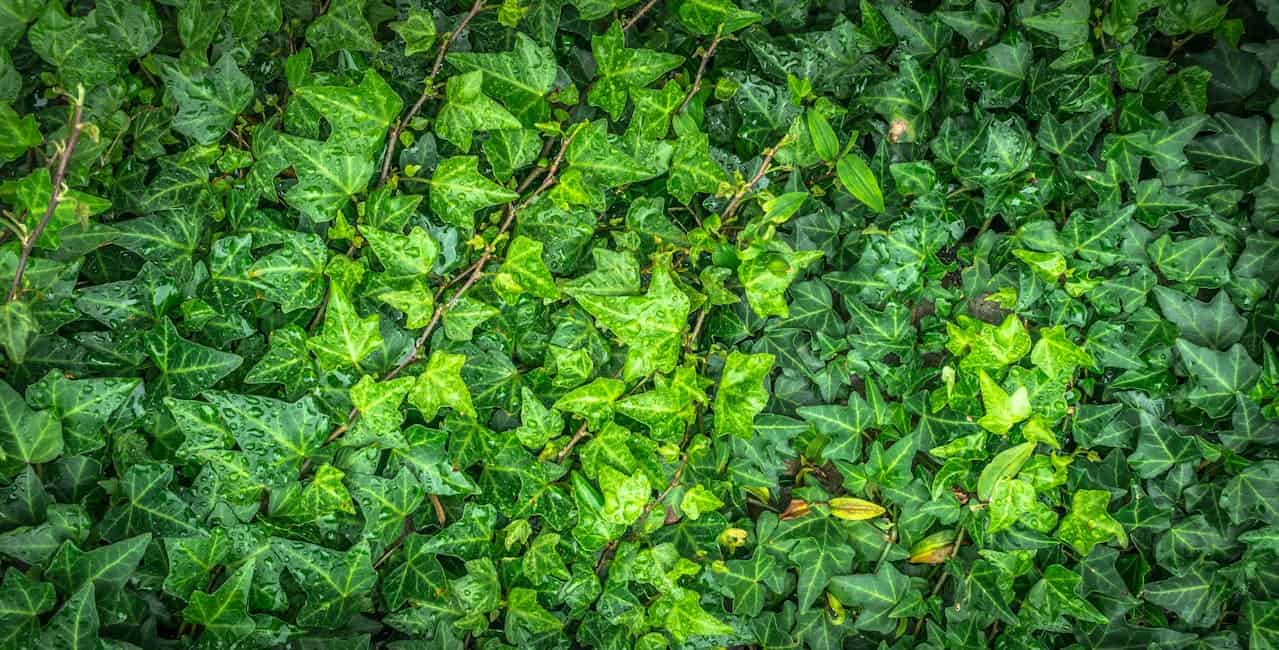
English ivy is a fast-growing vine that can quickly take over your garden. It climbs trees, walls, and other plants, blocking light and competing for resources.
If you let it spread unchecked, it can harm or even kill your garden neighbors. Cutting or trimming it helps, but be careful—broken pieces can root and grow new plants.
You might need to remove large patches to protect other plants in your yard from its aggressive growth.
Bamboo

If you have bamboo nearby, you might notice it spreads quickly through underground roots called rhizomes. This growth can invade your garden and crowd out other plants.
There are two main types: running bamboo, which spreads aggressively, and clumping bamboo, which stays more contained. Running bamboo can be harder to control and may require barriers or regular trimming to keep it in check.
Keeping bamboo in check helps protect your garden from being overtaken and keeps your plants healthy.
Poison Sumac
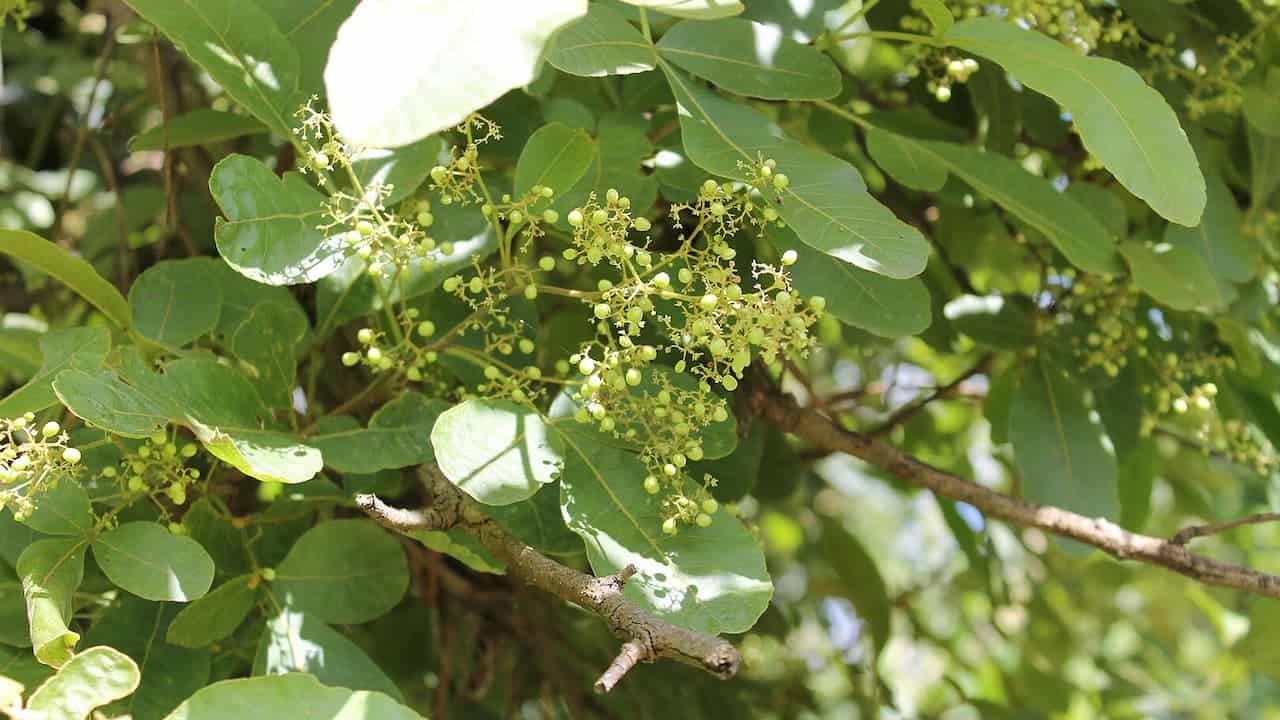
If you have poison sumac nearby, be careful—its oil can cause strong skin irritation. You’ll recognize it by its smooth-edged leaflets arranged in pairs, with one at the tip, and reddish stems.
This plant releases toxic oils that can spread through smoke if burned, so never burn it. To control it, you need to cut it down repeatedly because it tends to grow back quickly.
Cockleburs
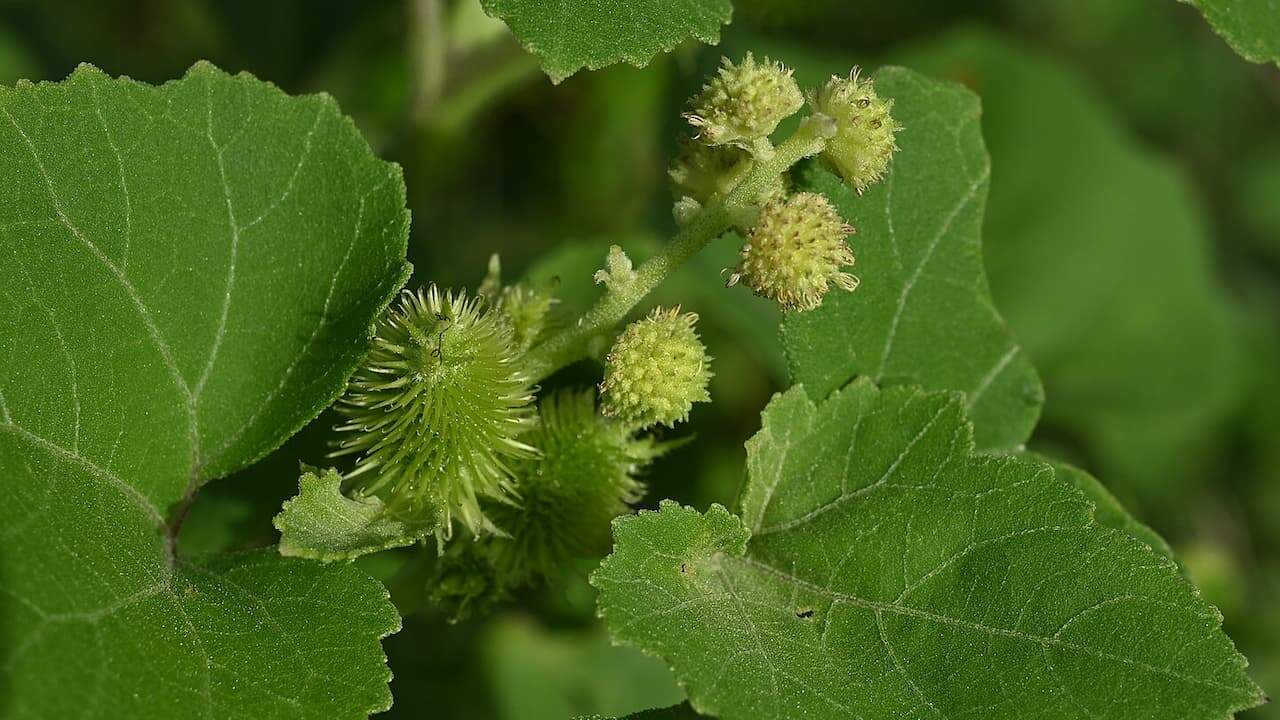
If you’ve ever walked through a field and felt tiny hooks snag your clothes, you’ve met cockleburs. These prickly plants grow 2 to 5 feet tall and produce burrs that latch onto animals and people to spread.
Cockleburs compete aggressively with other plants, often crowding them out. You can control them by pulling young plants or using herbicides that affect seedlings and roots.
Stinging Nettle
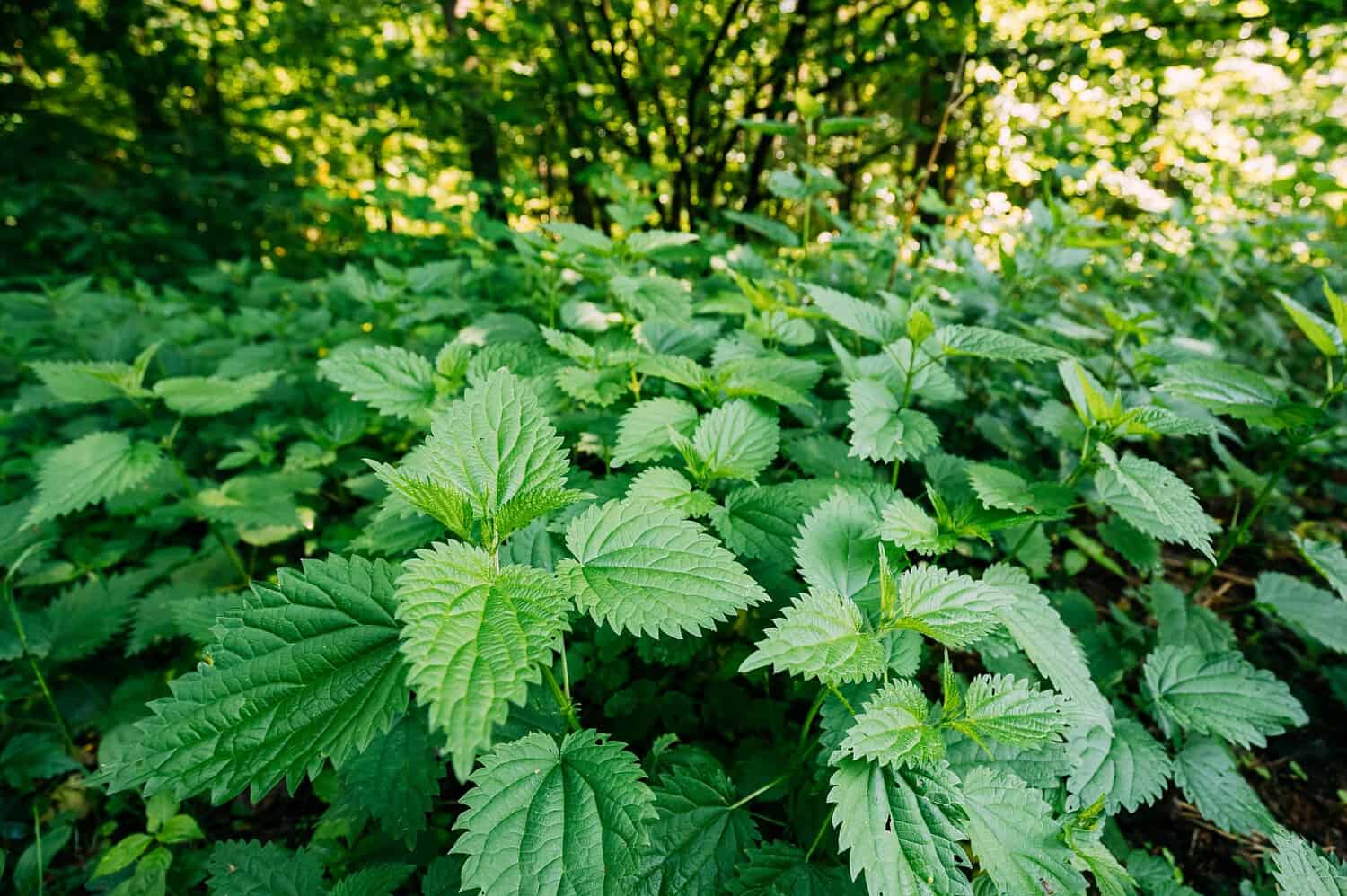
If you have stinging nettles in your garden, you’ll notice their sharp hairs cause skin irritation when touched. These plants spread quickly and can crowd out nearby plants by competing for nutrients and water.
Their roots grow deep, so to control them, you need to remove the entire root system. Leaving even a small part of the root will let them grow back fast. Watch your garden regularly to catch new growth early.
Voodoo Lilies
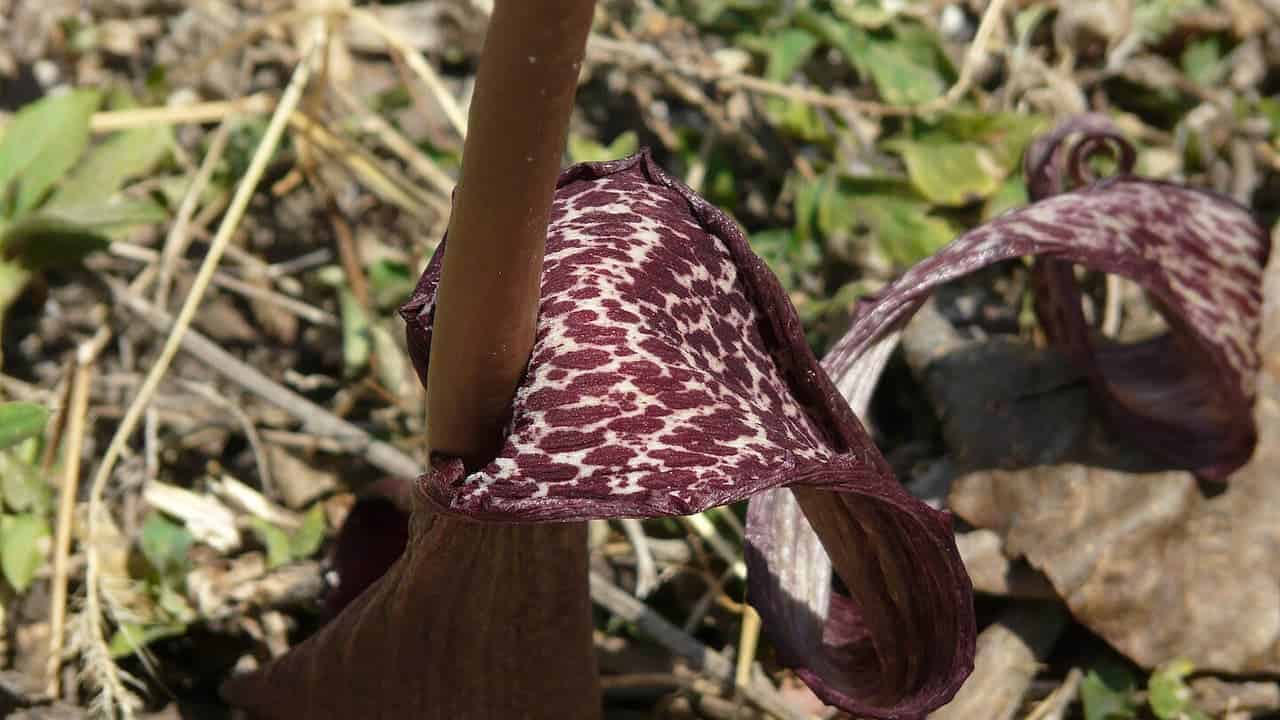
When you plant Voodoo Lilies, be ready for a strong, unusual smell. This scent helps the plant repel many garden neighbors, giving it a competitive edge.
These lilies prefer well-draining soil and can suffer if overwatered. If you want a unique and slightly wild addition to your garden, Voodoo Lilies are worth considering, but their odor might not please everyone nearby.
Beggar’s Lice
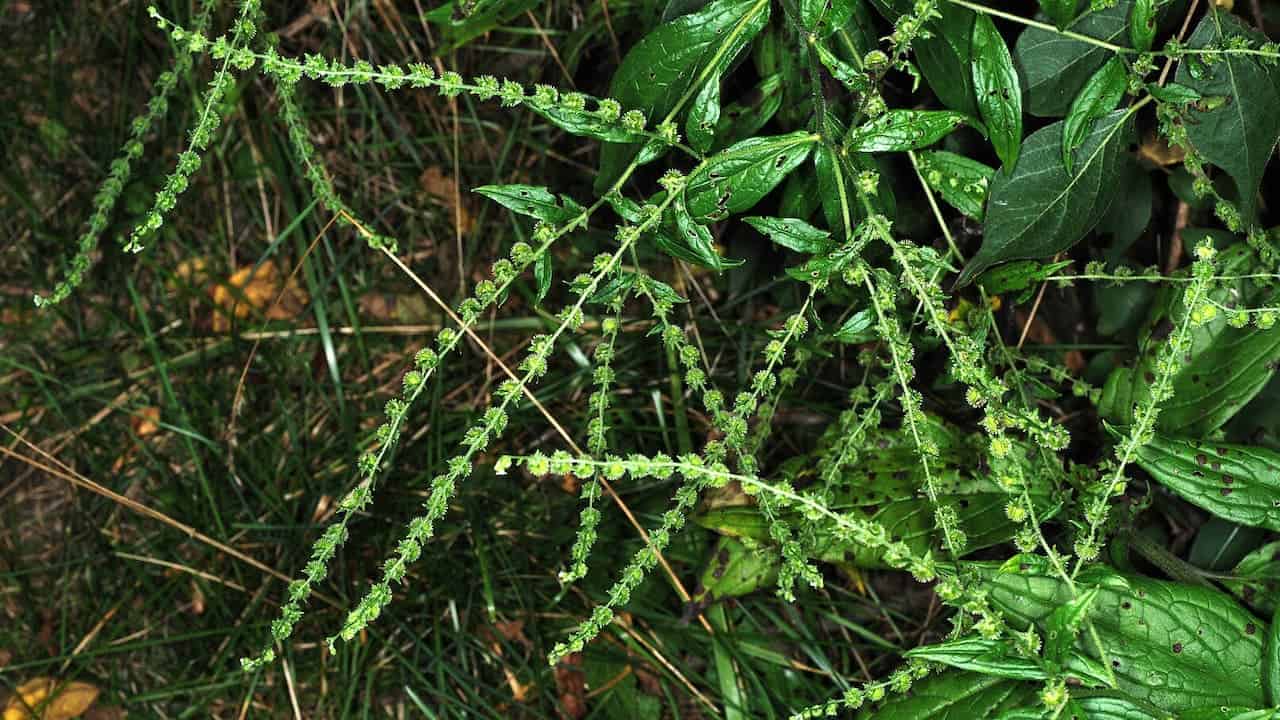
Beggar’s lice is a biennial plant that can quickly take over your garden if you’re not careful. Its sticky seeds easily attach to clothes and pets, helping it spread everywhere.
To control beggar’s lice, you can pull the plants out by the roots before they set seed. Adding mulch around your plants also helps stop new seeds from growing.
Buckthorn
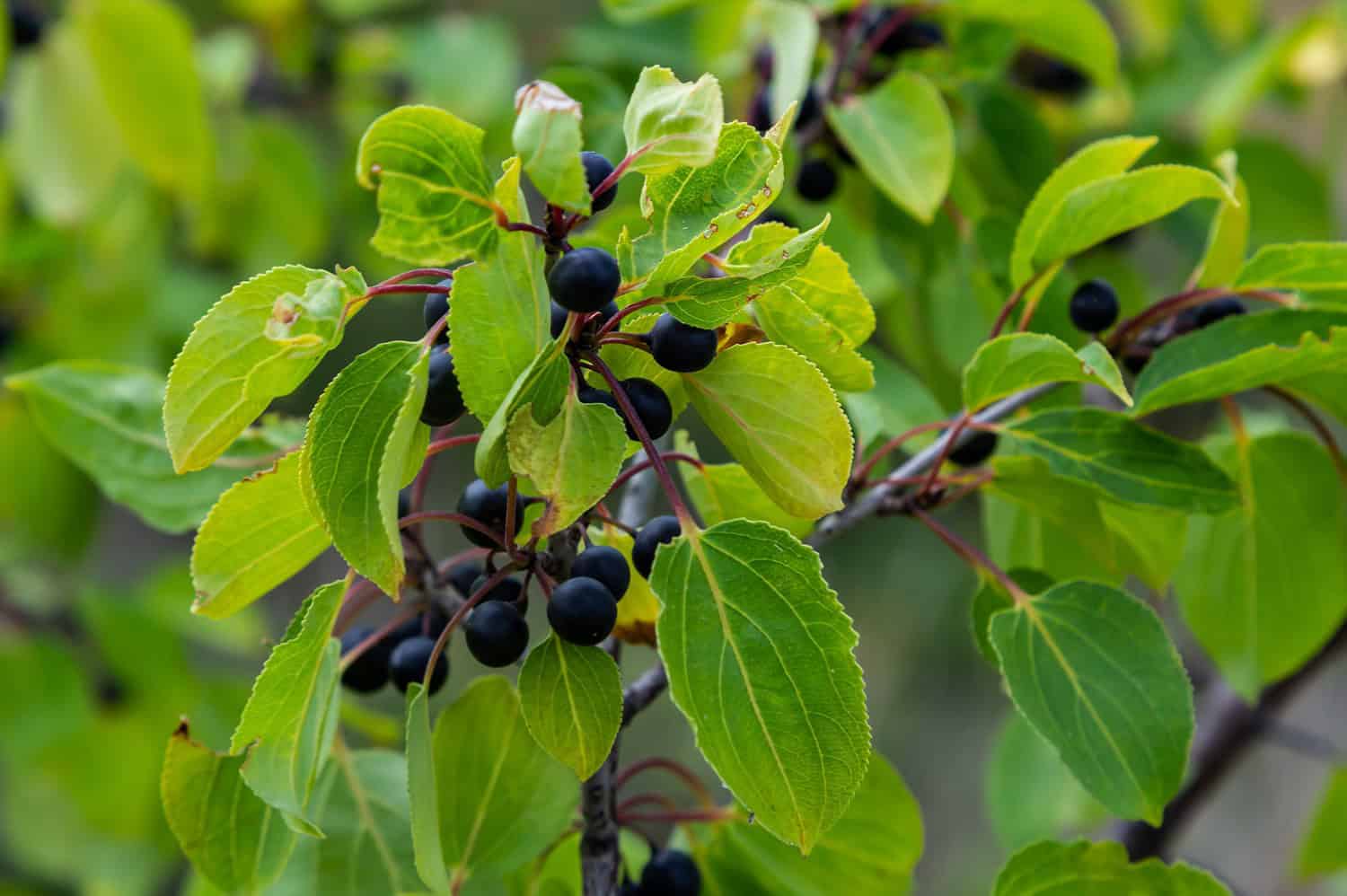
If you have buckthorn in your garden, you might notice it spreads quickly and crowds out other plants. This shrub, originally from Europe and Asia, produces berries that birds spread around, allowing new plants to pop up in your yard.
You can manage buckthorn by targeting female plants first since they produce the seeds. Pulling young seedlings by hand helps in less dense areas, but larger plants often need stronger methods to control their growth.
Honeysuckle
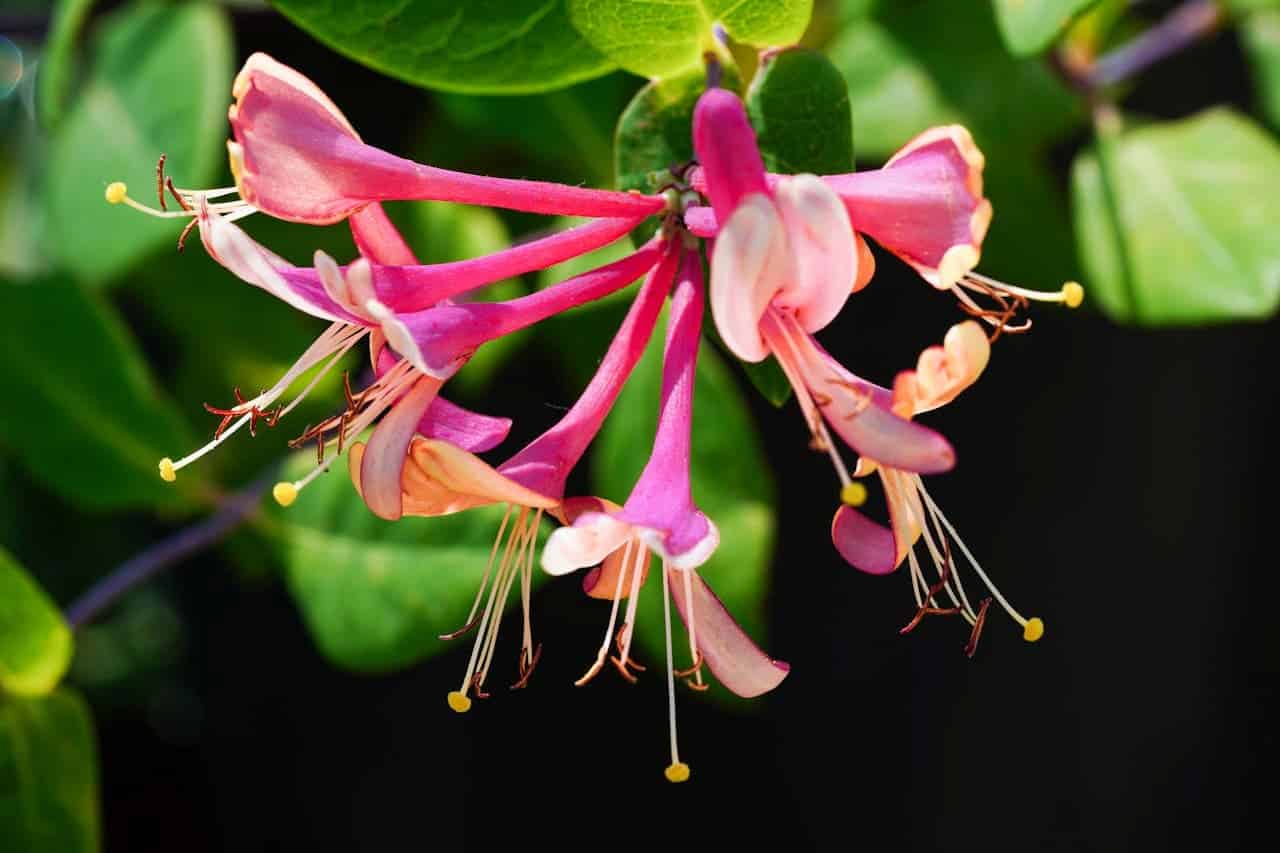
When you plant honeysuckle, be aware it can spread quickly and crowd out nearby plants. It’s an aggressive grower that competes for nutrients and space, making it tough for others to thrive.
If you want to keep it under control, removing the entire root system is key. Simply cutting it back won’t stop it from coming back. Keep an eye on it to protect your garden neighbors.
Rose of Sharon
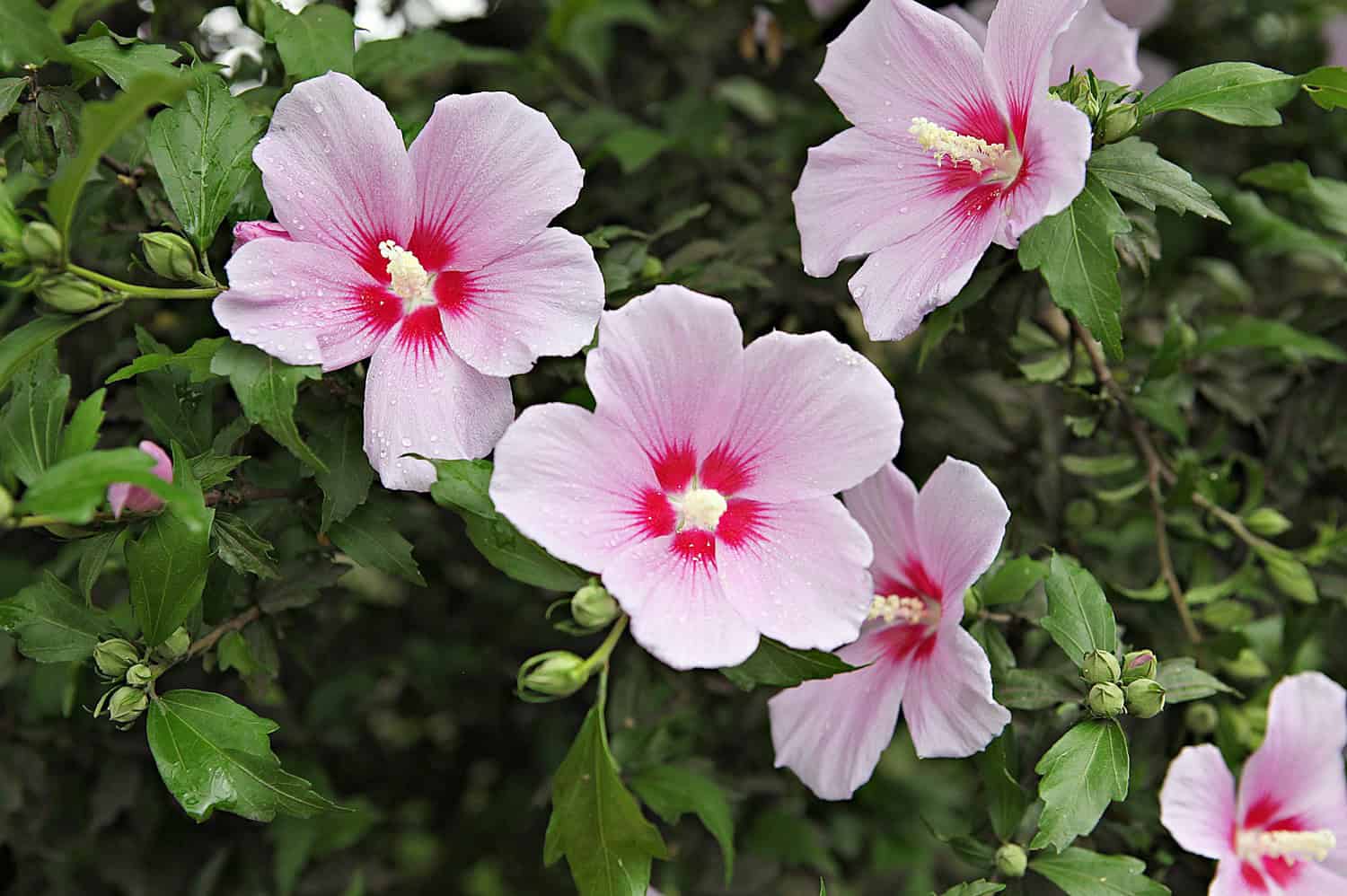
Rose of Sharon produces many flowers from summer to fall, which leads to lots of seeds. These seeds can spread easily by wind, rain, and seed pods bursting open.
If you’re not careful, seedlings may pop up in your garden and take over nearby spaces. You can control them by cutting off the seed heads before they release seeds. Pulling out young plants early is another way to keep it in check.
Garlic Mustard

Garlic mustard is a tough invasive plant that can quickly take over your garden. It grows up to three feet tall and produces white flowers in spring.
This plant spreads by seed pods that shoot tiny seeds several feet away. Each plant can produce hundreds or even thousands of seeds.
Because garlic mustard out-competes native plants, it can reduce the diversity in your garden or forest area. Removing it early helps protect your other plants.
Kudzu
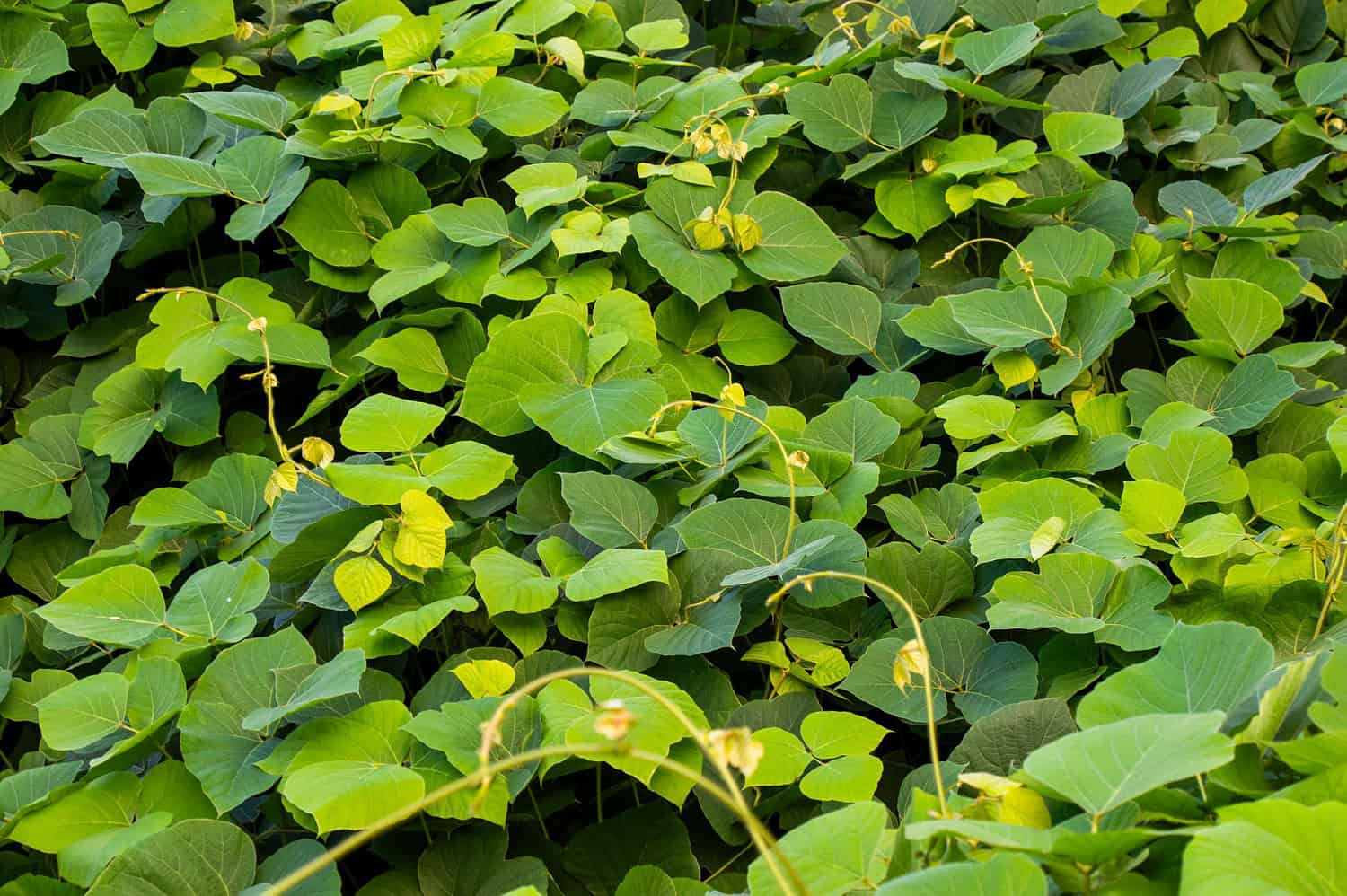
If kudzu starts growing in your garden, it can spread very quickly. This vine can cover trees, buildings, and other plants, blocking sunlight and making it hard for them to survive.
You’ll need to cut it back regularly and may have to use herbicides to keep it under control. Staying on top of it helps prevent it from taking over your yard.
Japanese Knotweed
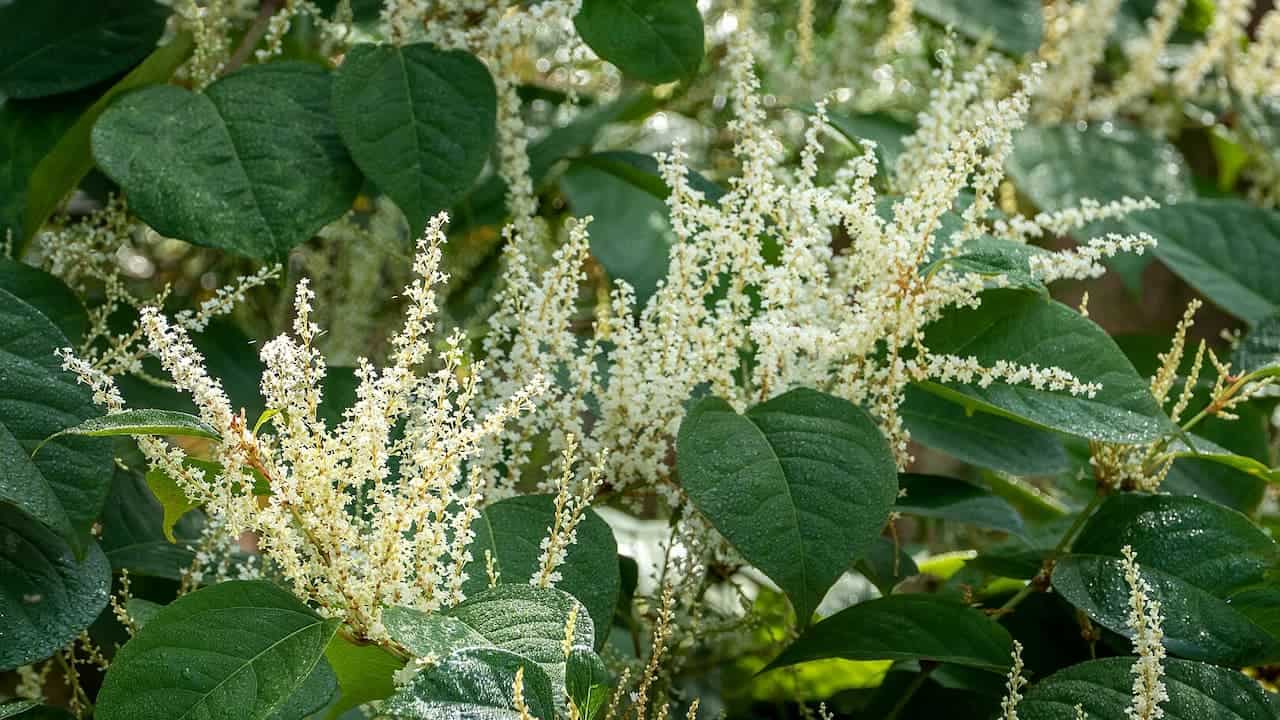
If you spot Japanese knotweed in your garden, act quickly. This plant spreads fast and can crowd out your other plants. Its bamboo-like stems grow tall and strong, making it hard for nearby plants to get enough light and nutrients.
You’ll notice heart-shaped leaves and small white flowers in late summer. Be careful when removing it, as it regrows easily from small fragments.
Multiflora Rose
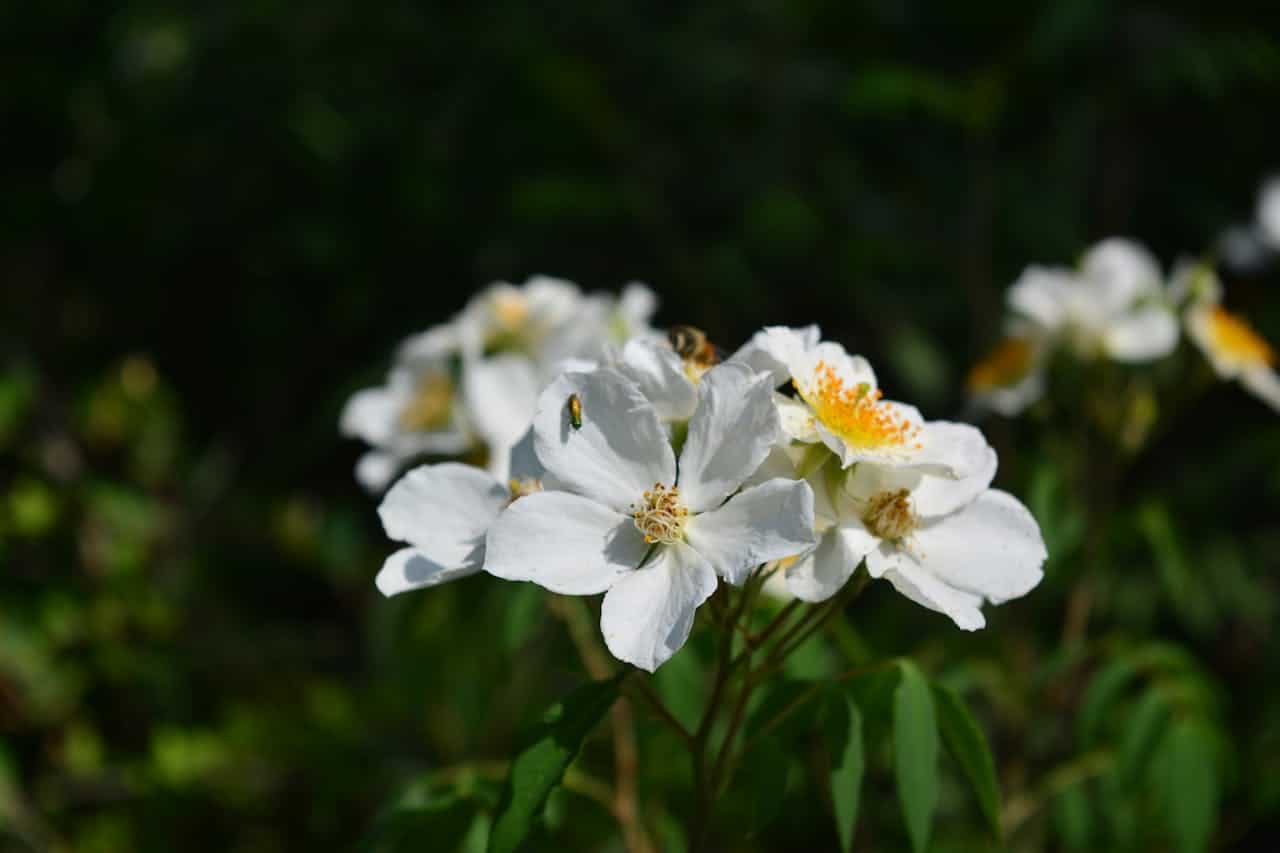
If you spot multiflora rose in your garden, be cautious. This plant grows dense thickets that crowd out other plants, making it hard for your garden neighbors to thrive.
It was introduced for erosion control and wildlife cover but quickly became invasive. Hand-pull young plants before they produce seeds. Regular removal of new growth helps keep it under control.
Giant Hogweed
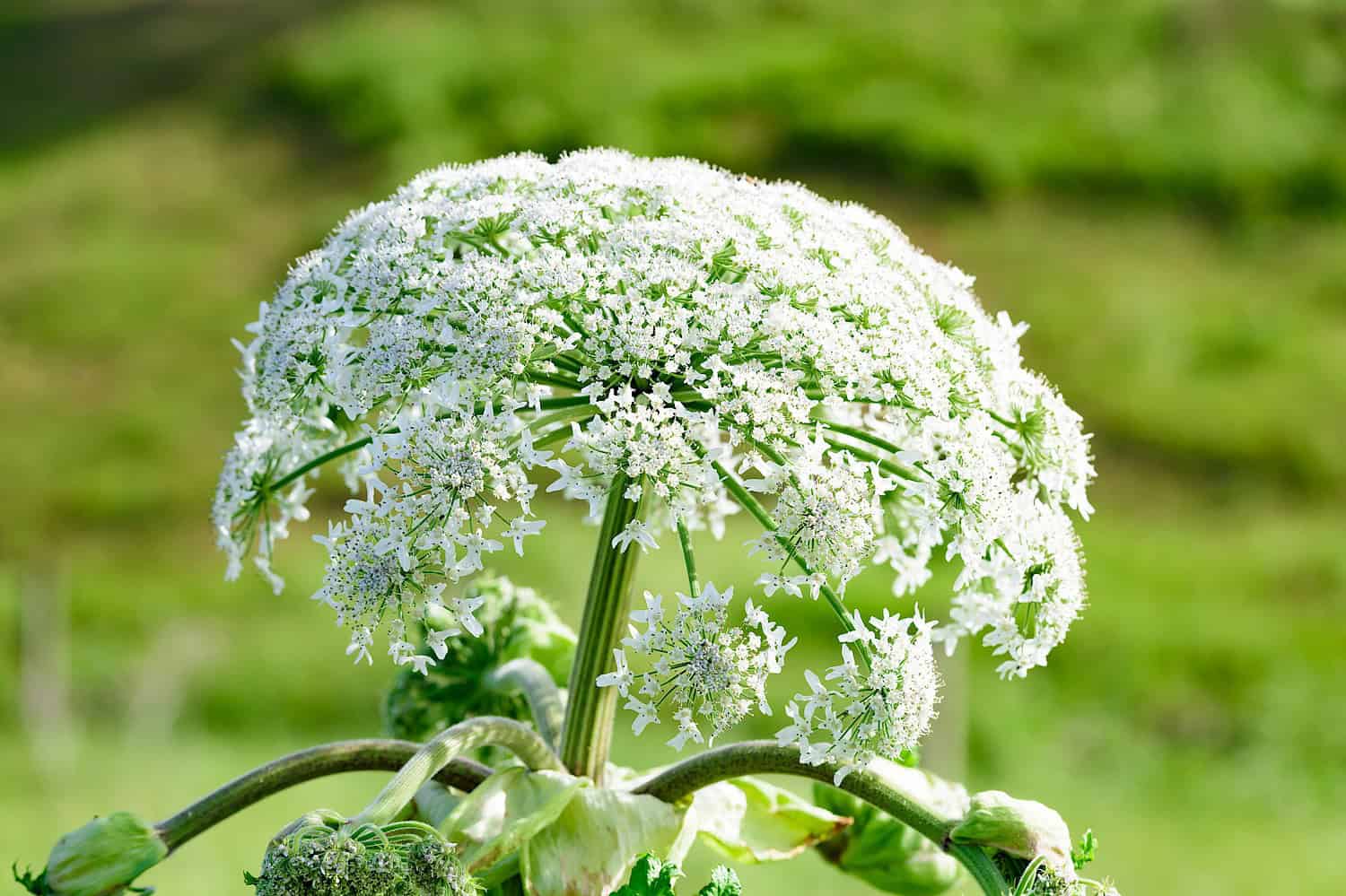
Giant hogweed is a tall plant that can grow up to 20 feet high. Its large leaves and spotted stems make it easy to spot in your garden.
Be careful around this plant—its sap can cause severe skin burns if it touches your skin. Always wear protective clothing when handling it.
It spreads quickly and can overshadow your other plants, taking up space and nutrients. Removing it early helps protect your garden.