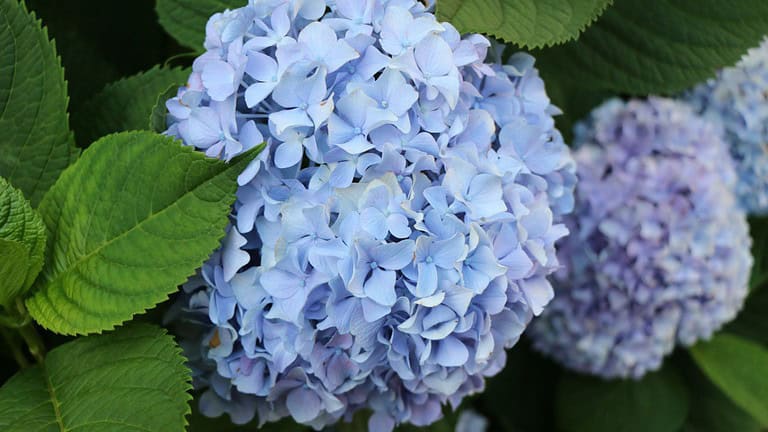
If you’re someone who loves the dramatic transformation of a garden in full bloom, you might be familiar with the heartbreak that comes when your favorite perennials fade away more quickly than anticipated. This is a common experience for many garden enthusiasts who desire the visual appeal of vibrant, blooming perennials without necessarily understanding their life cycle.
Let’s explore 16 perennials that look fantastic but unfortunately, don’t last as long as we’d like them to. Understanding the life expectancy of these plants will help you plan your garden better and enjoy it to the fullest.
Advertisement
1. Foxgloves (Digitalis)

Foxgloves are a beautiful addition to any garden, boasting tall spikes of bell-shaped flowers in an array of colors. However, they are biennials, meaning they typically only bloom in their second year before dying.
Despite their short lifespan, foxgloves are worth the investment for their stunning display and their ability to attract pollinators like bees and hummingbirds. They’re also easy to grow from seed, meaning that with a bit of planning, you can have a continuous display of foxgloves in your garden year after year.
2. Columbines (Aquilegia)
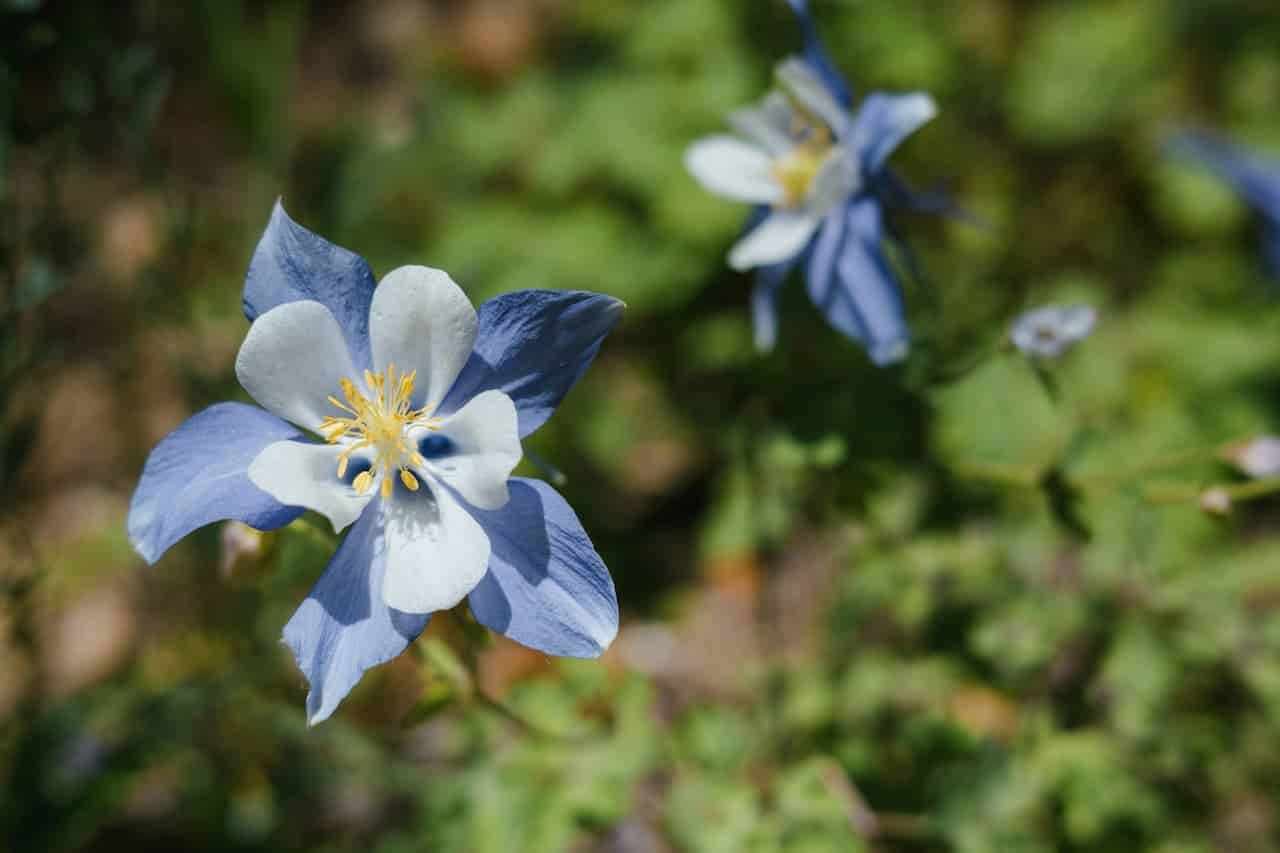
Columbines are beloved for their unique, intricate flowers and their adaptability to various conditions. However, they also tend to be short-lived perennials, often fading after just two or three years.
The good news is that columbines self-seed readily, often resulting in new plants popping up around your garden. They’re also available in a wide range of colors and forms, making them a versatile choice for any garden design.
3. Oriental Poppies (Papaver orientale)

Oriental Poppies are renowned for their large, showy flowers that can bring a bold pop of color to your garden. However, they tend to go dormant after flowering in the summer, leaving behind a gap in your garden.
To counteract this, try planting them alongside late-emerging perennials like sedum or ornamental grasses. These plants will fill in the space left by the poppy’s dormancy, ensuring your garden looks full and vibrant all season long.
4. Lupines (Lupinus)

Lupines are a garden classic, known for their tall, striking flower spikes and attractive, fern-like foliage. However, they’re also notoriously short-lived, often declining after just a few years.
Despite this, lupines are worth considering for their dramatic appearance and their ability to improve the soil by fixing nitrogen. They also self-seed readily, so with a bit of luck, you may find new lupines popping up in your garden even after the original plants have faded.
5. Hollyhocks (Alcea)

Hollyhocks are a cottage garden favorite, boasting tall, sturdy stems packed with an abundance of blossoms. However, they’re technically biennials or short-lived perennials, often fading after just a few years.
Despite their short lifespan, hollyhocks are worth growing for their nostalgic charm and their ability to add height and structure to your garden. They’re also relatively easy to grow from seed, so you can ensure a continuous display by sowing new seeds each year.
6. Delphiniums (Delphinium)
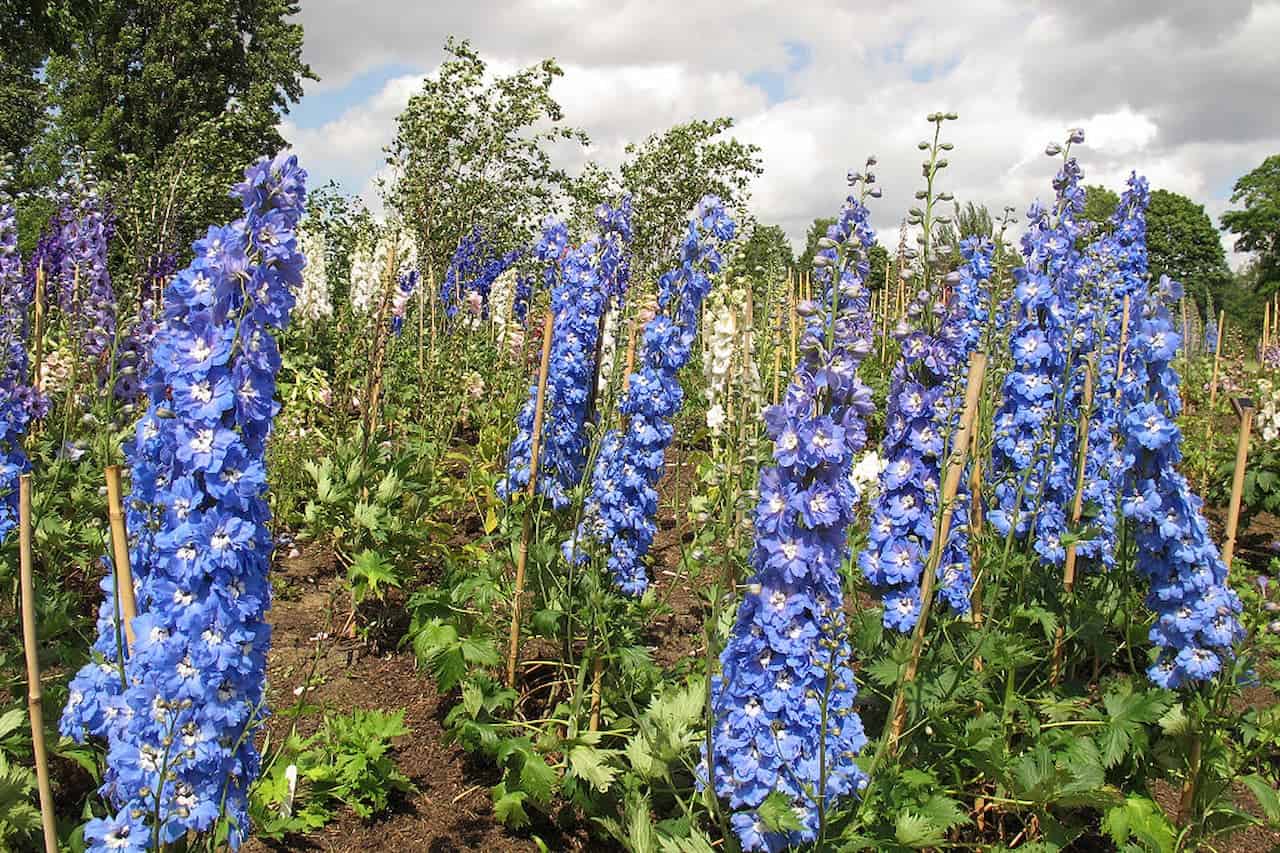
Delphiniums are loved for their impressive height and vibrant, showy flowers. However, they can be relatively short-lived, often struggling to survive beyond a few years, especially in hot, humid climates.
But don’t let this deter you from planting delphiniums. With proper care, including regular feeding and staking to support their tall growth, delphiniums can be a stunning addition to your garden. They also attract a variety of pollinators, contributing to the overall health and diversity of your garden ecosystem.
7. Peonies (Paeonia)

Peonies are famous for their large, lush flowers and lovely fragrance. However, they can take a few years to establish and start flowering, and even then, their blooming period is relatively short, often lasting just a week or two.
Despite their brief display, peonies are a garden favorite for a reason. Their flowers are incredibly beautiful and fragrant, making them worth the wait. Plus, their foliage remains attractive throughout the summer, providing a nice backdrop for other plants.
8. Irises (Iris)
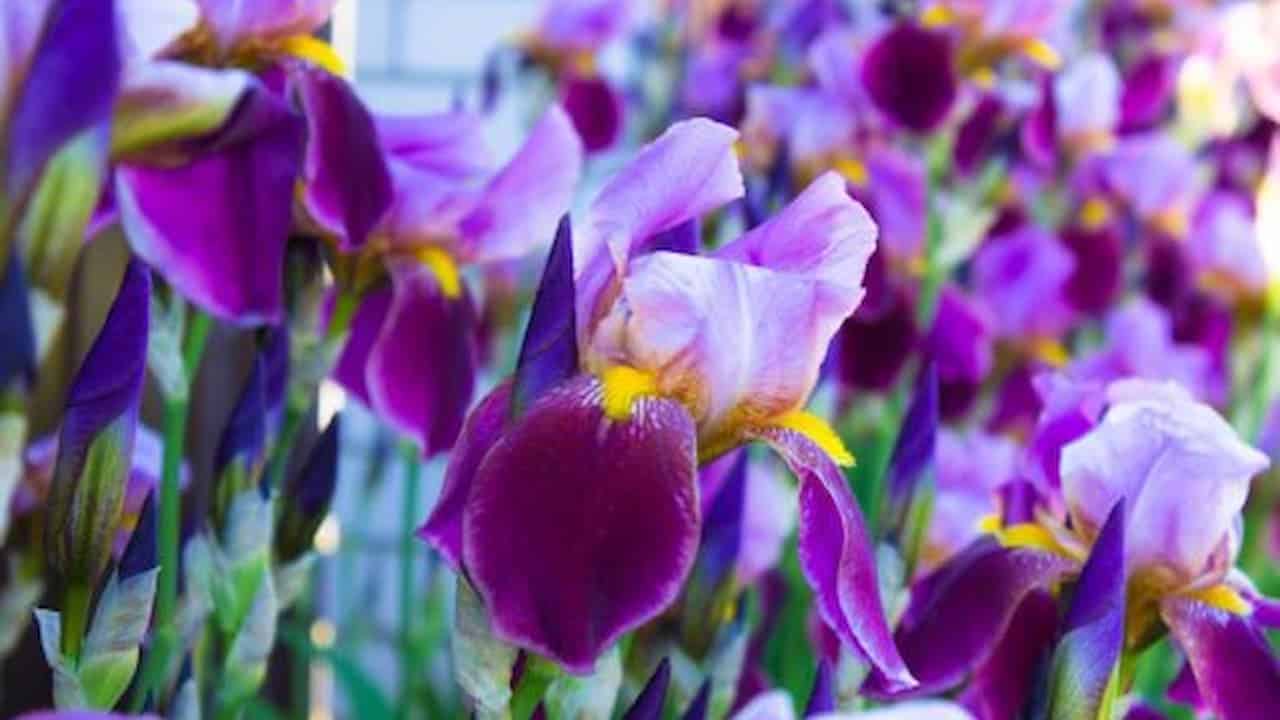
Irises are a diverse group of plants, boasting a wide range of colors and forms. However, they often have a relatively short blooming period, with individual flowers typically lasting just a day or two.
Despite their fleeting flowers, irises remain a popular choice for many gardeners. They’re relatively easy to grow, and their sword-like foliage provides a unique texture that can add interest to your garden even when the plants are not in bloom.
9. Primroses (Primula)

Primroses are loved for their cheerful, early spring flowers. However, they tend to be short-lived perennials, often struggling to survive beyond a few years, especially in hot, dry conditions.
Despite this, primroses can be a wonderful addition to your garden, providing a much-needed burst of color in the early spring when few other plants are in bloom. They’re also relatively easy to grow from seed, so you can keep a continuous display going by sowing new seeds each year.
10. Daylilies (Hemerocallis)
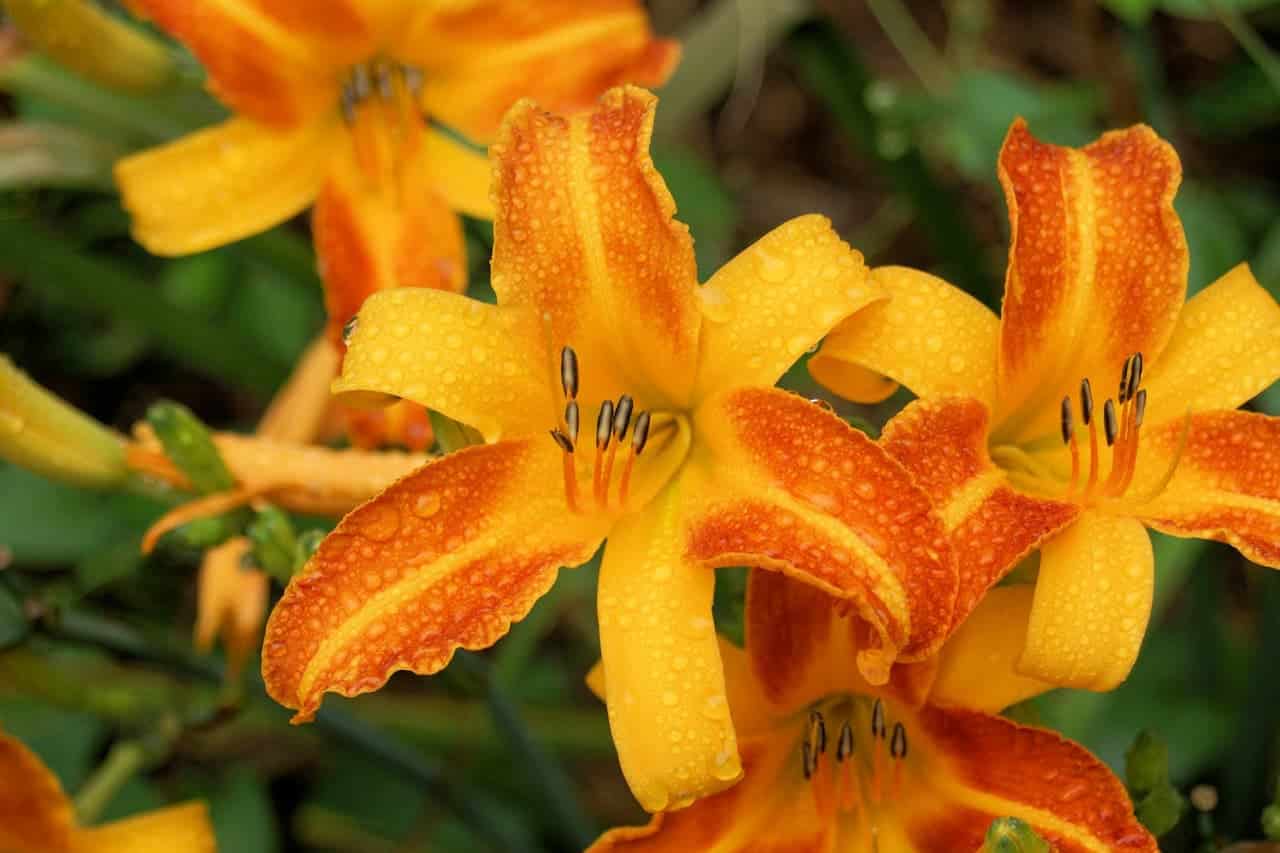
Daylilies are a popular choice for many gardeners, thanks to their easy care and wide range of colors. However, as their name suggests, individual daylily flowers only last for a day.
Despite their fleeting flowers, daylilies are worth considering for their overall hardiness and reliability. Each plant produces many flowers over the course of the blooming season, ensuring a continuous display even though individual flowers don’t last.
11. Coneflowers (Echinacea)
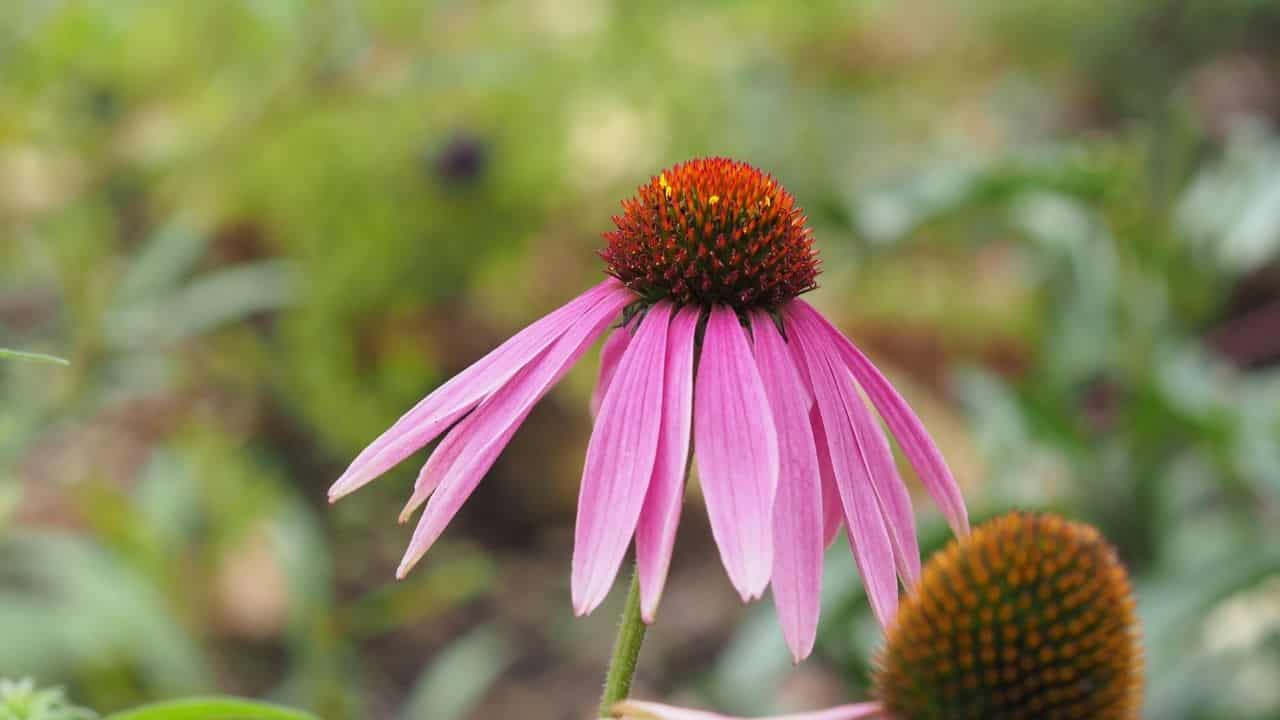
Coneflowers are a garden stalwart, known for their robust nature and attractive, daisy-like flowers. However, they can be relatively short-lived perennials, often declining after just a few years.
Despite their short lifespan, coneflowers are worth growing for their beauty and their ability to attract a wide range of pollinators. They also self-seed readily, often resulting in new plants popping up around your garden.
12. Black-Eyed Susans (Rudbeckia)
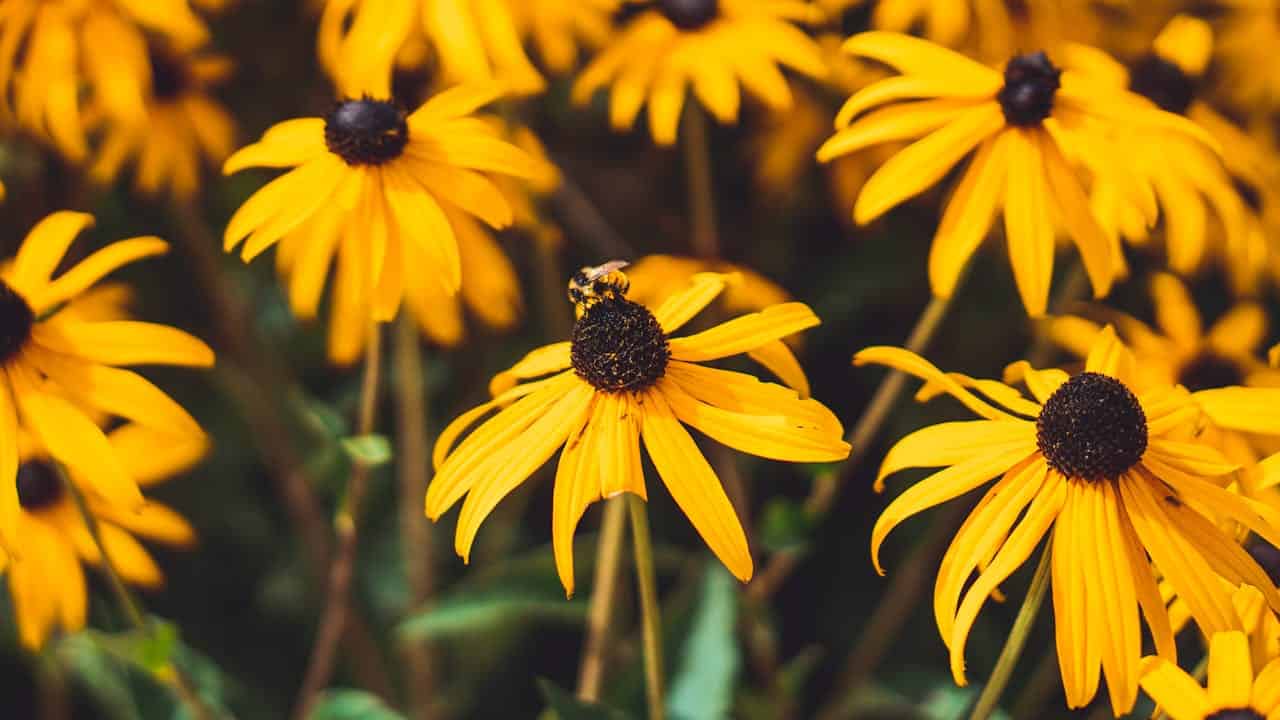
Black-Eyed Susans are a popular choice for many gardeners, thanks to their vibrant, sunny flowers. However, they tend to be relatively short-lived perennials, often declining after just a few years.
Despite this, Black-Eyed Susans are worth considering for their cheerful flowers and their ability to attract a wide range of pollinators. They also self-seed readily, so with a bit of planning, you can have a continuous display of Black-Eyed Susans in your garden year after year.
13. Salvia (Salvia)
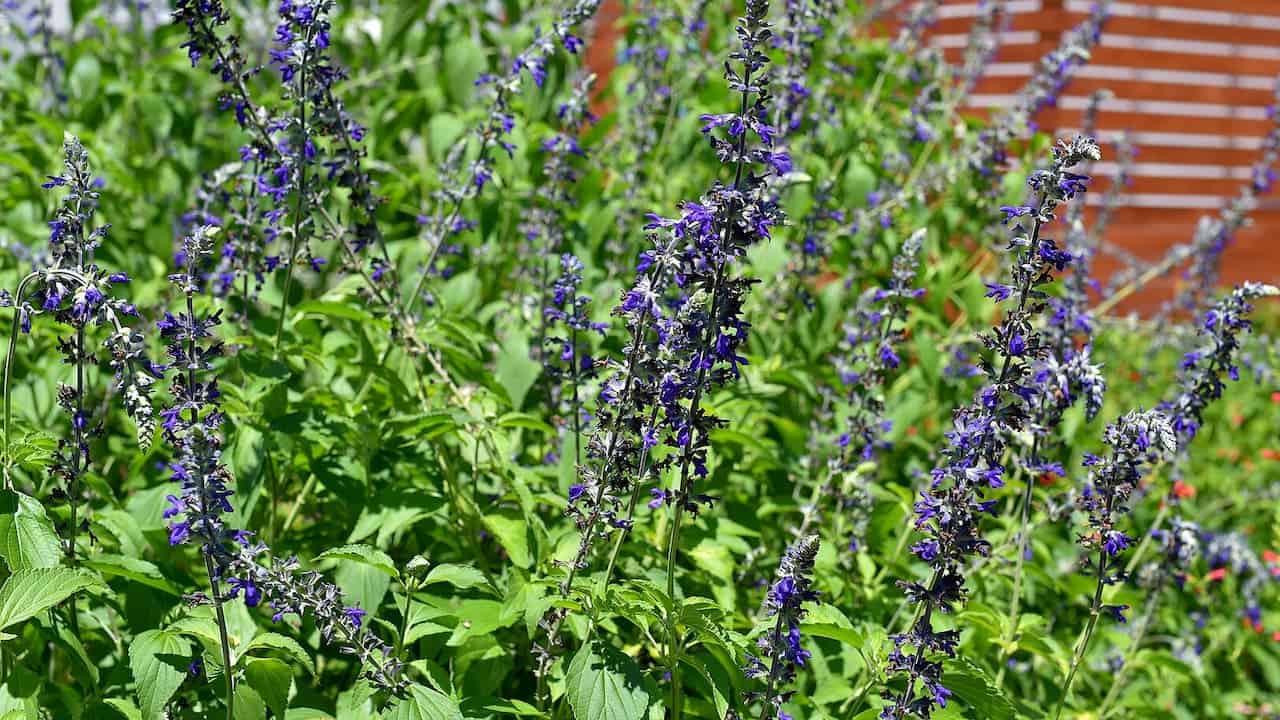
Salvia is a diverse group of plants, boasting a wide range of colors and forms. However, many types of salvia are relatively short-lived perennials, often declining after just a few years.
Despite their short lifespan, salvias are worth growing for their vibrant flowers and their ability to attract a wide range of pollinators. They’re also relatively easy to grow, making them a good choice for beginner gardeners.
14. Gaillardia (Gaillardia)
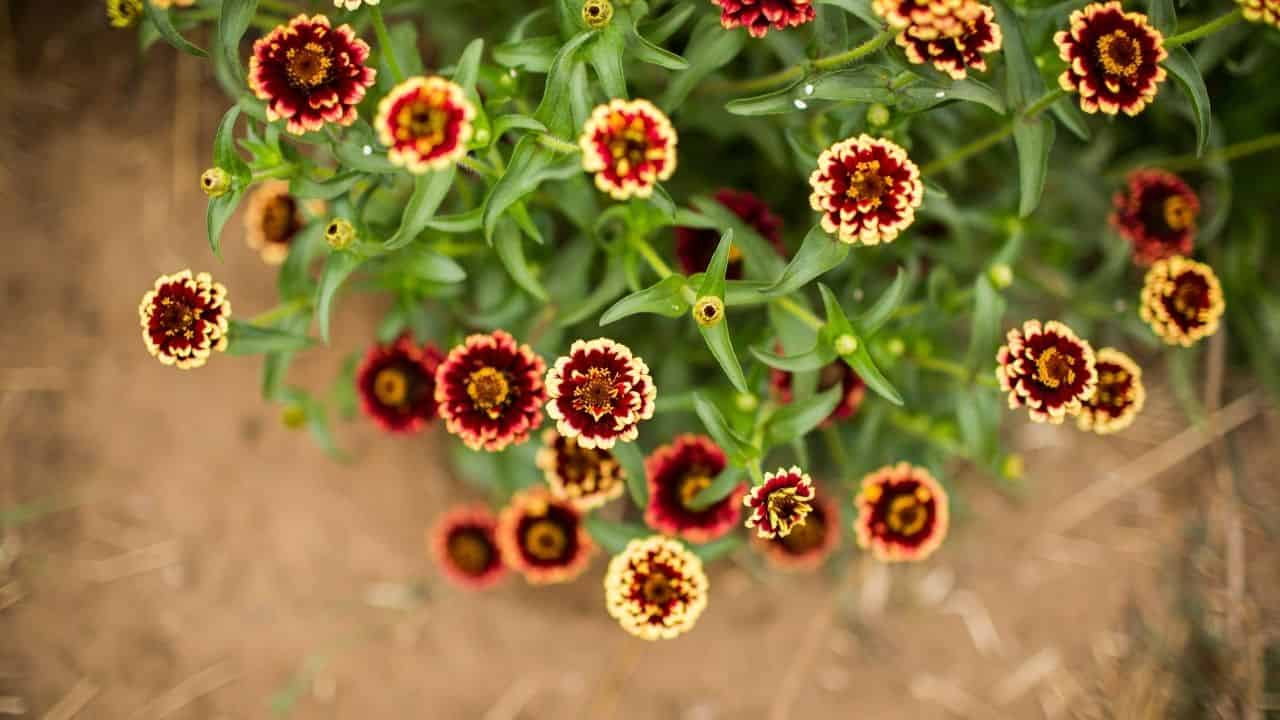
Gaillardia, also known as blanket flower, is loved for its vibrant, daisy-like flowers. However, it tends to be a relatively short-lived perennial, often declining after just a few years.
Despite this, Gaillardia is worth considering for its cheerful flowers and its ability to withstand tough conditions, including heat and drought. It also self-seeds readily, often resulting in new plants popping up around your garden.
15. Shasta Daisy (Leucanthemum x superbum)

Shasta daisies are a garden classic, known for their bright, sunny flowers. However, they can be relatively short-lived perennials, often declining after just a few years.
Despite their short lifespan, Shasta daisies are worth growing for their cheerful flowers and their ability to attract a wide range of pollinators. They’re also relatively easy to grow, making them a good choice for beginner gardeners.
16. Coral Bells (Heuchera)
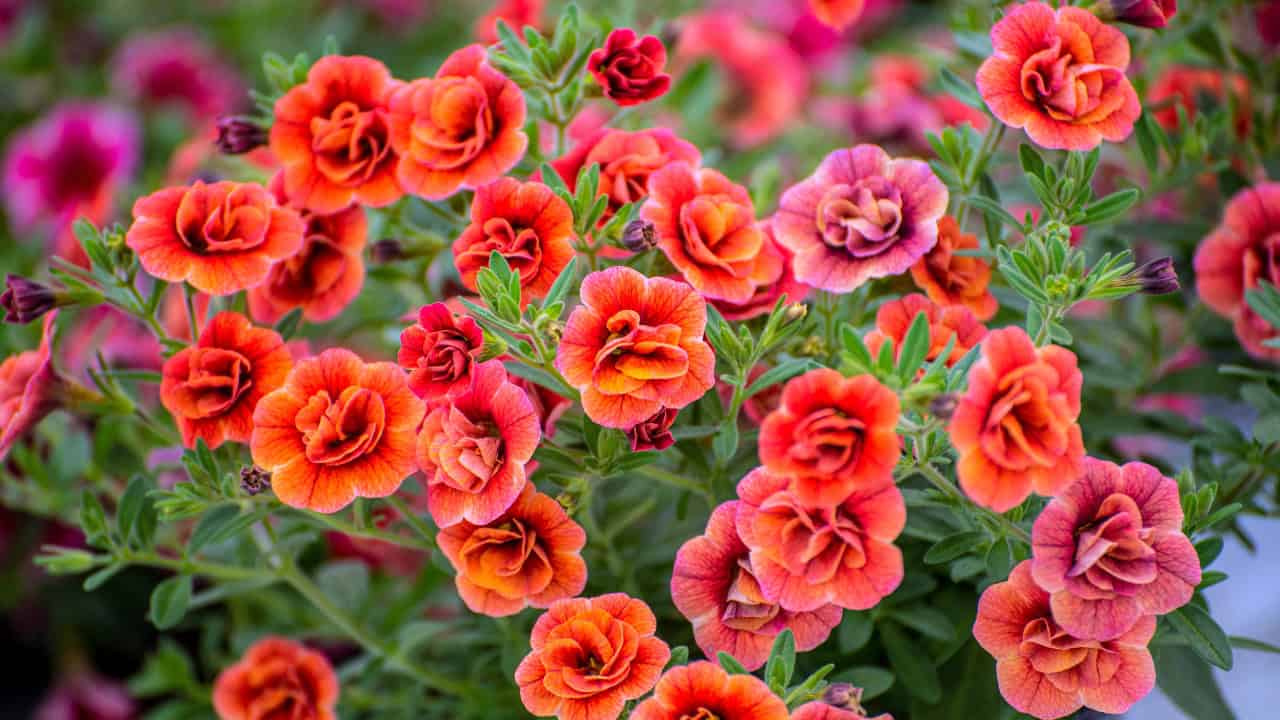
Coral Bells are loved for their attractive foliage, which comes in a wide range of colors and patterns. However, they can be relatively short-lived perennials, often declining after just a few years.
Despite this, Coral Bells are worth considering for their year-round interest and their ability to grow in a variety of conditions. They also produce delicate, bell-shaped flowers in the spring, adding an extra layer of beauty to your garden.