When preparing for self-sufficiency, growing unusual vegetables can add variety and resilience to your garden. These obscure veggies often thrive in different conditions and can provide important nutrients, making them a smart choice for any prepper.
You’ll learn about 16 uncommon vegetables that can enhance your food supply and make your garden more interesting. Exploring these options might introduce you to new flavors and growing experiences that go beyond traditional crops.
Advertisement
Celeriac
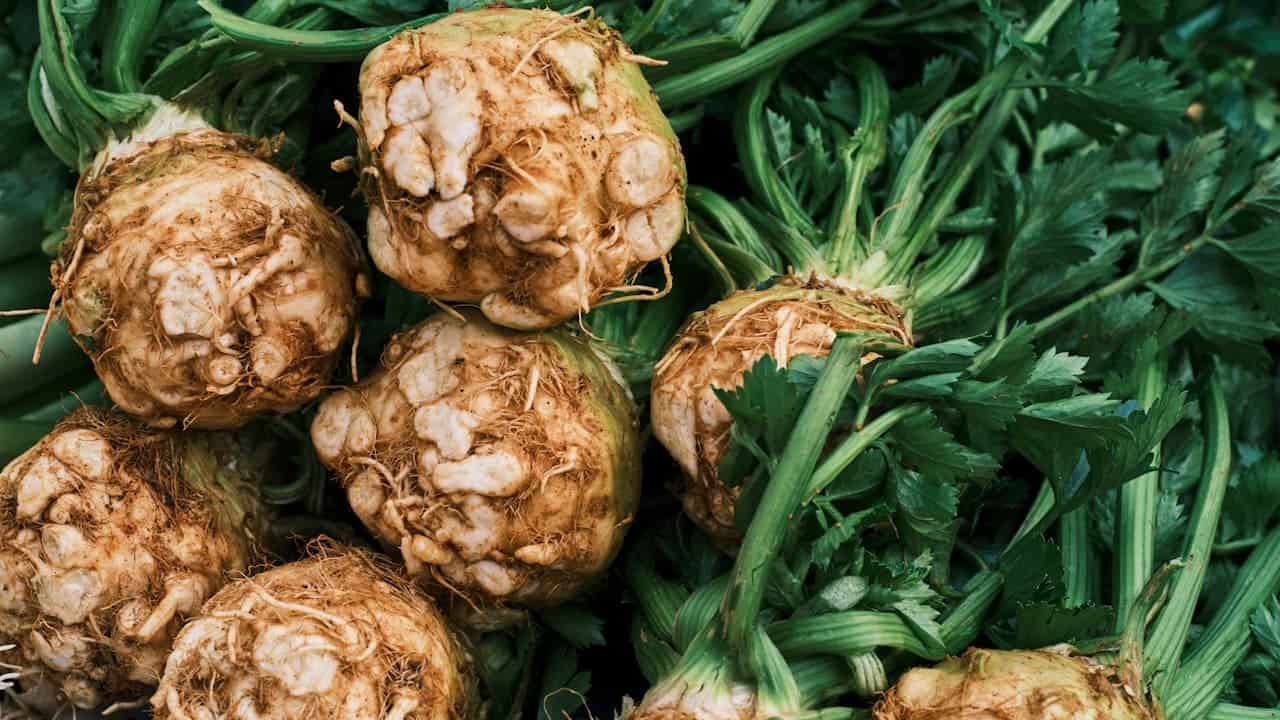
Celeriac is a cool-season root vegetable that’s easy to grow if you give it enough time. You’ll want to plant it in rich, well-drained soil with a slightly acidic to neutral pH.
Keep the soil consistently moist and aim for temperatures between 50-70°F. It can handle light frost, making it a reliable choice for preppers looking for hardy, unusual veggies.
Kohlrabi
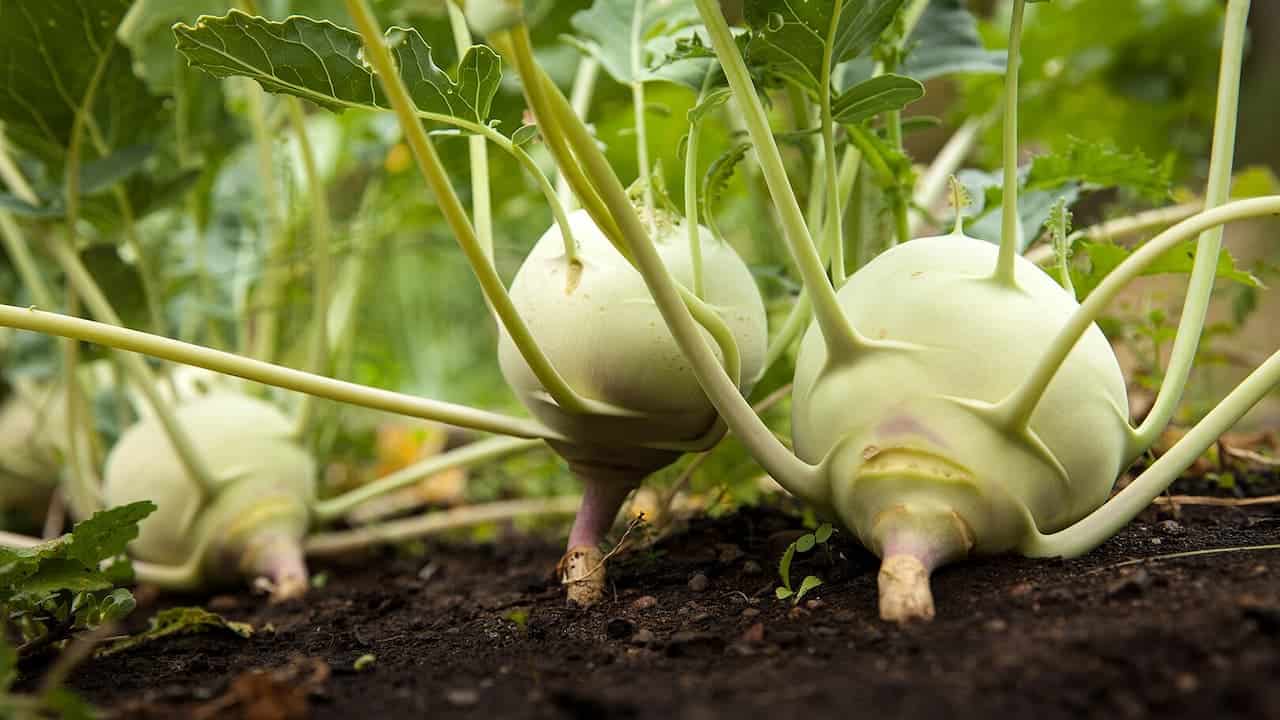
Kohlrabi is a cool-weather veggie that you can grow easily in most gardens. Plant the seeds about 2 inches apart in rows spaced 10 to 12 inches. Thin seedlings to 5 to 8 inches apart once they sprout.
It prefers fertile soil and temperatures below 75°F. You can harvest the swollen stem when it’s about 2 to 3 inches wide. Kohlrabi tastes crisp and slightly sweet, making it a great addition to your prepping garden.
Rat’s Tail Peas
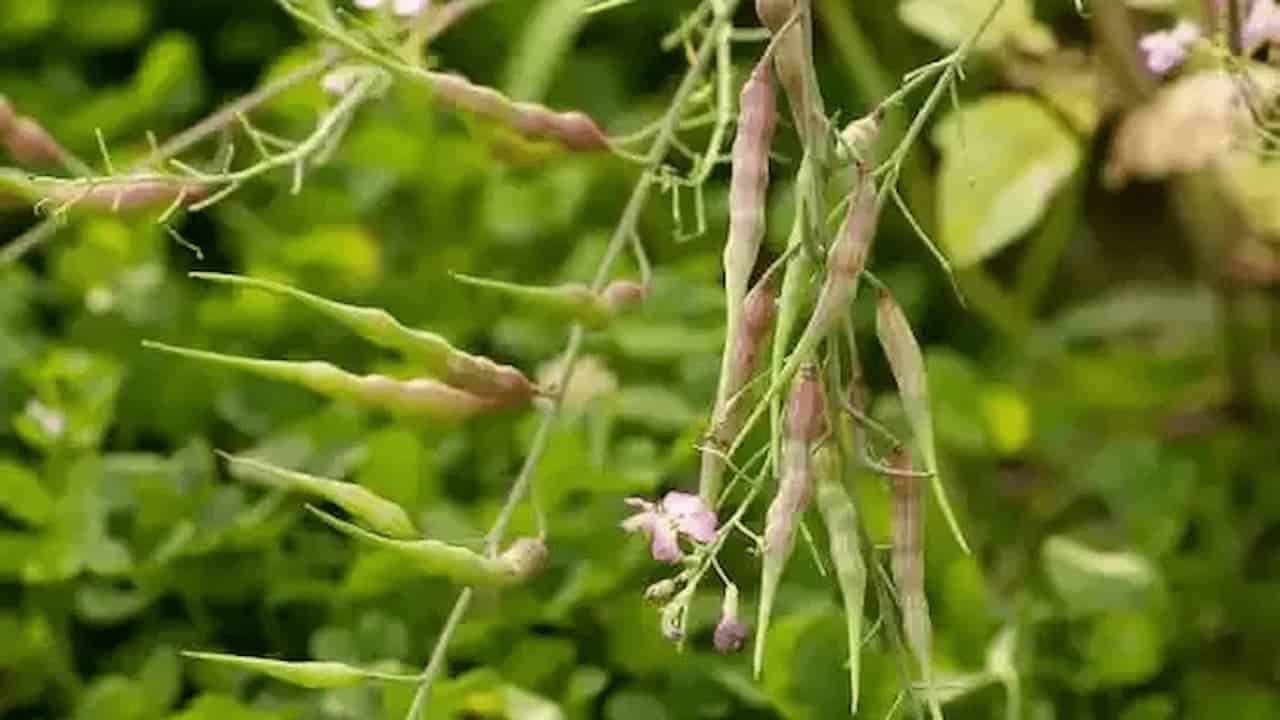
You’ll find rat’s tail peas are a unique addition to your garden. They produce long, edible pods that taste fresh and slightly sweet.
These peas grow well in most seasons and don’t require much care. You can enjoy both the pods and the peas inside when they mature.
They’re great for adding variety to your meals and don’t take up much space. Give them a try if you want something different and easy to grow.
Psychedelic Cauliflower
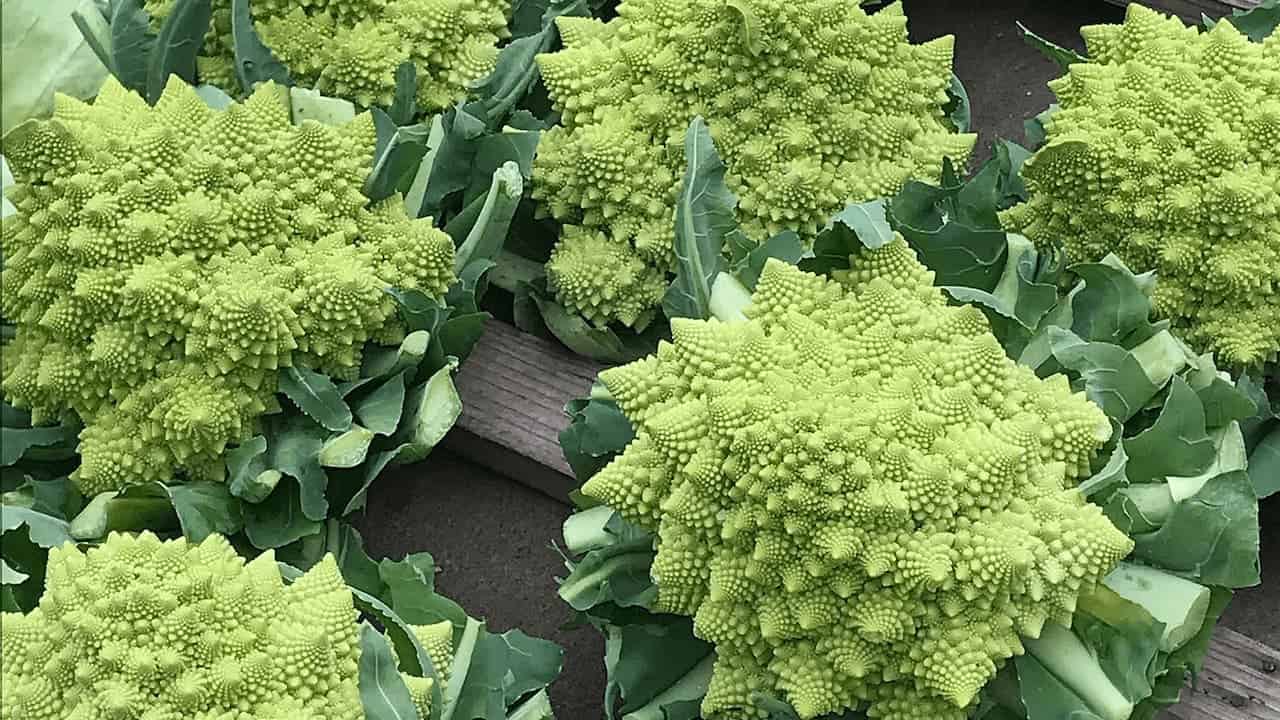
You might find psychedelic cauliflower adds a fun burst of color to your garden. Its vibrant hues make it an unusual but eye-catching choice.
Growing it doesn’t need special care. You can prepare it simply by boiling and then adding it to pasta or stir-fries.
This vegetable offers variety and nutrition, which makes it a smart option for your prepper garden.
Oyster-flavored Roots
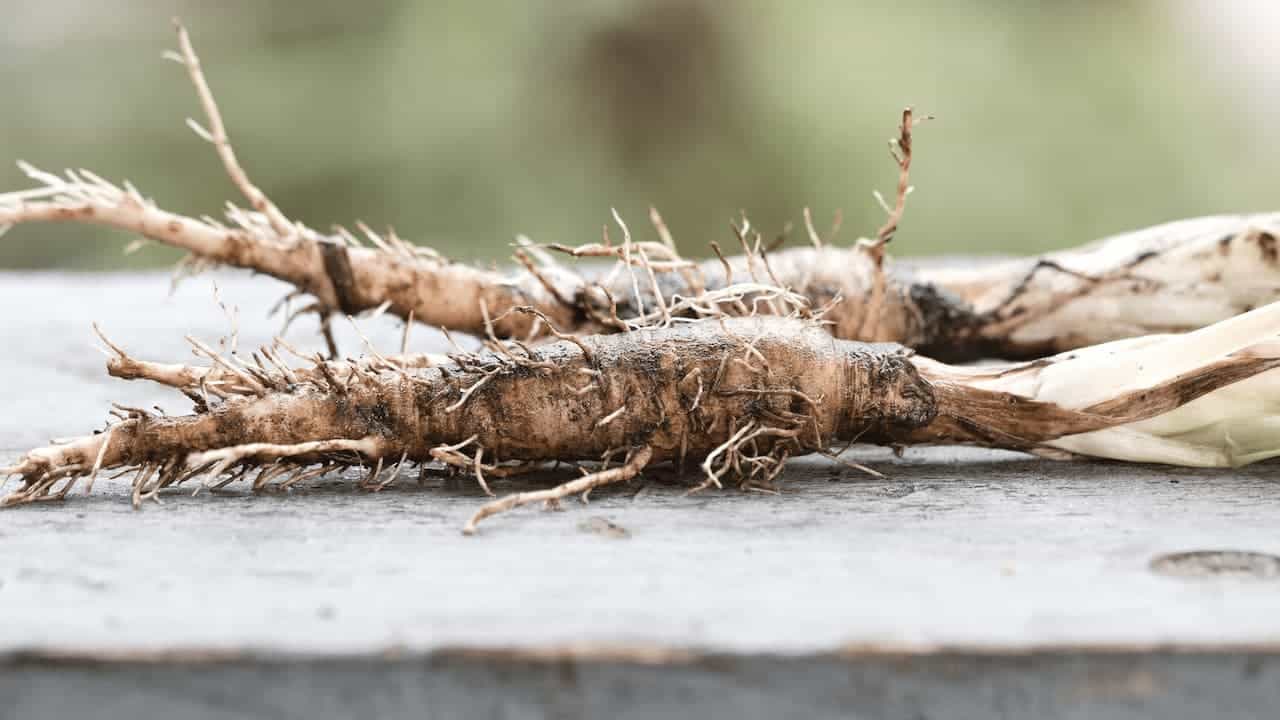
If you want to try something different, consider growing salsify. Its roots have a mild oyster-like flavor, which adds a unique twist to your meals.
You’ll find two common types: black salsify and white salsify. Both need peeling before cooking.
You can boil, roast, or mash these roots. They work well in soups or stews, giving a subtle, slightly sweet taste.
Growing salsify is rewarding if you want a root veggie that’s unusual but easy to prepare.
Sea Kale
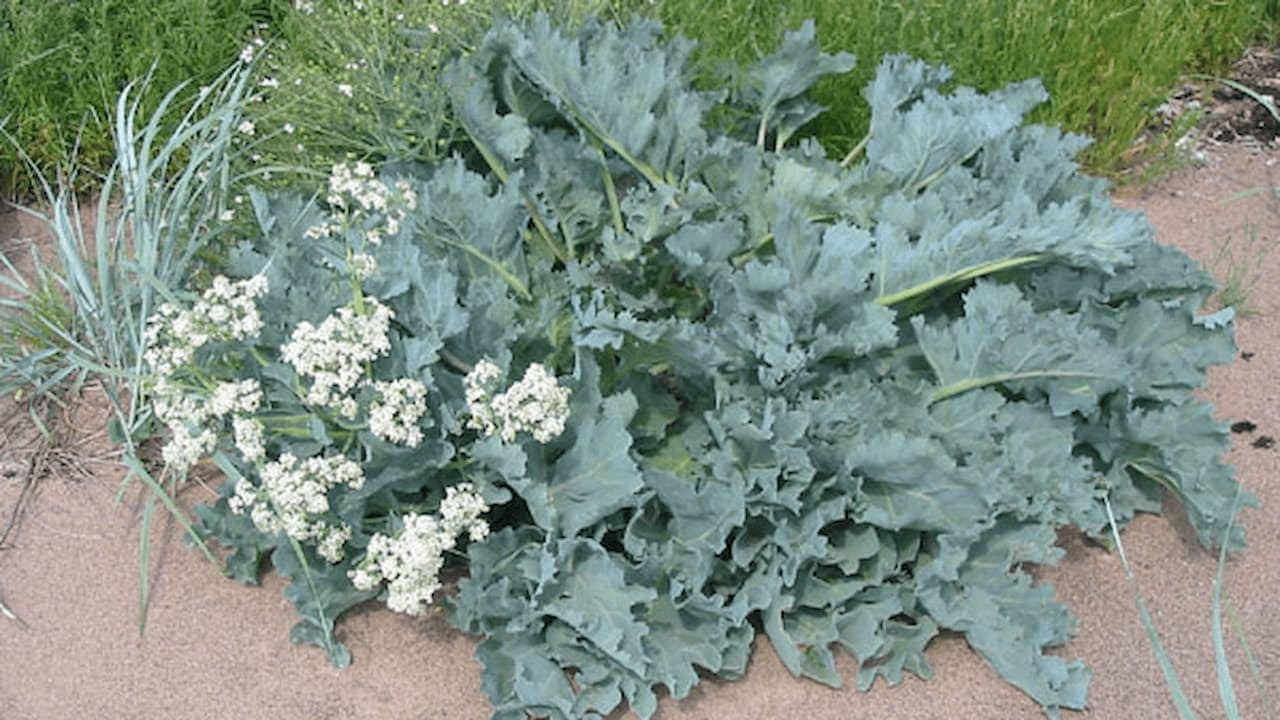
Sea kale is a hardy, perennial vegetable that grows well in coastal areas. You can grow it in full sun or partial shade, preferring slightly alkaline soil.
Its young shoots are tender and sweet when blanched, similar to asparagus. Harvest them once they reach about 4 to 5 inches long.
You can start sea kale from seeds sown in early spring or transplant shoots directly into your garden. It adds a unique, salty flavor to your meals and is easy to grow.
Salsify
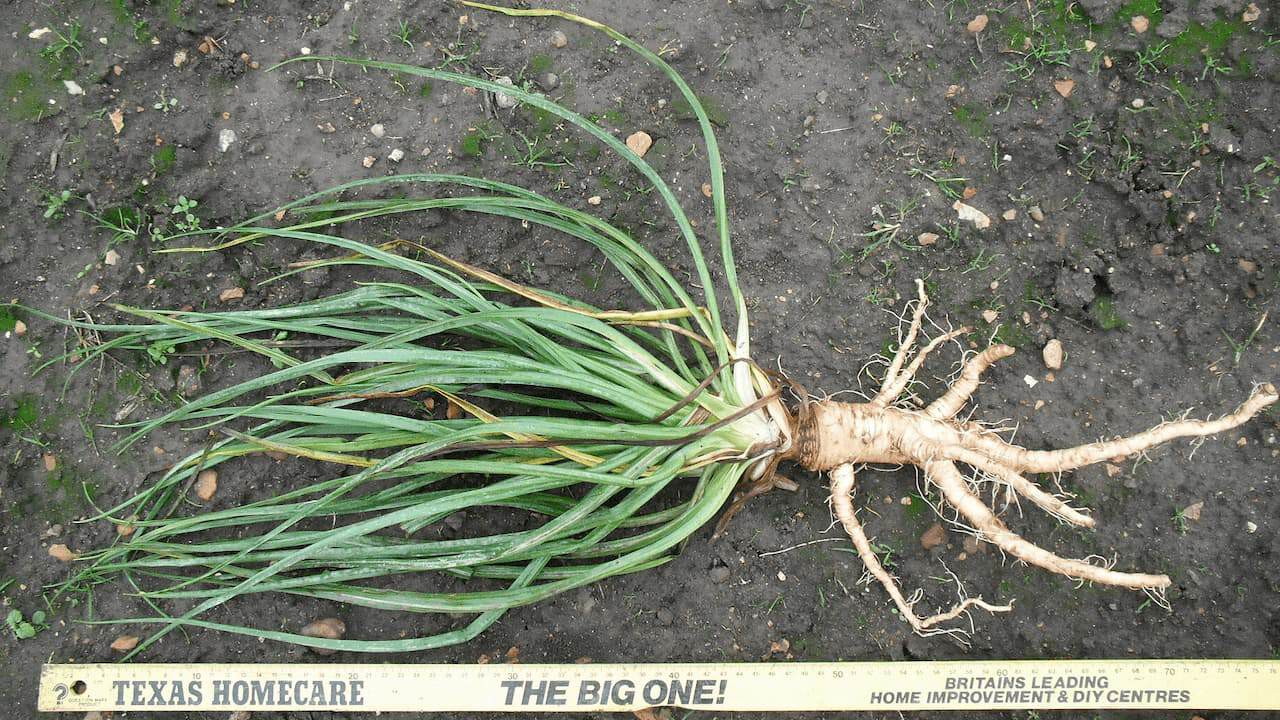
You might not have tried salsify, but it’s a useful root veggie for your garden. It needs a long growing season, around 120-150 days, and prefers cooler weather.
Plant it early in spring or in fall if you live somewhere warm. Salsify grows best in deep, loose soil—at least 10 inches deep.
It pairs well with other root crops like carrots and turnips. Growing it can add variety to your survival garden without much extra effort.
Romanesco Broccoli
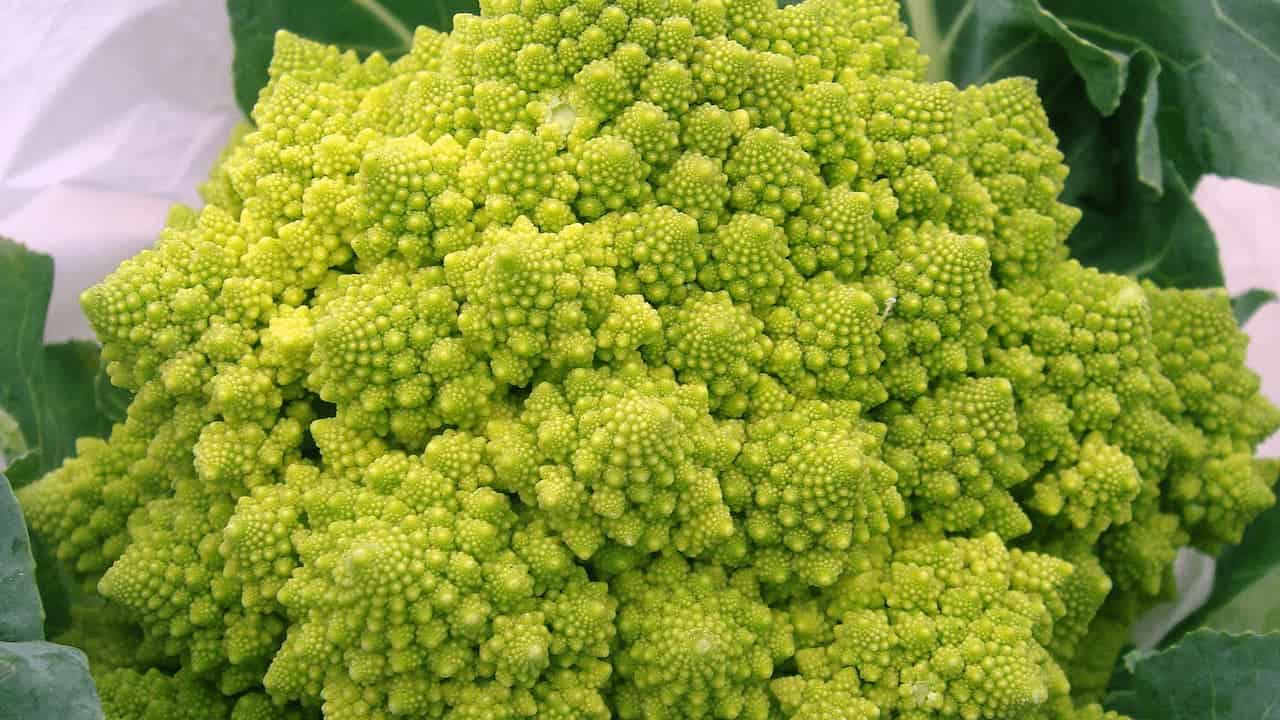
Romanesco broccoli stands out with its bright green, fractal-like florets that look almost artistic. It’s a cool-season veggie that grows well in USDA zones 3 to 10, making it versatile for many gardens.
You’ll want to plant it in full sun with well-drained, organic-rich soil. Starting seeds indoors at about 70°F before transplanting can help with germination. This vegetable is both tasty and visually interesting for your garden.
Oca Tubers
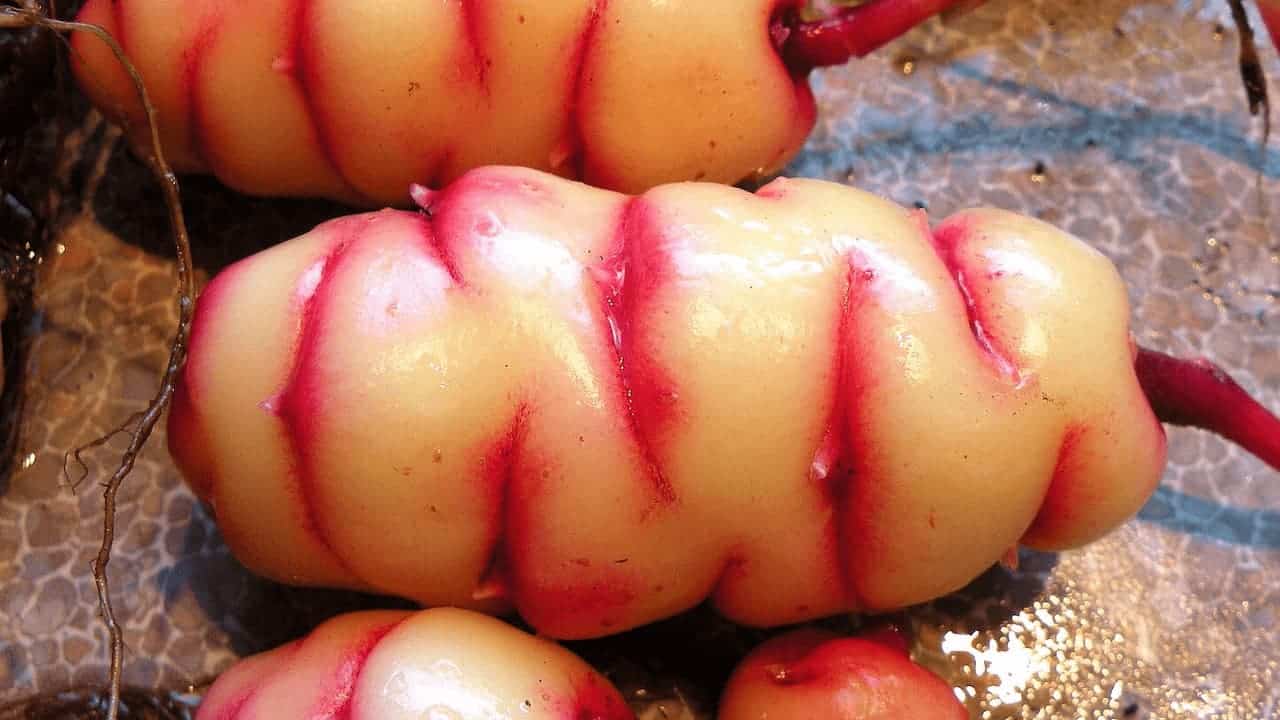
You can grow oca tubers much like potatoes. They thrive in cooler climates and need around six hours of sunlight daily, though they tolerate partial shade.
Oca produces colorful tubers with a tangy, lemony flavor. Plant them about a foot apart and protect them from frost. Store tubers in a cool, frost-free place until spring to keep them healthy for replanting.
Breadnut Tree
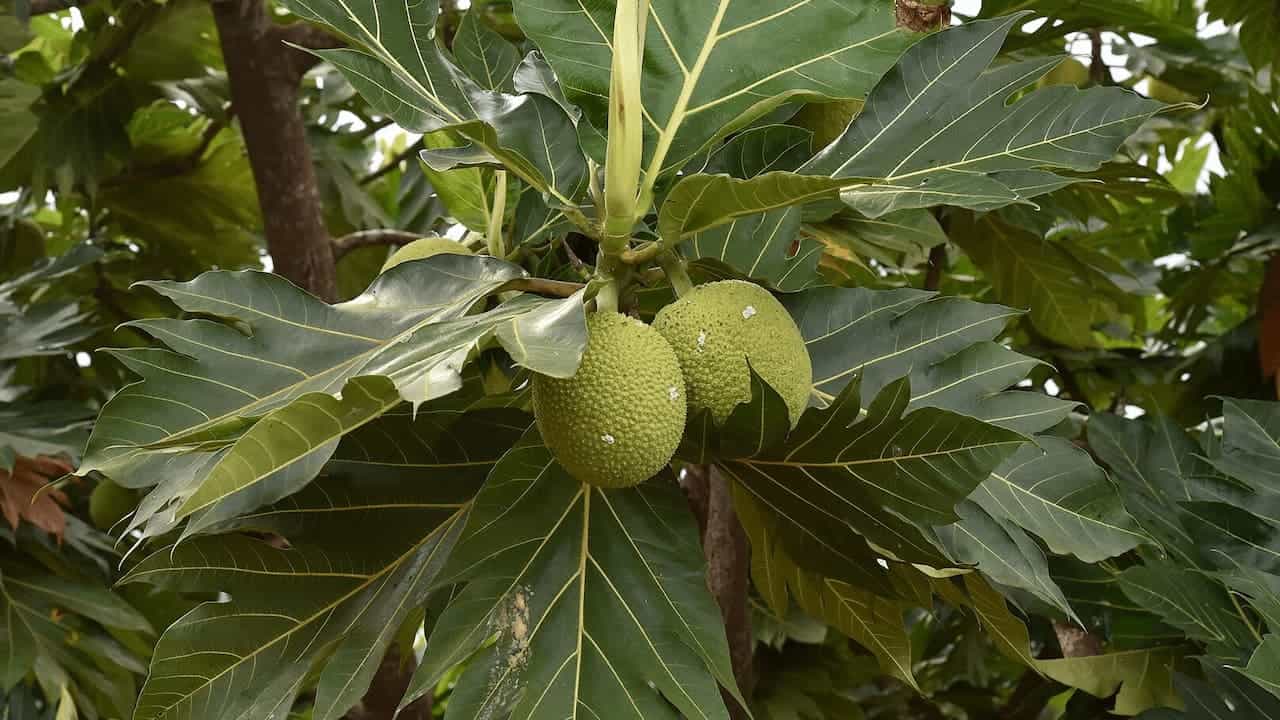
The breadnut tree is a useful addition to your garden if you want a hardy, fast-growing tree. It can reach 15 meters tall and spreads wide, providing shade and a food source.
You’ll find large leaves and a sticky white latex in all parts of the tree. Its fruit contains seeds you can cook and eat, making it a valuable backup crop.
This tree thrives in various soil types and likes well-drained conditions. It begins fruiting around 8-10 years old and can produce for many months.
Malabar Spinach
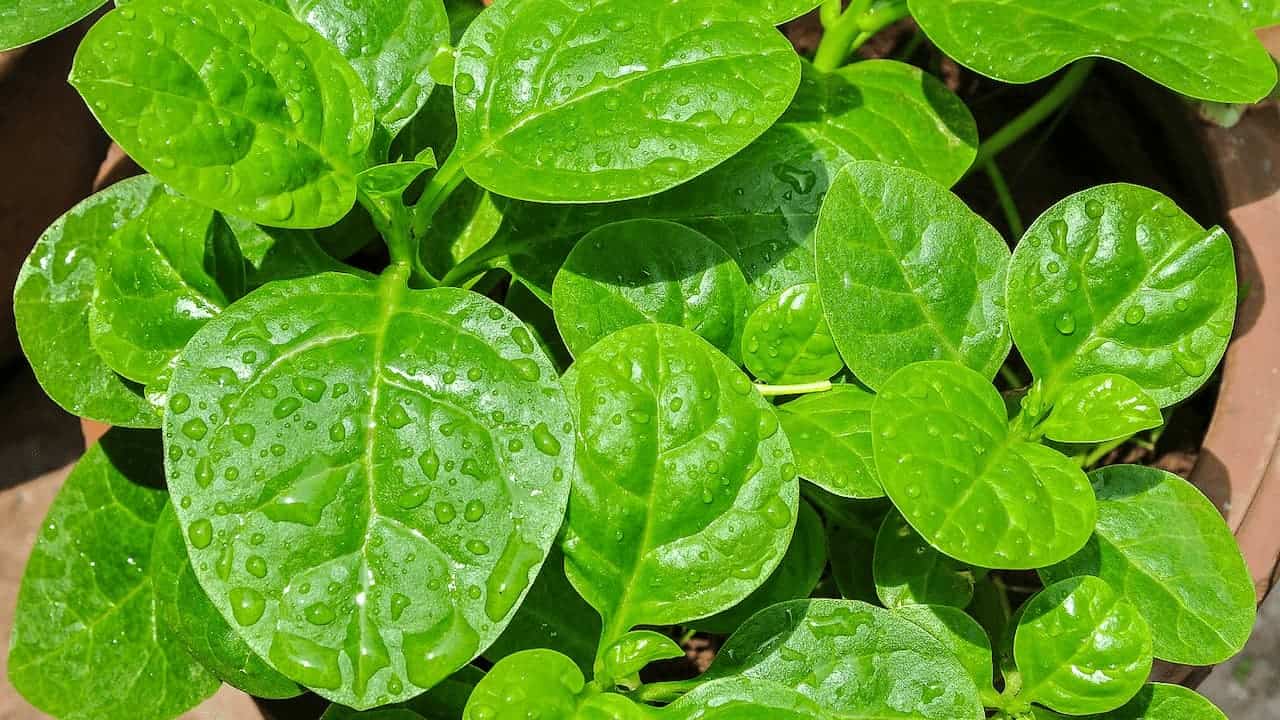
You’ll appreciate Malabar spinach for its fast growth and heat tolerance, making it perfect for warm climates. It’s a vining plant with thick, succulent leaves that you can use like regular spinach.
Growing it is simple—plant in moist, slightly acidic soil with good drainage. You can even grow it in containers if space is tight. It also offers nutrients like potassium, calcium, and some protein, giving your diet a healthy boost.
Water Spinach
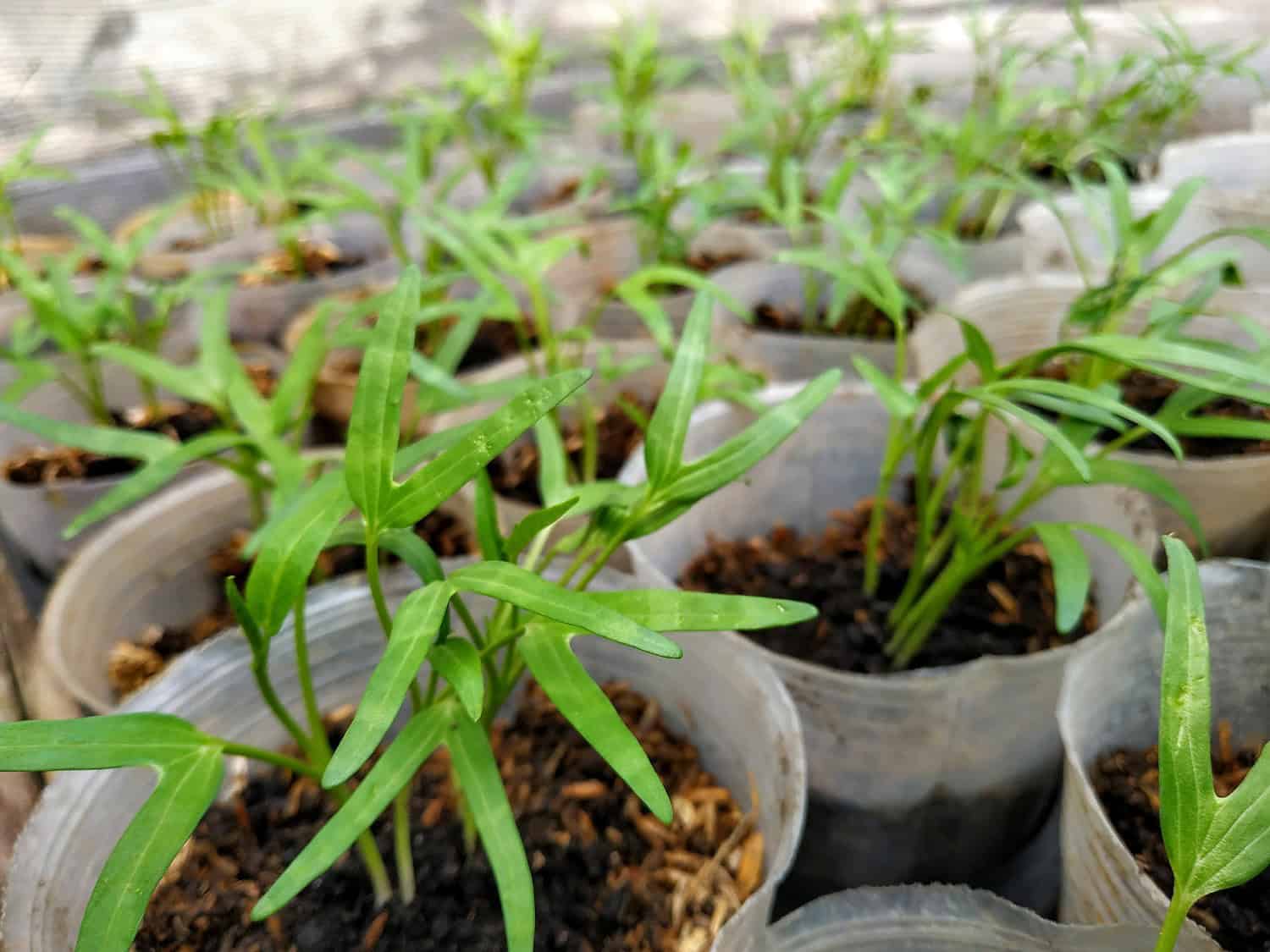
Water spinach is a fast-growing, leafy green that thrives in wet or aquatic environments. You can easily grow it from cuttings, which root quickly in water or moist soil.
It prefers consistent moisture and warm temperatures. Growing it hydroponically or in garden soil works well, but you’ll need to keep an eye on water and nutrient levels for best growth.
You’ll enjoy adding a mild, spinach-like flavor to your meals, making it a useful and productive plant for your garden.
Purple Sweet Potatoes
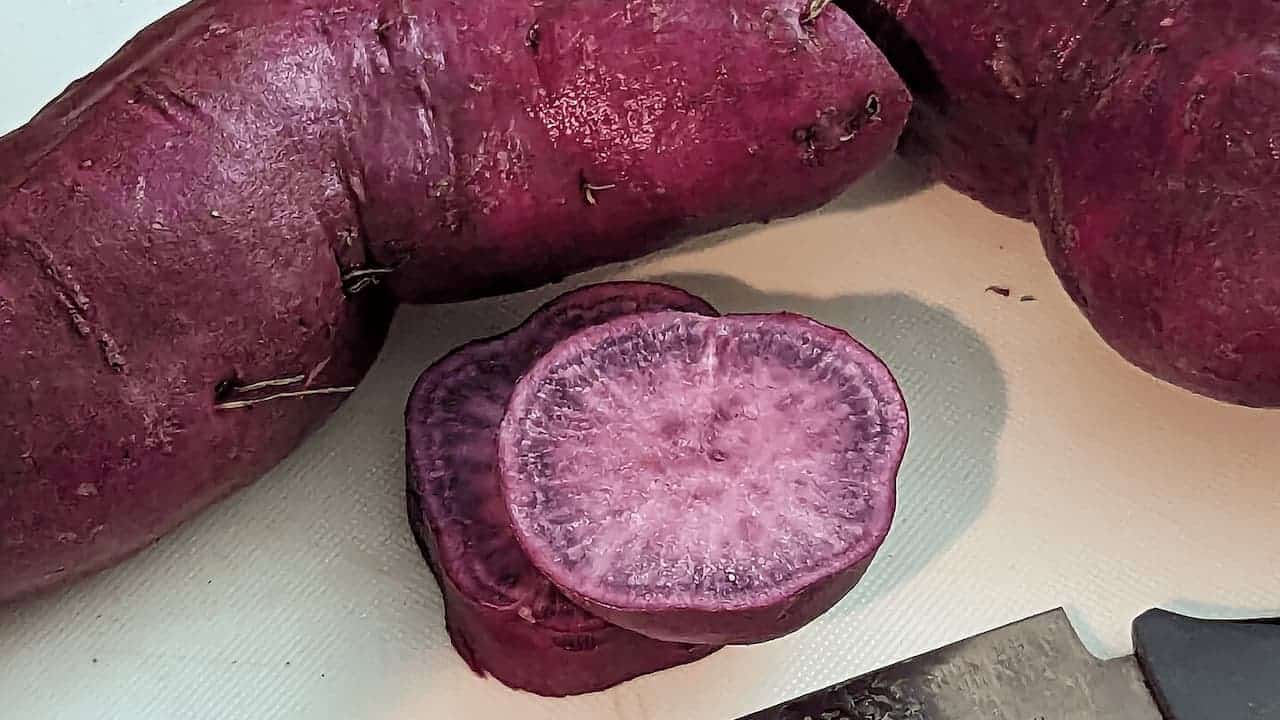
Purple sweet potatoes are a great choice for preppers looking to grow nutrient-rich food. They need about 120 days of warm weather and full sun.
You can grow them in large containers if garden space is limited. Just use containers at least 12-18 inches deep with good drainage.
These potatoes are packed with antioxidants and fiber, adding both color and nutrition to your garden harvest.
Chinese Artichoke
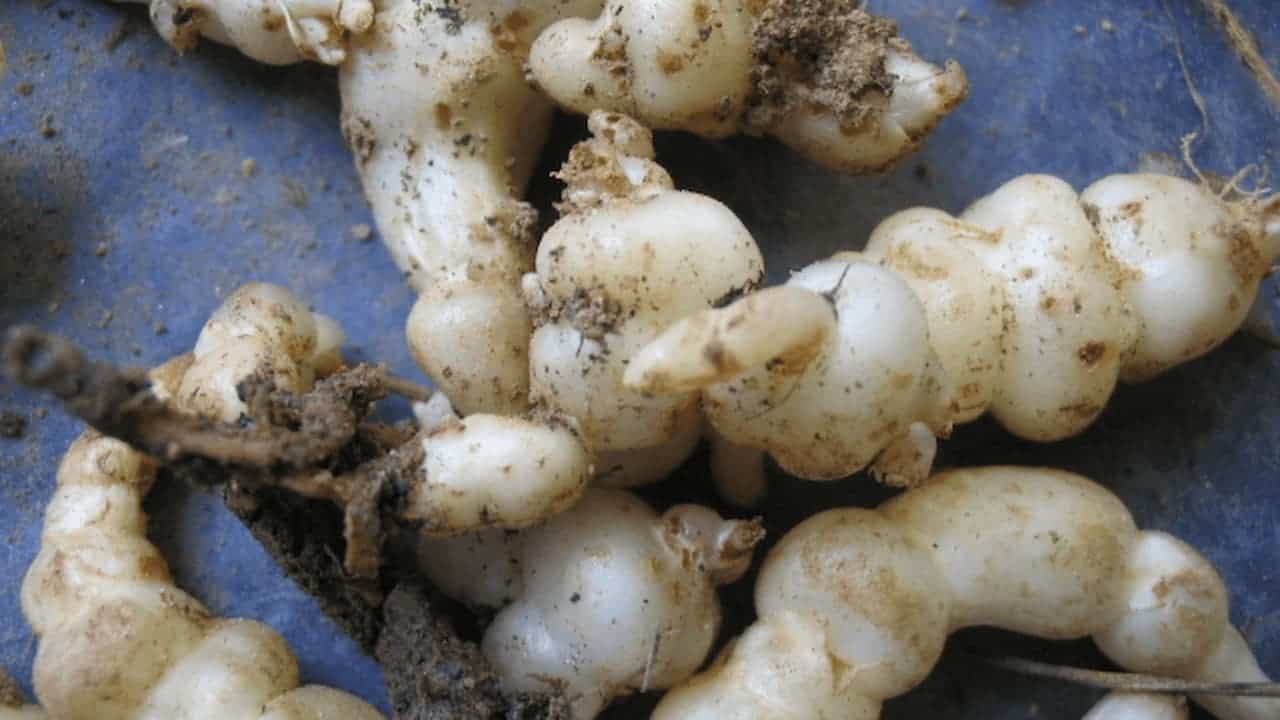
If you want a unique root vegetable, try growing Chinese artichokes. These small, knobby tubers have a crunchy texture and a mild, nutty flavor.
Plant them in early spring after frost danger passes. Choose well-draining soil that stays moist but not soggy.
Chinese artichokes can spread easily, so give them space away from other crops. They take about five to seven months to mature and are usually harvested in late fall.
Yardlong Beans
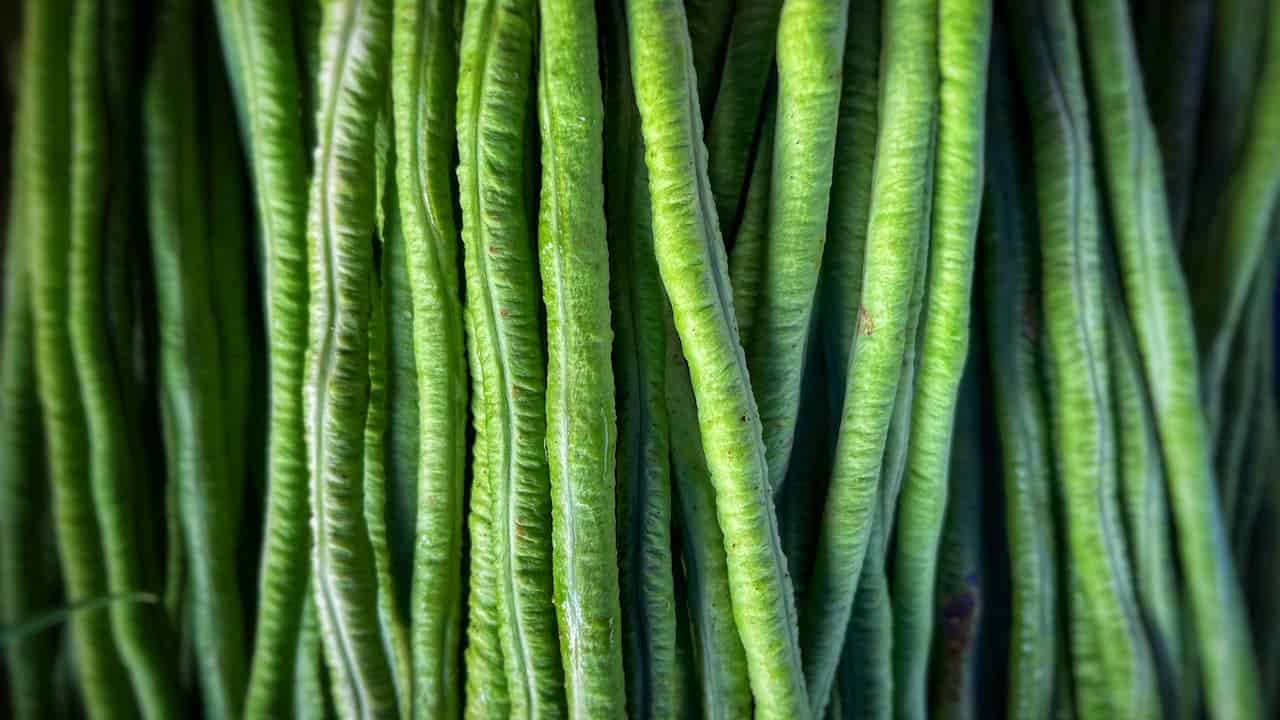
You’ll find yardlong beans are great for small spaces since they grow vertically on vines. They can reach up to 3 feet long, but most pick them around 12 inches for the best texture.
These beans do well in full sun and prefer well-draining, slightly acidic to neutral soil. You’ll want to plant seeds about 2 inches deep and space them 6 to 12 inches apart.
Harvest them daily once they mature to catch the beans at their freshest, crunchy stage. They’re a tasty, easy-to-grow choice for prepping gardens.
Sea Beans
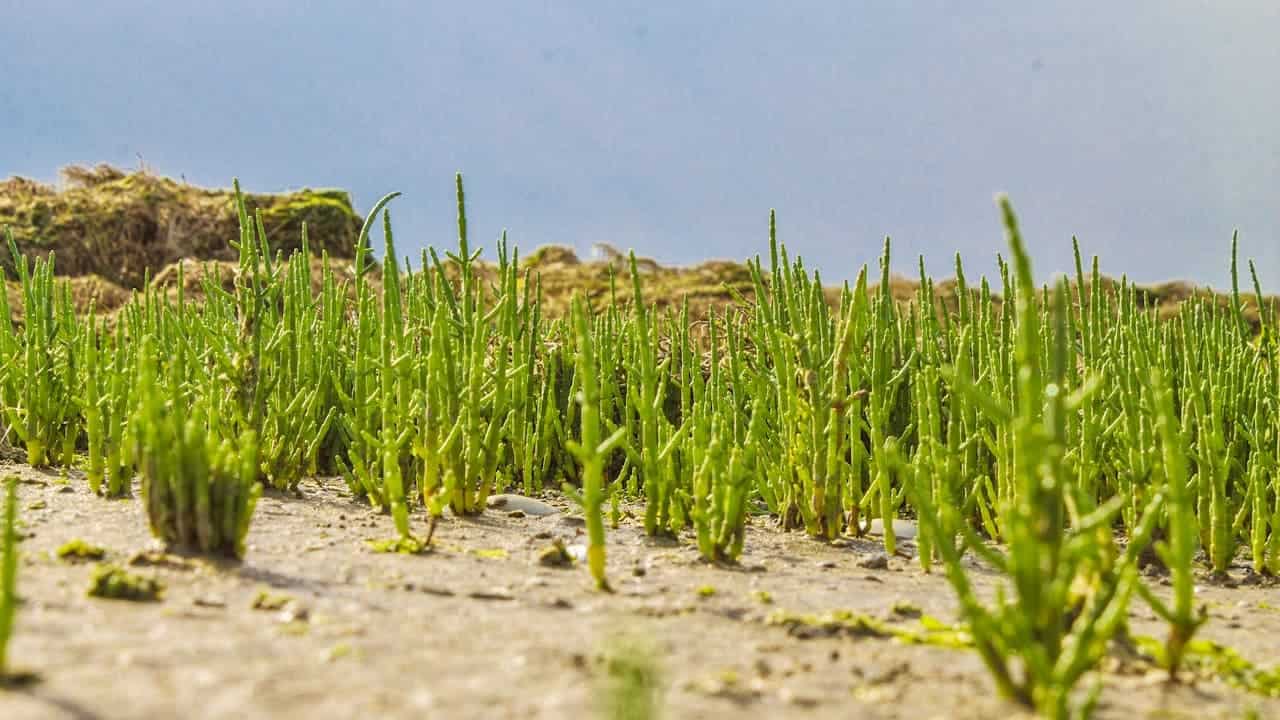
Sea beans are salty, crunchy plants that grow in coastal salt marshes and saline soils. You can find them near the ocean, naturally seasoned by saltwater.
They’re easy to prepare—just steam or boil briefly. Sea beans make a great side dish with seafood or fish.
If you want to grow them, choose a sunny, salty environment. They’re perfect for gardens near the sea and add a unique flavor to your meals.