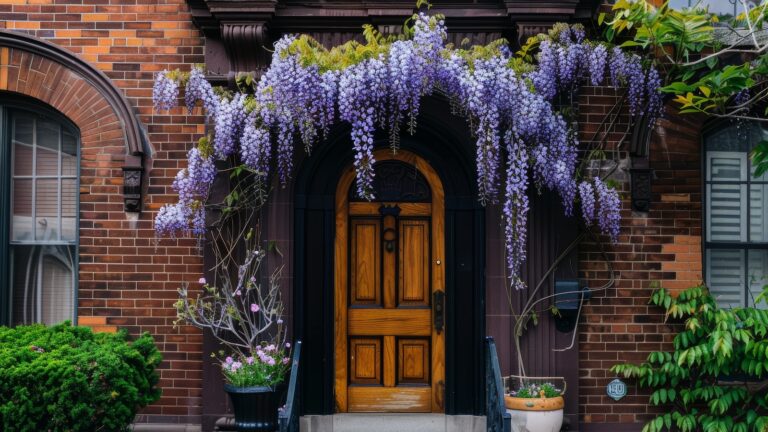
Many people want to support local ecosystems by planting native species, but without realizing it, you might be harming them instead. Native plants have specific needs that differ from common garden varieties, and misunderstanding these can lead to their decline.
Understanding why you might be accidentally killing native plants helps you make better choices for your garden and the environment. This article will guide you through common mistakes, so you can nurture these important plants with confidence.
Advertisement
Coneflowers
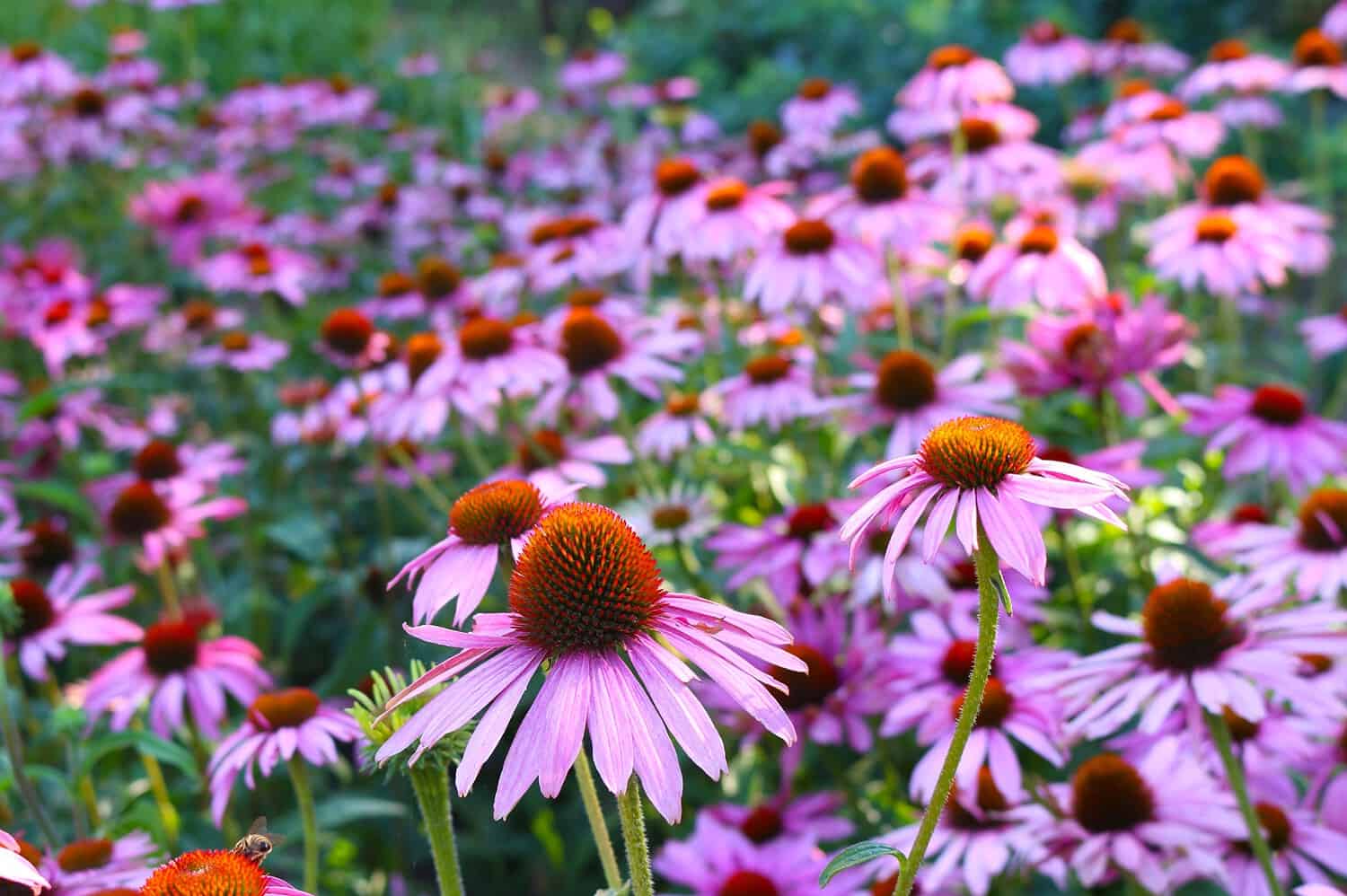
If you accidentally mow or trim your coneflowers early in the season, don’t worry too much. They are tough plants and can usually bounce back if cut back now.
Make sure to leave some stems and seed heads in fall, as this helps them reseed naturally. Properly caring for their roots during winter also keeps them alive for the next season.
Black-eyed Susans
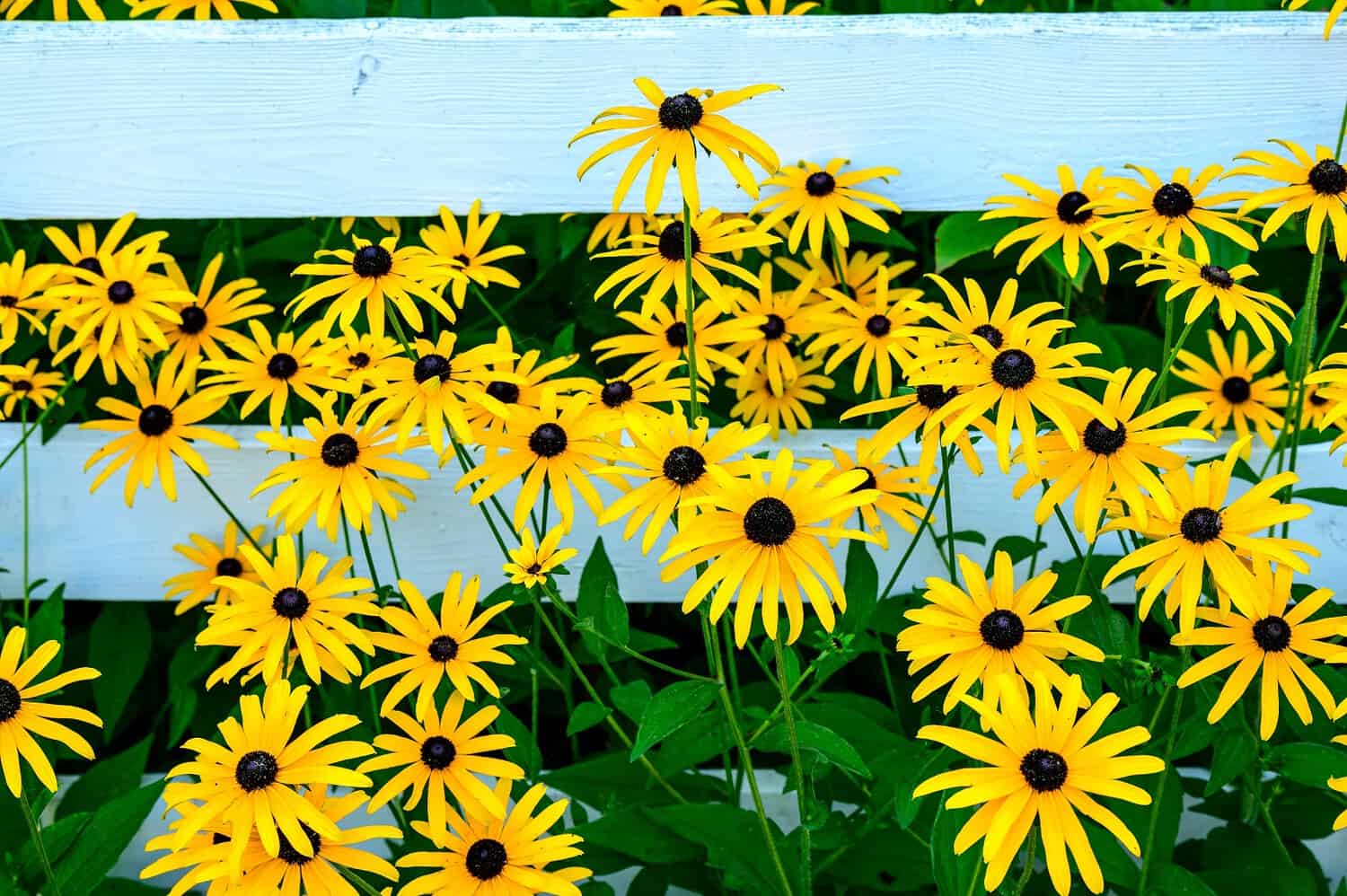
You might notice holes or damage on your Black-eyed Susans after windy days or insect activity. Leaf miners and other larvae can cause this kind of harm, but it usually doesn’t kill the plant.
If your Black-eyed Susans look dry or are dying despite regular care, check for overwatering or too much sun. These plants prefer well-drained soil and can be sensitive to constant moisture.
Be careful when handling them, as some people experience mild allergic reactions. Avoid eating any part of the plant.
Lanceleaf Coreopsis
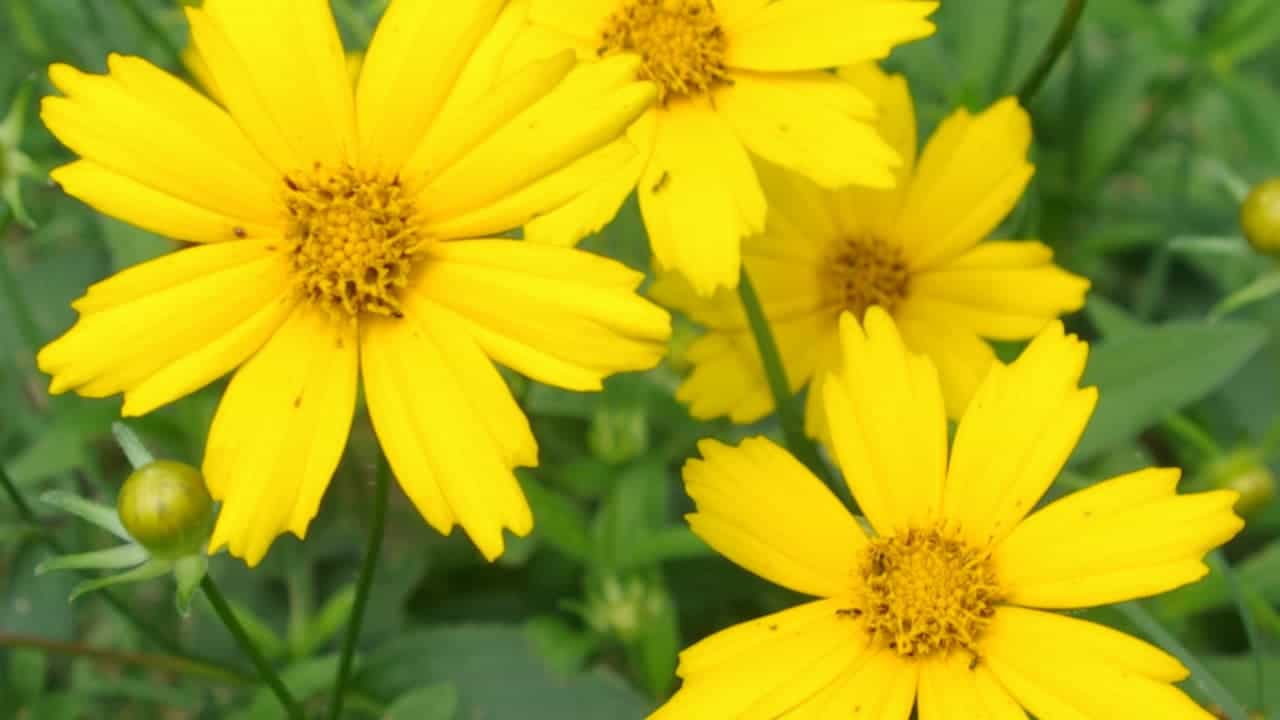
If your Lanceleaf Coreopsis plants are wilting or dying, it might be because of over-care or neglect. These plants do well with regular deadheading, but stopping deadheading at the right time helps them go to seed naturally.
Avoid mowing or cutting them too early. If you do, they often bounce back since they’re quite resilient. Let them bloom fully to support native pollinators in your garden.
Bergamot
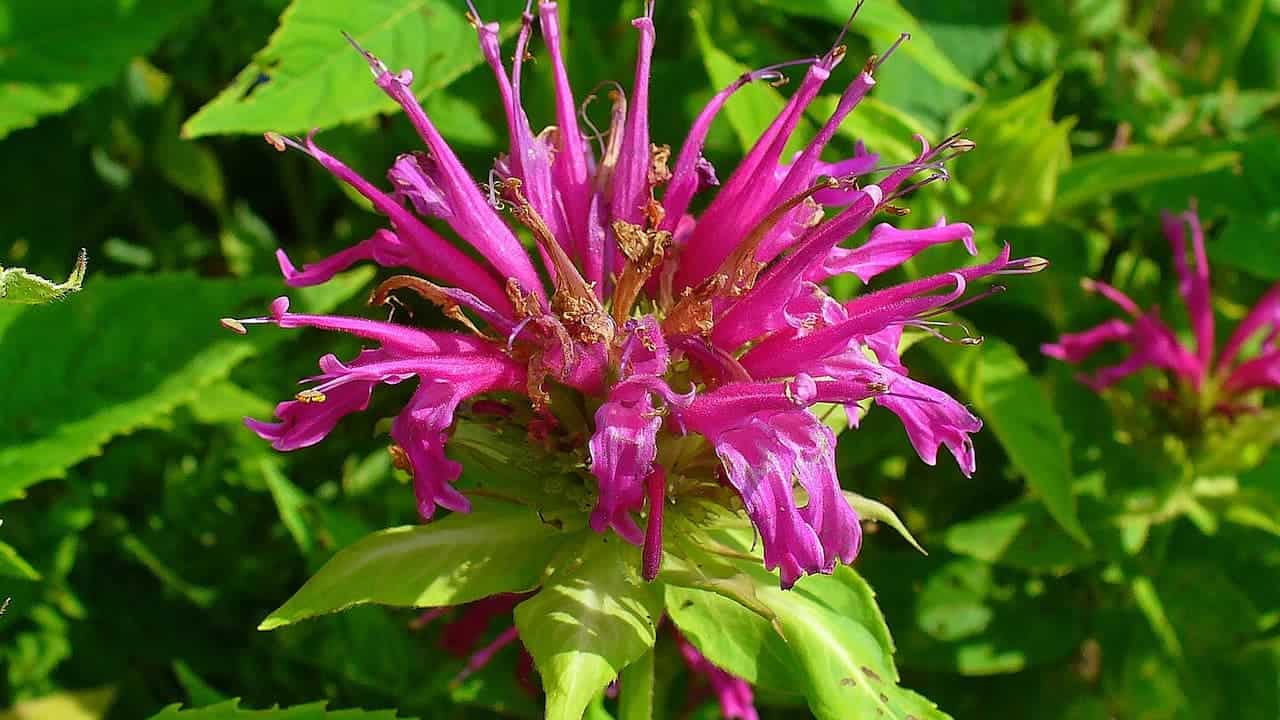
If your bergamot plants look unhealthy, overwatering might be the problem. Wild bergamot prefers dry to moderately dry conditions and can suffer if the soil stays too moist.
Try removing any thick mulch that traps moisture around the roots. Water less frequently and ensure good drainage to help your plant thrive in its natural habitat.
Foxglove Beardstongue
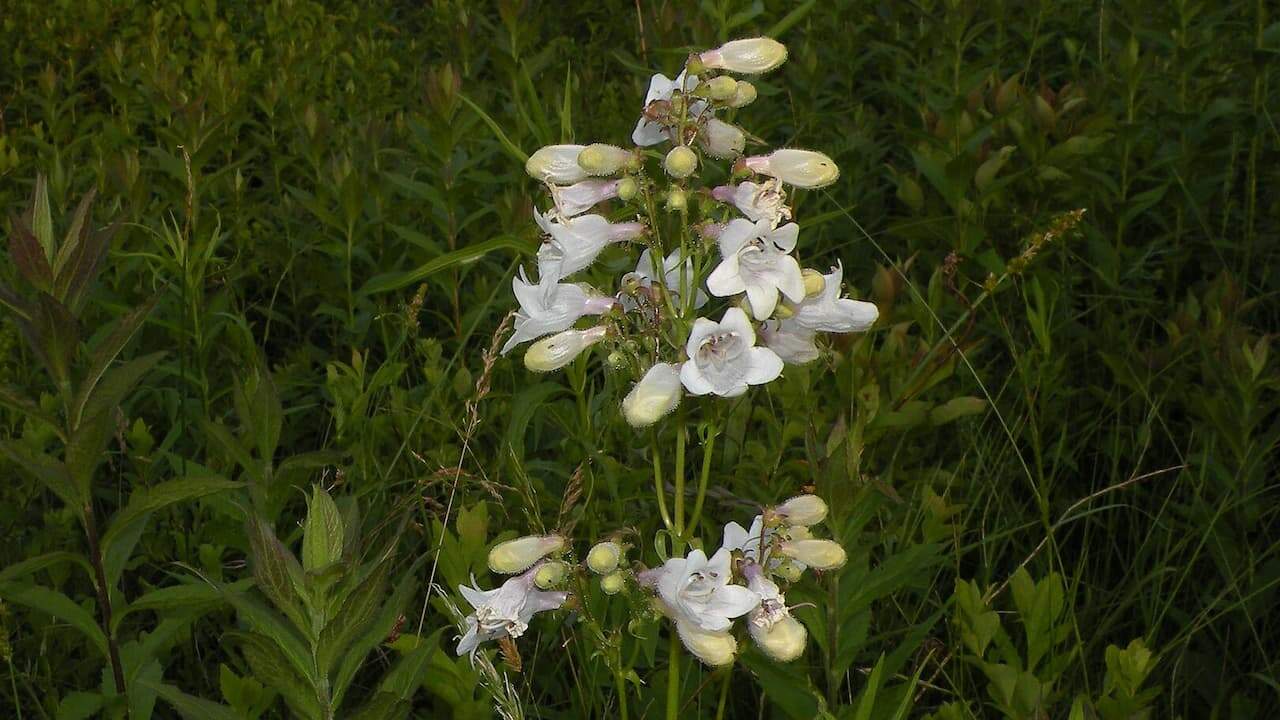
Foxglove beardstongue is a native plant with bright-white tubular flowers that bloom in late spring. You’ll often see bees visiting, drawn by its shape and nectar.
This plant isn’t poisonous like some foxglove relatives, so it’s safe to have around your garden. Be careful not to mow it down early, as it may take time to recover if cut.
Geranium Ty
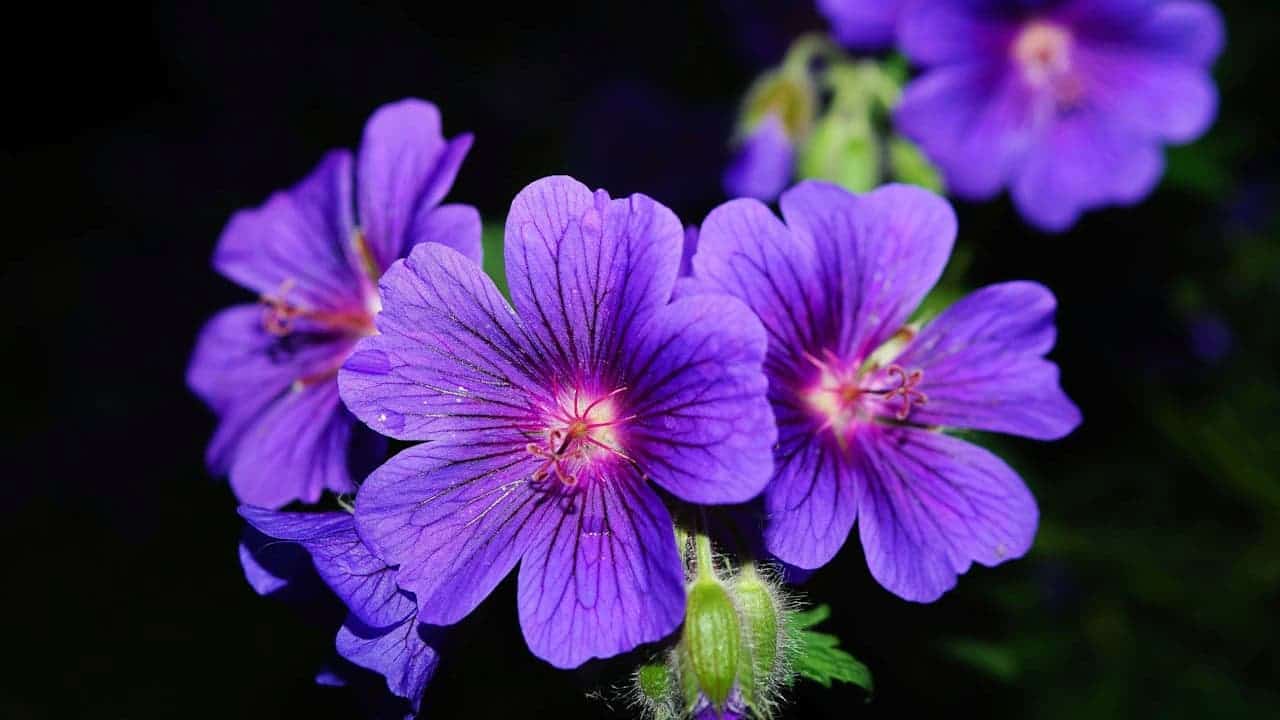
You might think your geranium is dying from neglect, but pests like spider mites could be the real problem. Look closely for tiny webs or specks on leaves.
If you catch them early, spider mite spray can help save your plant. Avoid pulling the geranium out by the roots unless you want to replant it in wet soil—it’s easier to remove when moist.
Remember, geraniums are toxic if eaten, so keep pets and kids away. Taking simple care steps keeps your geranium healthy and happy.
Accidental Mowing Damage

You might not realize it, but mowing can harm native plants in your yard. Many native species look like weeds and get cut down before they can grow fully.
If you accidentally mow native plants, don’t worry. Most hearty natives will bounce back with some water and care.
Try mowing less often or only after plants have gone to seed to help protect these important species.
Overwatering Leading to Root Rot
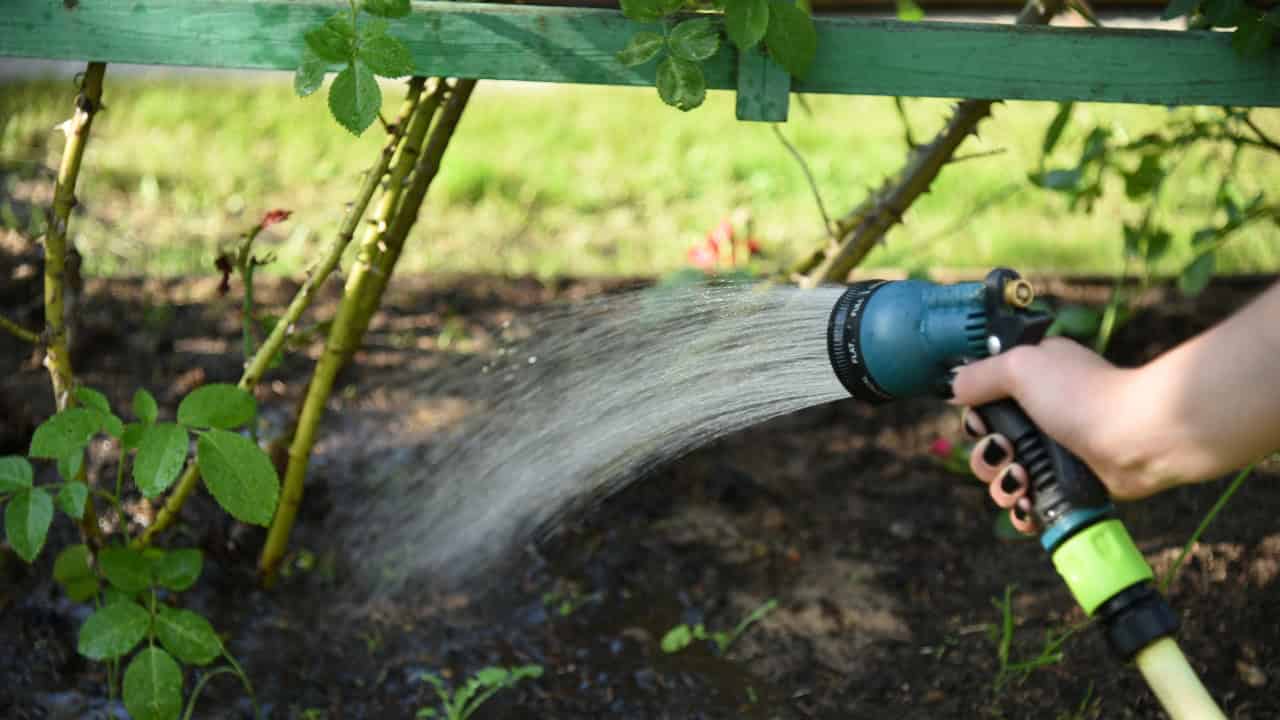
You might think watering more helps your plants, but too much water can harm them. When soil stays wet for too long, roots can suffocate and start to rot.
Root rot prevents your plant from absorbing nutrients properly. To avoid this, only water when the top 2-3 inches of soil feel dry.
If you spot yellowing leaves or a bad smell from soil, it’s a sign of root rot. Act quickly to save your plant by reducing water and improving drainage.
Planting in Unsuitable Soil

You might unknowingly harm native plants by planting them in soil that doesn’t match their needs. Many natives thrive in specific soil types, whether sandy, clay, or loamy.
If your soil is too dense or lacks nutrients, your plants can struggle. Consider amending the soil with organic matter or choosing plants suited for your soil type to help them grow strong and healthy.
Ignoring Native Sunlight Needs
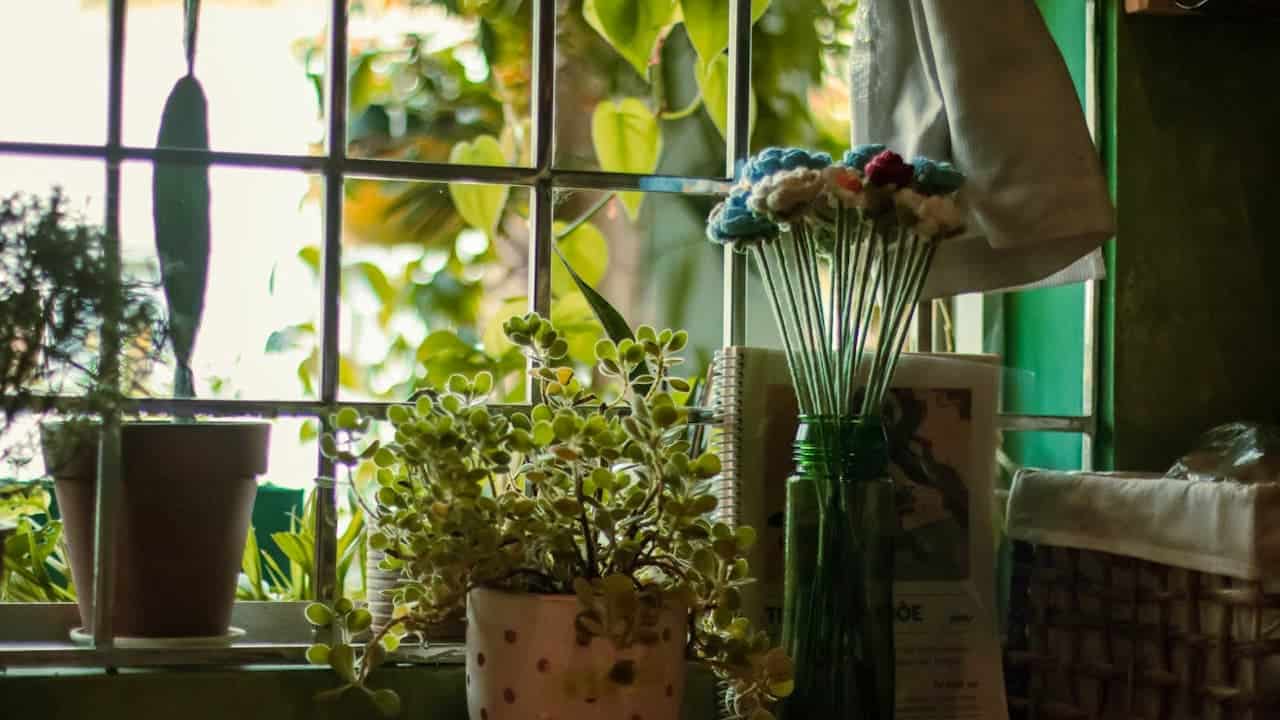
You might assume all plants want full sun, but many native species have specific light preferences. Some thrive in shade or partial sun, and placing them in full sunlight can stress or kill them.
Pay attention to each plant’s natural habitat. Matching your yard’s light conditions with their needs helps your native plants grow strong and healthy.
Using Harmful Herbicides
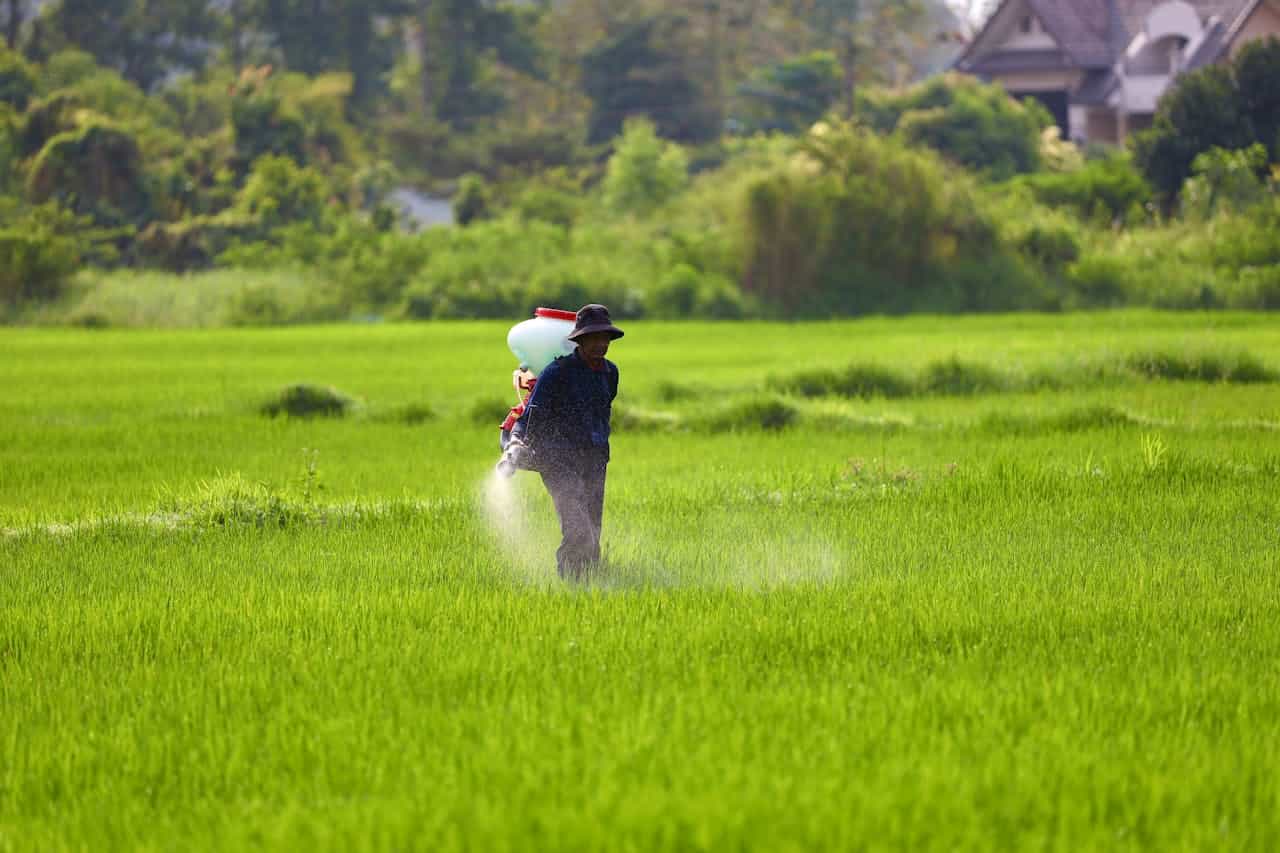
You might be using herbicides that unintentionally harm native plants in your garden. These chemicals are absorbed through the leaves and can kill plants during photosynthesis.
Even careful use can cause damage if herbicide residues remain in the soil or spread to nearby plants. To protect your natives, consider spot-treating weeds and avoid broad applications. This helps keep your garden healthy and thriving.
Failure to Control Invasive Species

If you don’t manage invasive plants carefully, they can quickly take over your yard. These species often grow faster and spread more easily than native plants.
Simply removing invasives isn’t enough. You need to replant the area with native plants to stop the invasive species from returning.
It can feel overwhelming, but small steps like watering and mulching your native plants make a big difference in helping them thrive.
Japanese Knotweed Impact
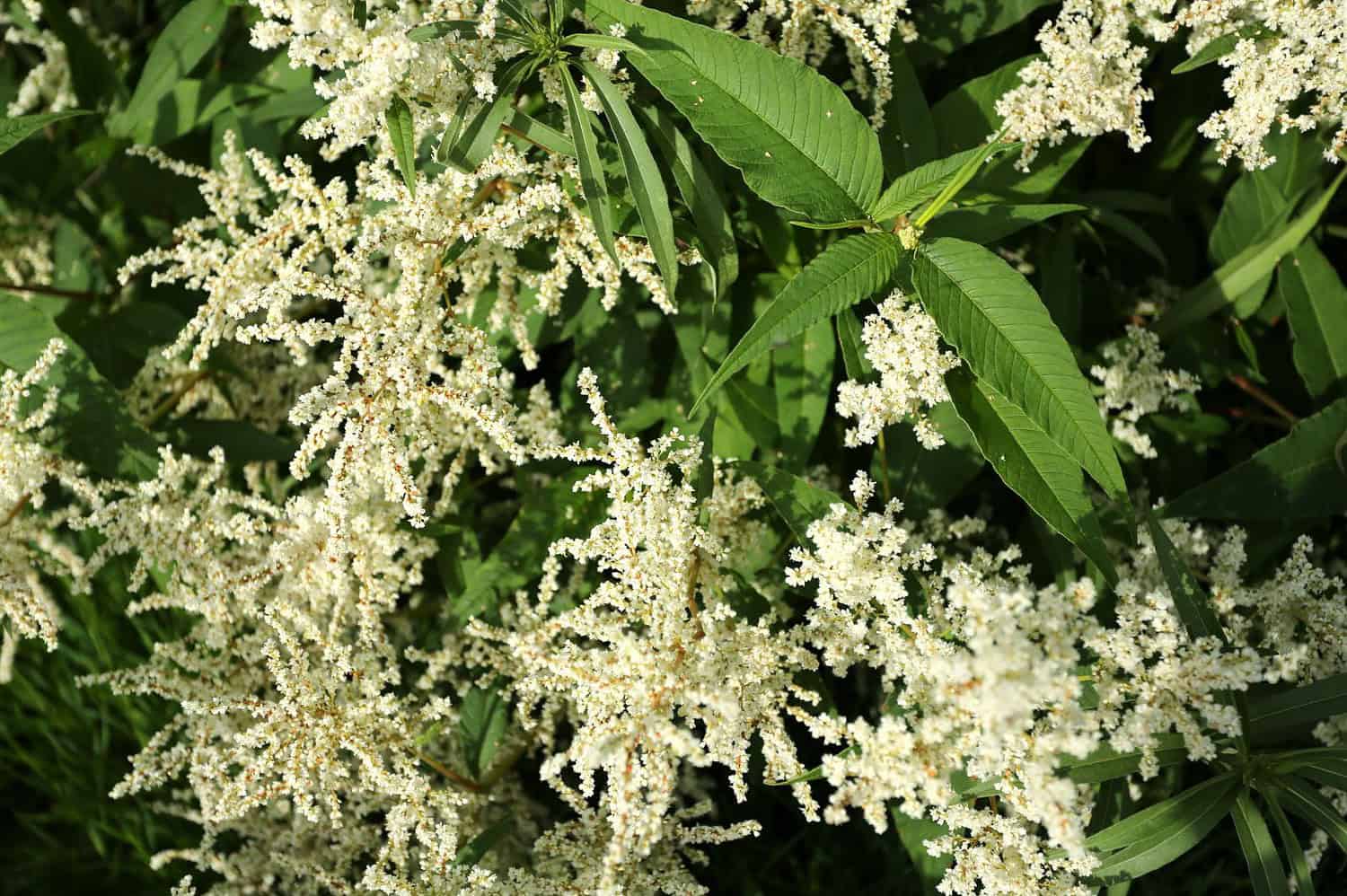
Japanese knotweed spreads quickly and forms dense thickets that block sunlight from reaching native plants.
Its roots can grow very deep, making it hard to remove completely. If you try to cut or damage it, the knotweed may spread even more.
This plant can reduce the space and nutrients available to your local native species, affecting biodiversity in your garden or nearby areas.
Neglecting Pollinator Support

You might be unintentionally harming native plants by not supporting pollinators. Many native plants depend on specific pollinators to thrive and reproduce.
If you use pesticides or fail to provide diverse flowering plants, you reduce food and habitat for these important helpers.
Encouraging a variety of wildflowers and avoiding harmful chemicals helps keep pollinators healthy. Your garden will benefit from stronger plant growth and more blooms.
Removing Leaf Litter Unnecessarily

You might think clearing leaf litter keeps your garden tidy, but it actually harms native plants and wildlife. Leaves provide important shelter for insects and other small animals through colder months.
By removing leaf litter too early, you disrupt insect life cycles that many native plants rely on for pollination. Try leaving leaves in place until temperatures stay above 50°F to help wildlife safely emerge.
Compacting Soil Around Roots
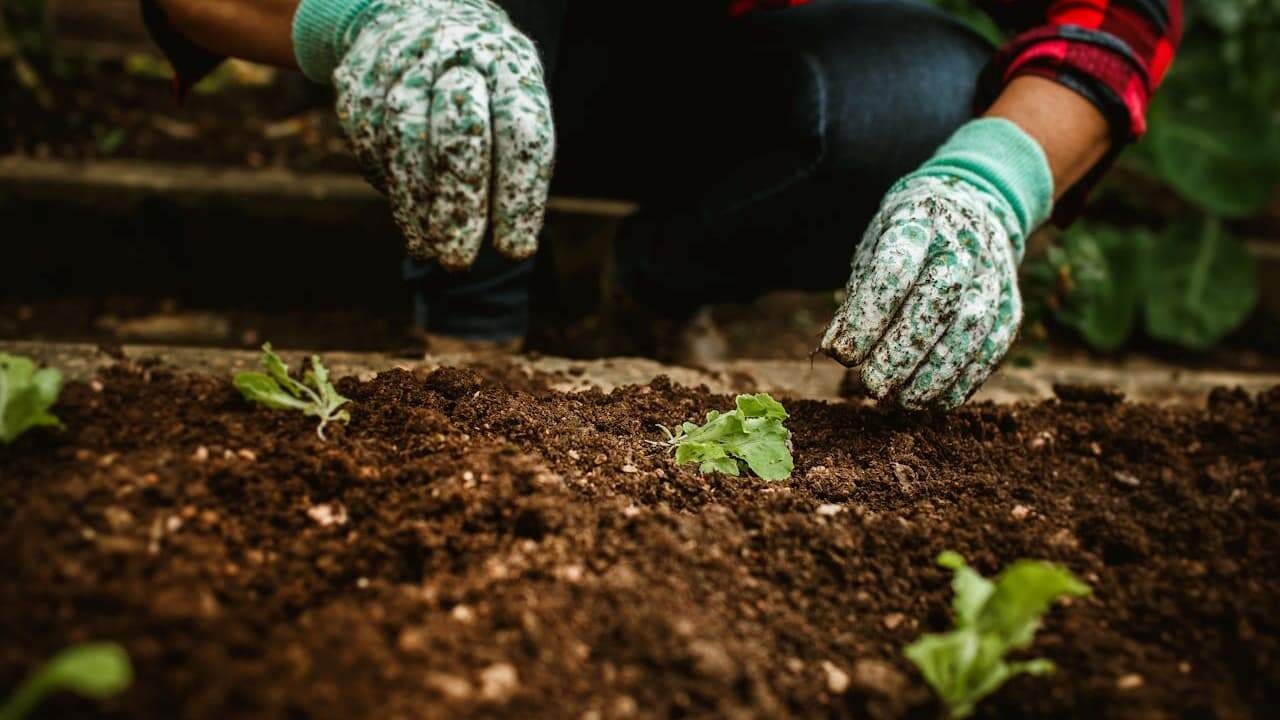
When you walk or work too much around native plants, you may compact the soil. This makes it harder for roots to get air, water, and nutrients. Compacted soil also slows water absorption, causing runoff. This can lead to root stress or rot, even if you water regularly.
To keep soil loose, avoid stepping directly on plant roots. Adding organic matter can help break up compacted soil and improve root health.