We’ve all been there: You’ve spent the afternoon chopping and prepping, only to sit down to a meal of veggies that are bland and uninspiring. It’s a common scenario, but it doesn’t have to be this way. With a little knowledge and some simple adjustments, you can turn those tasteless veggies into the star attraction of your meal.
In this post, we’re going to dive into 16 common mistakes that lead to tasteless veggies, and offer some solutions to help you bring out the best in your produce.
Advertisement
1. Overcooking Your Veggies
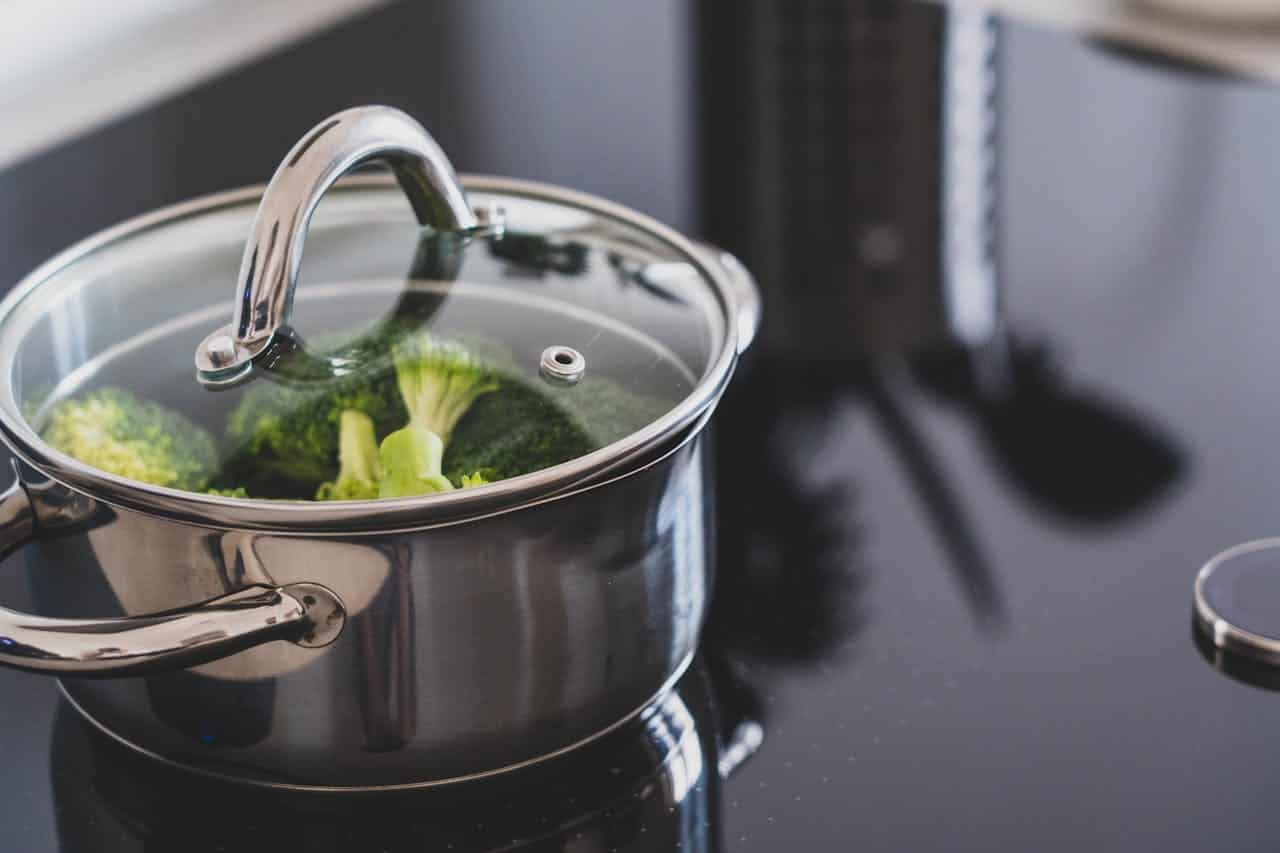
Overcooking vegetables can leach out their vibrant colors, crisp texture, and most importantly, their flavors. When overcooked, vegetables can lose their nutritional value and become mushy and tasteless.
To avoid this, always keep an eye on your cooking time. Different vegetables have different cooking times, so it’s important to be aware of these. For example, delicate veggies like spinach and peas only need a few minutes, while harder ones like carrots or potatoes might need more time. A good rule of thumb is to cook your vegetables just until they’re tender but still have a bite to them. Remember, they will continue to cook after you remove them from the heat.
2. Not Seasoning Enough
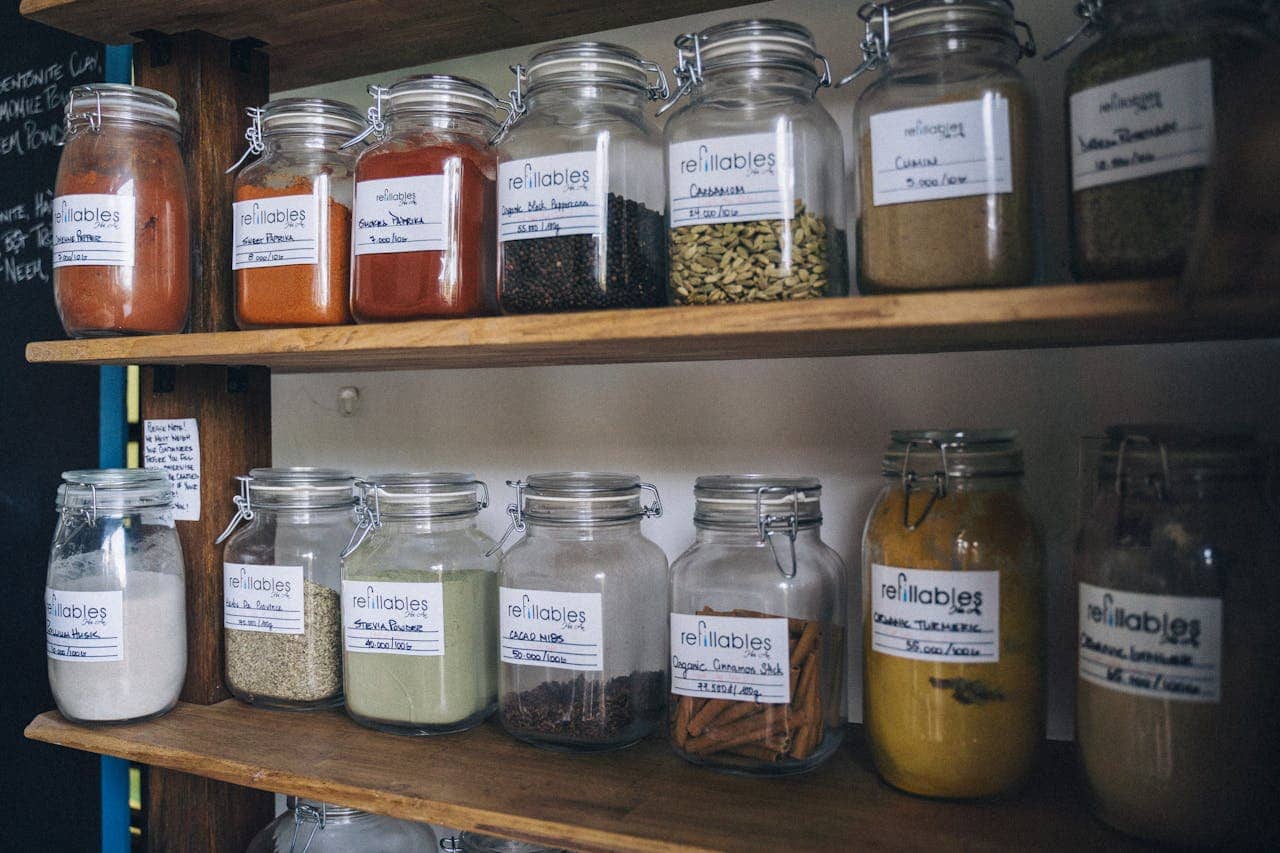
Many times, the problem with tasteless veggies is simply that they’re not seasoned enough. Vegetables need a good amount of seasoning to bring out their flavors.
Don’t be afraid to use salt, pepper, and other spices and herbs. Salt, in particular, can enhance the natural flavors of vegetables. Start with a small amount, taste, and then add more if needed. Remember, it’s easier to add more seasoning than to try and fix an over-seasoned dish. Also, don’t forget about acidity – a squeeze of lemon or a dash of vinegar can really make the flavors pop.
3. Using Dull Knives
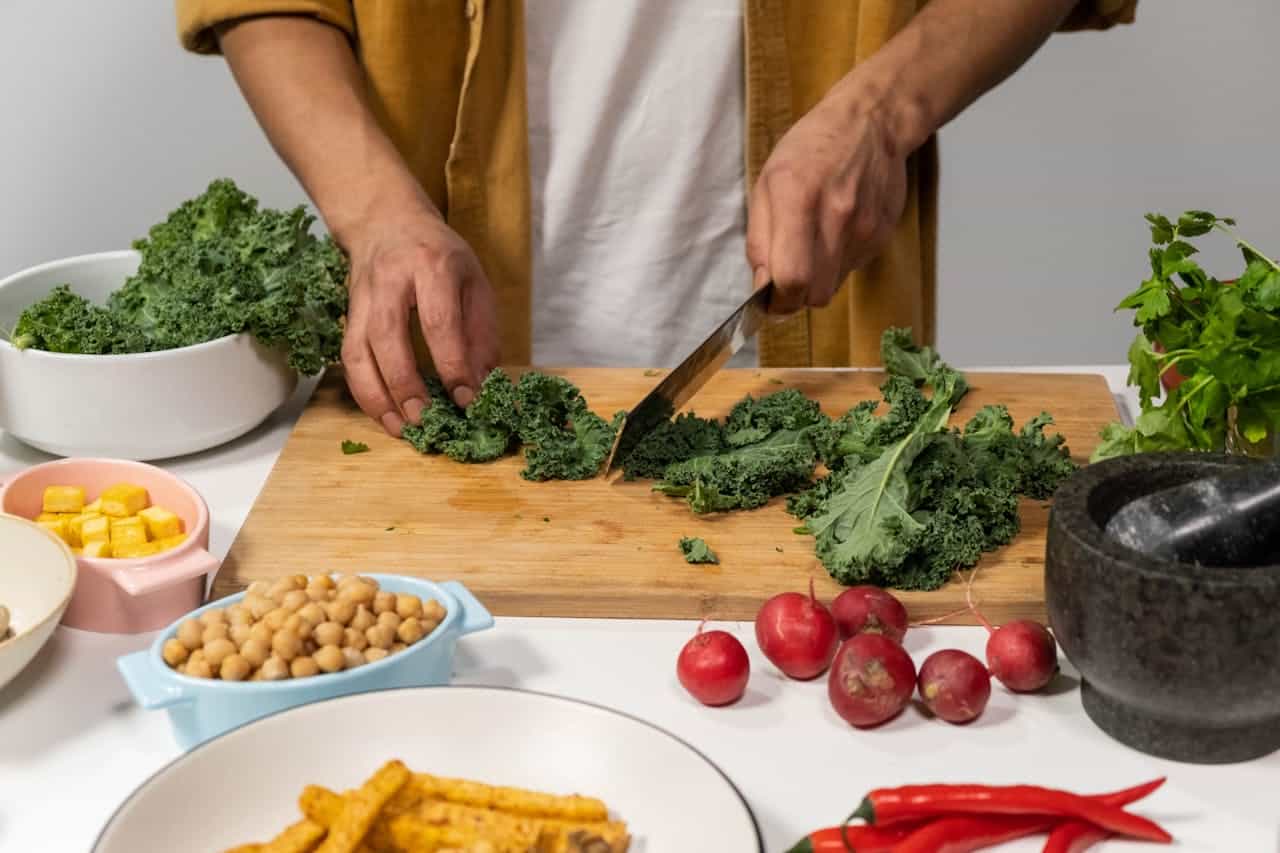
Using a dull knife to cut your vegetables can actually affect their taste. Dull knives damage the cells in vegetables, leading to a loss of flavor.
By using a sharp knife, you’ll be able to cleanly cut through the vegetable without damaging as many cells. This will not only make your chopping more efficient, but also help to retain the vegetables’ flavors. Regularly honing your knife with a sharpening steel can help keep it sharp. If your knife is severely dull, though, it may be time to invest in a new one or get it professionally sharpened.
4. Storing Vegetables Incorrectly

Improper storage is another mistake that can lead to tasteless veggies. Different vegetables have different storage needs, and storing them incorrectly can affect their flavor and texture.
For example, potatoes and onions should be stored in a cool, dark place, but not in the refrigerator. The cold temperature can cause the starch in potatoes to convert to sugar, resulting in a sweet, grainy texture. On the other hand, veggies like carrots and broccoli are best stored in the fridge to retain their crispness. Always do a quick research on how to store your vegetables to ensure their freshness and taste.
5. Cooking All Veggies at the Same Time
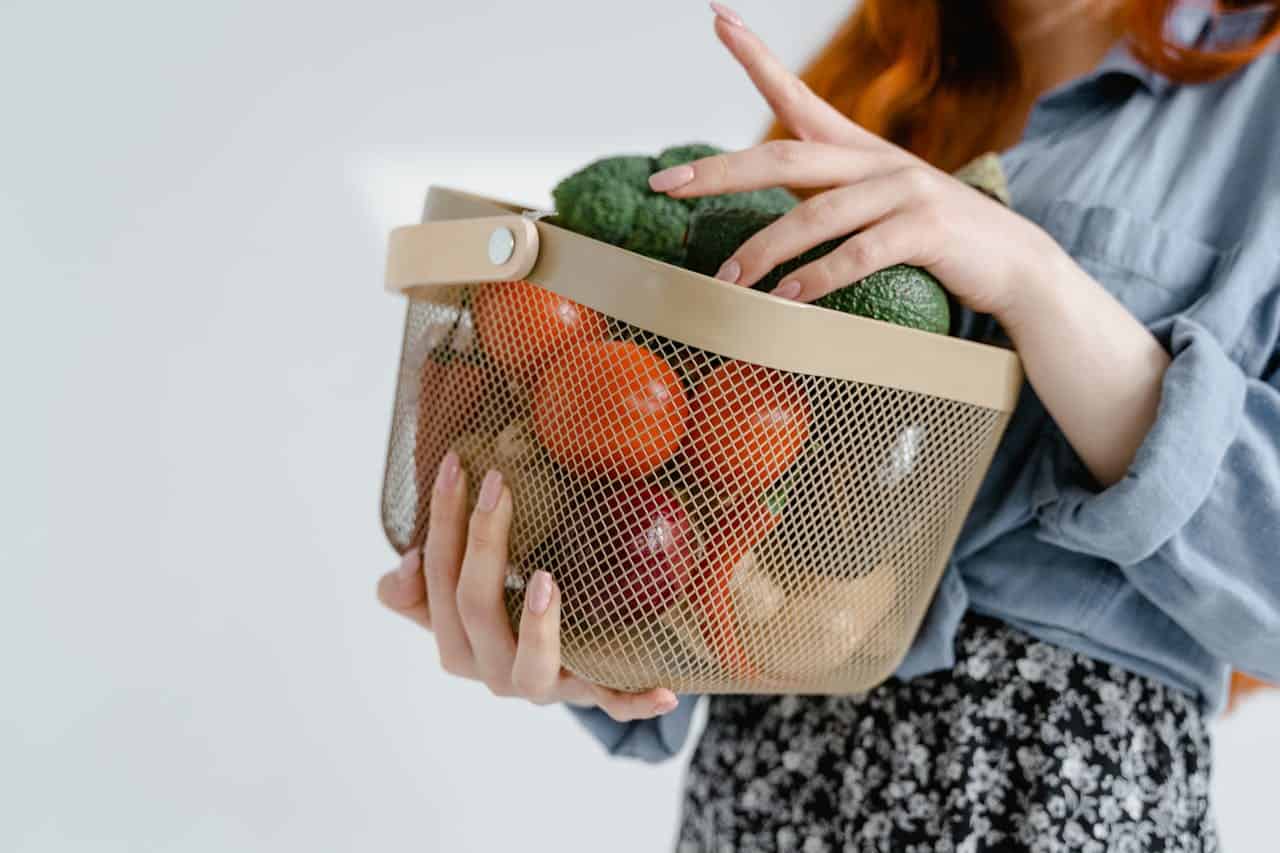
Not all vegetables are created equal – some cook faster than others. Cooking all your veggies at the same time can result in some being overcooked and others undercooked.
When cooking a mix of vegetables, add them to the pan in stages. Start with the ones that take the longest to cook, like carrots or potatoes, and then add the quicker-cooking ones, like bell peppers or zucchini, towards the end. This way, all your veggies will finish cooking at the same time and have the right texture and flavor.
6. Using Old Spices
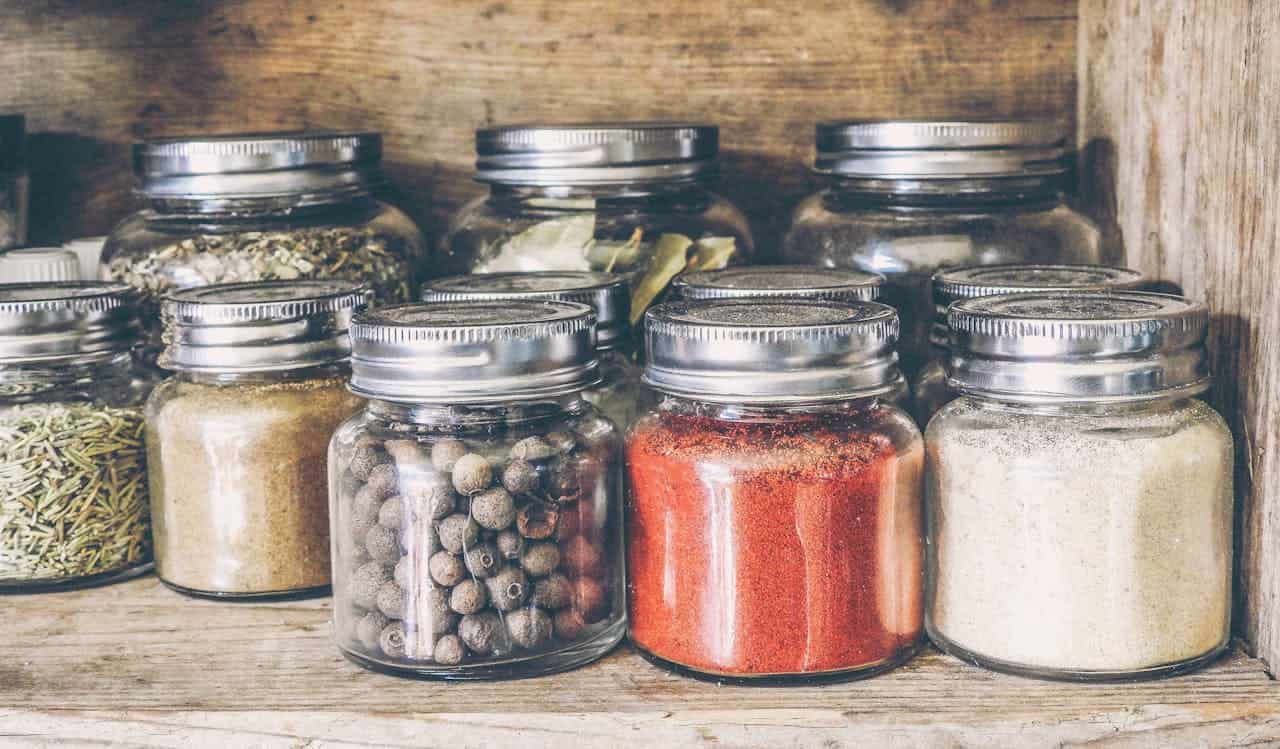
Spices lose their potency over time, which can lead to a lack of flavor in your dishes. If you’re using old spices, your veggies may not be getting the flavor boost they need.
Check the expiration dates on your spices, and replace any that are past their prime. As a general rule, whole spices will stay fresh for about 4 years, ground spices for 2-3 years, and dried herbs for 1-3 years. Storing your spices in a cool, dark place can also help extend their shelf life.
7. Skipping the Blanching Step
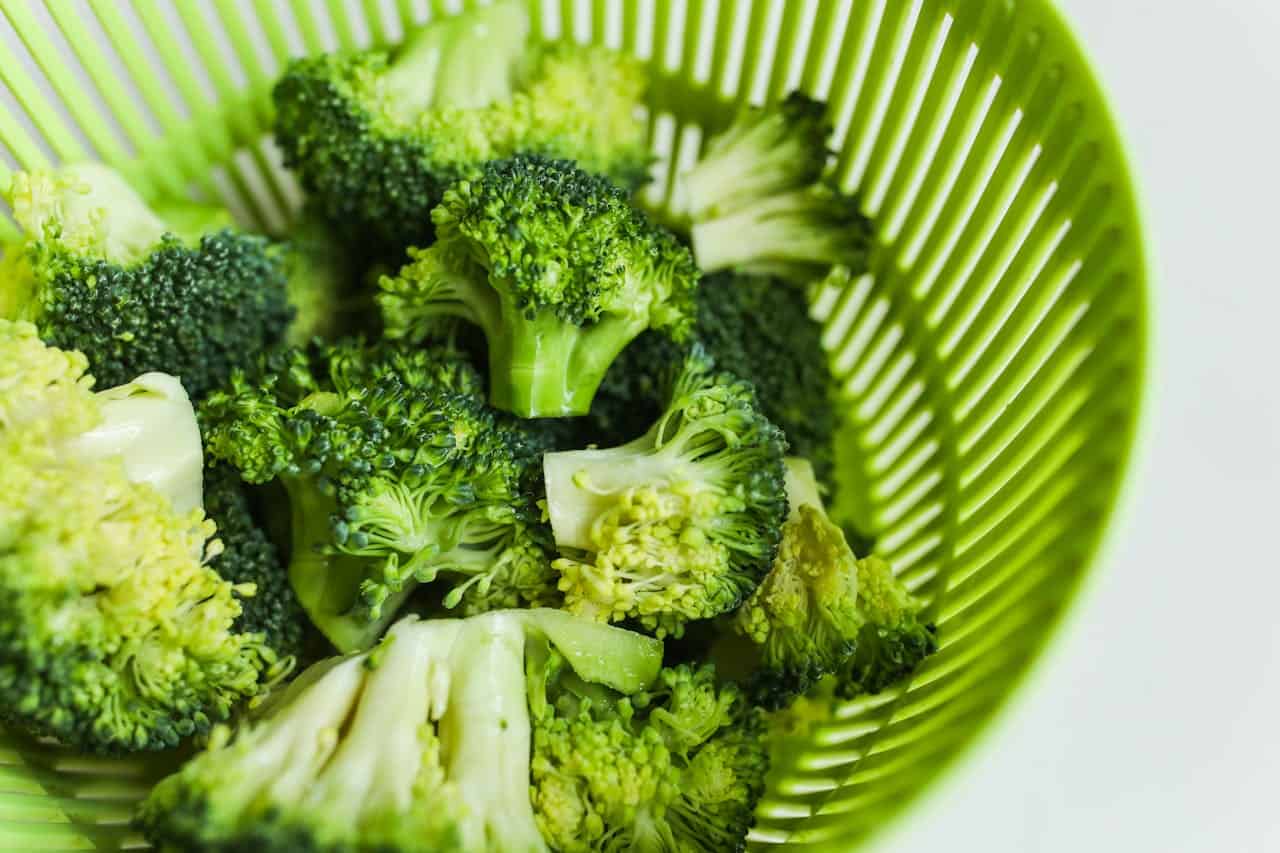
Blanching is a cooking process where vegetables are plunged into boiling water for a short time and then immediately immersed in ice water. This process helps to preserve the vegetables’ vibrant color, crisp texture, and fresh taste. By skipping this step, you could be missing out on these benefits.
To blanch your veggies, first bring a pot of water to a boil. Add a generous amount of salt, then add your veggies. Cook for 1-2 minutes, then immediately transfer them to a bowl of ice water. Once they’re cool, drain them and proceed with your recipe.
8. Not Using Fresh Vegetables
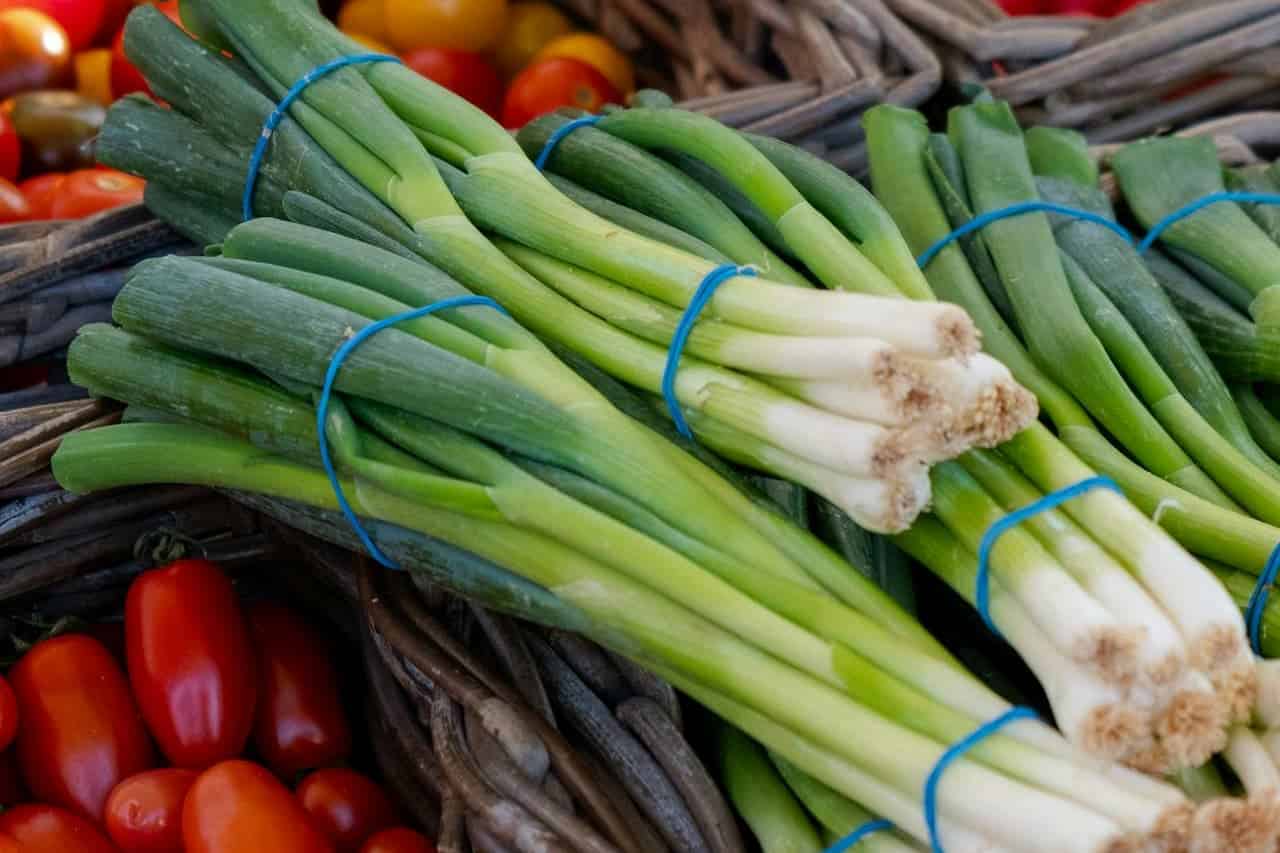
The freshness of your vegetables can greatly affect their taste. Vegetables start to lose their flavor as soon as they’re harvested, and that process speeds up once they’re cut.
Try to buy your vegetables as close to when you’ll be using them as possible. If you’re buying cut vegetables, use them within a day or two. Also, consider buying your veggies from a local farmers market, where they’re likely to be fresher than at a supermarket.
9. Boiling When You Could Be Roasting
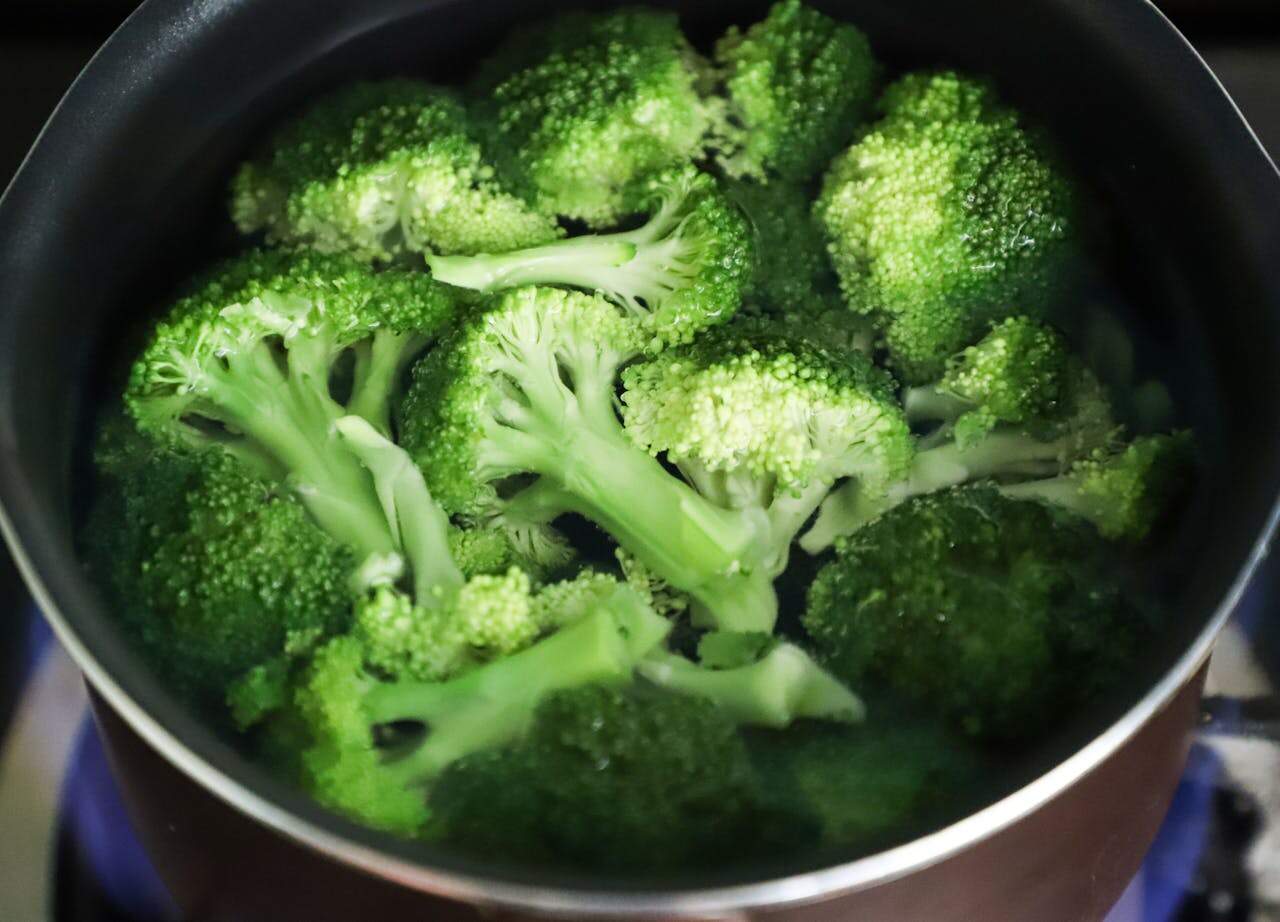
Boiling vegetables is a quick and easy cooking method, but it’s not always the best choice for flavor. Boiling can leach out a lot of the vegetables’ flavor and nutrients into the water.
Roasting, on the other hand, can help to concentrate and enhance the vegetables’ flavors. Toss your veggies in a little olive oil, season with salt and pepper, and roast in a hot oven until they’re tender and caramelized.
10. Not Preparing Vegetables Correctly
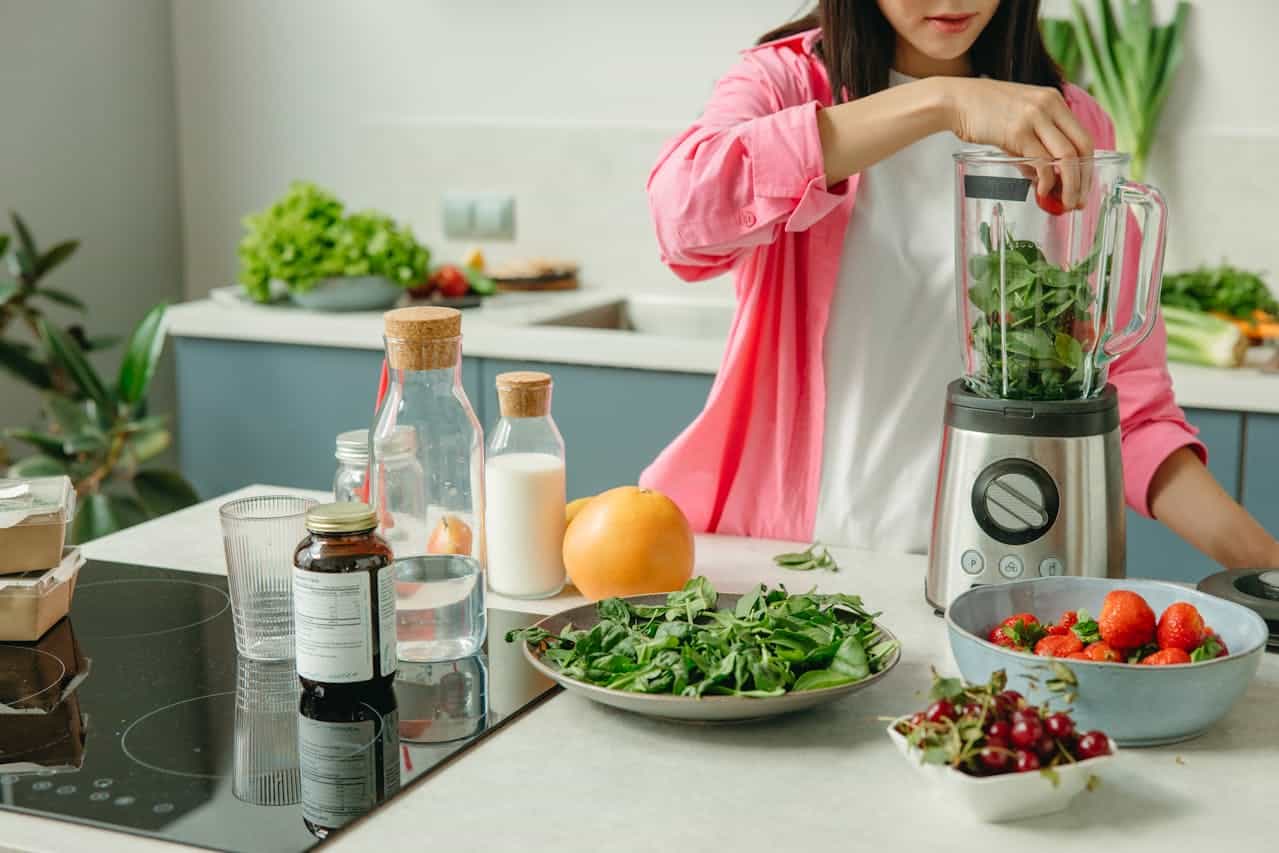
Different vegetables require different preparation methods. By not preparing your vegetables correctly, you could be missing out on their full flavor potential.
For example, crushing garlic before chopping it can help to release its full flavor, while peeling tomatoes can prevent a tough skin from ruining the texture of your dish. Spend some time learning about the best way to prepare each vegetable to maximize its flavor.
11. Not Using the Right Cooking Oil

The type of cooking oil you use can also affect the flavor of your vegetables. Different oils have different smoke points and flavors, which can impact the way your veggies taste.
For high-heat cooking methods like frying or roasting, use an oil with a high smoke point, like canola or avocado oil. For low-heat cooking or for adding flavor, consider oils with more distinctive tastes, like olive or sesame oil.
12. Cooking Vegetables Too Early

Cooking vegetables too early can cause them to lose their flavor and nutritional value. It’s best to cook vegetables as close to when you’ll be eating them as possible.
If you do need to cook your veggies ahead of time, consider using a method that helps to retain their flavor, like roasting or grilling. You can also reheat your veggies just before serving to help bring back any lost flavor.
13. Not Taking Advantage of Seasonal Vegetables
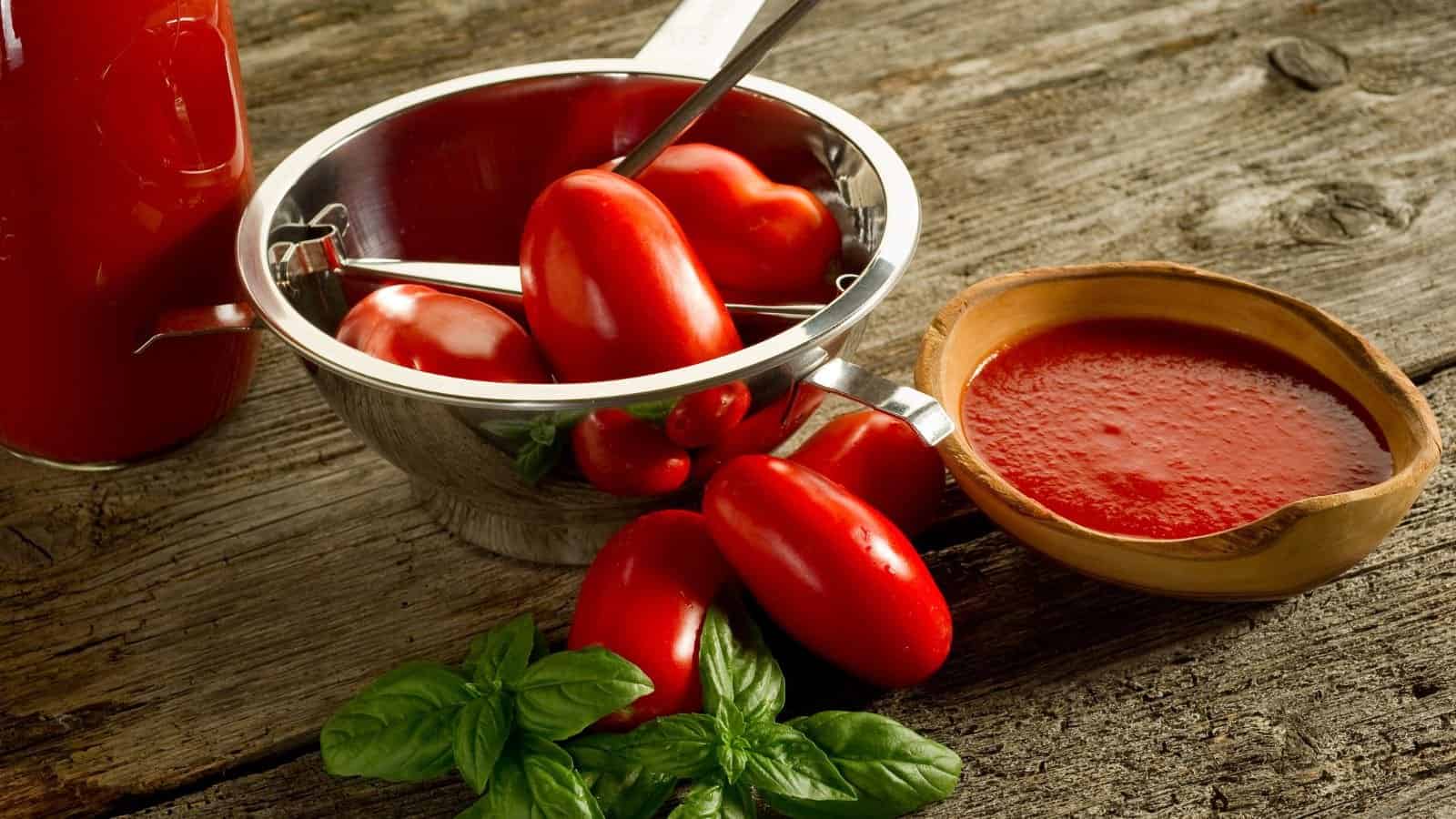
Vegetables are at their most flavorful when they’re in season. Out of season vegetables are often harvested before they’re ripe and then transported long distances, which can affect their taste.
Try to focus your meals around what’s in season. Not only will this give you the tastiest veggies, but it can also help you save money, as in-season produce is often cheaper.
14. Not Using Vegetable Stocks
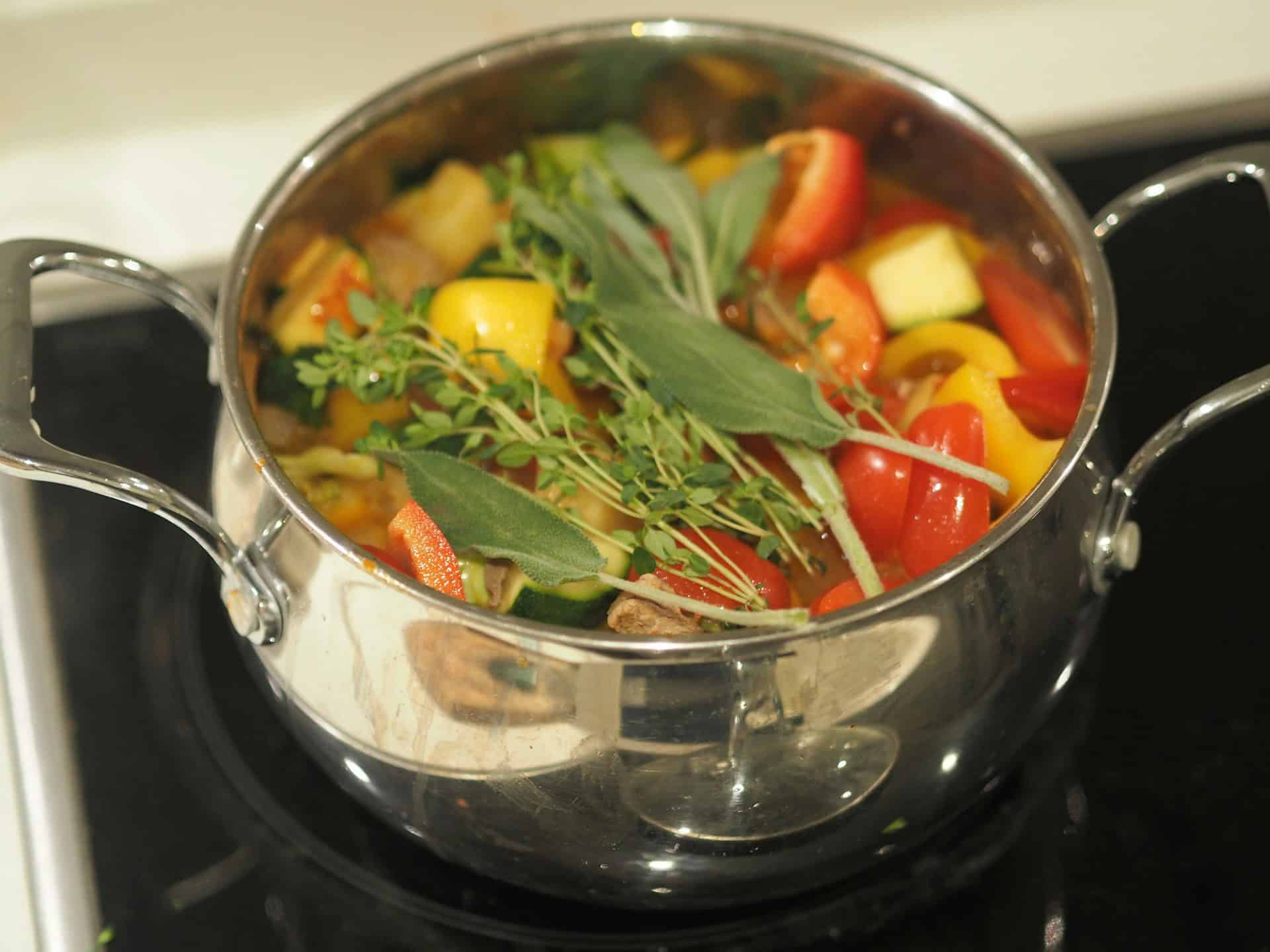
Vegetable stock can add a lot of flavor to your veggies. If you’re boiling or steaming your vegetables, consider using vegetable stock instead of water.
You can make your own vegetable stock by simmering vegetable scraps in water, or you can buy pre-made stock. Either way, it’s a simple way to add a lot of flavor to your veggies.
15. Not Letting Your Cooked Veggies Rest
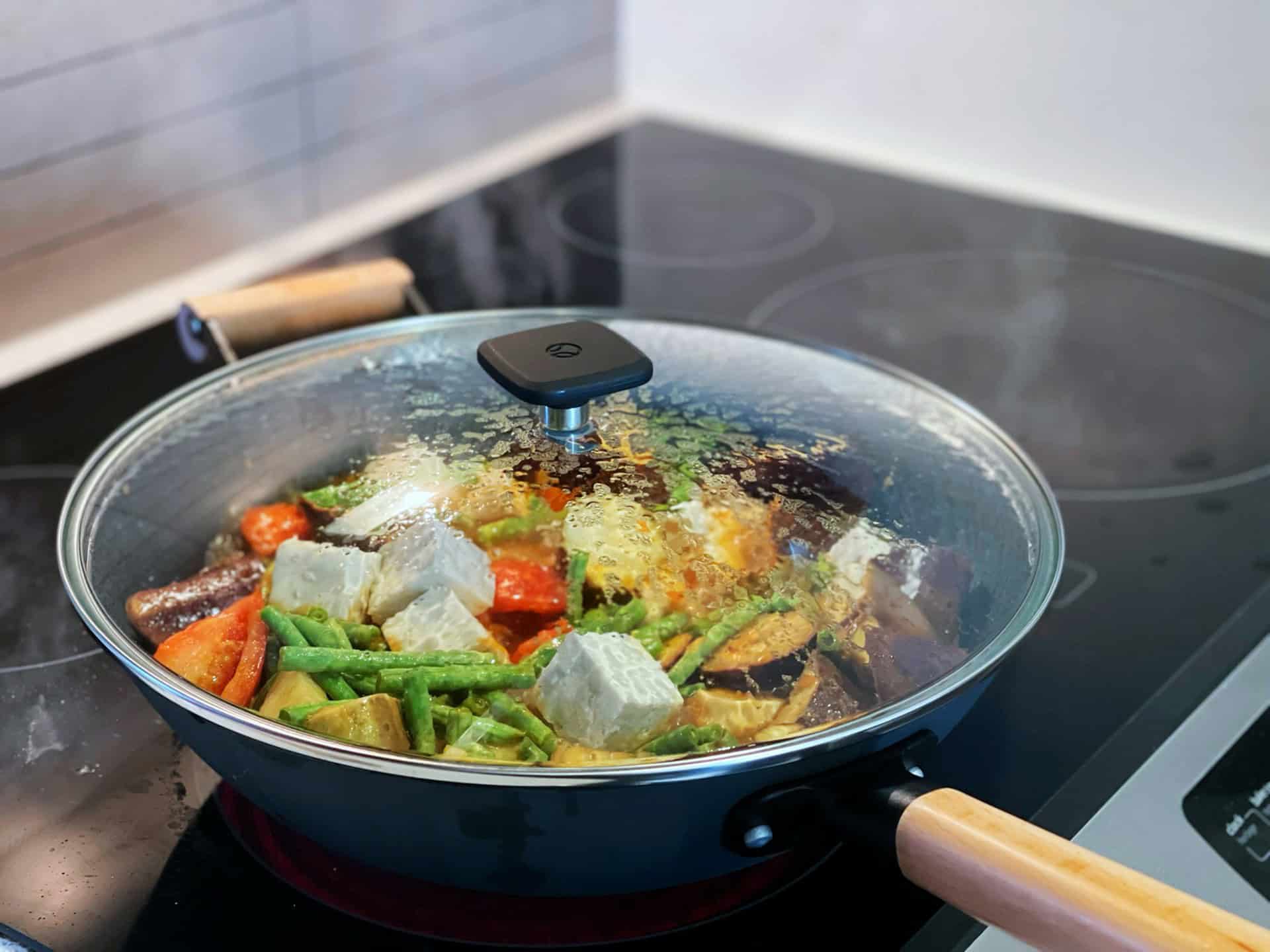
Letting your cooked vegetables rest for a few minutes before serving can help to enhance their flavor. This allows the flavors to meld and deepen, resulting in a tastier dish.
After cooking your veggies, transfer them to a serving dish and let them rest for a few minutes. This is especially important for roasted or grilled veggies, which can continue cooking from the residual heat and become overcooked if served immediately.
16. Not Tasting As You Go

The most important rule in cooking is to taste as you go. This allows you to adjust the seasoning and cooking time as needed to ensure your veggies are flavorful.
After adding your seasonings, take a small bite to see if you need to adjust anything. Remember, it’s much easier to add more seasoning than to try and fix an over-seasoned dish.