Drought can seriously affect the health of your garden, often causing damage that’s hard to fix. Knowing what common mistakes lead to drought stress can help you protect your plants and maintain a thriving outdoor space.
Understanding these mistakes is key to preventing water loss and ensuring your garden stays healthy even during dry spells. By avoiding certain practices, you can make the most of your water and keep your plants resilient through changing conditions.
Advertisement
Overwatering shallowly causing weak roots
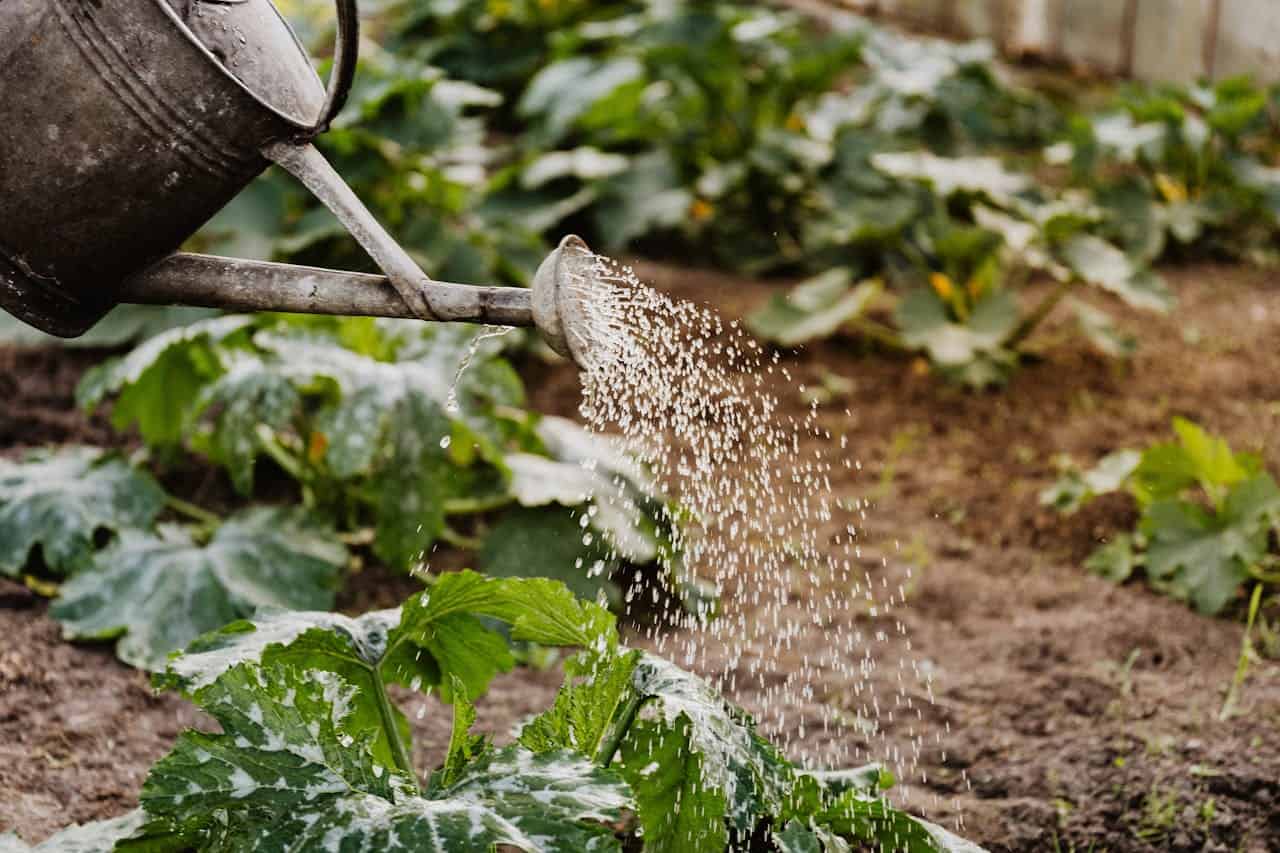
If you water your garden shallowly and often, your plants develop weak, shallow roots. These roots can’t reach deeper soil moisture, making your garden more vulnerable during dry periods.
Instead, water deeply but less frequently. This encourages roots to grow down, where they can access more water and stay healthier through droughts.
Not watering deeply once a week before droughts
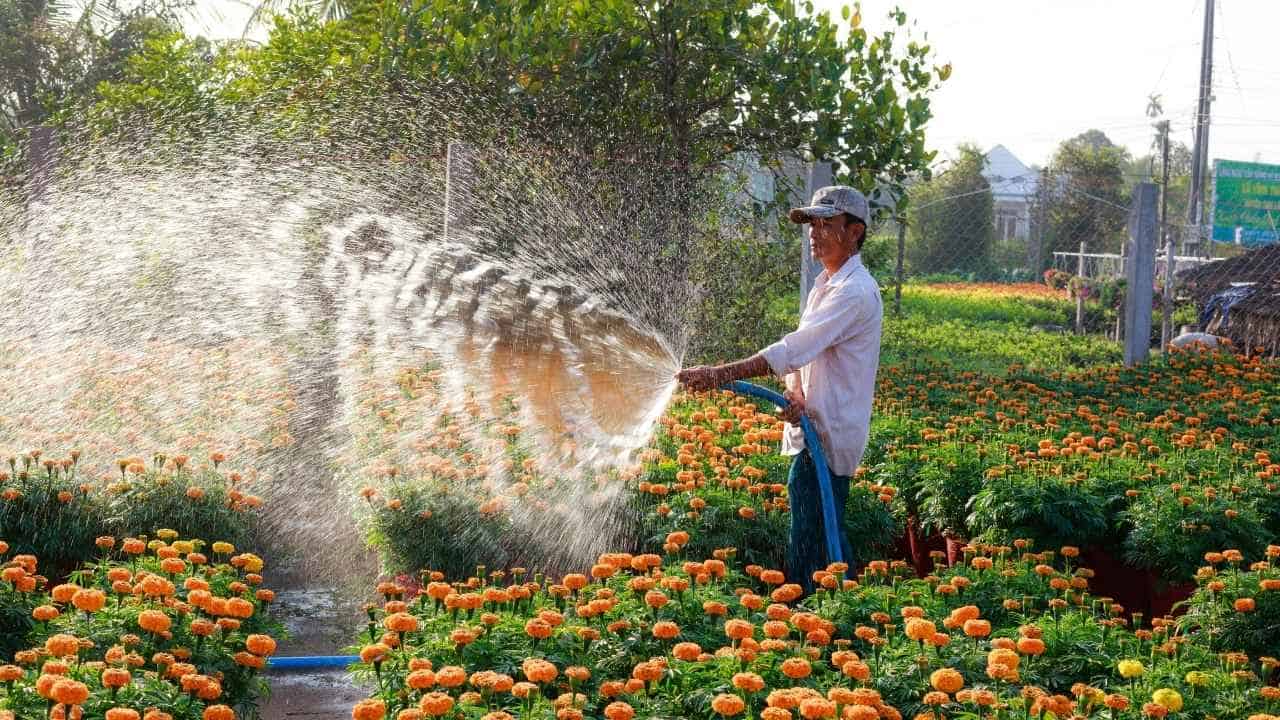
If you don’t water deeply once a week, your plants won’t develop strong roots. Shallow watering only moistens the surface, leaving roots near the top, which dry out quickly.
By watering deeply, you encourage roots to grow deeper, making your garden more resilient during dry spells. This simple habit helps your plants access moisture even when the soil is dry on the surface.
Mulching too heavily against tree trunks

When you pile mulch up against tree trunks, you create a damp environment that can lead to rot and pest problems. This “volcano mulching” traps moisture and can suffocate the tree’s bark.
Keep mulch a few inches away from the trunk to allow air circulation. This helps your tree stay healthy and better withstand drought conditions.
Planting too densely restricting root growth
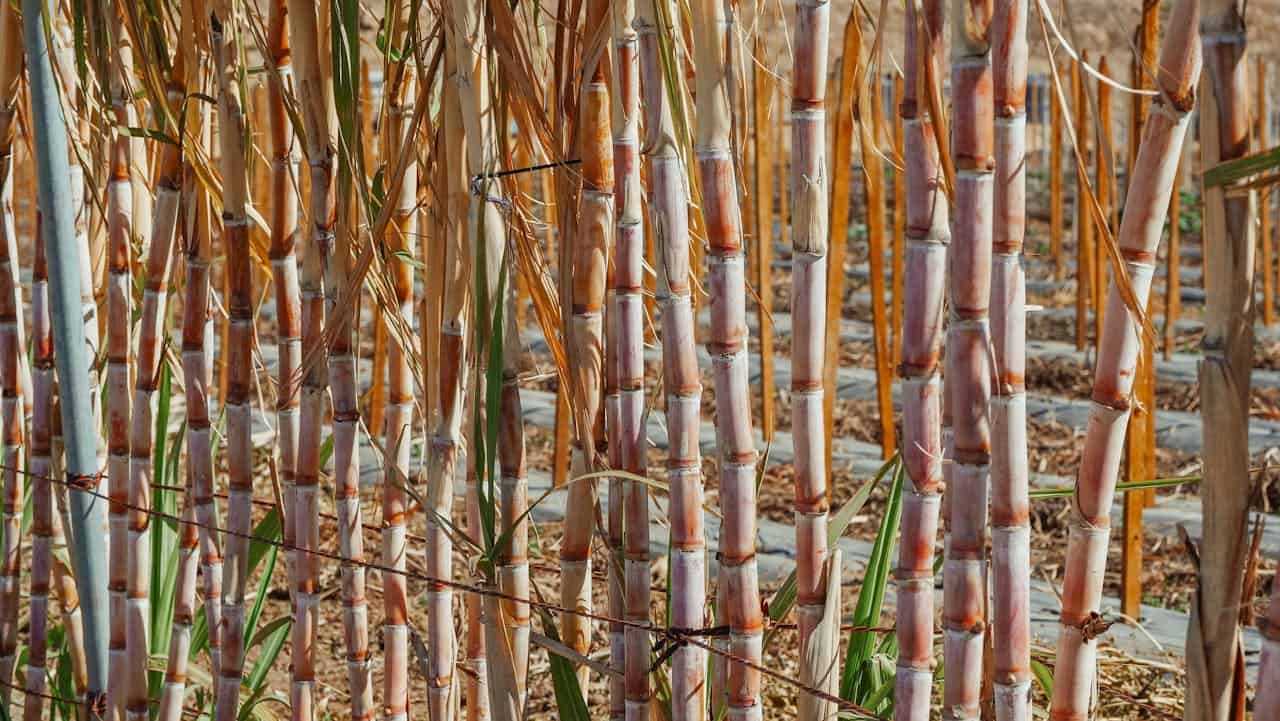
When you plant too closely, roots compete for water and nutrients. This limits their ability to grow deep and strong.
Crowded roots mean your plants struggle to access enough moisture, increasing their risk during drought.
By giving each plant enough space, you help roots spread out and reach water more effectively. This simple step supports healthier, more drought-resistant growth.
Using no mulch leading to quick soil moisture loss
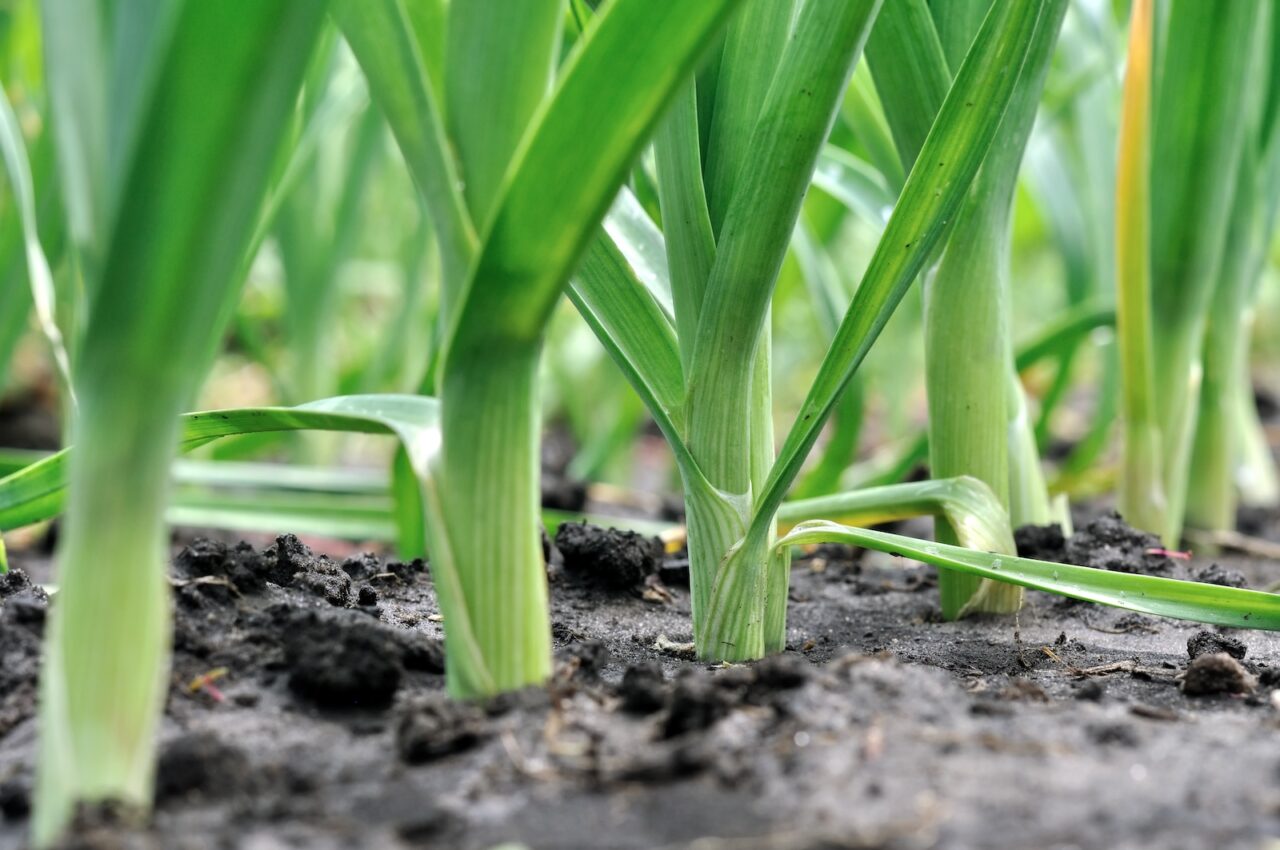
When you don’t use mulch, your soil loses moisture faster. Exposed soil can lose twice as much water due to evaporation.
Without mulch, your plants must rely on more frequent watering to stay healthy. Mulching helps slow down water loss and keeps moisture in the ground longer.
Skipping mulch leaves your garden vulnerable to drought stress. Adding a layer of mulch is a simple way to help your soil retain moisture and protect your plants.
Watering too frequently in small amounts
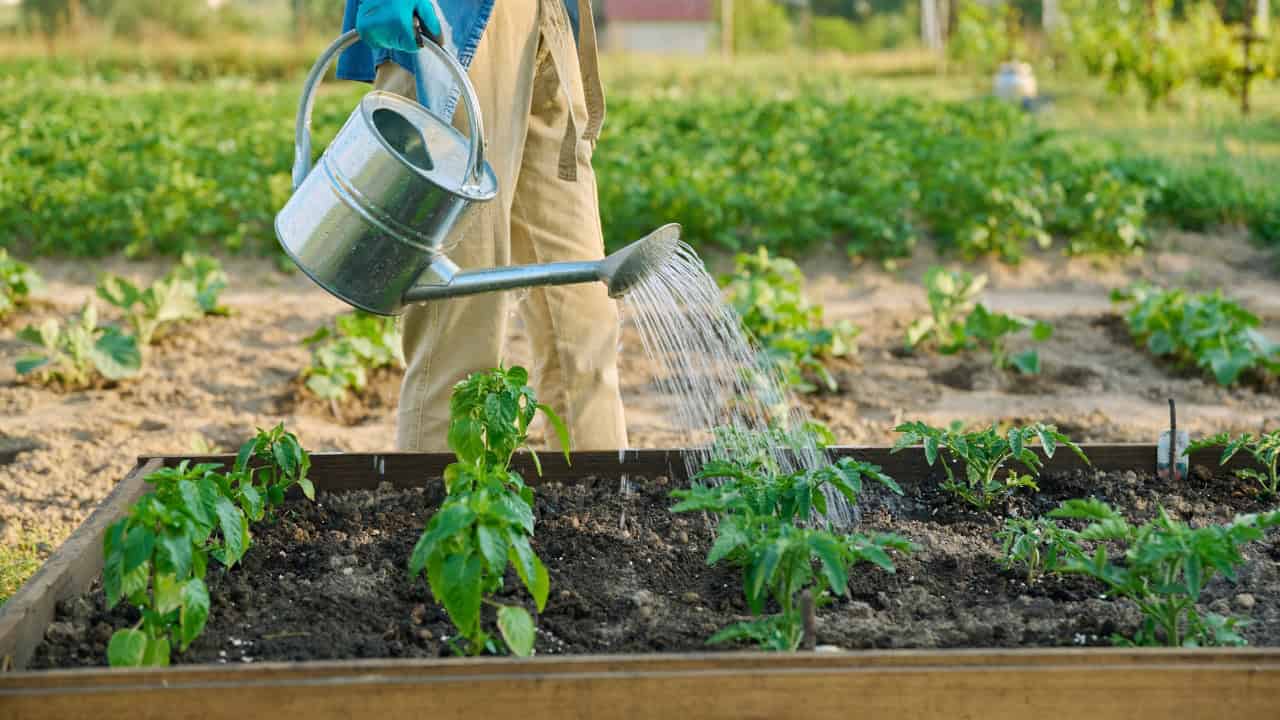
When you water your garden often but with only a little water each time, the soil stays dry below the surface. Your plants’ roots won’t grow deep because they don’t need to search for water.
This can make your plants weaker during droughts. Try watering less often but with more water to encourage strong root growth. Your garden will handle dry periods better this way.
Planting too deep exposing roots to dryness

If you plant your trees or plants too deep, the roots can get exposed to air and dryness. This often happens when you cover the root flare or the base of the trunk with too much soil or mulch.
Exposed roots lose moisture quickly and can suffer from sunburn or dehydration. When planting, keep the roots and trunk at the same level they were before to help your plants stay healthy and hydrated.
Not checking soil moisture regularly
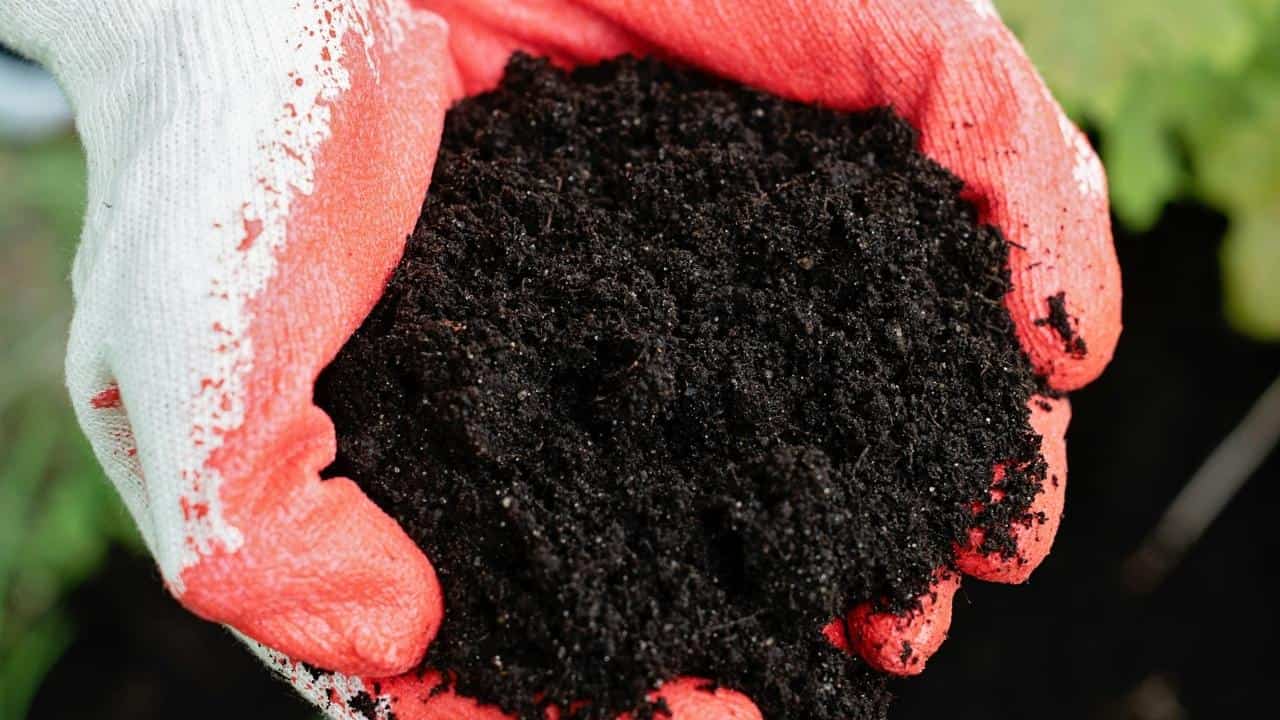
You might think your plants need water, but the soil tells the real story. Checking soil moisture with your finger helps you know if watering is actually necessary.
Ignoring soil moisture can lead to overwatering or underwatering, both of which stress your plants.
Make it a habit to feel the soil before watering. This simple step prevents drought damage and keeps your garden healthier.
Ignoring early signs of plant stress
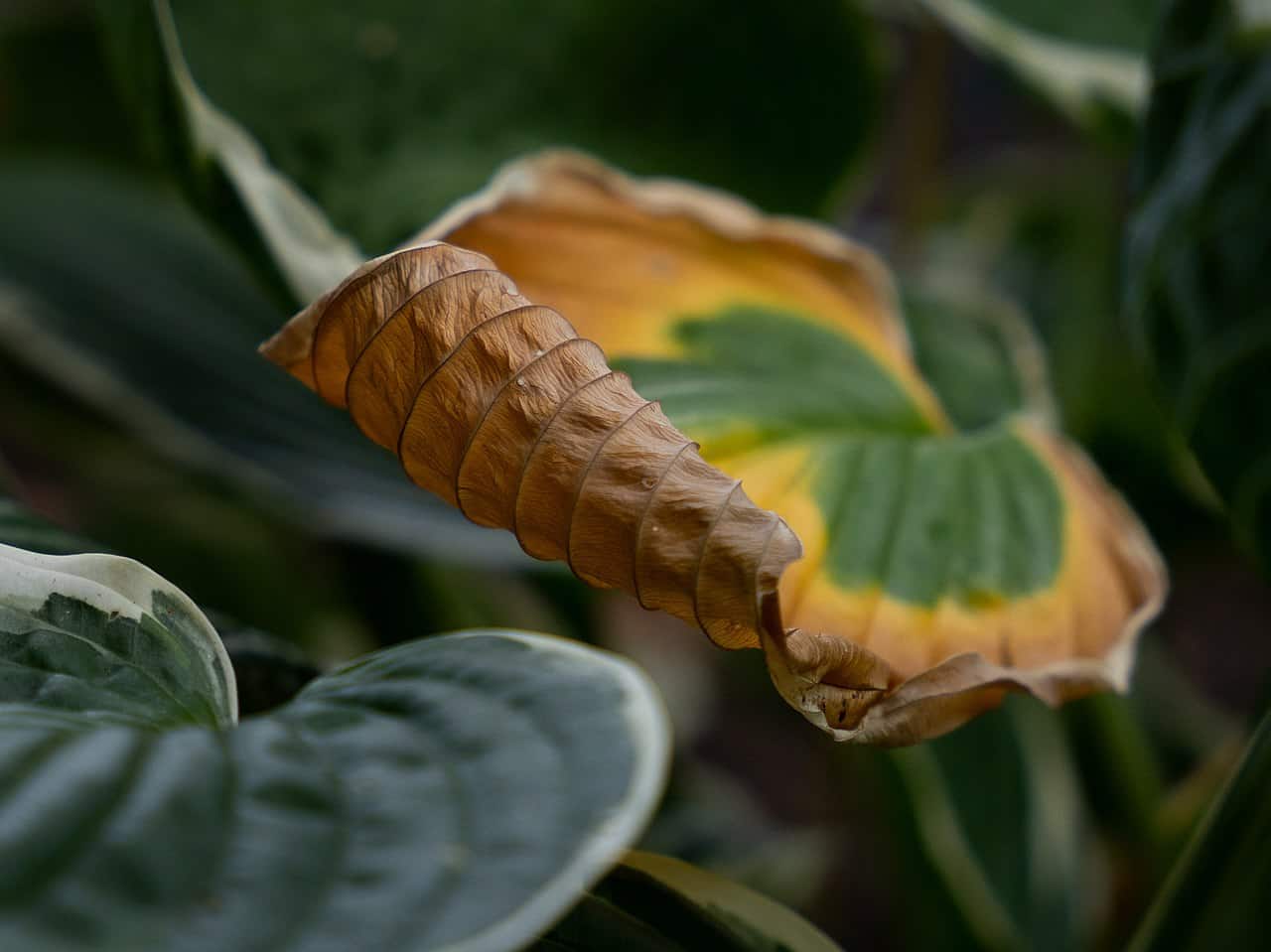
You might miss the first signs of drought stress if you don’t check your plants regularly. Look for wilting leaves, browning edges, or slow growth—these are your plant’s way of asking for water.
Acting quickly can help prevent long-term damage. Don’t wait until the leaves are dry and crispy to water. Early attention keeps your garden healthy and thriving.
Leaving exposed soil without mulch

If you leave soil exposed in your garden, it dries out faster and loses moisture quickly. This can stress your plants, especially during hot, dry periods.
Mulch acts as a protective layer, helping to keep the soil moist and cooler. It also reduces erosion and prevents weeds, which compete for water.
By adding mulch around your plants, you help your garden retain water and stay healthier through drought conditions.
Crowding plants increasing competition

When you crowd plants too closely, they compete for water, nutrients, and sunlight. This makes it harder for each plant to thrive.
With limited resources, plants may become weak and more vulnerable to drought stress.
Leaving enough space between plants helps them access what they need to stay healthy during dry spells. It also improves air circulation, reducing disease risk.
Failing to remove drought-damaged leaves

If you don’t remove drought-damaged leaves, your garden can struggle more than it needs to. These leaves won’t recover and may block light and air from reaching healthier parts of the plant.
Leaving dead foliage can also invite pests and diseases that take advantage of weakened plants. Taking a few minutes to prune or remove these leaves helps your garden heal and stay strong.
Planting water-loving species in dry areas
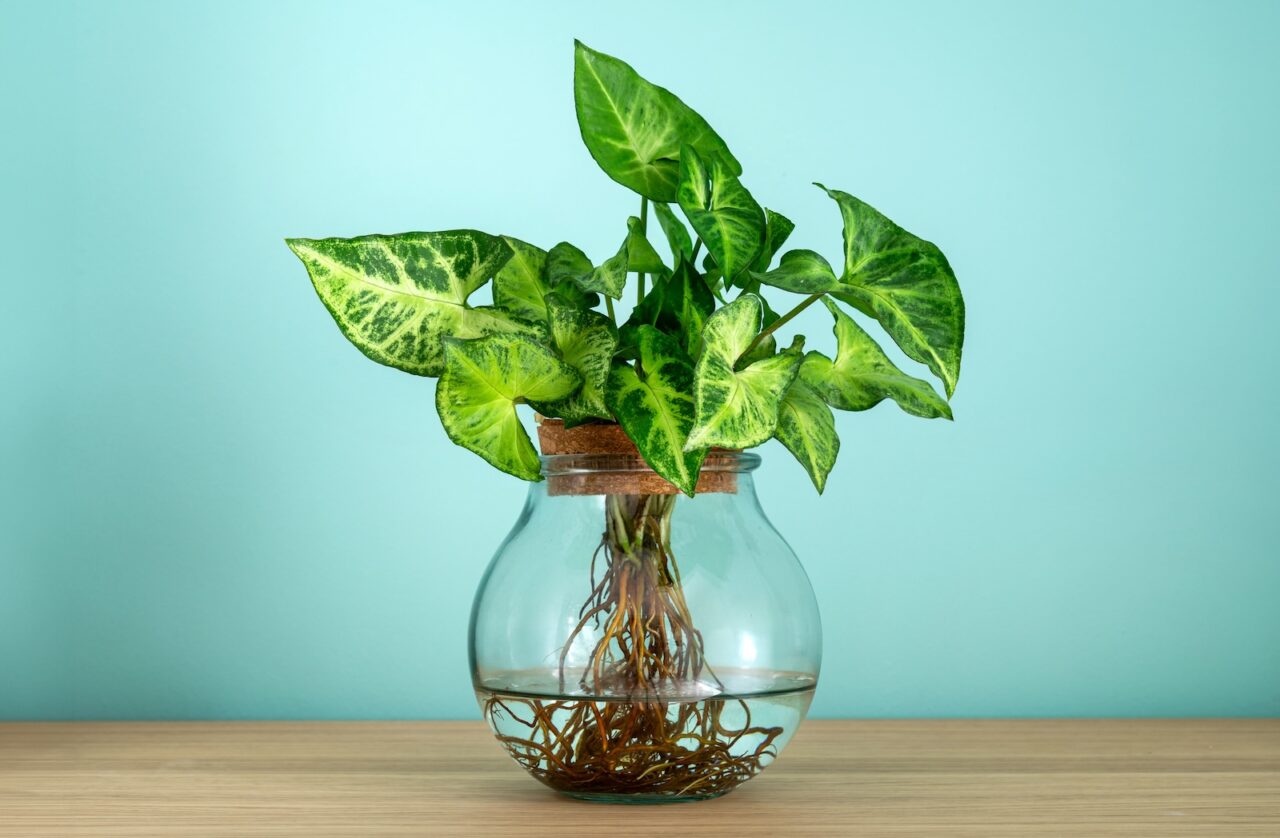
If you plant water-loving species in dry areas, your garden will need constant watering to keep them alive. This can quickly become unsustainable during droughts or dry spells.
Choosing plants suited for dry conditions helps reduce water waste and keeps your garden healthier. When water-loving plants struggle, they become more prone to disease and damage.
Instead, look for drought-tolerant plants that thrive with less water. This choice will save time and effort while protecting your garden from drought stress.
Neglecting to adjust watering with weather changes

You need to change your watering routine as the weather shifts. Plants require less water during cooler, rainy days and more when it’s hot and dry.
Ignoring seasonal changes can lead to overwatering or underwatering. This stresses your garden and can increase drought damage.
Pay attention to rainfall and temperature. Adjust how often and how much you water to help your plants thrive.
Allowing mulch to touch shrub bases

When mulch directly contacts the base of your shrubs, it traps moisture around the stems. This creates a damp environment that can lead to rot and disease, weakening your plants over time.
You want to keep mulch a few inches away from shrub bases. This lets air circulate, helping the stems stay dry and healthy.
Shaping mulch in a donut form around each shrub is an easy way to protect roots while avoiding these problems.
Ignoring weed invasions in drought-stressed lawns

When your lawn is drought-stressed, weeds take advantage of the weakened grass. You might notice crabgrass and broadleaf weeds spreading quickly.
Ignoring these invaders can make recovery harder. Weeds compete with your grass for water and nutrients. It’s best to address them early to protect your lawn’s health.