Creating a home that feels calm, organized, and truly yours can be easier than you think. By adopting simple rules focused on reducing clutter and focusing on what matters, you can transform your living space into a peaceful retreat.
These 16 minimalist rules provide clear guidance to help you simplify your home and daily routines, making your space more functional and enjoyable. You don’t need to overhaul everything at once—small changes can lead to big improvements in how you live.
Advertisement
Designate a home for every item to prevent clutter
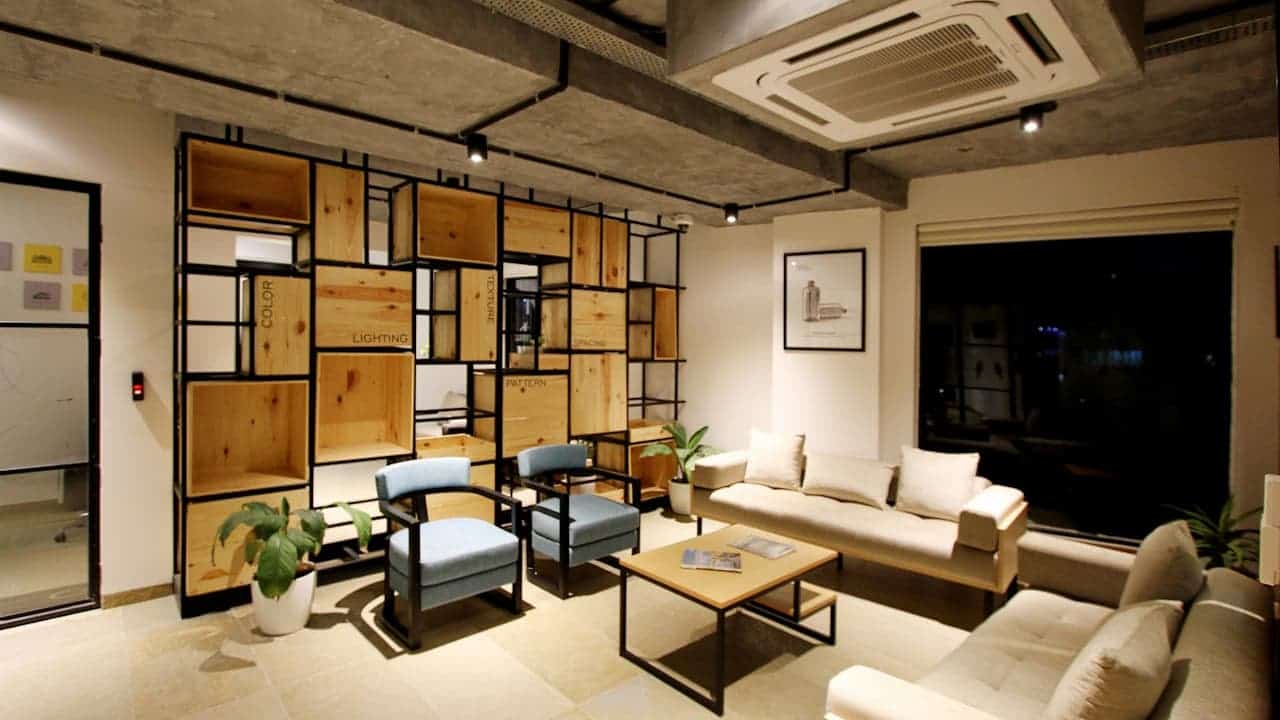
You can keep your space tidy by giving each item a specific place. When everything has a home, it’s easier to put things away quickly.
Without a designated spot, items tend to pile up on surfaces and create clutter.
Try to assign a consistent location for each thing you own. This simple habit helps you maintain order daily.
Store items vertically to maximize space.
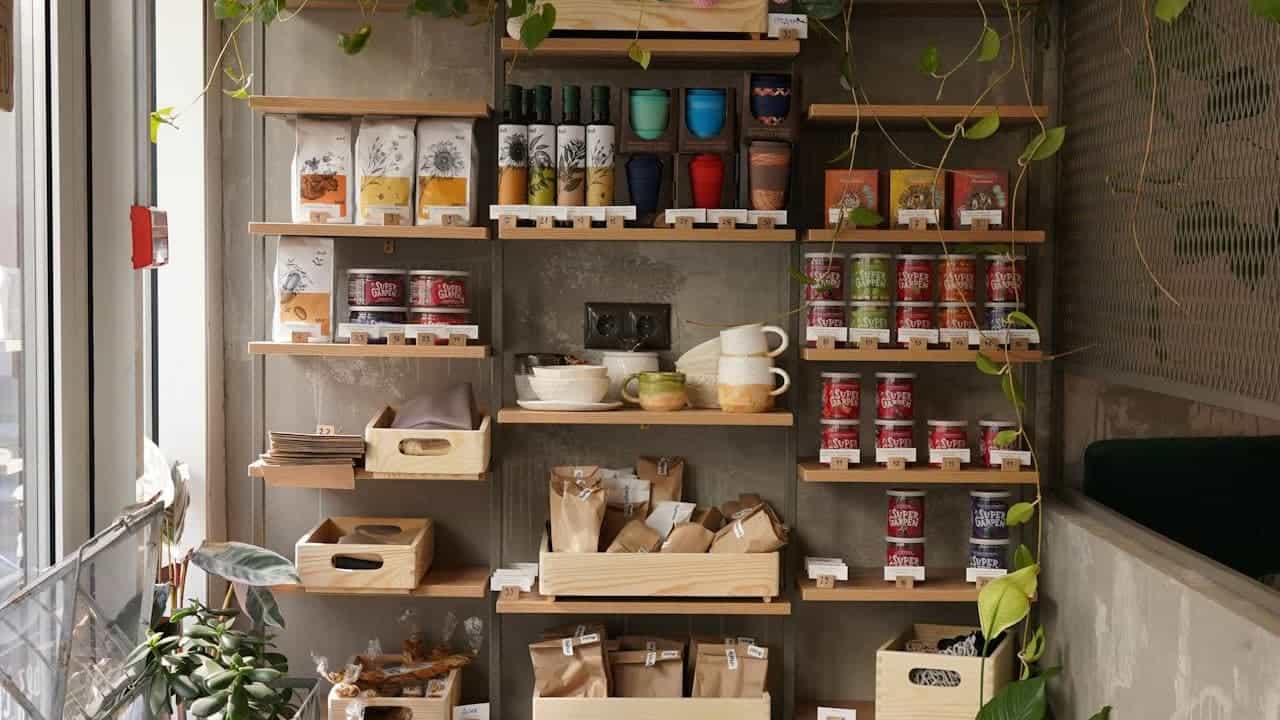
You can save a lot of room by thinking upward instead of outward. Using wall-mounted shelves or tall bookcases lets you keep items organized without cluttering your floor.
Try adding a leaning ladder or floating shelves to display books, plants, or blankets. These options keep things accessible and add a bit of style to your space.
Look for furniture that doubles as storage, like benches or ottomans. This way, you use every inch wisely and keep your home feeling open.
Automate daily tasks to save time and energy

You can simplify your routine by automating everyday chores. Small changes like setting up a programmable coffee maker or smart lighting can free up your time.
Automating reduces decision fatigue, letting you focus on what matters most. You don’t have to do everything manually, and this helps keep your space more organized and less cluttered.
Try automating reminders for bills or household maintenance. These small steps add up, making your home life smoother and more efficient.
Focus on the 20% effort that yields 80% of results

You don’t need to do everything to see big changes in your home. Focus on the 20% of actions that create 80% of the impact.
This could mean decluttering key spaces or organizing daily-use items first. When you prioritize what truly matters, your home feels simpler and more manageable without overwhelming effort.
Small, consistent efforts in the right areas make your minimalist lifestyle easier and more effective.
Choose quality pieces over quantity in furniture
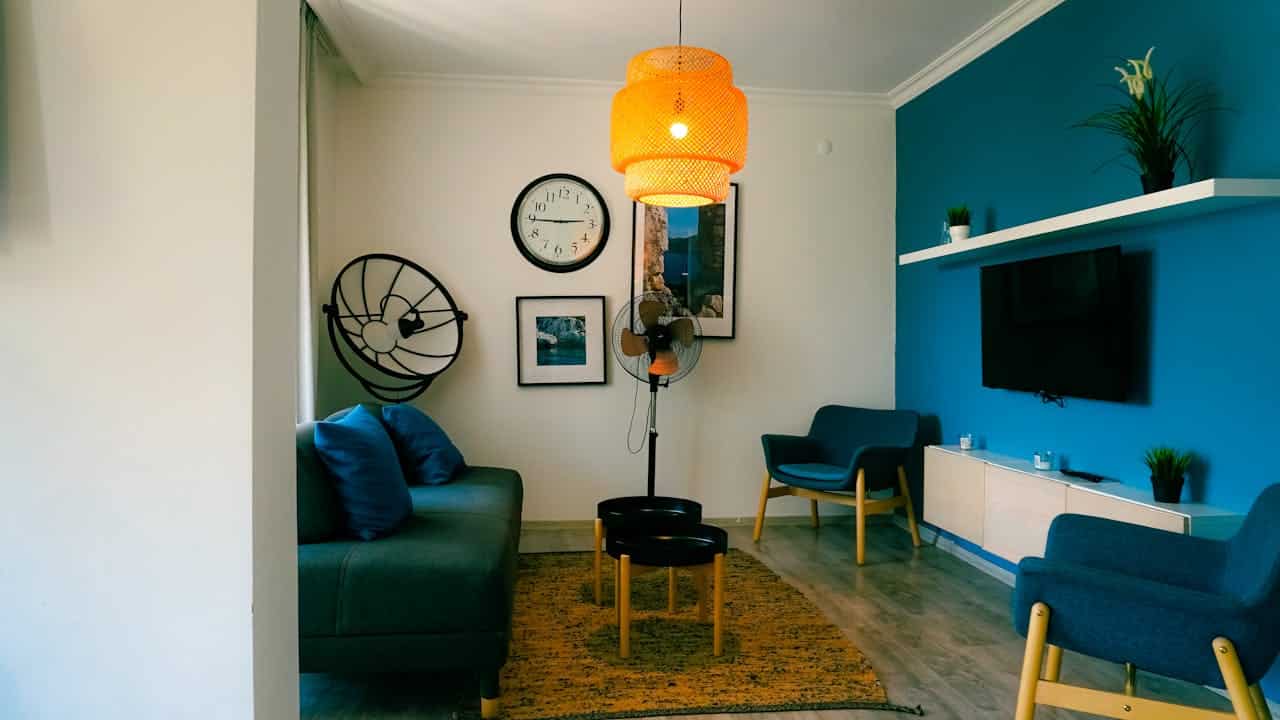
When you pick furniture, focus on quality rather than buying many items. High-quality pieces last longer and keep your space looking polished.
Choose timeless designs and durable materials that suit your style. This way, you spend less time replacing items and more time enjoying your home.
Investing in fewer, well-made pieces helps create a calm, balanced atmosphere. Your home feels more organized and welcoming when everything has a clear purpose.
Incorporate hidden storage solutions wherever possible
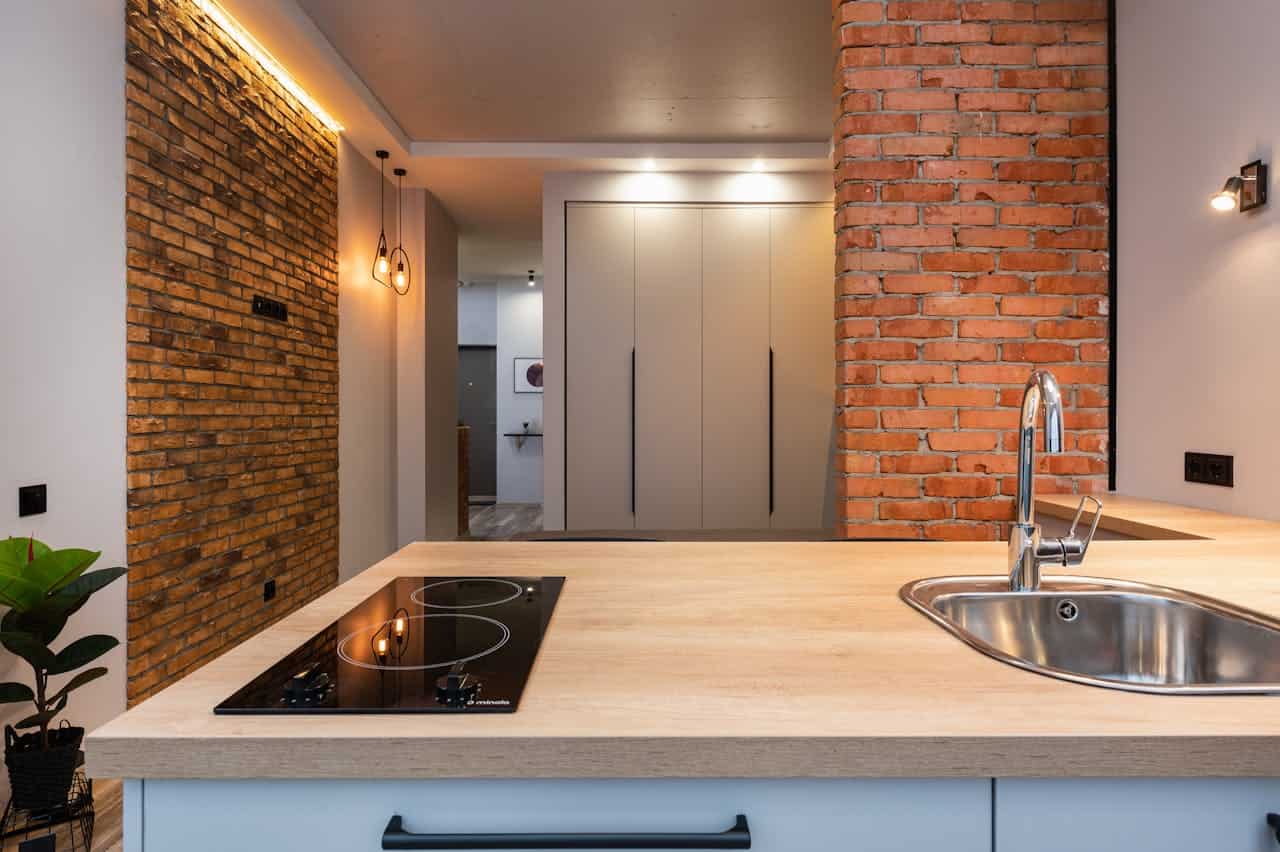
You can keep your space tidy by using hidden storage in everyday furniture. Think of ottomans with compartments or benches that lift up to reveal extra room.
Under-bed storage is another great option to hide away items without cluttering your space.
Try furniture that serves more than one purpose, like a bookshelf that doubles as a secret door or stairs with built-in storage compartments. This way, you maintain a minimalist look without sacrificing function.
Use brighter colors to create a sense of openness
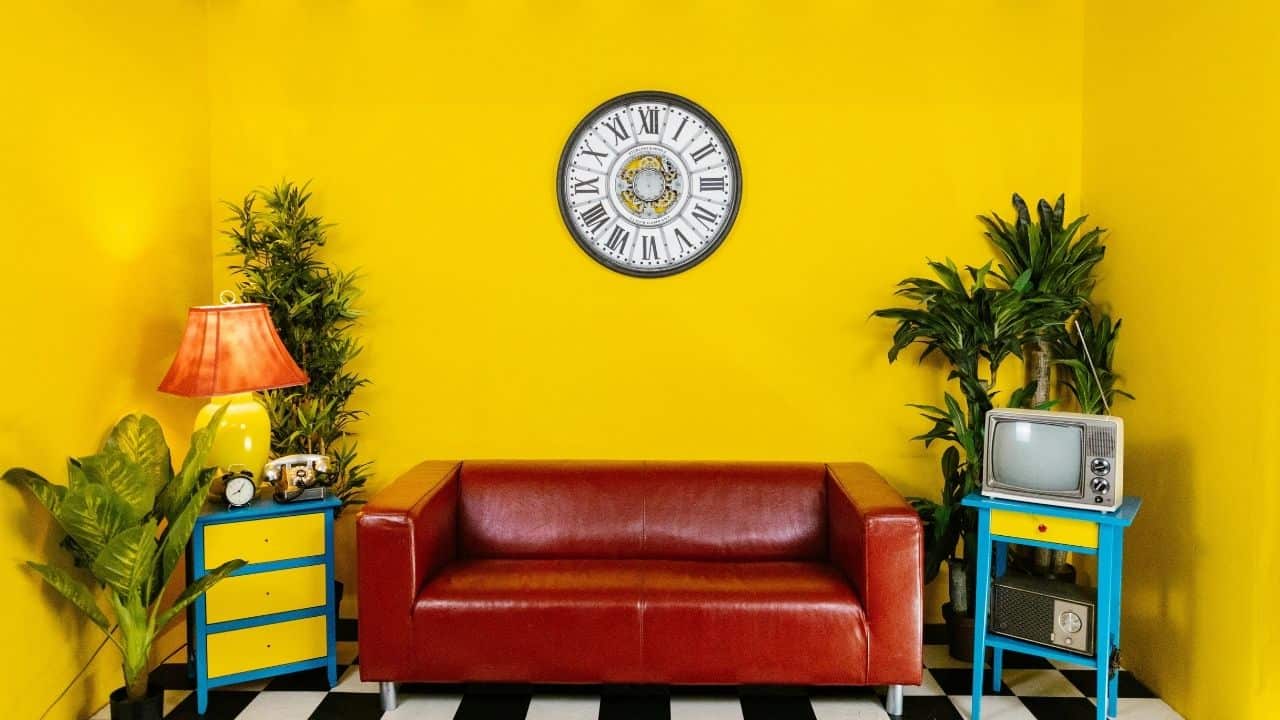
Adding brighter colors to your space can make it feel more open and airy. Light tones reflect natural light, helping your rooms appear larger and more inviting.
You don’t need to use bright colors everywhere. Try incorporating them as accents on a wall, cushions, or artwork to lift the overall mood without overwhelming your minimalist style.
Bright colors can define different zones in open layouts, making each area stand out while keeping a clean, simple look.
Limit your wardrobe with the Project 333 challenge

You focus on keeping only 33 items of clothing for three months. This includes everything except underwear, workout clothes, and accessories.
The goal is to simplify your choices and find joy in what you already own. You learn to mix and match and wear your favorite pieces more often.
It helps reduce clutter and makes getting dressed easier. Plus, you might discover a more intentional way to shop and care for your clothes.
Avoid impulse buying unless there is a place for the item.

Before you buy something on a whim, check if you have space for it in your home. If there’s no clear spot or use, it’s a sign to pause.
Impulse items often clutter your space without adding value. When you wait and plan, you can decide if the purchase truly fits your lifestyle.
Create a habit of reflecting on how each new item fits into your existing space. This keeps your home organized and aligned with minimalist goals.
Keep surfaces clear except for a few meaningful objects
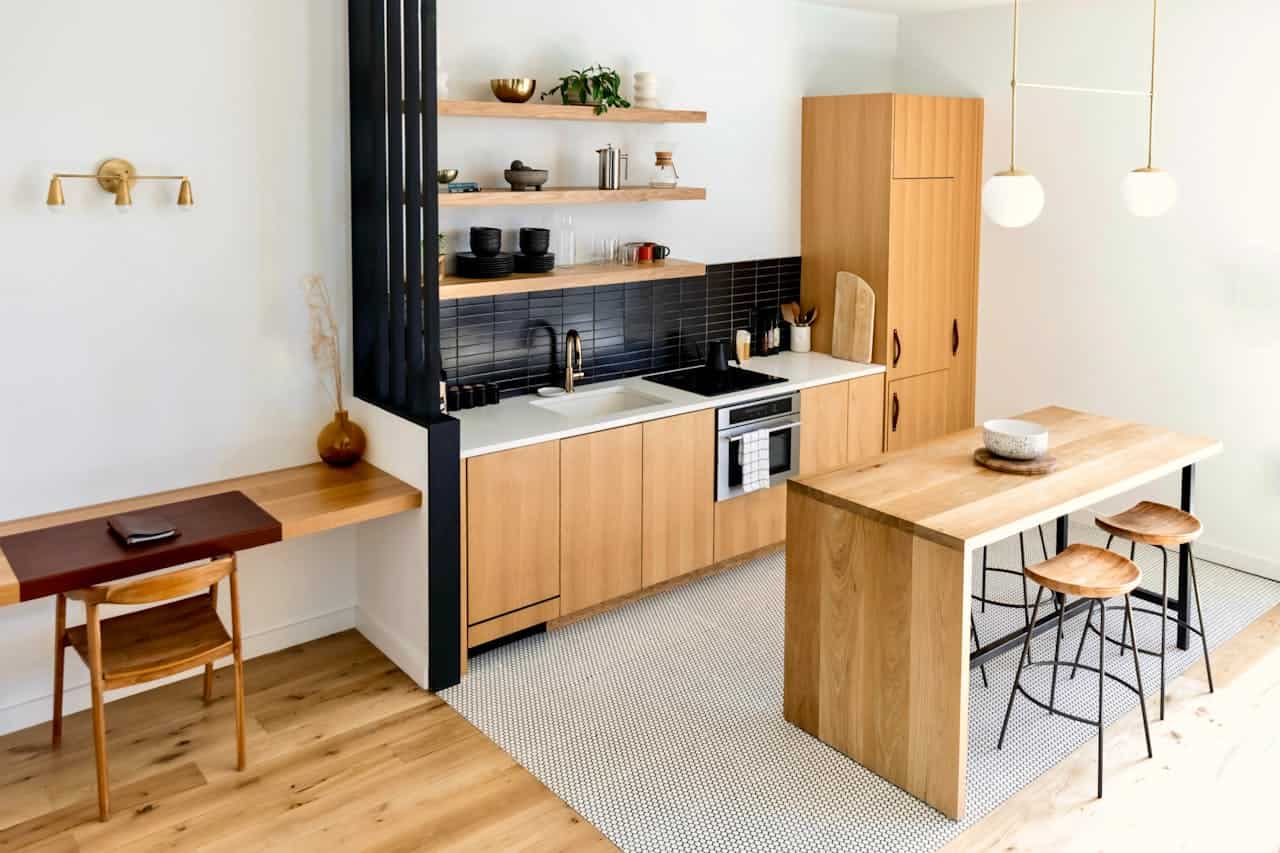
You want your surfaces to feel open and calm. Keeping them mostly clear helps create a sense of order in your home.
Choose a few objects that truly matter to you. It could be a favorite vase, a small stack of books, or a cherished photo.
These items add personality without clutter. This simple habit makes your space feel both inviting and organized.
Reimagine your home to fit your family’s real needs

You don’t need a perfect or magazine-ready home. Focus on what truly works for your family’s daily life.
Look at each space and decide if it serves a purpose. If not, consider how it could be adapted or simplified.
Prioritize comfort, functionality, and ease. When your home reflects your real needs, it becomes easier to keep organized and stress-free.
Adopt a ‘No Junk’ rule to regularly purge unused items
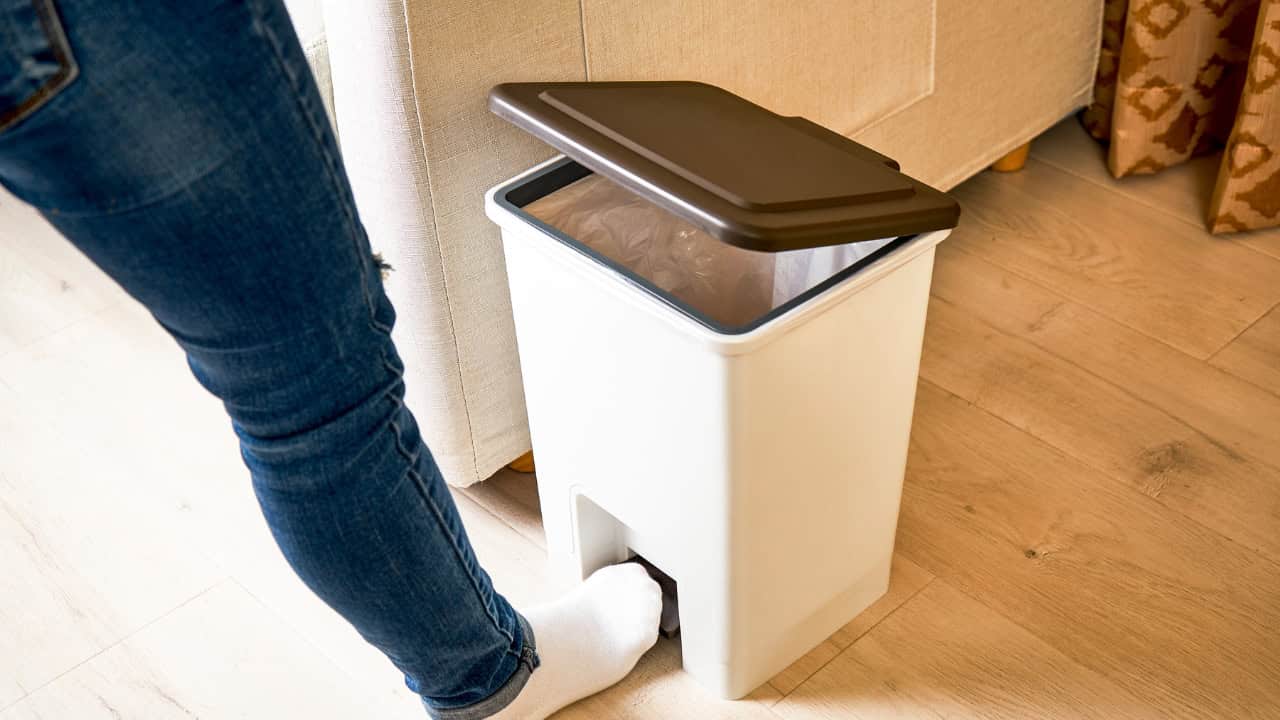
You can start by setting a simple rule: if something hasn’t been used or needed in a set time, it’s time to let it go. This helps keep clutter from building up unnoticed.
Regularly check your spaces for items that don’t serve a purpose. Donate, recycle, or toss them.
By doing this often, your home stays clearer, and you’ll feel less overwhelmed by stuff you don’t actually use.
Store seasonal items separately with a seasonality rule

You can keep your space clutter-free by storing seasonal items separately. The seasonality rule helps you decide what to keep accessible based on the current and upcoming seasons.
If you haven’t used an item in the past 90 days or won’t need it in the next 90, consider storing it away. This way, you only have what’s relevant out in your daily living space.
Only keep gifts and items that add value to your life
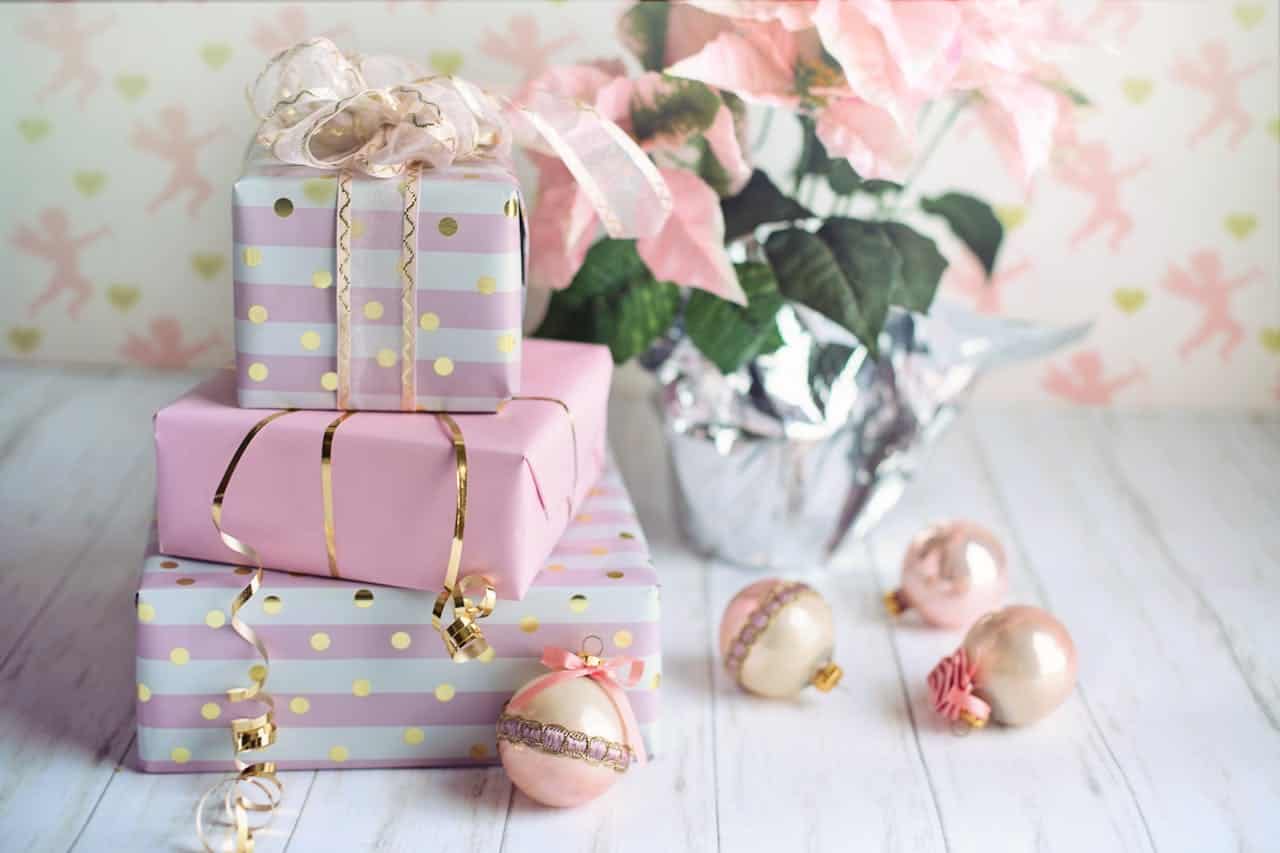
You don’t have to keep every gift or item if it doesn’t serve a purpose or bring you joy. It’s okay to let go of things that no longer fit your lifestyle or values.
Focus on having possessions that enhance your daily life. When something adds meaning, use, or happiness, it deserves a place in your home.
This mindset helps you create a space filled with intentional and valuable belongings, rather than clutter.
Replace multiples with multi-functional furniture

You can save space by choosing furniture that serves more than one purpose. A sofa bed or a coffee table with storage helps reduce clutter without sacrificing style.
Multi-functional pieces keep your home open and organized. They work well in small spaces by cutting down on the number of separate items you need.
Look for furniture that adapts to your lifestyle, like a desk that folds or a chair with hidden compartments. This makes your space more flexible and comfortable.
Simplify gift-giving by setting minimalist guidelines

You can make gift-giving less stressful by setting simple, clear guidelines. Focus on meaningful or useful gifts instead of many items.
Expressing gratitude for the thought behind gifts helps keep the experience positive. You might suggest limits like one gift per person or homemade presents.
This approach encourages everyone to give with intention and reduces clutter in your home. It also helps your loved ones focus on what truly matters.