Homeowners continually invest in landscaping to enhance the aesthetics of their property, boost curb appeal, and increase home value. However, not all landscaping projects are created equal. Some might actually lower your home’s value, making your investment more of a setback than a benefit.
Let’s take a look at 16 landscaping trends that, while they might seem attractive at first, can end up devaluing your precious property in the long run.
Advertisement
1. Overgrown Gardens
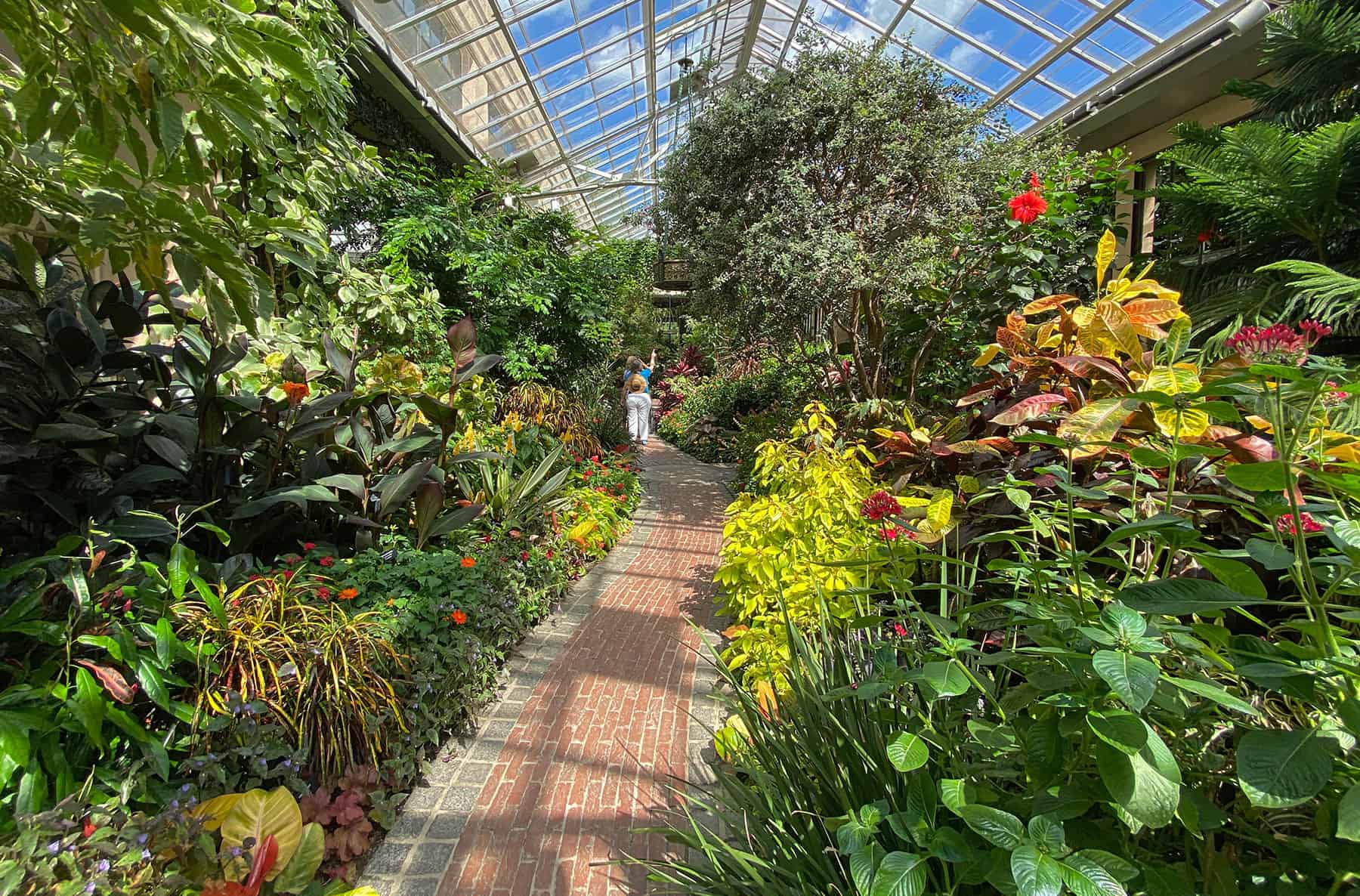
While a lush, green garden can be appealing to the eye, an overgrown one sends a different message. It suggests neglect, potential pest problems, and, most importantly, a lot of work to potential buyers.
Instead, opt for a well-manicured garden. It doesn’t have to be overly elaborate. A well-maintained lawn, some tastefully placed flower beds, and a few healthy trees are enough to improve your property’s curb appeal without overwhelming potential buyers.
2. Excessive Lawn Ornaments
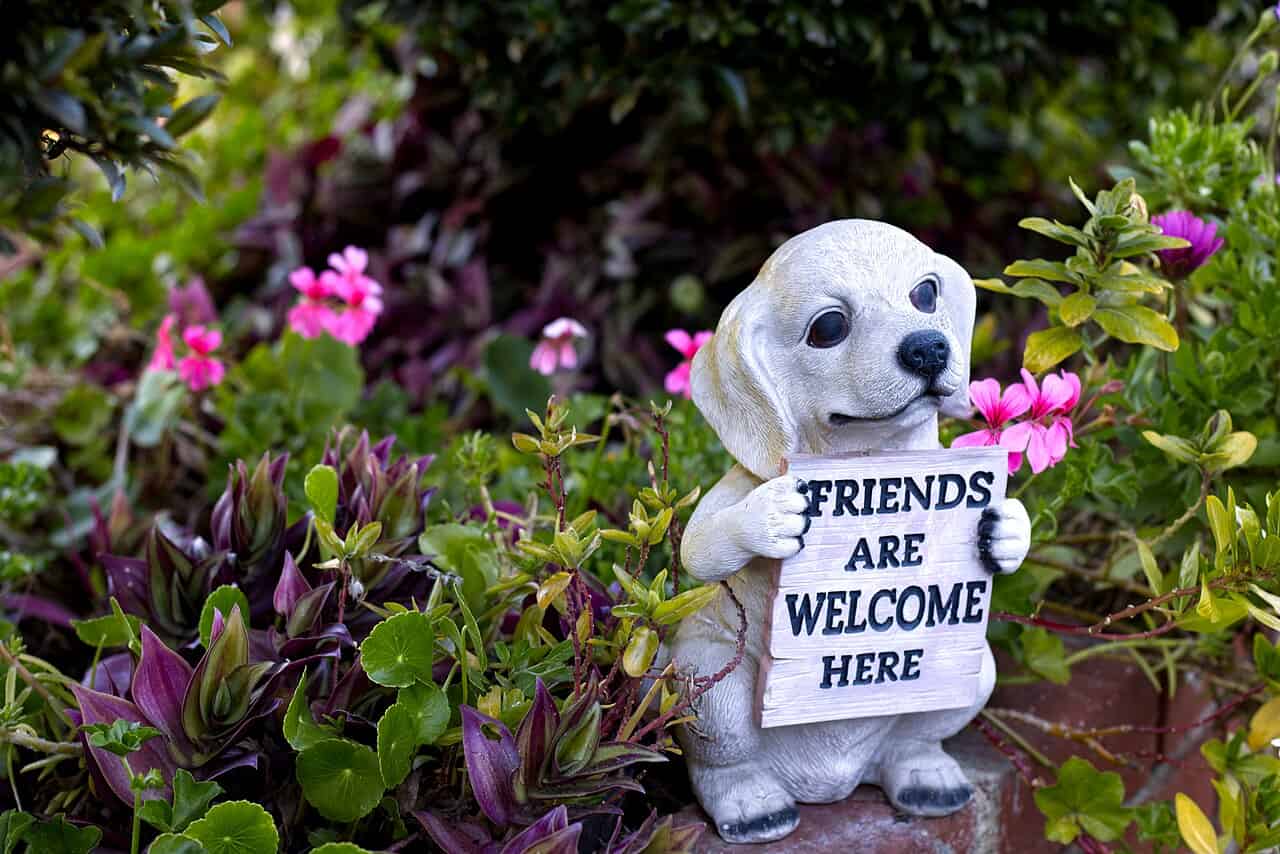
Lawn ornaments can add a touch of personality to your garden. However, too many can make your lawn look cluttered, chaotic, and unattractive, reducing your property’s value.
Instead of filling your lawn with ornaments, choose a few meaningful pieces that complement your landscaping. Remember, less is more. A few tastefully placed ornaments can highlight the beauty of your garden, rather than distract from it.
3. Unkempt Trees

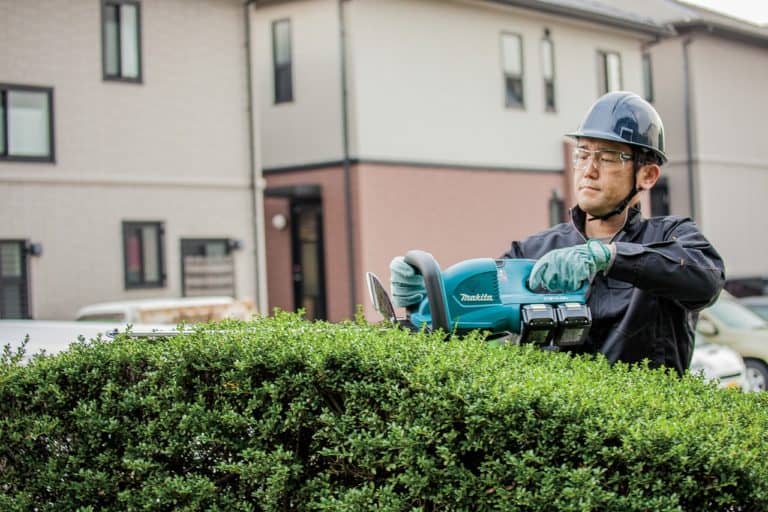
Trees can add significant value to your property. However, unkempt trees can pose a safety risk, potentially damaging the property and lowering its value.
Ensure that your trees are well-maintained. Regular pruning can prevent branches from damaging your property or posing a safety risk. Additionally, it’s important to monitor your trees for disease or pest infestations, as these can also lower your property’s value.
4. Invasive Plant Species

Invasive plant species may seem attractive, but they can quickly overrun your garden, crowding out native plants and disrupting local ecosystems.
Avoid planting invasive species in your garden. Instead, choose native plants that are adapted to your local climate and soil conditions. Not only are these more likely to thrive, but they also require less maintenance, saving you time and money.
5. Overly Complicated Landscaping
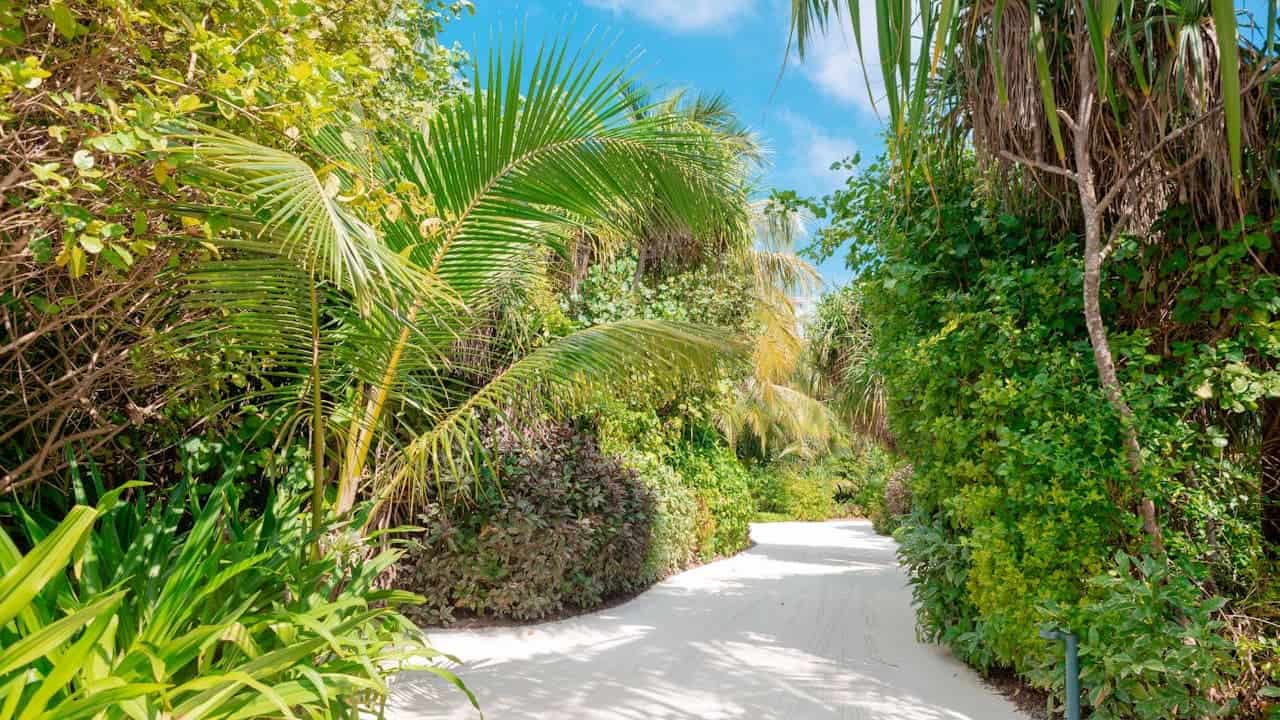
A garden with complex landscaping may seem impressive, but it can also seem overwhelming. Potential buyers may see it as too much work and maintenance.
Keep your landscaping simple and elegant. Choose plants that are easy to maintain and create a balanced, harmonious design. This can increase your property’s appeal and value.
6. Neglected Water Features

Water features can add serenity and beauty to a garden. However, if not properly maintained, they can become breeding grounds for insects and algae, reducing your property’s value.
Ensure that your water features are well-maintained. Clean them regularly and make sure they’re functioning properly. If a water feature is beyond repair, consider removing it altogether.
7. Incorrectly Installed Landscaping

Incorrectly installed landscaping can lead to numerous problems, from poor drainage to plant health issues. This can significantly reduce your property’s value.
Ensure that your landscaping is installed correctly. This includes proper grading for drainage, the right soil for your plants, and proper planting techniques. If you’re unsure, consider hiring a professional landscaper.
8. Lack of Privacy
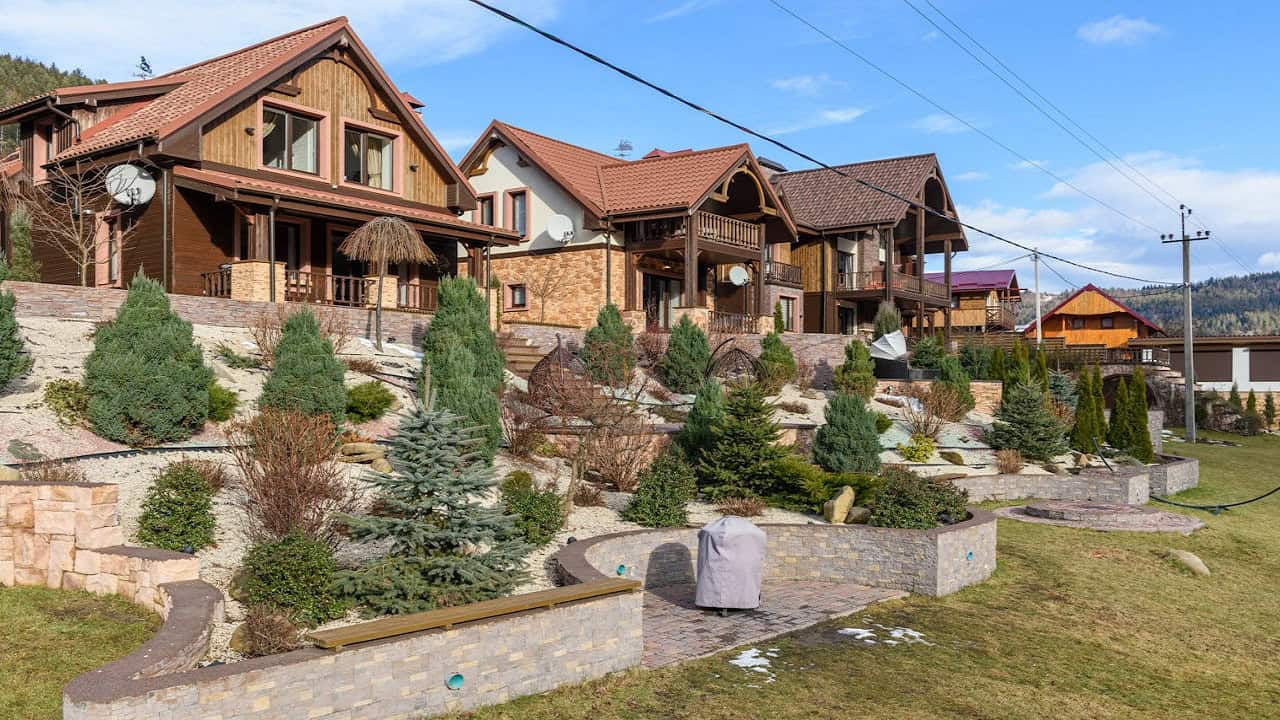
A lack of privacy can significantly reduce your property’s value. This includes having a garden that is too open to the street or neighbors.
Consider incorporating elements that increase privacy, such as fences, hedges, or trees. These can enhance your property’s value by creating a more private, secluded space.
9. High-Maintenance Plants
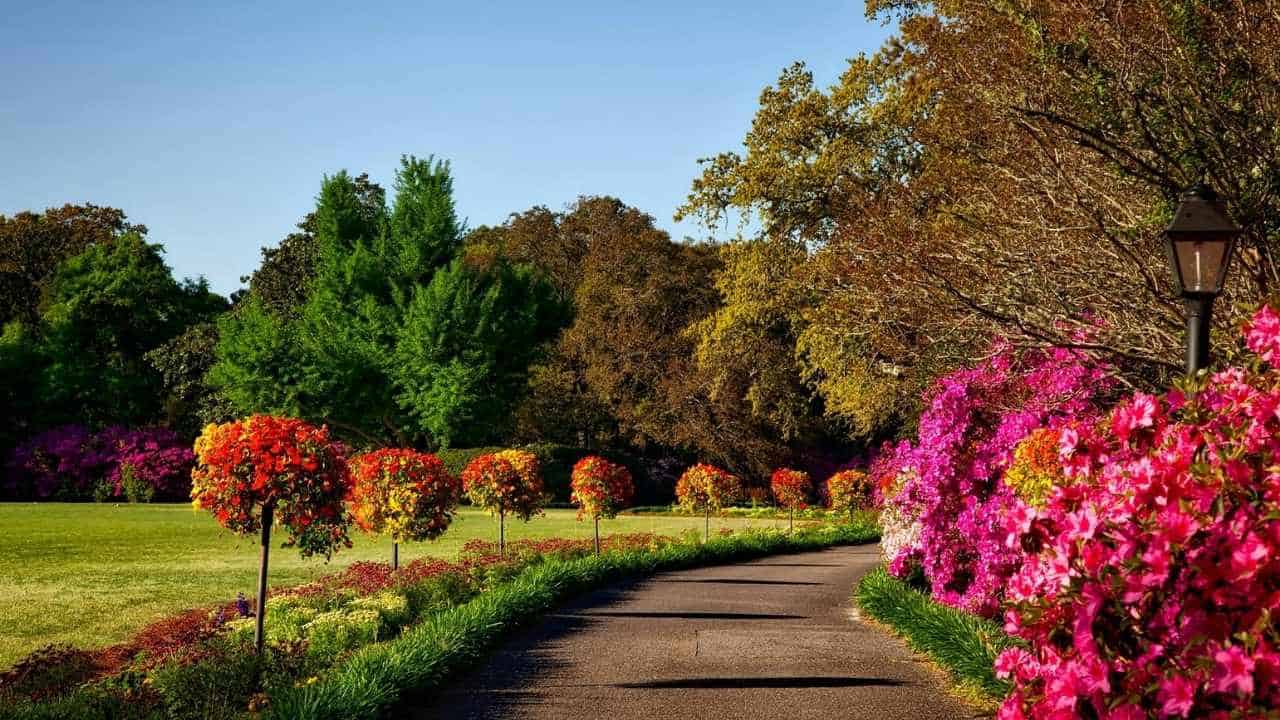
High-maintenance plants can be a turn-off for potential buyers. They may see them as too much work and expense.
Choose plants that are easy to maintain and suited to your local climate. This can save you time and money and increase your property’s value.
10. Poor Landscape Lighting

Poor landscape lighting can make your property appear uninviting and less secure, reducing its value.
Invest in quality landscape lighting. Not only can it enhance your property’s appearance, but it can also improve safety and security.
11. Synthetic Lawn
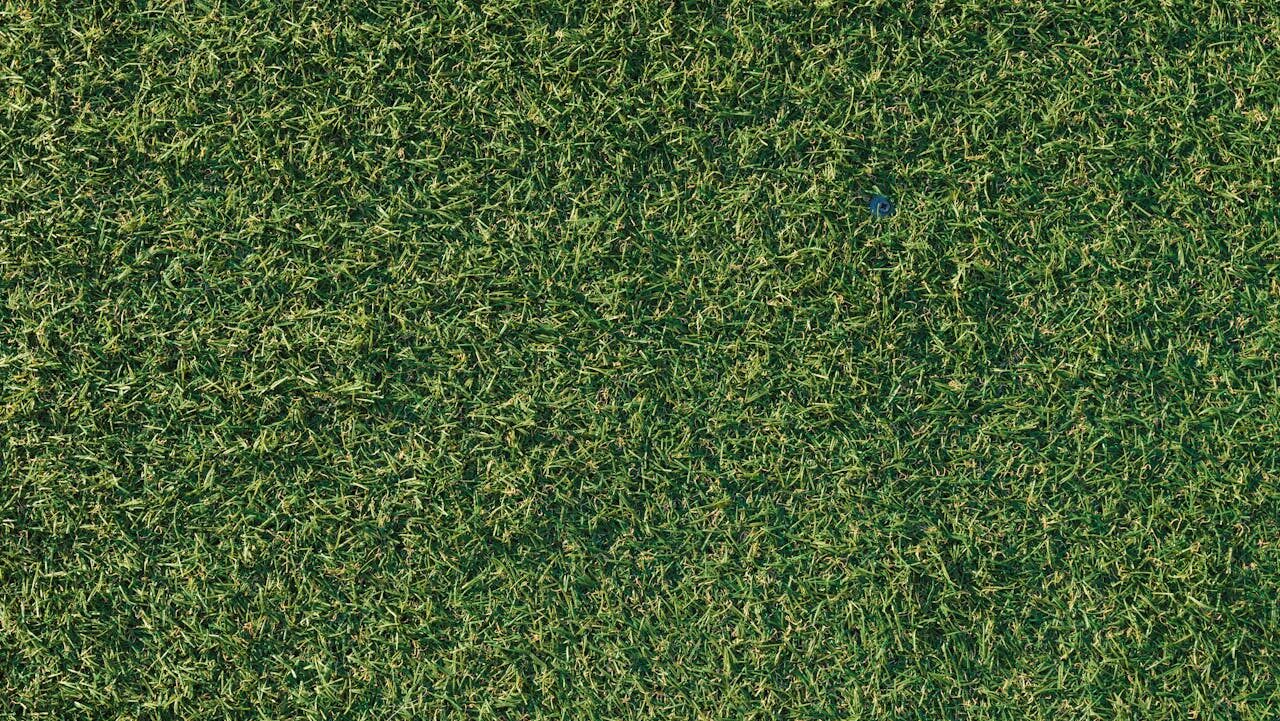
While synthetic lawns require less maintenance, they can also reduce your property’s value. Many potential buyers prefer natural grass.
Consider investing in a natural lawn. Not only is it more attractive, but it can also enhance your property’s value.
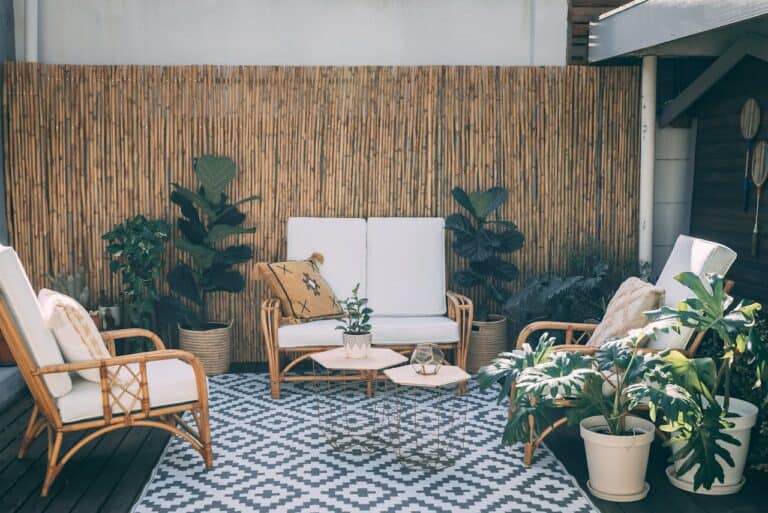
12. Lack of Outdoor Living Space
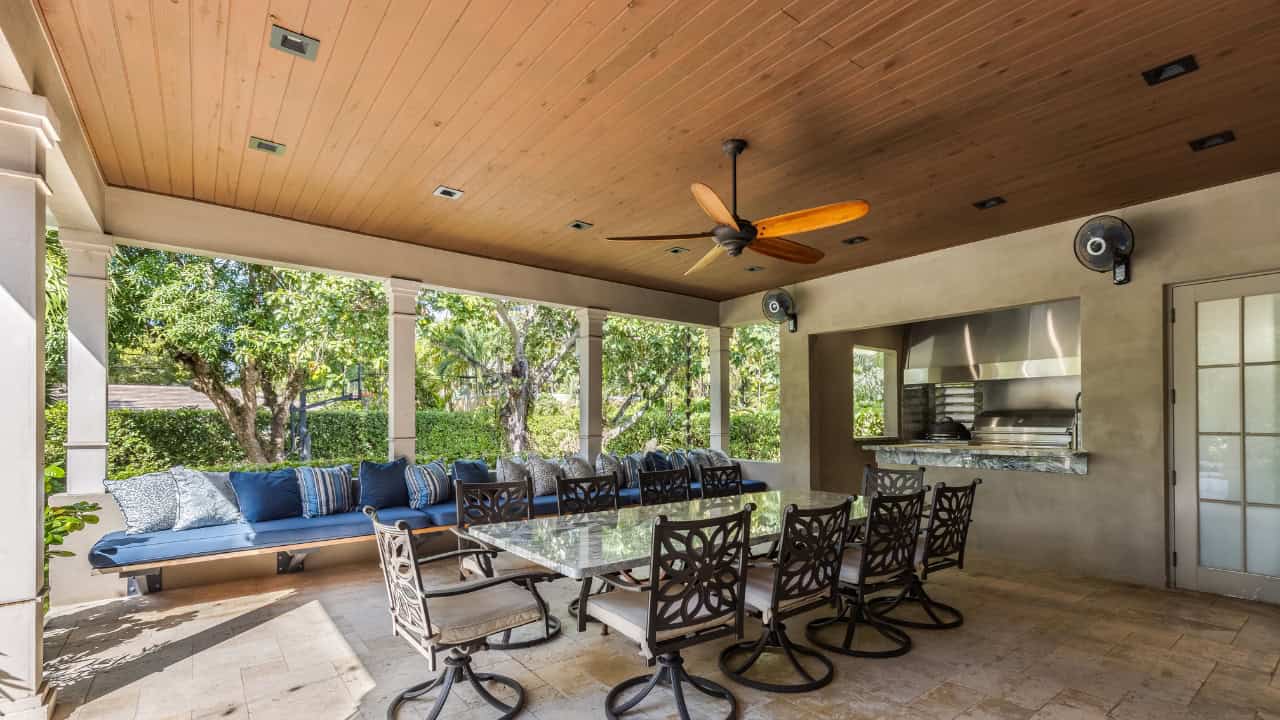
A lack of outdoor living space can reduce your property’s value. This includes not having areas for seating or dining.
Consider incorporating outdoor living spaces into your landscaping. This could be a deck, patio, or even a simple seating area. These can enhance your property’s value by increasing its usable space.
13. Monoculture Landscaping
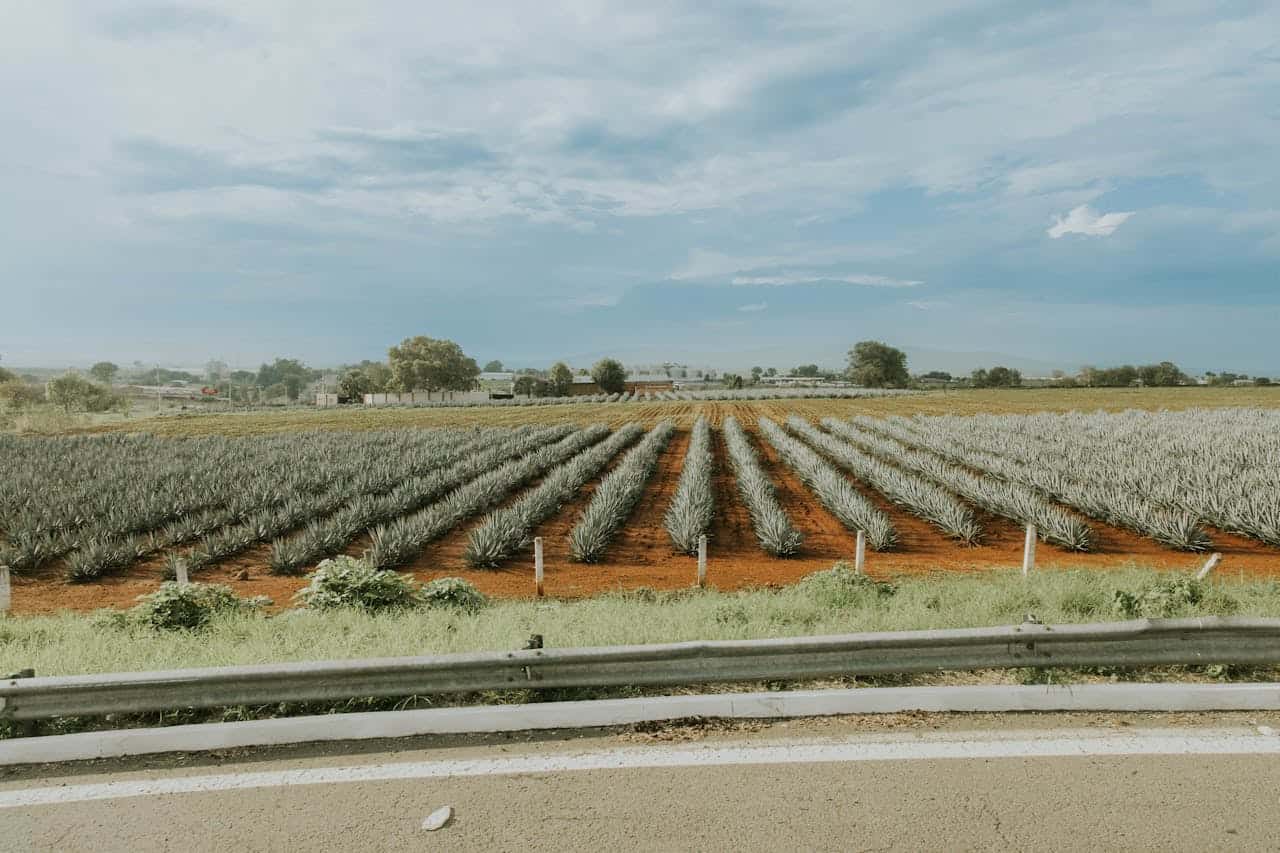
Monoculture landscaping, or the practice of planting only one type of plant, can reduce your property’s value. It can make your garden look boring and lack biodiversity.
Incorporate a variety of plants into your landscaping. This can create a more interesting, attractive garden and increase your property’s value.
14. Overuse of Pesticides

The overuse of pesticides can harm the local ecosystem and reduce your property’s value. Potential buyers may be concerned about the health risks associated with pesticide use.
Use pesticides sparingly, if at all. Consider natural pest control methods, such as companion planting or introducing beneficial insects.
15. Neglected Garden Beds

Neglected garden beds can reduce your property’s value. Potential buyers may see them as a sign of neglect and potential maintenance issues.
Keep your garden beds well-maintained. This includes regular weeding, mulching, and replanting as necessary.
16. Incorrectly Placed Plants
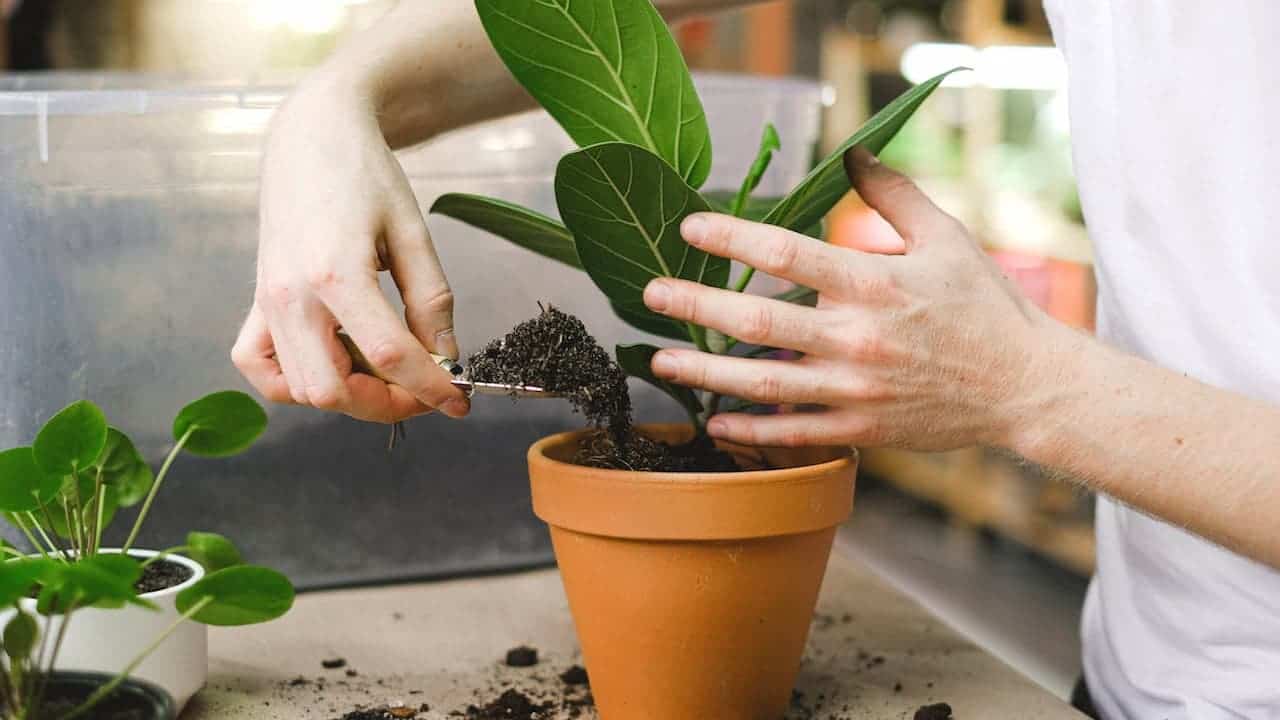
Incorrectly placed plants can lead to numerous problems, from blocked views to structural damage. This can significantly reduce your property’s value.
Ensure that your plants are placed correctly. This includes considering their mature size, sunlight requirements, and potential impact on your property.
In conclusion, while landscaping can increase your property’s value, not all landscaping trends are beneficial. Be mindful of these potential pitfalls to ensure your landscaping enhances, rather than detracts from, your property’s value.