We’ve all heard them – those old wives’ tales and urban myths that supposedly hold the secret to a perfect landscape. Some may sound plausible, while others are downright absurd. Yet, many of us fall for them, wasting precious time and energy on ineffective practices. This blog post aims to debunk 16 common landscaping myths that may be costing you valuable time. So, let’s dig in and expose the truth behind these misguided notions.
1. “Watering In The Middle Of The Day Will Burn My Plants”
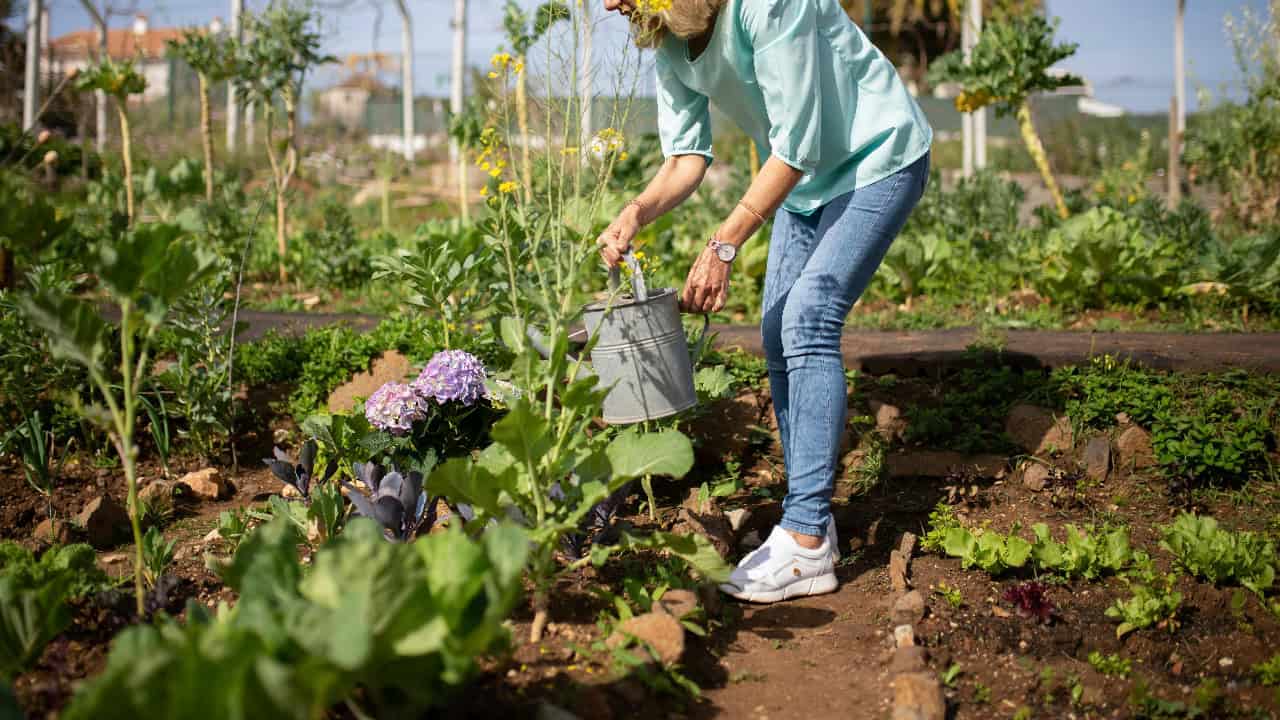
Contrary to popular belief, watering your plants in the midday sun won’t ‘burn’ them. This myth stems from the idea that water droplets act like tiny magnifying glasses, focusing the sun’s rays and scorching your plants. However, several studies have debunked this theory, proving that plants can be watered at any time of day without fear of ‘burning.’ That said, watering in the early morning or late evening is still generally better as it reduces evaporation and ensures that your plants get the most benefit from the water you provide.
Advertisement
2. “More Fertilizer Means More Growth”
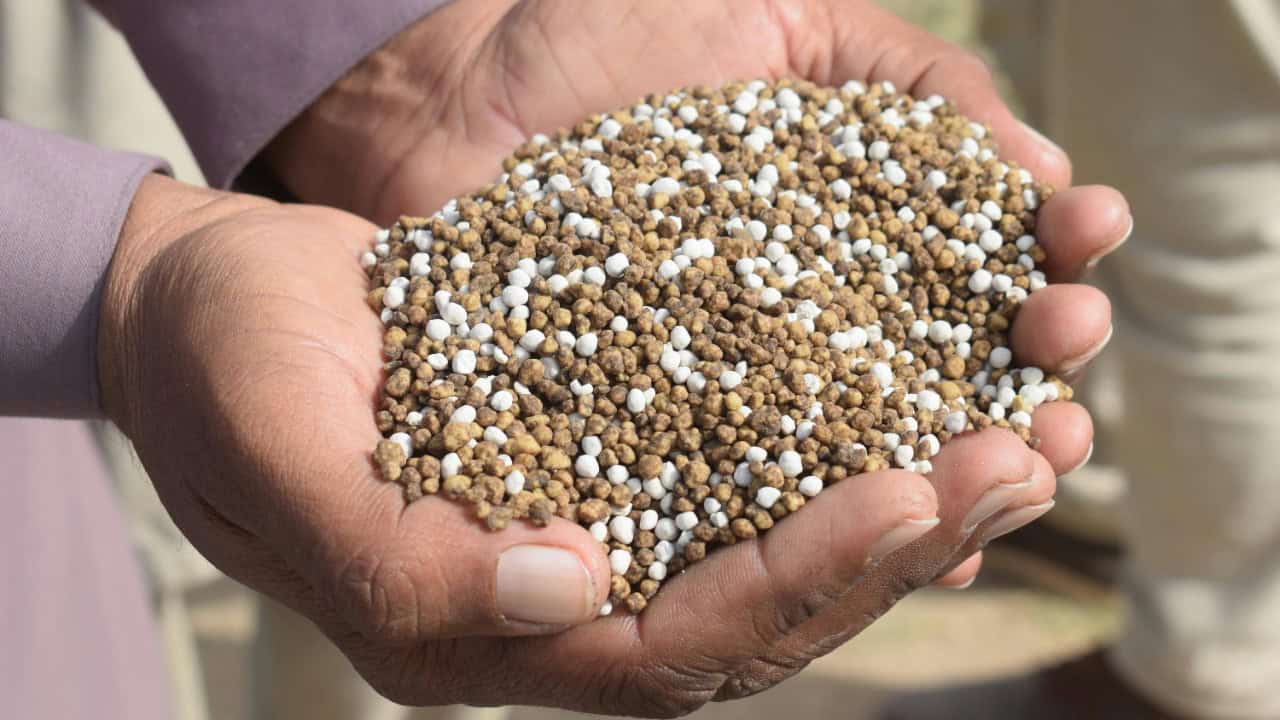
While it’s true that plants need nutrients to grow, too much of a good thing can be harmful. Over-fertilizing can result in excessive, weak growth that’s more susceptible to disease and pests. It can also damage the soil’s health, making it harder for plants to absorb the nutrients they need. Instead of over-fertilizing, it’s better to feed your plants little and often, using a balanced fertilizer that provides all the nutrients they need.
3. “The More Sun, The Better”
While many plants need full sun to thrive, not all do. In fact, too much sun can be just as damaging as too little. Plants that are adapted to shade or partial shade will suffer in full sun, becoming scorched and stressed. Always check the light requirements of your plants before placing them in your garden. If you’re unsure, a good rule of thumb is to provide morning sun and afternoon shade, which suits most plants.
4. “Newly Planted Trees Need Staking”
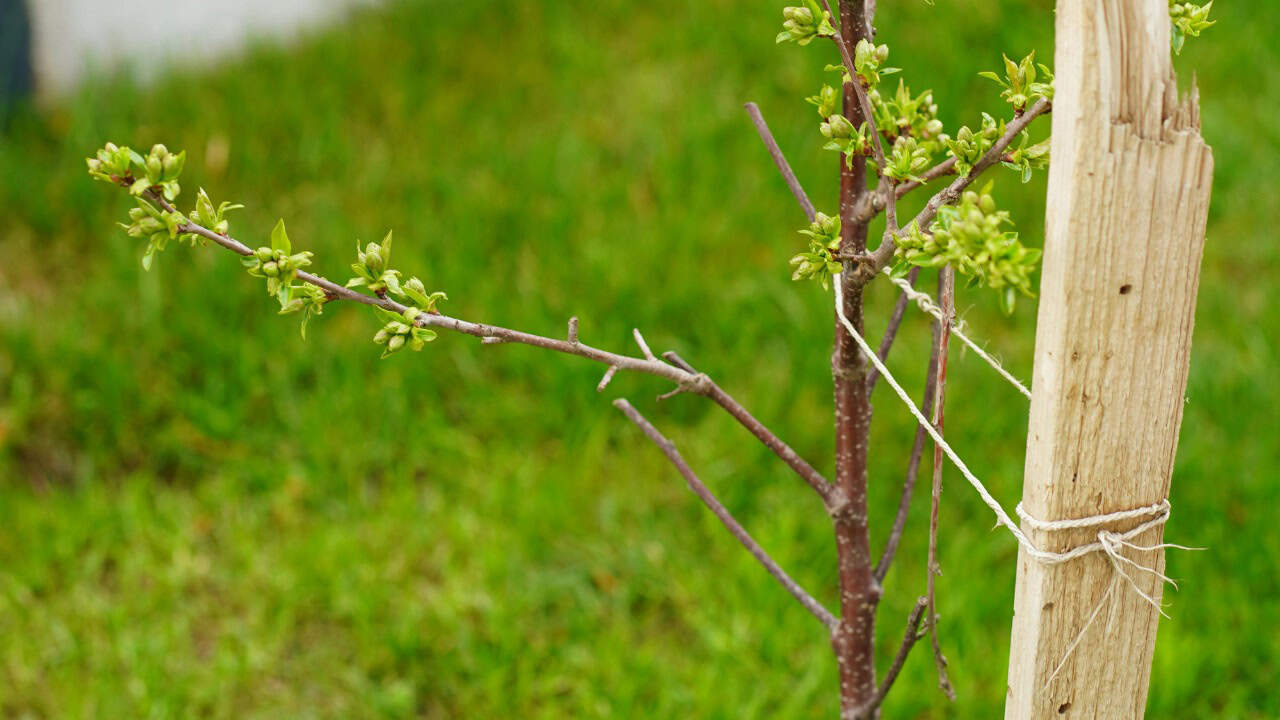
Though staking can be beneficial for some young trees, not all newly planted trees need it. In fact, unnecessary staking can hinder a tree’s development, preventing it from developing a strong, supportive root system. If you do need to stake a tree, make sure to do it loosely and remove the stakes after one year to allow the tree to grow naturally.
5. “Leaves Left On The Lawn Over Winter Will Kill The Grass”
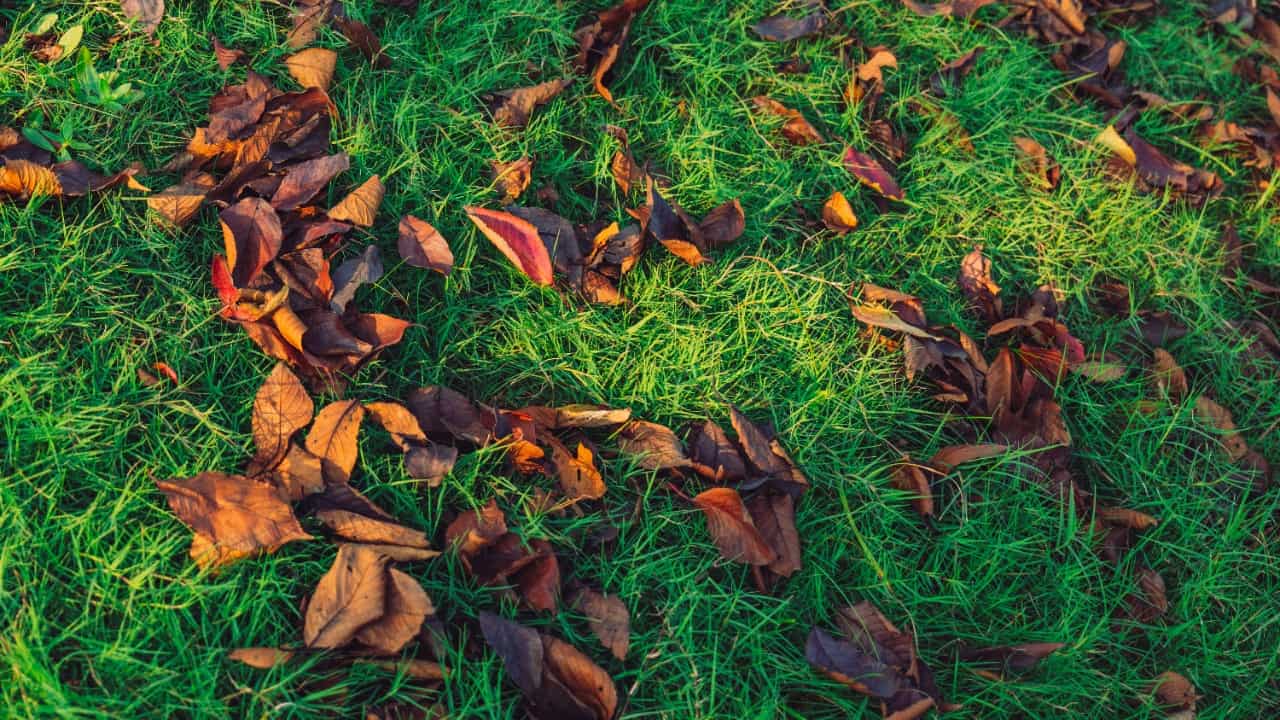
It’s a common belief that leaves left on the lawn over winter will kill the grass underneath. In reality, a thin layer of leaves can actually benefit your lawn, providing a natural mulch that protects the grass from frost and adding nutrients to the soil as they decompose. However, a thick layer of leaves can block light and water, so it’s wise to rake heavy leaf fall into a thin layer or compost it separately.
6. “Grass Clippings Cause Thatch”
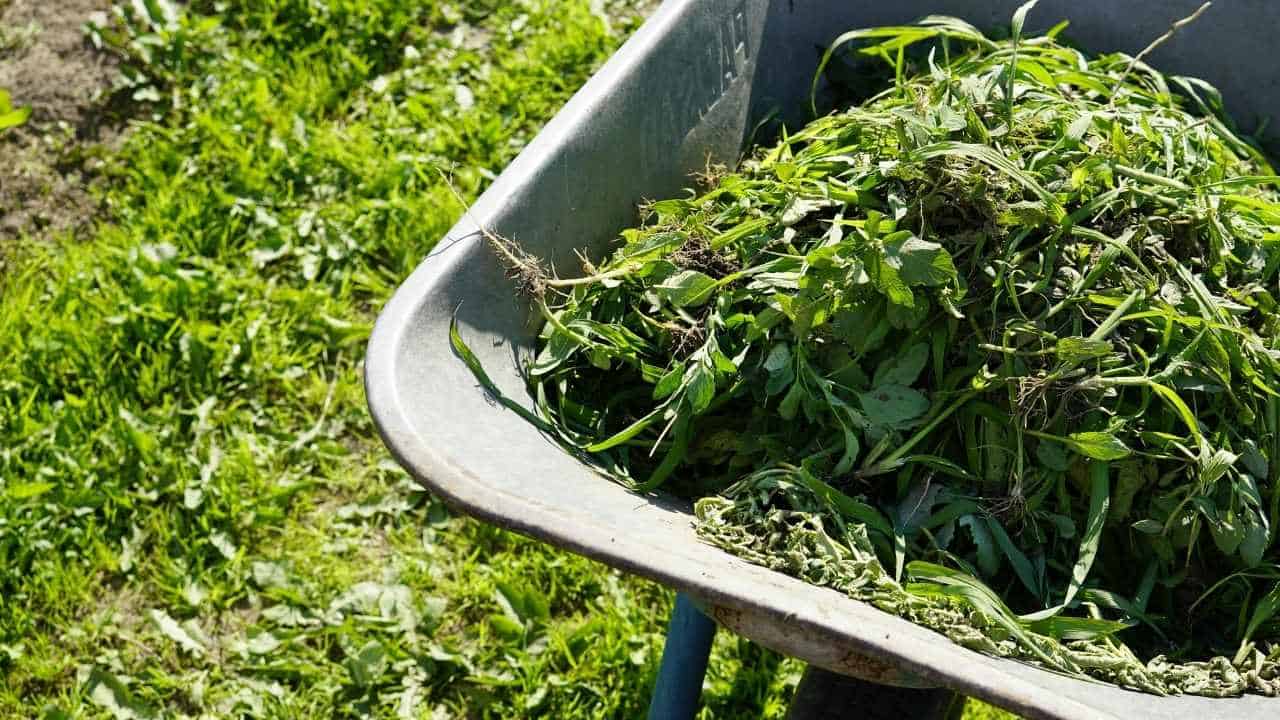
Many people avoid leaving grass clippings on the lawn due to the belief they cause thatch—a layer of dead grass and organic matter that can prevent water and nutrients from reaching the soil. However, grass clippings are mostly water and decompose quickly, contributing valuable nutrients back into the soil. Instead, thatch is usually caused by over-fertilizing and over-watering, so it’s important to maintain a balanced lawn care routine.
7. “You Should Always Prune In The Fall”

While it might seem logical to tidy up your garden in the fall, pruning at this time can actually harm many plants. Pruning stimulates new growth, which will be vulnerable to frost and can weaken the plant over winter. Instead, it’s generally better to prune in late winter or early spring, just before new growth begins.
8. “Native Plants Don’t Need Care”

Just because a plant is native to your area doesn’t mean it can fend entirely for itself. While native plants are typically more resilient and adapted to local conditions, they still require some care to thrive. This might include regular watering during dry periods, pruning to maintain their shape, and protection from pests and diseases.
9. “All Bugs Are Bad”
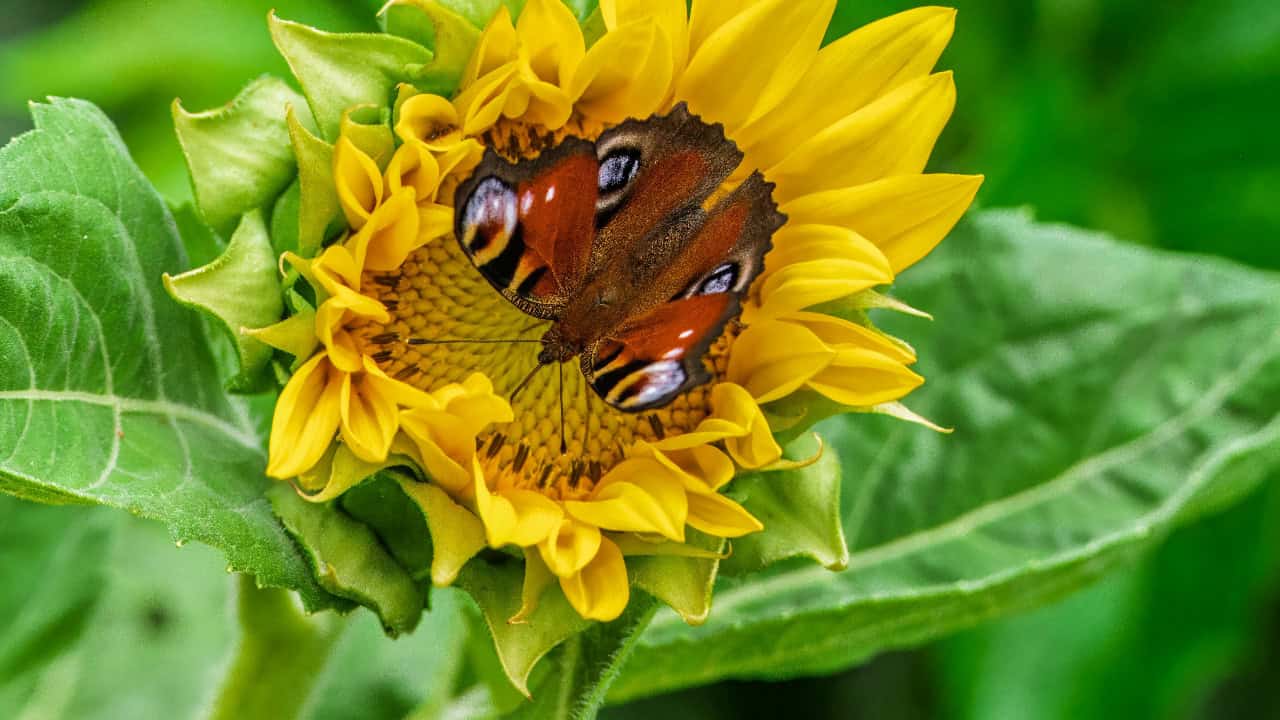
While some insects can harm your plants, many others are beneficial. Ladybugs, for example, are voracious predators of aphids, while bees and butterflies are essential pollinators. Rather than aiming for a bug-free garden, aim for a balanced ecosystem where beneficial insects can keep pests in check.
10. “Planting In The Rain Is Best”
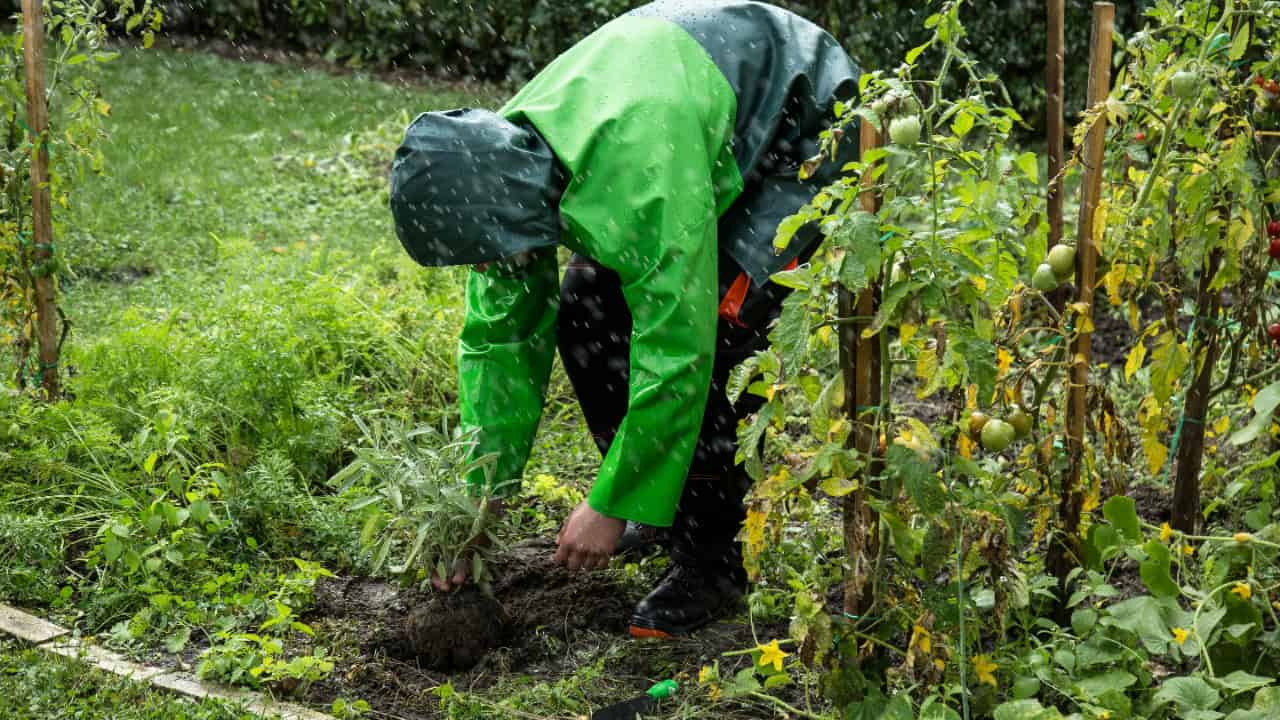
While it’s true that moisture is essential for newly planted seeds or seedlings, planting in the rain isn’t always the best idea. Wet soil can be compacted easily, which can restrict root growth and water drainage. It’s best to plant when the soil is moist but not waterlogged.
11. “Mulch Invites Termites”
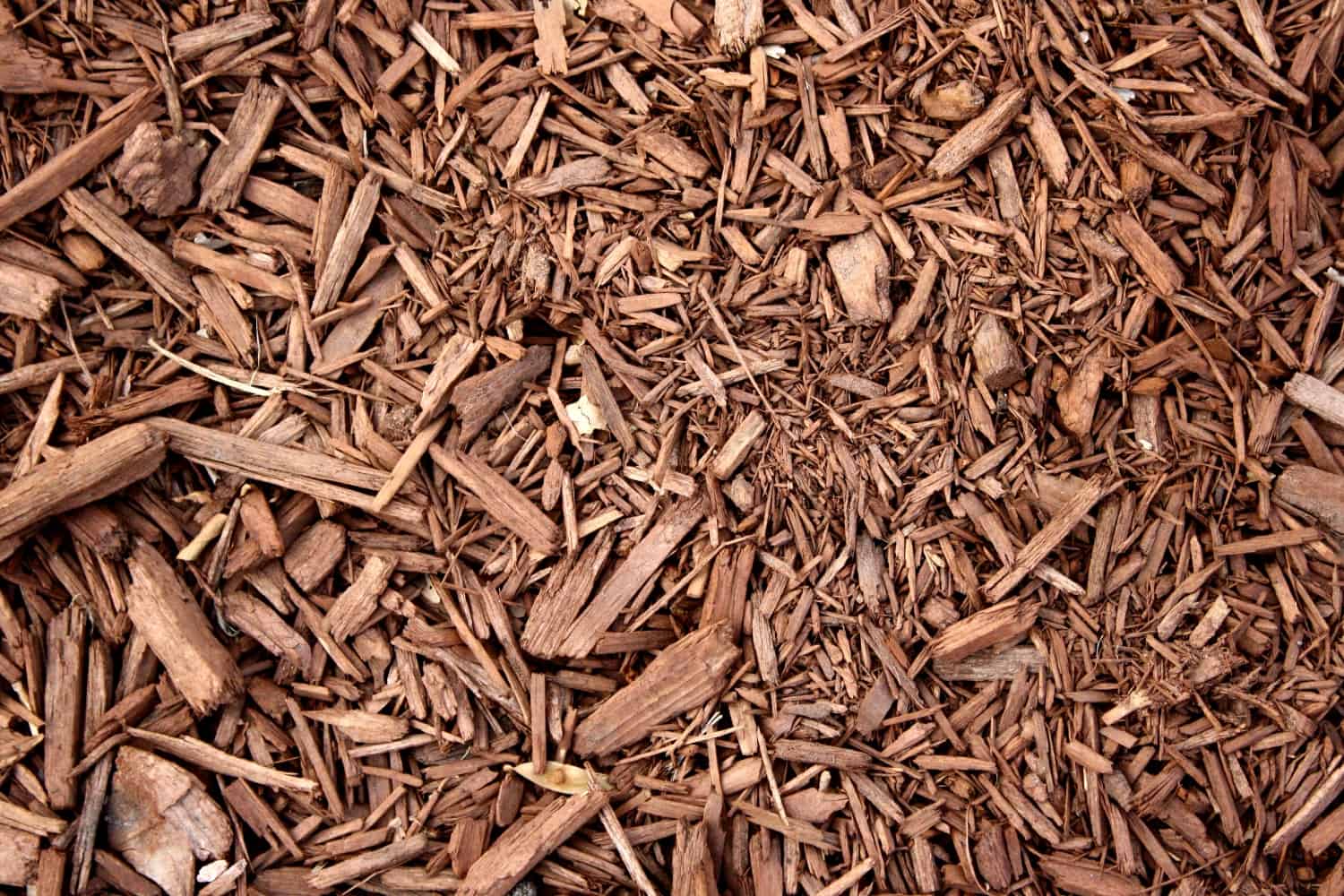
While termites are attracted to wood, using wood mulch in your garden is unlikely to invite a termite infestation. Termites prefer larger pieces of wood that are in direct contact with the soil. If you’re worried about termites, consider using inorganic mulches like stone or gravel, or organic mulches that termites don’t like, such as cedar.
12. “Rocks In The Bottom Of Pots Improve Drainage”
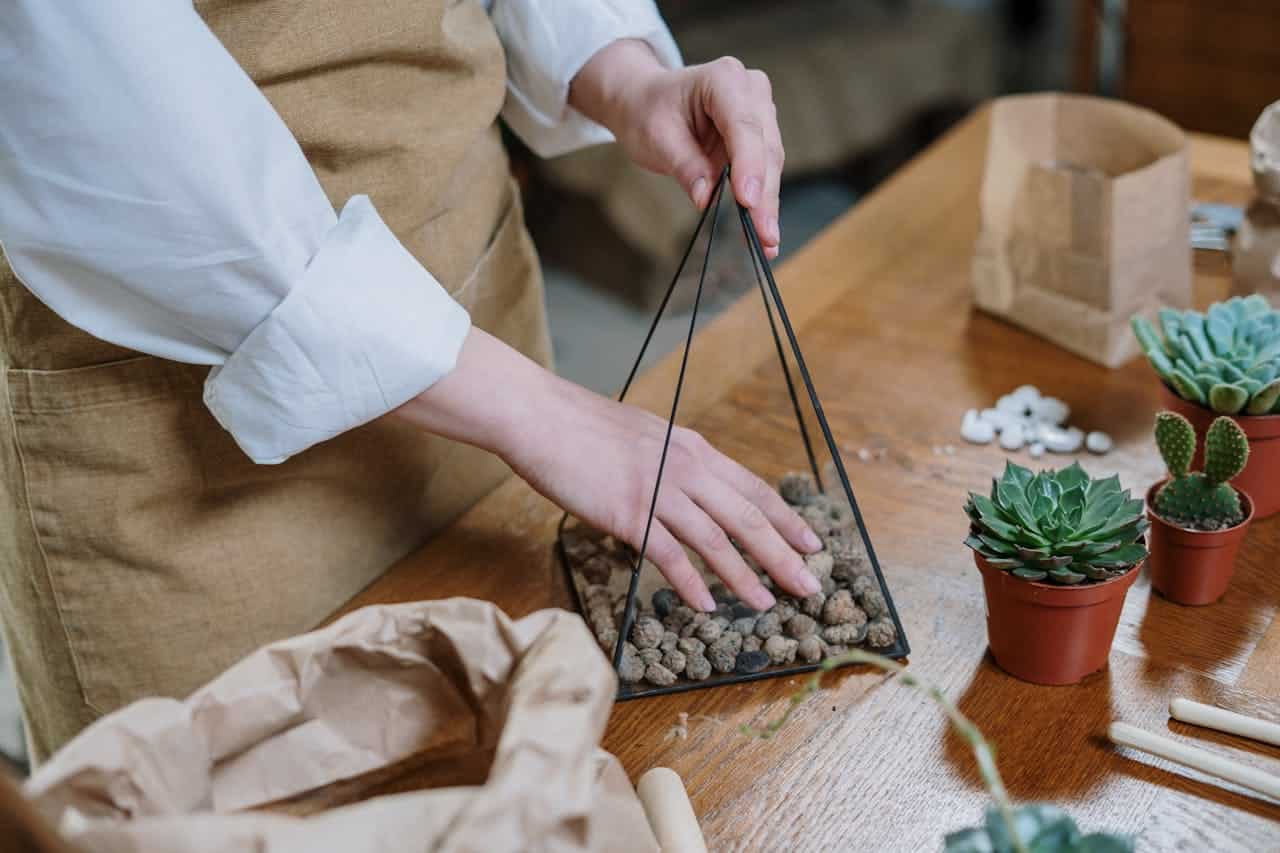
This myth has been around for ages, but placing rocks or gravel in the bottom of pots does not improve drainage. In fact, it can do the opposite by creating a ‘perched water table’ effect, where water accumulates above the rocks and saturates the soil. Instead, use a well-draining potting mix and ensure your pots have adequate drainage holes.
13. “Plant Bulbs Pointy Side Up”
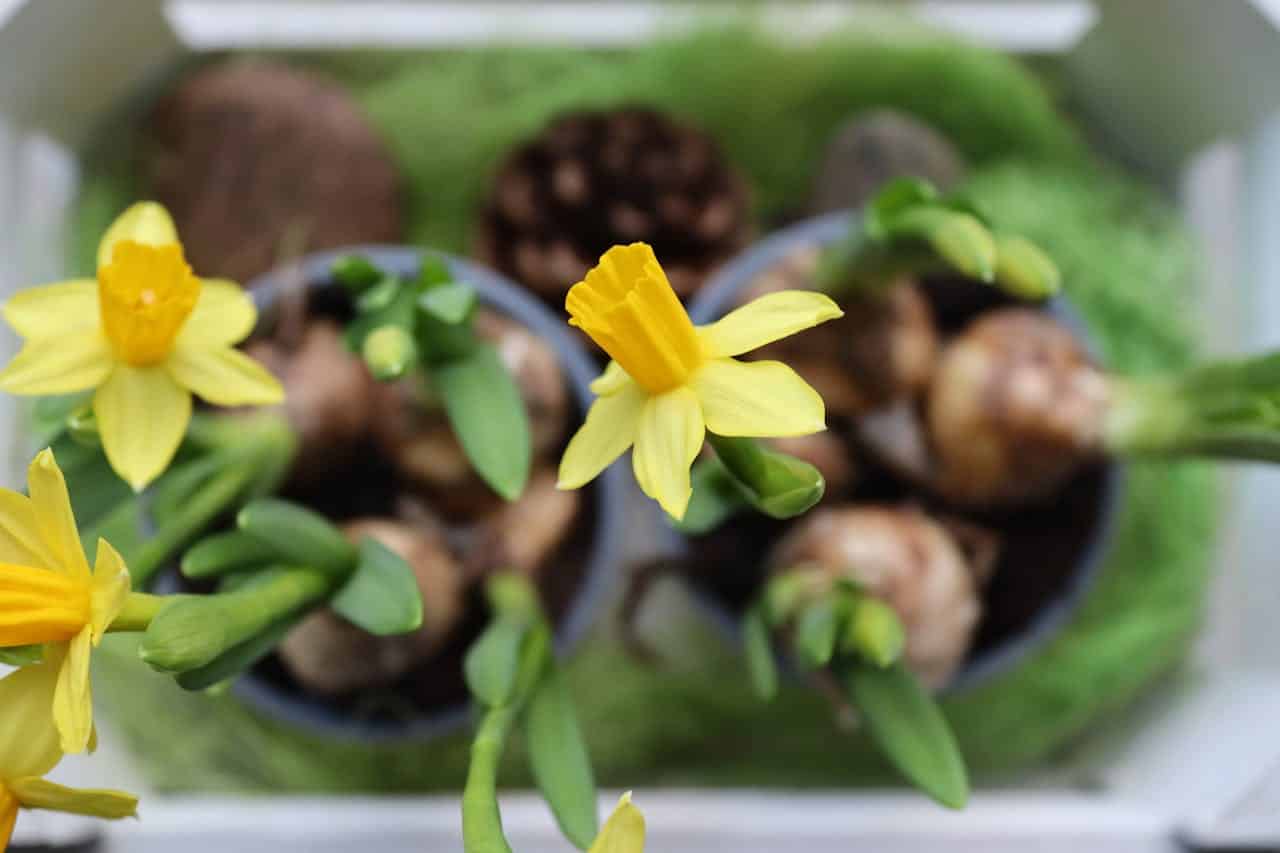
While it’s true that most bulbs should be planted pointy side up, not all bulbs are the same. Some bulbs, like anemones and ranunculus, should actually be planted pointy side down. To avoid confusion, a good rule of thumb is to plant bulbs on their side and let nature take care of the rest.
14. “No Need To Water Succulents”
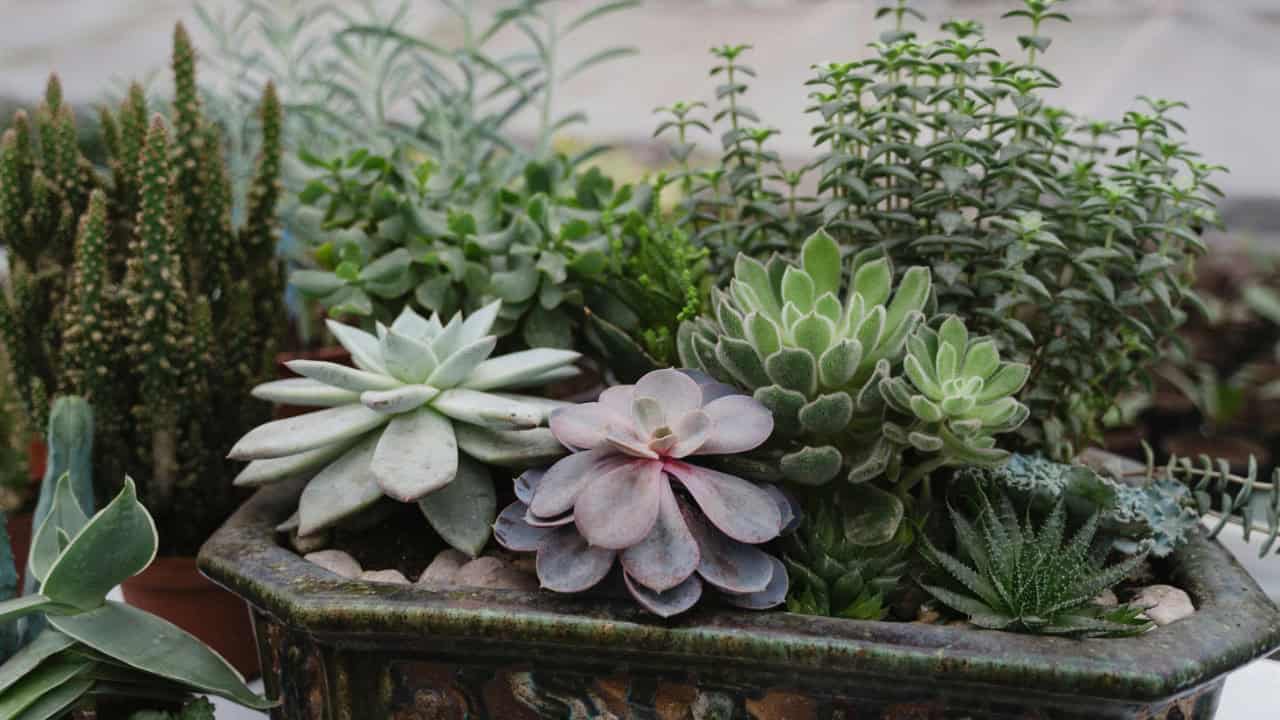
Though succulents are adapted to survive in dry conditions, they still need water to thrive. The key is to water them thoroughly and then allow the soil to dry out completely before watering again. This mimics the ‘feast and famine’ watering cycle that succulents experience in their natural habitats.
15. “A Brown Lawn Is Dead”

In times of drought or extreme heat, many types of grass will enter dormancy, turning brown to conserve water. This doesn’t mean the grass is dead – it’s just sleeping. Once conditions improve, the grass will green up again. Regular watering can keep your lawn green during dry periods, but be aware that this uses a lot of water and may not be sustainable in areas with water restrictions.
16. “Moss In My Lawn Means The Soil Is Acidic”
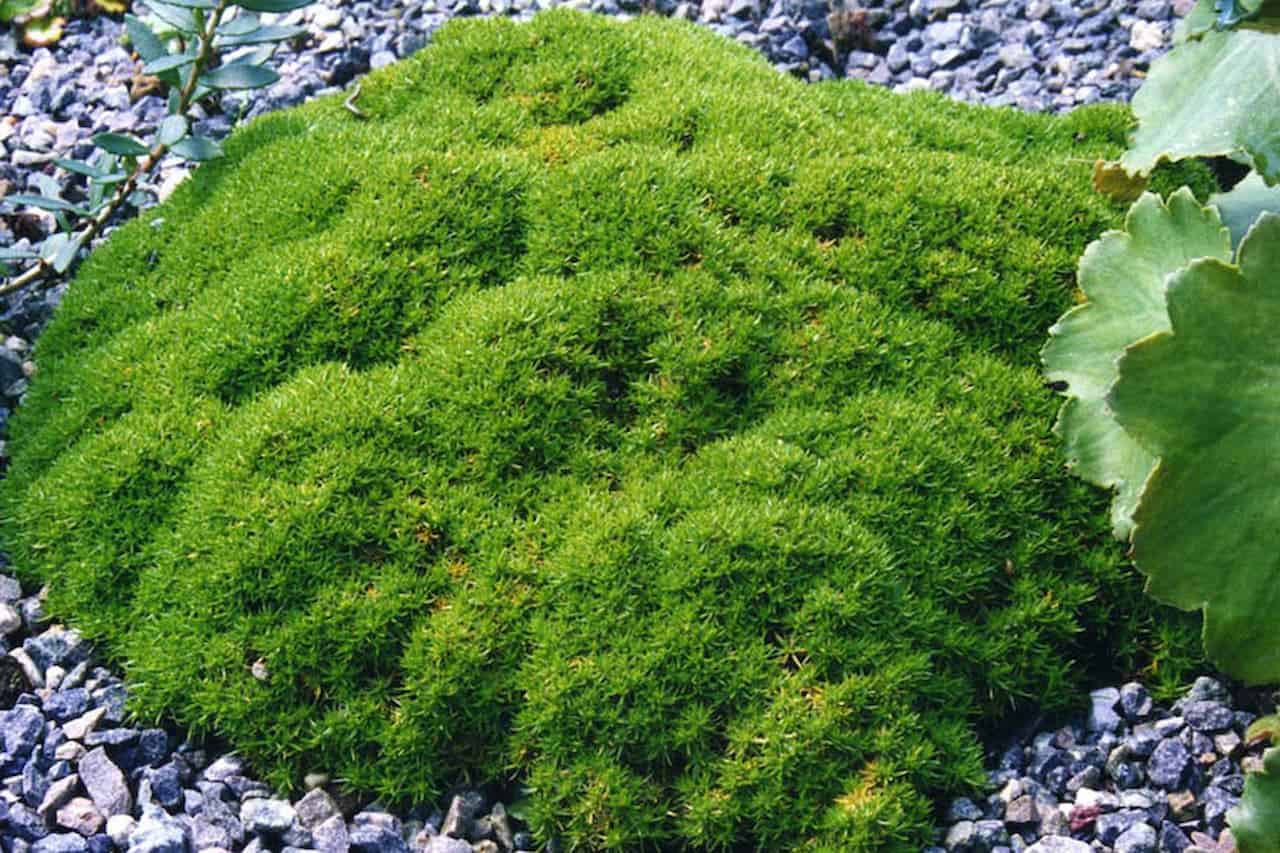
While moss does prefer acidic conditions, it can grow in a range of soil types and pH levels. If you have moss in your lawn, it’s more likely due to poor drainage, shade, or compacted soil. Rather than focusing on changing your soil’s pH, focus on improving these conditions to discourage moss growth.
Now you know these landscaping myths, you can save time by focusing on what really matters in your garden. Happy gardening!