Gardening can sometimes mean spending extra money on specialized tools and products. However, many items you already have around the house can serve the same purpose without the added cost.
Using household items as garden tools helps you save money and reduce waste while still getting the job done. This approach also encourages creativity and resourcefulness, letting you make the most of what you own.
Advertisement
Eggshells for calcium boost
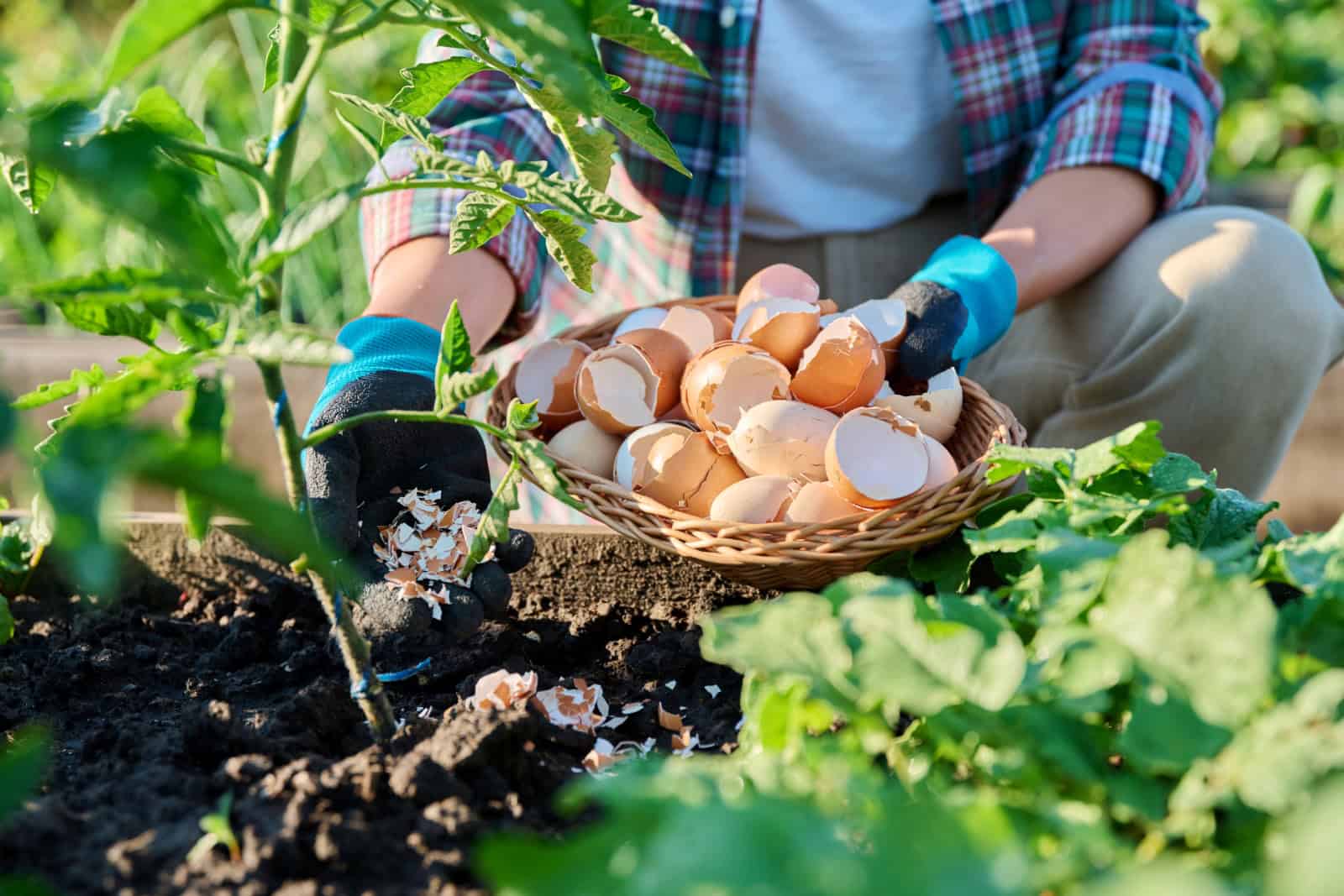
You can use crushed eggshells to add calcium to your garden soil. Calcium helps plants grow strong and reduces problems like blossom end rot.
Simply dry and crush the shells, then sprinkle the powder around your plants. For larger pots or garden beds, use about 3 to 4 tablespoons of eggshell powder evenly.
If you want a quicker option, you can dissolve eggshells in vinegar to create a liquid calcium fertilizer. This natural method supports your plants without chemicals.
Banana peels as natural fertilizer
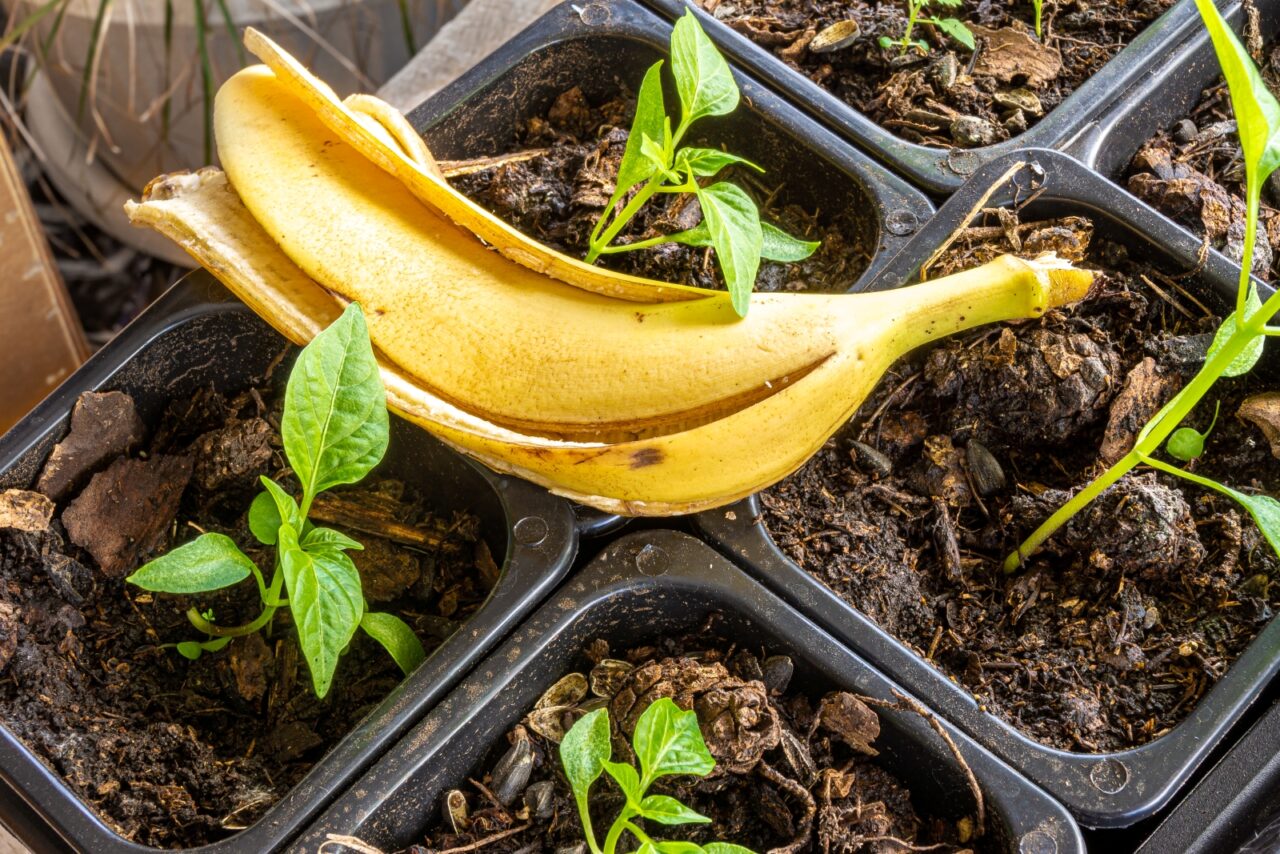
You can use banana peels to make a simple, natural fertilizer for your garden. They contain nutrients like potassium, phosphorus, and magnesium that support plant growth.
To make fertilizer, soak peels in water for several days and use the liquid on your plants. Alternatively, burying whole peels in soil adds nutrients as they break down, but this takes longer. Both methods help enrich your garden without any chemicals.
Baking soda to control garden fungus
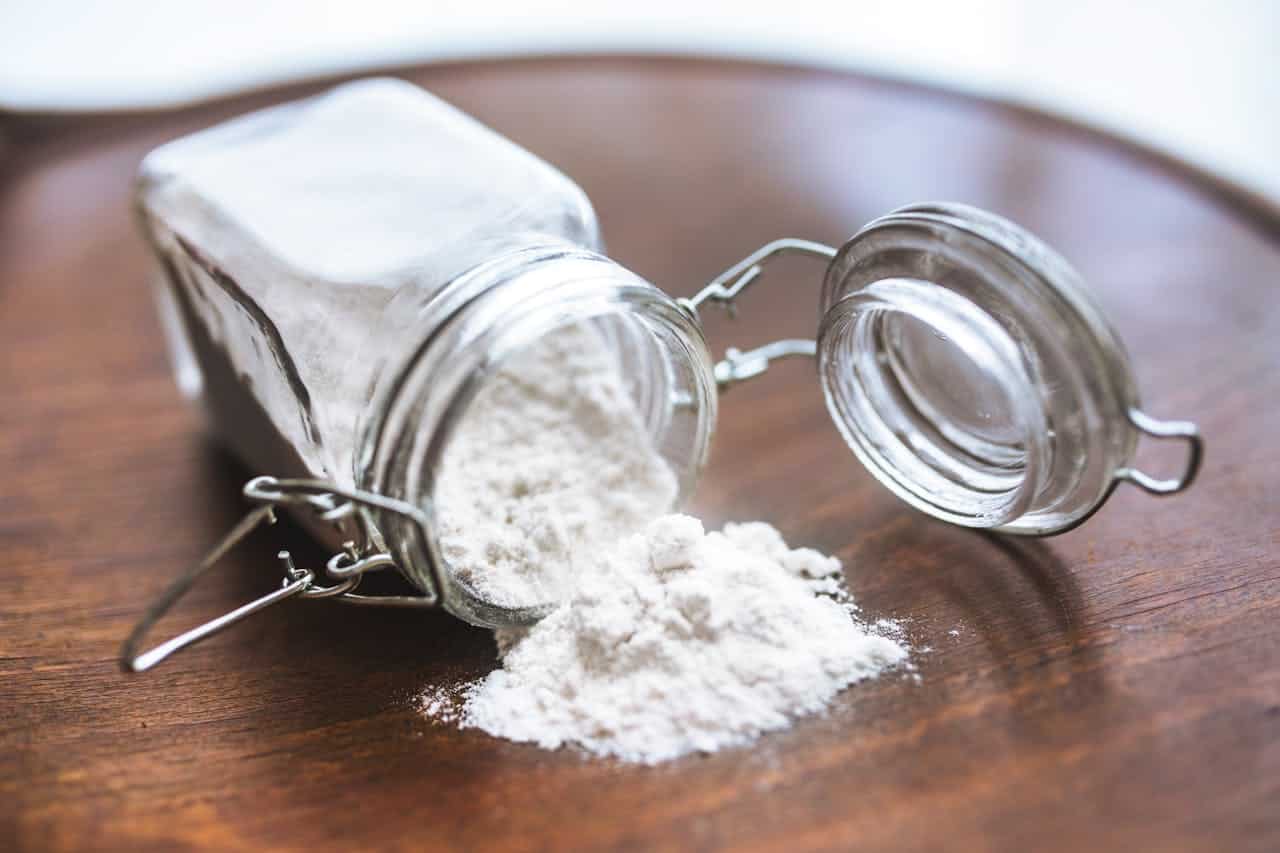
You can use baking soda to help prevent fungal growth on your plants. It works by creating an alkaline environment that slows down spores from spreading.
Mix about 1 teaspoon of baking soda with 500ml water. Add a small amount of oil, like neem or vegetable oil, to help the solution stick to leaves.
Spray this mixture on affected plants every week. It won’t kill fungus completely but can help keep it under control.
Plastic clamshells for seed starters

You can use plastic clamshell containers, like the ones from fruit or baked goods, to start your seeds. They often have clear lids that create a mini greenhouse effect, helping your seedlings grow.
Just punch a few drainage holes in the bottom to prevent water buildup. These containers are easy to repurpose and save you money on buying special seed trays.
Empty yogurt containers as mini pots

You can easily reuse empty yogurt containers as small plant pots. They’re perfect for starting seeds or growing small herbs.
Make sure to poke drainage holes in the bottom to prevent water buildup. These containers are lightweight and fit nicely on windowsills or shelves.
Using yogurt containers saves money and reduces waste while giving your plants a cozy home to grow.
Aluminum foil to reflect light
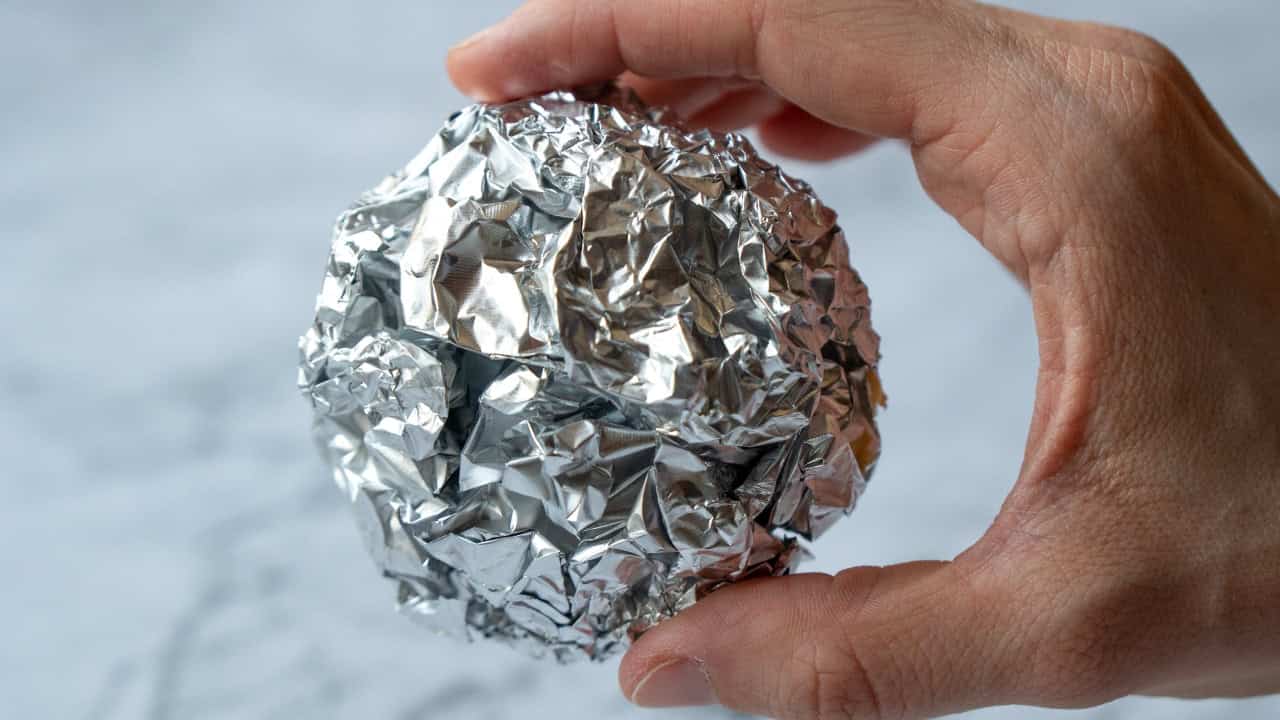
You can use aluminum foil to boost sunlight for your plants. Placing it behind your plants reflects extra light onto them, helping with growth.
It’s easy to set up and works well for seedlings or indoor plants near limited windows. Just smooth the foil to avoid harsh light spots caused by creases.
This simple trick can help your garden if natural light is low or uneven.
Old forks for seedling rakes
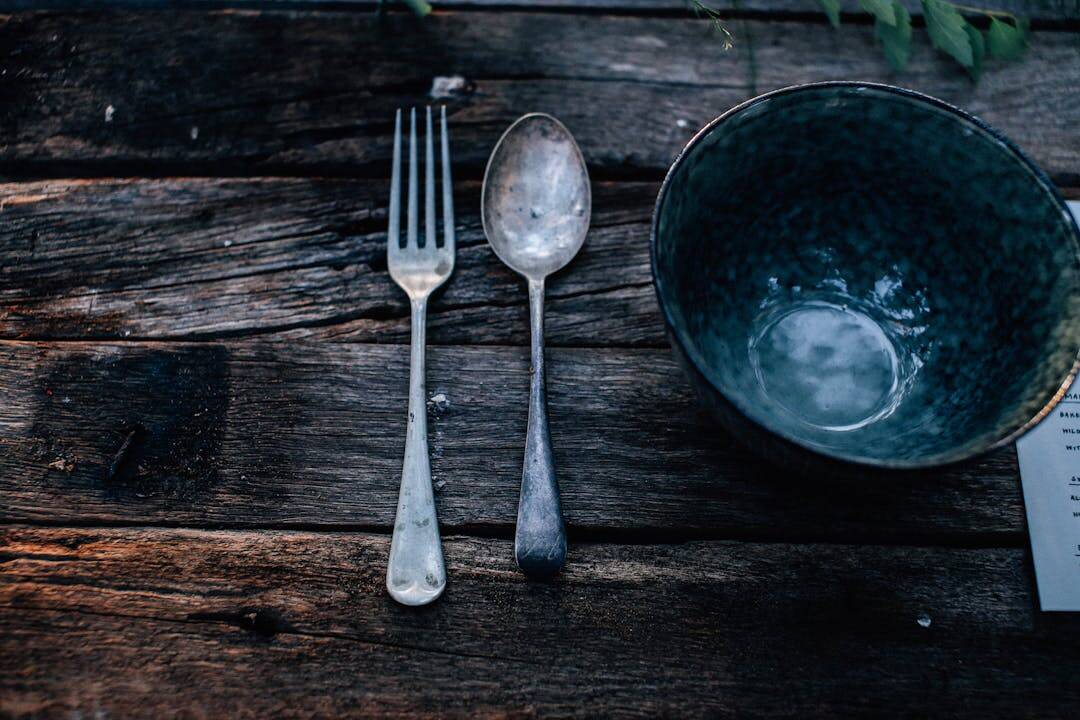
You can easily turn old forks into seedling rakes for your garden. Just remove the handle, and the prongs work great for gently loosening soil around young plants.
Using old forks saves you money and reduces waste. Plus, they are the perfect size for small garden spaces and delicate seedlings.
Plastic bottles turned into drip irrigators

You can easily turn plastic bottles into simple drip irrigators for your garden. Just poke small holes in the bottle cap or sides to let water drip slowly.
Place the bottle upside down near your plants, burying part of it in the soil. This helps keep the roots moist without overwatering.
It’s an affordable way to water plants efficiently, especially when you need to step away for a few days. This DIY method uses what you already have at home.
Baby food jars for plant propagation

You can use clean baby food jars to start new plants from cuttings. Their small size is perfect for holding water and keeping cuttings stable.
Place the jar near a window where your plant can get indirect sunlight. This simple setup helps your plants grow roots without needing special equipment.
Baby food jars are affordable and easy to find, making them a handy tool for your indoor garden.
Coffee grounds as compost material
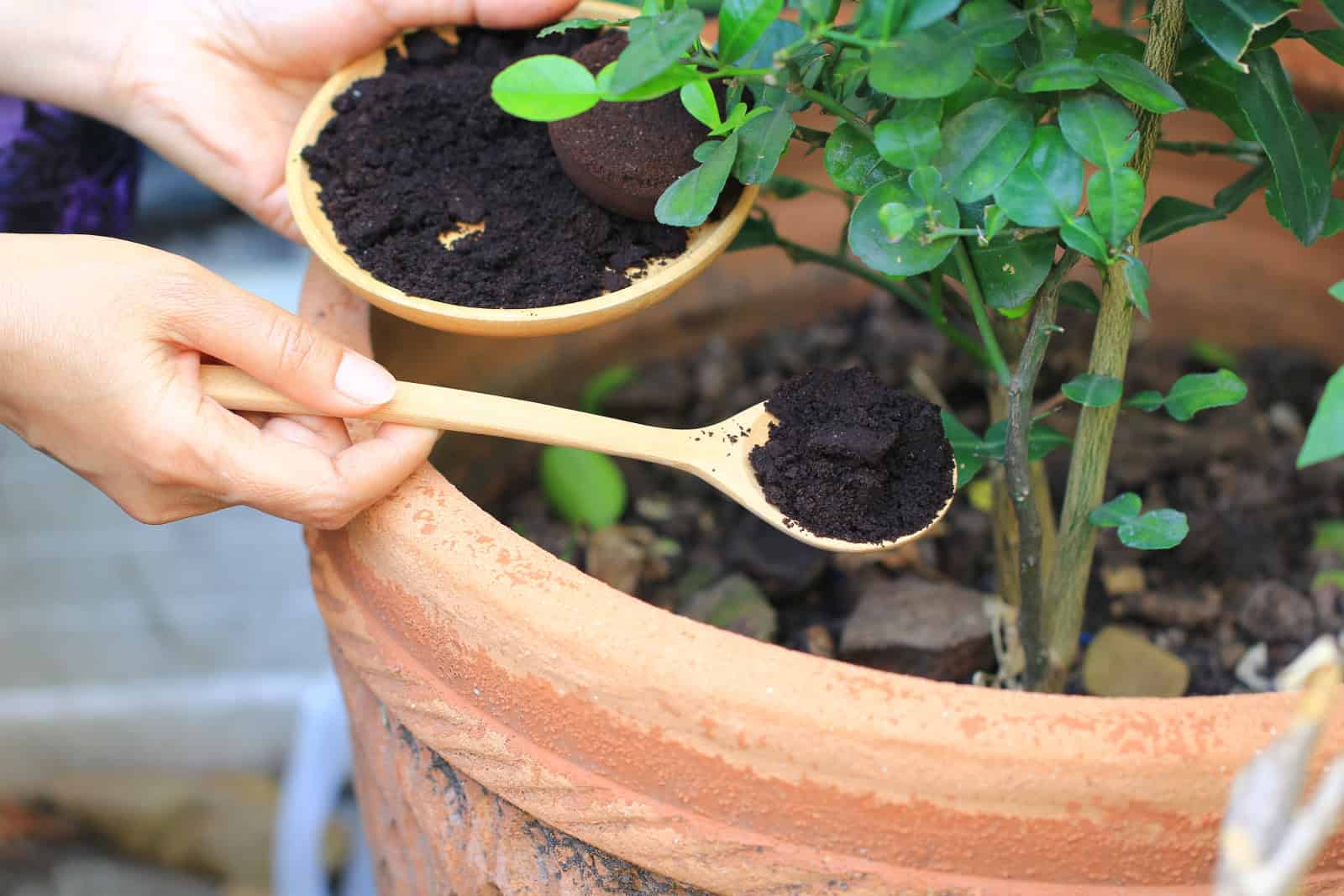
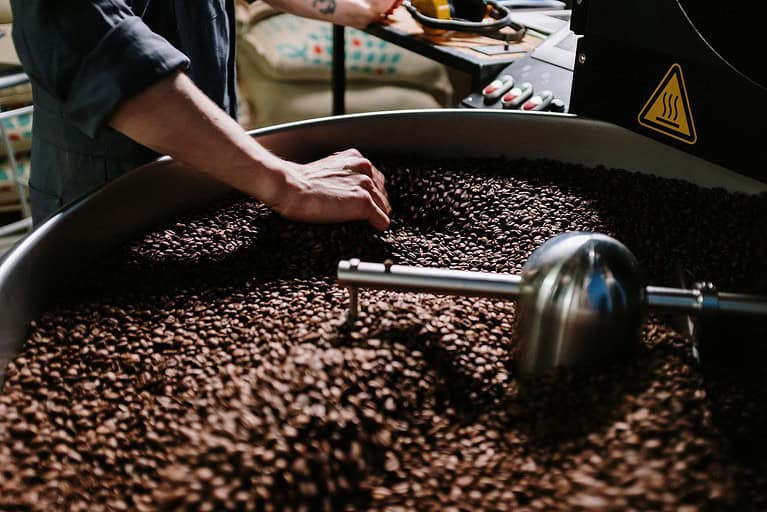
You can add used coffee grounds directly to your compost pile. They are rich in nitrogen, which helps break down other materials faster.
Coffee grounds also improve soil texture by adding moisture and air spaces. Sprinkle them evenly to avoid clumping.
If you don’t compost, you can mix coffee grounds into your garden soil. This supports healthy plant growth without extra chemicals.
Used newspaper for weed barriers

You can use old newspapers as an effective weed barrier in your garden. Start by watering the soil well, then lay down 3-4 sheets of newspaper directly over the weeds.
Make sure to overlap the sheets to block sunlight and prevent weed growth. Cover the newspaper with compost or mulch to keep it in place and improve appearance.
This method is eco-friendly and biodegradable, breaking down naturally over time without harming your plants. Just avoid colored or glossy pages to keep chemicals out of your soil.
Beer to attract slugs away

You can use beer to lure slugs away from your plants. Simply fill a shallow container with beer and place it near the garden areas you want to protect.
Slugs are attracted to the scent and will crawl into the trap, keeping them away from your plants. Check the trap regularly and dispose of the slugs to prevent buildup.
This method is easy and uses a common household item, making it a simple option for slug control.
Steel wool to deter pests
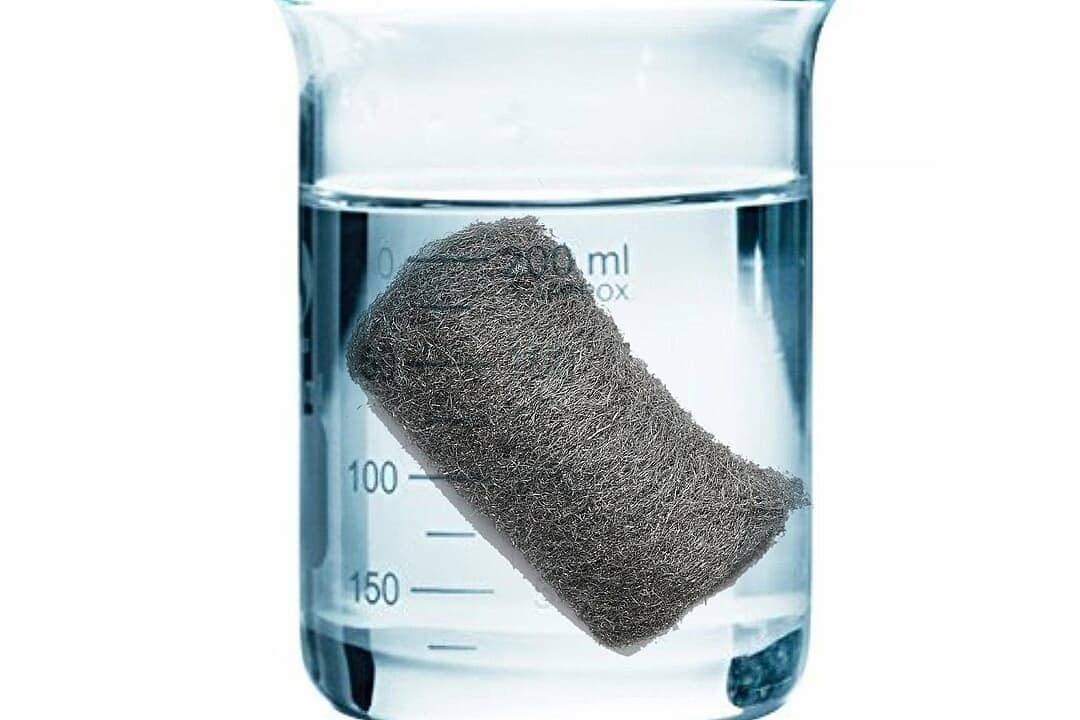
You can use steel wool to block small holes and gaps in your garden or around your home. Pests like mice and rats avoid chewing through it because the sharp edges are uncomfortable.
Press the steel wool tightly into openings to create a barrier pests won’t want to cross. It’s a simple, non-toxic way to help keep unwanted animals out.
Cardboard as mulch layers

You can use cardboard as a mulch layer to block weeds and retain soil moisture. It works well around plants and garden paths.
Before laying it down, remove any tape or staples. Cardboard breaks down over several months, enriching your soil as it decomposes.
Layer it thickly, then cover with organic mulch to keep it in place and improve the appearance. It’s a simple, eco-friendly way to protect your garden.
Glass jars for herb storage
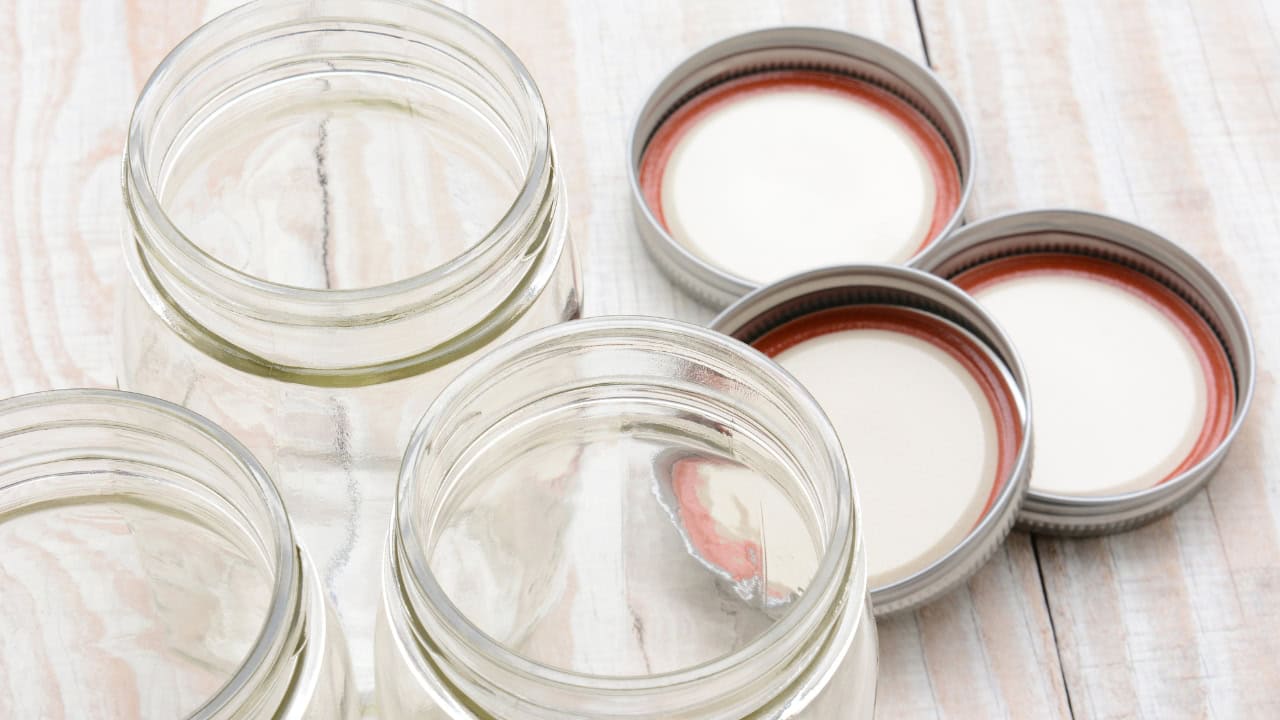
You can use glass jars to keep your herbs fresh and organized. They protect herbs from moisture and pests while letting you see what you have at a glance.
Glass jars with lids are great for storing dried herbs, and they also work well if you want to create a small indoor herb garden. Their clear walls help you monitor soil moisture easily.
Ice cream tubs as temporary planters

You can easily reuse ice cream tubs as temporary planters for seedlings or small plants. Just rinse them out and poke a few drainage holes in the bottom to prevent water buildup.
Their size makes them perfect for starting plants indoors before moving them outside. Plus, colorful tubs add a fun touch to your gardening space. When ready, you can transplant seedlings directly or reuse the tubs for a new batch.