As homeowners, we all know how important it is to take care of our homes. We clean, we repair, we update, and we renovate to ensure our homes are in prime condition. But what about our gardens? Often, our outdoor spaces are left to fend for themselves, leading to overgrown plants, pest infestations, and other issues. However, home maintenance extends to the garden too, and there are many tasks that gardeners often forget to do.
Today, we’ll explore 16 of these tasks to help you keep your garden as well-maintained as your home.
Advertisement
1. Cleaning and Sharpening Tools
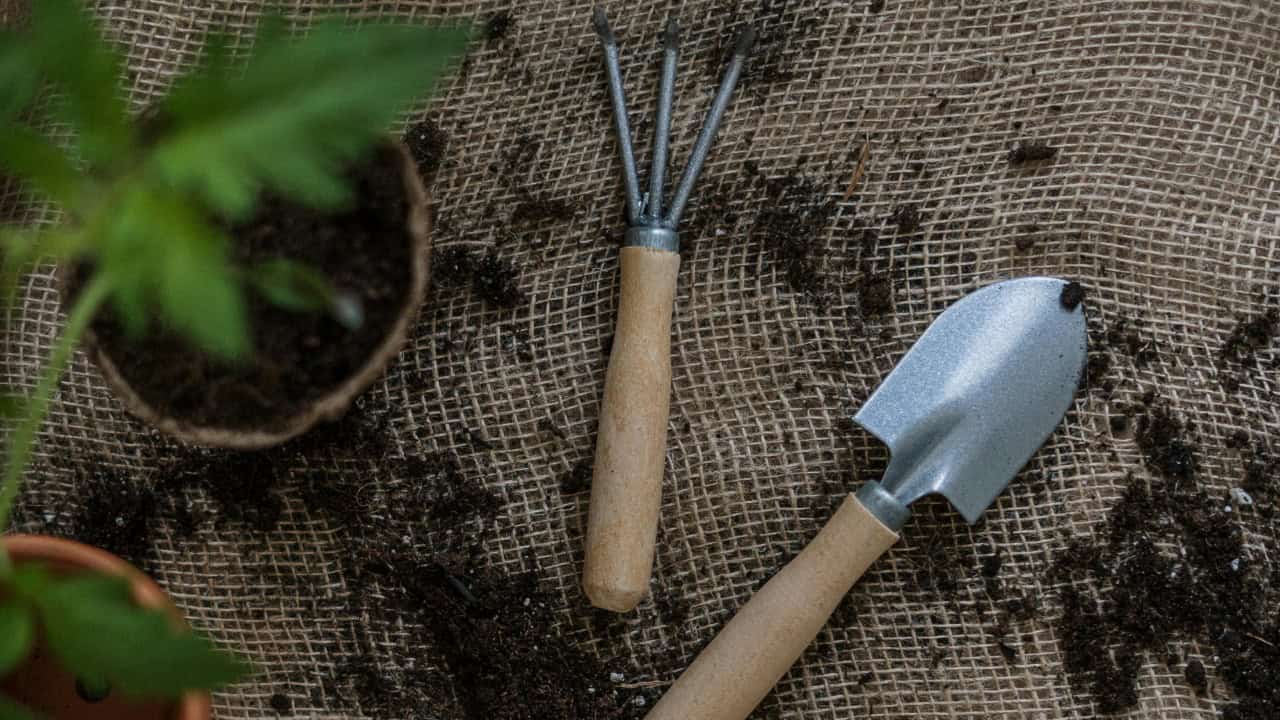
Regularly cleaning and sharpening your gardening tools is essential for maintaining their effectiveness. If left uncleaned, dirt and plant residue can cause tools to become dull and rusty, making them less efficient and potentially damaging to your plants.
While many gardeners remember to clean their tools after use, many forget the importance of sharpening. Dull blades can crush and damage plant tissues, leading to disease and decay. Using a simple file or sharpening stone can greatly extend the lifespan of your tools and the health of your garden.
2. Soil Testing

Soil testing is often overlooked by gardeners, but it is crucial for understanding the health and needs of your garden. By testing your soil, you can determine its pH level and nutrient content, allowing you to make informed decisions about fertilization and plant selection.
Many garden stores sell simple soil test kits that you can use at home. Alternatively, you can send a soil sample to a lab for more detailed analysis. Regardless of the method, regular soil testing is an essential part of garden maintenance.
3. Mulching
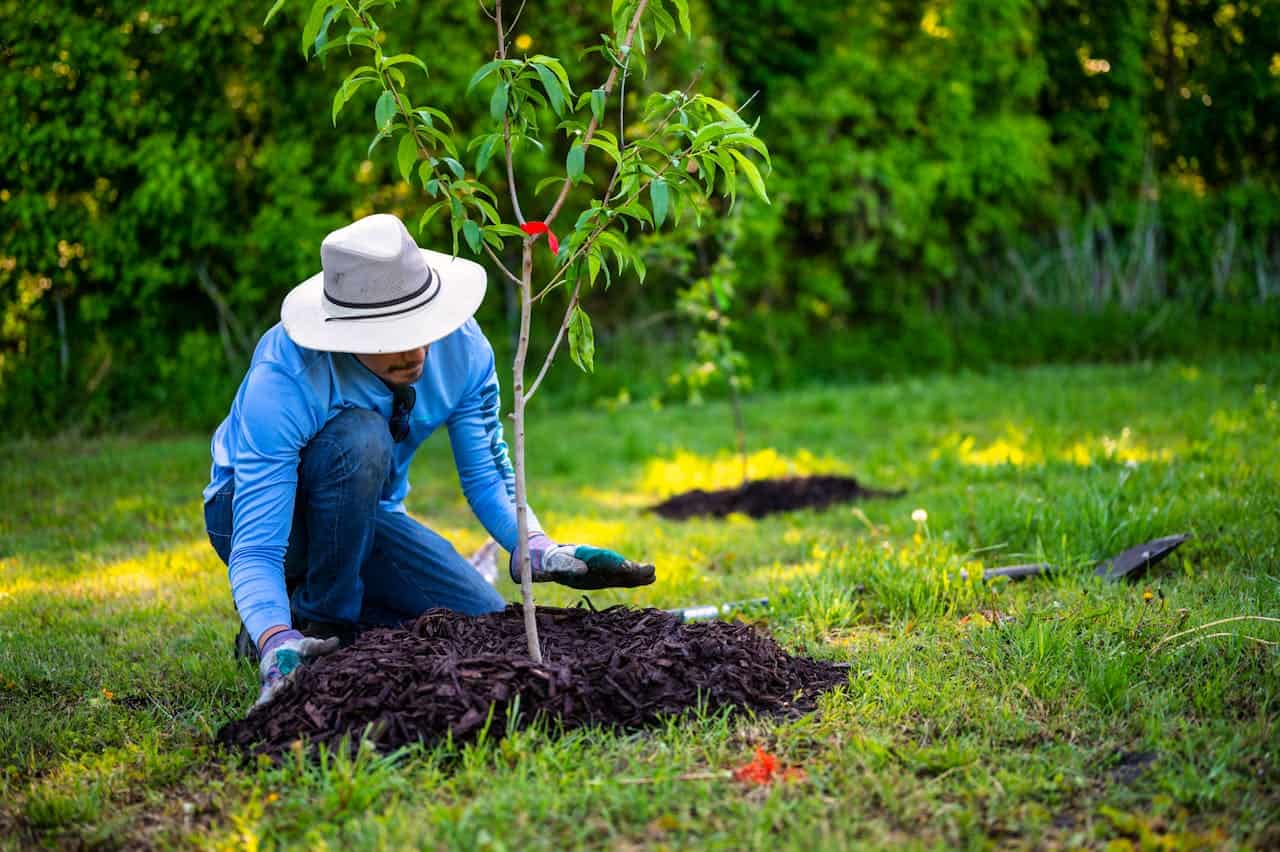
Mulching is a simple and effective way to improve the health of your garden, but it’s often forgotten. Mulch helps to retain soil moisture, suppress weeds, and improve soil fertility.
While many gardeners may apply mulch once and forget about it, it’s important to replenish your mulch regularly. This is especially true in the summer, when high temperatures can cause mulch to break down more quickly. Using organic mulch like compost or straw can also add nutrients to your soil over time.
4. Pruning

Pruning is an essential part of maintaining a healthy and productive garden, but it’s often overlooked. By removing dead or overgrown branches, you can improve air circulation and sunlight penetration, reducing the risk of disease and promoting growth.
However, proper pruning requires knowledge and care. Different plants have different pruning needs, and incorrect pruning can harm your plants. It’s important to research or consult a professional before starting any major pruning projects.
5. Pest Management
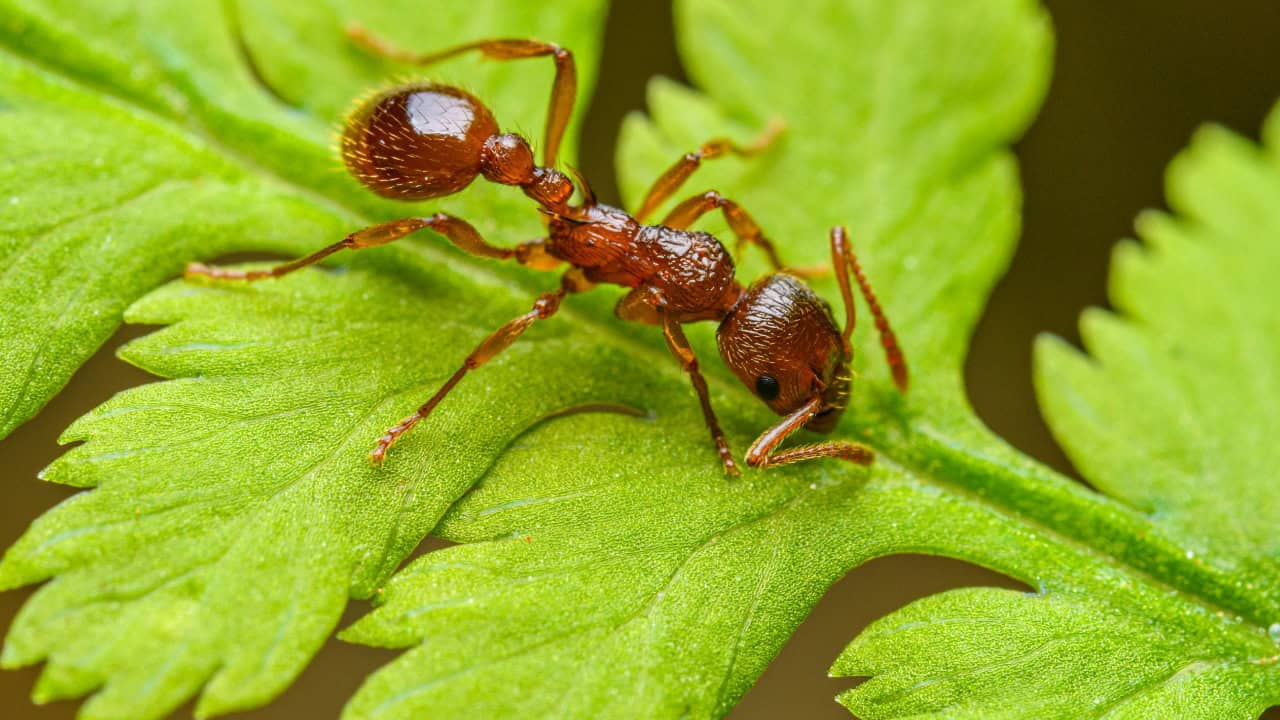
Pest management is a crucial part of garden maintenance, but it’s often forgotten. Pests can cause significant damage to your plants, but many gardeners only respond once an infestation has occurred.
Preventive pest management involves regular inspection of your plants for signs of pests, as well as the use of natural deterrents and barriers. By taking a proactive approach to pest management, you can protect your garden and reduce the need for chemical pesticides.
6. Composting
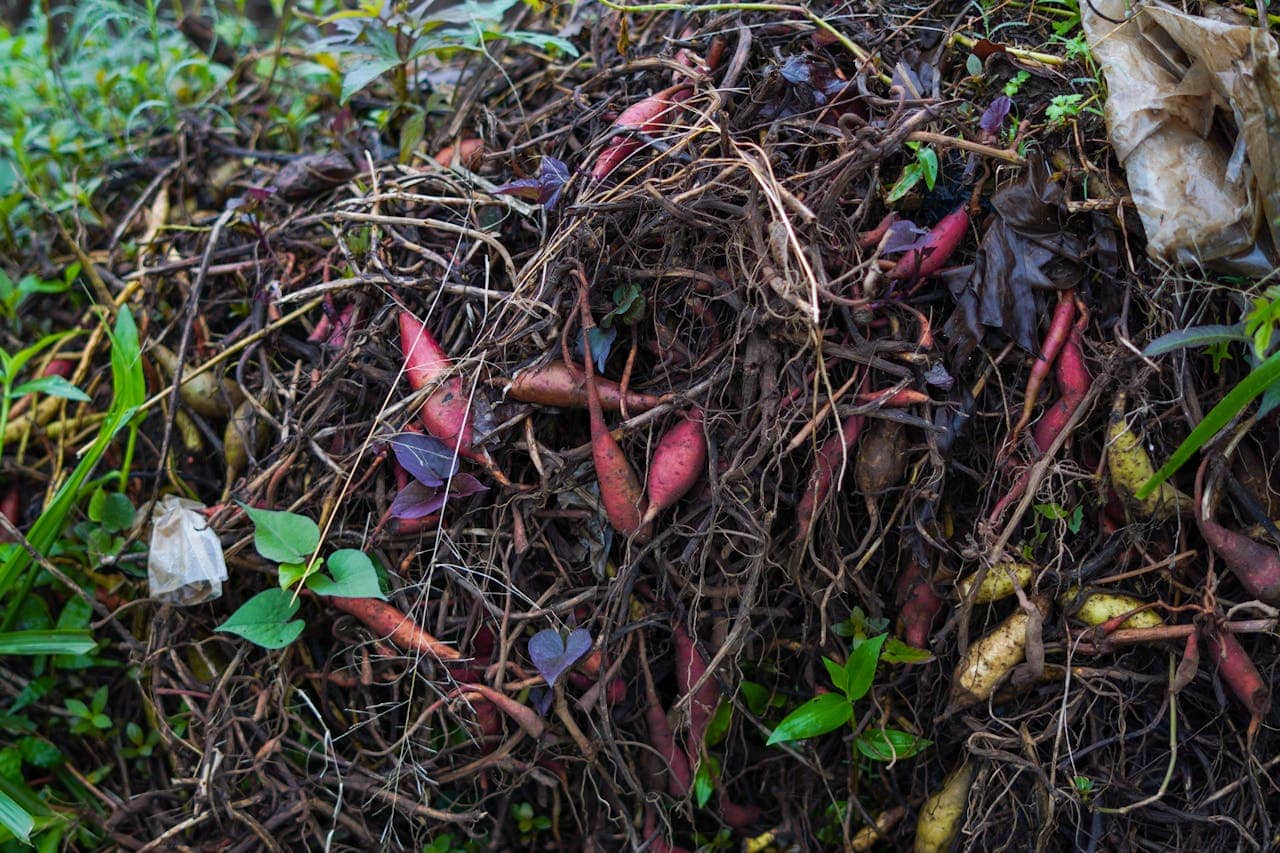
Composting is an excellent way to reduce waste and improve your garden’s soil, but it’s often overlooked. Compost provides valuable nutrients to your plants and improves soil structure, but many gardeners forget to maintain their compost piles.
Regularly turning your compost pile helps to speed up the decomposition process and ensure that all materials break down evenly. It’s also important to balance your compost materials, alternating between green materials (like food scraps) and brown materials (like leaves or straw).
7. Plant Rotation
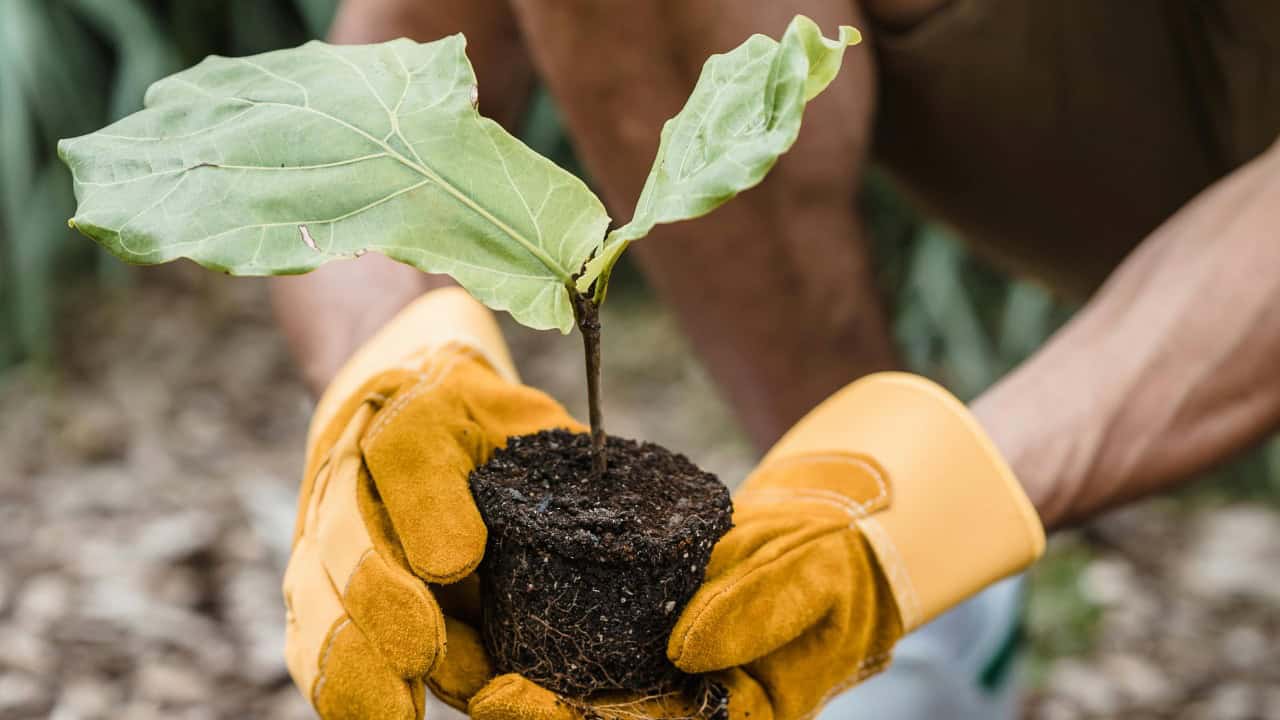
Plant rotation is a simple and effective way to prevent disease and improve soil health, but it’s often forgotten. By changing the location of your plants each year, you can disrupt the life cycles of pests and diseases, reducing their impact on your garden.
However, plant rotation requires planning and record-keeping. It’s important to know which plants were grown where in previous years, and to understand which plants make good companions. By rotating your plants effectively, you can maintain a healthy and productive garden year after year.
8. Watering Deeply

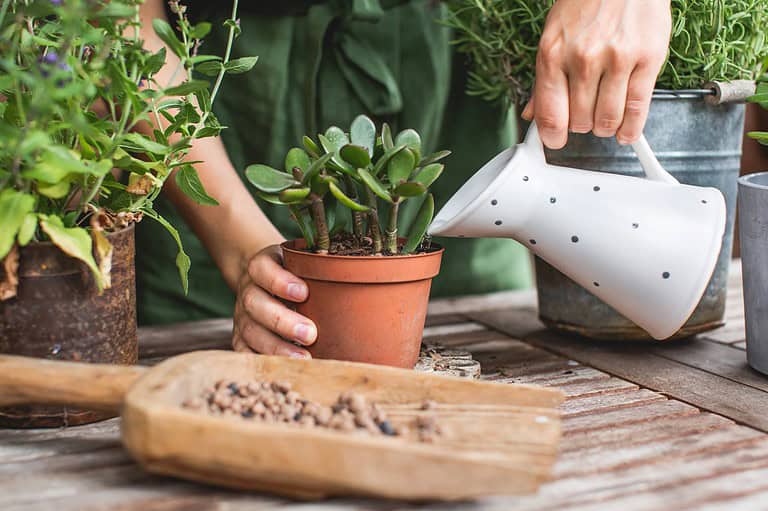
Many gardeners water their plants regularly, but they often forget the importance of watering deeply. Deep watering encourages plants to develop deep root systems, making them more drought-tolerant and healthy.
However, deep watering doesn’t mean simply watering more. It involves watering less frequently, but for longer periods of time, allowing the water to penetrate deep into the soil. It’s important to monitor your plants and soil to ensure they’re receiving the right amount of water.
9. Deadheading
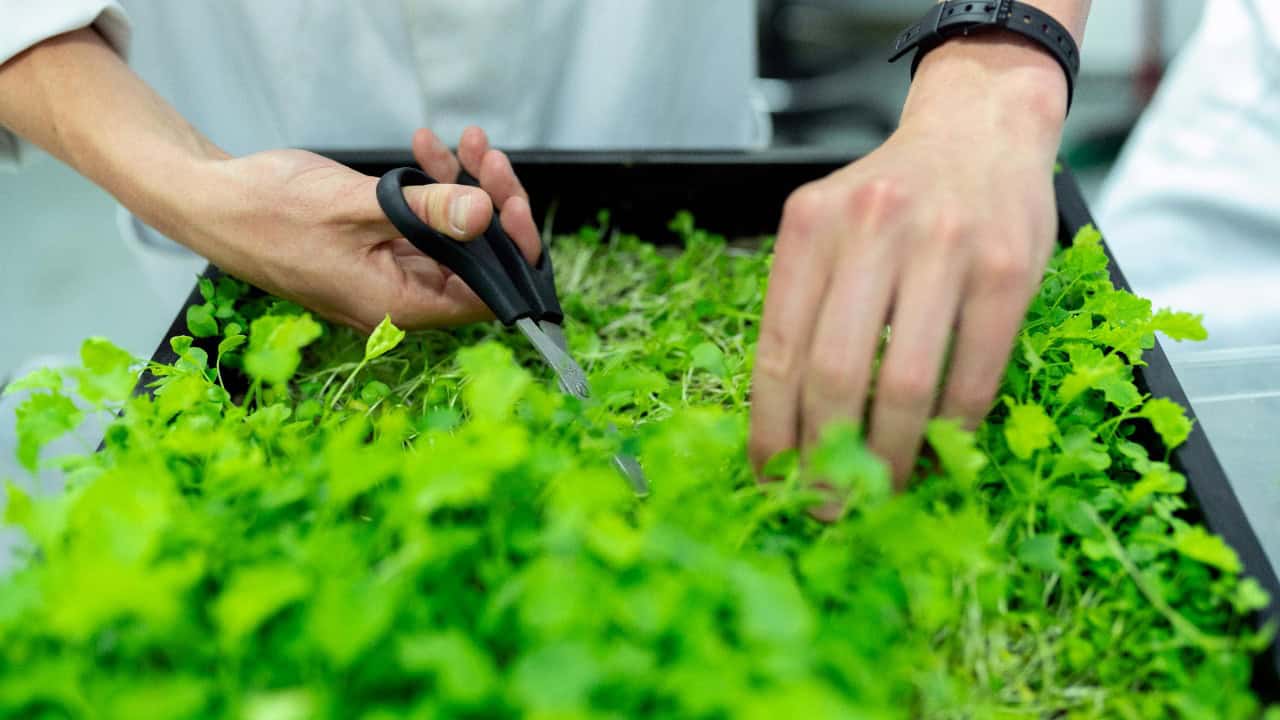
Deadheading, or the removal of spent flowers, is a simple task that’s often overlooked. By removing old flowers, you can encourage your plants to produce more blooms, extending the flowering season.
However, not all plants benefit from deadheading, and some may even require their spent flowers for reseeding. It’s important to know the needs of your individual plants before beginning any deadheading routine.
10. Winterizing
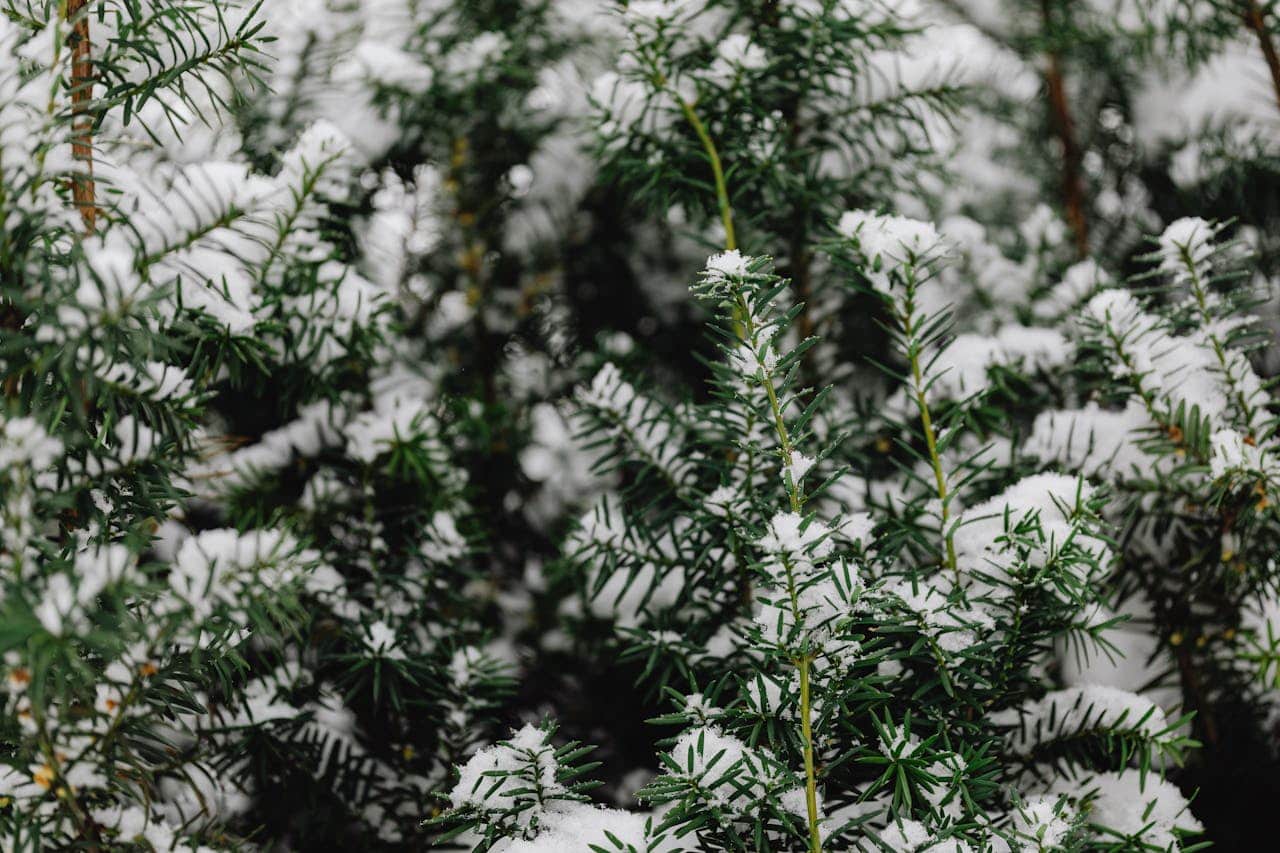
As the gardening season comes to a close, many gardeners forget to properly prepare their gardens for winter. Winterizing involves protecting your plants from cold weather, as well as preparing your garden for the spring.
This can involve mulching, pruning, and covering sensitive plants, as well as cleaning and storing your gardening tools. By properly winterizing your garden, you can ensure a healthy and productive start to the next gardening season.
11. Fertilizing

Fertilizing is a crucial part of garden maintenance, but it’s often forgotten. Plants require nutrients to grow and produce, and many soils are deficient in one or more of these nutrients.
However, it’s important to fertilize responsibly. Over-fertilizing can harm your plants and pollute local waterways. It’s best to test your soil and use organic fertilizers whenever possible.
12. Cleaning Bird Feeders
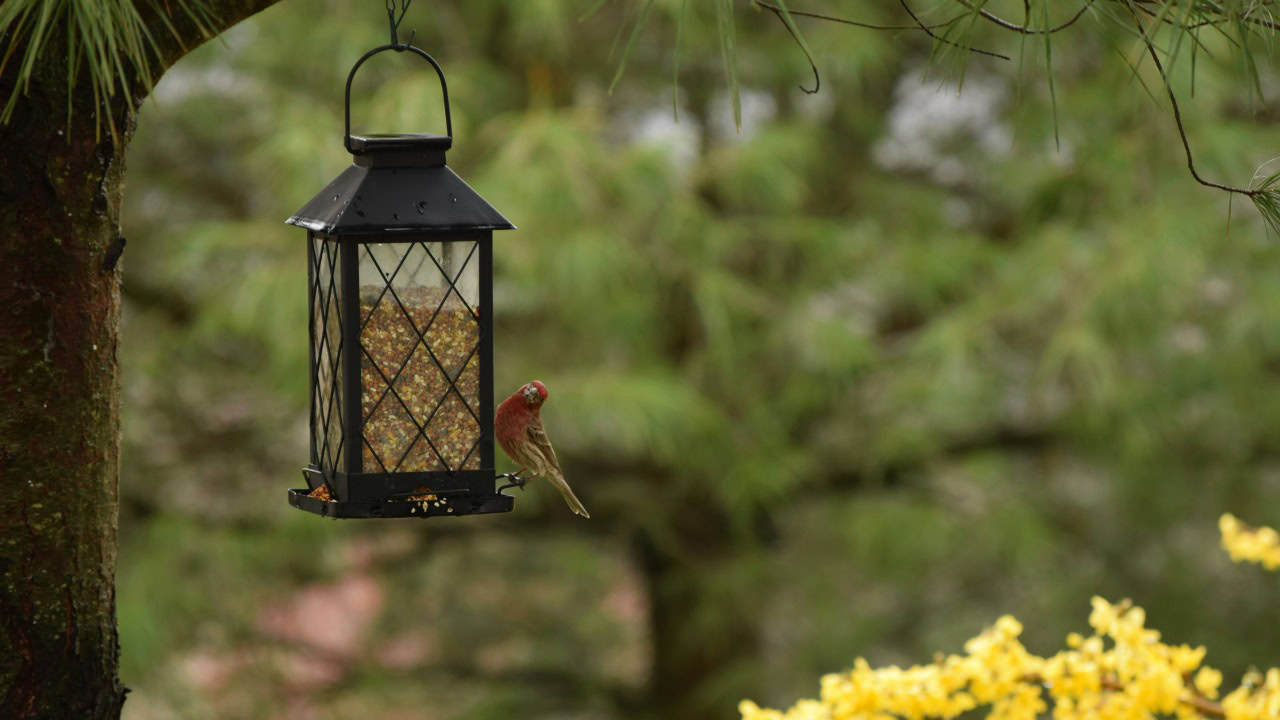
If you have bird feeders in your garden, it’s important to clean them regularly. Dirty bird feeders can harbor disease, posing a threat to your local bird population.
It’s best to clean your bird feeders once a month with a solution of one part bleach to nine parts water. Rinse thoroughly and allow to air dry before refilling.
13. Checking Irrigation Systems

If you have an irrigation system in your garden, it’s crucial to check it regularly for leaks or damage. Not only can a faulty system waste water, but it can also lead to uneven watering and plant stress.
Check your system at least once a season, making any necessary repairs or adjustments. It’s also a good idea to have your system professionally inspected every few years.
14. Lawn Aeration
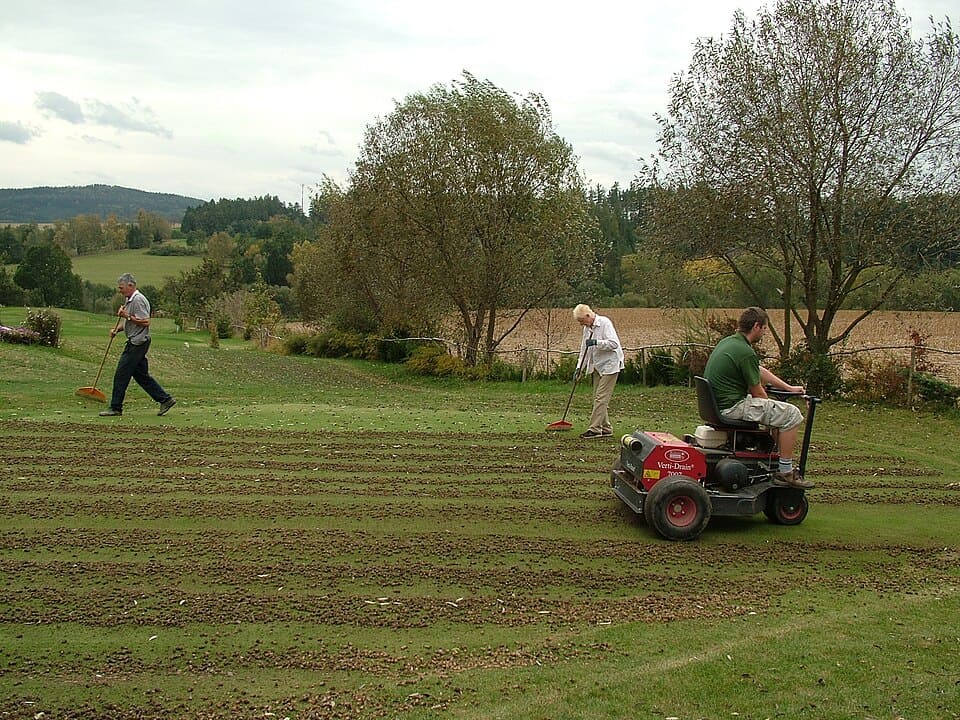
Lawn aeration is an important task that’s often overlooked. By removing small plugs of soil from your lawn, you can improve air circulation, water penetration, and nutrient uptake.
However, aeration should be done carefully and at the right time of year. It’s best to aerate in the early spring or fall, and to follow up with a good watering and fertilizing.
15. Cleaning Gutters
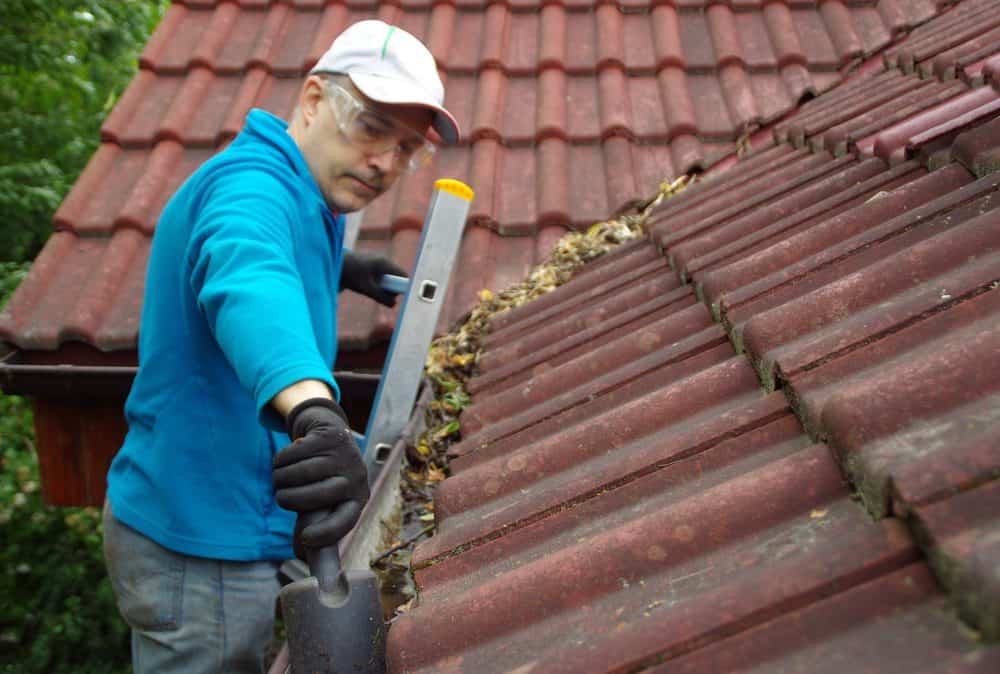
While not directly related to gardening, cleaning your gutters is an important home maintenance task that can impact your garden. Overflowing gutters can lead to water damage in your garden, eroding soil and damaging plants.
It’s best to clean your gutters in the spring and fall, removing any leaves or debris. This is also a good time to inspect your gutters for damage and ensure they’re properly secured.
16. Planting for Wildlife
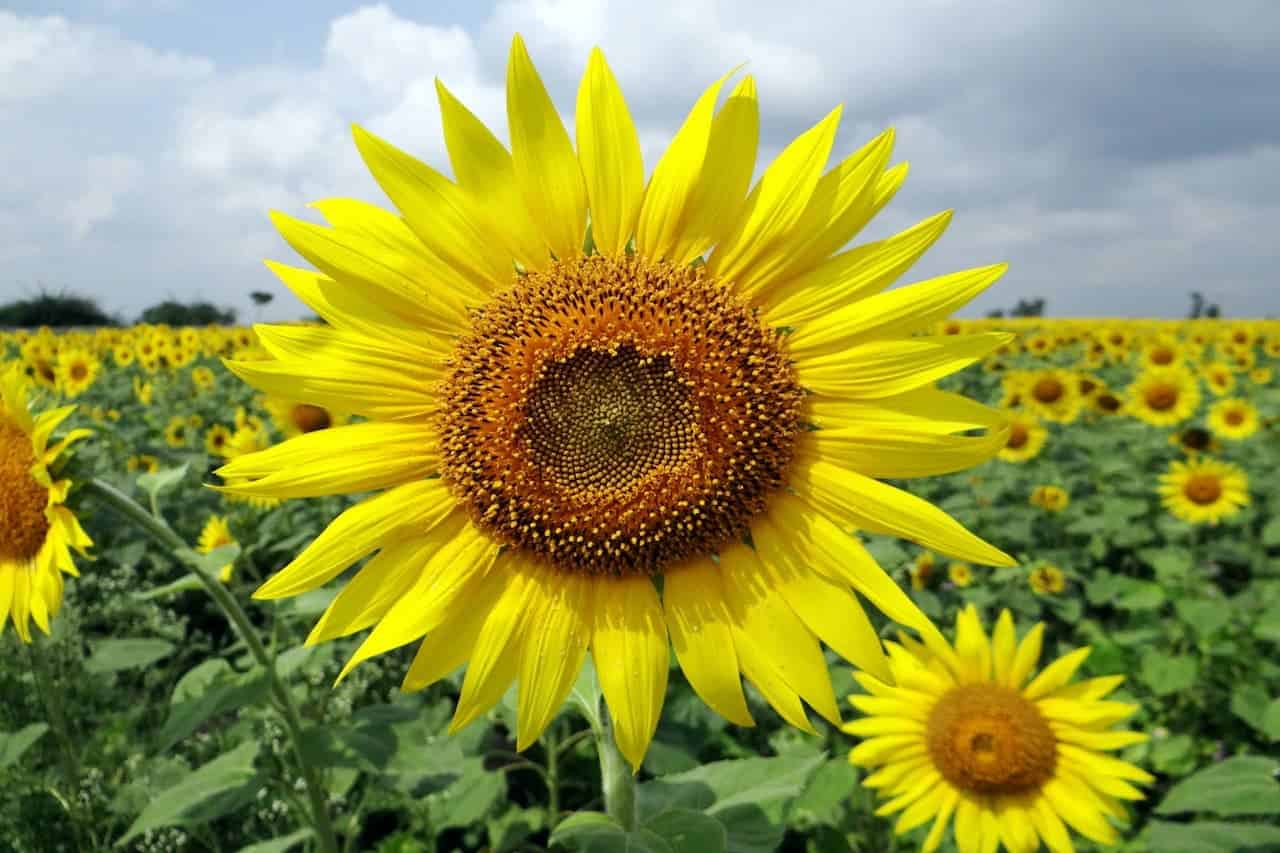
Finally, many gardeners forget the importance of planting for wildlife. By choosing plants that provide food and habitat for birds, insects, and other wildlife, you can create a more balanced and sustainable garden.
This can involve planting native species, providing water sources, and minimizing the use of pesticides. By creating a garden that supports wildlife, you not only improve the health of your garden, but also contribute to local biodiversity.