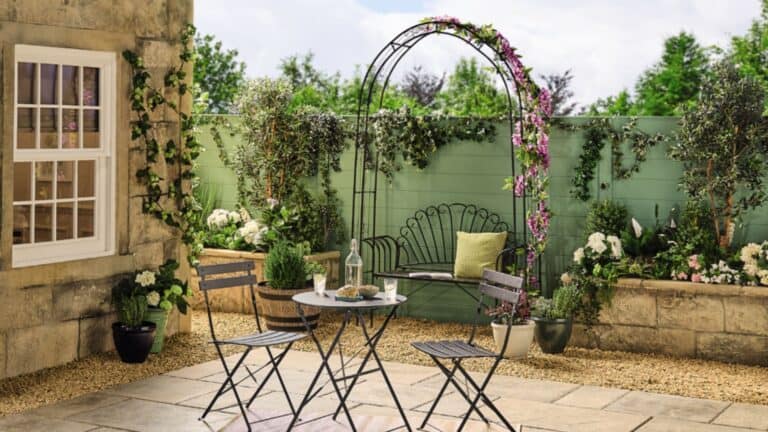
Gardening continues to evolve, with new styles and ideas emerging each year to inspire your outdoor space. Whether you’re an experienced gardener or just starting out, understanding the latest trends can help you create a garden that feels fresh and inviting.
These garden trends set to grow in popularity next year will offer practical and creative ways to enhance your garden’s beauty and sustainability. Exploring these shifts will give you plenty of ideas to refresh your green space and connect with nature in new ways.
Advertisement
Sustainability Moves to the Forefront
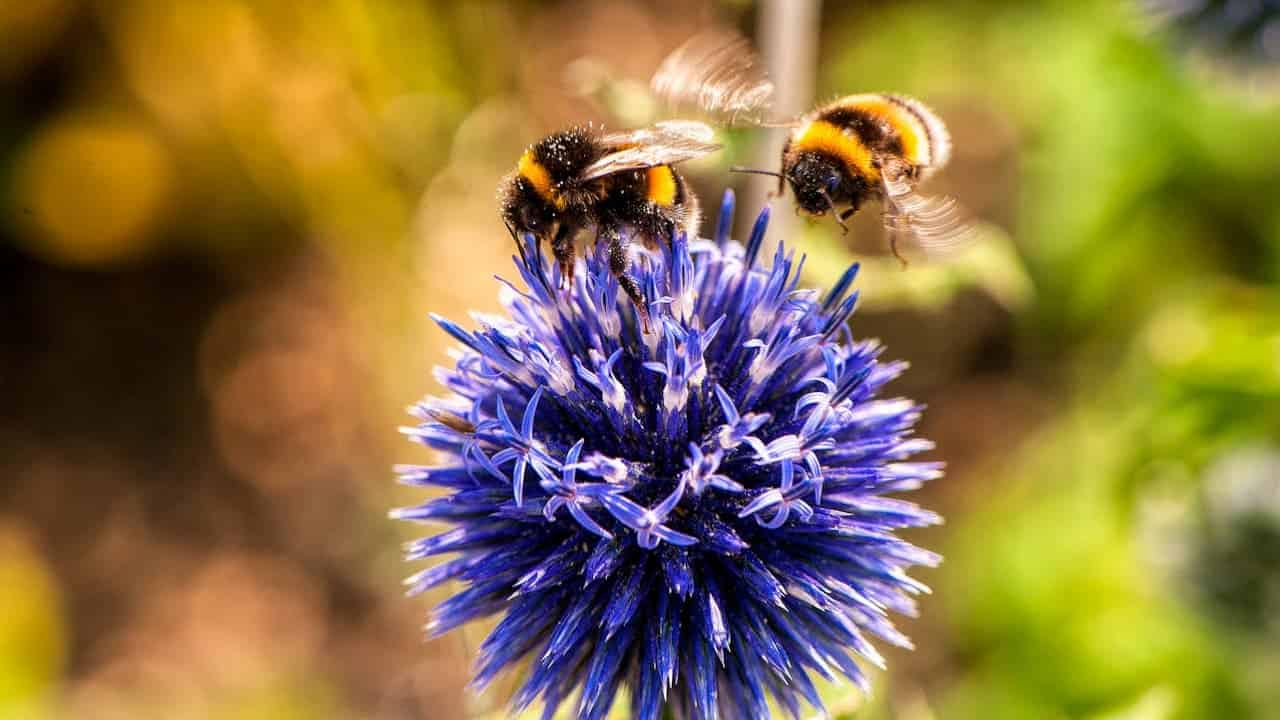
You’ll notice sustainability becoming a key focus in gardening next year. Your garden can support local wildlife by planting pollinator-friendly species and avoiding harmful chemicals.
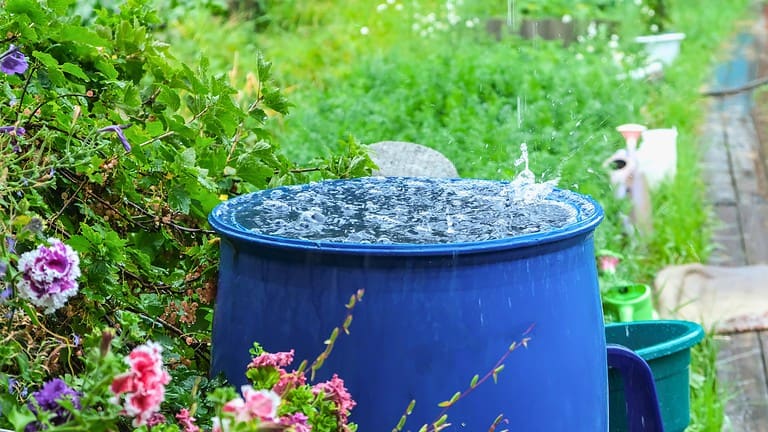
Using native plants helps your garden thrive with less water and maintenance. Composting and rainwater harvesting are simple ways you can reduce waste and conserve resources.
Your choices can make a positive impact on the environment while creating a healthy, vibrant outdoor space.
AI-Enhanced Plant Care

You can now use AI tools to monitor your plants’ health in real time. These smart systems help track water levels, sunlight, and soil conditions tailored to your garden.
With AI, your plants receive more precise care, reducing waste and encouraging growth. It’s like having a garden assistant that learns what your plants need most. This technology is becoming easier to use and more affordable each year.
Wellness Gardens for Mental Health

You can create a peaceful space in your garden designed for relaxation and mental clarity. Adding comfortable seating areas helps you take moments to unwind outdoors.
Incorporating elements like soft greenery and gentle water features supports a calming atmosphere. Spending time in your garden this way can boost your mood and reduce stress.
Native and Climate-Resilient Plants
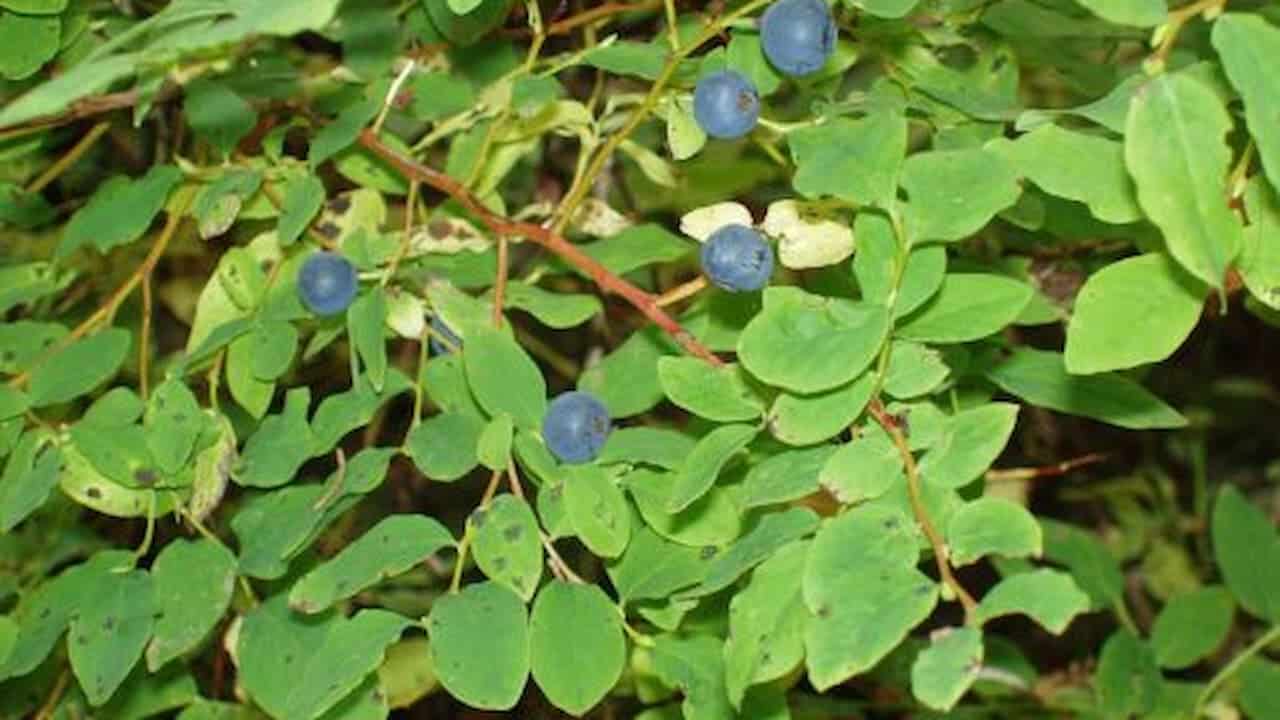
You’ll find that native plants are becoming a top choice for gardens. They are well adapted to your local climate, which means they need less water and care.
Choosing climate-resilient plants helps your garden handle extreme weather. These plants are tough and can thrive even when conditions change unexpectedly.
By using native and resilient plants, you support local wildlife and create a garden that’s both beautiful and sustainable. Your garden will be easier to maintain and better for the environment.
Water-Wise Plantings
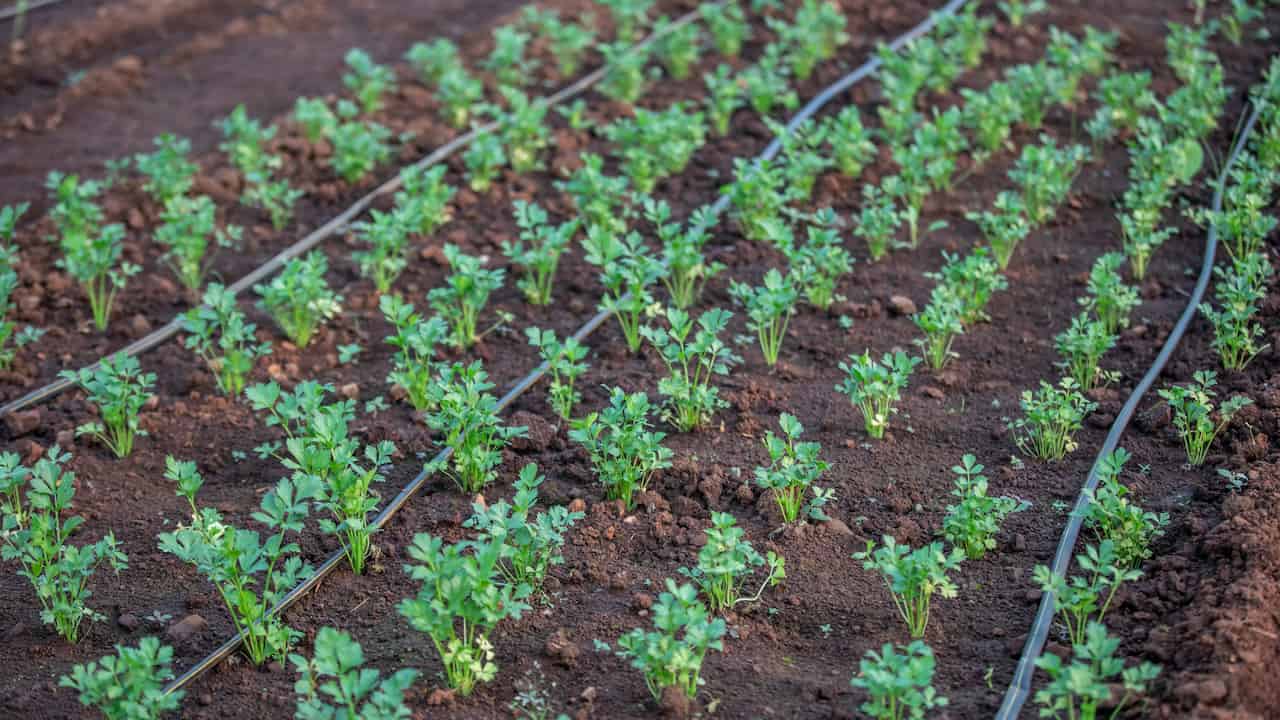
You can save water by choosing drought-tolerant plants that thrive with less moisture. These plants reduce the need for frequent watering, making your garden more sustainable.
Using efficient irrigation, like drip systems, helps target water where your plants need it most. This way, you maintain a healthy garden while conserving water.
Bold Colors and Textures

You’ll notice bold colors becoming a key feature in gardens next year. Think bright teals and vibrant shades that bring energy to your outdoor space.
Textures are important too. Mixing rough leaves with smooth petals adds depth and interest.
Using colorful pollinator plants not only makes your garden lively but also supports local wildlife. Don’t be afraid to experiment with different hues and textures.
Living Fences Instead of Traditional Hedges
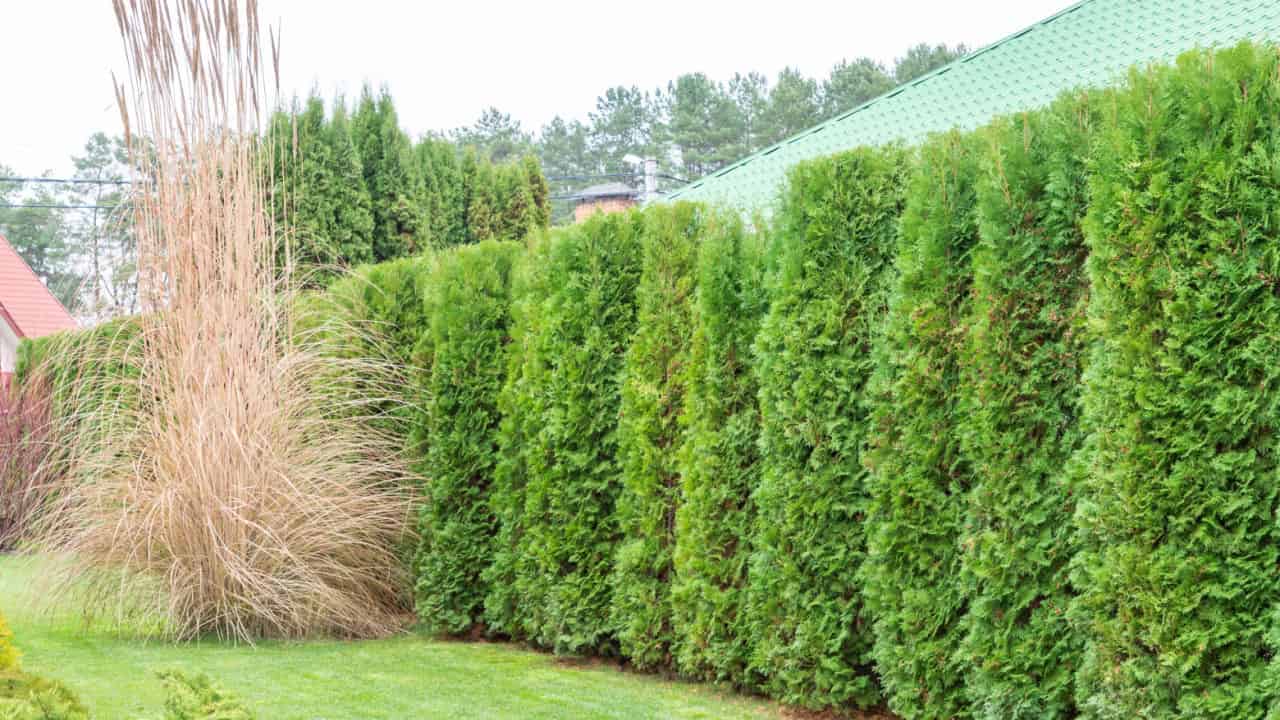
You might find living fences a fresh alternative to classic hedges. They use a variety of plants, creating a more natural, layered look for your garden.
Living fences support biodiversity and offer a softer boundary around your space. They also provide habitats for birds and insects, making your garden more lively.
If you want a low-maintenance option, choose native plants for your living fence. This helps your garden blend into the local environment and thrive more easily.
Foraging Gardens with Edible Plants
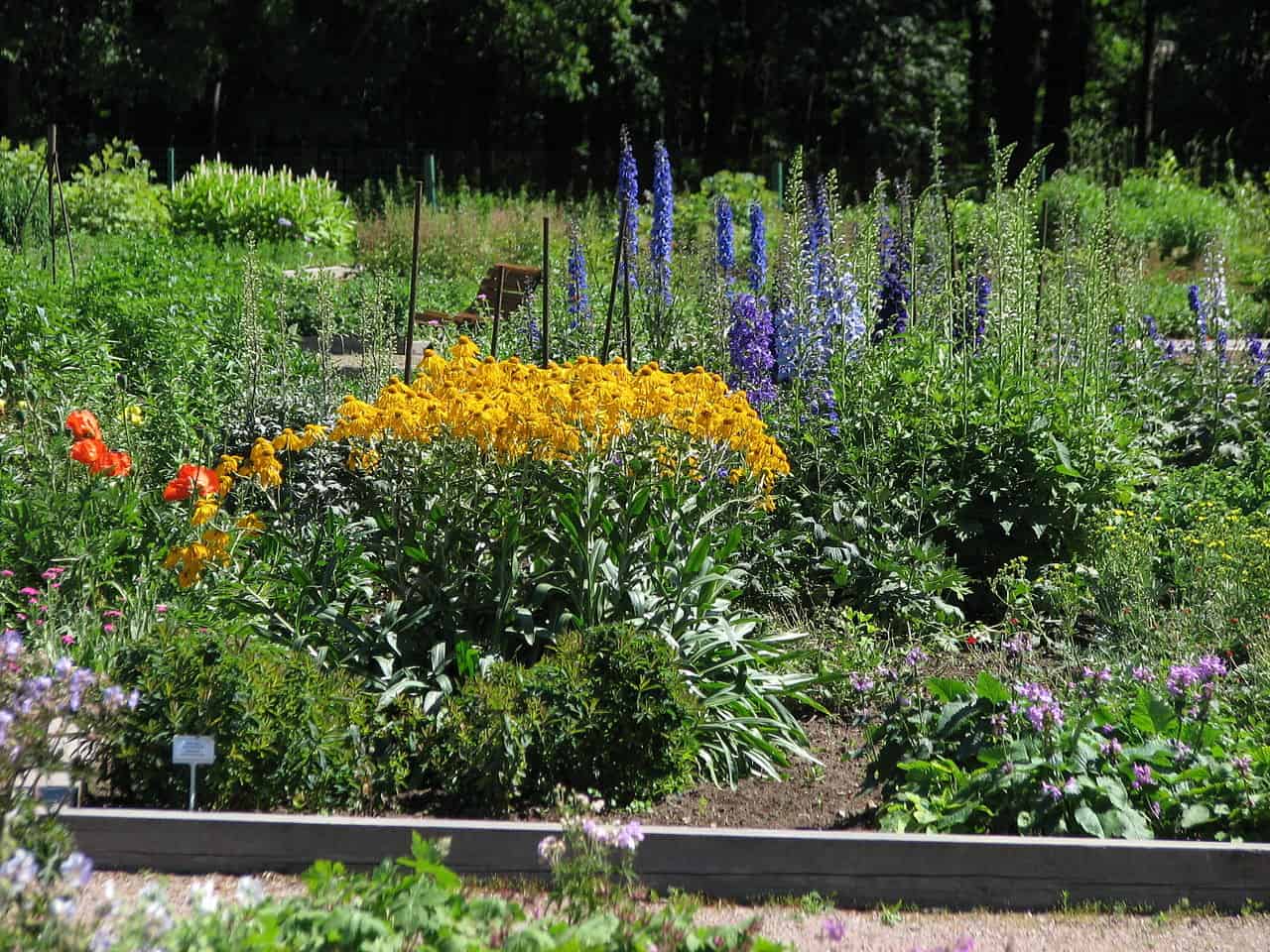
You can bring the joy of foraging right into your garden by planting edible plants. These gardens blend beauty and utility, making your outdoor space both tasty and inviting.
Edible plants don’t have to be tucked away. Feel free to mix them with your regular garden flowers or grow them in visible spots.
By growing your own edible garden, you’ll have fresh herbs, berries, and greens at your fingertips. It’s a practical and enjoyable way to connect with nature daily.
Fire-Resistant Landscaping
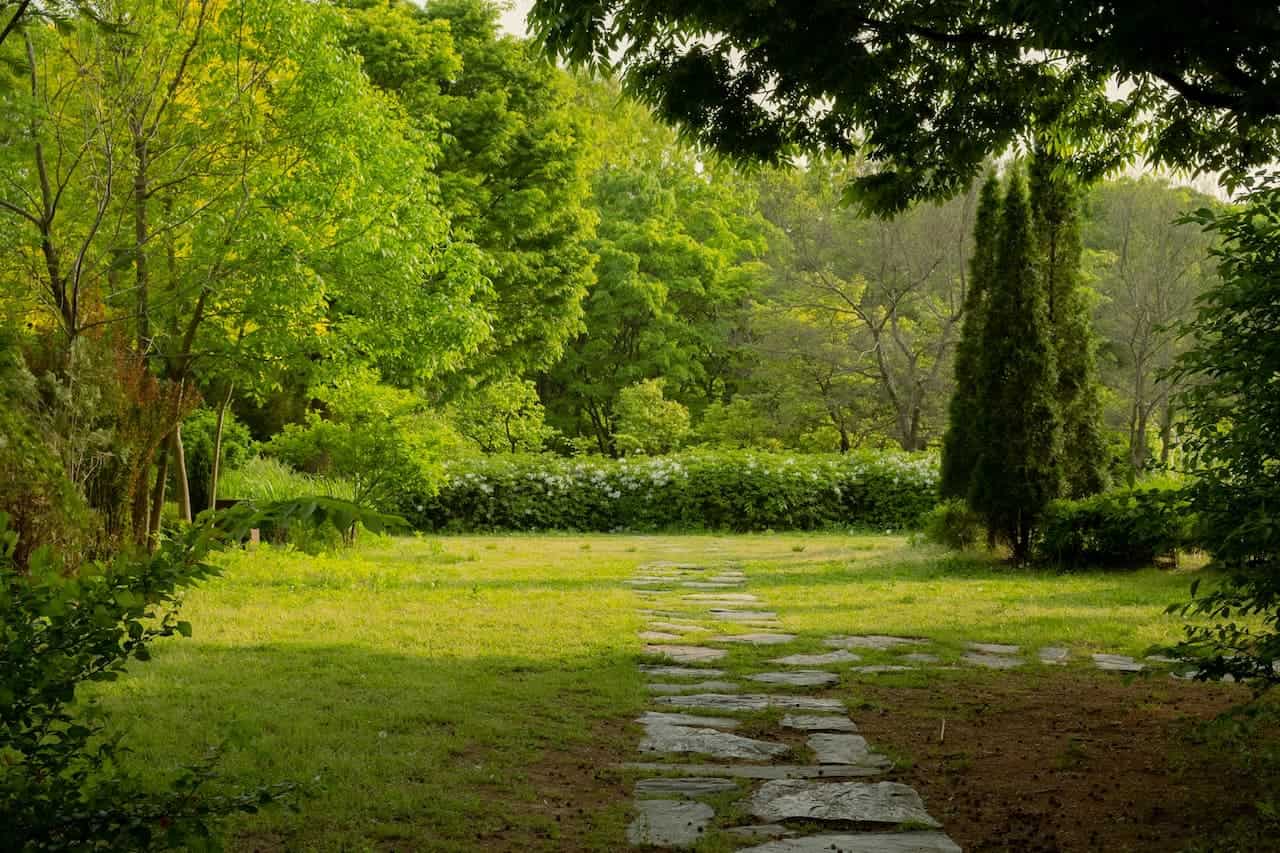
You can reduce wildfire risks by choosing fire-resistant plants for your garden. Opt for deciduous trees instead of fine-needled evergreens like pines or junipers, which are more flammable.
Using low-water, fire-resistant plants also helps during droughts. These choices make your yard safer and easier to maintain in dry conditions.
Floristry-Inspired Garden Designs

You’ll find floristry techniques influencing garden layouts more than ever. Arrangements that mimic floral bouquets bring a fresh, artistic touch to your outdoor space.
Using bold colors and varied textures mirrors what florists do indoors. You can combine native flowers with seasonal blooms for a natural but styled look.
This approach encourages creativity, letting you experiment with shapes and layers, much like creating a bouquet. Your garden becomes both a display and a living work of art.
Greening Grey Urban Spaces
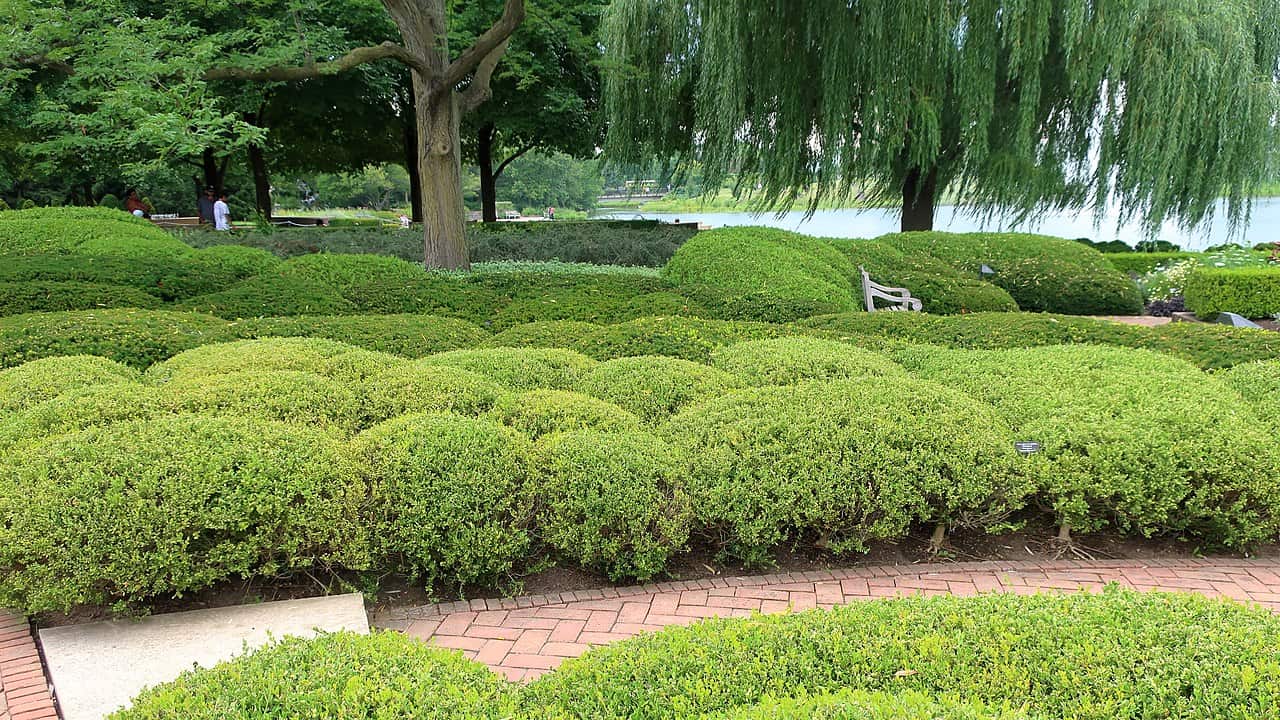
You can transform dull city areas into vibrant green spots. Adding plants to walls, rooftops, and sidewalks helps brighten your environment and improves air quality.
These green additions create small natural havens that support urban wildlife. They also reduce heat and make your neighborhoods more pleasant and inviting.
Regenerative Planting Techniques

You can improve your garden’s health by using regenerative planting. This method focuses on restoring soil life and boosting biodiversity.
Try rotating crops and adding cover plants to keep your soil rich and active. These techniques help your garden become more resilient and self-sustaining over time.
By working with nature, you support pollinators and encourage a balanced ecosystem. Your garden will thrive without relying heavily on chemicals.
Wildflower Meadows

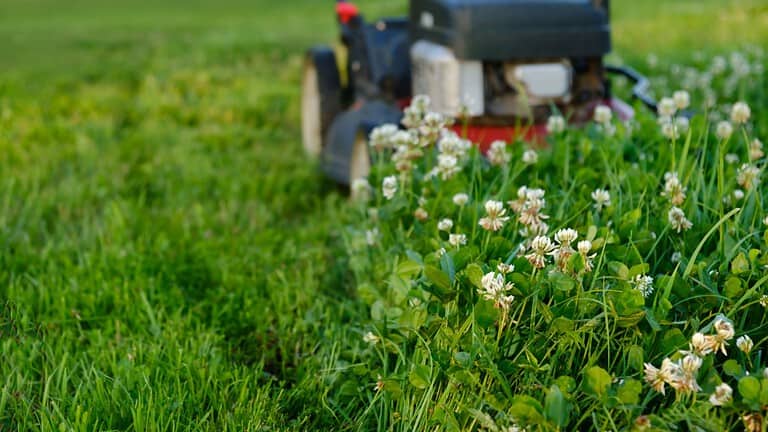
You can replace traditional lawn areas with wildflower meadows to add natural beauty and support local wildlife. These meadows often include native plants like goldenrod and penstemon, which attract pollinators.
Wildflower meadows require less maintenance and water than regular grass, making them a sustainable choice. Plus, they bring vibrant color and texture to your garden throughout the seasons.
Purple Vegetables in Edible Gardens
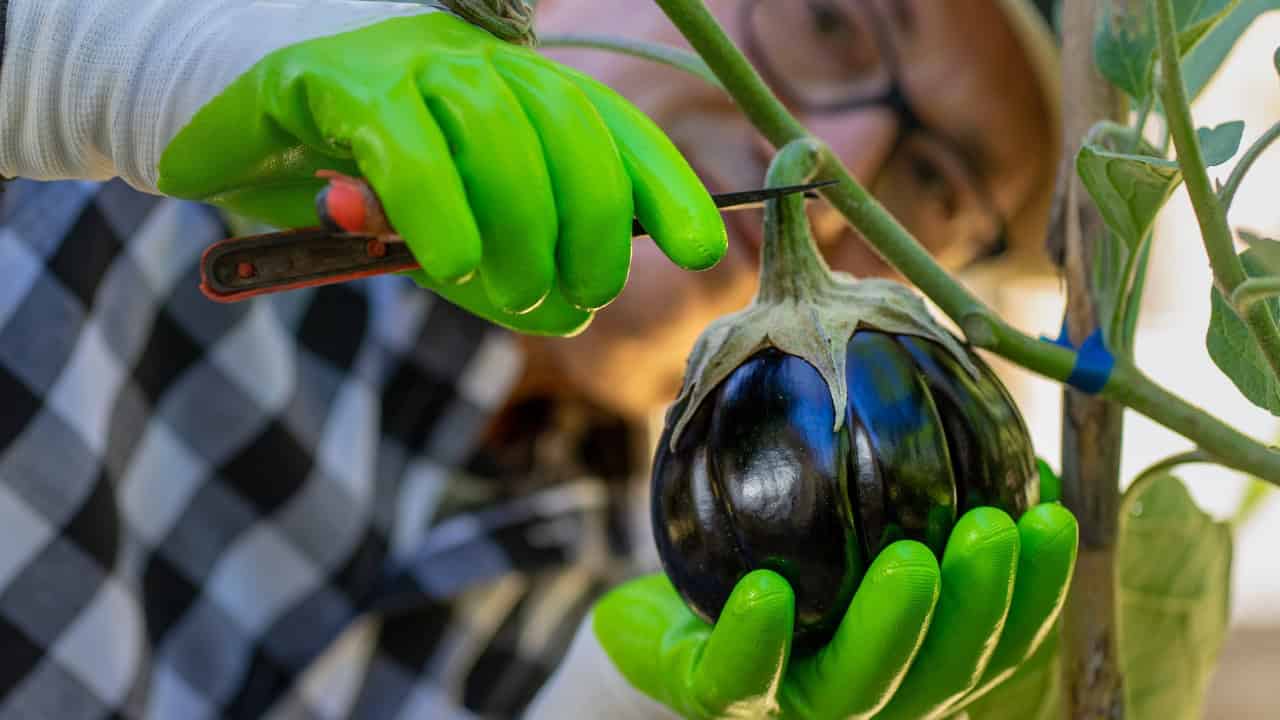
Adding purple vegetables to your edible garden brings both color and nutrition. You might try purple carrots, kale, or eggplants, which offer antioxidants and vitamins.
These vibrant veggies brighten your garden and meals without extra effort. They are also a great way to diversify what you grow and eat. Give purple vegetables a spot in your garden for a fresh look and tasty harvest.
Smart Irrigation Systems

You can save water and time with smart irrigation systems. These systems use sensors and weather data to adjust watering automatically.
Your garden gets just the right amount of water, reducing waste. Plus, many models are easy to install and manage from your phone.
Using smart irrigation helps you care for plants more efficiently while being kind to the environment. It’s a simple way to garden smarter in 2025.
Pollinator-Friendly Planting

You can support local pollinators by choosing plants that attract bees, butterflies, and other beneficial insects. Native flowers like sunflowers, marigolds, and cosmos are great options to include in your garden.
Leaving certain areas undisturbed helps create a welcoming environment for these creatures.
By making your garden pollinator-friendly, you not only boost plant health but also contribute to a balanced ecosystem right outside your door.