Storing garden tools properly is key to keeping them in good shape and ready for your next project. Many people unknowingly store their tools in ways that cause damage or wear, reducing their lifespan and effectiveness.
Understanding how to store your garden tools correctly can save you time, money, and frustration. This article will help you spot common mistakes and show you better ways to care for your tools so they last longer and perform well.
Advertisement
Storing tools directly on concrete floors
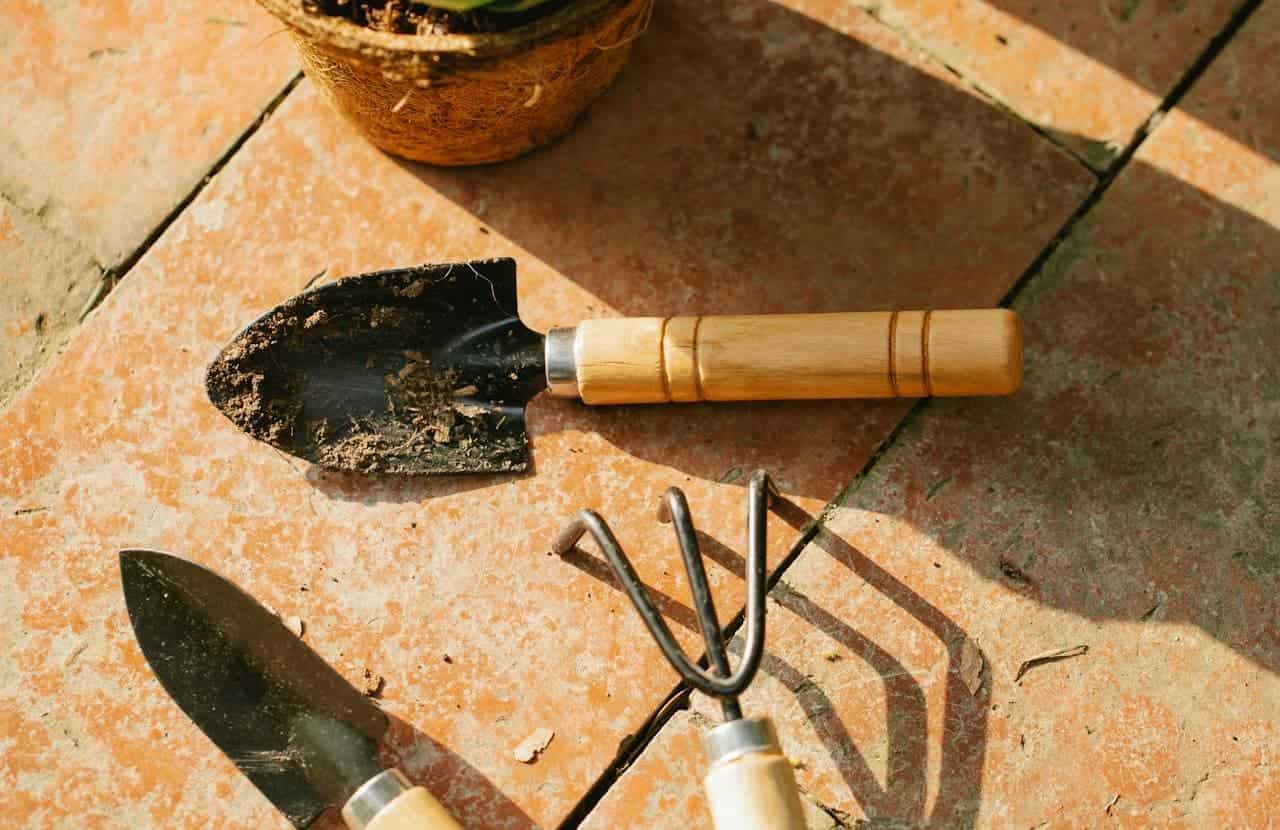
Storing your garden tools directly on concrete floors can cause problems. Concrete tends to draw moisture, which can lead to rust on metal parts and rotting of wooden handles.
If you keep tools on the floor, they’re also more likely to get dirty or damaged. Using a raised rack, wooden pallet, or even concrete blocks can help keep your tools dry and in better condition. This simple step extends the life of your tools and keeps your storage area tidier.
Storing tools with dirt still on the blades
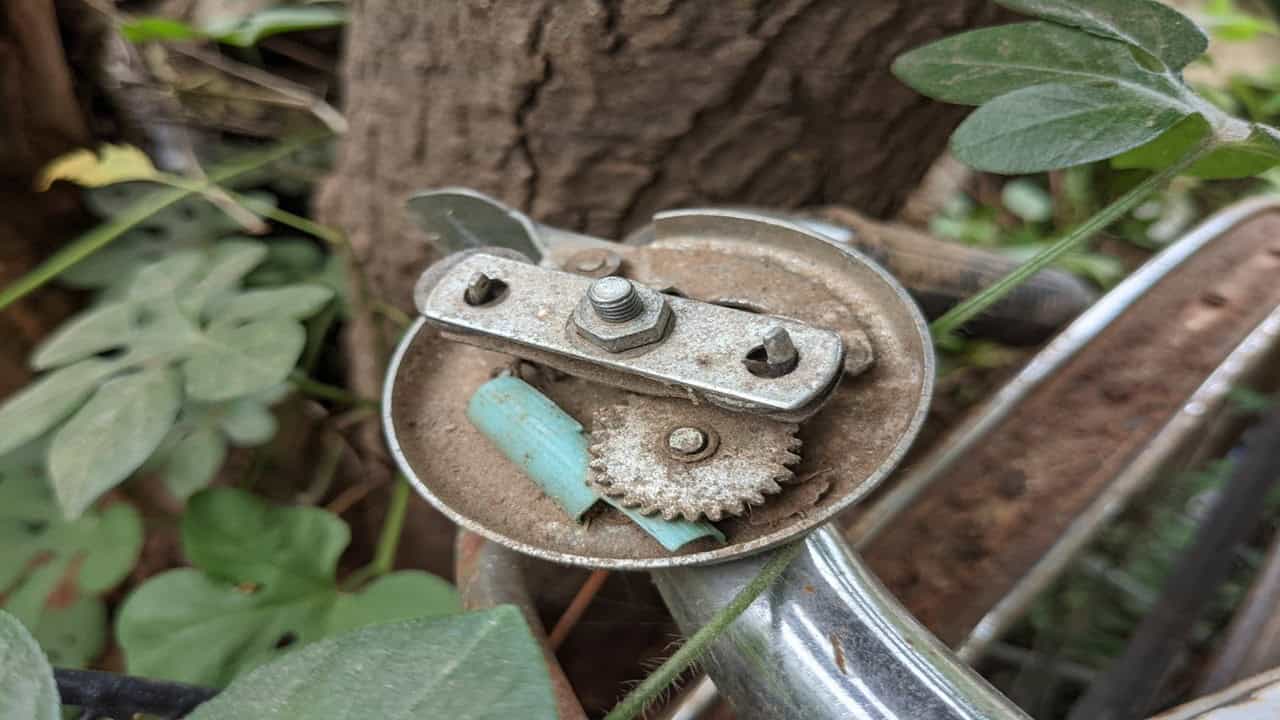
You should avoid putting away garden tools with dirt still on the blades. Moist soil can cause rust and corrosion over time.
Even a quick spray to remove loose dirt helps prevent damage. If dirt is caked on, use a wire brush or putty knife to clean it off.
Keeping your tools clean also protects the area where you store them from getting messy or attracting pests.
Leaving garden tools damp before storage
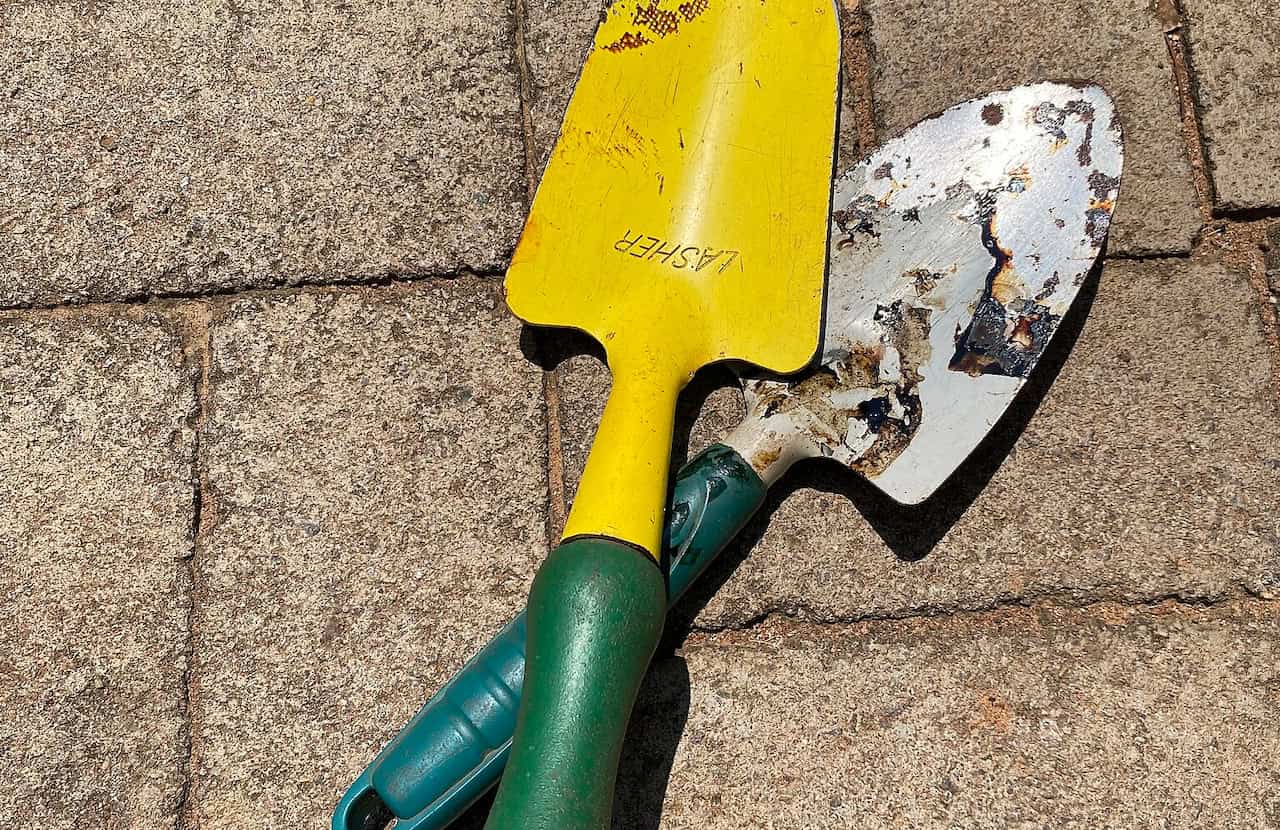
If you leave your garden tools damp, they are much more likely to rust. Water can settle on metal surfaces, causing corrosion over time.
Always dry your tools thoroughly before storing them. Use a cloth or paper towel to wipe off moisture, especially after cleaning.
Storing tools wet also encourages mold and weakens wooden handles. Taking a moment to dry your tools helps them last longer and stay safe to use.
Stacking metal tools without any protection

When you stack metal tools directly on top of each other, you risk scratches and chips on the blades or metal parts. These small damages can lead to rust, even on stainless steel tools.
Always place a layer of cloth, cardboard, or a protective coating like oil between your metal tools. This extra step helps keep them in good shape and extends their usability.
Ignoring blade sharpening before storing

If you skip sharpening your blades before storing, they can become dull and less effective. Dull blades make your gardening tasks harder and can damage plants.
Try to sharpen your tools regularly, especially before putting them away. Use a file or sharpening stone, and remember to clean the blades first.
Keeping blades sharp also helps prevent rust and extends your tools’ lifespan. It only takes a few minutes but makes a big difference.
Mixing garden tools with power tools in the same spot
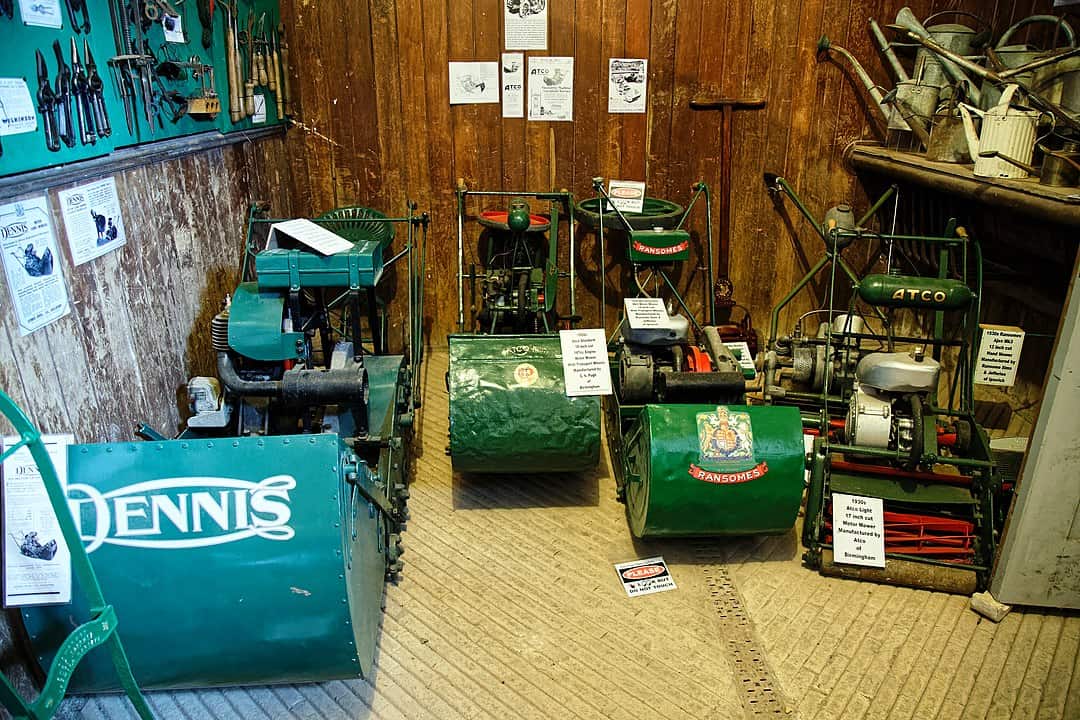
You should avoid storing garden tools and power tools together, especially if gas-powered items like lawn mowers are involved. Gas can leak and damage nearby tools or create safety hazards.
Keep your power tools in a separate, well-ventilated area to prevent corrosion and accidents. Proper separation also helps you organize your workspace better and extend the life of all your equipment.
Storing tools in unventilated or humid sheds
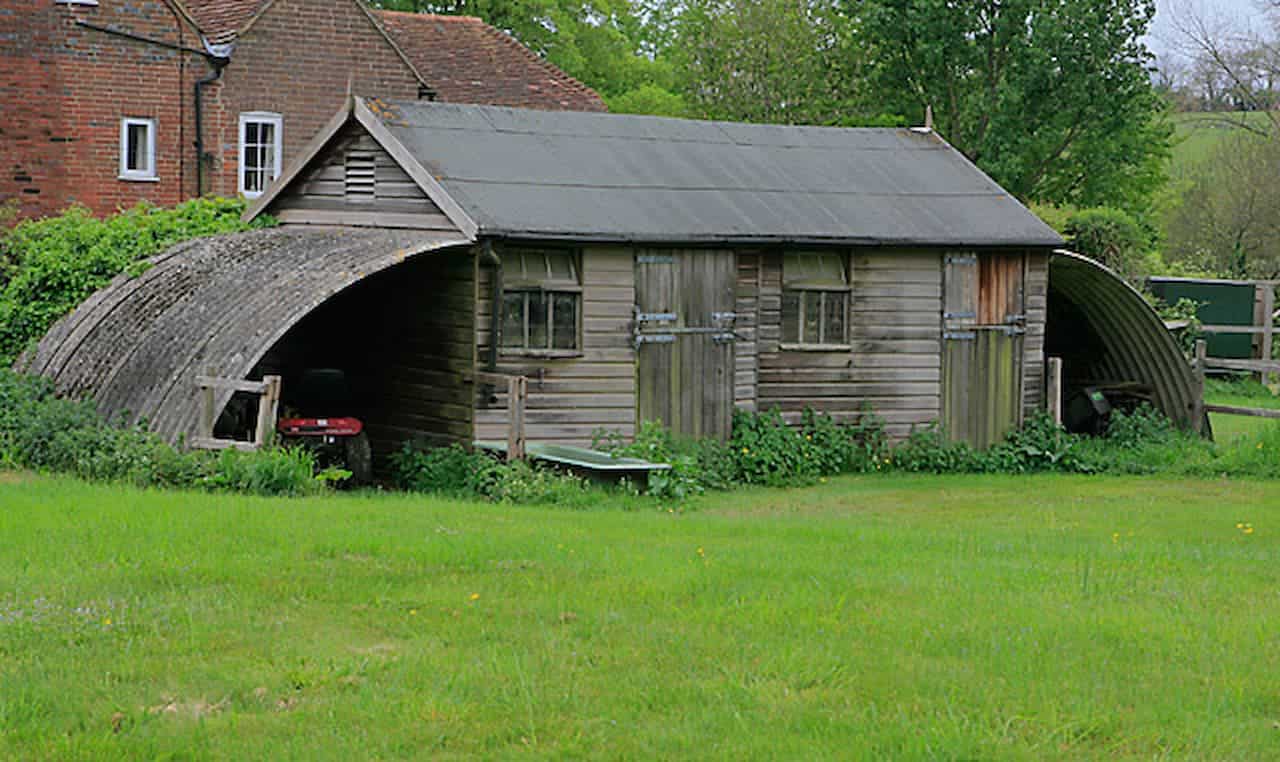
Storing your garden tools in unventilated or humid sheds can cause rust and damage. Moisture builds up and affects metal parts, reducing their lifespan.
To protect your tools, keep them dry by using airtight bins or cases. If possible, improve ventilation or use a dehumidifier to reduce humidity.
Avoid leaving batteries inside power tools stored in these sheds, as cold and moisture can harm their performance.
Not cleaning and sterilizing pruners and shears

If you don’t clean your pruners and shears after use, dirt and plant sap can build up. This residue can cause tools to rust or even spread plant diseases.
Spraying your tools with rubbing alcohol or wiping them with soapy water helps keep them clean. Regularly sterilizing your tools protects your plants and makes your pruning easier.
Using bare metal racks without rust prevention
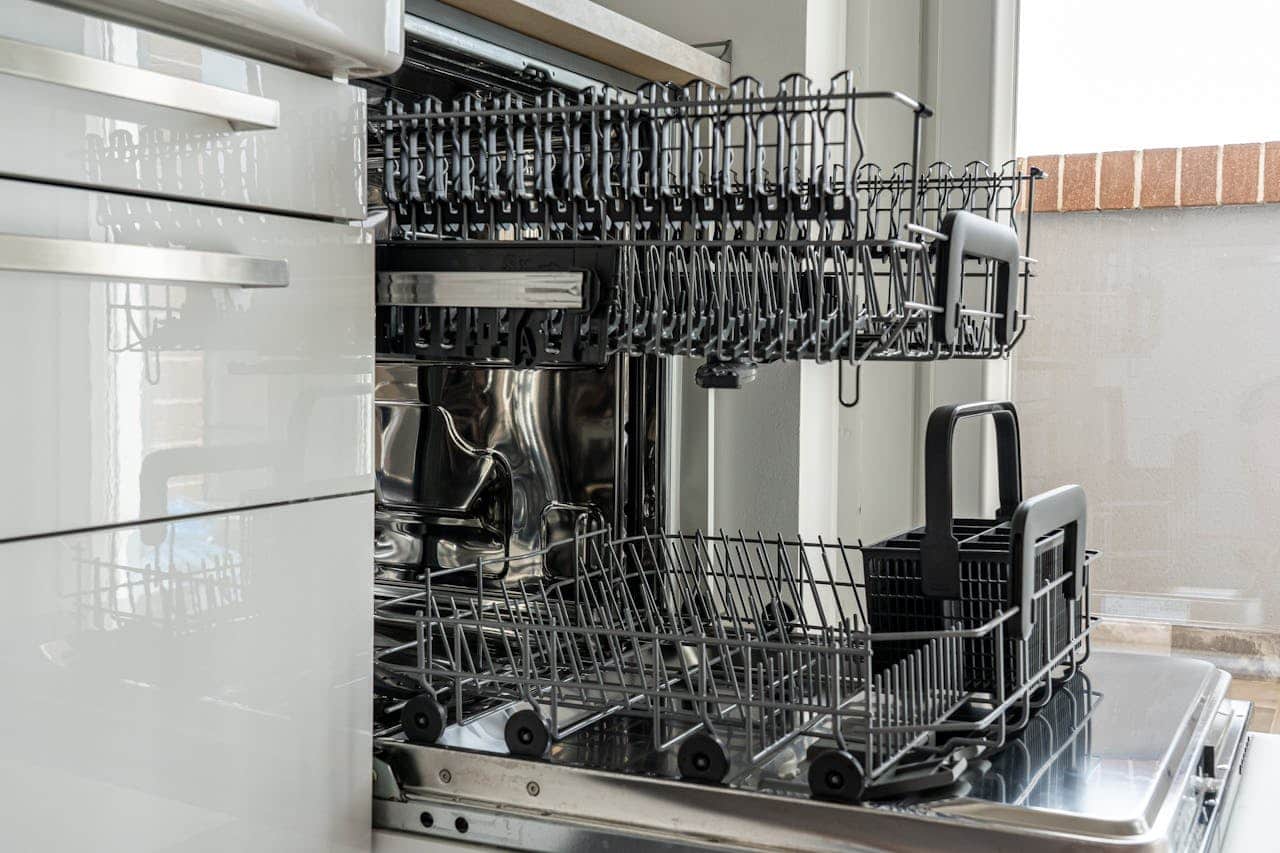
If you store your tools on bare metal racks, rust can form quickly. Metal racks exposed to moisture cause your tools to develop surface rust.
To protect your tools, you need to create a barrier between the metal and your tools. Applying oil to your tools or using rust-resistant coatings on racks helps prevent damage.
Avoid leaving tools on metal racks in damp areas. Keeping both your racks and tools dry will extend their life.
Leaving wooden handles untreated and dry

If you leave wooden handles dry and untreated, they can start to crack and splinter. This weakens the wood and makes your tools less comfortable and safe to use.
To keep your handles in good shape, you should oil them regularly. Using something natural like olive oil helps the wood absorb moisture and stay strong.
Also, avoid leaving your tools out in the sun or rain. Storing them inside protects the wood from drying out and weather damage.
Neglecting oil treatment on metal parts

If you skip oiling the metal parts of your tools, rust can quickly form. Moisture promotes corrosion, which weakens your tools over time.
To protect metal, lightly coat it with motor oil or multi-purpose oil before storing. You can even keep your tools in sand mixed with oil to keep them dry and rust-free.
This simple step keeps your tools in good shape, making them last longer and perform better when you need them.
Hanging heavy tools by the handle only
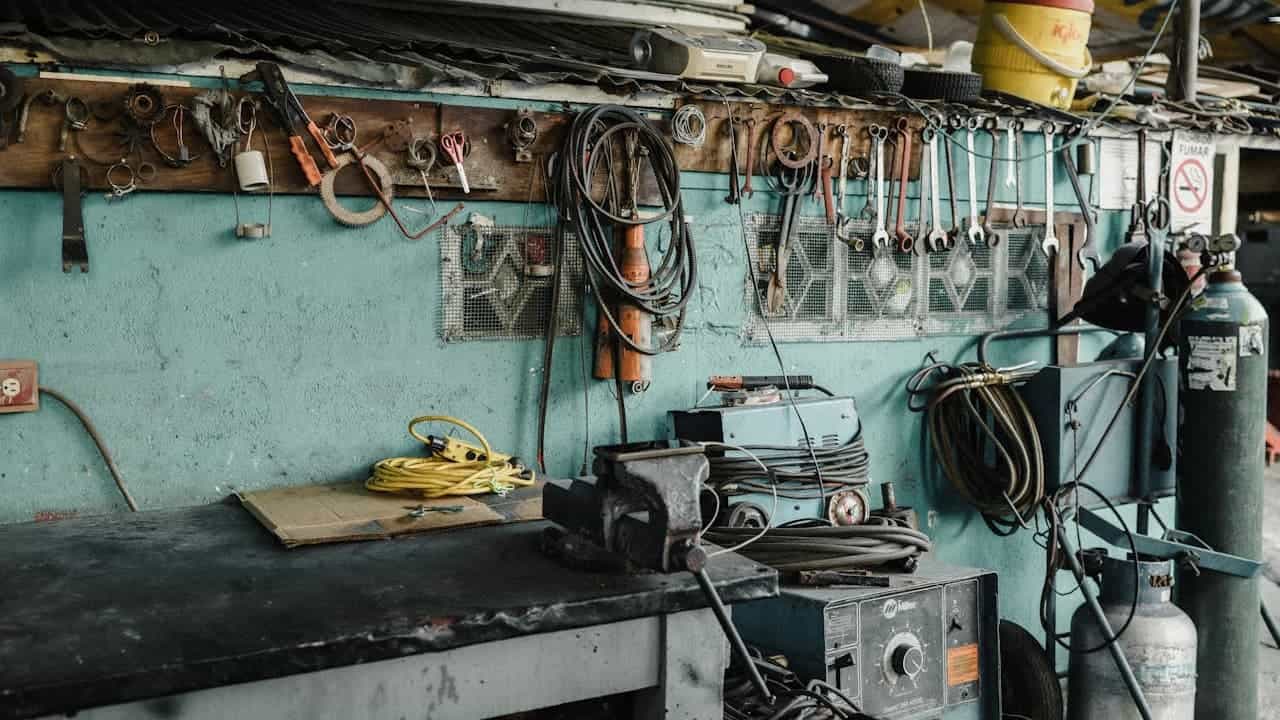
You might think hanging heavy tools by their handles is space-saving, but it can strain and weaken the handle over time. This may cause cracks or breaks, especially with wooden handles.
Instead, support the tool’s weight closer to the head or use racks designed to hold heavy tools safely. This protects your tools and keeps them ready to use when you need them.
Forgetting to dry tools thoroughly after washing
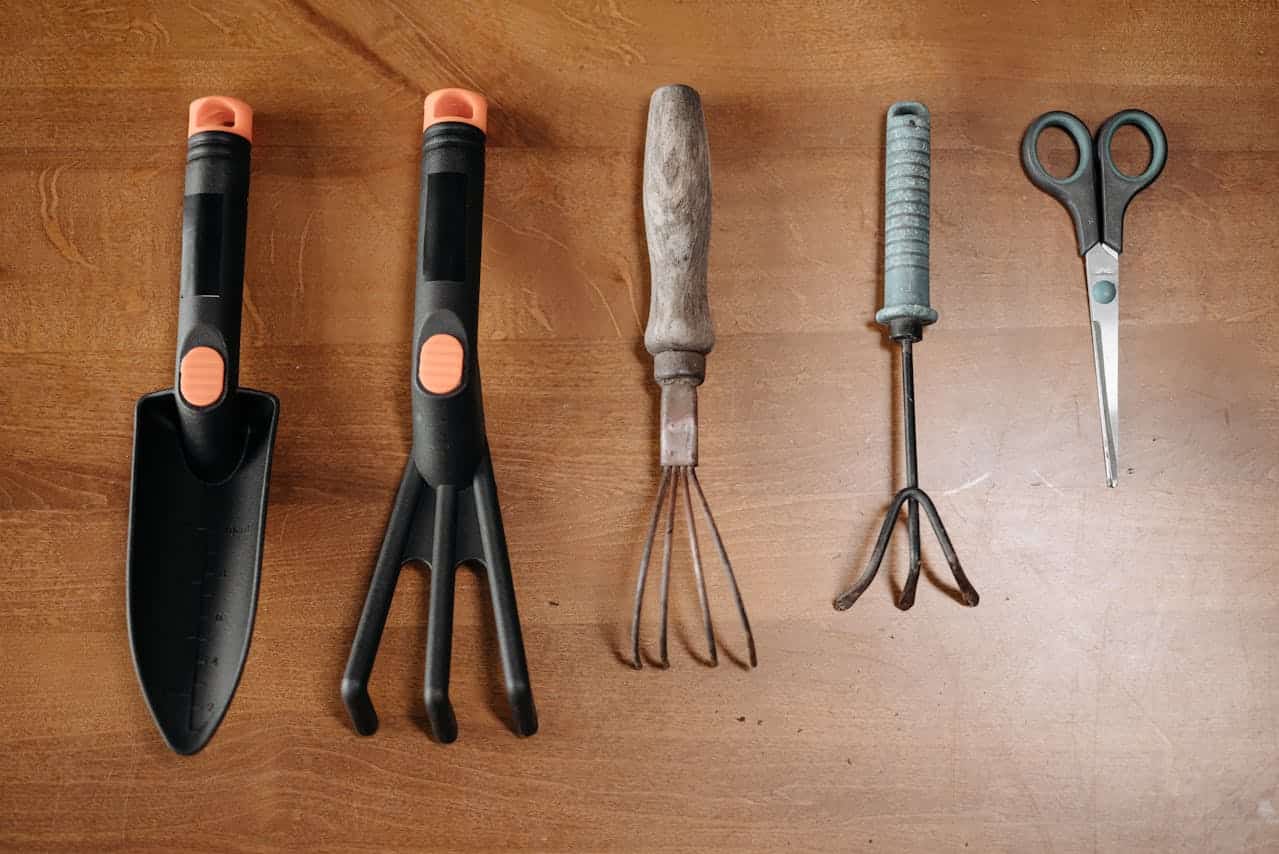
If you don’t dry your tools properly after washing, moisture can cause rust to form. This shortens your tools’ lifespan and makes them harder to use.
After rinsing dirt or detergent off, make sure to dry every part of your tools with a clean cloth. Taking this extra step helps keep your tools in good shape for your next gardening session.
Using cardboard boxes for long-term tool storage
You might think cardboard boxes are a cheap solution for storing garden tools. However, they attract pests and can easily absorb moisture.
This can lead to damage not only to the box but also to your tools inside. Over time, dampness can cause rust and weaken wooden handles.
If you do use cardboard boxes, avoid putting them directly on the ground or in humid areas. Consider more durable alternatives for long-term storage.
Storing tools outside uncovered or in tarps
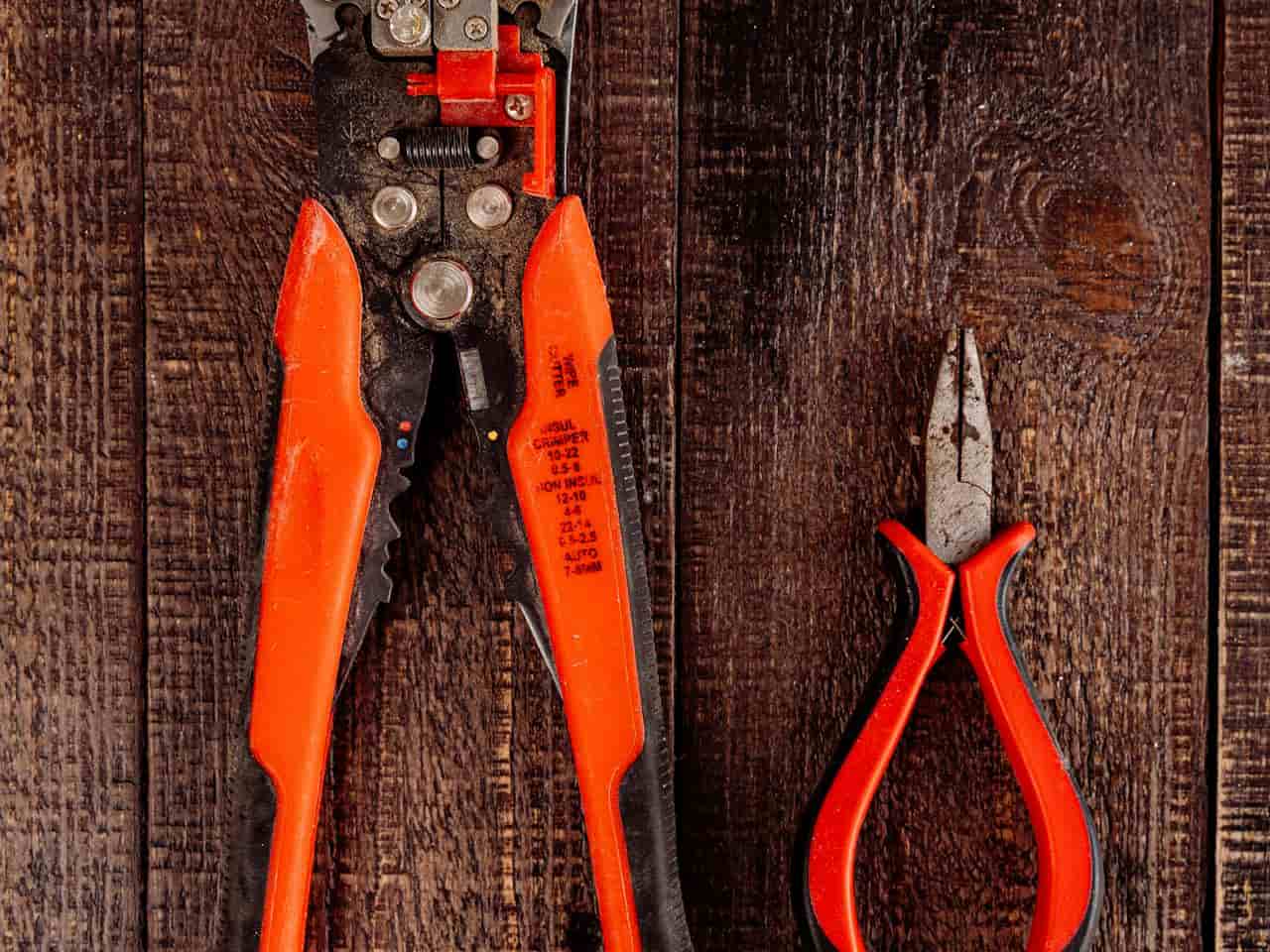
You should avoid keeping your garden tools outside uncovered. Exposure to weather causes rust and damages wooden handles.
Covering tools with a tarp might seem helpful, but it traps moisture underneath. This leads to condensation, which can cause corrosion over time.
If you must store tools outside, use a weatherproof chest or a sealed container instead. This helps protect them from moisture and temperature changes.
Ignoring pest infestations on stored tools

If you leave pests on your tools, they can cause damage or spread to your garden. Small insects often hide in dirt or crevices on tools.
Spraying your tools with a natural pest repellant like neem oil before storage helps keep bugs away. Regularly check your tools for signs of infestation to stop problems early.