Gardening can be a relaxing and rewarding hobby, but storing your tools and supplies the wrong way can quickly turn your space into a chaotic mess. When your garden storage isn’t planned well, you might find yourself wasting time searching for what you need or dealing with damaged equipment.
Understanding common garden storage mistakes can help you create a more organized and enjoyable outdoor space. By avoiding these errors, you’ll keep your garden tools in better shape and your area clutter-free, making gardening simpler and more fun.
Advertisement
Storing tools in the garden shed without waterproof containers

If you don’t use waterproof containers, your tools can easily get damaged by moisture. Water causes rust and can weaken metal parts, reducing the life of your tools.
Even if your shed is covered, humidity can still sneak in. Using plastic bins or sealed boxes keeps your tools dry and organized.
This simple step helps you avoid frustration and keeps your garden tools ready to use whenever you need them.
Ignoring airflow around stored items causing mildew
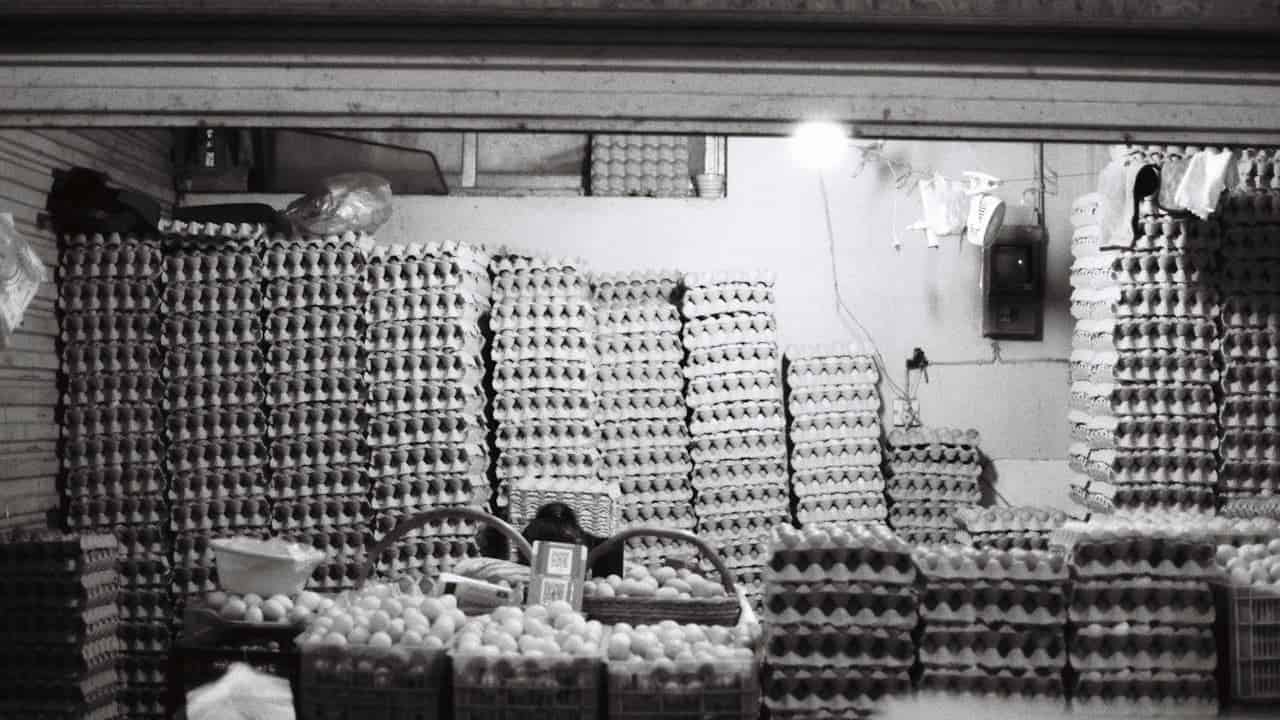
When you pack your garden storage too tightly, air can’t circulate. This lack of airflow traps moisture, encouraging mildew growth on your tools and fabrics.
To prevent this, leave small gaps between items. Even half an inch can help air move and keep things dry.
Also, consider using vents or a fan if your storage area feels stuffy. Proper airflow keeps your belongings fresher and mildew-free.
Mixing chemicals and fertilizers in one storage box
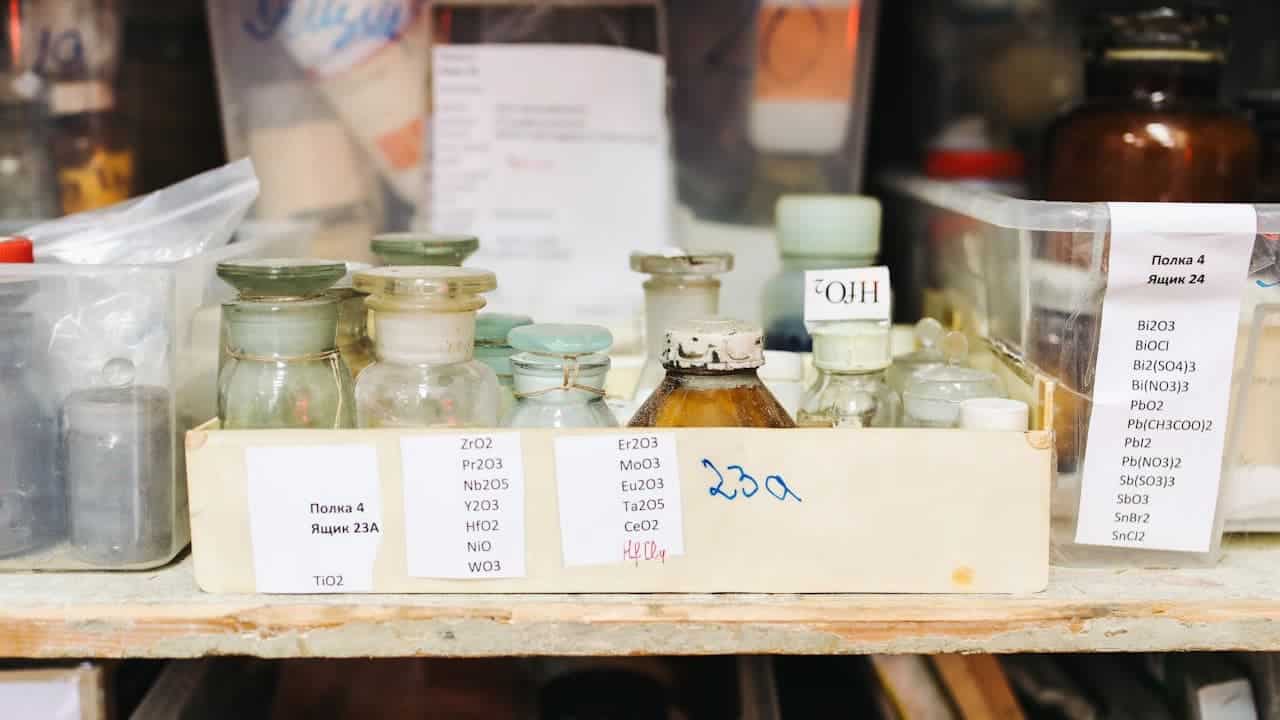
You should avoid storing different chemicals and fertilizers together in one box. If they leak or mix, they could cause dangerous reactions.
Keep them in separate, impermeable containers to prevent accidents. Make sure each container is tightly sealed and clearly labeled.
This helps you stay safe and keep your garden supplies organized.
Keeping garden hoses tangled on the ground
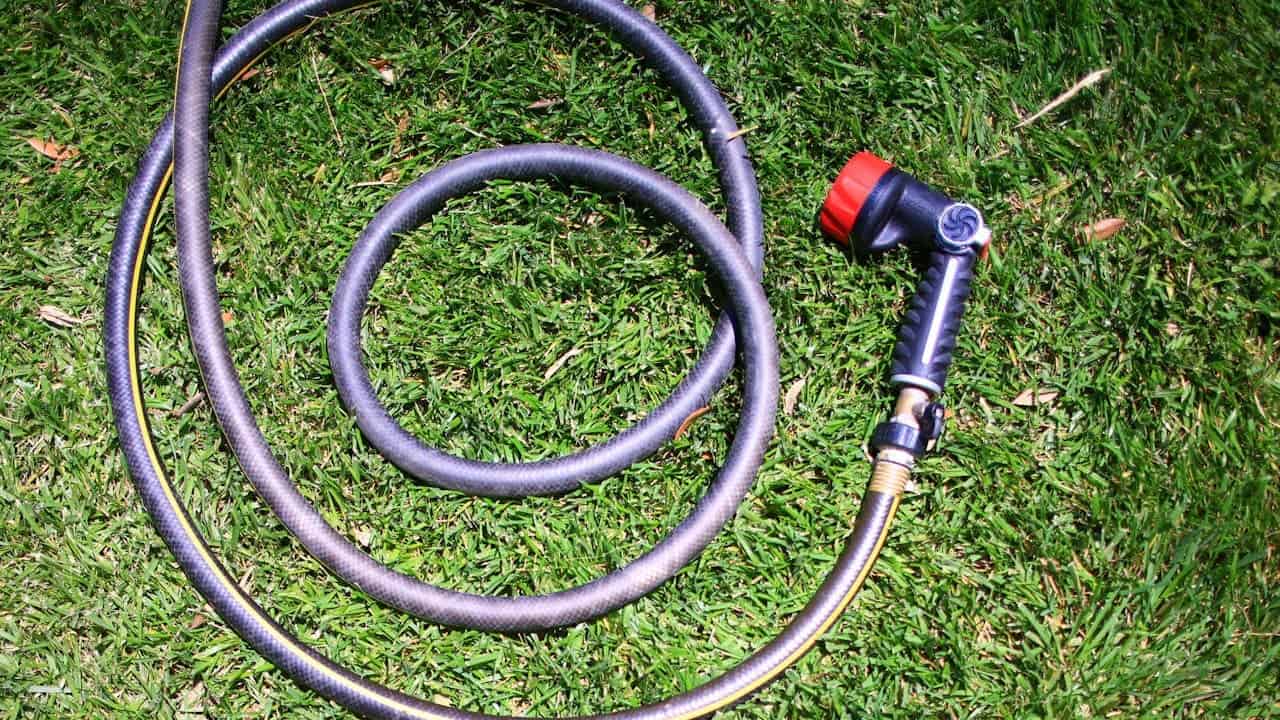
Leaving your garden hose tangled on the ground creates unnecessary frustration. It’s easy for the hose to kink and knot, which can damage it over time.
Instead, coil your hose in a figure-8 pattern before storing. This method helps prevent tangles when you pull it out.
Using a hose reel or a proper storage system makes your yard look tidier and protects your hose from wear. Avoid just throwing it on the ground.
Failing to label storage bins leading to confusion

When you don’t label your garden storage bins, it’s easy to forget what’s inside each one. This can waste your time as you search for tools or supplies.
Labeling bins helps you quickly find what you need without opening every box. It keeps your garden space organized and saves you frustration on busy days. Using clear, simple labels makes a big difference in staying efficient.
Using open shelves that collect dust and pests
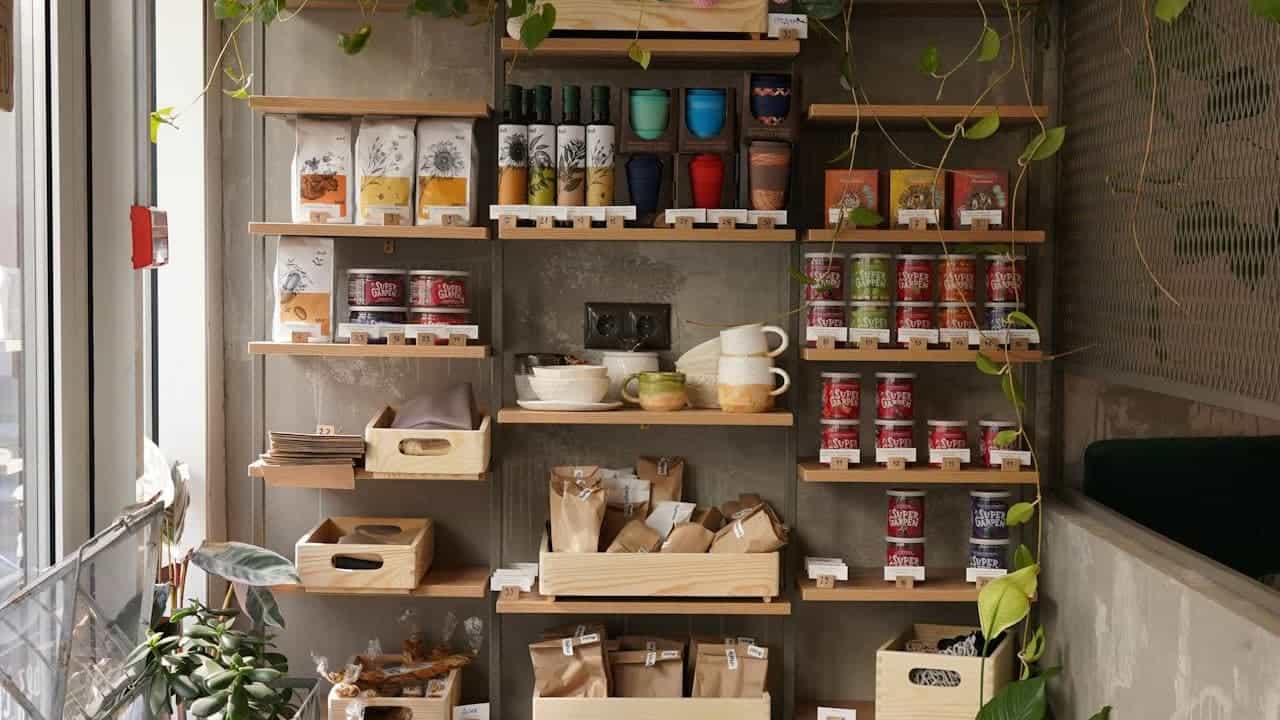
When you use open shelves for garden storage, dust can settle quickly, especially if they are outside or near windows.
You might find it harder to keep your tools and supplies clean. Pests like insects can also make a home on open shelves if items aren’t stored properly.
Consider how often you want to clean and check for unwanted guests before choosing open shelving.
Storing wooden furniture directly on damp soil
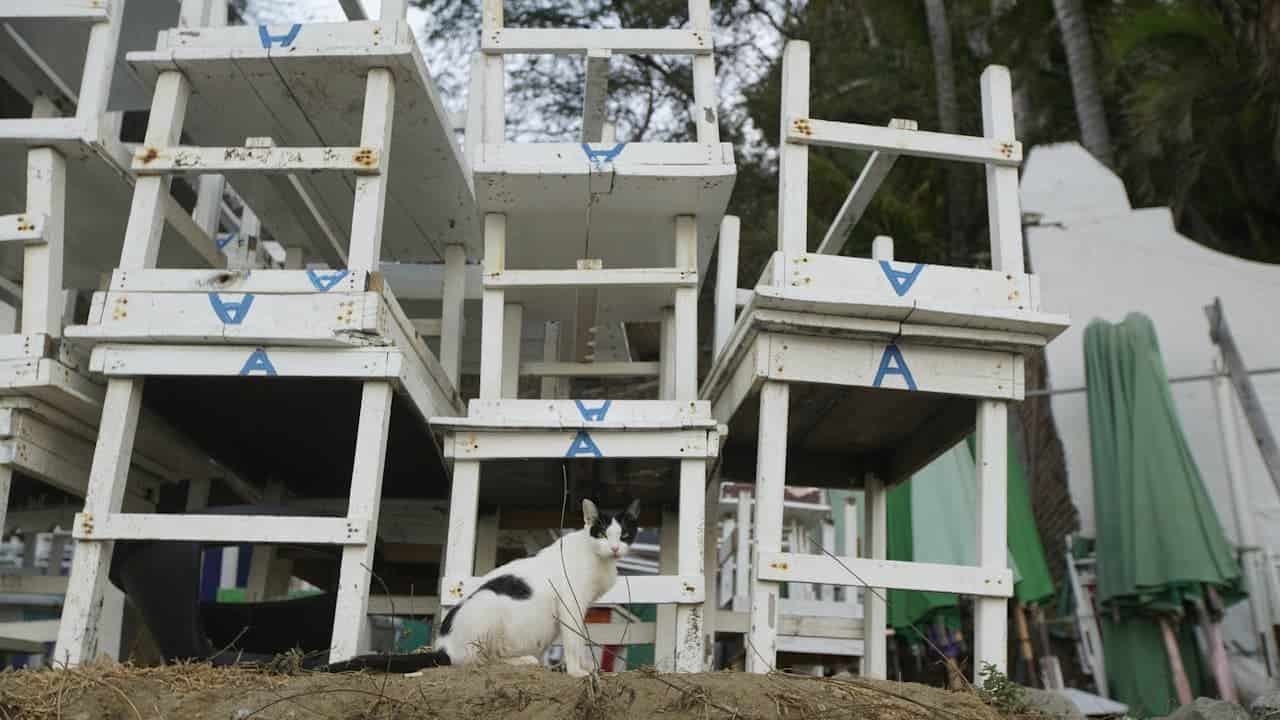
If you place wooden furniture right on damp soil, it can absorb moisture. This often leads to warping, rotting, or mold growth.
Moisture from the soil creates a perfect environment for damage and attracts pests.
To protect your furniture, lift it off the ground using pallets or shelves. This helps keep it dry and extends its life.
Overloading storage spaces making access difficult
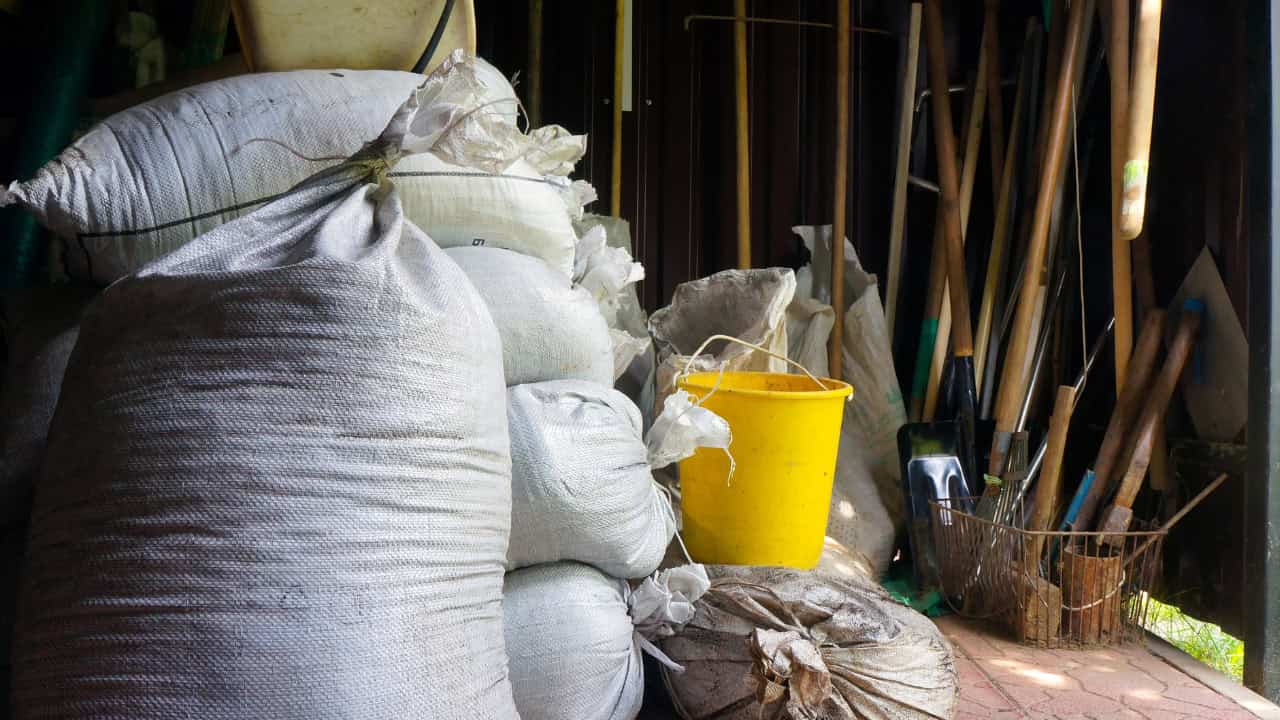
When you pack your garden storage too full, it becomes hard to reach the items you need. Your tools or supplies might get buried under other things, slowing you down.
Try to avoid cramming everything in. Leaving some space helps you find what you want quickly and keeps your storage neat.
Leaving pots and planters uncovered inviting pests
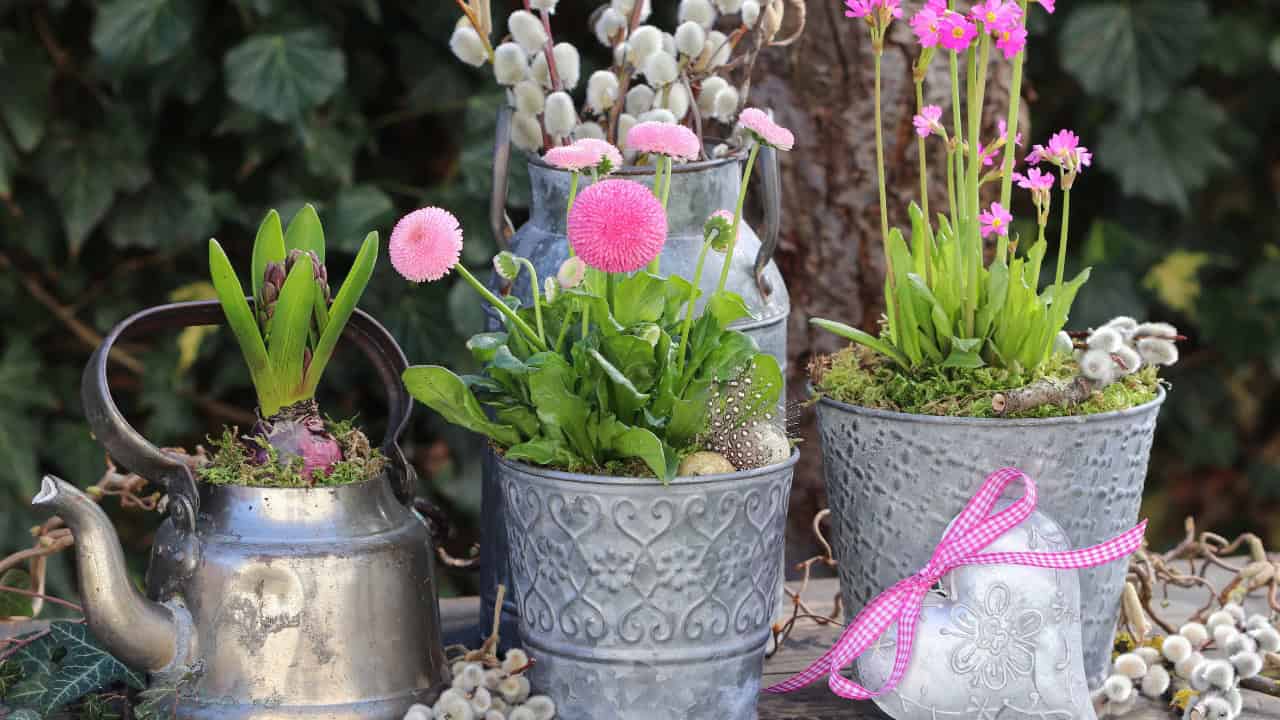
When you leave pots and planters uncovered, you create a perfect spot for pests to settle. Moisture and shelter in these areas attract unwanted insects and mites.
Covering your pots helps reduce moisture buildup and keeps pests from using them as hiding places. It also protects beneficial insects that help control pests naturally.
Not using hooks or wall-mounted racks for hand tools
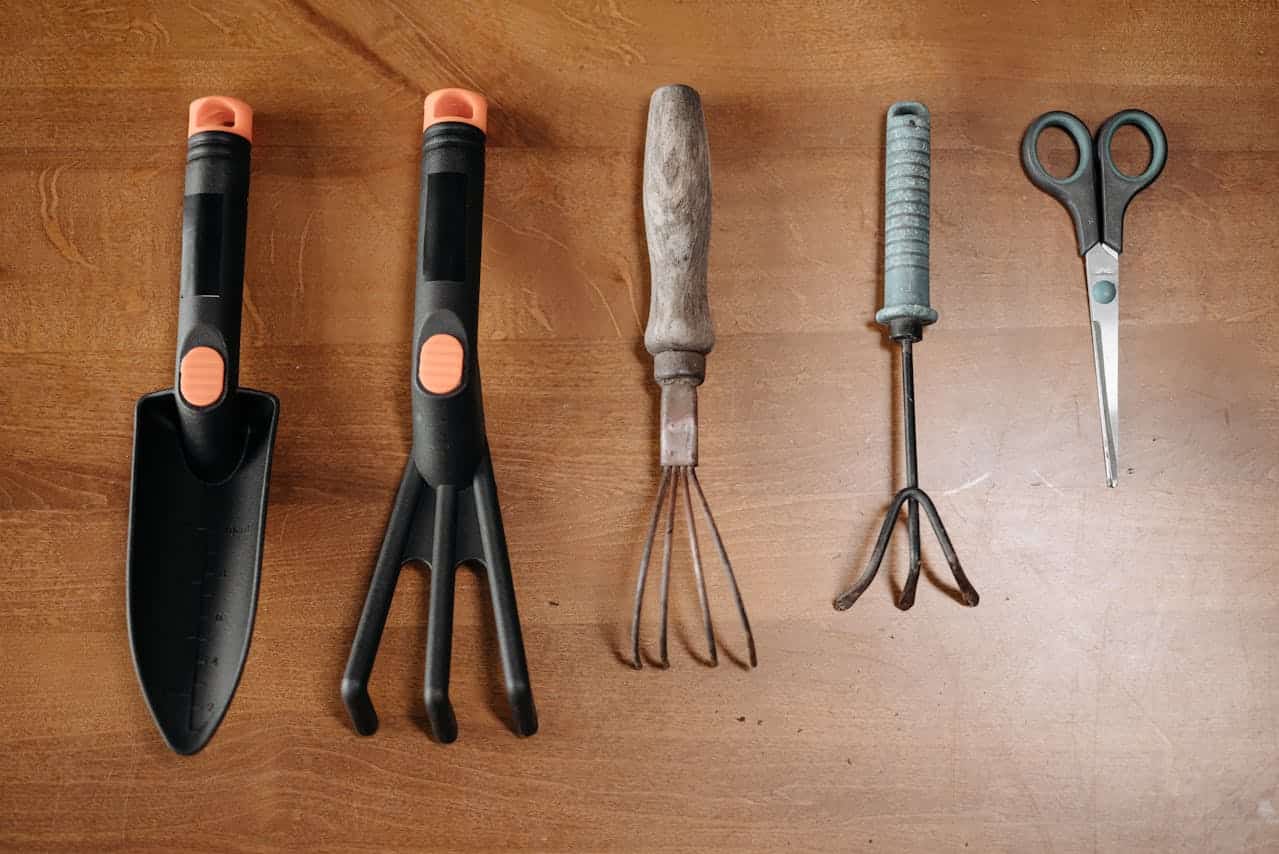
When you don’t use hooks or wall racks, your hand tools can easily pile up and become hard to find.
Using wall-mounted racks or hooks keeps your tools visible and off the ground.
This simple setup saves space and helps you avoid damage or accidents. It also makes your gardening routine smoother since everything has its place within reach.
Stacking heavy items on top of fragile ones
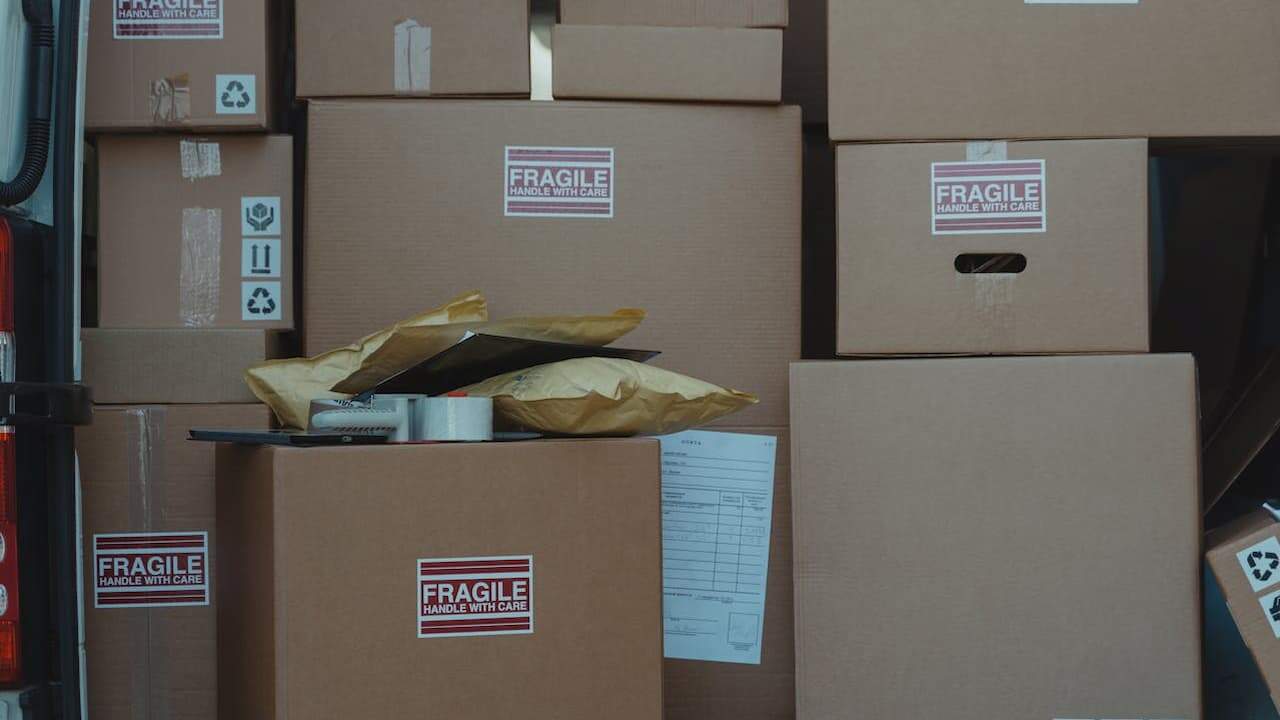
You should always place heavier garden tools and equipment at the bottom of your storage to avoid damage. Stacking heavy items on fragile ones can crush or break delicate items like pots or glass containers.
Keep lighter and more fragile items on top, so everything stays safe and organized. This simple tip helps prevent frustration when you go looking for what you need.
Ignoring drainage in storage areas causing rot
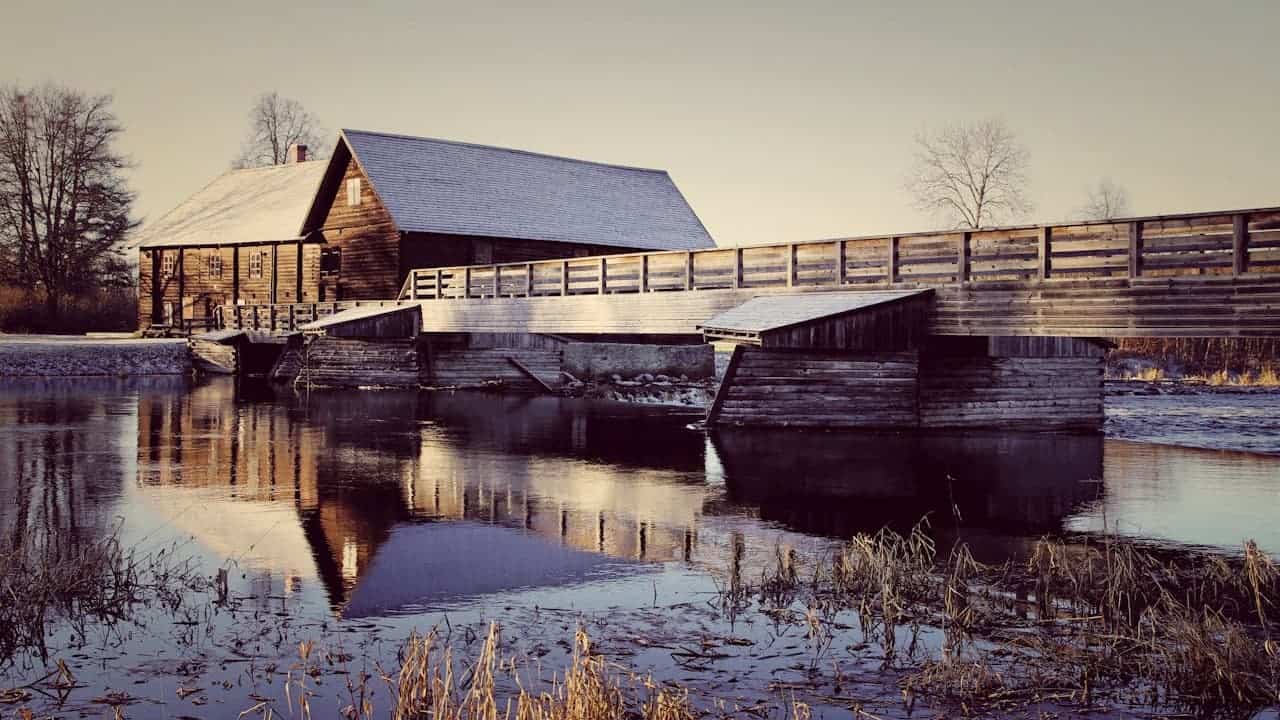
If your garden storage area doesn’t drain well, water can collect and cause wood and other materials to rot.
Poor drainage creates a damp environment, which encourages mold and decay. You want to avoid placing storage directly on soil or in low spots that hold water.
Consider adding gravel or raised foundations to keep things dry. Proper drainage helps protect your tools and keeps your storage space in good shape.
Keeping garden gloves mixed with dirty rags

When you toss garden gloves in with dirty rags, it’s easy for both to get grimy and hard to find.
Your gloves can collect moisture and dirt from the rags, making them less comfortable and less effective.
Keeping gloves separate helps them dry properly and stay ready for your next gardening task.
Try using a dedicated container or divider to keep them organized and clean.
Using plastic bags instead of breathable fabric for bulbs
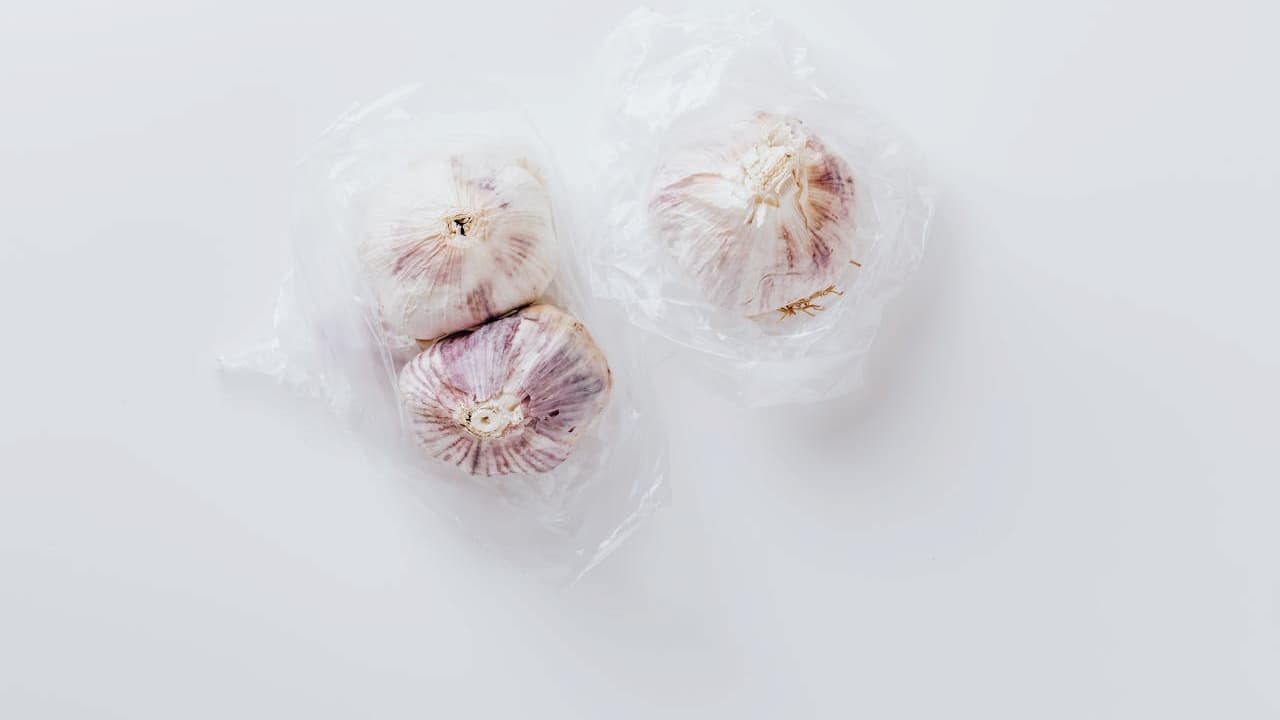
When storing bulbs, using plastic bags can trap moisture. This creates a damp environment where bulbs may rot or develop mold.
Breathable fabric allows air to circulate, keeping bulbs dry and healthy. You’ll help your bulbs stay in better condition for planting.
Choosing the right storage material is a simple step to avoid unnecessary damage and keep your garden organized.
Storing seeds in humid areas reducing viability
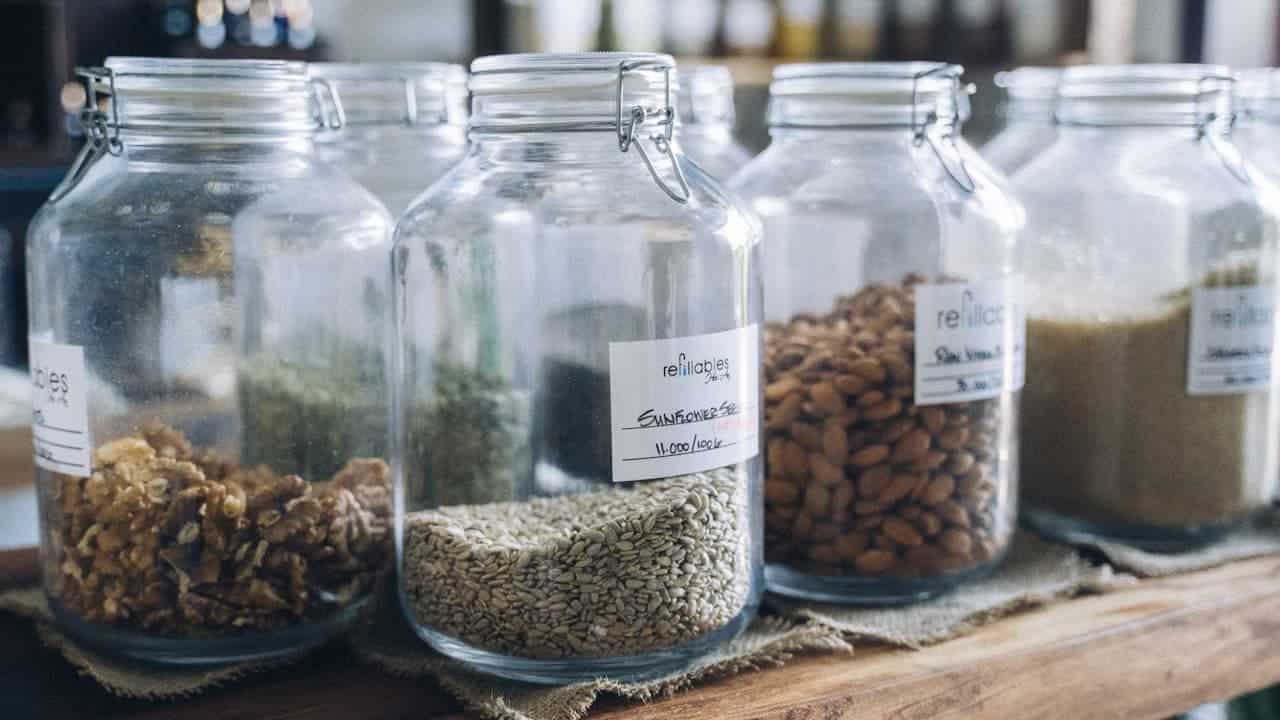
When you store seeds in a humid place, they can lose their ability to grow. Moisture encourages mold and rot, which damages the seeds.
Keeping seeds dry is key. Aim for humidity below 60% to help them last longer.
If you can, store your seeds somewhere cool and dark. This will protect them and keep them ready for planting.
Leaving garden lights unplugged and tangled in storage
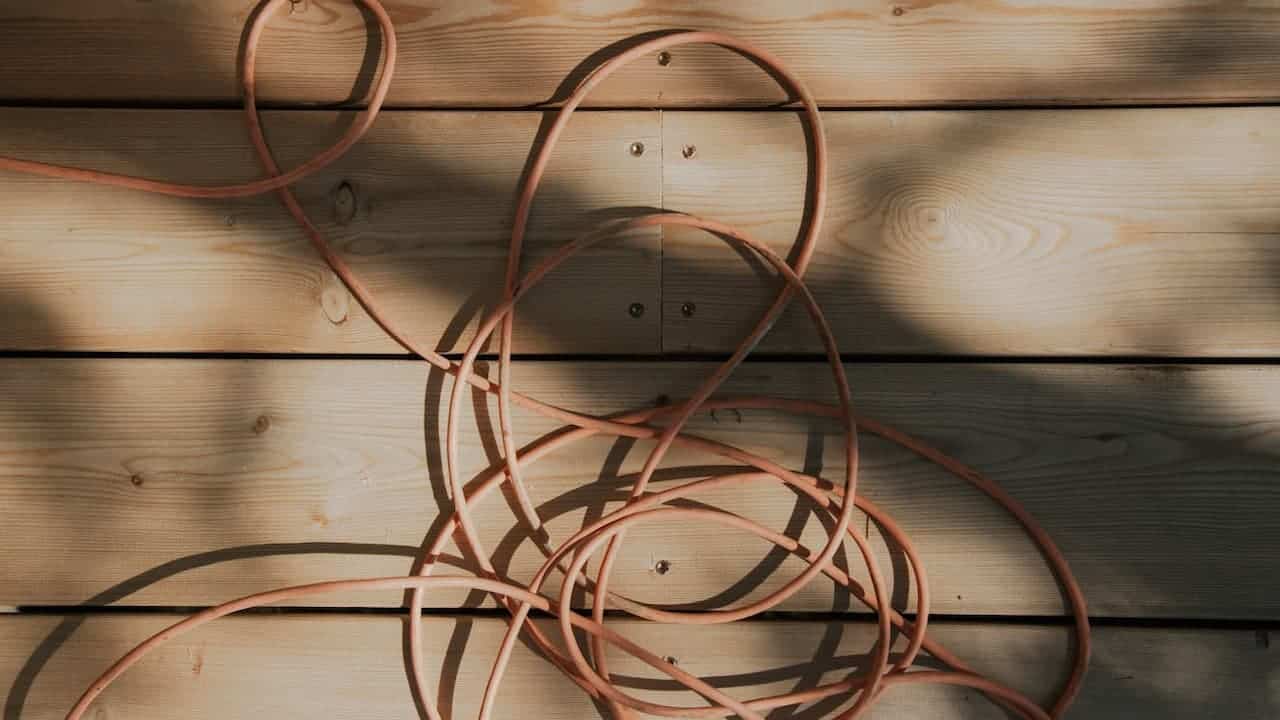
You might think leaving your garden lights unplugged and tossed in a box is no big deal. But tangled cords can make setup frustrating and even damage the wires over time.
Taking a moment to wrap your lights neatly before storing keeps them ready for use. It also helps you avoid spending extra time untangling and checking for broken bulbs later.