When it comes to growing your own produce, the idea often seems more appealing than the reality. The dream of stepping into your own garden and picking fresh, ripe fruits and vegetables is truly enticing, but the process of getting there can be more challenging than expected. Some plants are more difficult to cultivate than others, demanding specific conditions, patience, and care. However, the rewards of your hard work can be truly satisfying. Here is a list of 16 fruits and vegetables that may pose a greater challenge to grow than you might think.
1. Avocado
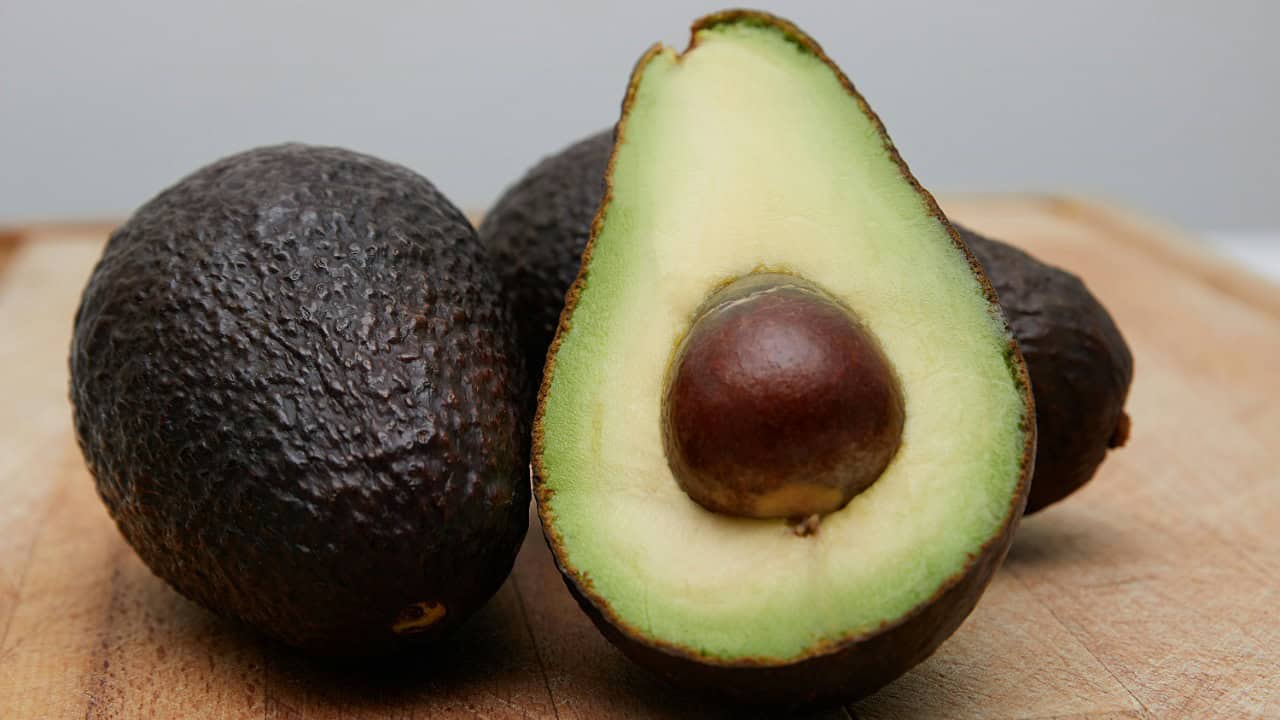
Avocados have become incredibly popular in recent years, with many avid gardeners attempting to grow their own avocado trees. However, these plants are notoriously difficult to cultivate. Avocado trees require a specific set of conditions to thrive – they need a lot of sunlight, high humidity, and well-draining soil to prevent root rot.
Growing avocados from a seed can take anywhere from 5 to 13 years before they bear fruit, and sometimes they never do. Even if you do get fruit, it might not resemble the parent fruit in quality or taste. It’s generally more reliable to purchase a grafted tree from a nursery. However, growing an avocado tree can be a fun experiment and a great conversation starter, even if it doesn’t yield fruit.
Advertisement
2. Artichoke
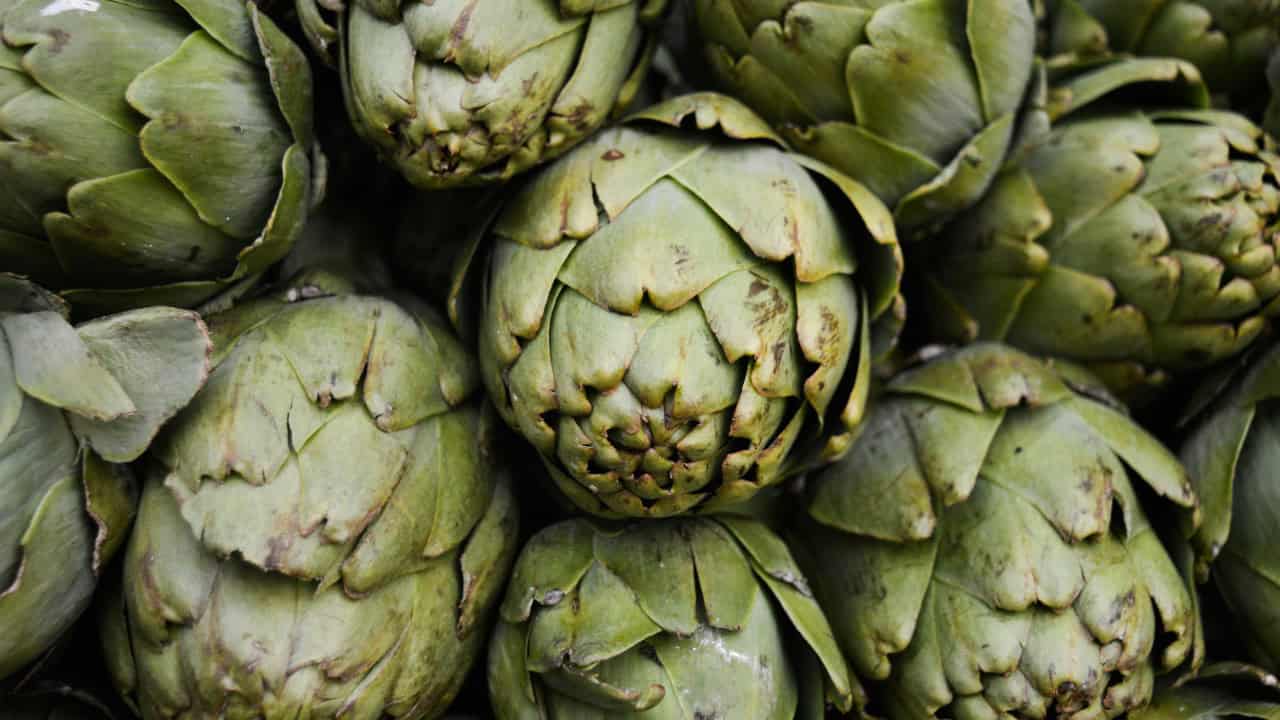
Artichokes are another plant that can be quite tricky to grow at home. They require a long, cool growing season, and they can be susceptible to a variety of pests and diseases. These plants also take up quite a bit of space in the garden, so they aren’t the best choice for those with limited room.
Artichokes are perennial plants, which means they return year after year. However, they require a period of vernalization, a process that involves exposure to cold temperatures to initiate flower bud development. Therefore, in warmer climates, they need to be tricked into thinking they have experienced winter by being refrigerated for a few weeks before planting.
3. Cauliflower
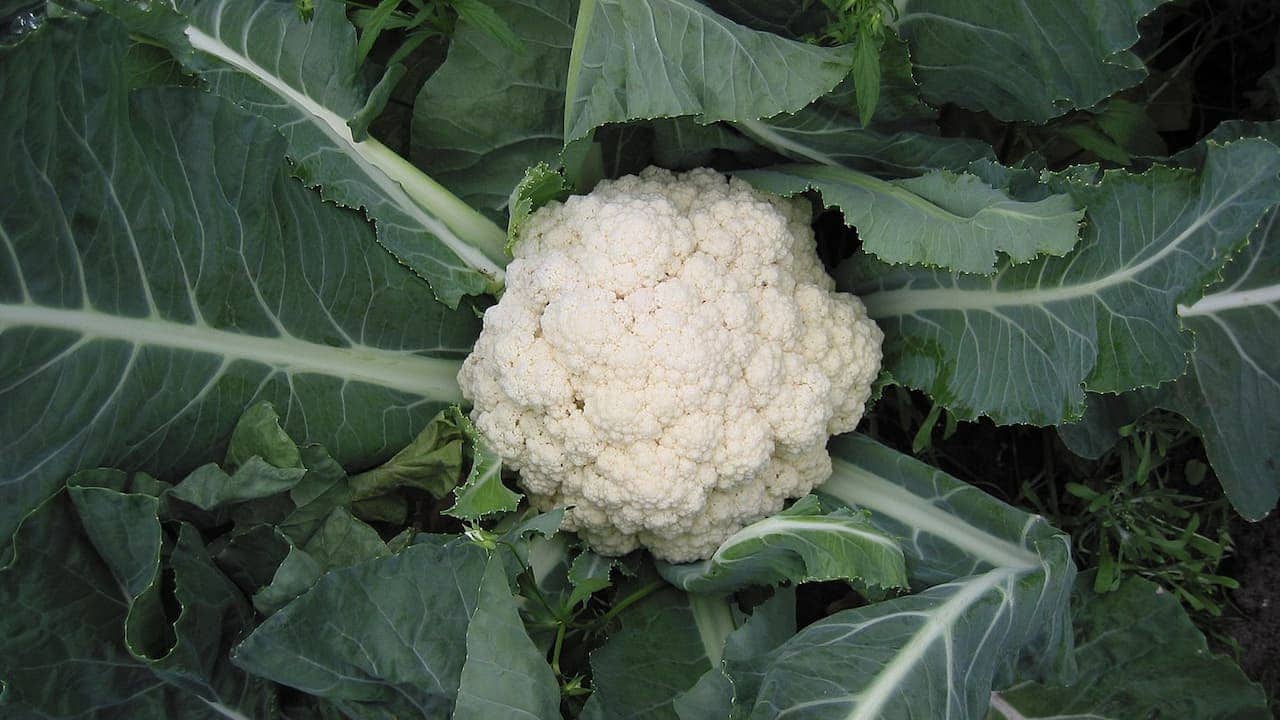
Cauliflower can be a tough vegetable to grow for a few reasons. Firstly, it’s very sensitive to temperature changes. If it’s too hot, the plant will bolt, which means it will produce flowers and seeds prematurely, ruining the cauliflower head. If it’s too cold, the plant may not form a head at all.
Secondly, cauliflower requires a lot of nutrients to grow, so it’s essential to prepare the soil with plenty of organic matter before planting. It’s also crucial to blanch the cauliflower heads to keep them white and tender. This process involves tying the plant’s leaves over the developing head to shield it from the sun and prevent it from turning green and tough.
4. Raspberry
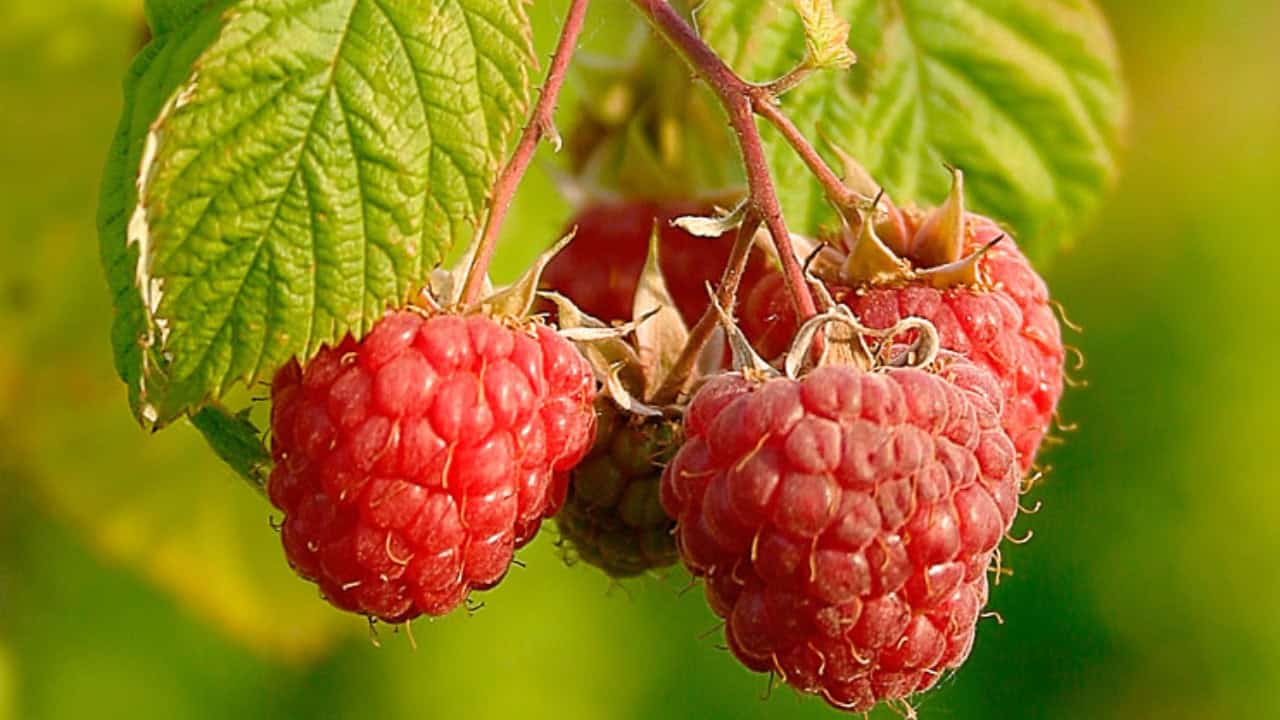
Raspberries might seem like a simple fruit to grow, but they can be quite finicky. They are susceptible to a variety of diseases and pests, and they require proper pruning to produce a good yield.
The plants also have a somewhat unusual growth cycle. In their first year, the canes grow vegetatively, producing leaves but no fruit. It’s not until the second year that they bear fruit, after which the canes die off. This means you need to manage old and new canes simultaneously, which can be a bit of a challenge.
5. Watermelon

Watermelons are a beloved summer fruit, but they can be quite tricky to grow at home. They require a long, warm growing season and a lot of space to spread out. Each plant can spread up to 20 feet, so they’re not ideal for small gardens.
Watermelons also need a lot of water, but it’s crucial not to overwater as this can lead to waterlogged roots and poor fruit development. Instead, water deeply once a week, soaking the soil to a depth of six inches. Also, keep an eye out for common pests like aphids and cucumber beetles, which can wreak havoc on your watermelon plants.
6. Asparagus
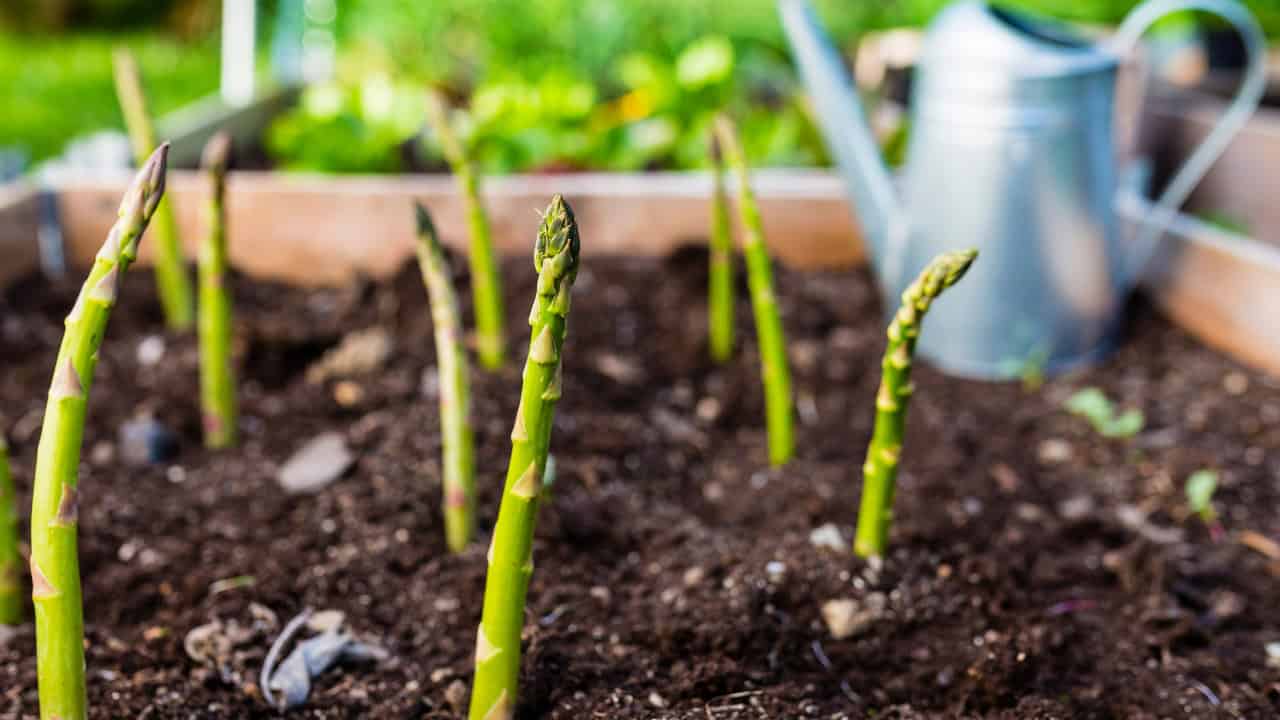
Asparagus is a perennial vegetable that can be quite challenging to grow. It requires a lot of patience, as you won’t be able to harvest any asparagus until the third year after planting. The plants need this time to mature and develop a strong root system.
Asparagus also needs well-drained soil and a sunny location. It’s susceptible to several diseases, including crown rot and asparagus rust, which can be prevented with good air circulation and proper watering practices. Make sure to remove any infected plants promptly to prevent the disease from spreading.
7. Peach
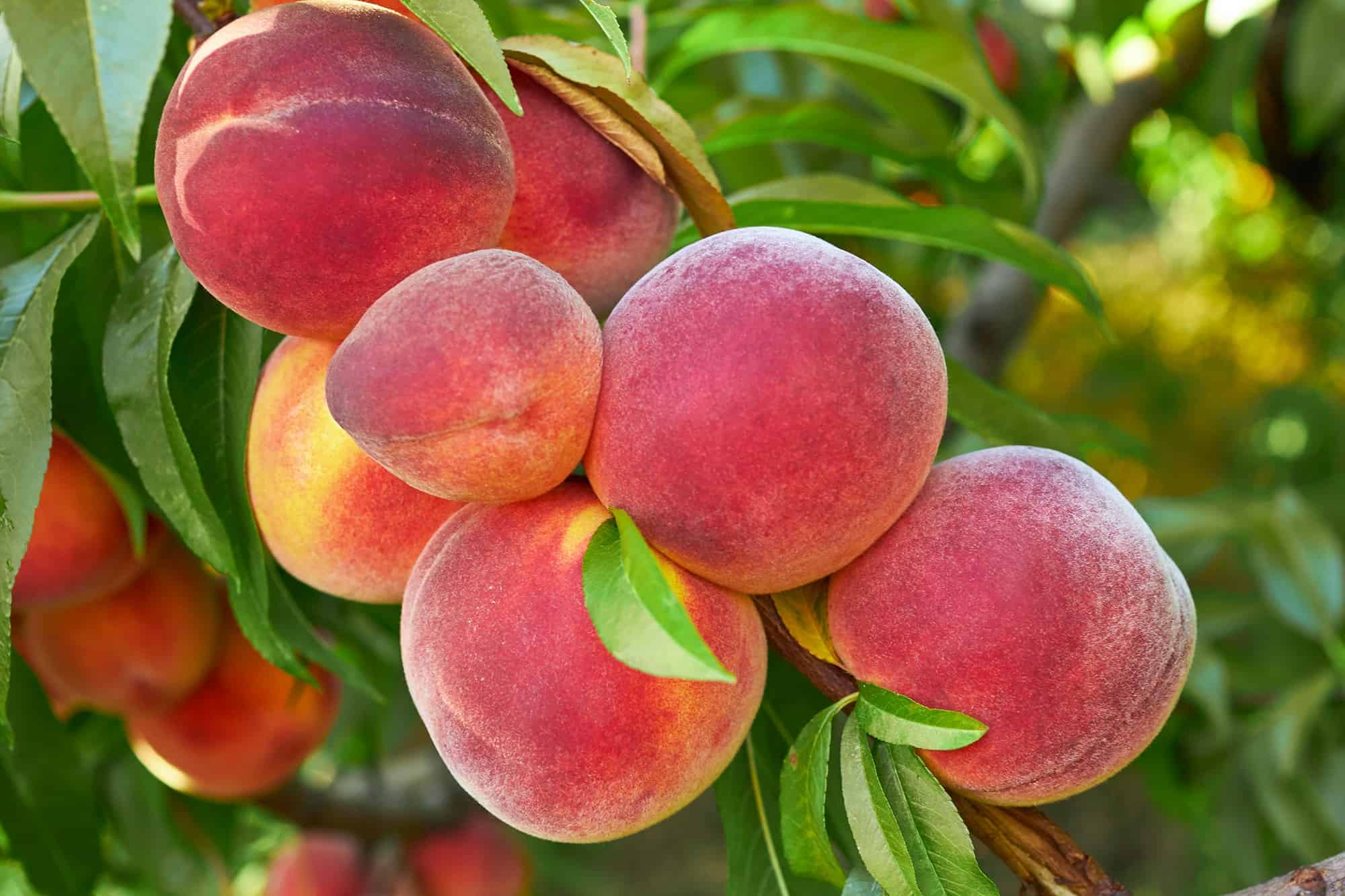
Peach trees can be a bit challenging for the home gardener due to their susceptibility to a variety of diseases and pests. They require regular pruning to maintain their shape and promote better fruit production.
Peach trees also need a certain number of chilling hours during the winter to produce fruit in the spring. This can be difficult to achieve in warmer climates. Additionally, the fruits need thinning to ensure they reach a good size, which involves removing some of the immature fruits early in the growing season.
8. Eggplant
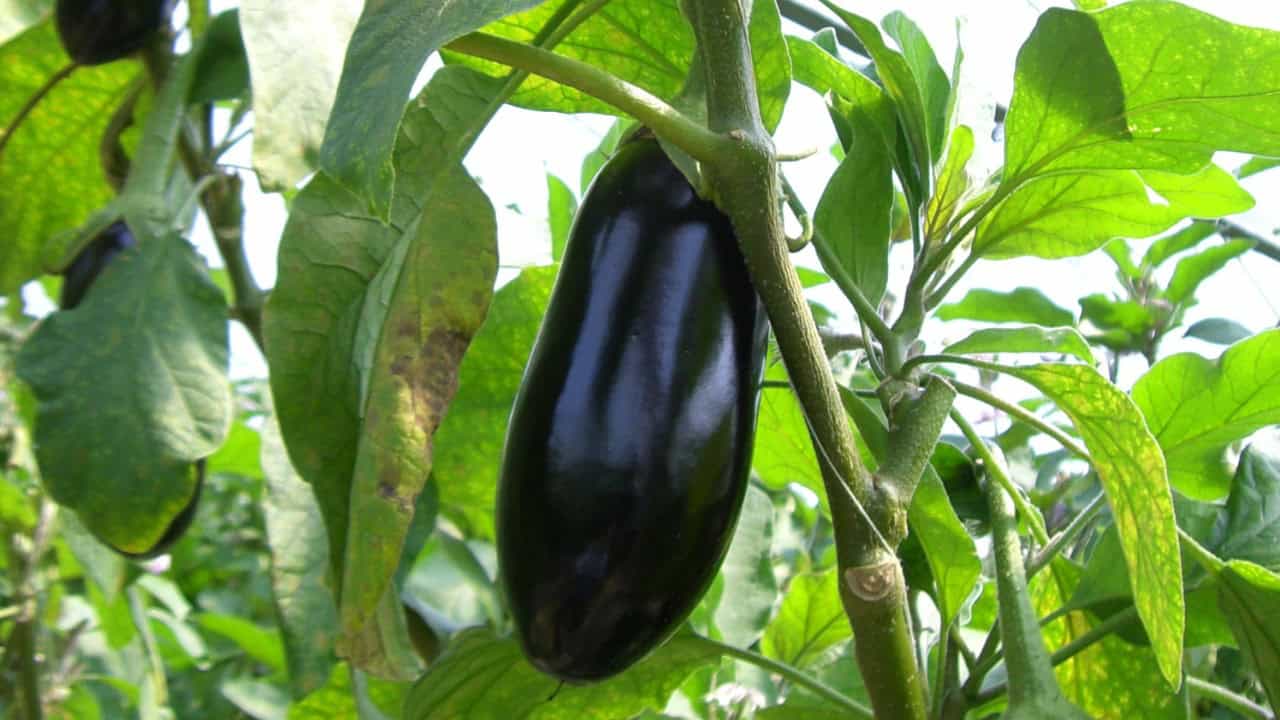
Eggplants are a heat-loving vegetable that can be a bit tricky to grow. They require a long, warm growing season and don’t fare well in cooler temperatures.
Eggplants are also susceptible to a variety of pests, including aphids, flea beetles, and spider mites. Regularly check your plants for signs of these pests and take action if necessary. The plants also require staking to support their heavy fruit.
9. Garlic
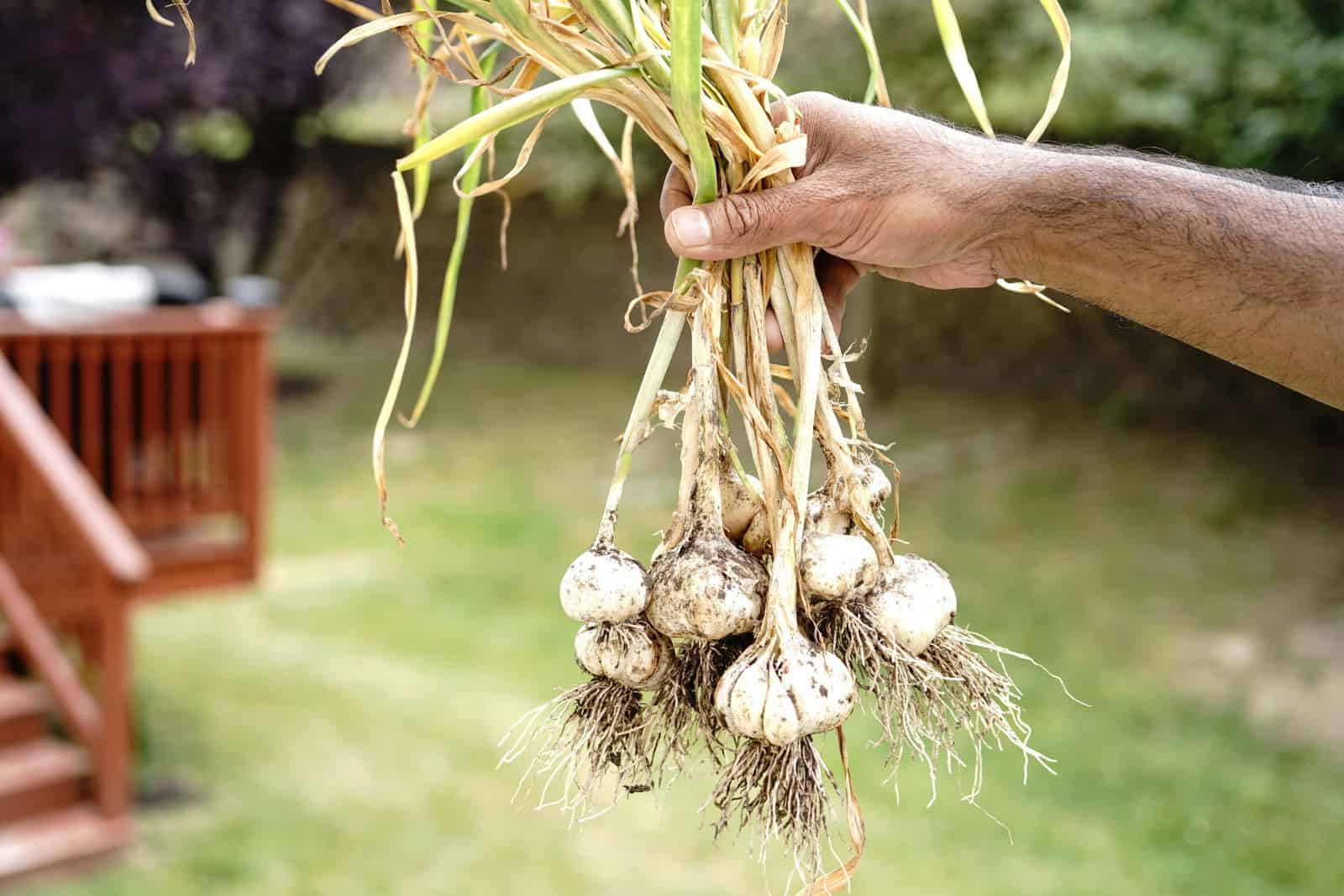
Garlic might seem like a simple plant to grow, but it does require some care and attention. It needs to be planted in the fall, and the cloves need a period of cold weather to properly develop.
Garlic also requires well-drained soil, as waterlogged soil can lead to rot. The plants need consistent watering, but overwatering can cause the bulbs to split. It can be a bit of a balancing act to get it right.
10. Brussels Sprouts
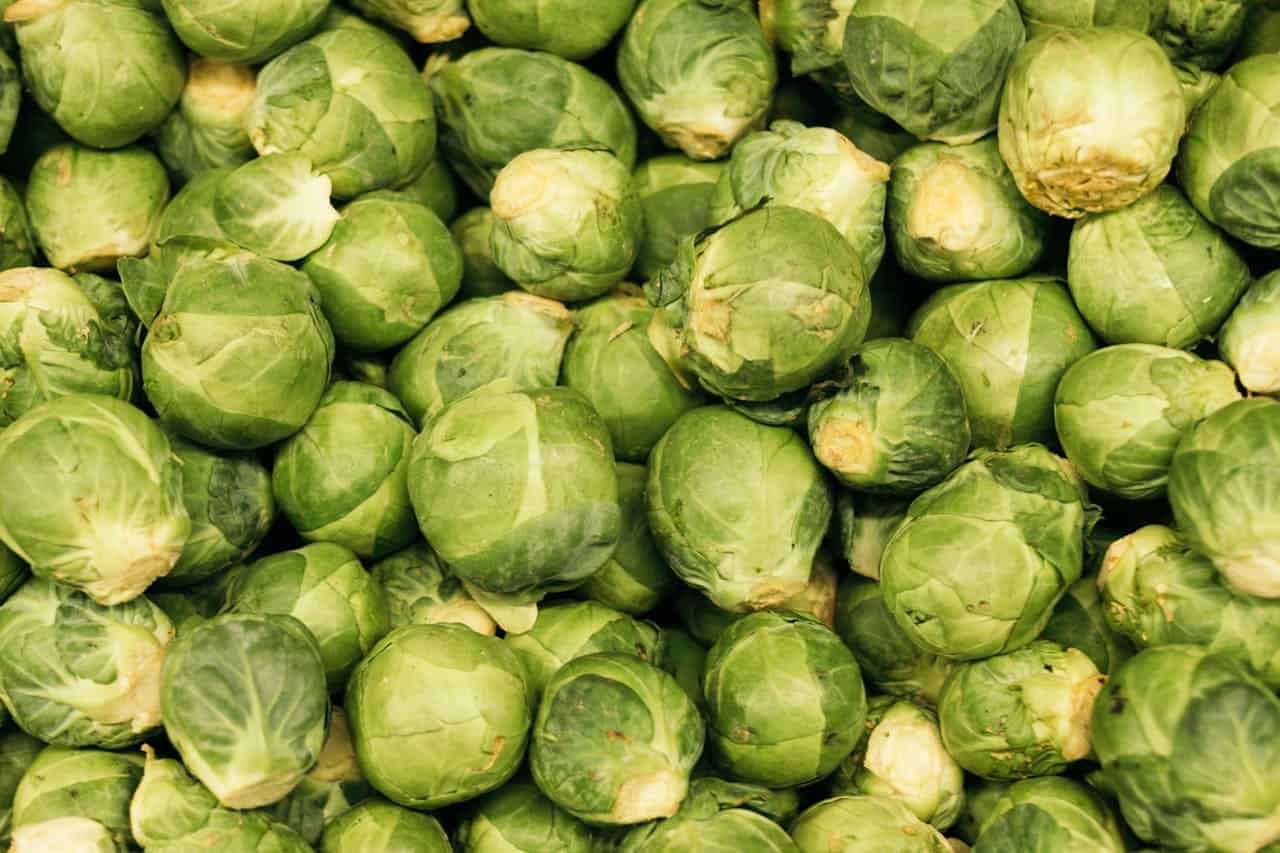
Brussels sprouts are a cool-season crop that can be quite tricky to grow. They require a long growing season, and the plants need to be sturdy to support the heavy sprouts.
Brussels sprouts are also susceptible to a variety of pests, including cabbage worms and aphids. Regular pest checks and prompt action can help keep these pests at bay. The sprouts themselves also need to be harvested correctly; they should be picked from the bottom of the stalk upwards as they mature.
11. Grape
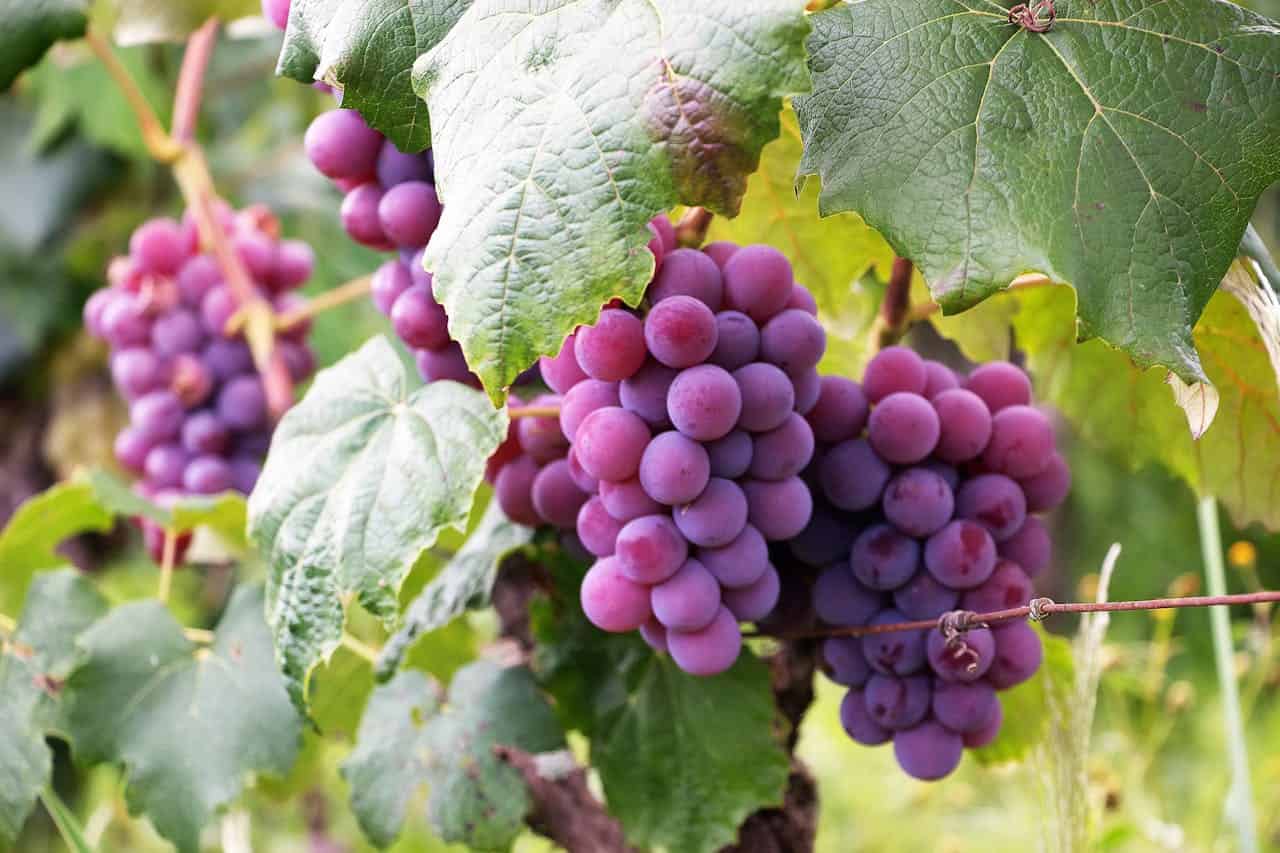
Grapevines can be a bit challenging to grow due to their need for careful pruning and training. They need to be pruned back heavily each winter to encourage new growth and fruit production in the spring.
Grapes also require well-drained soil and plenty of sun. They are susceptible to a variety of diseases, including powdery mildew and black rot, which can be prevented with good air circulation and proper watering practices.
12. Pineapple
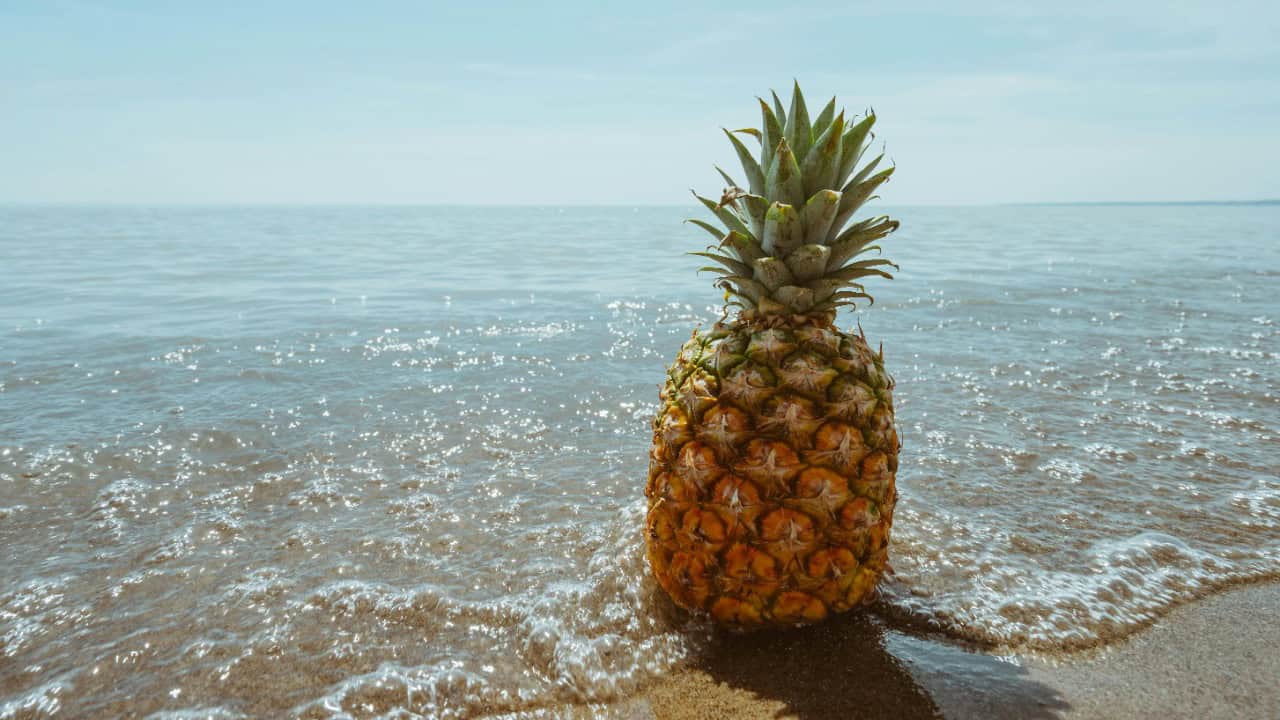
Growing a pineapple at home can be a fun experiment, but it requires a lot of patience. It can take two to three years for a pineapple plant to produce fruit, and they require a warm, humid environment.
Pineapples are tropical plants, so they need lots of sunlight and high temperatures. They also need well-drained soil to prevent root rot. If you live in a cooler climate, you can try growing a pineapple indoors, but make sure it gets plenty of light.
13. Celery
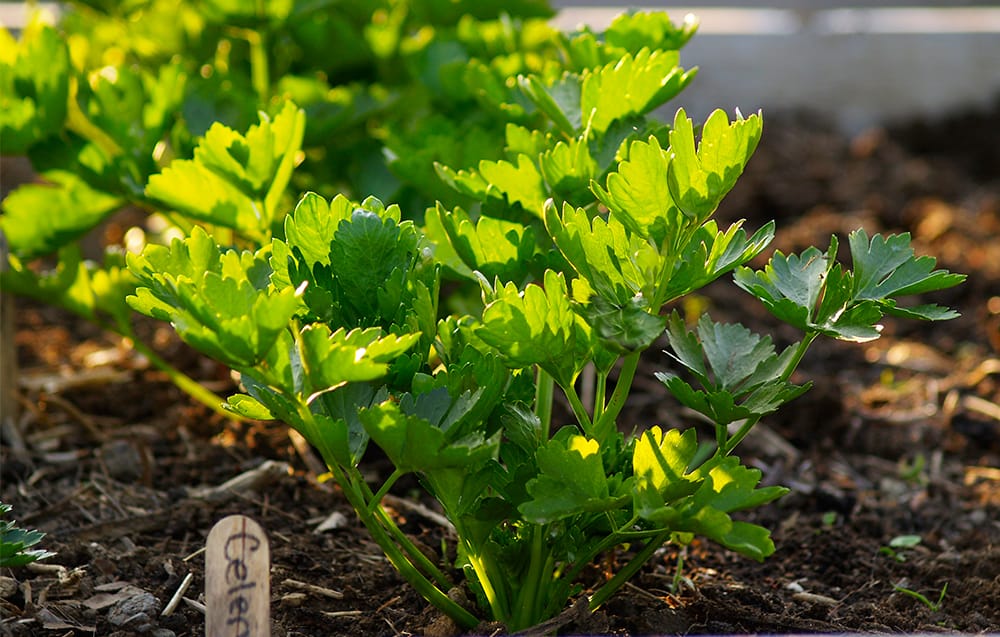
Celery is a cool-season crop that can be quite challenging to grow. It requires a long growing season, and the plants need consistent watering to develop their characteristic crunchy texture.
Celery also requires rich, nutrient-dense soil to grow well. It’s susceptible to a variety of pests, including celery leaf tier and carrot rust fly. Regular pest checks and prompt action can help keep these pests at bay.
14. Mango
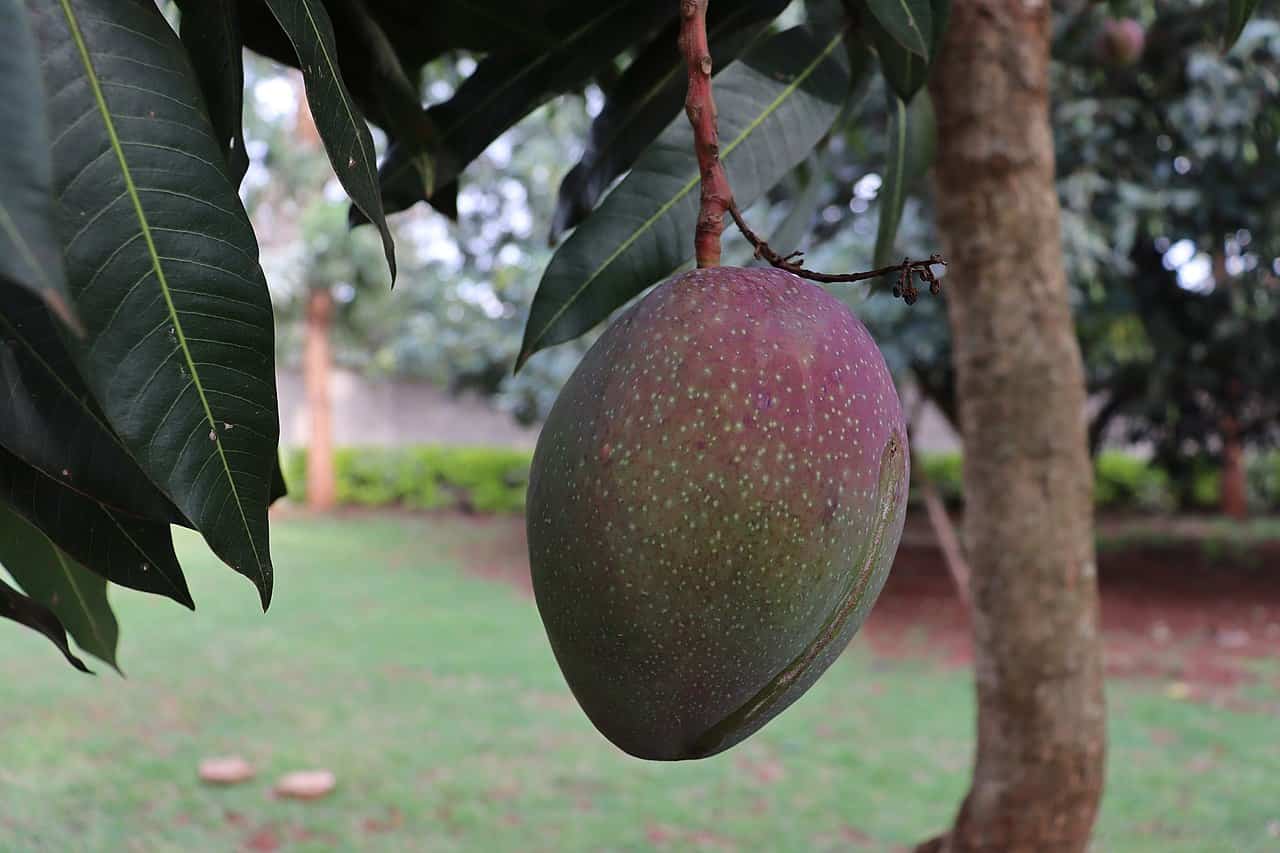
Mango trees can be quite challenging to grow due to their need for a tropical or subtropical climate. They require well-drained soil, full sun, and high temperatures to thrive.
Mangoes are also susceptible to a variety of pests and diseases, including mango scale and anthracnose. Regular checks and prompt action can help keep these issues at bay. However, if you are able to provide the right conditions, growing a mango tree can be a rewarding endeavor.
15. Leek
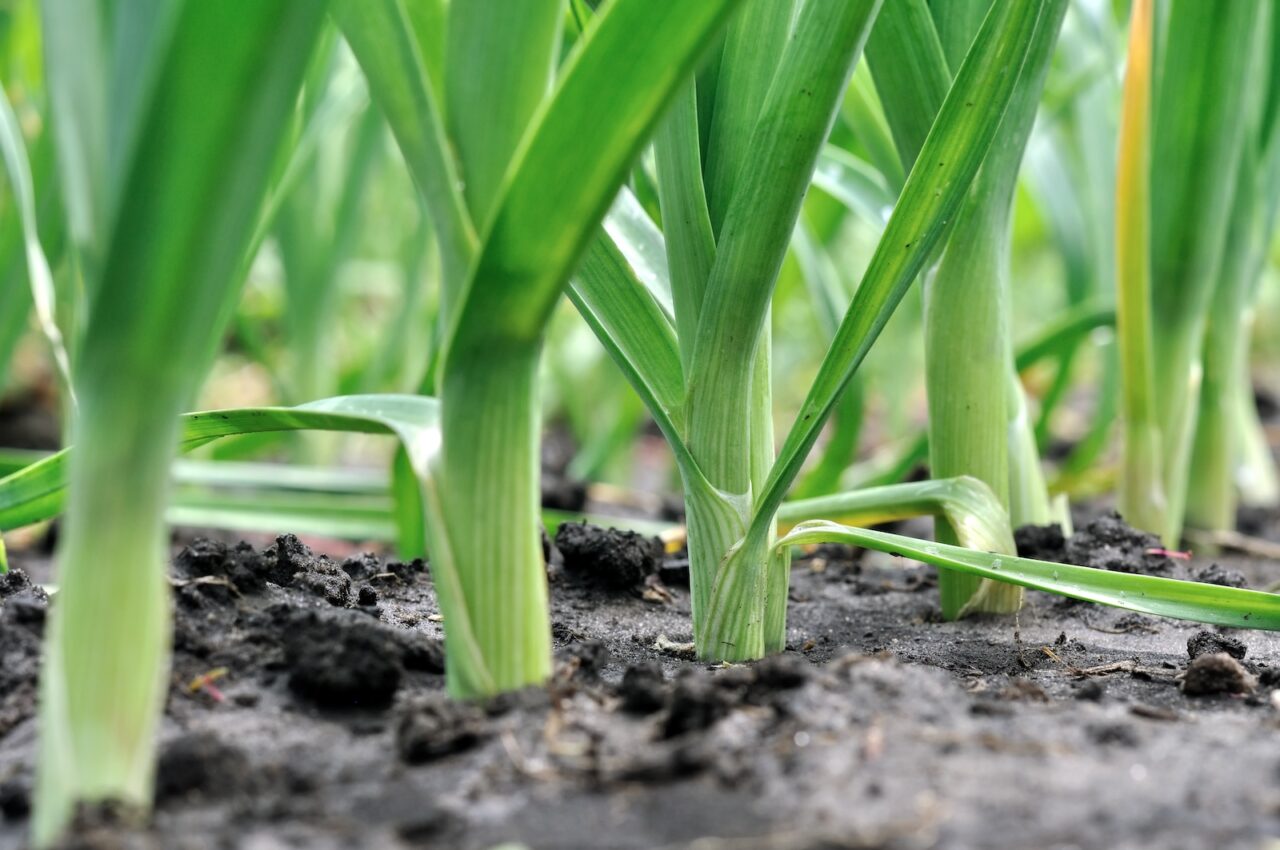
Leeks can be a bit tricky to grow due to their need for a long growing season. They also require careful blanching to develop their characteristic white stems.
Leeks need to be planted deeply and the soil mounded up around the stems as they grow to keep them white and tender. They also require consistent watering and well-drained soil to grow well.
16. Okra
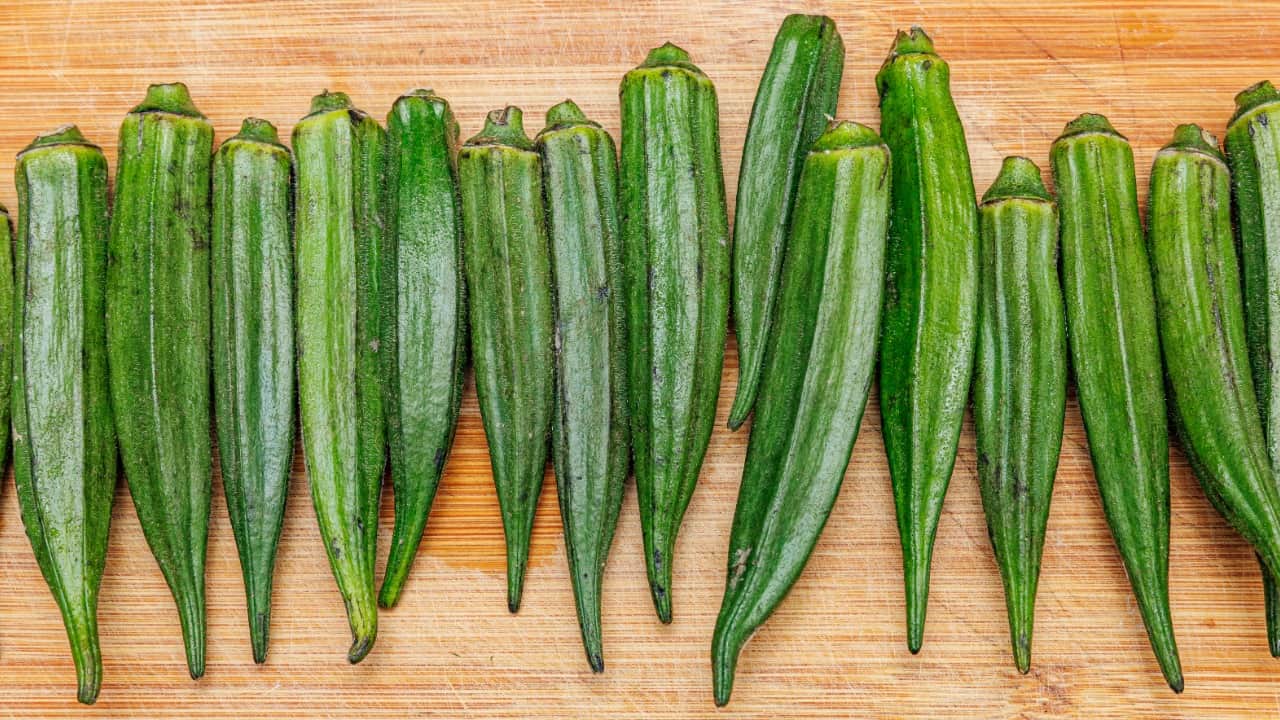
Okra is a warm-season crop that can be quite challenging to grow. It requires hot temperatures to germinate and grow well, so it’s not the best choice for cooler climates.
Okra also requires well-drained soil and plenty of sun. The plants need to be spaced properly to prevent disease and ensure good air circulation. Regular harvesting is also crucial, as okra pods can become tough and woody if left on the plant for too long.