Taking care of flowering plants can be rewarding, but deadheading—the process of removing spent blooms—can sometimes feel like extra work. Fortunately, not all flowering plants require this step to keep your garden looking fresh and vibrant.
Some plants naturally manage their blooms without any deadheading, saving you time and effort while still providing beautiful flowers. Knowing which plants need less maintenance can help you create a garden that fits your lifestyle and keeps blooming with minimal fuss.
Advertisement
Begonias
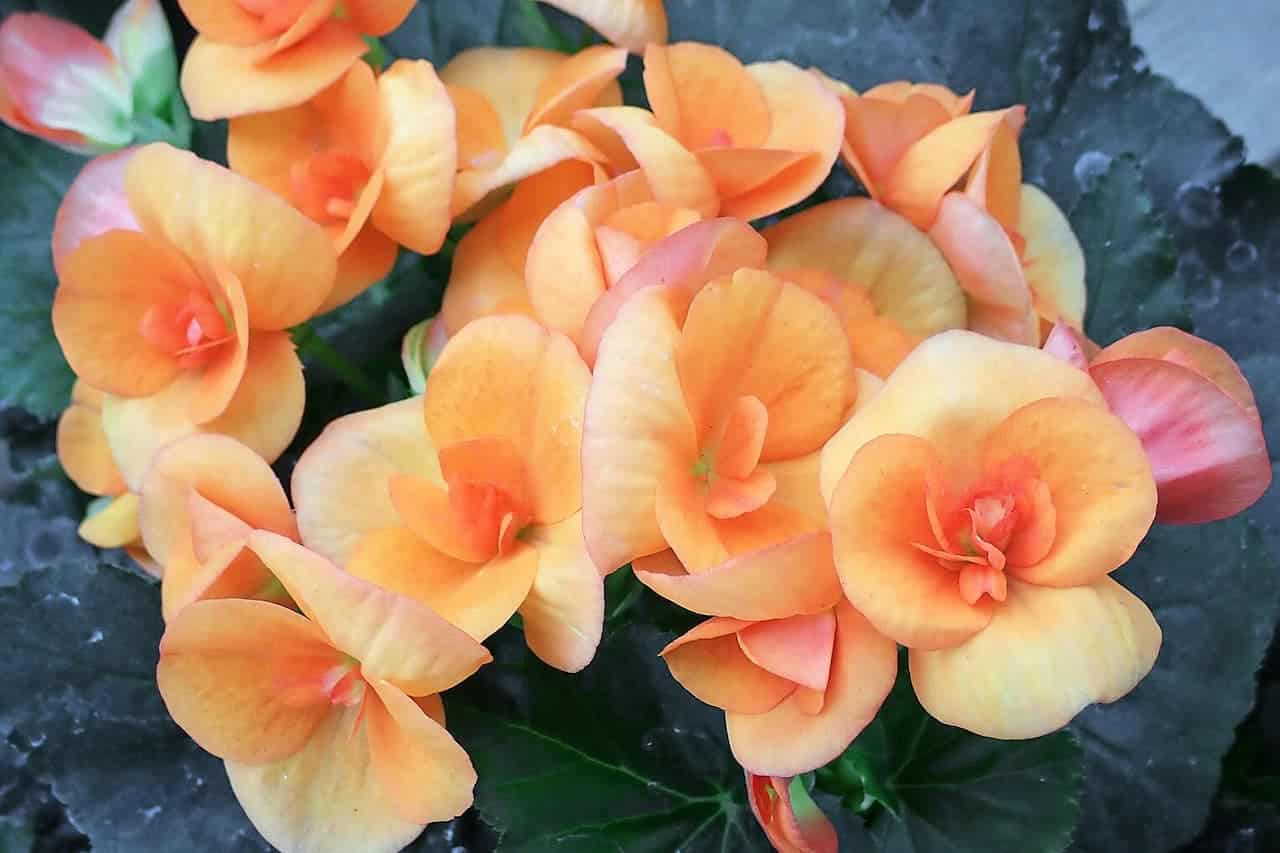
Begonias are great if you want flowers that take care of themselves. You don’t need to deadhead because they naturally drop their old petals.
This means less work for you and still plenty of blooms. They also grow well in containers and borders, making them versatile for your garden or patio.
Annual Lobelia
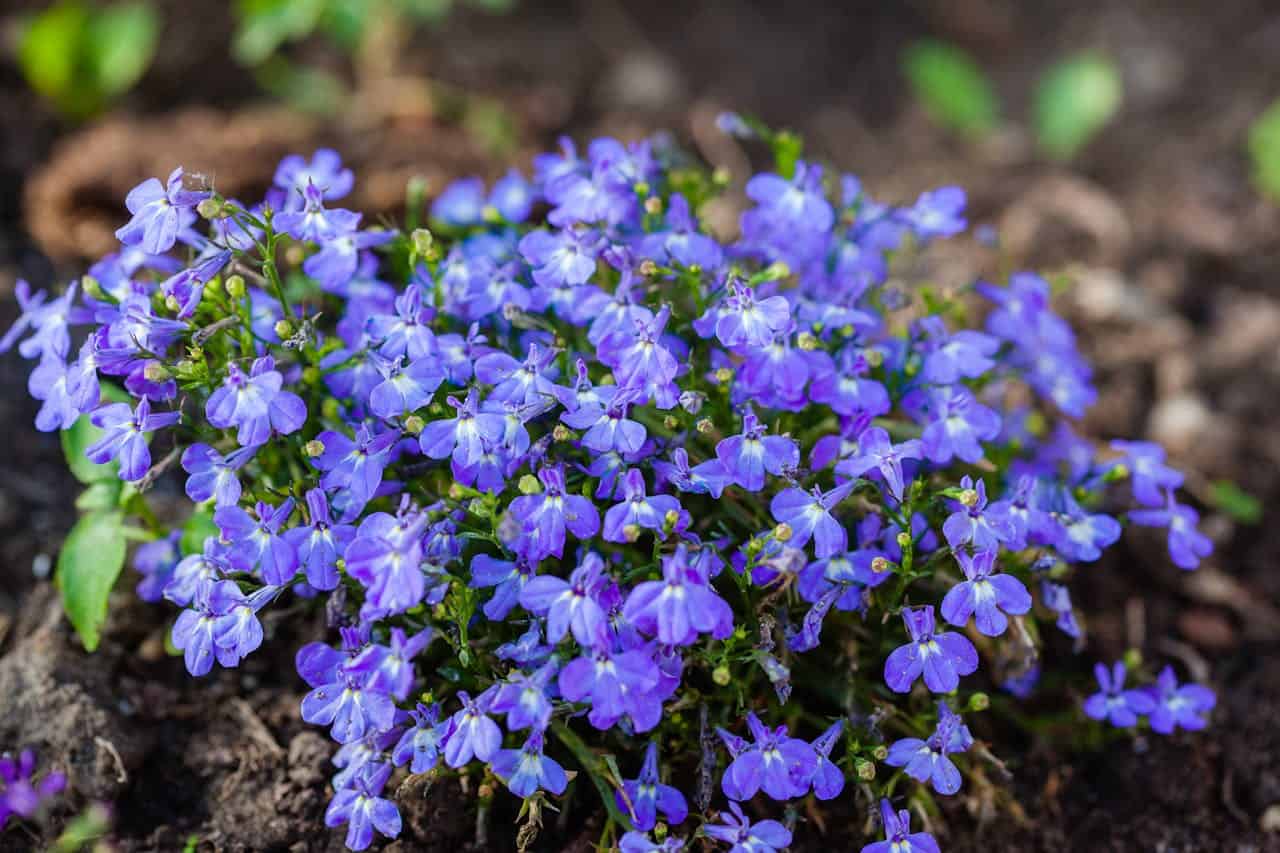
Annual lobelia is a great choice if you want a low-maintenance flower. You don’t need to deadhead it because it’s a self-cleaning plant.
It blooms continuously, giving your garden color with little effort from you. Just make sure it gets enough water and sunlight for best results.
Red Poppies

Red poppies are a great choice if you want bold color without extra work. Many types, especially Oriental poppies, bloom reliably without the need for deadheading.
You can enjoy their vibrant red flowers throughout the season, and they usually self-clean by dropping spent blooms on their own. This means less maintenance and more time to enjoy your garden.
Black-Eyed Susan
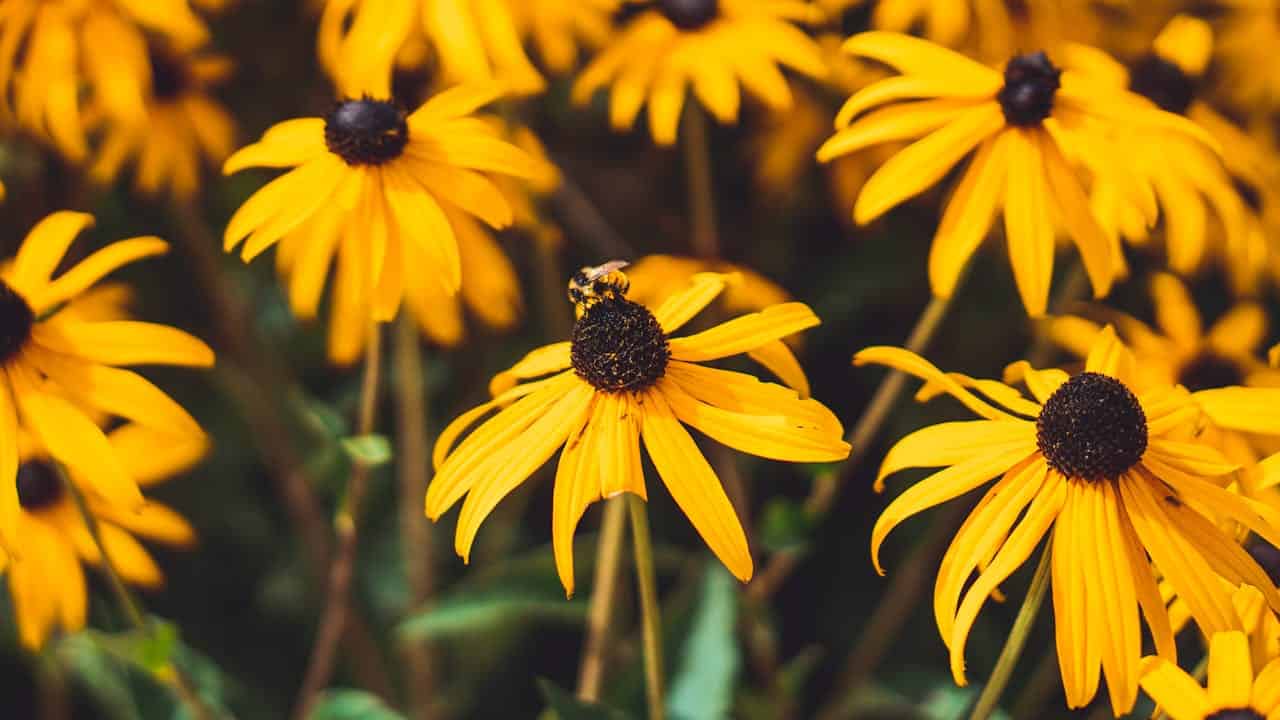
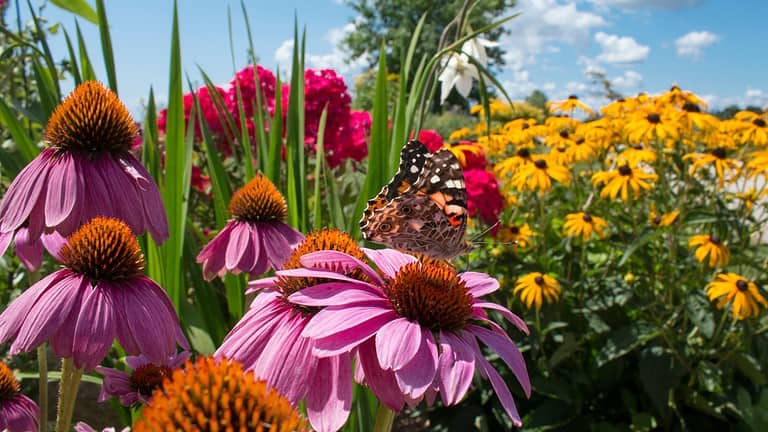
Black-Eyed Susan is a low-maintenance flower that generally doesn’t require deadheading. You can leave spent blooms on the plant, and it will continue to look attractive throughout the season.
If you want to encourage more blooms or control self-seeding, you can remove faded flowers. It grows well in full sun and tolerates some shade, making it versatile for your garden.
False Indigo
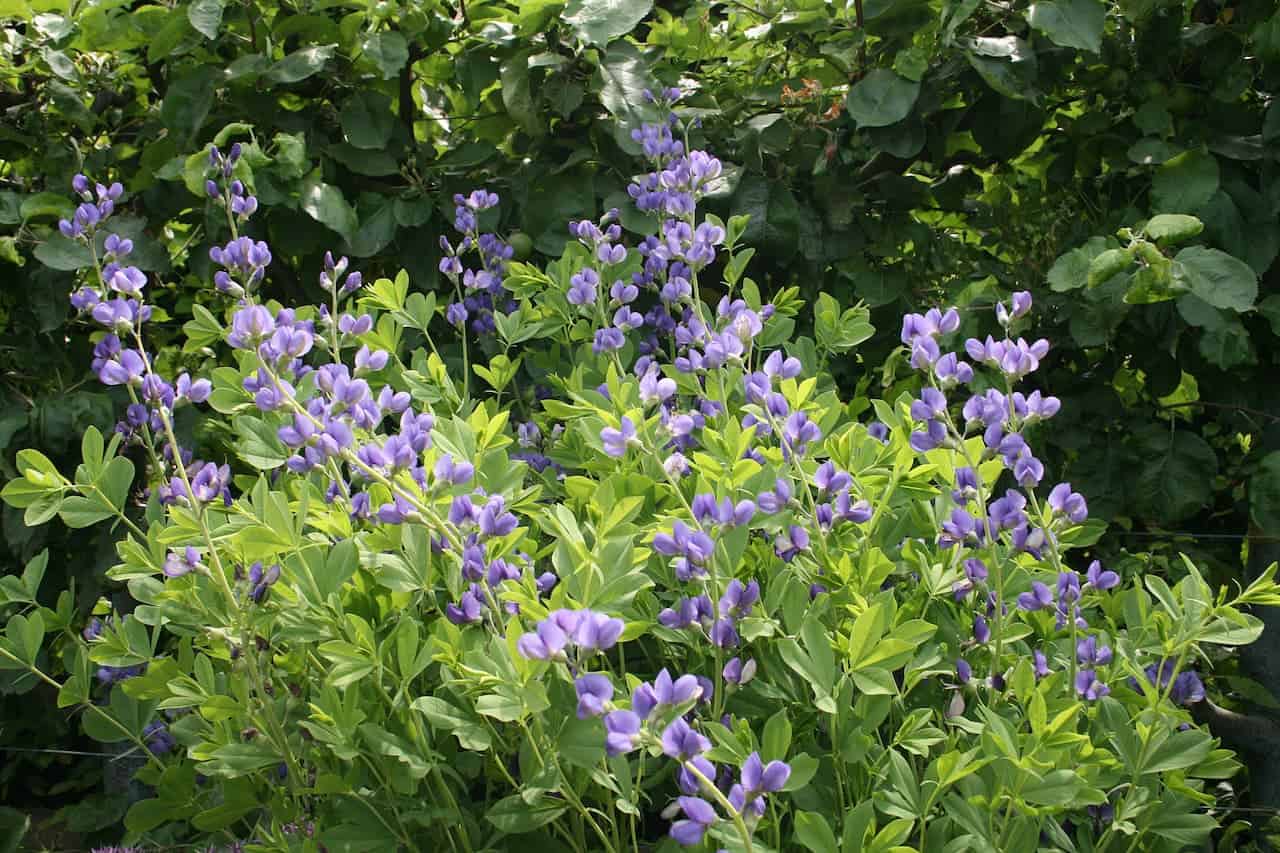
False Indigo is a shrub that adds a unique touch to your garden with its lovely yellow flowers.
It grows on long, charcoal-grey stems, giving a cool contrast to your other plants.
You don’t need to deadhead False Indigo since it naturally manages its blooms.
This makes it a low-maintenance choice if you want color without extra work.
Some Zinnias

Some zinnias do not require deadheading to keep blooming. You can enjoy their flowers without much maintenance.
If you want fuller growth, you can pinch or deadhead spent blooms, but it’s not necessary. Your zinnias will still provide color all summer long. Just let them grow naturally if you prefer less work.
Late-Flowering Zinnias

You’ll find that late-flowering zinnias often don’t need much deadheading. Their blooms tend to keep producing petals even as old flowers fade. This makes them low-maintenance and great if you want continuous color without much effort.
If you do choose to deadhead, it can encourage more blooms. But it’s not required for these resilient plants to look good in your garden.
Angelonia
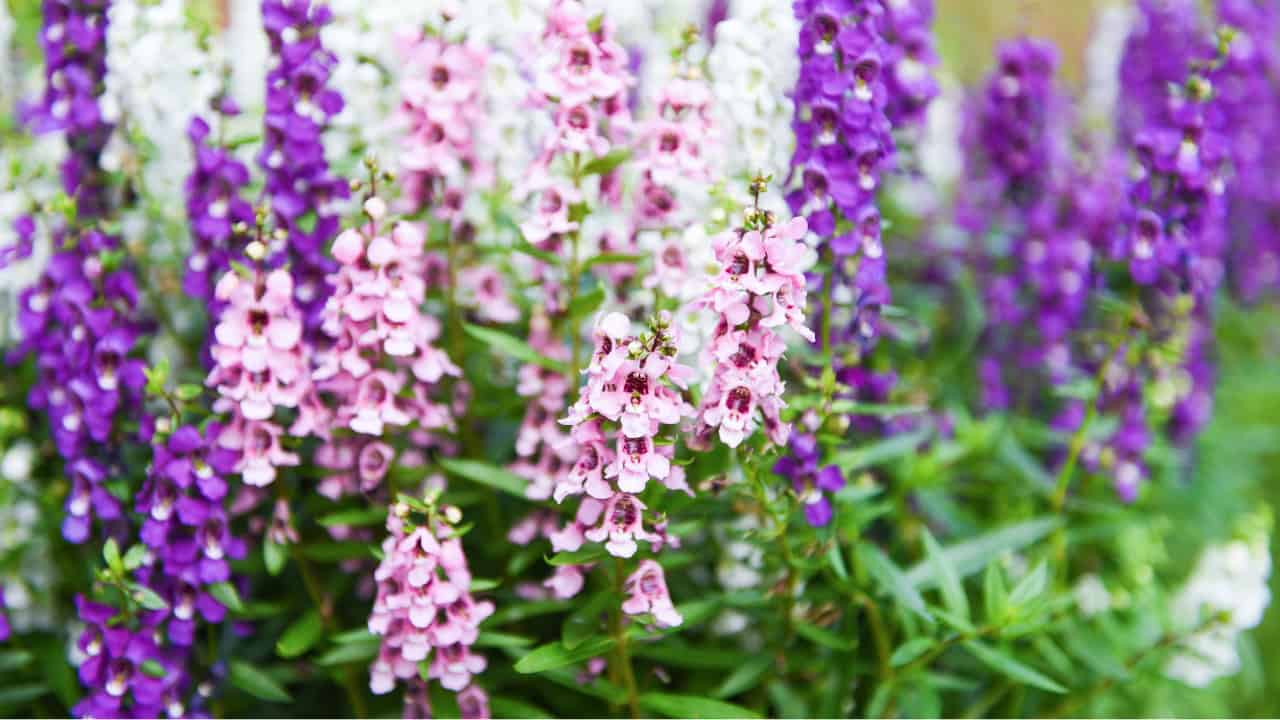
Angelonia is a great choice if you want flowers that keep blooming with little fuss. You don’t need to deadhead it to enjoy continuous blooms all summer long.
If the plant starts to look leggy, you can cut it back by half to refresh its growth. Otherwise, simply enjoy its star-shaped flowers without extra maintenance.
Columbine
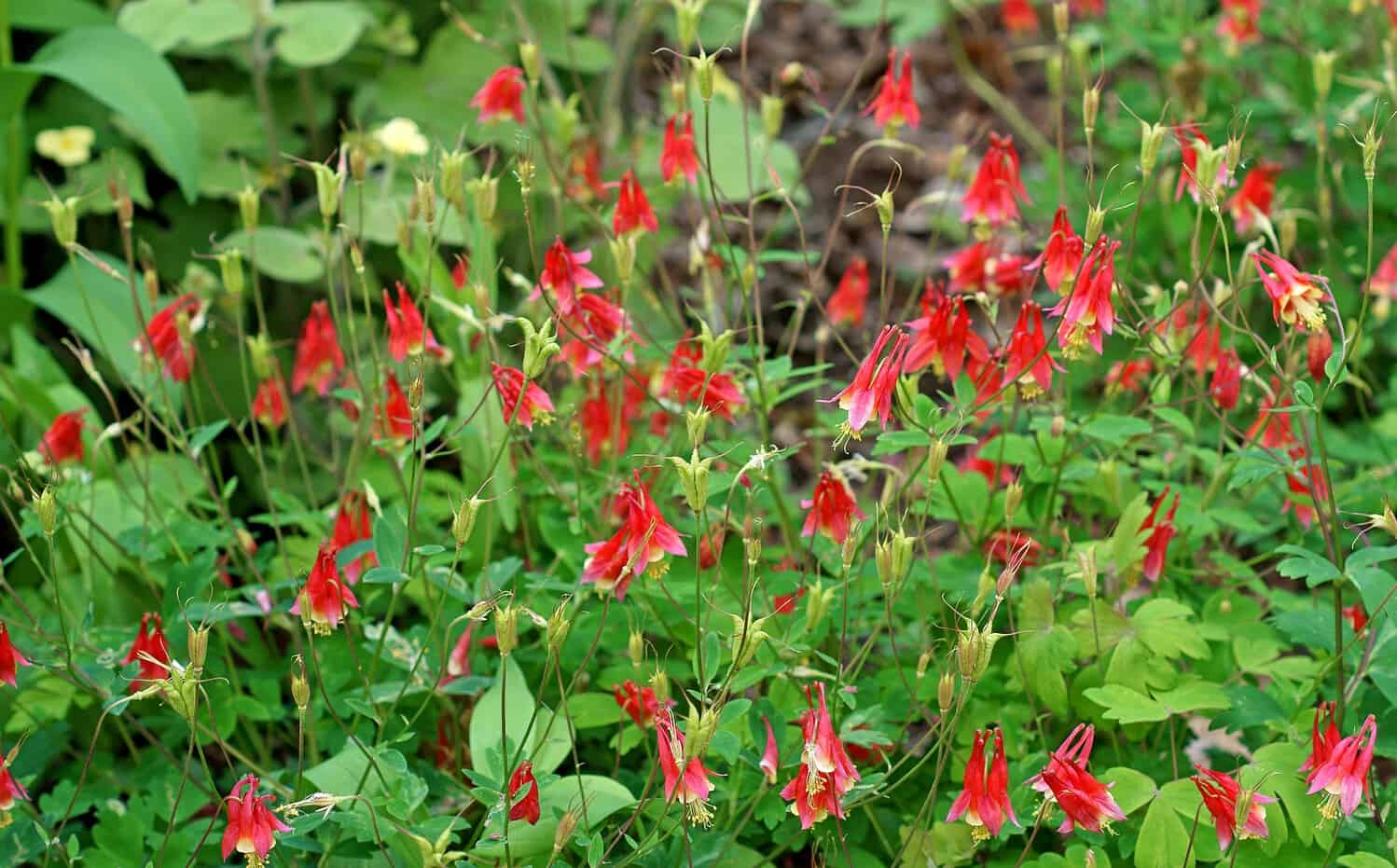
If you grow columbine, you might find that deadheading helps keep it blooming longer. However, some varieties are low-maintenance and may not need constant deadheading.
Columbine prefers cooler spots and partial shade. If your plant gets too hot, it might slow down or stop blooming.
You can trim your columbine by cutting back about half its height to encourage a potential second bloom later in the season.
Hydrangeas

You don’t always need to deadhead hydrangeas, especially late in the season. Stopping deadheading early helps the plant prepare for winter.
Some types bloom on old wood, so cutting back too much can prevent next year’s flowers. Removing only dead or damaged stems is a good practice.
If you do remove spent flowers, it stops the plant from using energy on seed production. But gentle pruning is usually enough to keep your hydrangeas healthy.
Supertunia® Petunias

You’ll love Supertunia® petunias if you want colorful blooms without the fuss. They grow vigorously, often reaching up to 2 feet tall, and create a beautiful mounding or trailing effect in your garden.
These petunias don’t need deadheading, so you can enjoy continuous flowers from spring through light frosts. They come in many colors, making it easy to find the perfect match for your space.
Sedum
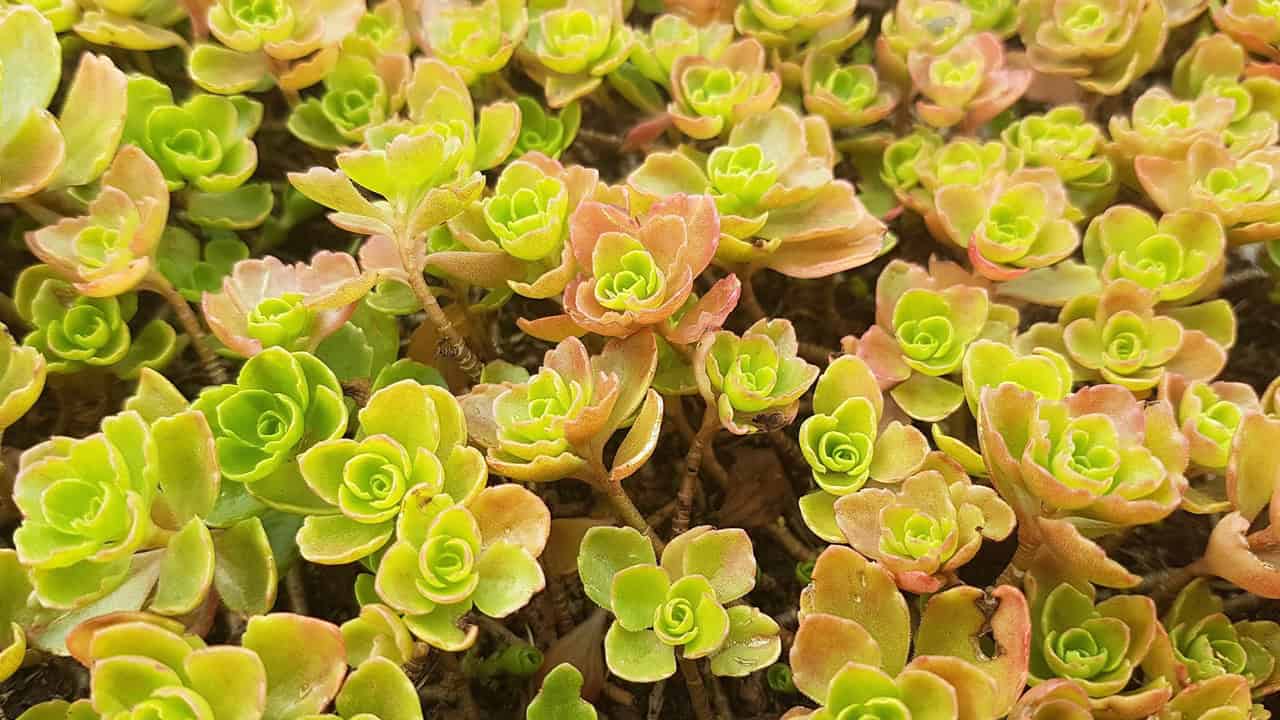
You don’t need to deadhead sedum flowers. They bloom once in summer or fall, and removing spent flowers doesn’t encourage more blooms.
Even when the flowers dry and turn brown, they keep an attractive shape. This makes your garden look interesting, especially in colder months. Just enjoy their natural beauty without extra effort.
Love-in-a-Mist

Love-in-a-Mist, or Nigella, is a charming annual that you don’t need to deadhead. It naturally reseeds, so it keeps coming back each year without extra effort.
You can enjoy its delicate blue, white, or pink flowers without worrying about trimming spent blooms. Just let the seeds mature, and your garden will fill with new plants in the next season. This makes it a low-maintenance choice for your garden.
Bidens
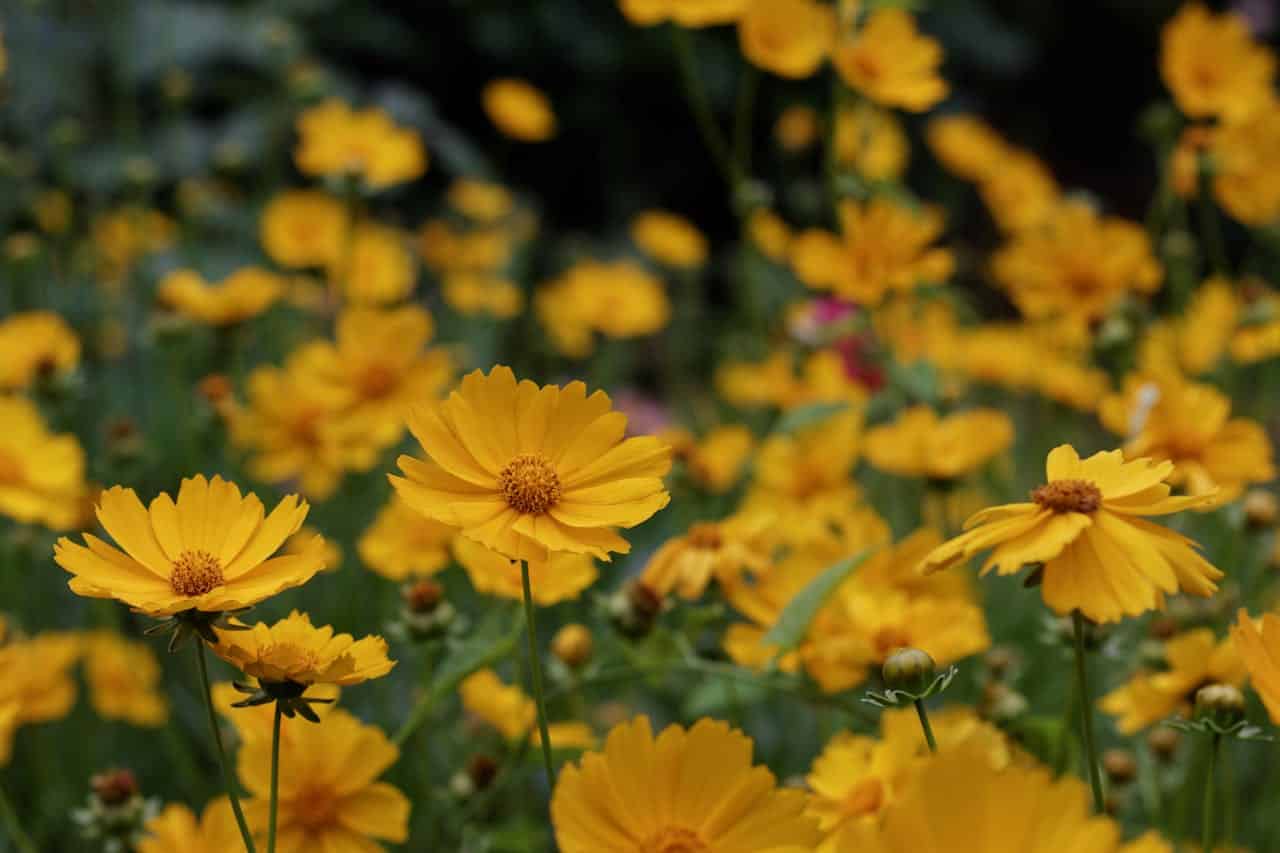
You’ll find Bidens very easy to care for since they are self-cleaning. This means you don’t have to spend time deadheading spent blooms.
Their bright, daisy-like flowers bloom continuously, adding color without extra effort. Just give them plenty of sunlight and regular watering for best results.
Baptisia
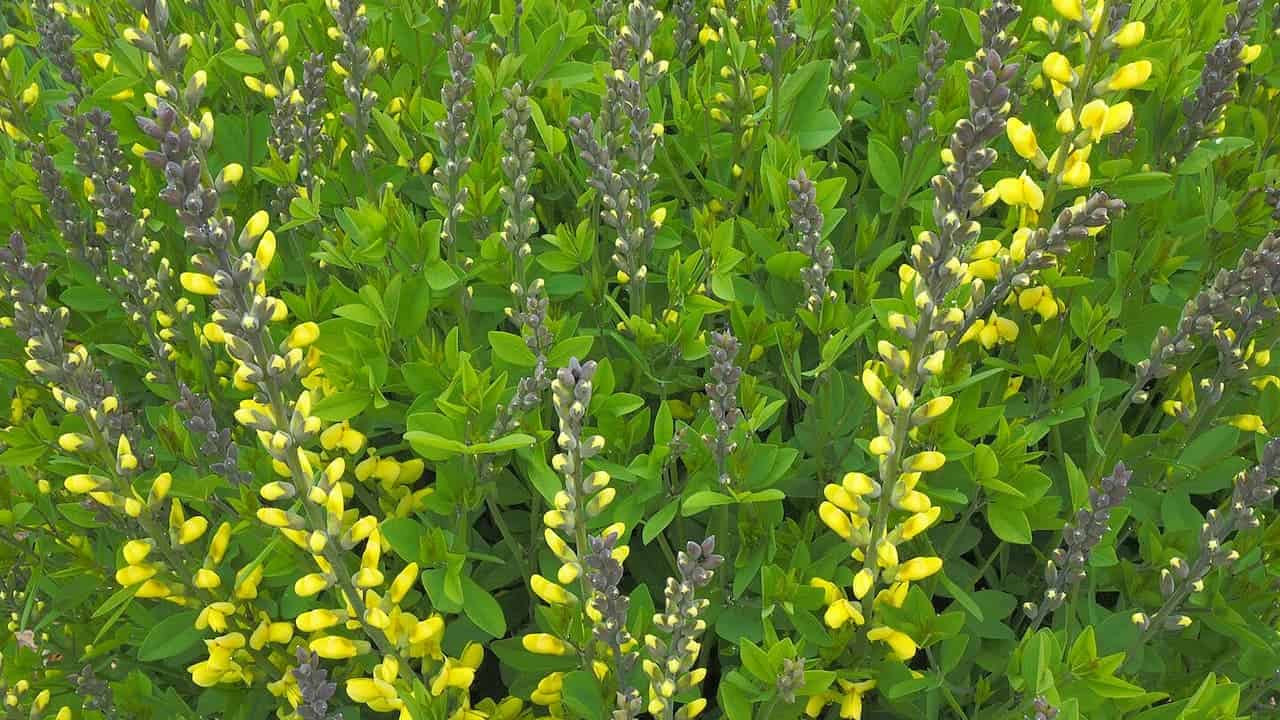
Baptisia is a low-maintenance plant that you don’t need to deadhead. Its flowers form interesting seed pods that add visual interest even after blooming.
You can leave the tall, sturdy stems standing through the season without worry. Baptisia’s natural structure makes pruning mostly unnecessary for healthy growth in your garden.
Jerusalem Sage (Phlomis fruticosa)
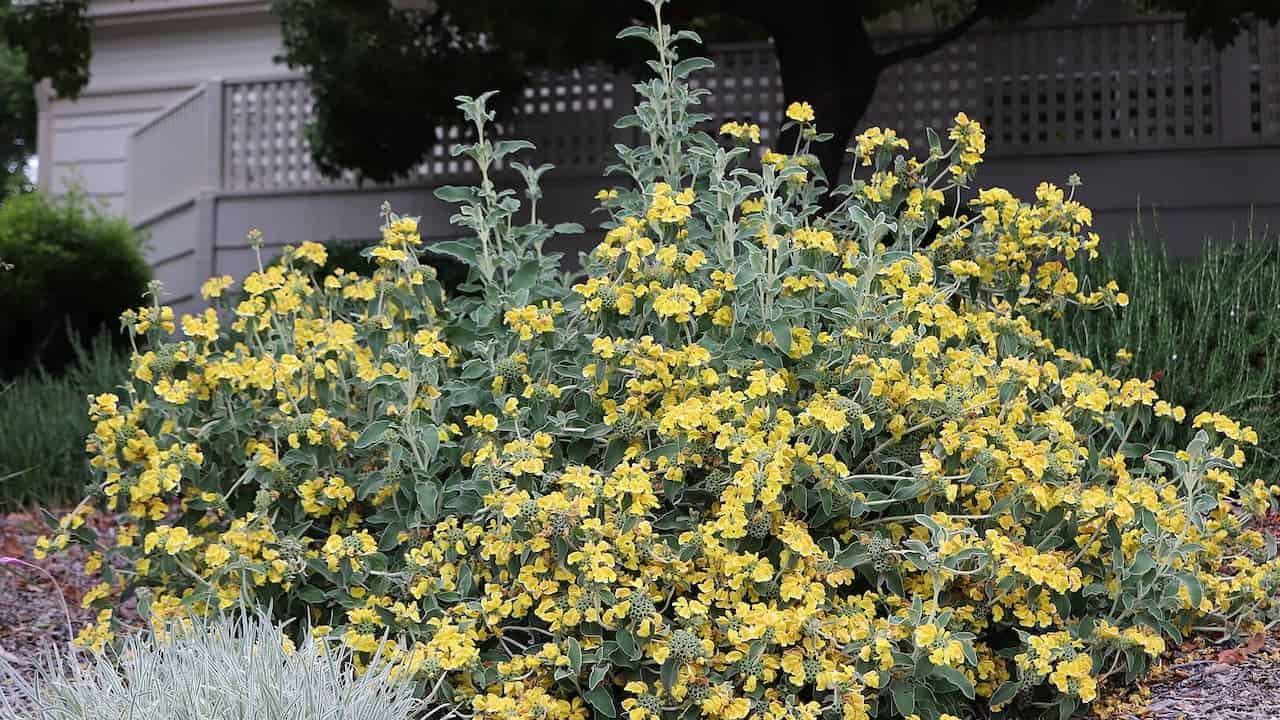
You’ll enjoy Jerusalem Sage for its bright yellow flowers that last a long time without needing deadheading. This semi-evergreen shrub has a unique shape and adds a lovely architectural touch to your garden.
It thrives in full sun and handles both heat and cold well. You can leave the seed heads for a natural look or remove them if you prefer a tidier appearance.