When you invite guests into your home, the way your space looks and feels can impact how comfortable they are. Even small décor choices can create an awkward atmosphere without you realizing it. Paying attention to your decorating style helps ensure your guests feel relaxed and welcome.
Understanding which décor choices might make guests uneasy helps you create a more inviting environment. This article will guide you through common décor mistakes that you can easily avoid to improve your guests’ experience.
Advertisement
Overuse of personal photos in shared spaces
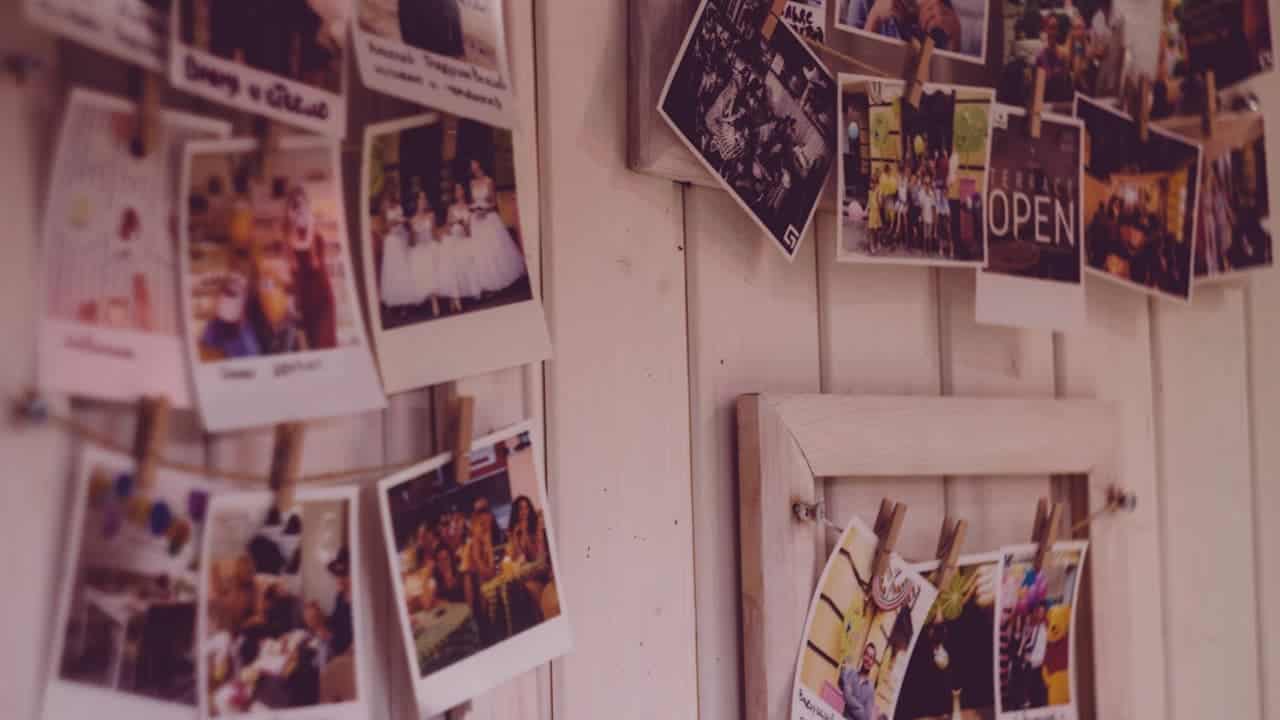
You might think filling your living room walls with family photos adds warmth. However, too many personal pictures can make guests feel like outsiders. It’s better to keep highly personal or intimate photos in private areas like bedrooms or offices.
In shared spaces, choose a few tasteful, neutral images or vintage prints. This helps create a welcoming atmosphere without overwhelming your guests.
Harsh, flickering, or overly dim lighting

If your lighting is too harsh or flickers, it can make guests feel tense and uncomfortable. Flickering lights strain the eyes and create a distracting atmosphere.
On the other hand, overly dim lighting might make your space feel gloomy or uninviting. Finding the right balance helps your guests feel relaxed and welcome.
Use soft, steady light sources and consider layering lighting to brighten task areas without overwhelming the room. This approach makes your home more comfortable for everyone.
Clashing decor styles without harmony

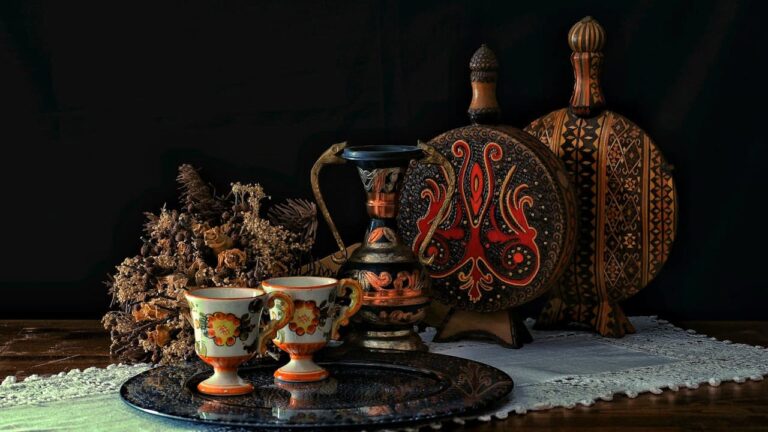
If you mix decor styles without a clear plan, your space can feel chaotic. When styles compete instead of complementing, guests may feel unsettled.
Start by choosing one main style to guide your choices. This gives your room a foundation and helps other pieces fit in naturally.
Avoid forcing together elements that clash in color, texture, or theme. Instead, look for ways to blend styles through shared tones or balanced contrasts.
Overcrowded furniture blocking walkways
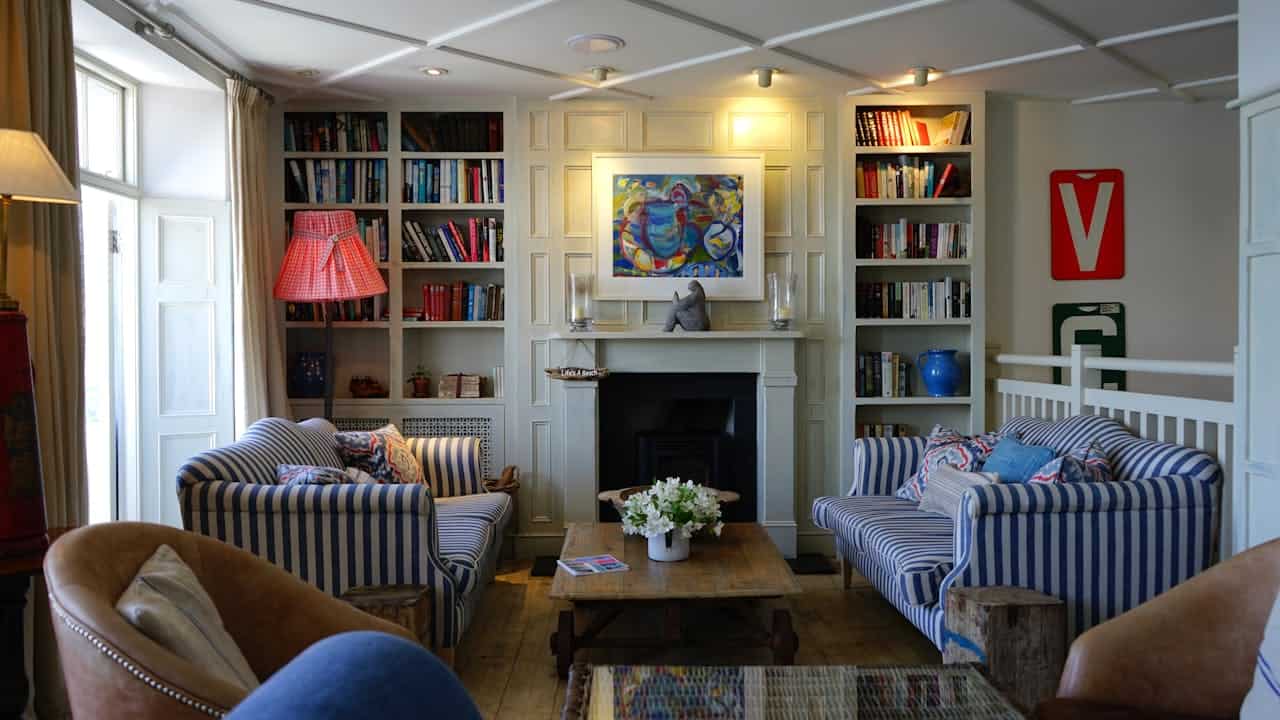
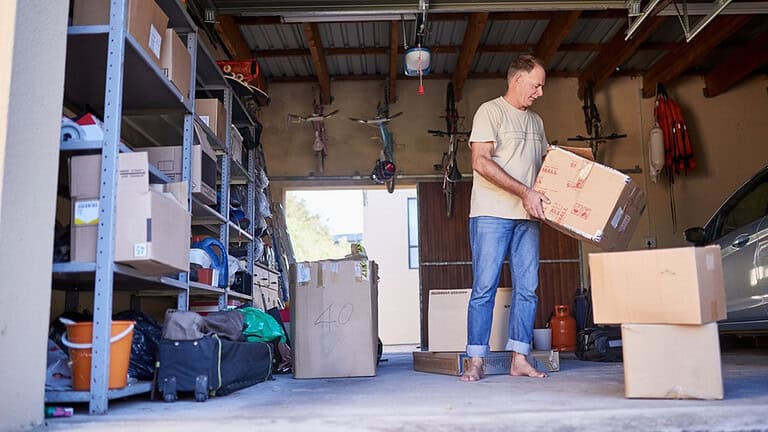
When your furniture blocks pathways, guests might feel cramped and uneasy. You want them to move freely without bumping into things.
Try to leave clear walking space between pieces. This small change can make your room feel more open and inviting.
Too much furniture leaves little breathing room. Removing or rearranging items can help create a comfortable flow for everyone.
Uncomfortable, stiff seating options
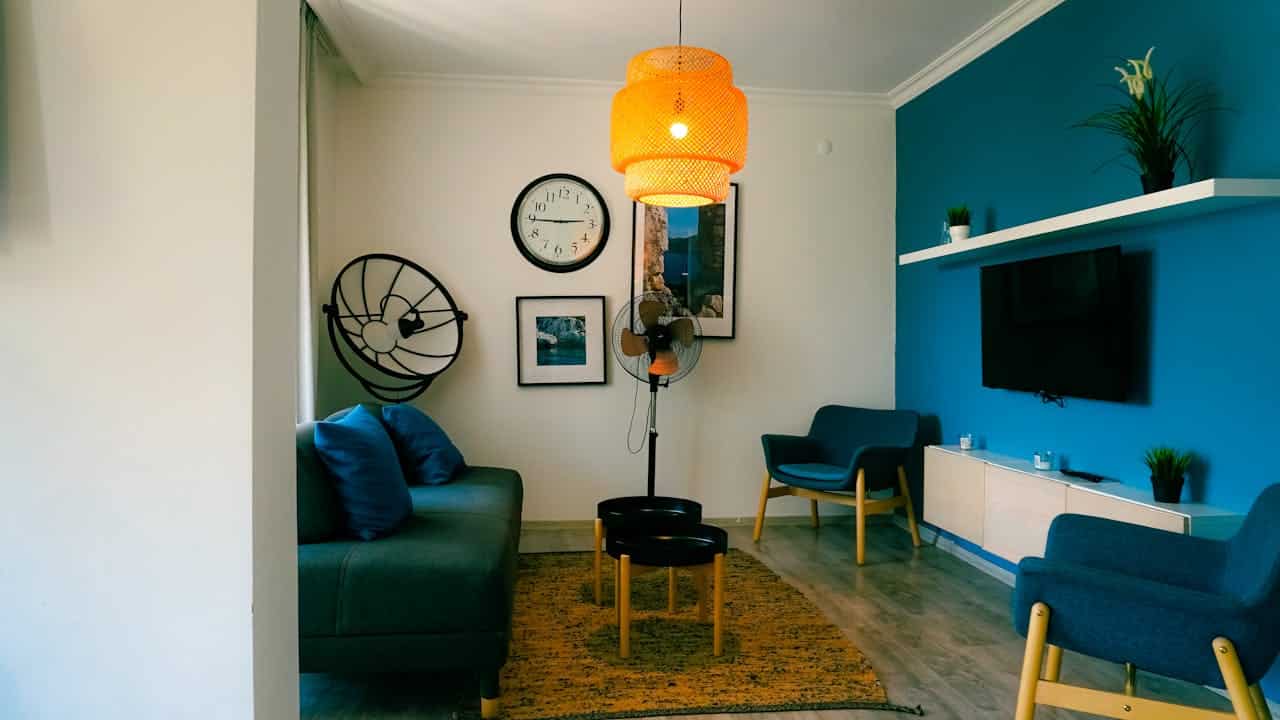
You want your guests to relax, so avoid chairs that feel hard or awkward to sit in. Stiff, high-backed, or overly firm seats can make people shift uncomfortably.
Choose seating with soft cushions or inviting fabrics. Comfort helps encourage conversation and longer visits. Always test your chairs before guests arrive. Stylish but uncomfortable seats can unintentionally make your guests feel uneasy.
Blank, uninviting white walls
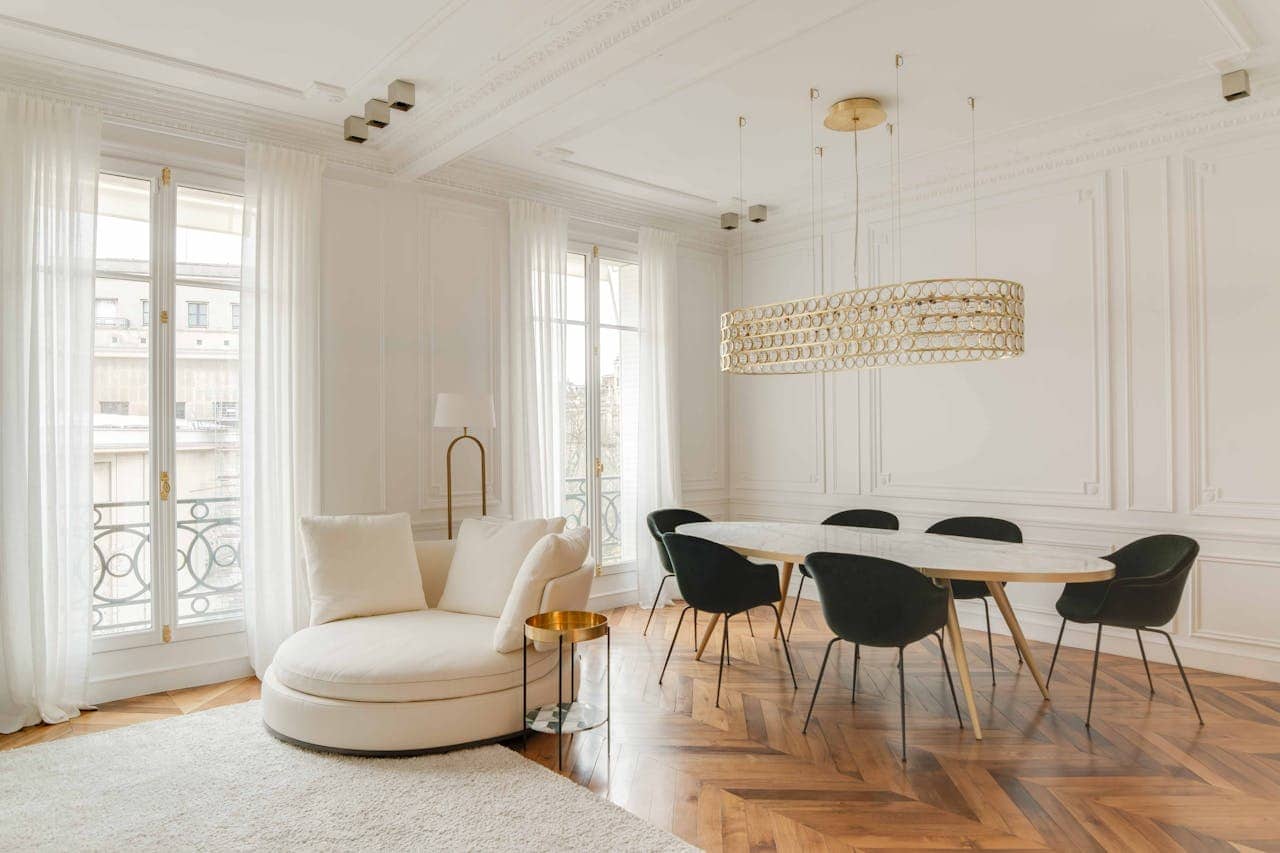
When your walls are plain white with no decoration, the space can feel cold and impersonal. You want your guests to feel welcome, but blank walls might give an impression of emptiness.
Adding artwork or texture helps create warmth and personality. Even simple details like wood trim or a colorful piece can make your walls feel more intentional and inviting.
Wrinkled or stained bedding in guest rooms
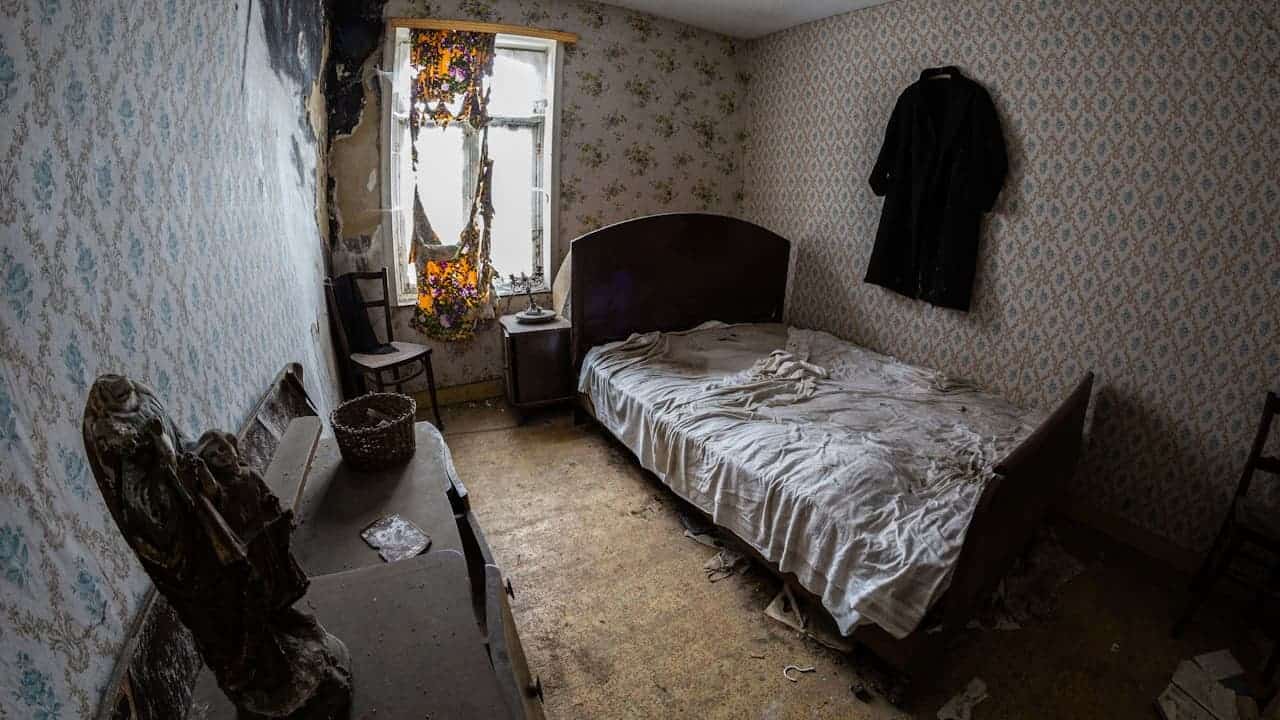
You want your guests to feel comfortable, but wrinkled or stained bedding can create an impression of neglect. Smooth, clean sheets set a welcoming tone.
Even small stains can make guests uneasy, so always check bedding carefully before their arrival.
Layer your bedding with fresh, crisp linens and a clean duvet or quilt. This shows you care about their comfort and experience.
Too many trinkets creating visual clutter
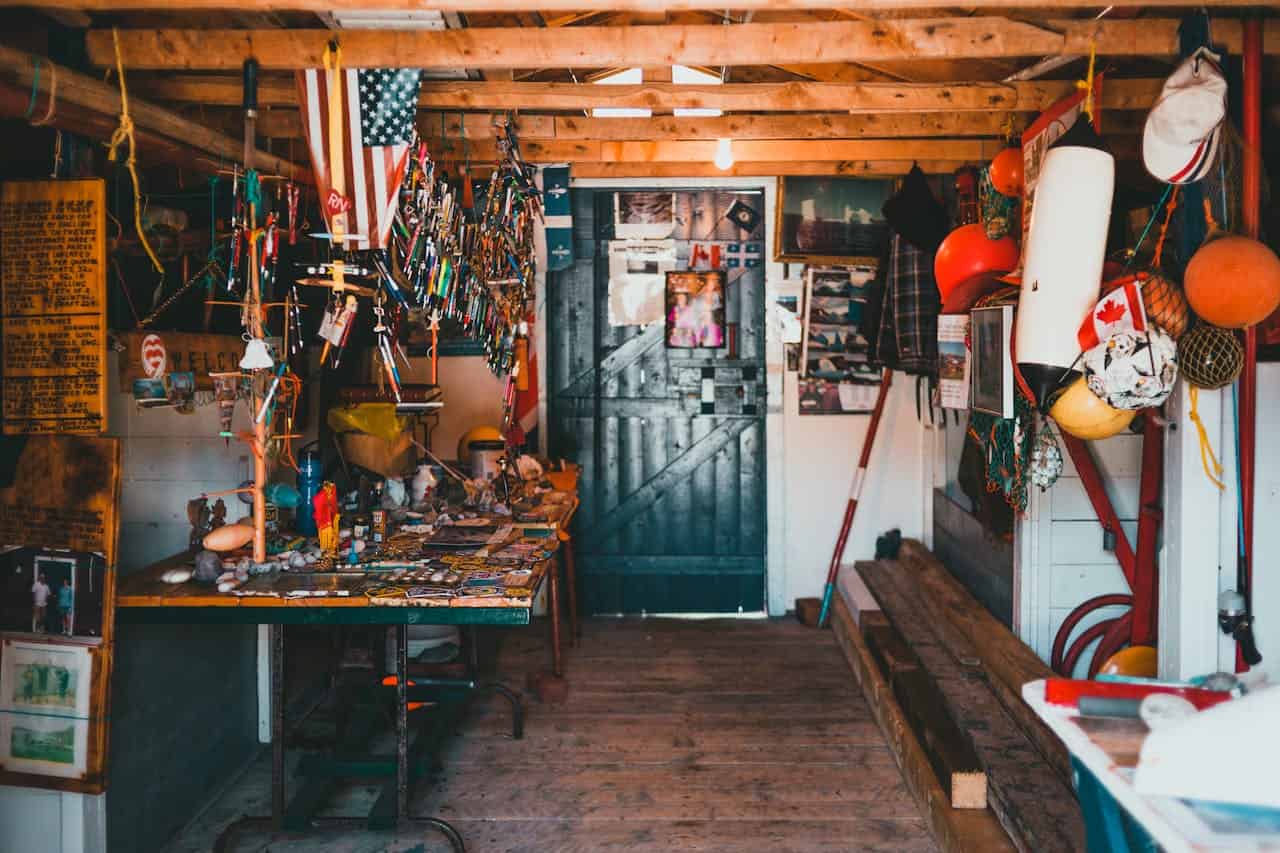
If you fill your space with too many trinkets, it can quickly feel overwhelming. Your guests might find it hard to focus or relax in a room packed with small, scattered items.
Try grouping smaller pieces around one larger item to create a clear focal point. This helps your décor feel intentional without crowding the space. Keeping surfaces simple and organized makes your home more inviting and comfortable for everyone.
Dusty or neglected furniture surfaces
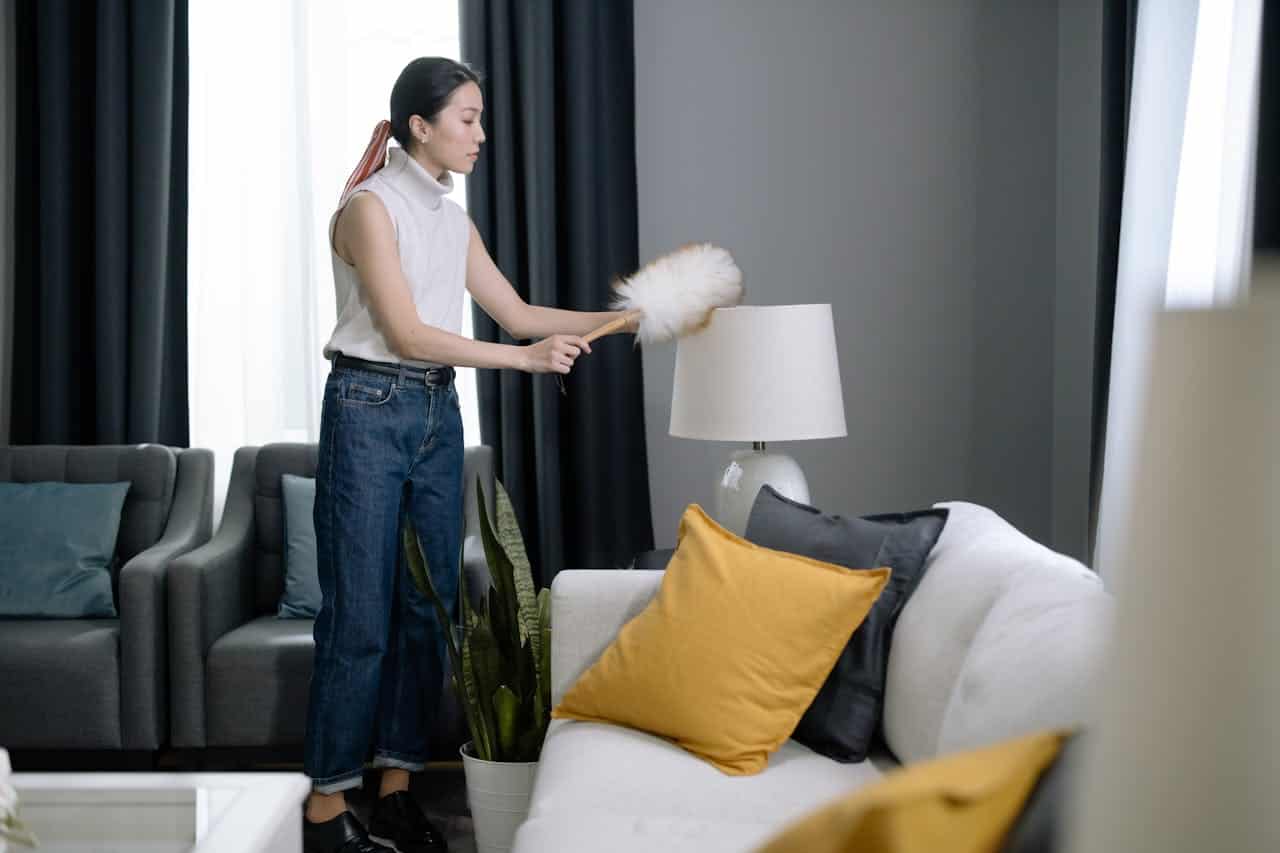
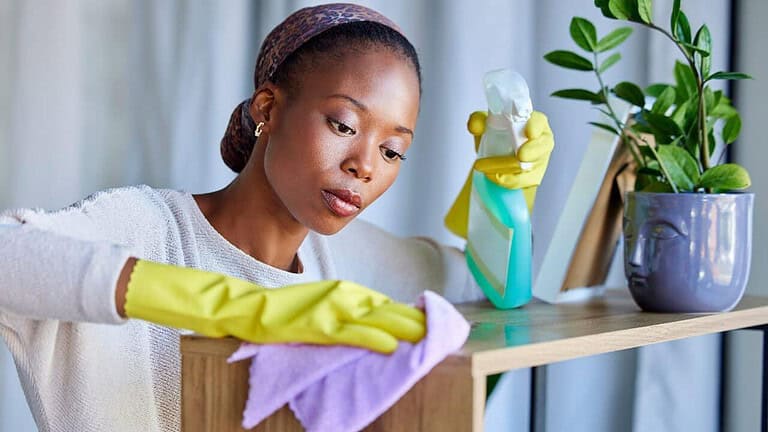
When guests enter your home, dusty surfaces are one of the first things they notice. It can give the impression that your space isn’t well cared for.
Regularly dusting shelves, tables, and electronics is a quick and simple way to keep your home welcoming. Keeping surfaces clear of dust also helps your décor shine and makes the room feel fresher and more inviting.
Excessive throw pillows making seating tight
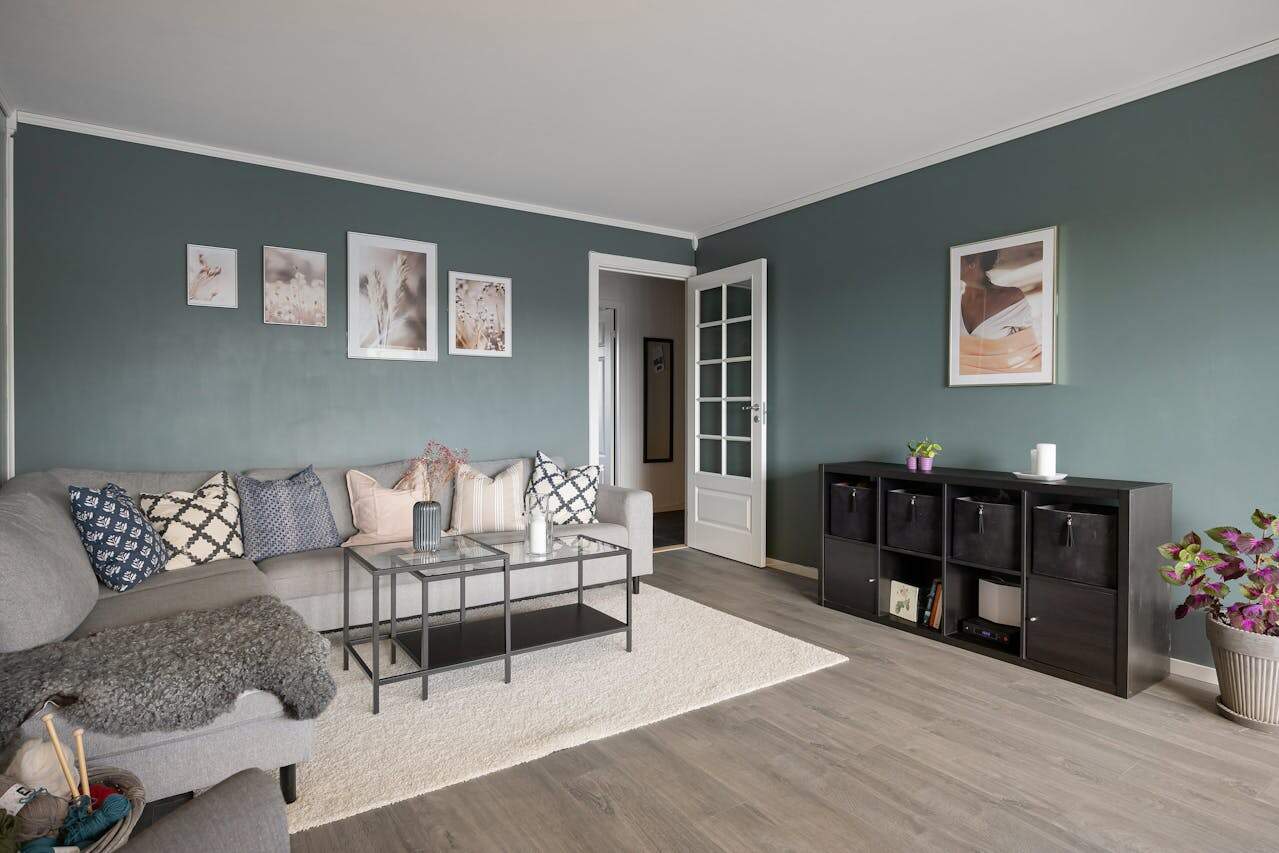
When you pile on too many throw pillows, your seating space can quickly feel cramped. This makes it hard for guests to sit comfortably without having to move pillows around.
Too many pillows can also block the natural flow of the room. Try to balance style with function by choosing fewer pillows that complement your décor.
Uncoordinated or mismatched linens

When your linens don’t match or clash in color and pattern, it can make guests feel a bit unsettled. It’s best to stick with a consistent theme or color palette for towels, sheets, and blankets.
Mismatched labels or random storage can also create a chaotic look. Keeping your linens organized and visually appealing helps your space feel calm and inviting.
Lack of cozy textiles like throws or cushions
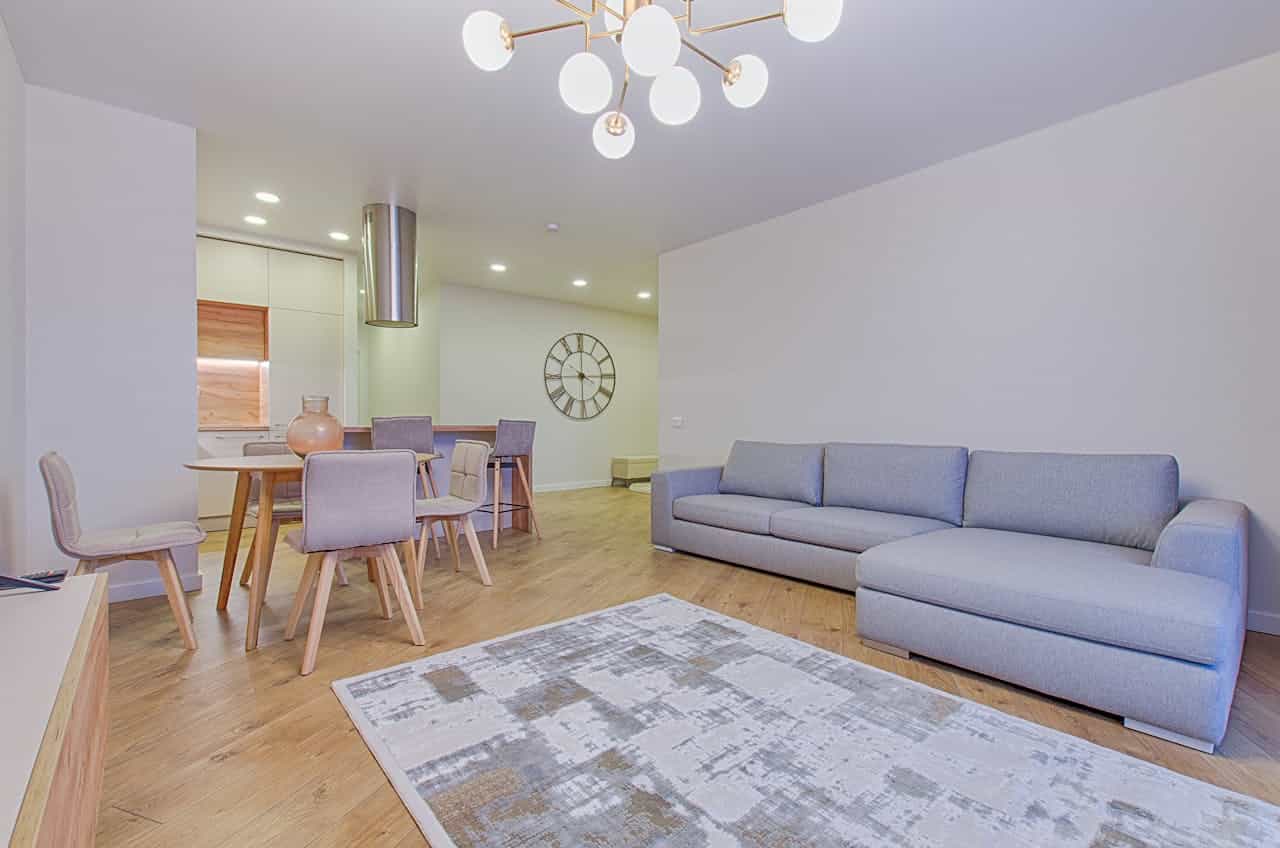
If your living room misses soft textiles like throws or cushions, it can feel cold and uninviting. These simple items add texture and warmth, making the space more comfortable.
Adding a few cushions or a cozy blanket invites guests to relax and stay longer. Soft fabrics like wool or cotton can make your room feel welcoming without much effort.
Messy or disorganized entryway areas
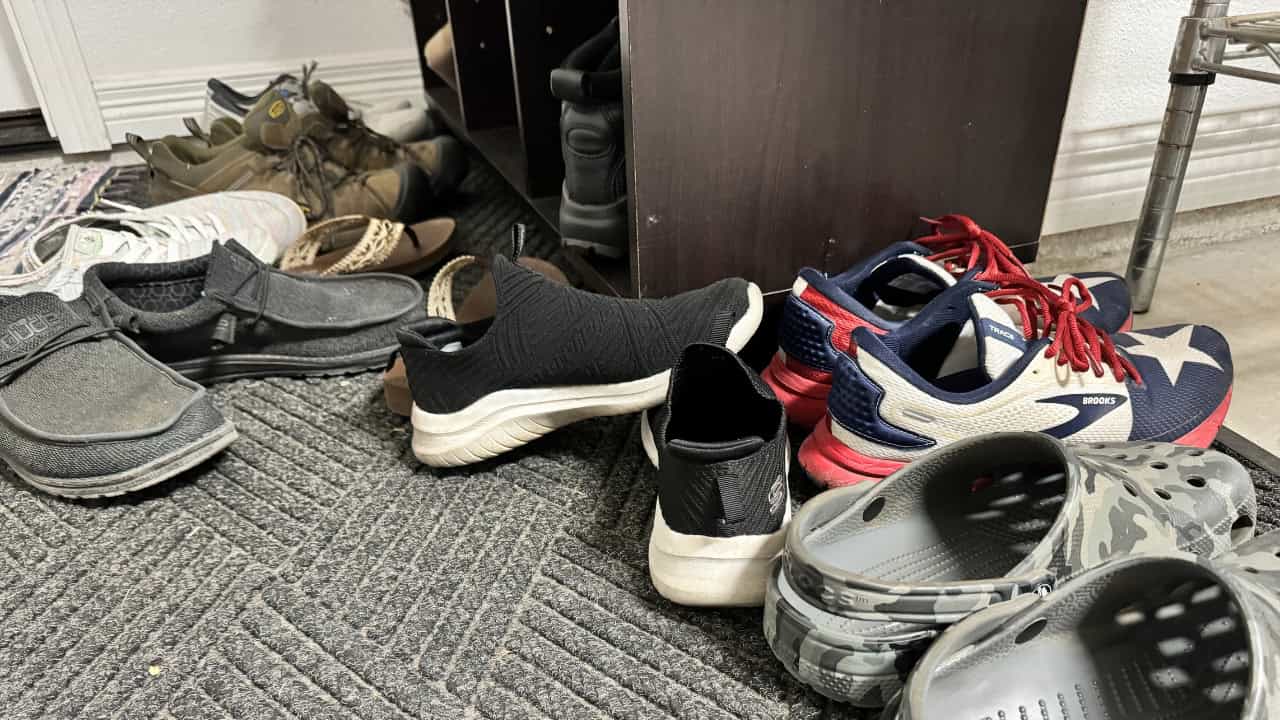
If your entryway looks cluttered, it can make guests feel uneasy right away. Piles of shoes, bags, or random items create a chaotic first impression.
Keeping your entryway organized shows you care about the space. Use storage solutions like baskets or shelves to keep things tidy and easy to find. A neat entryway feels welcoming and sets a calm tone for visitors.
Too-bright overhead lighting with no soft layers

If your room relies only on a harsh overhead light, it can feel uncomfortable for guests. Bright, unfiltered lighting often makes spaces look cold and uninviting.
You can soften the atmosphere by adding layers of light. Try using table lamps, floor lamps, or wall sconces to create a warmer, more balanced glow.
Layered lighting helps reduce shadows and brightness spikes, making your space feel cozy without sacrificing visibility. It’s a simple way to make guests feel more at ease.
Unpleasant or overpowering scents in rooms
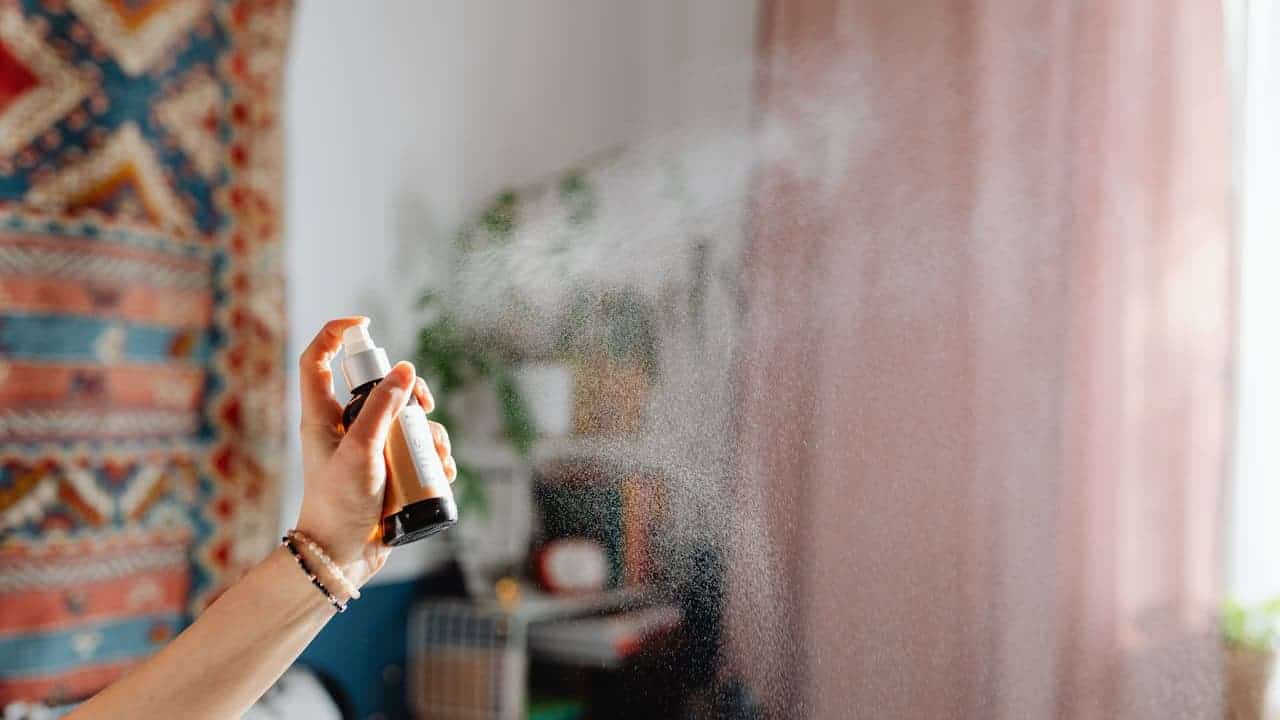
You want your guests to feel comfortable, not overwhelmed. Strong fragrances can cause headaches or discomfort, especially in small spaces.
Choosing light, subtle scents is a better option. This helps create a welcoming atmosphere without overpowering the senses.
Also, match scents to the room’s function. Avoid sweet smells in bathrooms or heavy floral scents in kitchens to keep the vibe pleasant and appropriate.
Cold, sterile color schemes lacking warmth
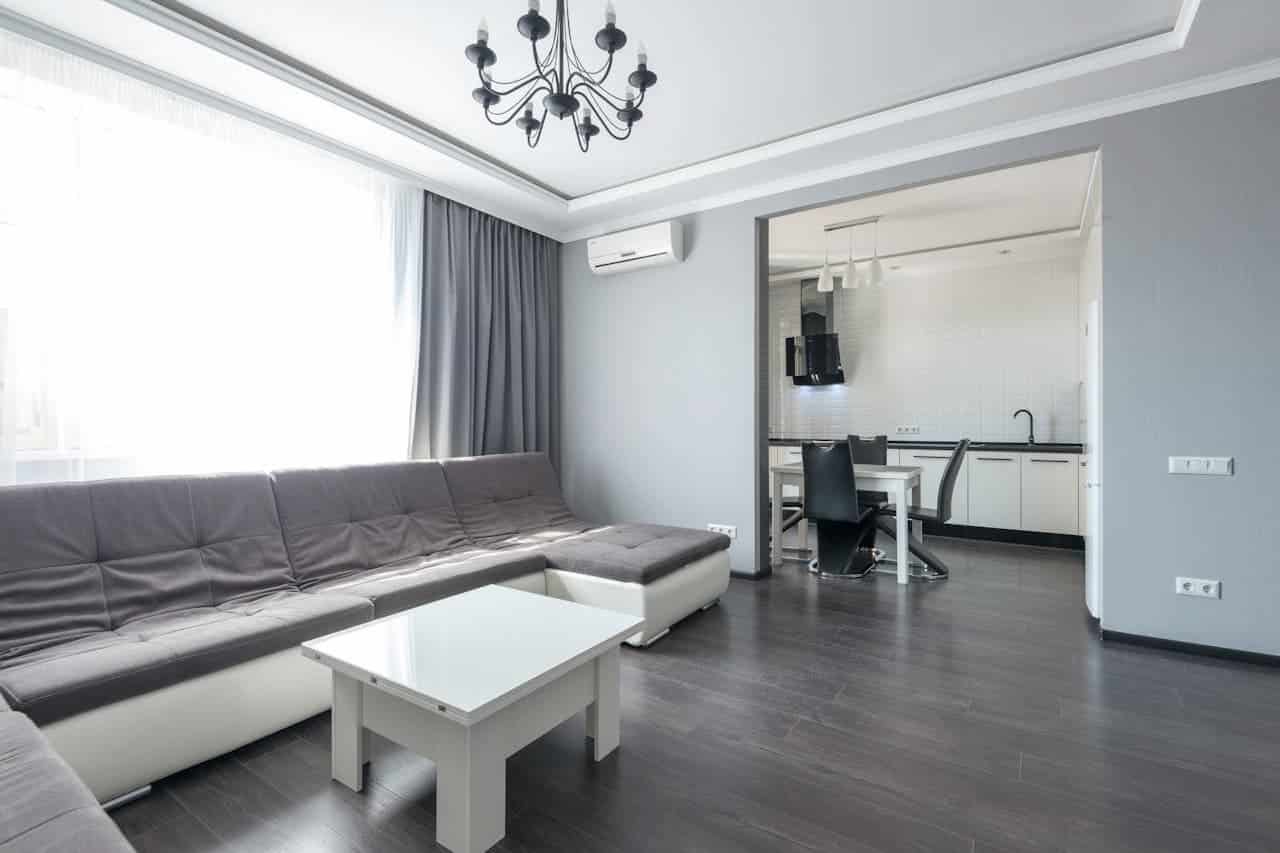
If your color scheme leans too much on cool tones like gray, white, or blue, your space can feel distant and uninviting. These colors may seem clean and modern but can lack the cozy vibe guests appreciate.
Adding warmer accents like soft cushions, wooden elements, or textured fabrics helps balance the coldness. Small changes like these make a big difference in creating a welcoming atmosphere.