It’s easy to hold onto clothes for reasons that don’t really make sense. Whether it’s hope for wearing them someday, sentimental value, or just not wanting to waste, many of us end up with items that don’t serve us.
Understanding why you keep certain clothes can help you declutter more effectively and free up space for pieces you actually use. This article will help you recognize those clothes you’ve been hanging onto with no real purpose.
Advertisement
Garments kept to avoid feeling wasteful
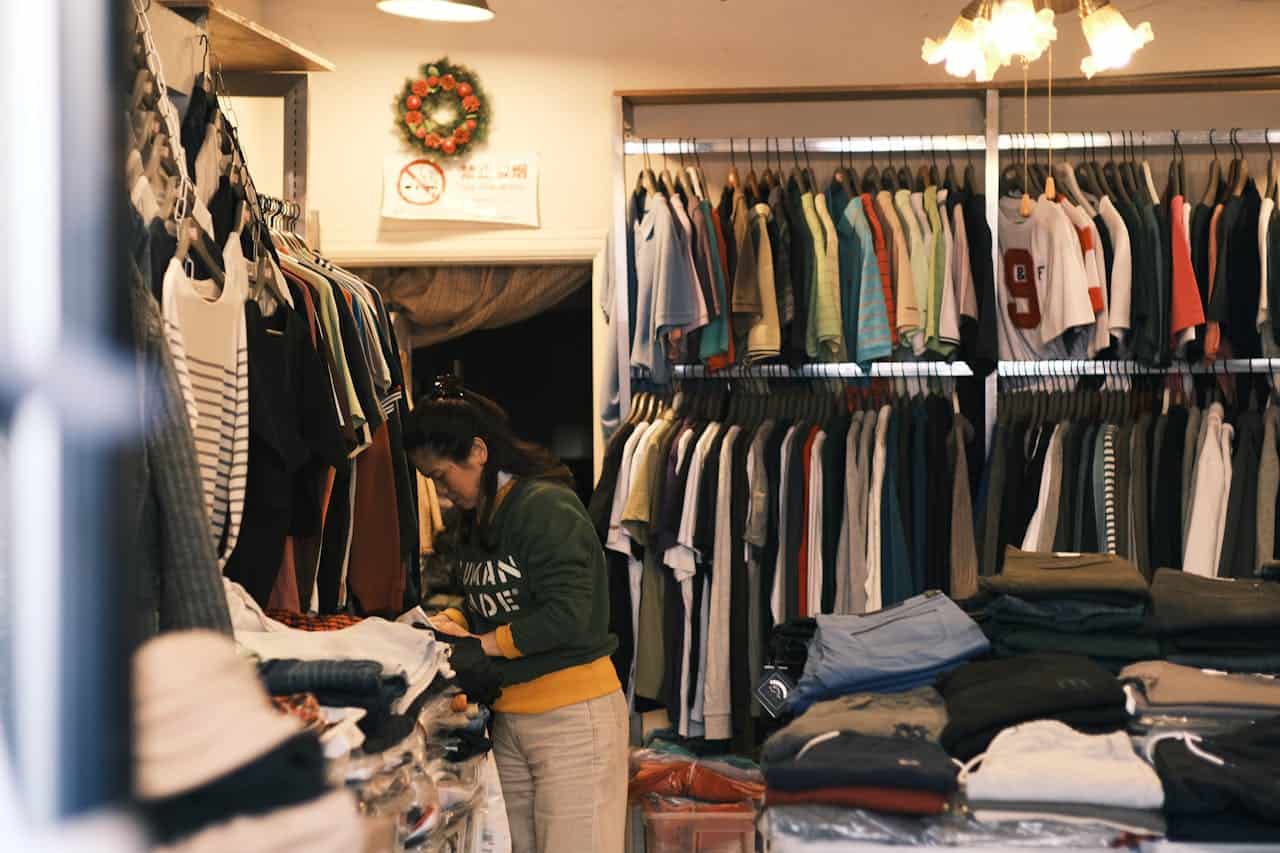
You might hold onto clothes simply because you spent a lot on them. Letting go feels like wasting money, especially if the tags are still attached.
But keeping items that no longer fit or suit you can create unnecessary clutter. Remember, it’s okay to release clothes that don’t serve you anymore, even if you invested in them. Your space and peace of mind matter too.
Clothes saved for a “special occasion” that never comes
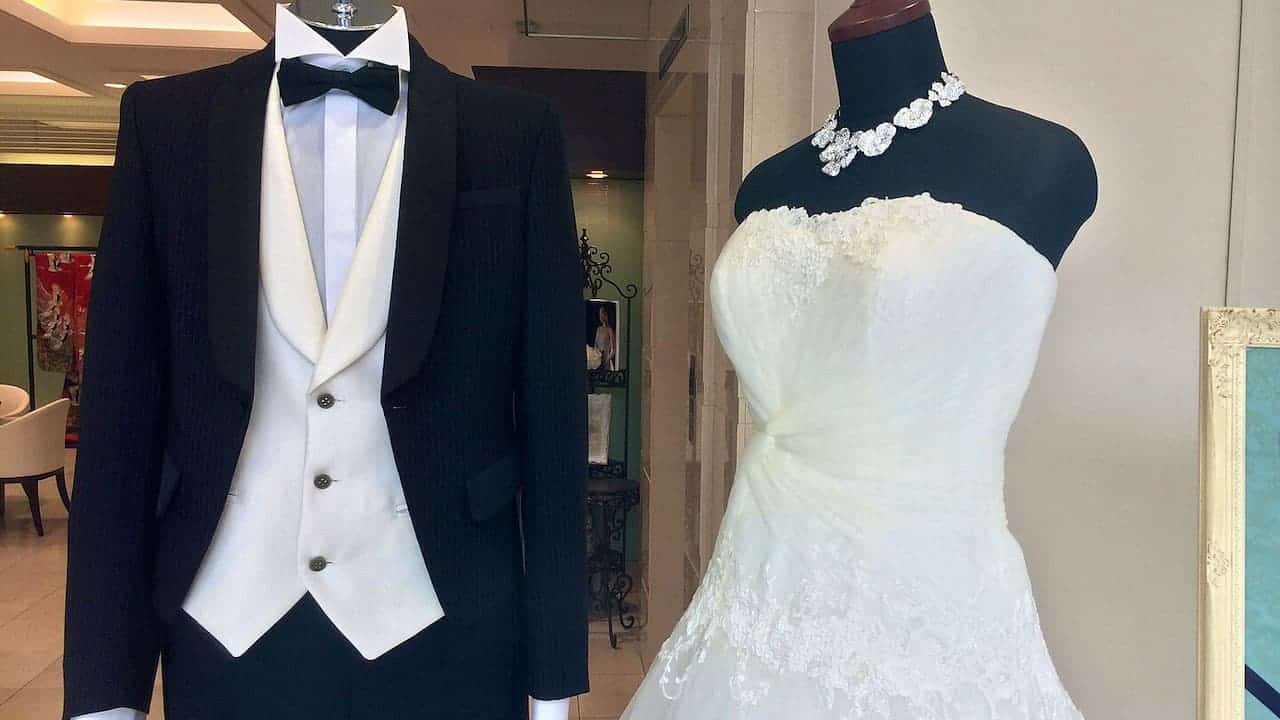
You might have outfits tucked away for a party or event that you hope will happen someday. Often, that day never arrives, and the clothes just sit unused.
By the time you consider wearing them, your style or size might have changed. It’s better to enjoy these clothes now instead of waiting for a moment that might never come.
Wearing them makes the most of your purchase and stops your wardrobe from filling with forgotten pieces.
Items that no longer fit but are kept “just in case”
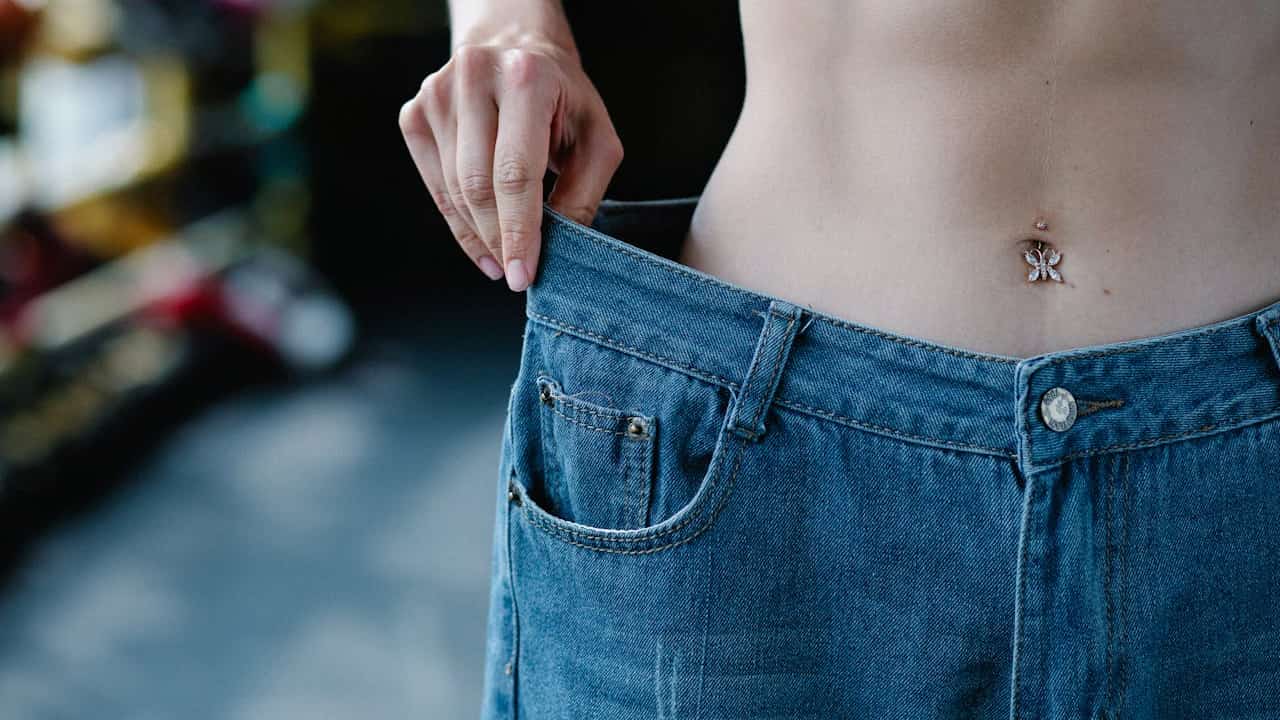
You might hold onto clothes that no longer fit, hoping you’ll wear them again someday. It’s common to keep a few special pieces, but most end up taking space without being used.
If you have room, limit yourself to a small selection of versatile clothes you truly love. Setting a clear space limit can help you decide what’s worth keeping.
Remember, if you haven’t worn an item in over a year, it probably isn’t serving you. Donating or letting go frees up space for things you actually use.
Outfits tied to past achievements or memories

You often keep clothes that remind you of important moments, like graduation outfits or event dresses. These pieces carry more than fabric—they hold memories of pride and excitement.
Sometimes, these clothes make you feel connected to who you were then. You might hesitate to let them go, even if you no longer wear them.
Holding onto such outfits can feel comforting. They serve as a reminder of your personal growth and milestones in life.
Clothes with faded sentimental value
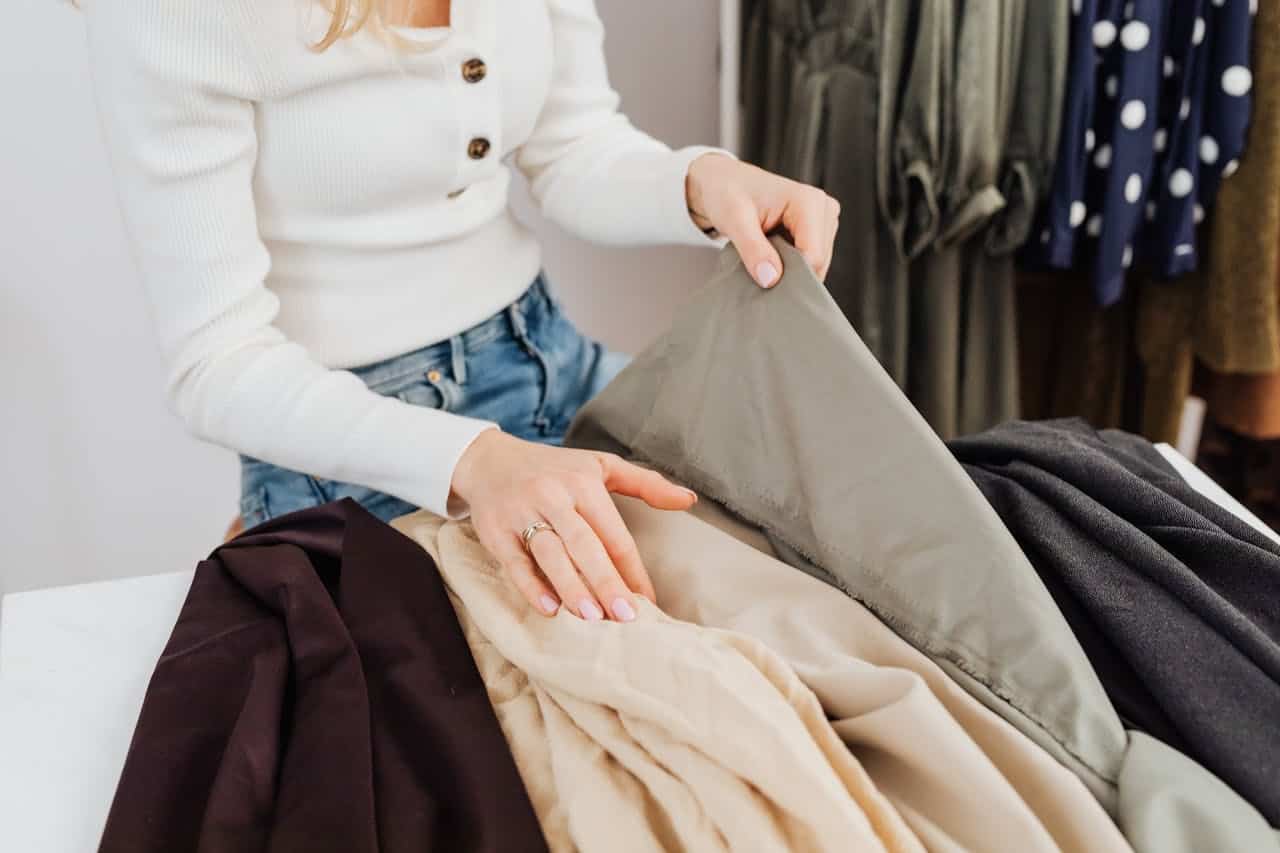
You might hold onto clothes that once meant a lot but don’t anymore. These items often remind you of past moments, but the feelings can fade over time.
If you find these clothes taking up space, consider keeping just a few special pieces. The rest can be donated or stored away out of sight.
Unworn gifts from friends or family
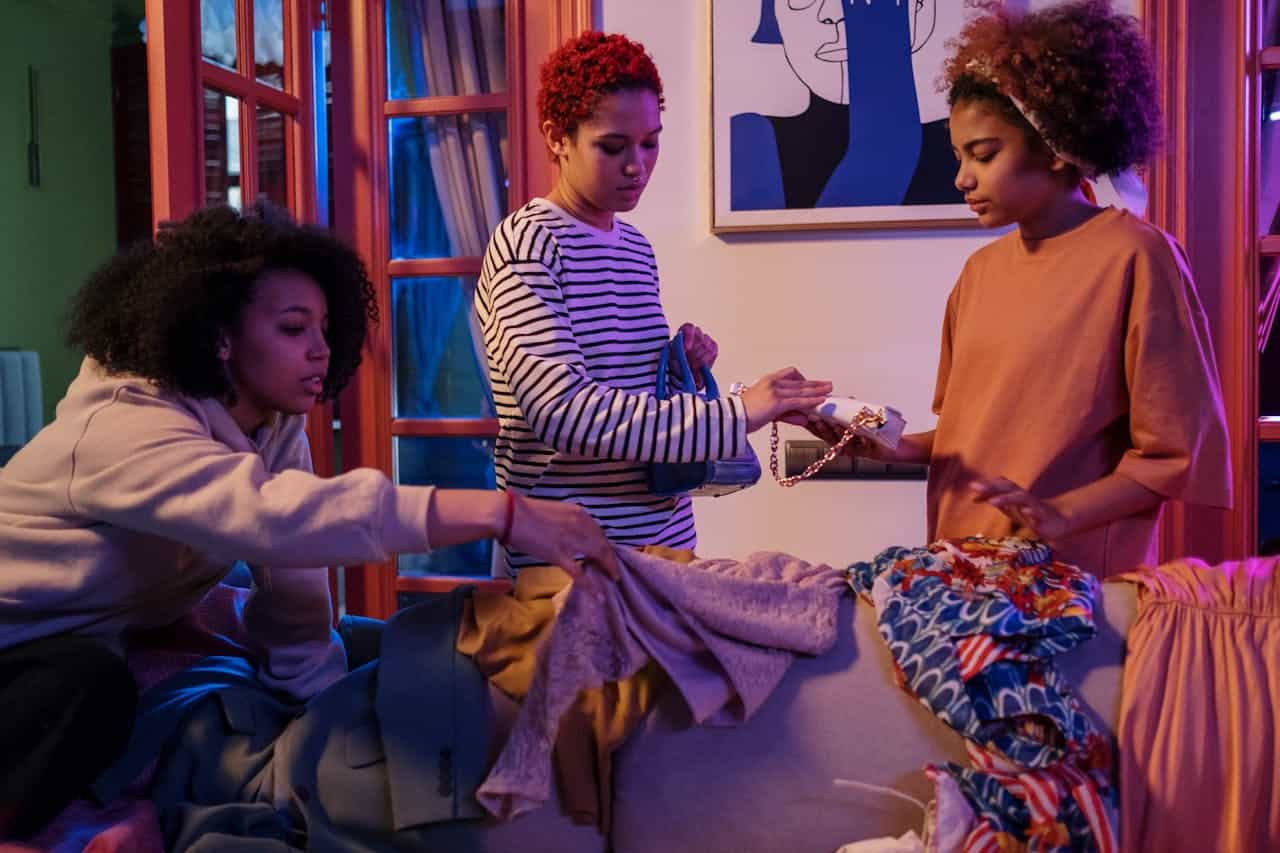
You might hold on to clothes given by friends or family out of politeness. However, if you never wear them, they only add to your clutter.
It’s okay to let these gifts go. You can kindly explain you appreciate the thought but don’t need the item.
Passing unwanted gifts on or donating them doesn’t mean you’re ungrateful. It helps keep your space manageable and respects everyone’s feelings.
Garments kept out of guilt for not donating

You might hold onto clothes because you feel guilty about not donating them sooner. It’s common to worry if your items are still good enough for charity.
Remember, shelters and donation centers appreciate clothes in good repair. If you feel unsure, sorting with honest eyes can help you decide what to give away. Letting go doesn’t mean you’re careless—it means you’re making space for what truly matters.
Items with tags still attached from years ago
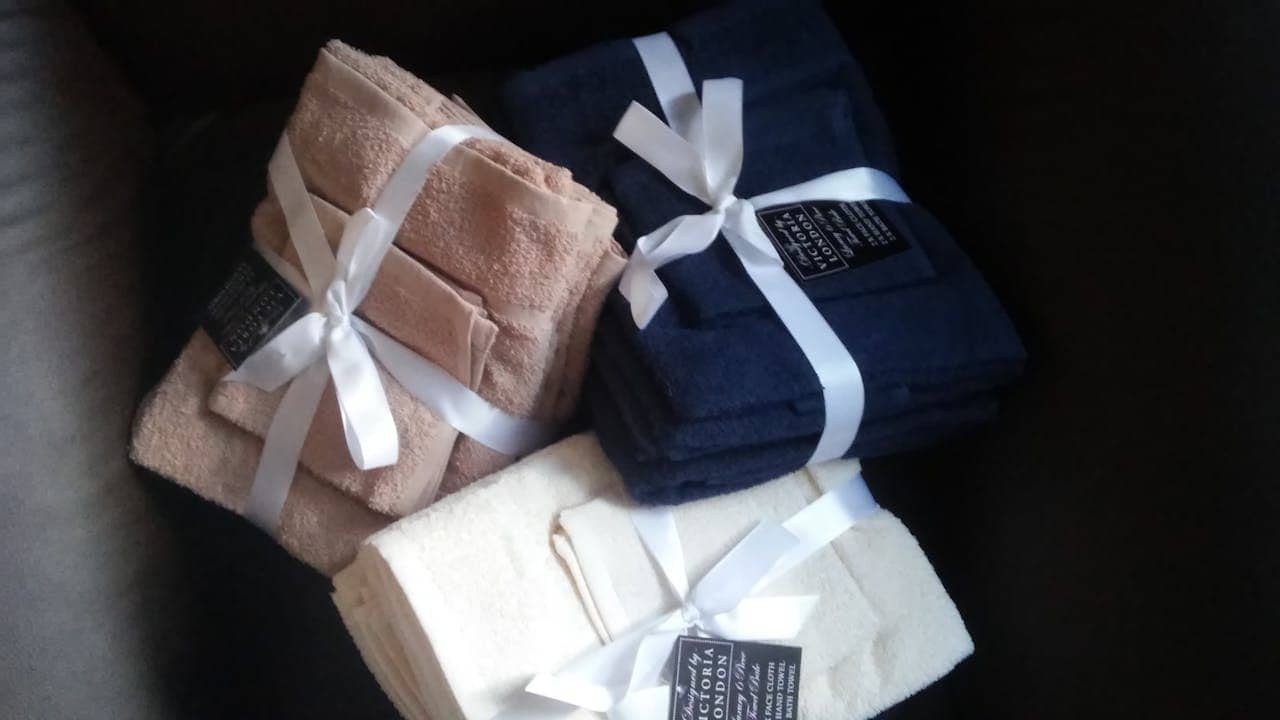
You might have clothes with tags still hanging on, bought months or even years ago. These items rarely get worn and just take up space in your closet.
If you haven’t used something with tags after all this time, chances are you won’t in the future. Letting them go frees up room for clothes you actually enjoy wearing.
Shoes or dresses saved for a hypothetical future event
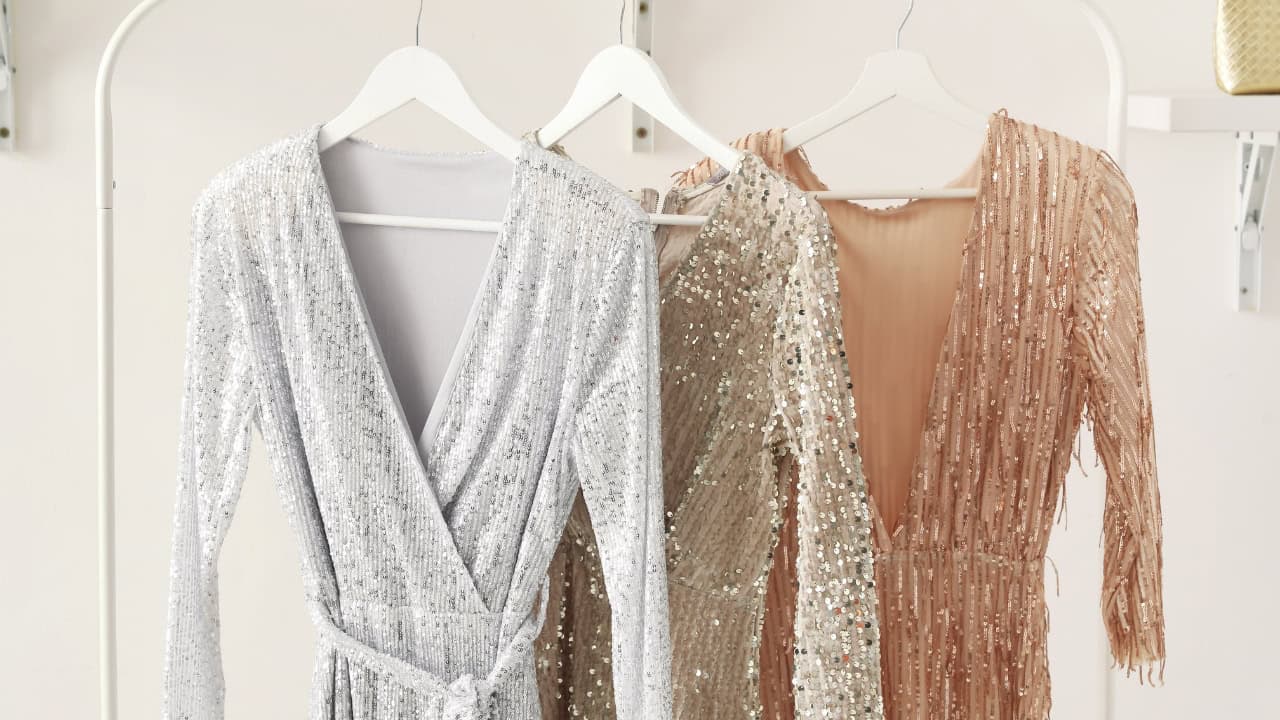
You might keep shoes or dresses just in case a special event comes up. Maybe a wedding, reunion, or party that’s not happening anytime soon.
These items often stay tucked away because the event feels uncertain or far off.
It’s common to hold on to them, even if you rarely think about wearing them. Saving them “for later” can feel logical but often keeps clutter around.
Old work uniforms or professional attire

You might still hold onto old work uniforms or professional clothes, even if they no longer fit or are out of style. Sometimes, these pieces feel tied to a job or moment in your life.
If the uniform is in good condition, consider donating it to someone in need. Otherwise, cutting them into cleaning rags or using them for casual project clothes is a practical way to repurpose them.
Clothes kept because they were expensive

You might hold onto clothes simply because they cost a lot. It feels wasteful to get rid of something pricey, even if you never wear it.
But spending more doesn’t mean you have to keep the item forever. Sometimes, it’s better to let go and make space for pieces you enjoy.
Remember, an expensive mistake is still a mistake. Your time and closet space are valuable too.
Tiny or too-large clothes saved for future weight changes

You might hold onto clothes that are too small or too big, hoping you’ll fit into them again someday. It feels comforting to keep these items as a reminder of past or future selves.
However, keeping them often creates clutter and can hold you back from fully embracing your current size. If you want, store a few key pieces in a bin, but avoid letting them overwhelm your closet.
Pieces kept due to fear of needing them someday
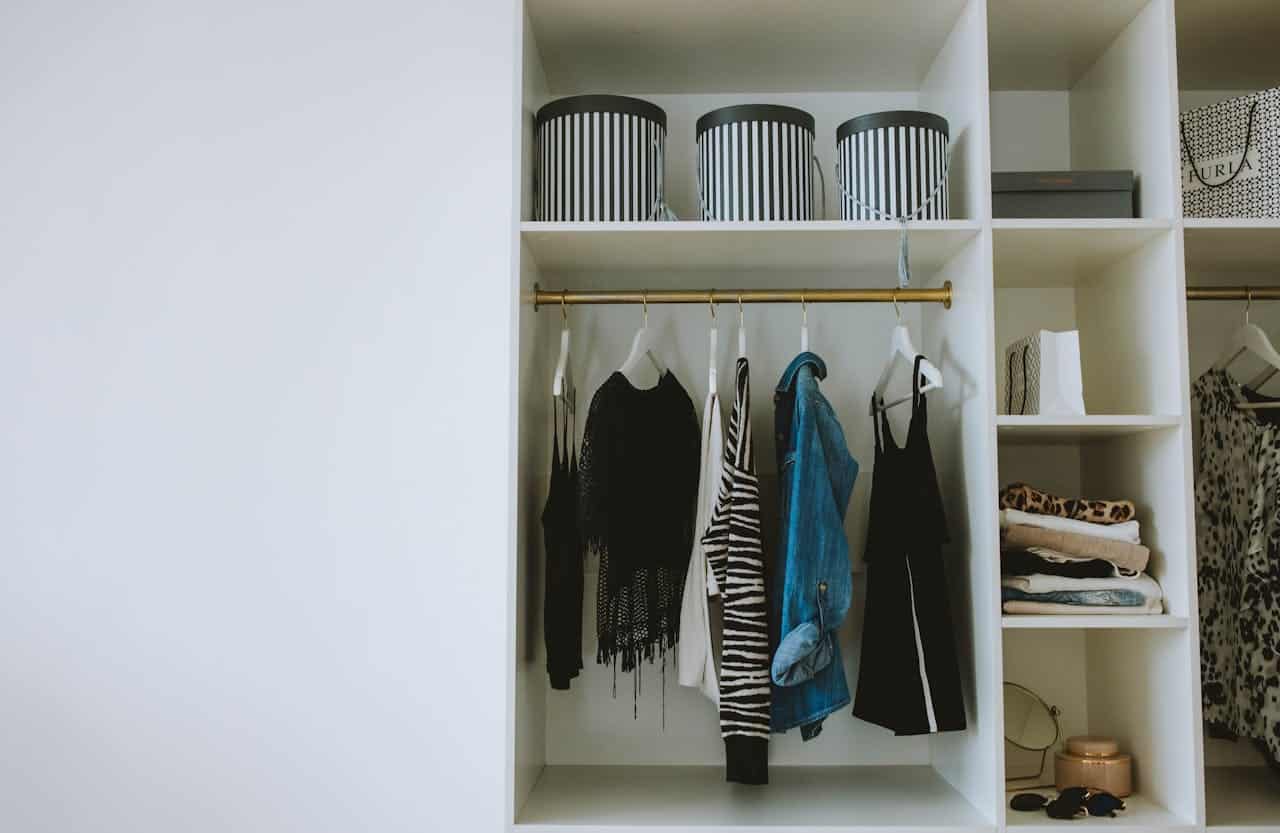
You might hold on to clothes because you worry you’ll need them later. That old jacket or dress might feel necessary “just in case.”
This fear can make it hard to let go, even when you haven’t worn the item in years. It’s common to imagine future situations where that clothing could come in handy.
But keeping too many “just in case” pieces can add clutter. Try to ask yourself if you’ve truly needed it recently before deciding to keep it.
Outfits associated with a previous lifestyle or identity

You often keep clothes that tie you to a part of your past. These outfits remind you of who you used to be or the lifestyle you once led.
They might represent a job, hobby, or phase that no longer fits your current life. Even if you don’t wear them, they hold emotional meaning.
Sometimes, these clothes feel like a piece of your identity you’re not ready to let go of. Holding on can be more about memories than practicality.
Clothes saved because they trigger nostalgia
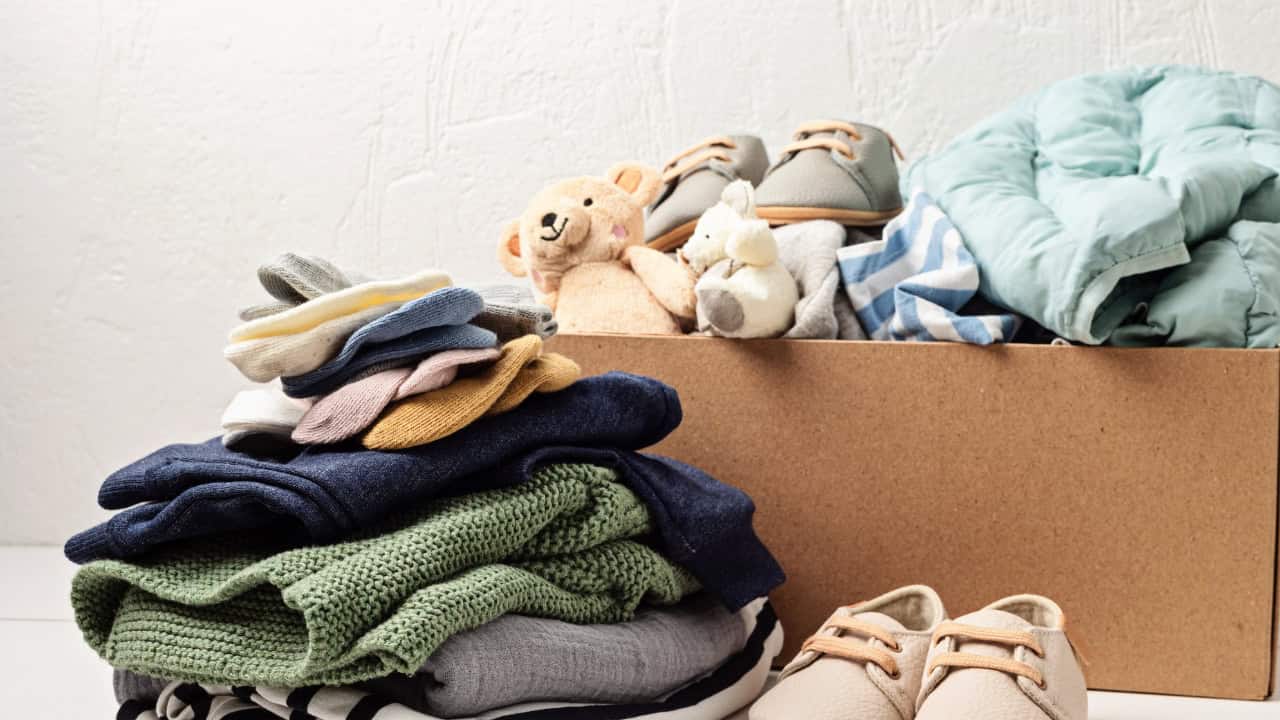
You might keep certain clothes because they remind you of special moments. A favorite shirt from a memorable trip or a dress worn on a meaningful day can feel like a way to hold onto those memories.
These clothes act like memory triggers, bringing back feelings of happiness and comfort. Even if you don’t wear them often, their sentimental value keeps them in your closet.
Items hoarded because they were trendy once

You might find yourself holding onto clothes that were once the height of fashion. These items can feel like a reminder of a fun time or a specific trend you enjoyed.
Even if they no longer fit your style, it’s easy to keep them “just in case” trends return. But chances are, they won’t, and these clothes just take up space. Letting go can make room for pieces you actually wear now.
Why We Hold Ontoworn Clothes
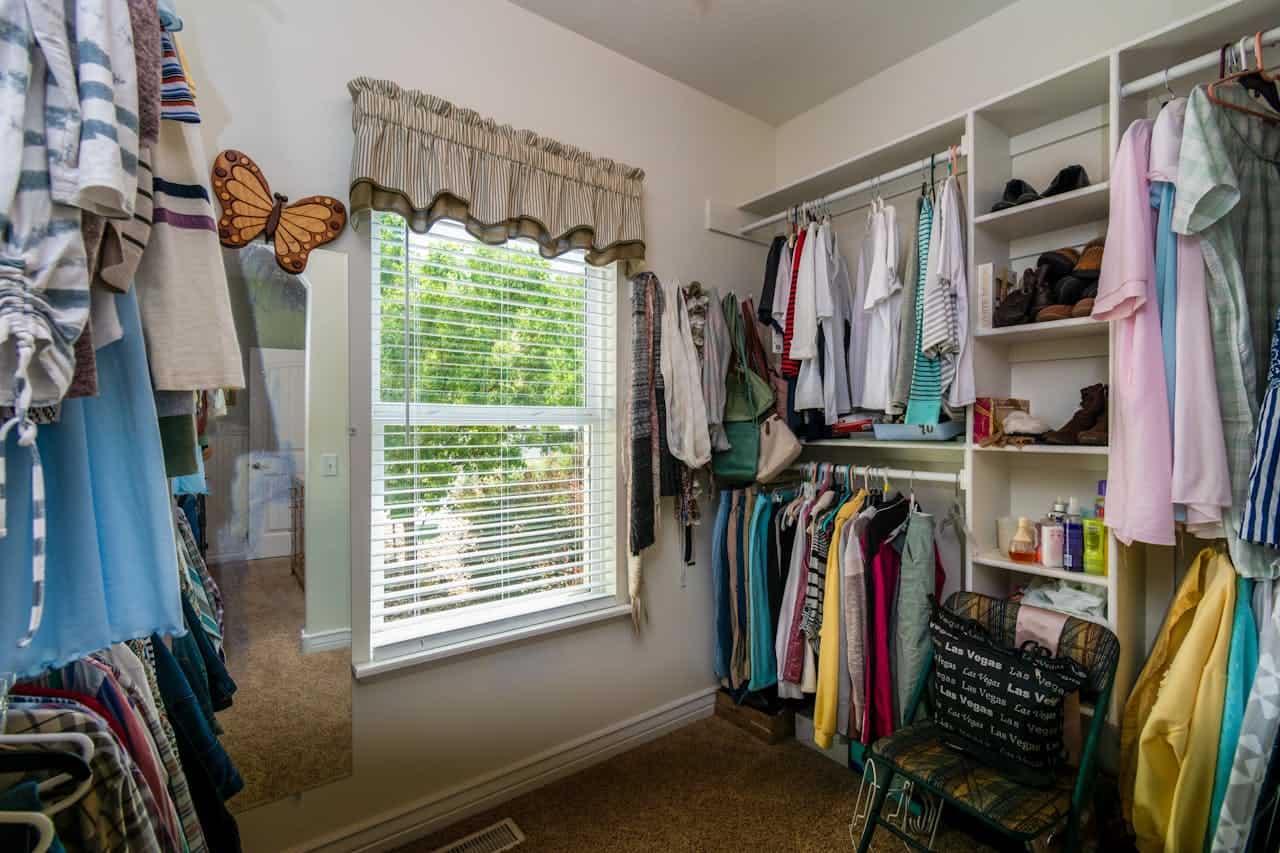
You often keep certain clothes even when you no longer wear them because of feelings tied to memories or hopes for your future self. These attachments can make it hard to let go, even if the items no longer fit or suit your current life.
Emotional Attachment and Sentimental Value

You might hold onto clothes because they remind you of important moments or people. A shirt from a special event or a gift from someone close can carry strong emotional weight.
This sentimental value makes it feel like you’re preserving a piece of your past. Even if you never wear these items again, throwing them out feels like losing a memory.
Sometimes, the clothes represent a specific time in your life or who you used to be. You might hesitate to let go because it feels like letting go of that version of yourself.
Aspirational Wardrobe Choices
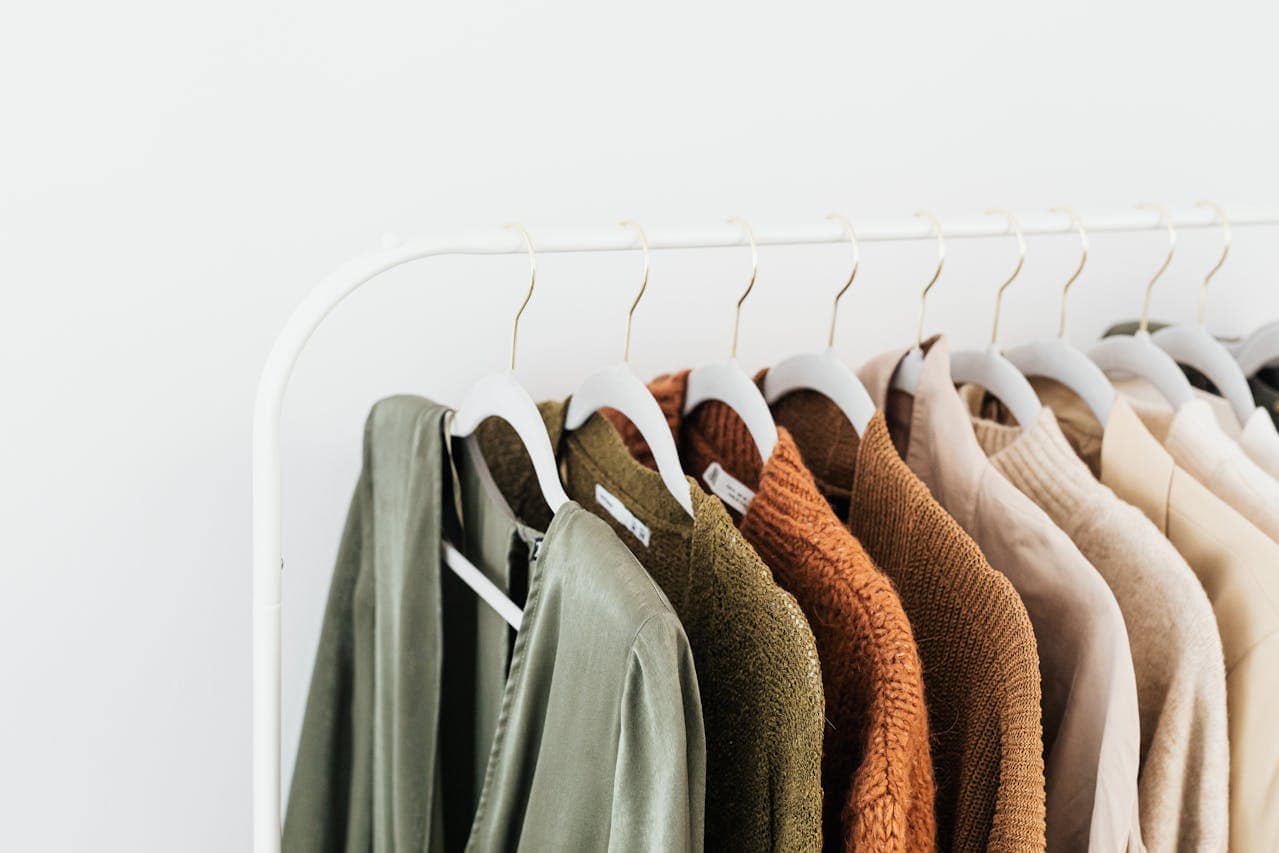
Keeping clothes that don’t fit now often reflects your aspirations. You hang on to jeans or dresses hoping you’ll fit into them again one day.
These items symbolize a future goal, like a weight loss target or a new role you want to step into. They represent who you want to become rather than who you are today.
Holding onto these clothes can motivate you. But sometimes it keeps your wardrobe cluttered with things you’ll never realistically wear again. Recognizing this can help you make clearer decisions about what to keep.
Tips for Letting Go of Unnecessary Clothes

Letting go of clothes that no longer serve you frees up space and energy for items you truly enjoy wearing. It also opens options for responsible ways to give your clothes a second life.
Creating Space for New Favorites

Start by setting clear rules for what stays and what goes. Ask yourself if you’ve worn the item in the past year or if it fits comfortably. If not, it’s likely time to part ways.
Take photos of sentimental pieces you hesitate to let go of. This way, you preserve the memory without cluttering your closet. Limit how much you keep by deciding on a maximum number of special items.
Avoid the temptation to hold onto clothes because of cost. Remember, keeping items “just in case” often leads to overcrowded, frustrating spaces. Make room only for clothes that spark joy or you wear regularly.
How to Donate or Recycle Responsibly

Before donating, make sure your clothes are clean and in good condition. Research local charities to find organizations that accept your specific items. Many places focus on clothing for different needs, like children, job seekers, or seasonal wear.
For clothes too worn for donation, look for textile recycling programs. Some brands and stores offer take-back schemes where old clothes are repurposed or recycled.
Label your donation bags clearly and avoid mixing dirty or damaged items. This helps charities process your clothes faster and with less waste. Responsible donating and recycling keeps your wardrobe fresh and helps others in need.