Closets often become overcrowded with items that no longer serve you or your style. Over time, this can make it hard to find what you actually wear and enjoy.
Knowing which clothes are taking up needless space can help you create a more organized, functional wardrobe. Clearing out these items frees up room for pieces you truly love and wear.
Advertisement
Unworn impulse purchase tops
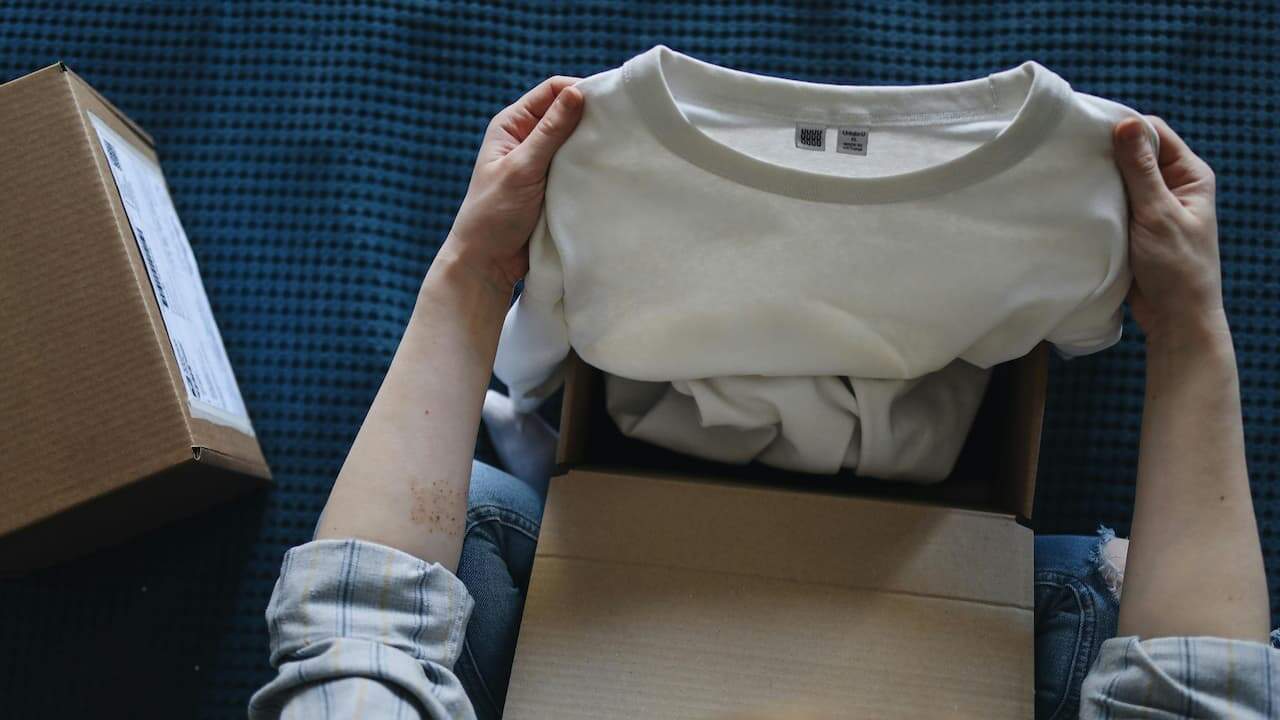
You probably have a few tops bought on a whim that never made it out of the closet. These impulse purchases can clog your space without adding value to your wardrobe.
If you haven’t worn a top in over a year, it’s a strong sign it’s not needed. Letting go of these frees up room for pieces you truly enjoy wearing.
Try being more intentional with future tops. Focus on colors and styles that match what you already love to wear.
Out-of-season bulky sweaters
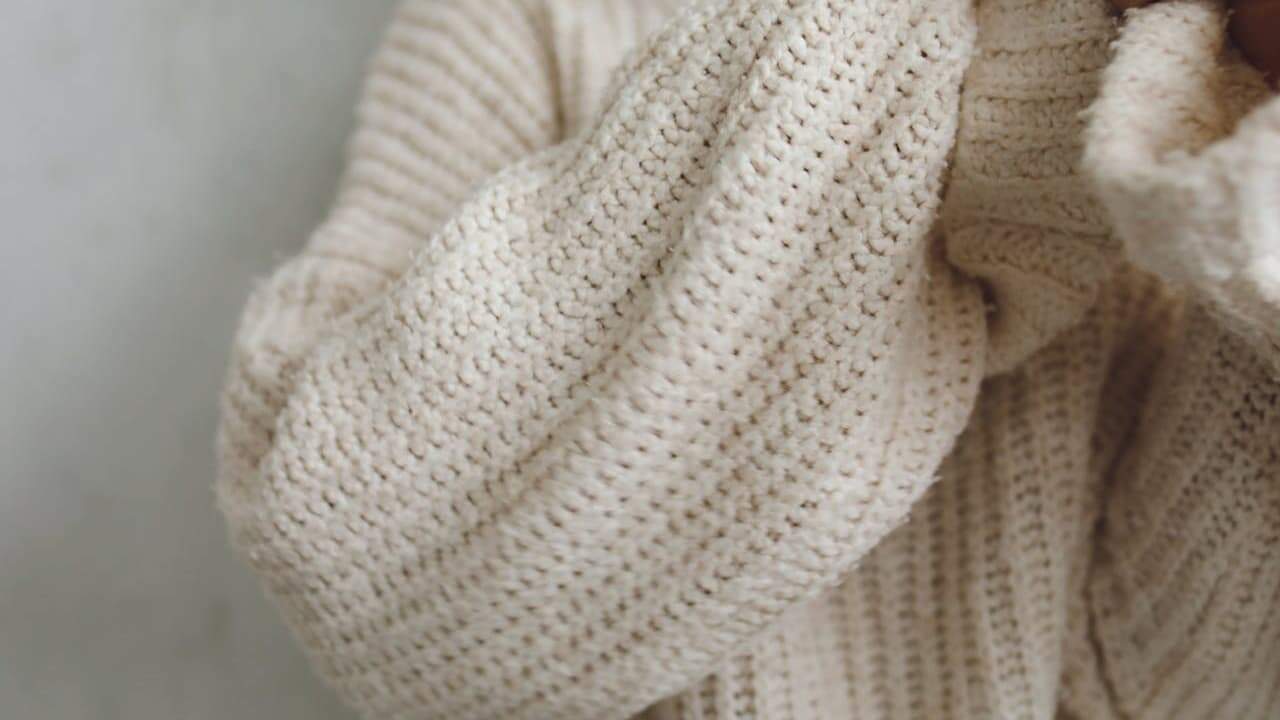
Bulky sweaters can take up a lot of closet space, especially when you’re not wearing them. You can free up room by storing them elsewhere during warmer months.
Try using vacuum-sealed bags to compress these sweaters and protect them from dust.
Under-bed storage bins are another great option. They keep your sweaters out of the way but easily accessible for the next season.
Expired trend peplum tops
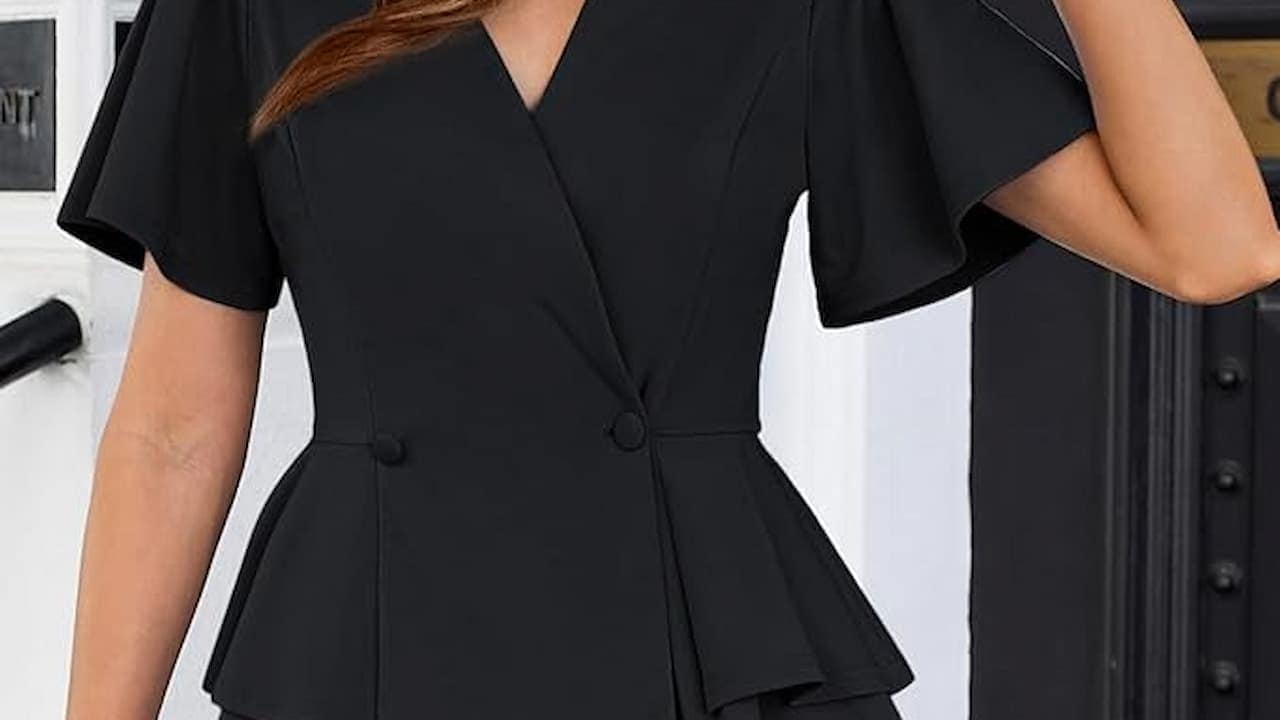
You might still have peplum tops hanging in your closet from past fashion cycles. These tops were popular in the 2000s and made a comeback in the 2010s, but many styles now feel dated.
While some updated peplum designs use luxurious fabrics or modern cuts, most still take up space without matching your current style. If you don’t wear them often, it’s time to consider clearing them out.
Galaxy print leggings from past years

You might still have galaxy print leggings from a few years ago taking up space. These leggings were trendy for their colorful, starry designs inspired by outer space.
While fun, the style has mostly faded and isn’t as popular now. Holding onto them might crowd your closet without much use.
If you don’t wear them often, consider donating or recycling to free up room for clothes you love and use more.
Clothes with broken zippers beyond repair
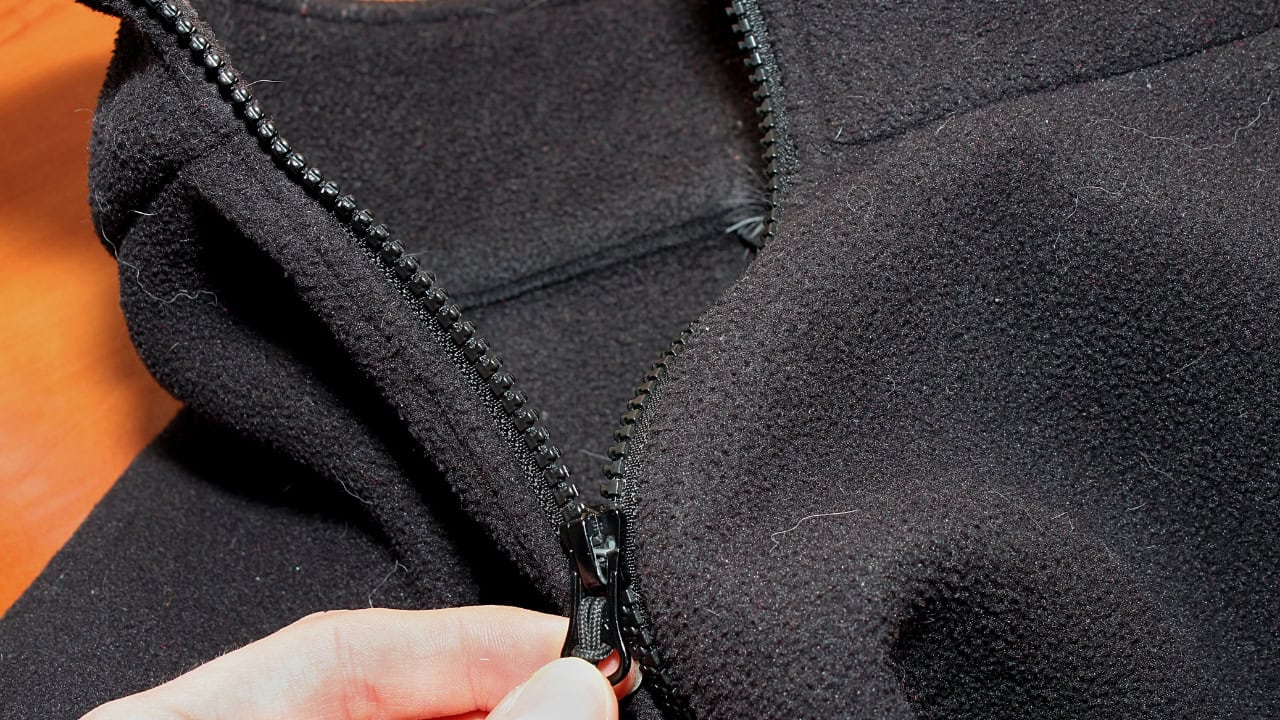
If your clothes have zippers that are completely broken and can’t be fixed, they might be taking up space unnecessarily. You might hold onto them hoping for a quick repair, but if it’s beyond saving, it’s time to let go.
Keeping these items can clutter your closet and make it harder to find what you actually wear. Consider donating pieces with working zippers instead, or recycle the fabric if the item is unusable. This frees up space for clothes you love and wear regularly.
Tags still on never-worn dresses
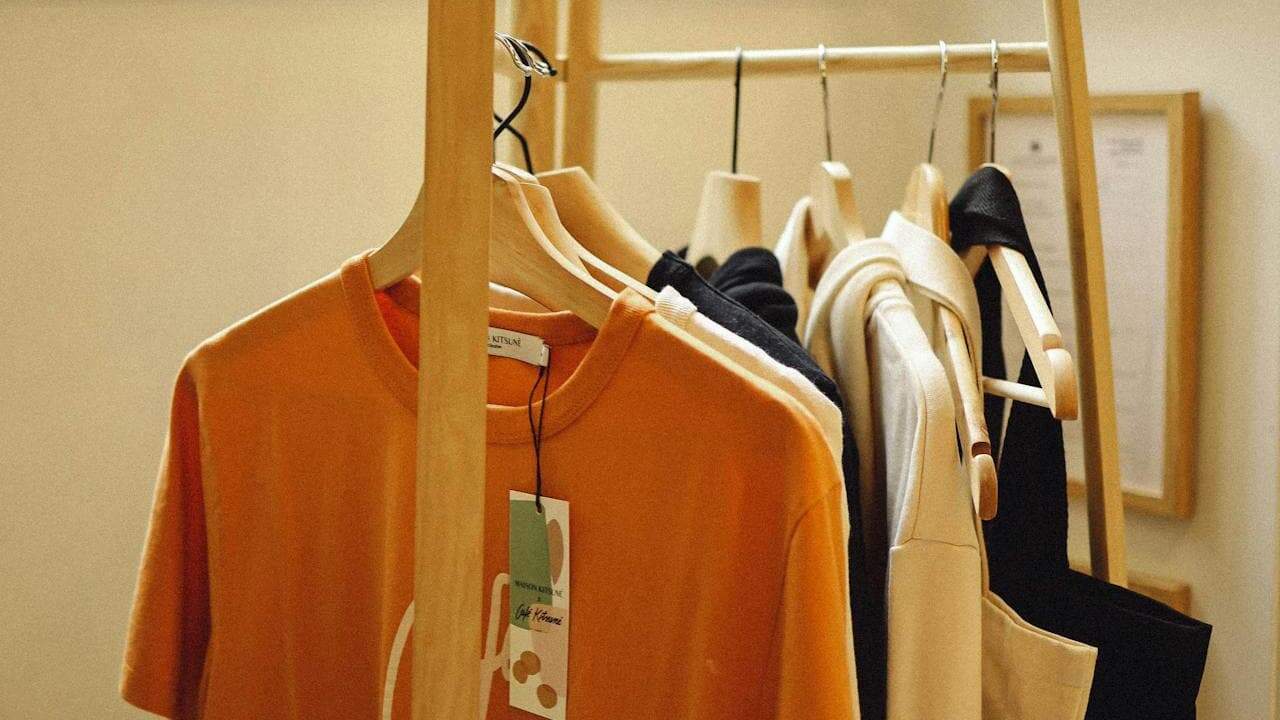
You might have dresses tucked away with the tags still attached. These dresses take up valuable space even though you haven’t worn them once.
Sometimes you buy these dresses because they look great or you liked the idea of wearing them. But if they’ve been in your closet for years untouched, it’s worth reconsidering if you really need them.
Letting go of these pieces can free up room and make it easier to find the clothes you actually love wearing.
Shoes that pinch feet
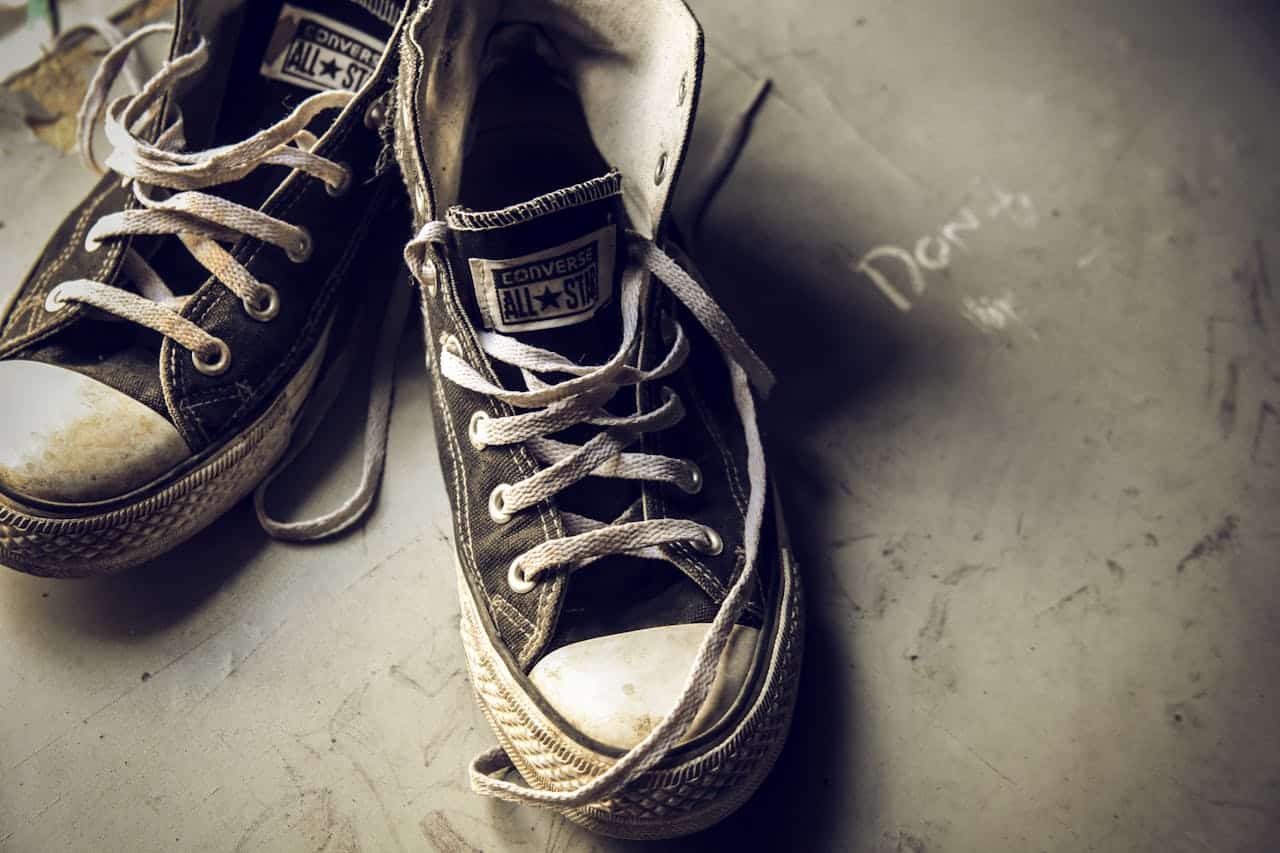
You don’t need to keep shoes that pinch your feet. They often cause discomfort and get worn less, taking up space without much use.
Consider donating or recycling these pairs instead of letting them crowd your closet.
Keeping only comfortable shoes frees up room for ones you actually wear and enjoy. It also helps you find your favorites faster.
Pants that ride uncomfortably

If your pants constantly ride up, they might be causing more hassle than style. Clothes that don’t fit well tend to take up space you could use better.
You can fix this by sewing in an elastic band or adding silicone grip to the hems. These simple tweaks keep your pants in place, making your closet more organized and your outfit more comfortable.
Holding onto uncomfortable pants just adds clutter and frustration. Letting them go frees space for pieces you enjoy wearing.
Worn out T-shirts with holes
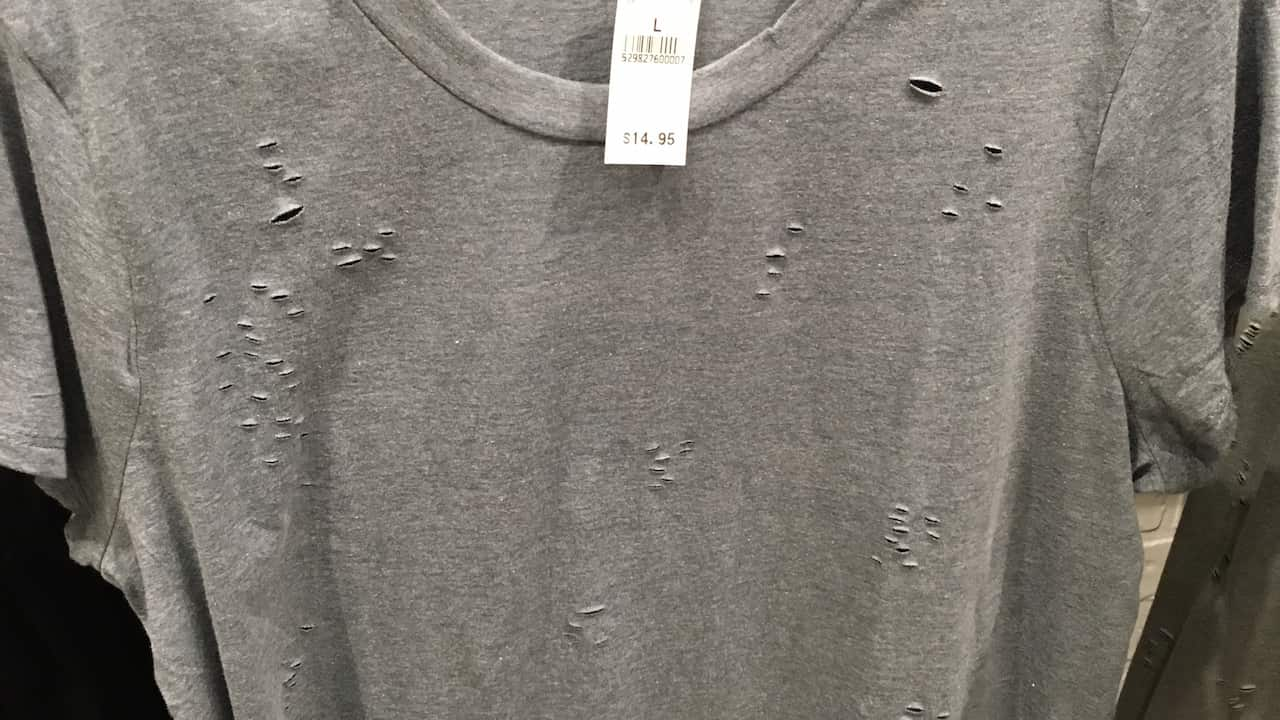
You probably have some T-shirts with small holes that you keep hoping will last longer. These holes often come from wear and tear or even pests like moths.
If you’ve tried fixing them but they still look worn, it might be time to let them go. Holding on to these shirts takes up space better used for clothes you actually wear.
Old formal wear you never wear
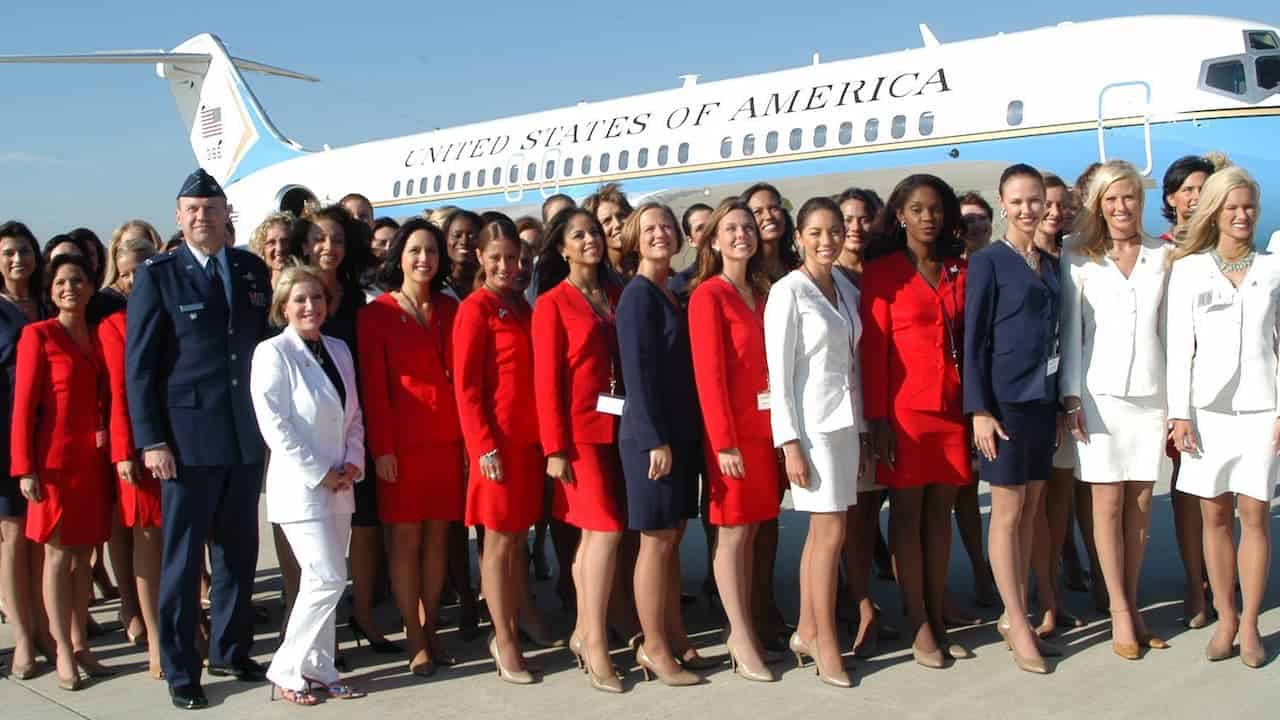
You probably have formal dresses or suits that haven’t been worn in years. These pieces, like bridesmaid dresses or prom gowns, tend to take up a lot of space without being used.
If you don’t see yourself wearing them again, consider donating. Taking photos of sentimental items before letting them go can help keep the memory without the clutter.
Duplicate plain white T-shirts

You might be holding onto several plain white T-shirts that all look the same. While having one or two is handy, too many take up valuable space without adding variety to your closet.
Consider keeping only the ones you actually wear regularly. The rest can be donated, recycled, or used for cleaning rags or craft projects. This helps free up room for clothes you truly enjoy.
Excessive reusable shopping bags in closet

You might have more reusable shopping bags than you actually use. These bags can quickly pile up and take up valuable space in your closet.
Try keeping only a few reliable bags for regular shopping trips. Donate extras to local shelters, food banks, or schools that may need them.
If donating isn’t an option, consider repurposing bags for organizing items around your home. This keeps them useful without cluttering your space.
Mismatched hangers creating clutter
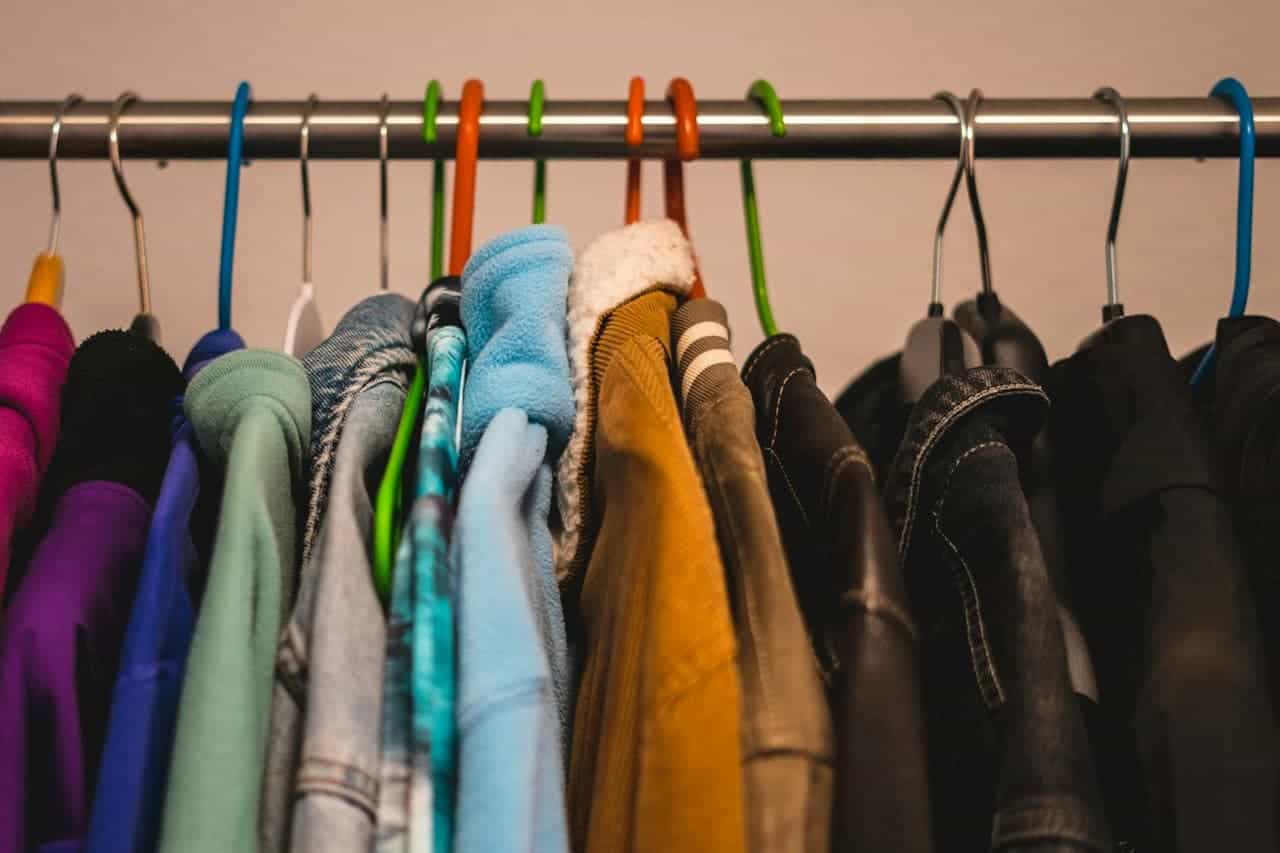
When your hangers don’t match, your closet can quickly look chaotic. Different sizes and styles take up more space and make your clothes less accessible.
Using slim, uniform hangers frees up room and creates a cleaner look. Plus, matching hangers help you find and grab what you need faster. This simple change can make a noticeable difference in your closet’s organization.
Special occasion handbags unused for years
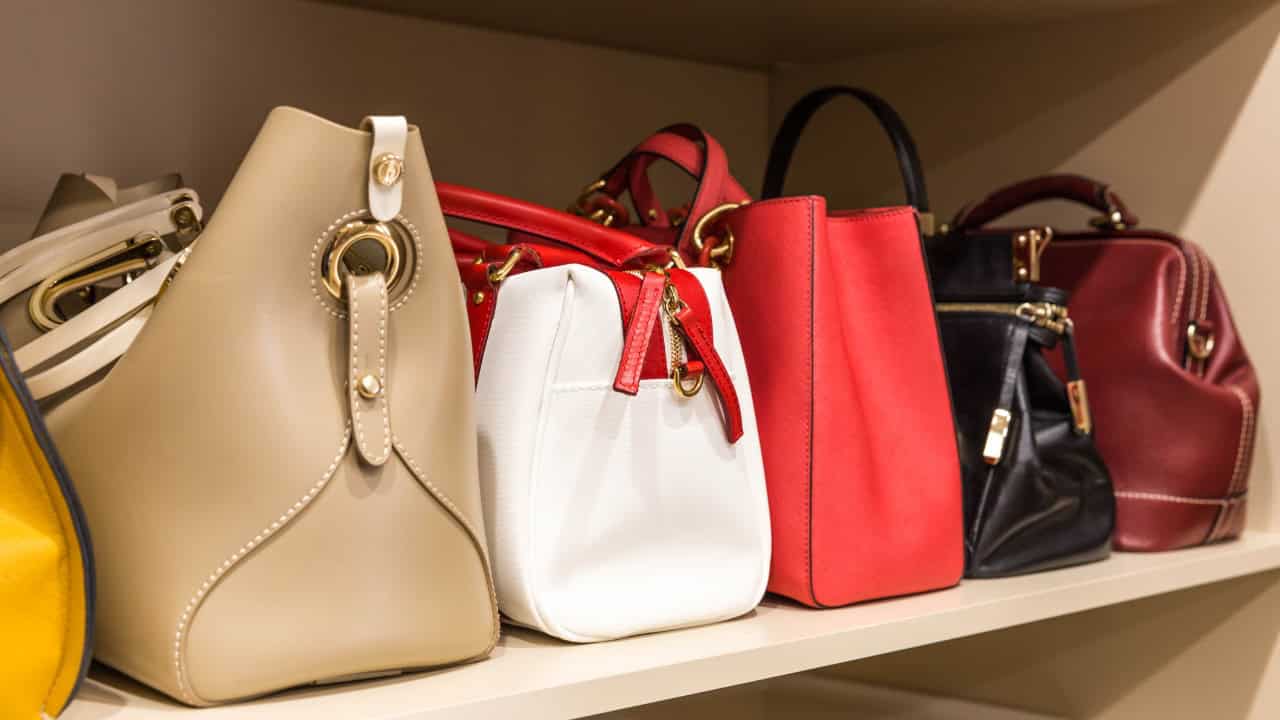
You might have special occasion handbags tucked away that you haven’t used in years. These bags often feel too fancy for everyday use, so they end up sitting in dust bags or boxes.
If you no longer have the events to match these handbags, they just take up valuable space. Consider keeping only the ones you truly enjoy or plan to use soon, and let go of the rest. This frees up room and simplifies your closet.
Damaged scarves that can’t be fixed
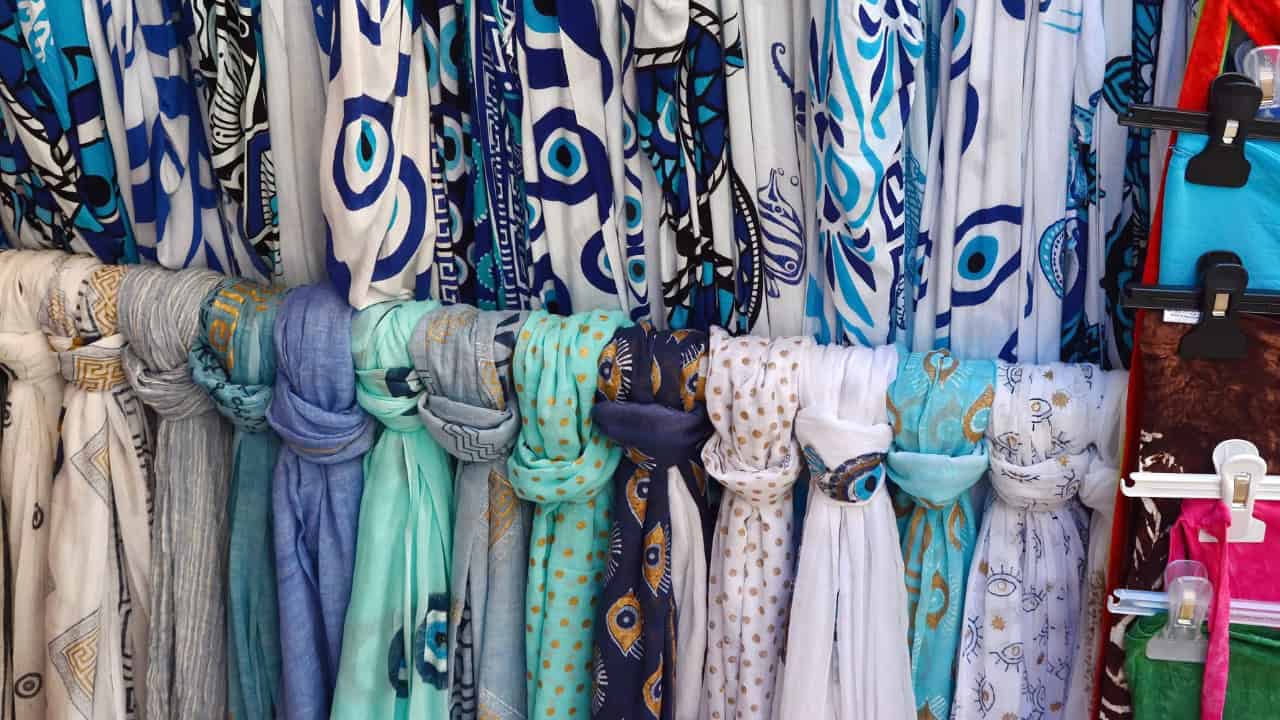
If you have scarves with stains, tears, or frayed edges beyond repair, it’s time to let them go. Holding on to damaged scarves only takes up valuable space and adds clutter.
You might feel attached, but keeping only scarves in good condition helps keep your closet neat. Consider repurposing damaged scarves into cleaning rags or craft materials instead of storing them.
Bulky winter coats in summer closet
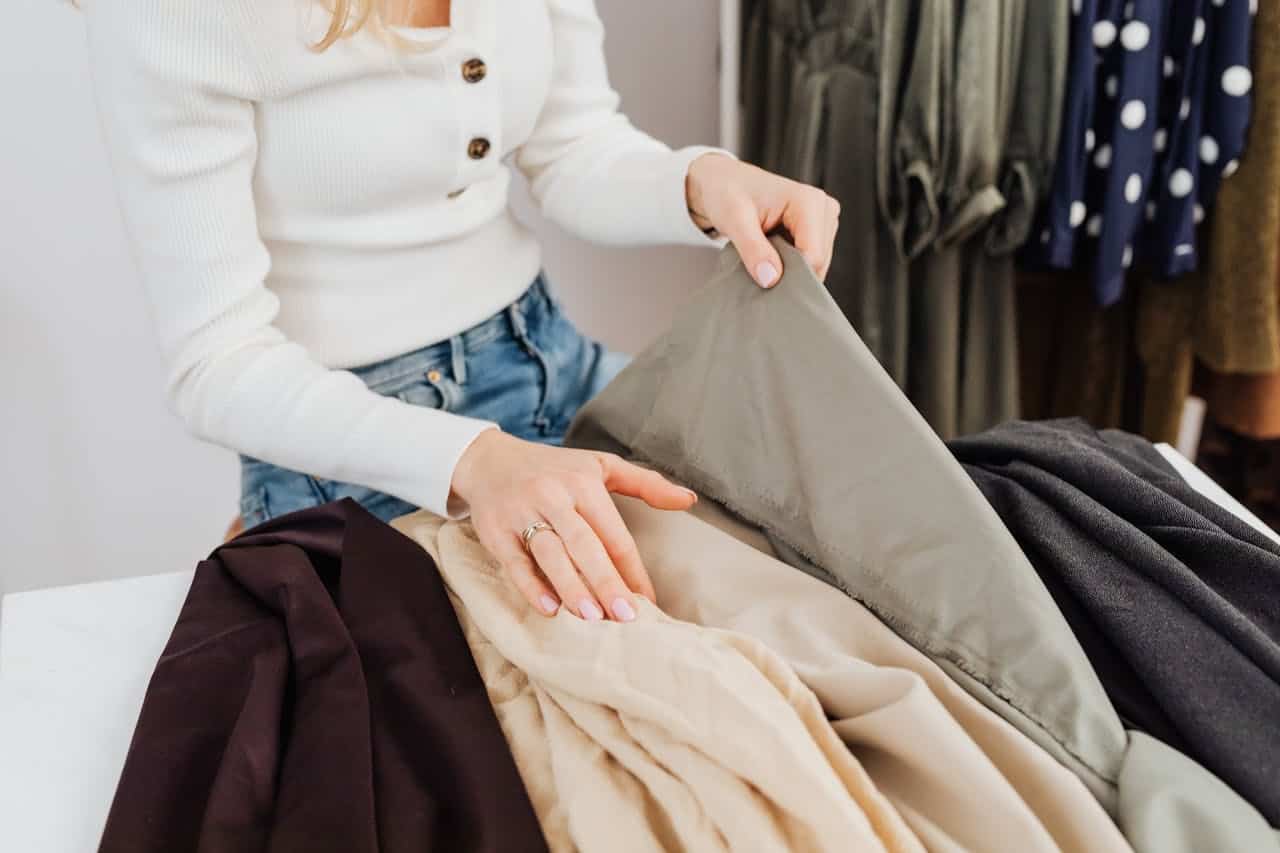
You don’t need to keep your heavy winter coats hanging around during the summer. These bulky items take up a lot of closet space that could be used for your warm-weather clothes.
Try storing your winter coats in labeled bins or vacuum-sealed bags. This saves space and keeps them protected until you need them again. It also makes your closet feel less crowded and easier to navigate.
Why Unused Clothes Accumulate
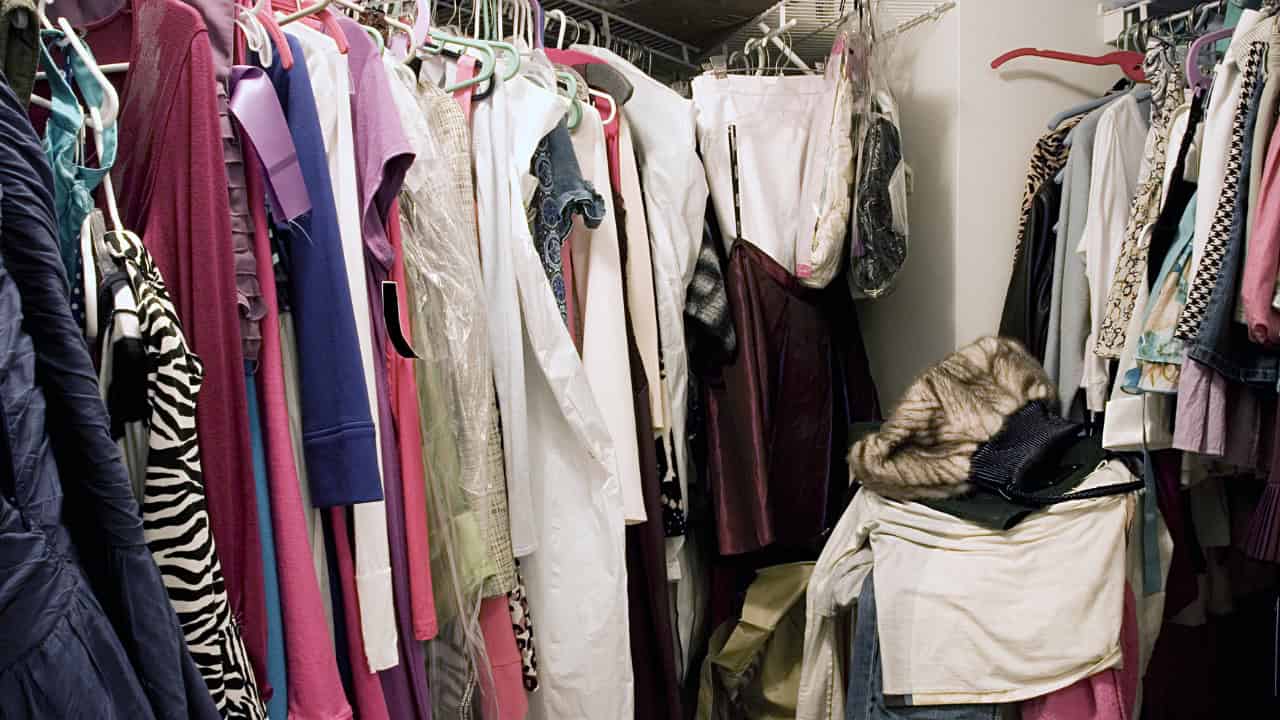
Your closet fills up quickly when items stay unused for long periods. Emotional reasons and shopping patterns both play big roles in why you hold onto clothes that don’t get worn.
Emotional Attachments and Letting Go
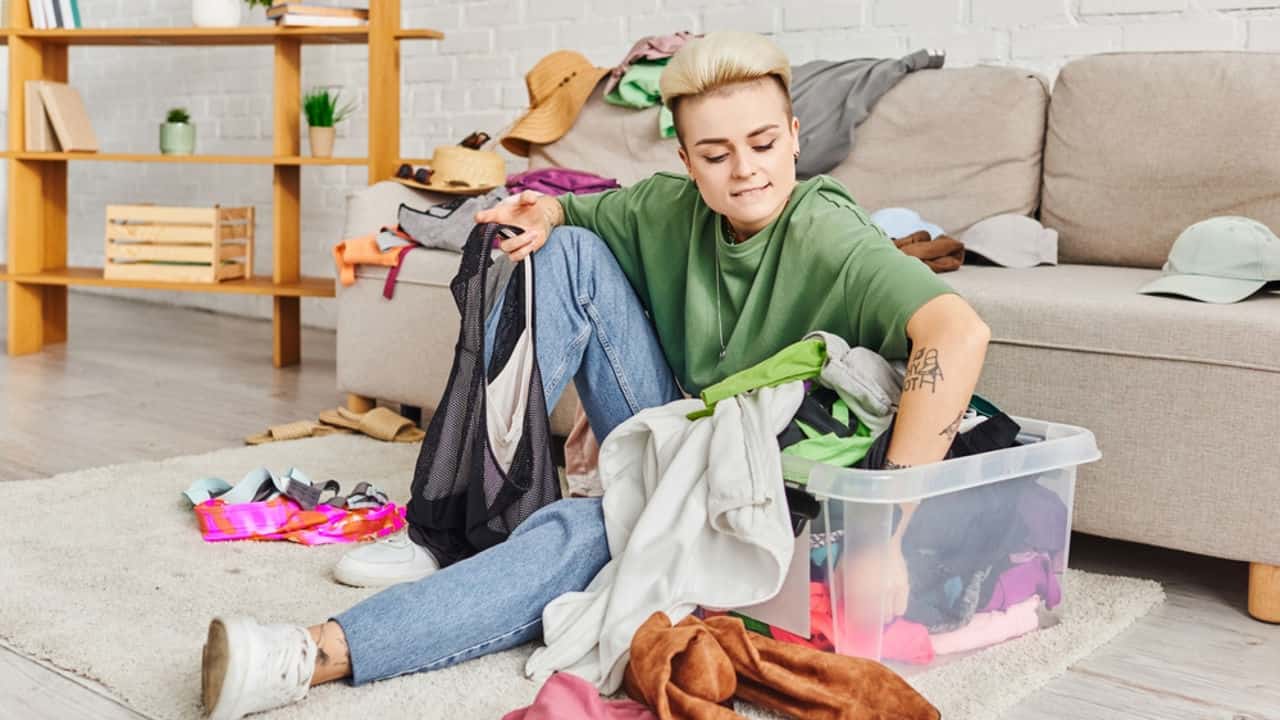
You might keep clothes because they remind you of special moments or people. Letting go feels like losing a part of those memories, which makes it harder to declutter.
Clothes associated with milestones, gifts, or past phases often sit unused but don’t feel expendable. Understanding that memories live in your experiences, not fabric, can help you gradually release these items without guilt.
Try sorting clothes by their emotional value and set limits. Keep a small, meaningful selection and consider donating other pieces to refresh your space and mindset.
Shopping Habits That Lead to Clutter

Buying during sales or chasing trends often leads to excess clothing. You may purchase items that look good but don’t fit your actual style or lifestyle.
Fast fashion tempts you to update your wardrobe frequently, causing accumulation of pieces that sit untouched. Sometimes you buy duplicates or similar items without realizing.
Be mindful when shopping: ask if you really need the item, and try sticking to a capsule wardrobe to keep purchases intentional and useful. This limits clutter caused by impulsive buys.
Sustainable Ways to Repurpose Unworn Clothing
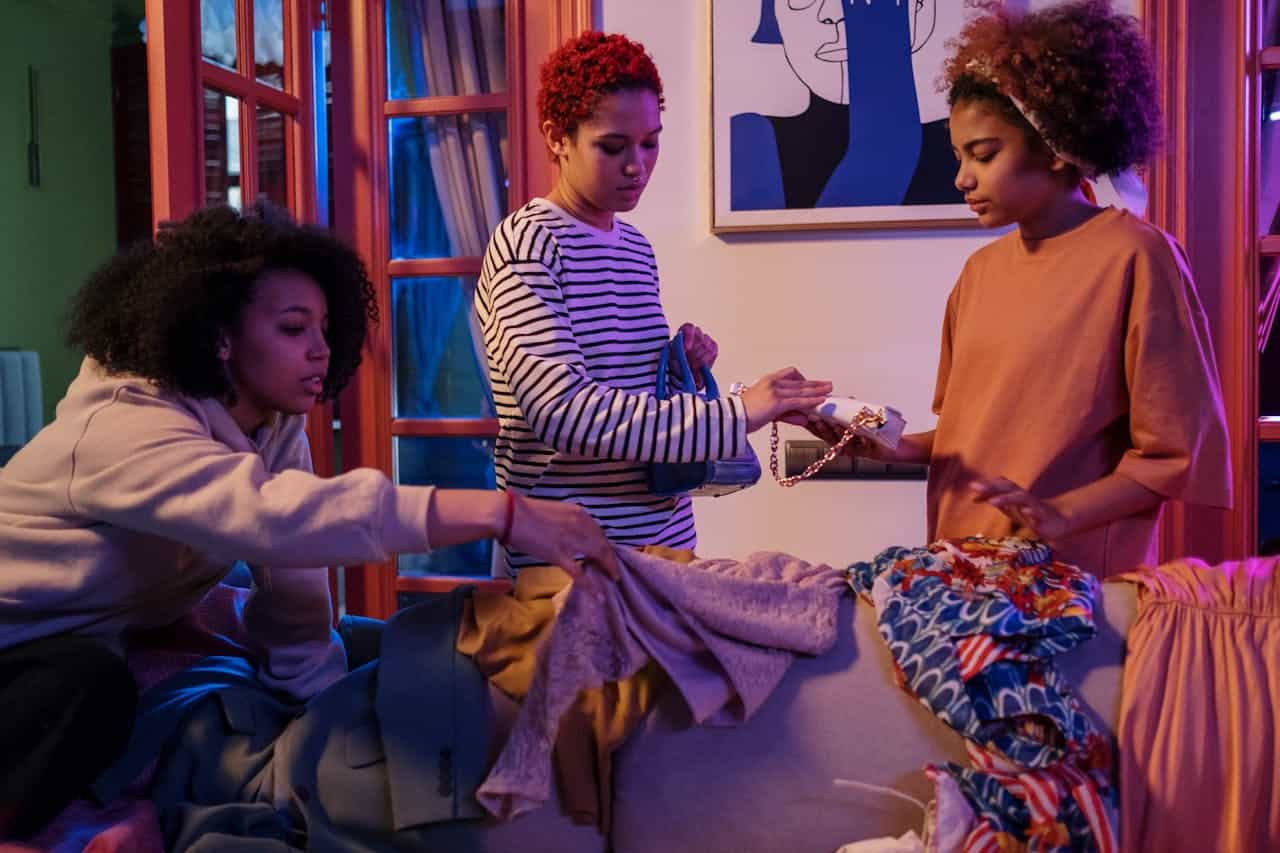
You have several practical options to give your unworn clothes a new life without adding waste to landfills. These include passing them on to others who need them or creatively transforming them into useful items.
Donation and Charity Options
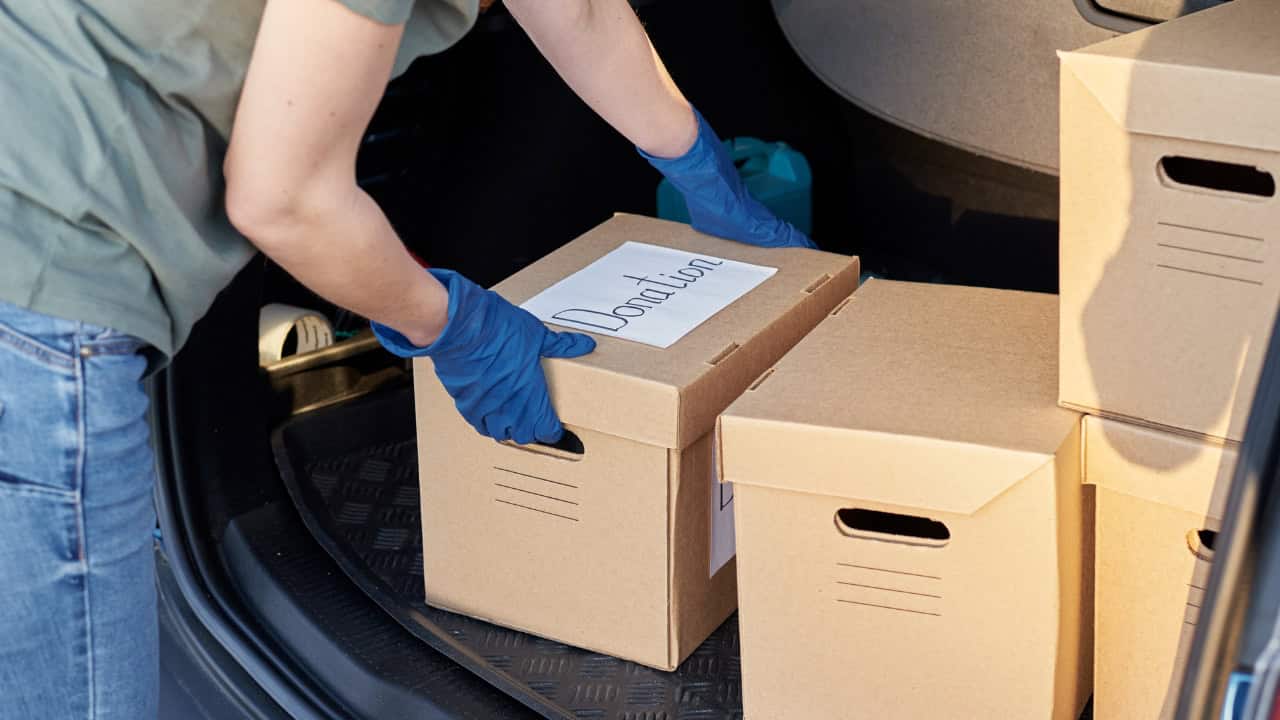
Donating your clothes is one of the most straightforward ways to clear space and help others. Look for local charities, shelters, or community centers that accept gently used clothing. Some organizations specialize in business attire or children’s clothes, so sorting your items can make your donation even more impactful.
If your clothes are damaged or no longer wearable, some donation centers still accept them for recycling, turning fabric waste into insulation or cleaning rags. Before dropping off items, check the specific guidelines to ensure your donation will be accepted and used properly.
Creative Upcycling Ideas
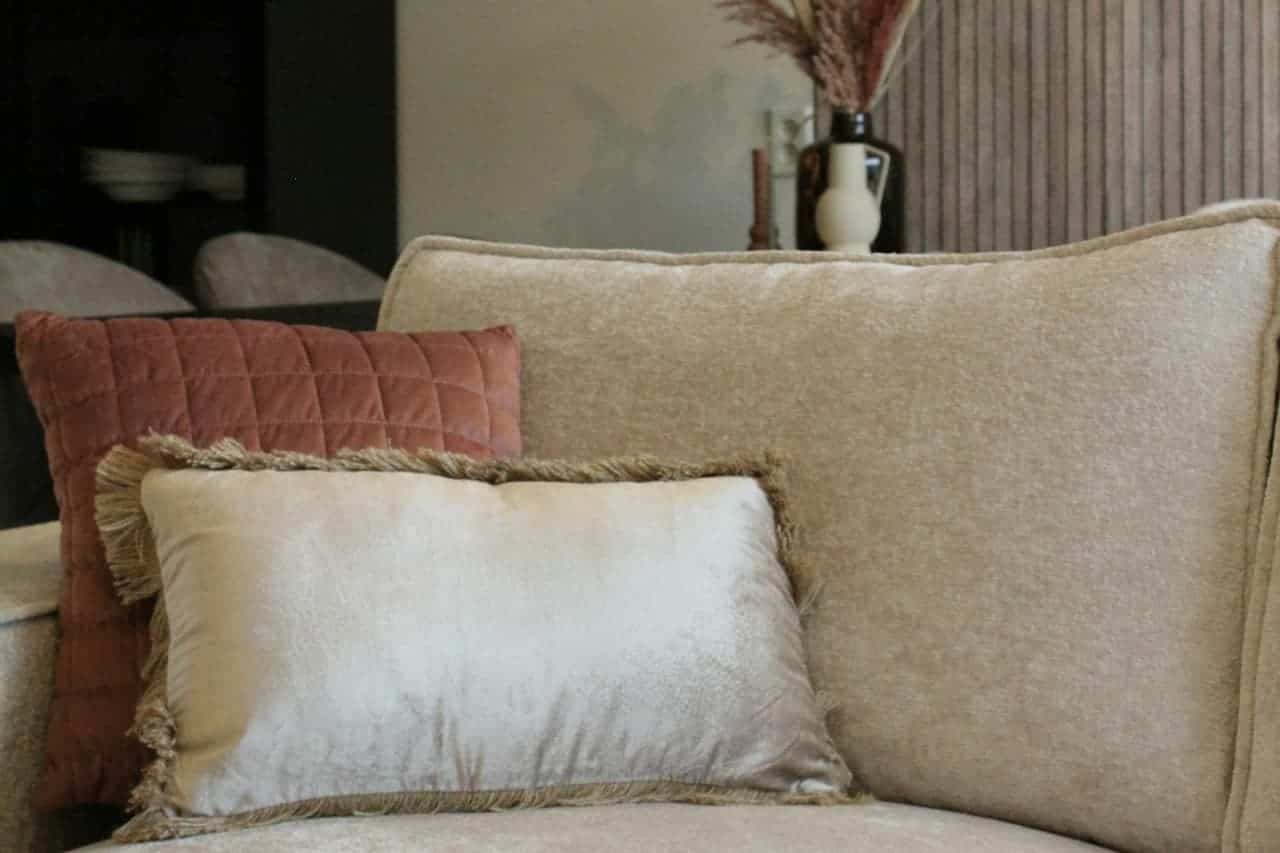
Upcycling lets you transform old garments into practical and personal items. For example, you can turn cotton tees into reusable grocery bags by cutting and sewing them with simple patterns.
Another idea is to use sweaters with natural wool content to create felt by washing them in hot water. This felt can be made into coasters, cushion covers, or craft projects. You can also patch holes or cover stains with embroidery or creative stitching to refresh a piece you’d otherwise discard.
If you prefer craft projects, scrap fabric can be used for quilts or patchwork, turning scraps into colorful, meaningful new items that keep textiles out of the trash.