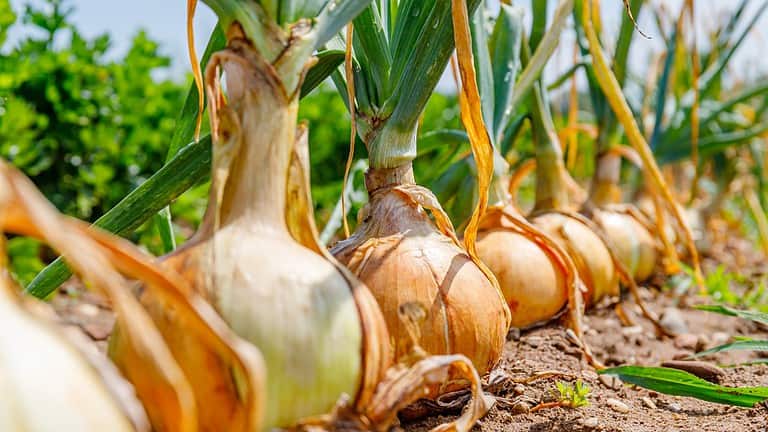
When you’re new to the world of gardening, it’s easy to make a few mistakes. The excitement of seeing your plants grow can sometimes lead to overzealous behavior that unfortunately damages your green friends. But fear not, because every gardener, from the most seasoned professional to the greenest of beginners, has been there.
Let’s explore the 16 most common beginner gardening mistakes that can ruin your plants, so that you can avoid them and nurture your garden into a thriving oasis.
Advertisement
1. Overwatering Your Plants

One of the most common mistakes made by novice gardeners is overwatering. It’s understandable to think that the more water a plant gets, the better it will grow. But in reality, overwatering can lead to root rot, a condition that can kill a plant. Optimal watering depends on the type of plant, its size, and its environment. For instance, succulents require less water than ferns.
A good rule of thumb is to water only when the top inch of soil is dry. Use your finger or a moisture meter to check the soil’s moisture level. And remember, it’s always better to underwater than overwater. Your plants can recover from a bit of thirst, but they can’t recover from drowned roots.
2. Planting Too Closely Together

It’s tempting to pack as many plants into your garden as possible. But, crowding plants can result in competition for sunlight, water, and nutrients, leading to weaker growth and increased susceptibility to diseases. Every plant needs its own space to grow and spread its roots.
Before planting, check the recommended spacing for each species. As a general rule, leave enough space between plants for air to circulate freely and for each plant to get plenty of sunlight. This will keep your plants healthy and ensure your garden looks balanced and attractive.
3. Ignoring Soil Health

The soil you plant in is arguably the most critical factor in your garden’s success. Unfortunately, it’s often overlooked by beginner gardeners. Ignoring soil health can lead to nutrient deficiencies, poor plant growth, and increased susceptibility to diseases.
Before you plant anything, get your soil tested to understand its nutrient levels and pH. Different plants have different soil requirements, so it’s essential to know what your soil offers and adjust accordingly. You may need to add compost, organic matter, or specific nutrients to give your plants the best possible start.
4. Neglecting to Mulch

Mulching is a simple gardening practice that can make a huge difference in your garden’s health. Mulch helps conserve water, suppress weeds, protect plant roots from temperatures extremes, and add nutrients to the soil. However, many beginner gardeners either neglect to mulch or use the wrong type.
Organic mulch, such as compost, wood chips, or straw, is usually the best choice for most gardens. It’s important to apply it correctly, though. Cover the soil around your plants with a 2-3 inch layer of mulch, but avoid piling it against the stems or trunks of plants, which can cause rot.
5. Planting at the Wrong Time

Planting at the wrong time is another common beginner mistake. Planting too early or too late in the season can expose your plants to unfavorable weather conditions, like frost or extreme heat, which can stunt growth or even kill them.
Do some research to find out the best time to plant each type of plant in your garden. Some plants thrive in cooler weather, others in the heat of summer. The seed packets or plant labels usually provide this information. Paying attention to planting times can significantly improve your garden’s success.
6. Over-Fertilizing

While it’s true that plants need nutrients to grow and thrive, over-fertilizing can be just as harmful as not fertilizing at all. Too much fertilizer can lead to salt buildup in the soil, which can damage or kill plants.
Instead of indiscriminately applying fertilizer, get a soil test to determine what nutrients your soil lacks and then add a balanced fertilizer to make up for the deficiency. Also, remember to follow the instructions on the fertilizer package. More isn’t always better.
7. Ignoring Pests and Diseases

Pests and diseases can wreak havoc in your garden if left unchecked. Many beginner gardeners either ignore early signs of problems or use the wrong treatment methods.
If you notice changes in your plants, like discoloration, spots, or holes in the leaves, take action immediately. Identify the problem and use appropriate organic or chemical treatments. Regularly inspect your plants and keep your garden clean to prevent pests and diseases from spreading.
8. Choosing the Wrong Plants

Some plants are more demanding than others, and as a beginner gardener, it’s easy to get in over your head by choosing plants that are difficult to care for.
Start with easy-to-grow plants that are suitable for your climate and soil type. As you gain experience, you can gradually introduce more challenging plants. Remember, successful gardening is about growing healthy plants, not necessarily the most exotic or challenging ones.
9. Not Pruning or Pruning Incorrectly

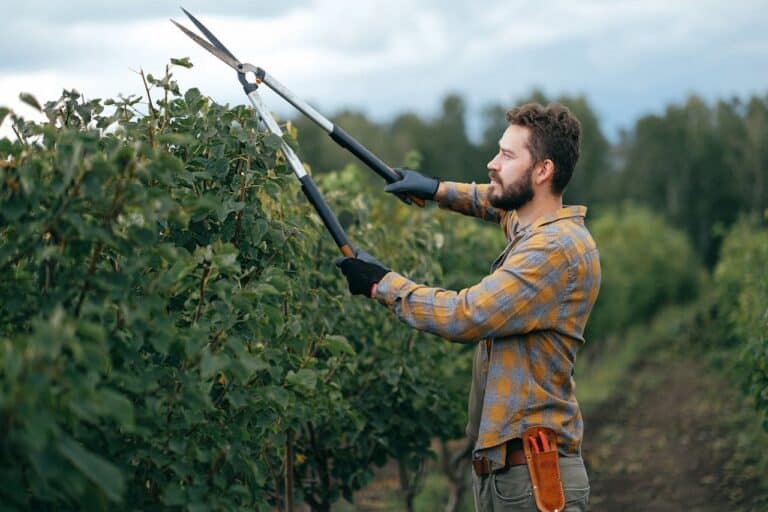
Pruning helps plants grow better and look neater. However, not pruning or pruning incorrectly can harm your plants and prevent them from flourishing.
Learn the proper pruning techniques for each type of plant in your garden. Some plants should be pruned in spring, others in fall. Some need only light pruning, while others require severe cuts. Pruning at the right time and in the right way can promote healthier growth and more abundant blooms.
10. Not Preparing for Each Season

Each season brings different conditions that can affect your garden. Not preparing for each season is a common mistake that can lead to plant stress, disease, and even death.
In spring, prepare your soil and start your seeds. In summer, water regularly and watch for pests. In fall, harvest your crops, clean up fallen leaves, and prepare your garden for winter. In winter, protect your plants from frost and plan for the next year.
11. Not Observing Sun and Shade Requirements

Each plant has its own sun and shade requirements, and not respecting these can lead to poor growth or even death. Some plants need full sun, others partial shade, and some can survive in complete shade.
Before planting, check the sun and shade requirements of each plant. Arrange your garden so that each plant gets the right amount of light. This might require some planning and rearranging, but it’s worth it for the health of your garden.
12. Not Weeding Regularly

Weeds can quickly take over a garden if not controlled. They compete with your plants for nutrients, water, and sunlight, and can also harbor pests and diseases.
Regular weeding is essential for a healthy garden. Pull weeds by hand or use a hoe, making sure to get the whole root. Mulching can also help suppress weeds. Remember, a little weeding often is easier than a lot of weeding occasionally.
13. Planting Incompatible Plants Together

Some plants get along better with certain companions than with others. Planting incompatible plants together can lead to competition for resources, increased susceptibility to pests, or even chemical incompatibility.
Before planting, research companion planting to find out which plants help each other and which ones don’t. Some plants, like tomatoes and basil, benefit from being planted together, while others, like onions and beans, should be kept apart.
14. Neglecting to Rotate Crops

Crop rotation is a crucial practice in vegetable gardening. It helps maintain soil fertility and prevent diseases and pests. However, many beginner gardeners neglect to rotate their crops, leading to nutrient-depleted soil and recurring pest problems.
Plan your garden layout so that the same plant family does not grow in the same spot two years in a row. For example, if you grew tomatoes (part of the nightshade family) in one spot this year, plant something from a different family, like beans (legume family), in that spot next year.
15. Not Taking Care of Tools

Gardening tools are an investment, and taking care of them will ensure they last a long time and perform well. Neglecting to clean, sharpen, or store your tools properly can lead to rusty, ineffective tools, or even spread diseases among your plants.
Clean your tools after each use, sharpen them regularly, and store them in a dry place. Also, disinfect your tools with a bleach solution after using them on diseased plants to prevent spreading the disease.
16. Setting Unrealistic Expectations

Finally, and perhaps most importantly, many beginner gardeners set unrealistic expectations for their gardens. Gardening is a process of learning and experimenting, and not everything will go according to plan.
Remember, it’s okay to make mistakes and learn from them. Don’t expect perfection from your first garden. Be patient, stay positive, and enjoy the process. With time and experience, you will become a better gardener, and your garden will reflect that.