When it comes to your backyard, your choices don’t just affect your own enjoyment—they can also shape what your neighbors think. Some decisions might draw silent judgments without you even realizing it.
Understanding which backyard choices neighbors tend to notice can help you create a space that feels comfortable for both you and those around you. It’s all about striking the right balance between personal style and community harmony.
Advertisement
Untrimmed, overgrown grass patches

If your grass grows too long, it can make your yard look neglected. Overgrown patches might also attract unwanted pests and weeds.
Neighbors often notice when lawns aren’t regularly mowed or edged. Keeping your grass trimmed shows you care about your outdoor space and the neighborhood’s appearance.
Remember, some areas may allow longer grass for natural landscaping, but consistent upkeep usually makes a better impression.
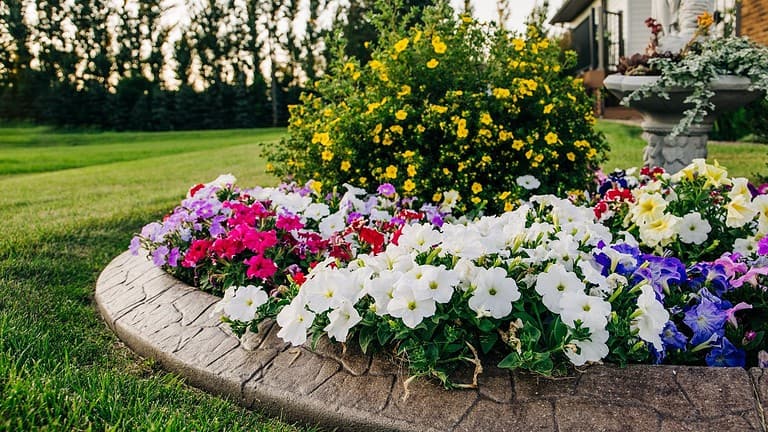
Constantly changing flower beds
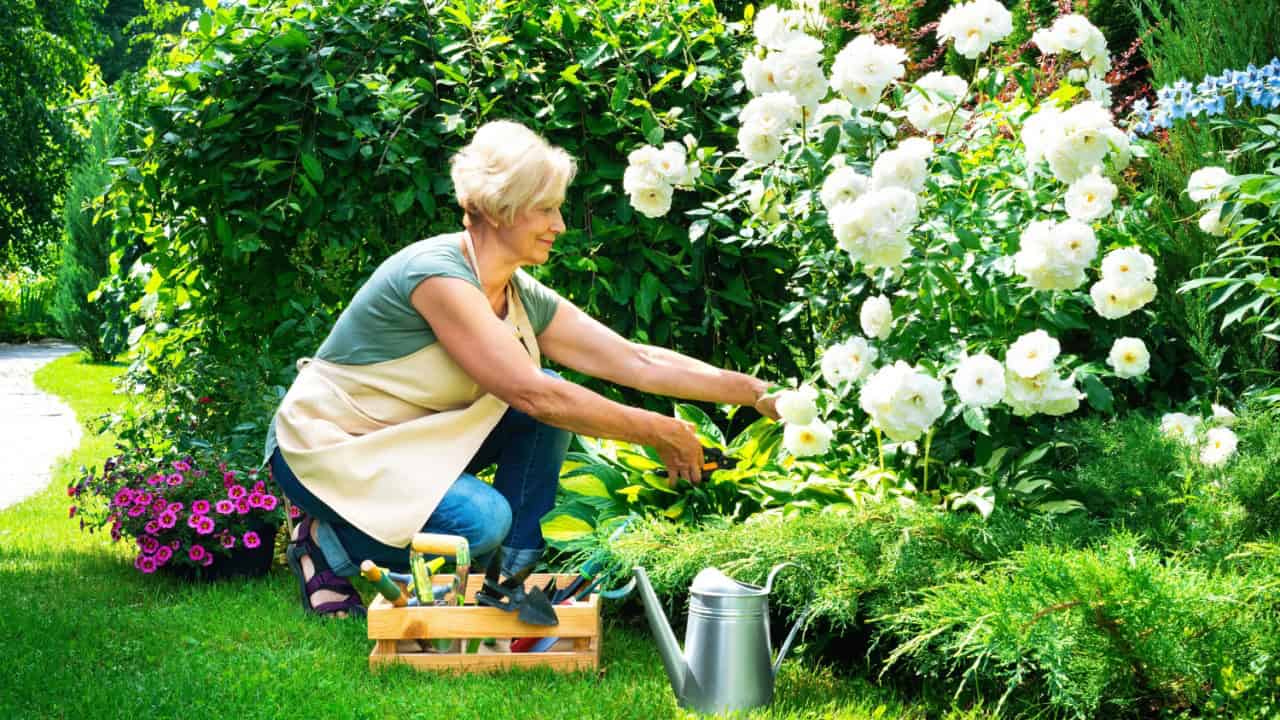
If you’re always redesigning your flower beds, neighbors might notice the lack of consistency. Frequent changes can make your yard look unsettled or unplanned.
Sticking to a simple design with well-chosen plants is easier on the eyes. It also shows care and thoughtfulness in your garden.
Remember to give plants enough space to grow. Overcrowding or constant replanting can make your flower bed look messy instead of lively.
DIY garden gnome collections

If you enjoy a bit of whimsy, collecting garden gnomes can feel fun and creative. You might even build a small gnome village, using different sizes and styles to add charm.
Some people make gnomes themselves, turning sticks or old pots into quirky characters. This DIY touch makes your garden unique but can also draw curious looks from neighbors. Just keep your collection tidy to show it’s intentional.
Randomly placed lawn ornaments
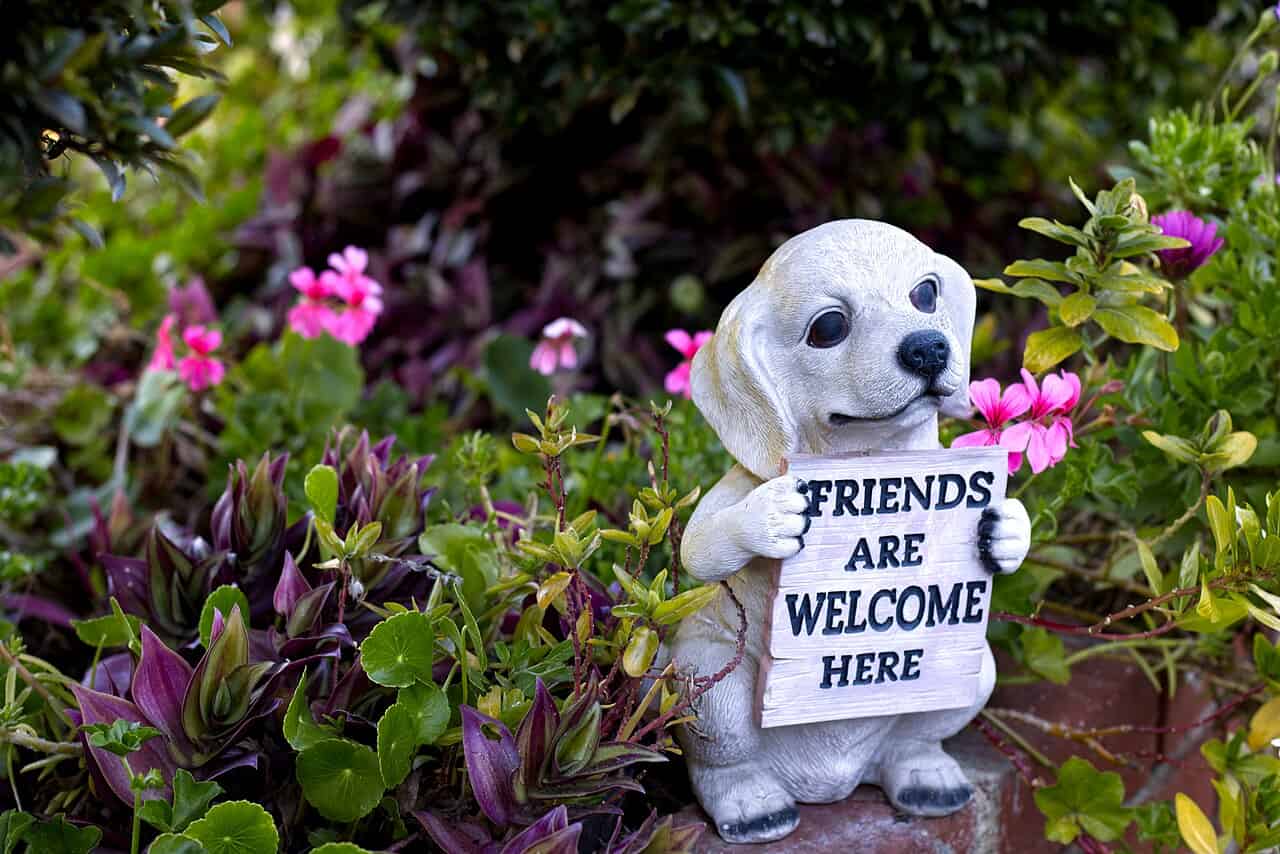
If your yard has lawn ornaments scattered without a clear pattern, neighbors might quietly notice. Clusters of random figures can look cluttered or messy, even if each piece is charming on its own.
Taking a moment to group ornaments thoughtfully can make your yard feel more inviting. Your neighbors may appreciate a tidier, more organized look, even if you love quirky decorations.
Lawn regularly dotted with pet waste

If your lawn often has spots of pet waste, neighbors are likely to notice. It can make your yard look unkempt and deter others from enjoying shared outdoor spaces.
Pet waste can also spread germs and parasites, which isn’t just unpleasant but a health concern. Regularly cleaning up after pets shows respect for your neighbors and keeps your lawn inviting.
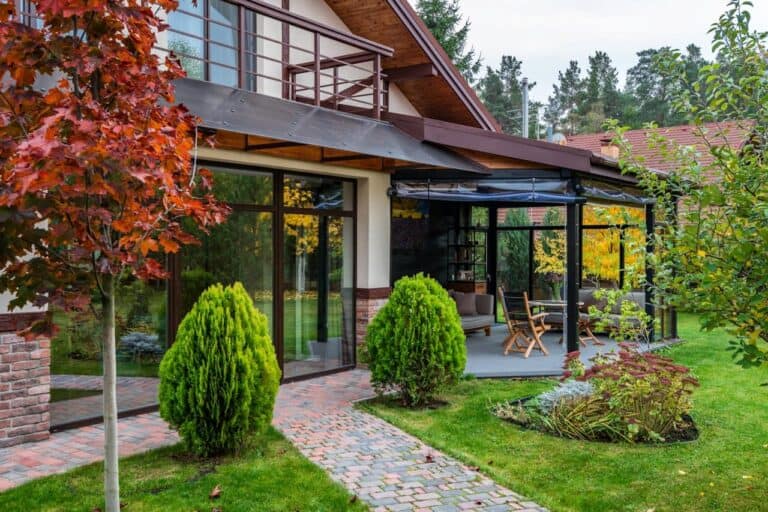
Mismatched outdoor furniture

If your outdoor furniture pieces don’t match, some neighbors might raise an eyebrow. But mixing different styles or materials can actually create a unique, inviting space.
You can blend modern and traditional items or mix wood with metal for a layered look. Just keep a common color or element to tie everything together.
Using mismatched furniture lets you be creative and flexible. It’s okay to break the “matching set” rule if your patio feels comfortable and stylish to you.
Visible garden hoses left scattered
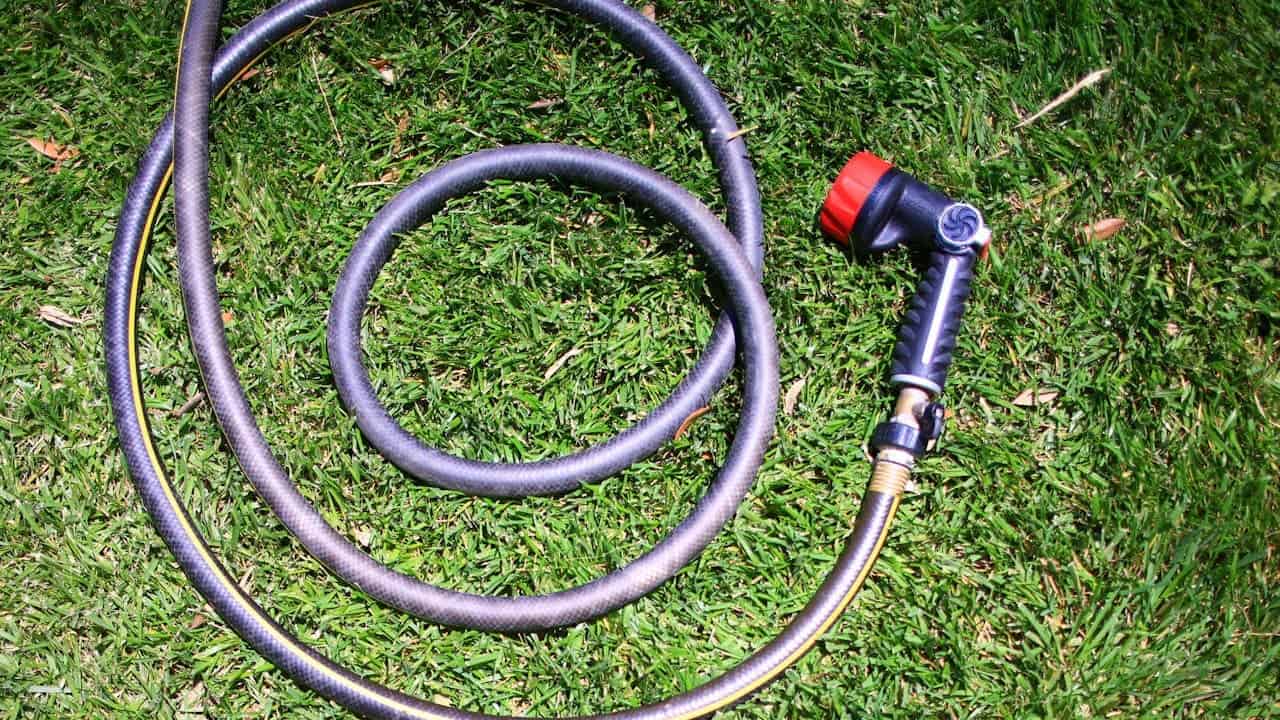
When your garden hose is left lying around, it can make your yard look untidy. Neighbors might notice the clutter even if it’s just for a short time.
Keeping your hose neatly coiled or stored can show you care about your outdoor space. It also helps prevent accidents, like tripping.
A simple hose reel or storage container can make a big difference. It’s an easy way to keep things organized and avoid silent judgment.
Unpainted, weathered fences
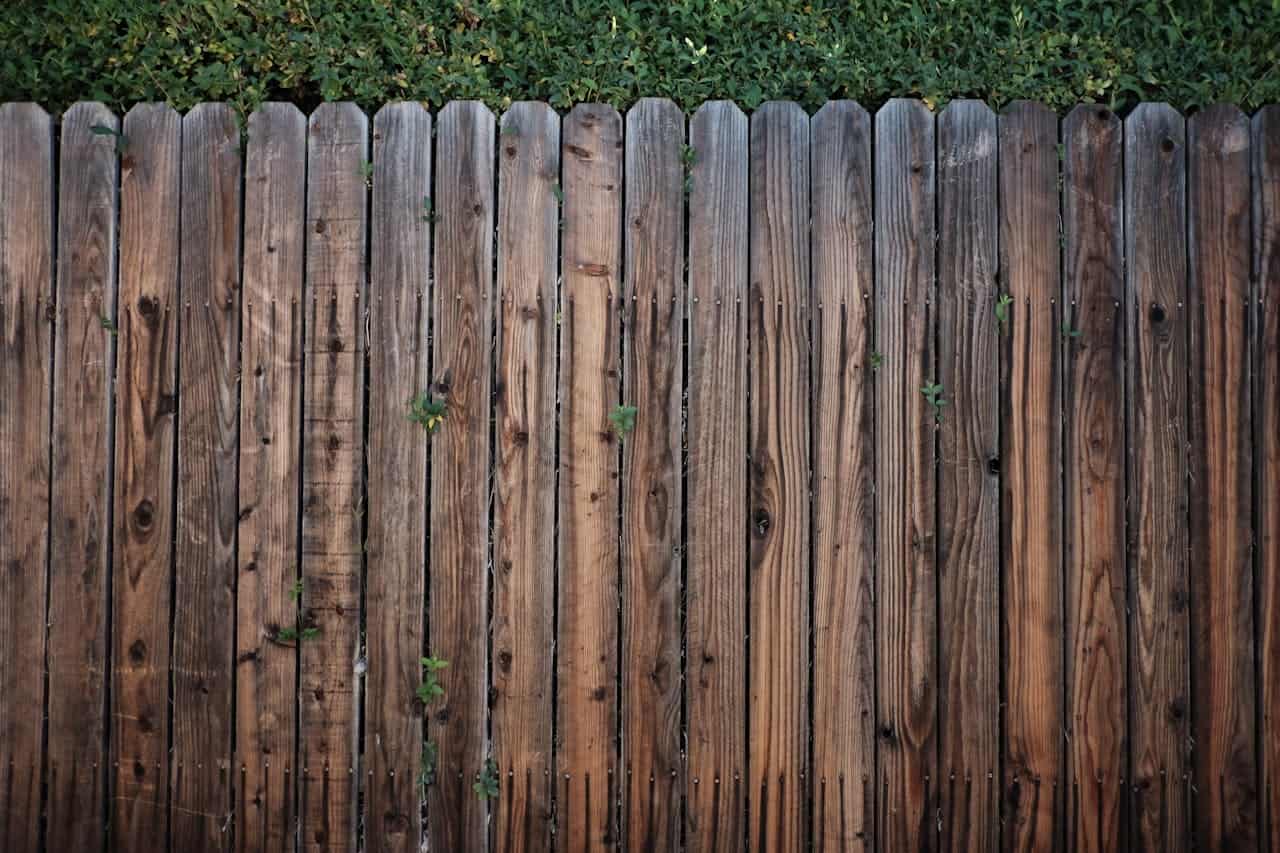
If your fence looks worn and unfinished, neighbors might notice. Weathered fences can give a rustic charm, but they can also seem neglected if left unmaintained.
You might think leaving it natural saves time, but over time, it can start to appear shabby. Adding a simple coat of stain or paint refreshes the look without much effort.
A well-kept fence shows you care about your outdoor space and your neighborhood’s appearance. Taking a little time to maintain it helps keep things looking nice all around.
Newly installed, overly bright floodlights

When you add new floodlights that are very bright, neighbors might notice quickly. These lights can spill over into their yards, creating unwanted glare.
You might think stronger lights add security, but they can disrupt your neighbors’ comfort. Adjusting the angle or using motion sensors can help keep the brightness focused where you want it.
Being mindful of brightness shows respect. It keeps your yard lit without turning your neighbors’ spaces into a spotlight.
Lawn areas left bare or patchy

If your lawn has bare spots or patchy areas, neighbors might notice. It can give the impression that your yard is neglected.
Bare patches often happen from overusing chemicals or not watering evenly. Fixing these spots shows you care about your outdoor space.
Addressing patchy areas can improve your yard’s overall look and keeps your neighbors from silently judging your lawn care.
Unpruned bushes blocking views
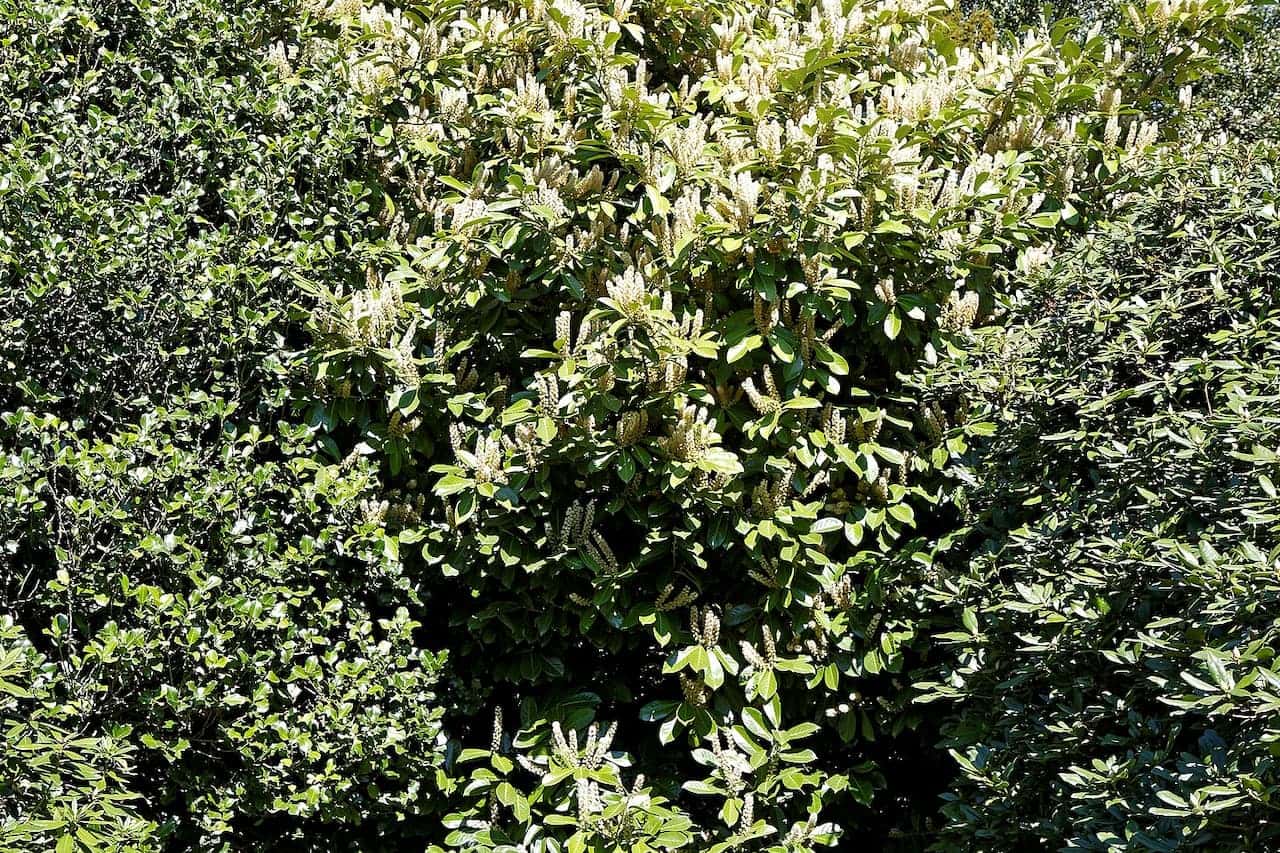
If your bushes grow unchecked, they can easily block your neighbors’ views. This can create tension, even if you don’t mean any harm.
Keeping your bushes trimmed shows you respect shared spaces. It also makes your yard look well cared for and inviting.
You don’t have to prune daily, but regular maintenance helps everyone enjoy their yard more. Consider planting fast-growing privacy bushes if you want natural screening without overwhelming neighbors.
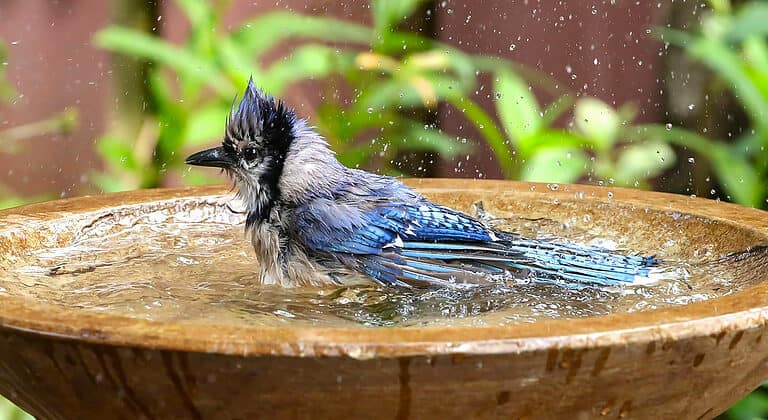
Clusters of bird feeders and houses

You might think more bird feeders and houses mean more birds. But clustering them too close can cause bigger birds to take over, scaring away smaller, shy species.
Spacing your feeders properly helps create a peaceful environment for all kinds of birds. It also encourages a wider variety to visit your yard.
Think about placing feeders a few feet apart. This simple step can make your backyard more welcoming without causing conflicts among birds.
Haphazardly strung outdoor string lights

When your outdoor string lights look like they were thrown up in a hurry, it gives off a messy vibe. Uneven spacing and tangled wires can make your backyard feel cluttered instead of cozy.
Taking a little time to hang lights neatly can instantly lift the look of your space. Consider using hooks or poles to keep the strings straight and evenly spaced.
A well-planned layout not only looks better but also ensures your lights work properly and last longer. Your neighbors will notice the difference!
Unkempt vegetable patches

If your vegetable patch looks messy or overgrown, neighbors might notice more than you think. Weeds growing between plants or drooping vines can give the impression that the yard is neglected.
Keeping your vegetable patch tidy shows you care about your space and the neighborhood. Regular weeding and pruning keep it productive and pleasant to look at. Simple maintenance helps avoid complaints and keeps your garden inviting.
Impromptu kids’ play zones with toys

You might set up a quick play area by scattering toys around your yard. While it’s convenient, neighbors could see it as clutter or untidiness.
Toys left outside often become weathered or broken, which might give an impression of neglect. Keeping play areas tidy and organized helps maintain a neat appearance.
Using movable storage like bins or outdoor shelves makes it easier to clean up when playtime ends. This small effort can improve how your yard looks to others.
Frequent backyard parties or loud gatherings

If you host parties often, your neighbors might silently judge the noise and disruption. Loud music and late-night gatherings can affect their peace and routines.
It helps to communicate with neighbors ahead of time. Keeping noise levels reasonable shows respect and can prevent tension.
Remember, balancing fun and consideration makes backyard parties enjoyable for everyone involved.
Why Backyard Features Attract Neighborhood Attention
Your backyard is more than a personal space; it’s a visible part of your home that neighbors notice and interpret. Certain features naturally draw attention because they stand out or signal lifestyle choices.
Understanding why neighbors might silently judge your backyard helps you decide what to include or avoid. You’ll see it’s a mix of human curiosity and local social norms shaping those judgments.
Psychology Behind Neighborly Curiosity

People are wired to observe what’s around them, especially in close-knit settings like neighborhoods. When you add unique or bold features, neighbors can’t help but notice, often speculating on why you made those choices.
For example, an extravagant water feature or tall privacy fences can spark assumptions about your lifestyle or privacy needs. This curiosity isn’t always negative; sometimes, it leads to admiration or inspiration for their own yards.
Your choices can reflect personality, status, or values, and that signals information in subtle social ways. This psychological pull means even small changes, like adding lavender or a colorful seating area, invite silent evaluation.
Unspoken Community Expectations

Every neighborhood has its unwritten rules about what’s “normal” or acceptable outdoors. These expectations form from shared tastes, property sizes, and common lifestyle habits.
If your backyard style deviates too much, whether through bright décor, clutter, or unconventional structures, it can stand out as unusual or disruptive. Neighbors might interpret this as disrespect for community aesthetics.
Conversely, well-maintained natural hedges, neat fences, or modest decorations usually blend in and meet these expectations. Being aware of these silent standards helps you balance personal preferences with community harmony.