Your yard plays a big role in how potential buyers see your home. While a beautiful garden can boost your property’s appeal, certain plants might actually reduce its value without you realizing it.
Knowing which plants could be hurting your home’s worth helps you make smarter landscaping choices. This can save you time and money when it comes to selling your property or simply maintaining its overall appeal.
Advertisement
Overgrown Ivy near Foundation
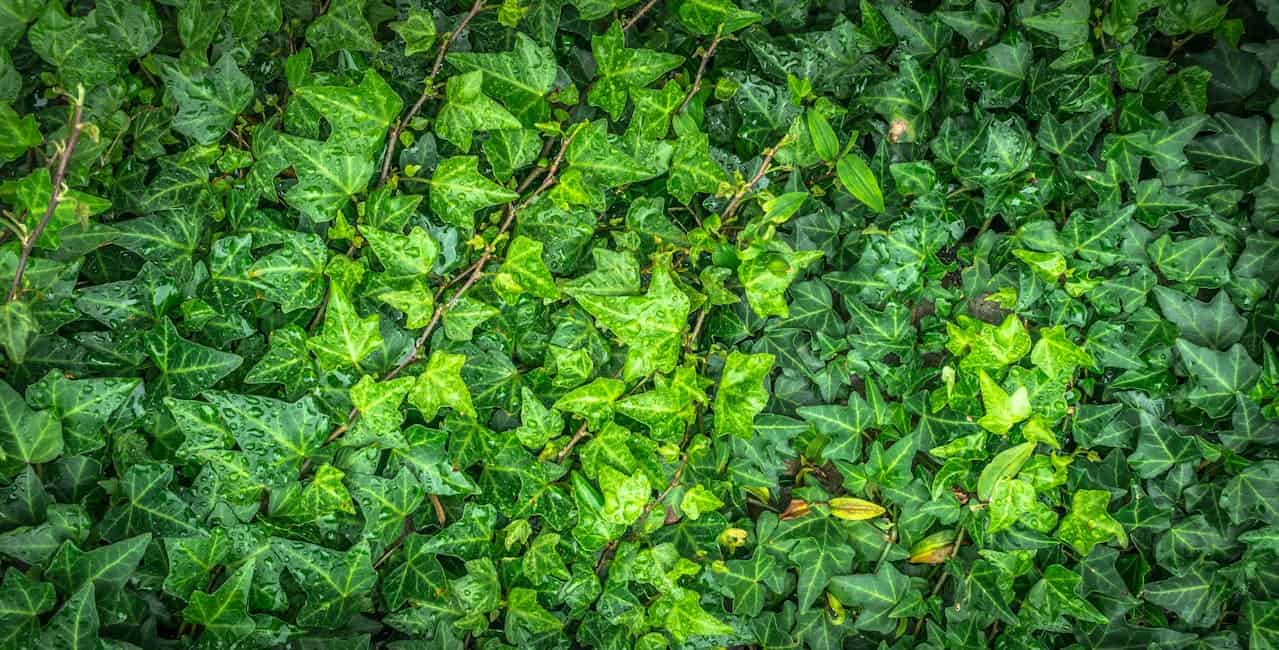
If ivy grows too close to your foundation, it can sneak into small cracks and gaps. This may gradually widen those openings and cause moisture to seep in.
The dense leaves can trap water against your walls, increasing the risk of damage over time. It also makes it harder for you to inspect your home’s exterior properly. Keeping ivy trimmed and away from the foundation helps protect your home’s structure and makes maintenance easier.
Large Trees Closer than 20 Feet to House
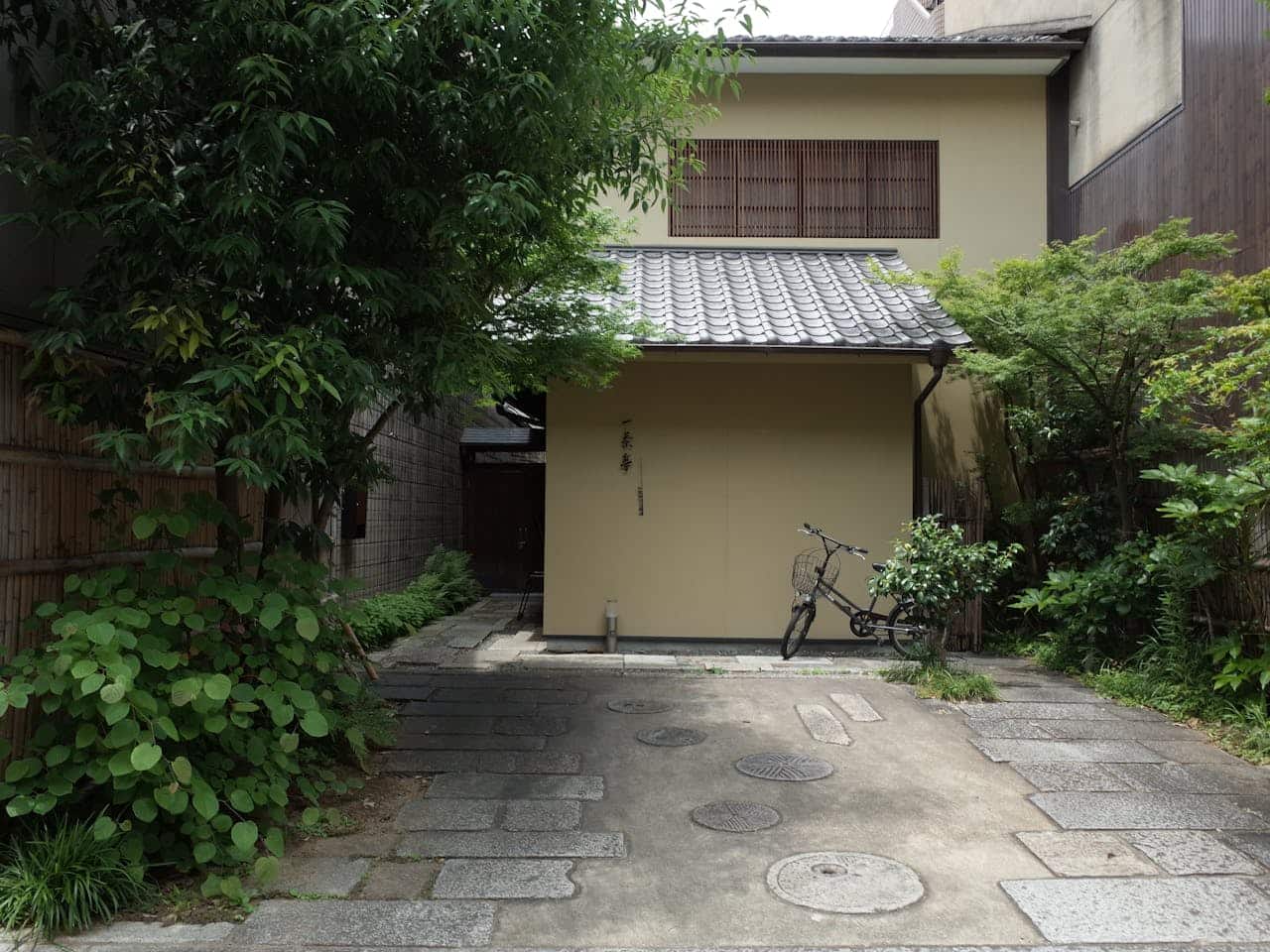
If you have large trees planted less than 20 feet from your house, they could cause problems. Their roots may damage your foundation or underground pipes over time. Branches that grow too close or touch your roof can scratch surfaces and block gutters.
It’s a good idea to keep large trees at least 20 feet away to protect your home and reduce maintenance. This distance helps avoid costly repairs and keeps your yard safer.
Dead or Dying Shrubs

If your shrubs have brown or black branches and no new growth, they might be dead or dying. This can make your yard look neglected and hurt your home’s value.
You can try trimming off dead branches to see if they bounce back. But if the shrub is too far gone, it’s better to remove it.
Mulching around healthy shrubs helps keep soil moist and protects roots, which supports their growth. Avoid planting in poor locations or where disease has occurred before.
Water-Loving Plants That Dry Soil
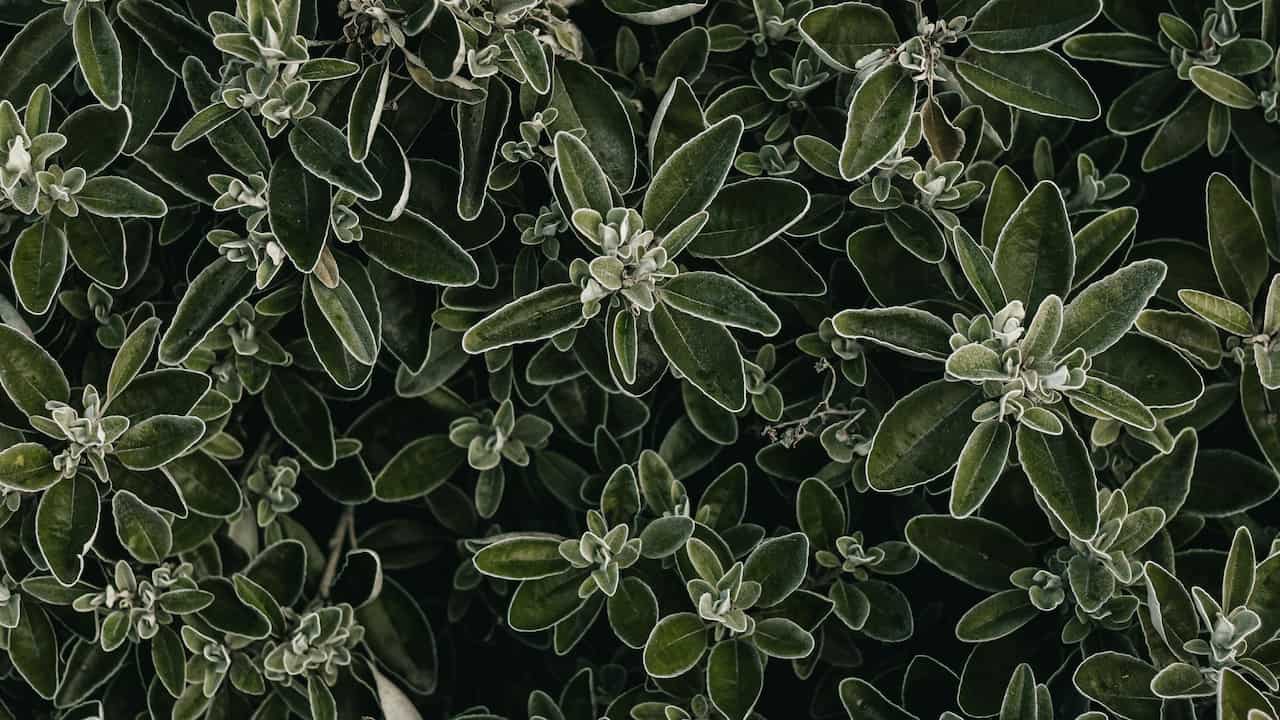
If you plant water-loving species in dry soil, they’ll struggle to survive and may even harm the overall landscape. These plants need consistent moisture, so forcing them into drought-prone areas often leads to poor growth.
You might end up overwatering, which can create soggy patches and encourage root rot. It’s better to choose drought-tolerant plants for dry soil, saving you time and water while keeping your yard healthy.
Dense Thorny Bushes
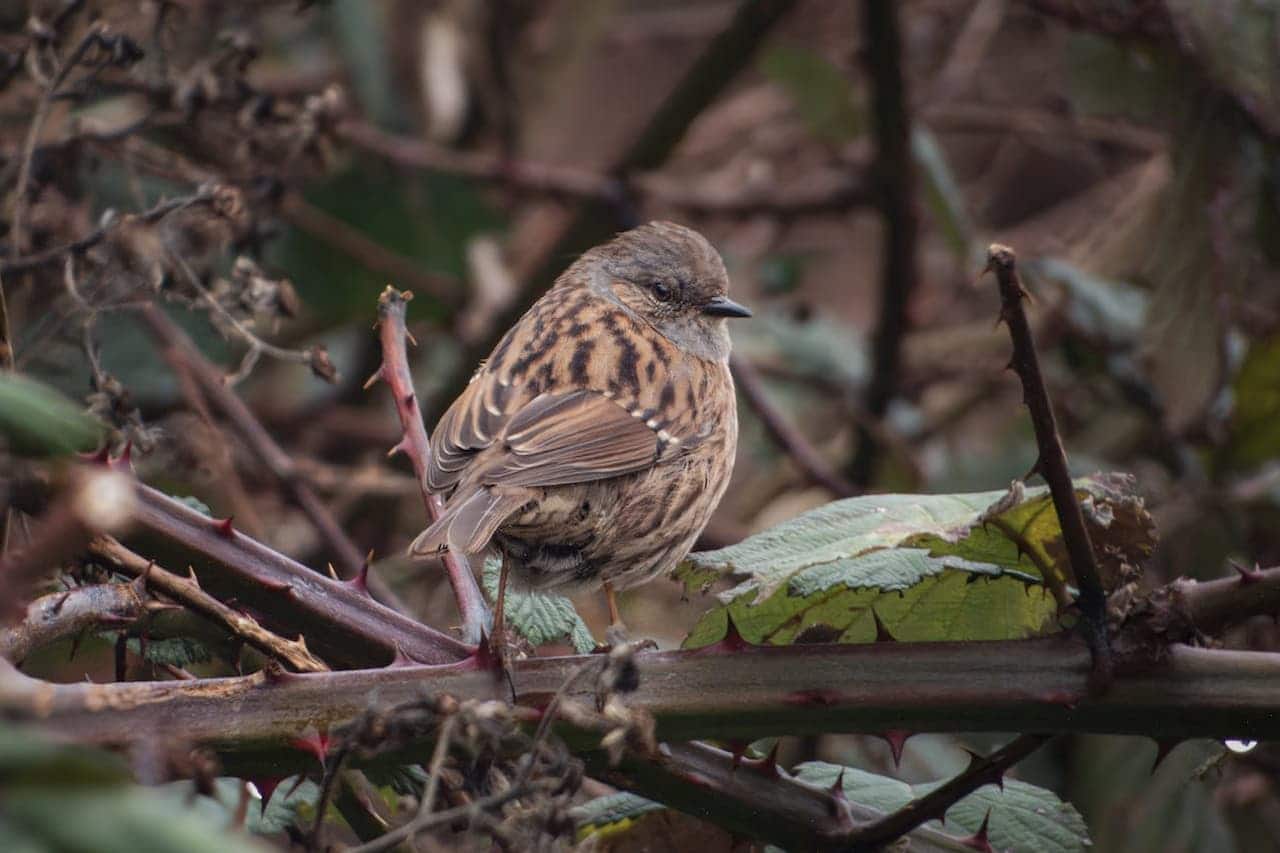
Dense thorny bushes might seem like a good idea for privacy or security. However, they can make your yard look uninviting and hard to maintain. These bushes often grow thick and tangled, blocking views and creating a cramped feeling.
You may find them difficult to trim, and their sharp thorns can be a hazard, especially if you have kids or pets. While they offer protection, they can discourage potential buyers who want a more open, accessible yard.
Invasive Kudzu Vines
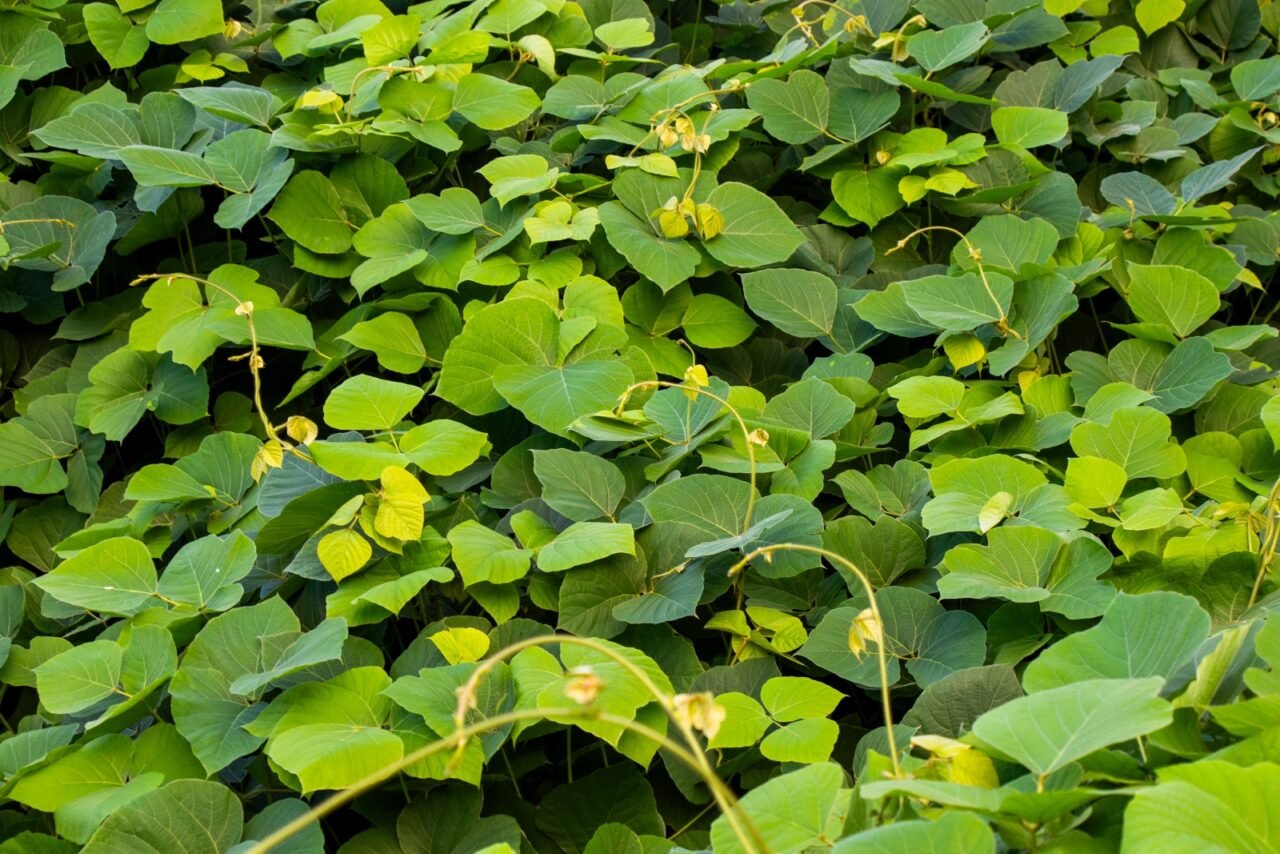
If you’ve spotted fast-growing vines with large, three-leaf clusters in your yard, you might be dealing with kudzu. This plant spreads quickly, sometimes growing up to a foot in a day.
Kudzu can cover trees, shrubs, and structures, making your yard look unkempt. It’s tough to control and may lower your home’s appeal. Removing it often requires persistence, including cutting, grazing animals, or chemical treatments. Closing windows at night can help stop it from creeping inside your home.
Unkempt Bamboo Clumps
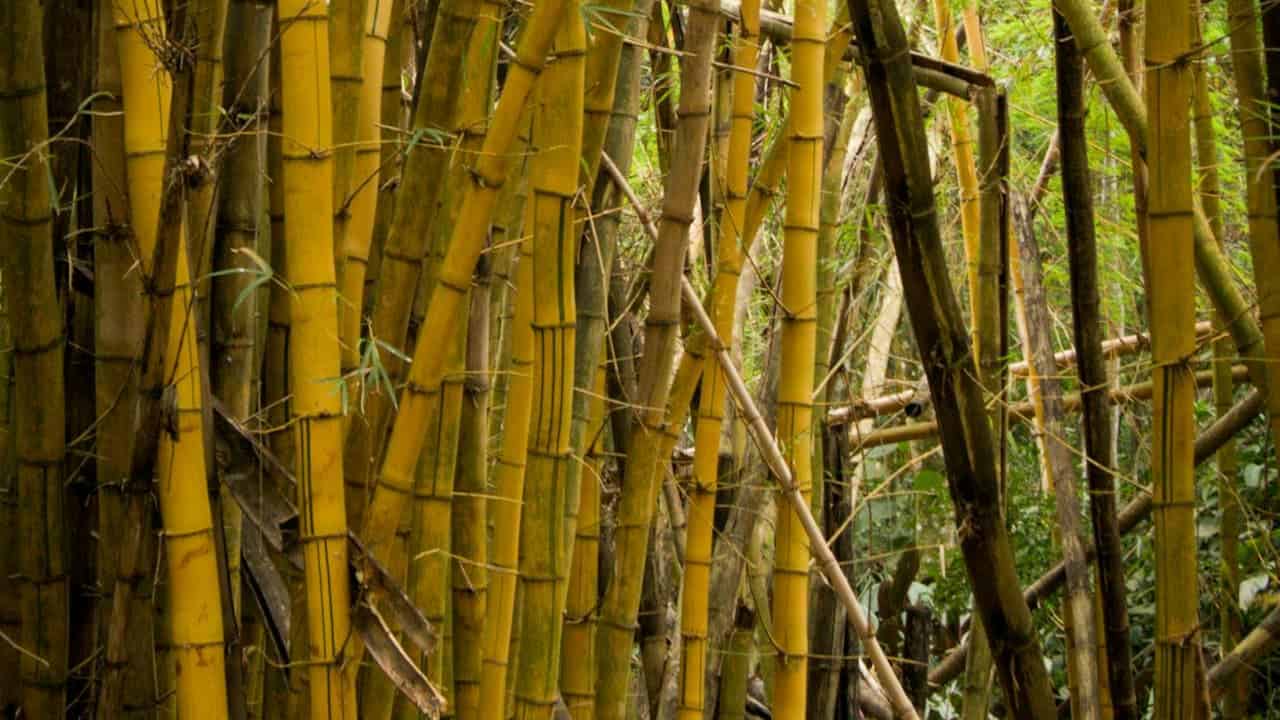
You might think bamboo is easy to manage, but unkempt clumps can quickly become a problem. These plants spread in tight clusters but can still look messy if not trimmed regularly.
If you let bamboo grow wild, it may crowd out other plants and disrupt the flow of your yard. Keeping bamboo neat requires regular maintenance to prevent it from lowering your home’s appeal.
Moss Overgrowth on Lawn

Moss tends to grow in areas of your lawn that are damp, shaded, and have poor drainage. It can make your lawn look patchy and unhealthy, which might turn off potential buyers.
If your grass isn’t thick enough to compete with moss, it will spread more easily. Improving sunlight by trimming trees and fixing drainage can help reduce moss growth. Removing moss and reseeding your lawn once conditions improve will make your yard more attractive and healthier.
Tall Grasses Blocking Pathways
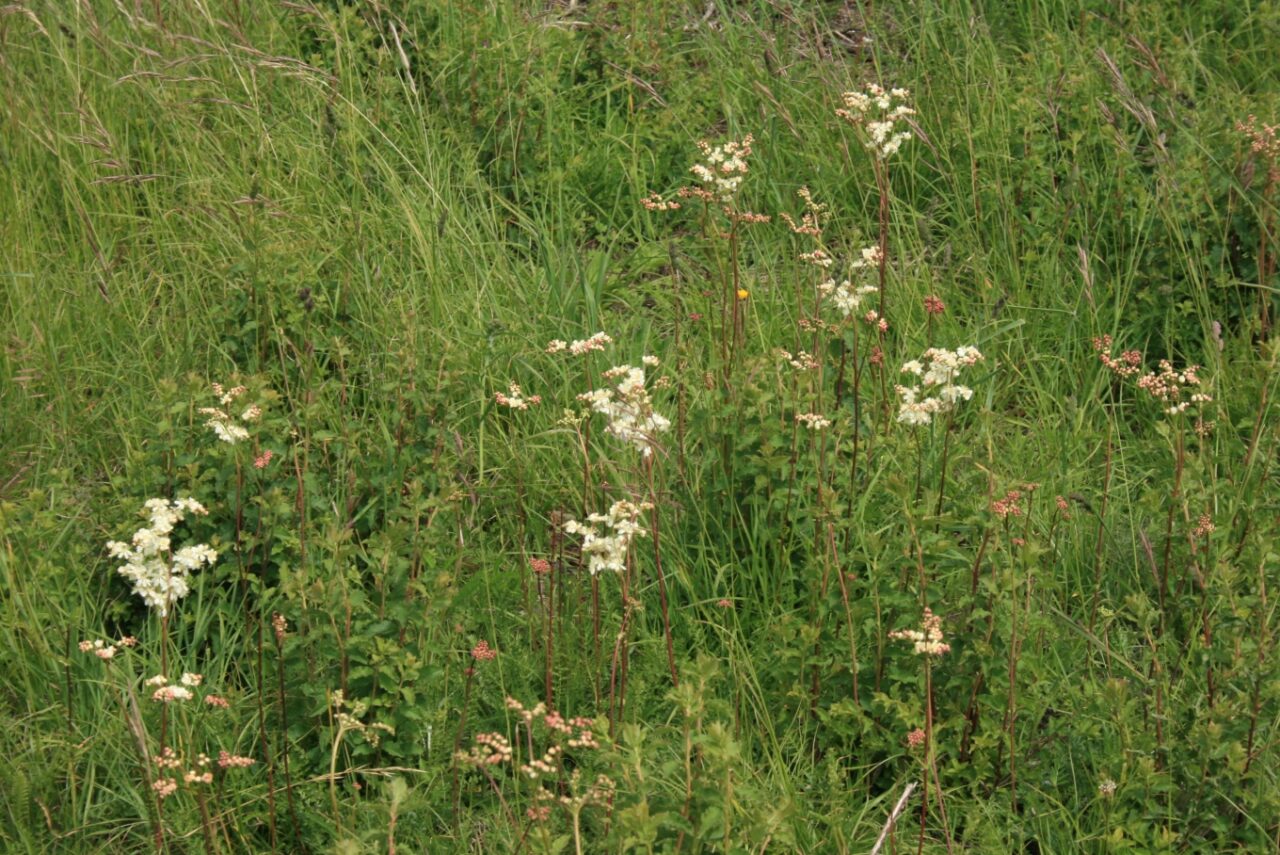
When tall grasses grow unchecked, they can easily block walkways and paths around your yard. This not only makes your yard look unkempt but can also be inconvenient and unsafe for you and visitors.
Overgrown grasses provide a hiding place for pests like ticks and mosquitoes, which can be a real nuisance. Regular trimming keeps pathways clear and improves your yard’s overall appeal.
Koi Ponds Requiring High Maintenance
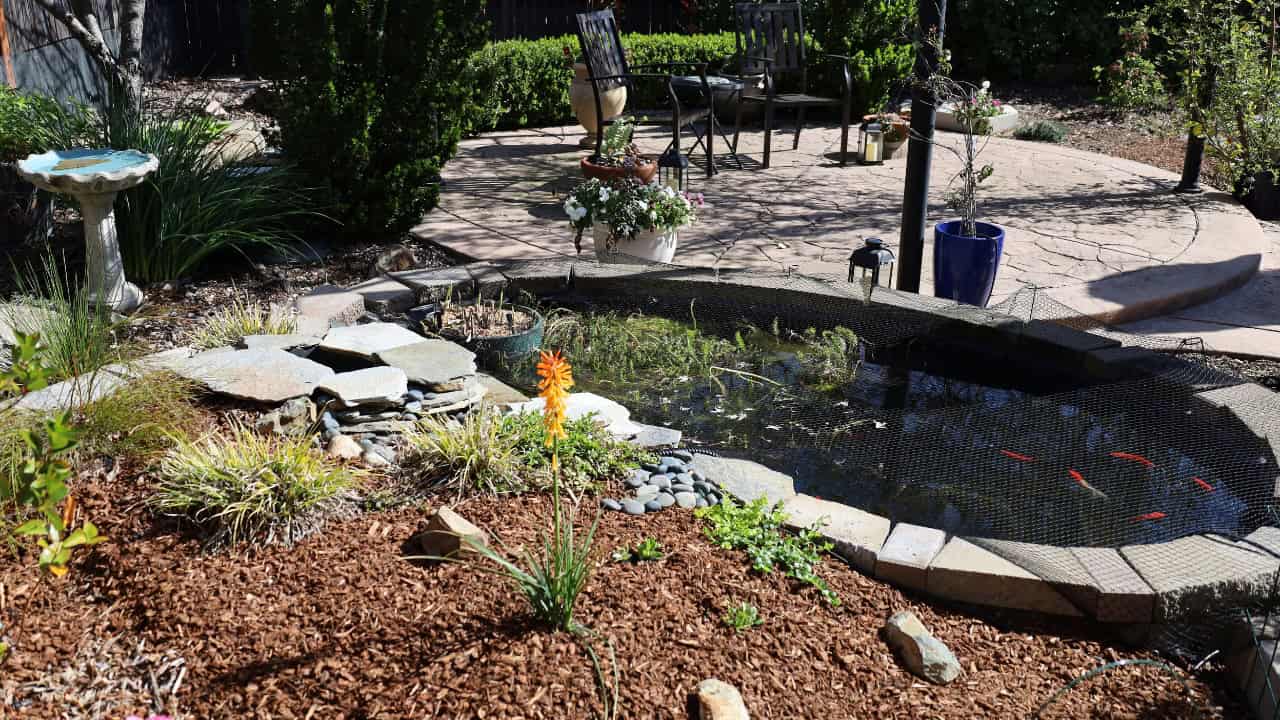
If you have a koi pond, be ready for regular upkeep. These ponds need consistent cleaning to keep the water clear and healthy for the fish. You’ll also need to maintain filters and check water quality often. Without proper care, the pond can quickly become a problem rather than an asset.
While koi ponds look beautiful, the time and effort they demand might not suit every homeowner. Consider your willingness to commit before adding one to your yard.
Excessive Climbing Vines on Walls

If you let climbing vines grow directly on your walls, they can cause damage over time. The roots may penetrate cracks, lifting shingles or breaking down paint.
Vines can also trap moisture against your home, which might lead to mold issues on surfaces like stucco.
You can prevent damage by training vines to grow on a trellis or lattice instead of letting them cling to your walls. Regular pruning helps keep them from getting out of control.
Highly Allergic Plants like Ragweed
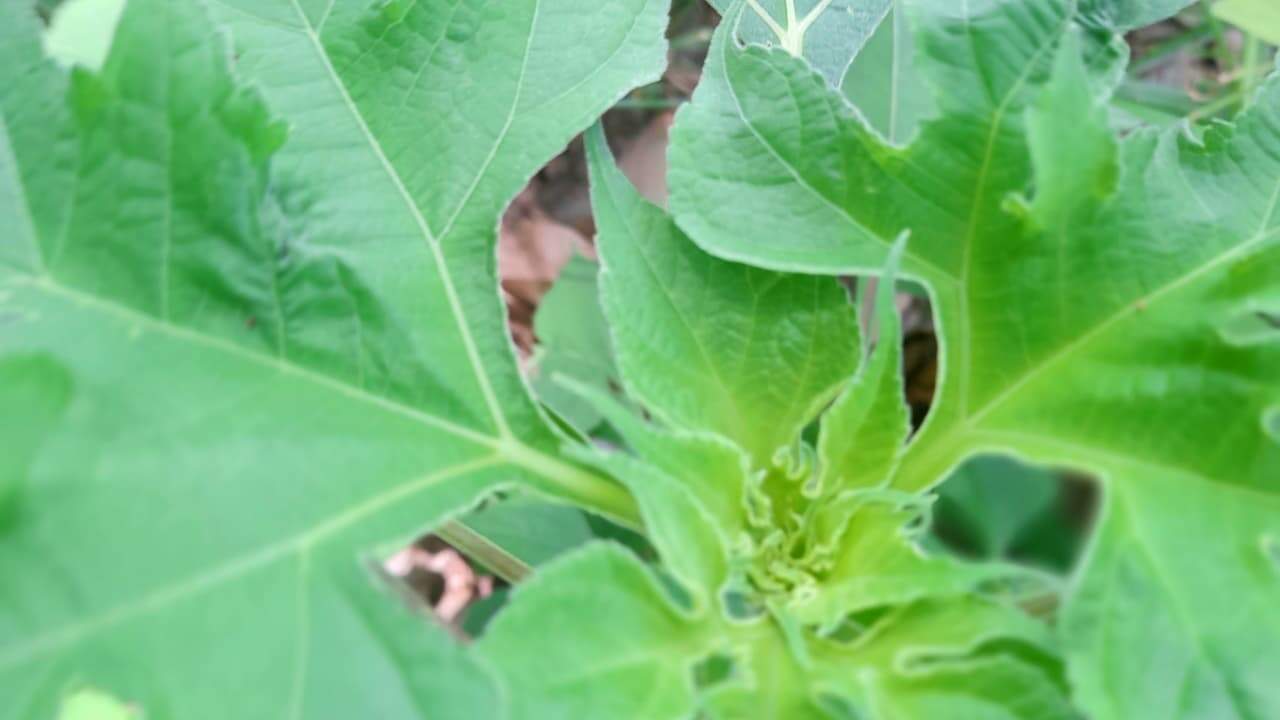
If you have ragweed in your yard, it can cause serious trouble for people with allergies. Ragweed pollen is a common trigger for sneezing, coughing, and itchy eyes.
This plant produces massive amounts of pollen that spread easily in the air. Removing ragweed or keeping it out of your main garden areas can help reduce allergy symptoms for you and visitors.
Overcrowded Flower Beds
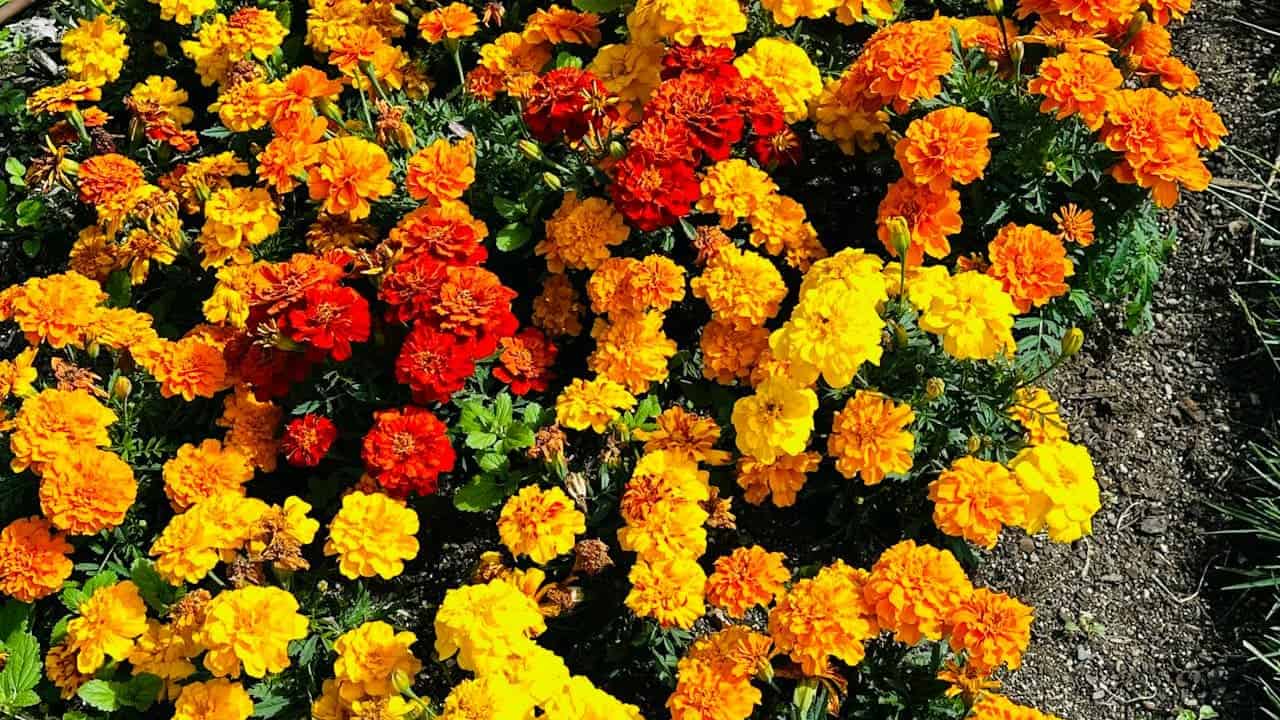
If your flower beds are packed too tightly, your plants may struggle to grow well. They compete for nutrients, water, and sunlight, which can weaken them.
You want your garden to look healthy and vibrant, not messy or stunted. Giving each plant enough space helps them thrive and makes your yard more appealing.
If you notice overcrowding, consider thinning your plants or transplanting some to a new spot. This simple step improves the overall health of your garden.
Excessive Ground Cover Plants

If you use too many ground cover plants, they can quickly take over your yard. This might crowd out other plants you want to keep, including perennials.
Be careful when choosing ground cover that won’t grow too aggressively. Some varieties can become invasive and affect your garden’s balance.
Also, think about how ground cover affects soil moisture. Certain plants can dry out the soil, which may hurt nearby trees or even your home’s foundation over time.
Sprawling Juniper Bushes
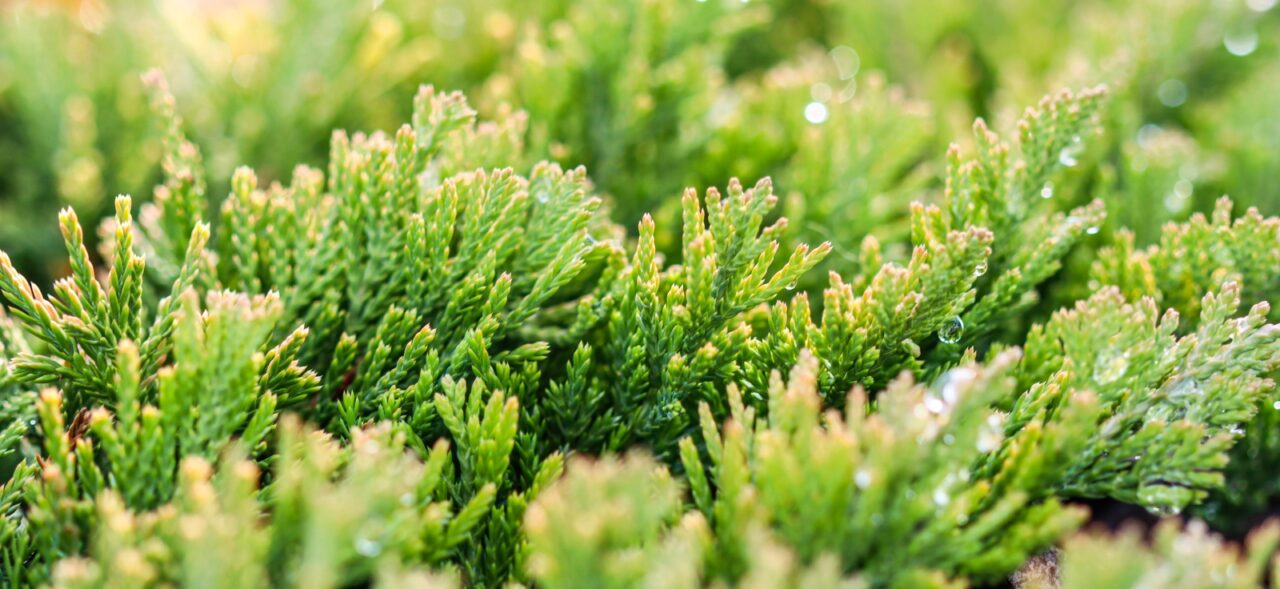
If you have sprawling juniper bushes in your yard, they can sometimes look messy and take up more space than you’d like. They spread low and wide, which might crowd other plants or limit lawn area.
Pruning them lightly at the start or end of the growing season helps keep them tidy. Be gentle to maintain their natural shape and health. Removing or replacing them may improve your yard’s appearance and appeal.