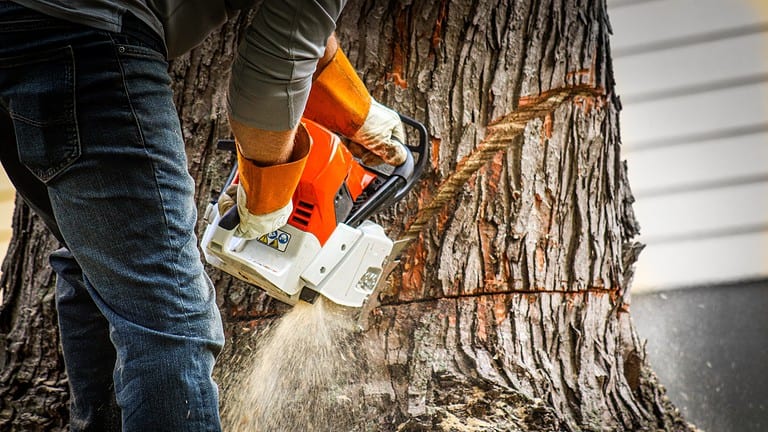
When it comes to selling a home, the yard is often one of the first things potential buyers notice. Making thoughtful choices in your outdoor space can either attract or turn off buyers before they even step inside.
Your yard reflects the overall care of your property and can influence how agents and buyers feel about your home. Understanding which decisions might make real estate agents cringe can help you avoid common pitfalls and present your yard in the best light.
Advertisement
Ignoring drainage problems leading to standing water
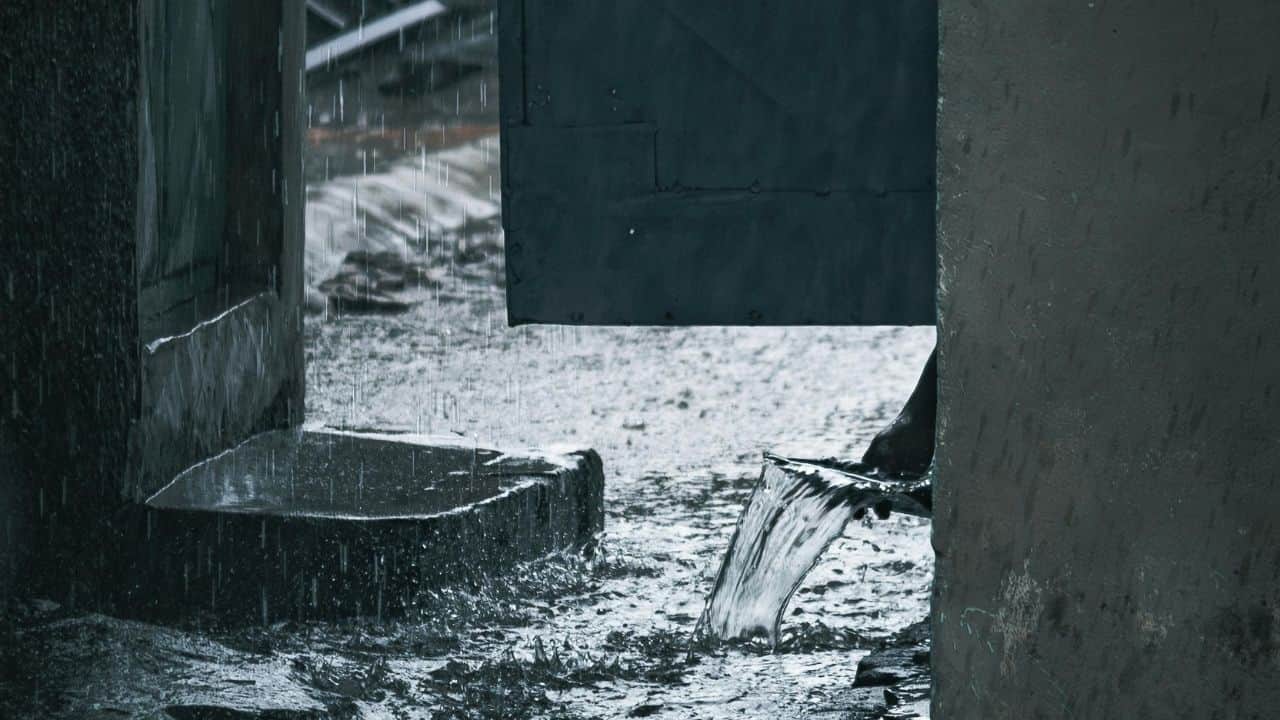
If you ignore drainage issues, standing water can become a common sight in your yard. This not only looks unappealing but may also harm your grass and plants.
Puddles that stick around after rain can invite mosquitoes and create an unhealthy environment. Poor drainage can even affect your home’s foundation over time.
Taking steps to address these problems early can keep your yard healthier and more attractive to buyers. Simple fixes like improving soil grading or installing drains can make a big difference.
Planting invasive species that damage the local ecosystem
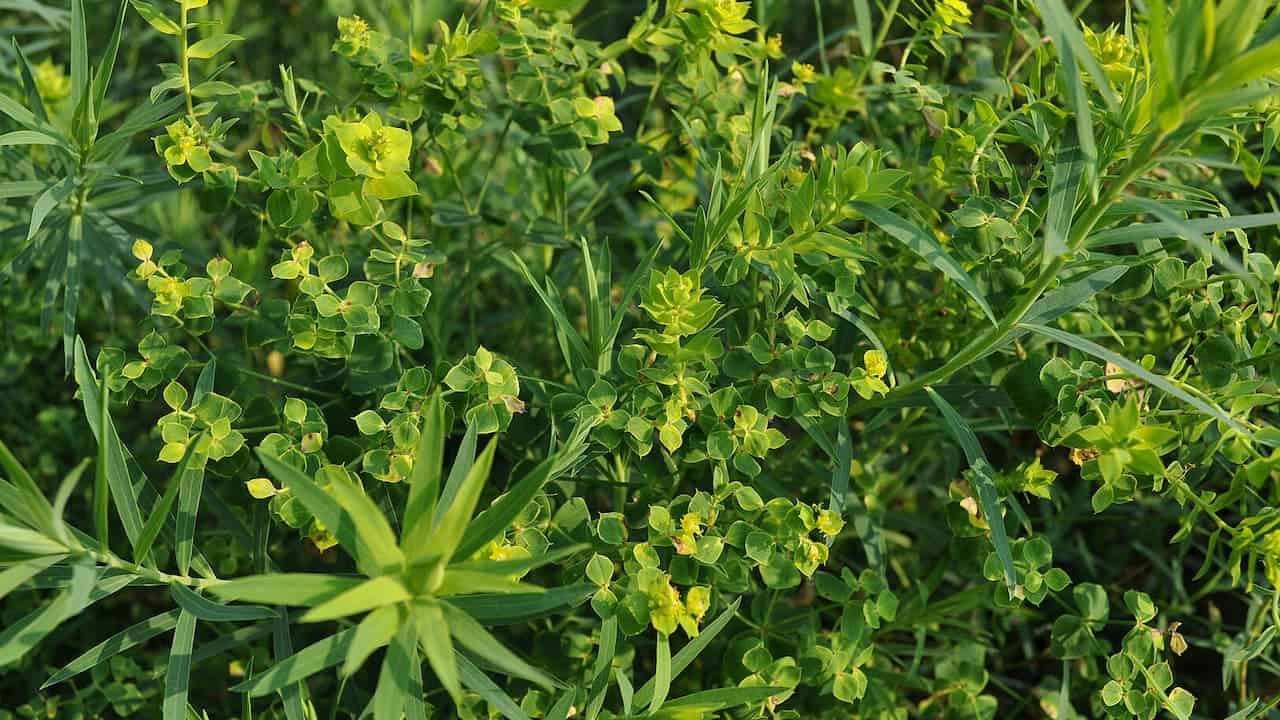
When you choose invasive plants for your yard, you risk upsetting the balance of your local environment. These species can spread quickly, outcompeting native plants and harming wildlife.
Invasive plants often arrive unintentionally, sometimes brought in for decoration or erosion control. Once established, they can be costly and difficult to remove.
It’s best to research plants before planting and opt for native or non-invasive species. This helps keep your yard healthy and supports local ecosystems.
Neglecting lawn maintenance causing overgrowth

When you let your lawn grow unchecked, it quickly becomes overgrown and harder to manage. Tall grass creates a perfect hiding spot for pests like ticks and mosquitoes.
Overgrowth also traps debris like leaves and twigs, which can lead to unhealthy conditions for your grass. This can make your yard less inviting and even unsafe to walk on.
Regular mowing keeps your lawn healthy and prevents costly repairs. Taking a little time each week will help your yard look its best and avoid avoidable problems.
Overusing chemical fertilizers and pesticides
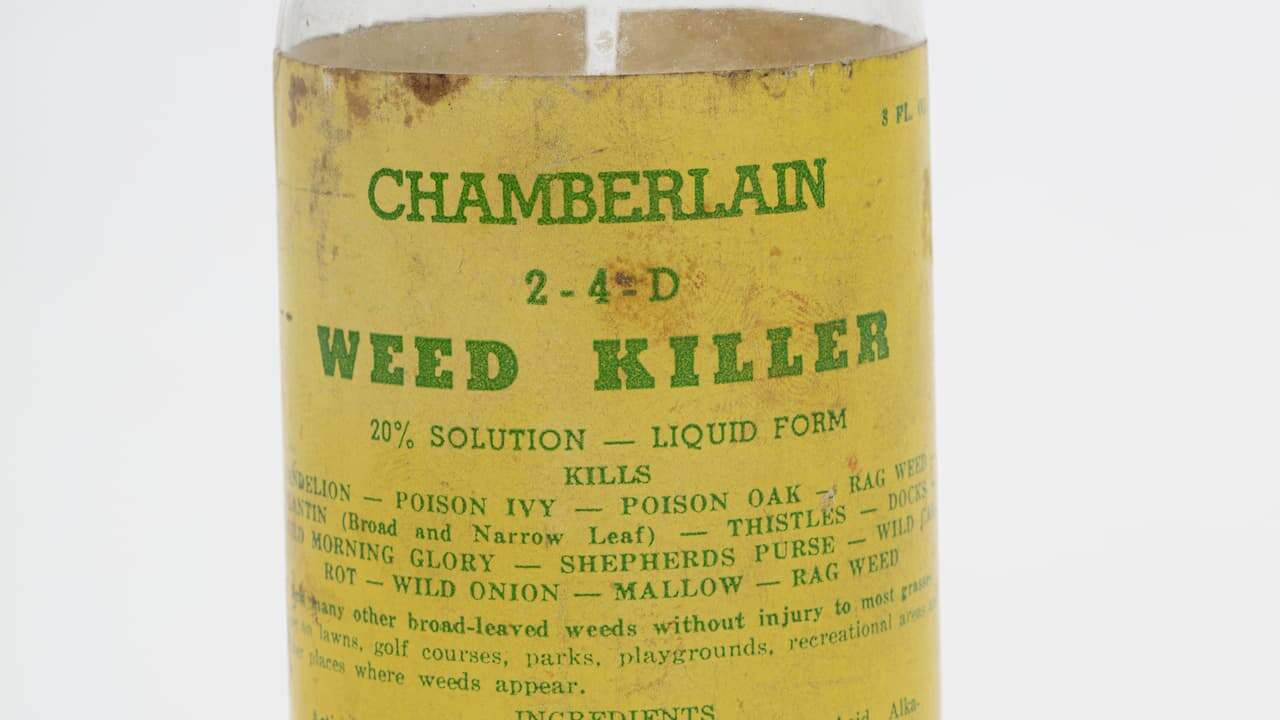
When you apply too many fertilizers or pesticides, it can harm your lawn and the environment. Excess chemicals often seep into the soil and groundwater, affecting nearby plants and wildlife.
Overusing these products can also make your soil less healthy over time. It may look good at first, but the long-term effects could mean more work and cost for you later.
Installing poorly placed patios that block sunlight
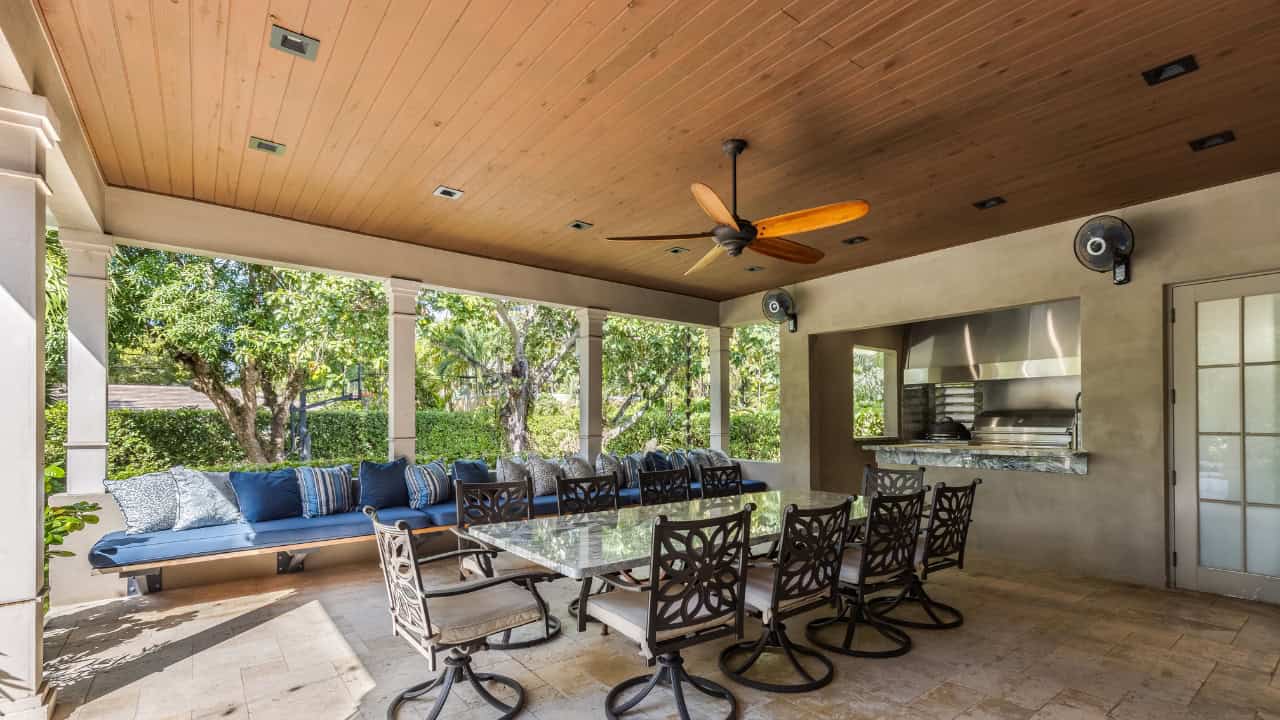
When you place a patio where it blocks sunlight, it can make your yard feel dark and less inviting. Sunlight is important for both plants and people enjoying the space.
If your patio casts unwanted shadows on key garden areas, plants may struggle to grow well.
Think about how the sun moves through your yard during the day before choosing your patio’s location. This can help you avoid spots that cause shade issues and keep your outdoor space bright and welcoming.
Leaving broken or rusty outdoor furniture

Leaving broken or rusty furniture in your yard can make potential buyers hesitate. It gives the impression that the property hasn’t been well cared for.
Rust and damage are easy fixes, so take a little time to clean or replace old pieces. Even a quick spray with a rust remover or a coat of paint can improve the look.
Your outdoor space should feel inviting, not neglected. Fresh and functional furniture helps buyers imagine relaxing there.
Using bright neon outdoor lighting that annoys neighbors

If you use bright neon lights in your yard, it can easily bother your neighbors. These lights may shine directly into their windows or create glare that disrupts their comfort.
Your neighbors might see this as a nuisance, especially if it affects their sleep or peace. It’s a good idea to choose softer, less intrusive lighting to keep the neighborhood happy.
Blocking walkways with excessive landscaping

When your plants or shrubs start to crowd the walkway, it can create a tight, uncomfortable path for visitors. You want your yard to feel open and inviting, not like an obstacle course.
Overgrown landscaping can also block natural light coming through windows near walkways. Keep your plants trimmed to maintain clear, safe passage and good curb appeal.
Failing to trim trees that threaten power lines

When trees grow too close to power lines, they can cause safety hazards and power outages. If you don’t trim them in time, your property might face damage or interruptions.
It’s important to keep a safe clearance, usually about 10 to 15 feet, between trees and power lines. You may need to contact your utility company before doing any trimming near high-voltage lines.
Ignoring this can lead to costly repairs and even dangerous situations. Staying on top of tree maintenance shows that you care about safety and your home’s value.
Ignoring mosquito-attracting stagnant ponds

If you have a pond that doesn’t get refreshed or moved, it can quickly become a breeding ground for mosquitoes. These insects lay eggs in still water, which can lead to more bites and frustration for you and your neighbors.
Keeping the water circulating or adding predators like frogs can help control mosquito populations naturally. Regularly removing debris and checking for stagnant spots also reduces the chance of mosquitoes making your yard their home.
Planting high-maintenance grass varieties unsuited to the climate
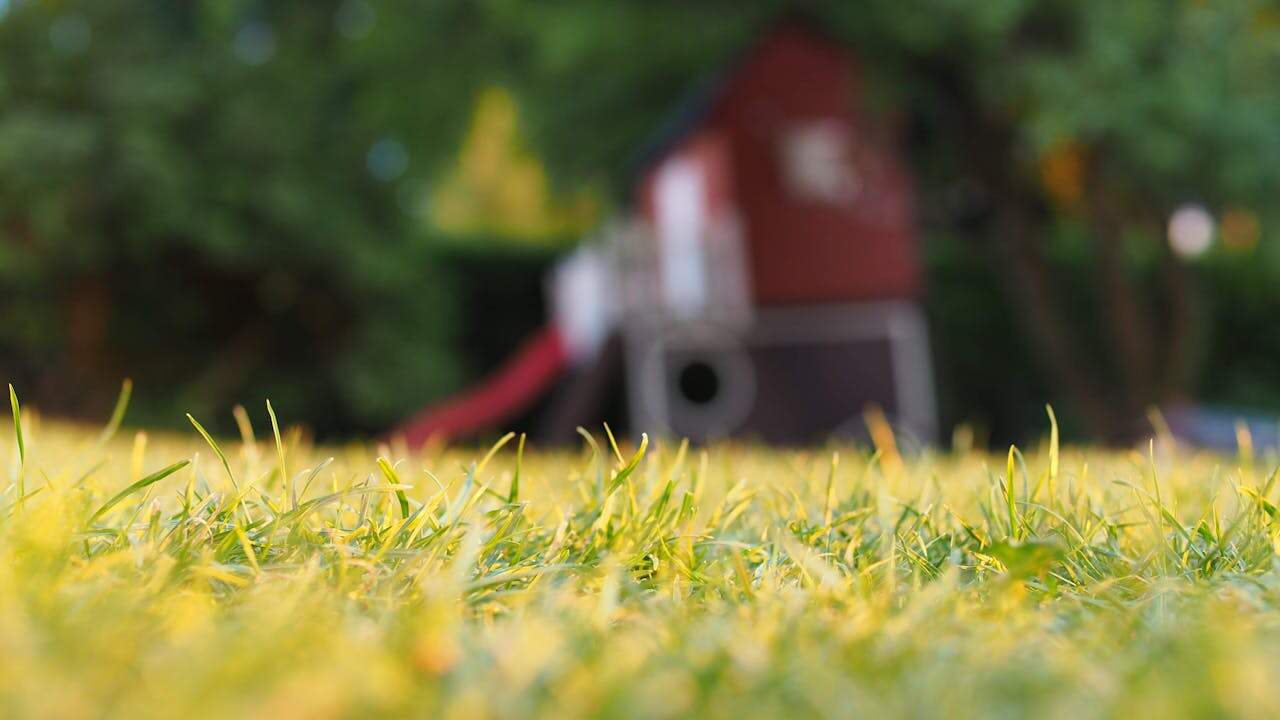
Choosing a grass type that doesn’t match your local climate can lead to constant lawn troubles. You might find yourself watering, fertilizing, and treating pests more often than you expect.
High-maintenance grasses demand extra care, which can be time-consuming and costly. Picking a grass that thrives naturally in your area saves effort and keeps your yard looking better.
Consider grasses recommended for your region to avoid frustration. This way, your lawn will stay healthy without draining your resources or patience.
DIY electrical outdoor installations without permits
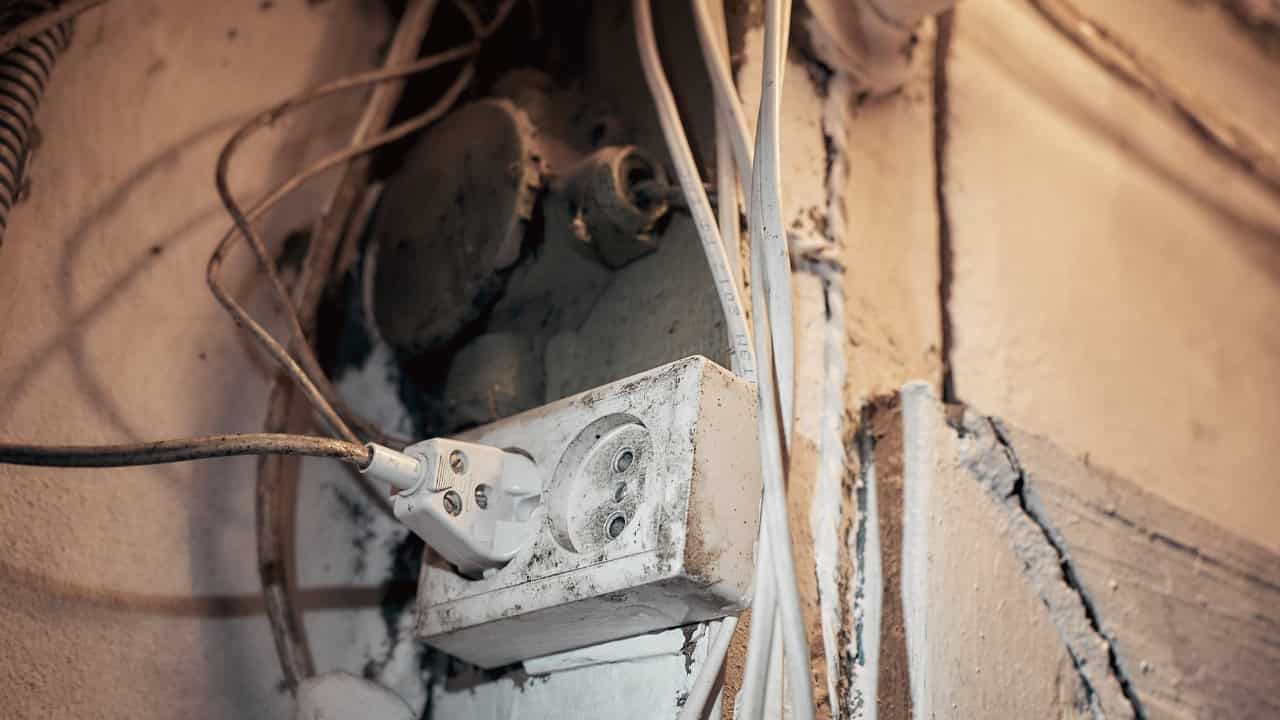
You might think running new outdoor wiring or adding lights is easy enough to skip a permit. However, many local codes require permits to ensure safety and proper installation.
Using solar lighting can be a smart way to avoid permits, since it doesn’t connect to your home’s wiring.
If you do decide to install wiring or outlets outside, protecting everything with an RCD (residual current device) is key to prevent electrical hazards.
Placing garden beds too close to the house foundation
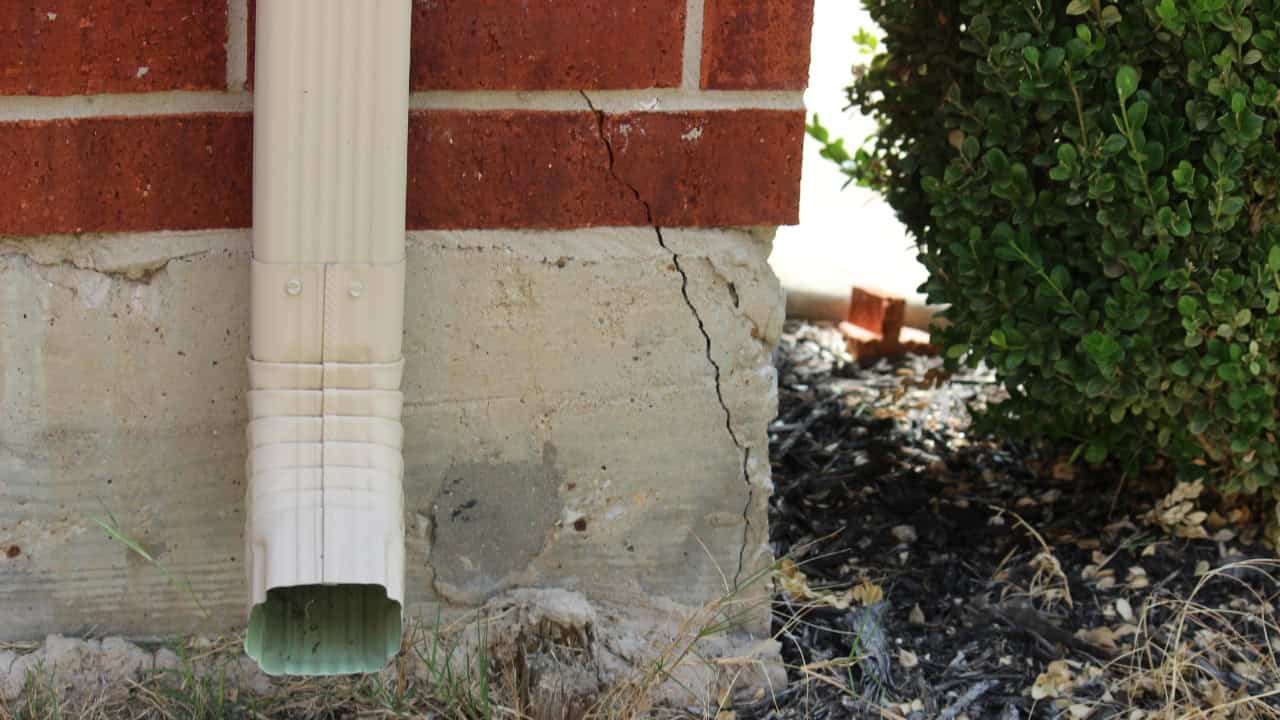
When you place garden beds right next to your house, it can cause problems for your foundation. Moisture from the soil can build up and lead to damage over time.
Pests like termites and rodents are more likely to gather in garden beds that are crowded against your home. This makes it harder to keep them away.
Give your plants enough space by setting beds at least a few feet away from the foundation. This helps protect your house and keeps your yard looking tidy.
Ignoring signs of soil erosion in the yard

If you notice cracks, loose rocks, or bare patches of soil, don’t ignore them. These are early signs of soil erosion that can worsen over time.
Soil erosion can lead to uneven ground, damage to plants, and even structural problems near your home. Covering bare soil with grass or plants helps hold it in place.
Addressing erosion early keeps your yard healthy and prevents costly repairs later. A little attention now goes a long way in protecting your property.
Adding excessive hardscape that reduces green space

When you add too much hardscape, like concrete or gravel, it can make your yard feel less inviting. Buyers often look for green, living spaces that offer a natural charm.
Too much hardscape can also create heat zones and lead to water runoff problems. Balancing hard materials with plants and shaded areas keeps your yard comfortable and appealing.