Living in a neighborhood with a homeowners association (HOA) means agreeing to a set of rules designed to maintain curb appeal and community standards. These rules often extend beyond your front door—right into your landscaping, décor, and even the color of your mulch.
While some restrictions may seem minor, ignoring them can lead to fines, warnings, or unwanted drama with the HOA board. Knowing what’s commonly restricted helps you make smart choices for your yard—and keeps you on good terms with the neighbors.
Unapproved Exotic Plant Species

That rare tropical vine or flashy flower might add flair to your yard, but if it’s not on your HOA’s approved plant list, you could run into trouble. Many associations restrict non-native species due to concerns about invasiveness, pest attraction, or visual uniformity.
Advertisement
Before planting anything unusual, double-check the landscaping guidelines. Native or HOA-approved options are a safer bet and much less likely to stir up a complaint.
Excessive Garden Gnomes or Yard Ornaments

A few charming lawn ornaments? No problem. A full gnome village? That’s where you might hit a snag. Most HOAs have limits on the number or size of decorative items visible from the street.
Too many figurines, windmills, or statues could be deemed “visual clutter.” It’s best to check your community’s rules and keep things tasteful and minimal to avoid an unwanted letter in the mail.
Installing a Tall, Noncompliant Fence
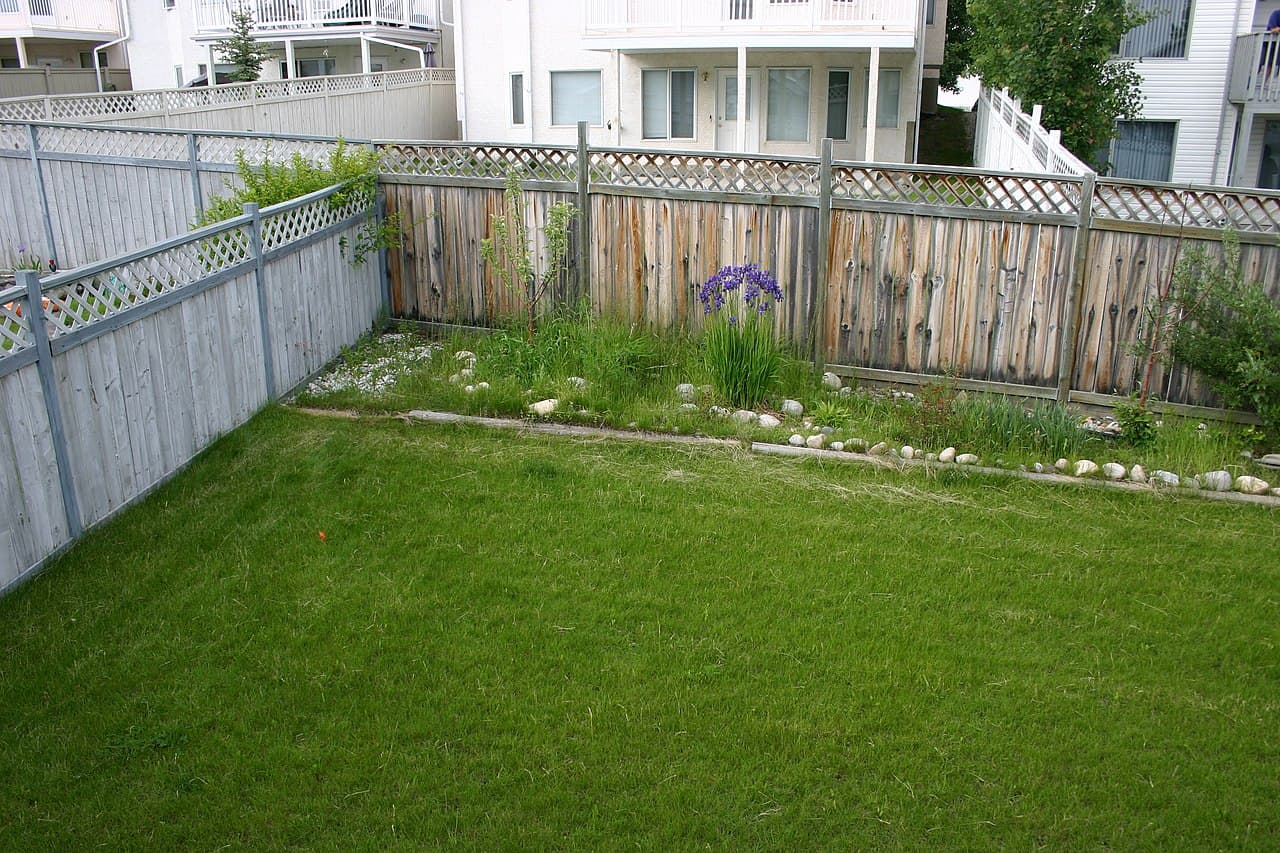
Adding a fence for privacy is a common project—but make it too tall, and you could be asked to tear it down. Many HOAs limit fence height to around 6 feet and may have additional rules about materials and colors.
Before building, get written approval and review any setback or design requirements. It’s a lot easier than having to redo it later.
Using Bright Neon-Colored Mulch
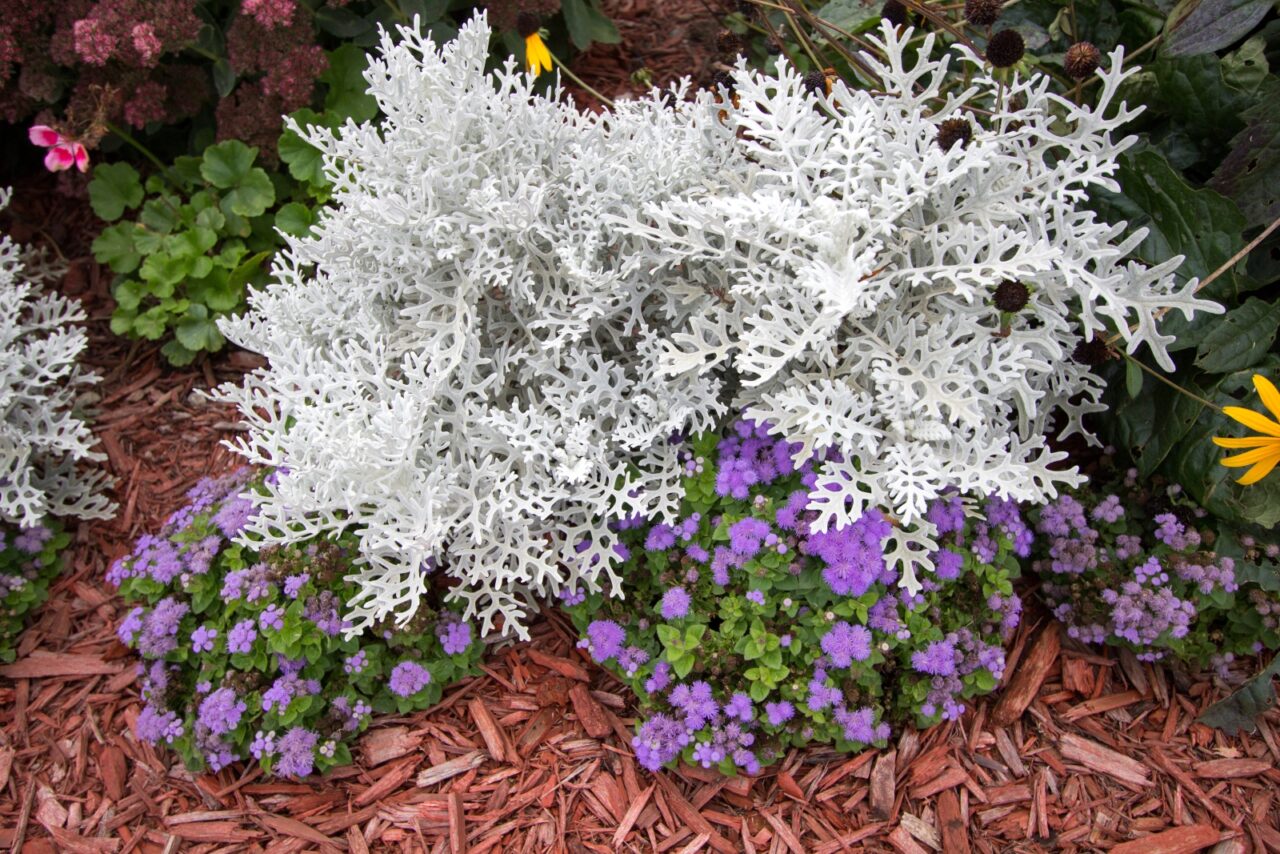
Bright blue or neon red mulch might seem fun, but many HOAs prefer natural tones to maintain a cohesive neighborhood aesthetic.
Some communities even have a list of acceptable mulch types and colors. Sticking with earth tones like brown, black, or dark red is usually a safer option that still looks polished.
Creating a Vegetable Garden Beyond Allowed Limits

Homegrown produce is great—but not all HOAs welcome raised beds or trellises in the front yard. Many only allow vegetable gardens in the backyard or out of public view.
Before digging in, check your community’s landscape rules. If restrictions apply, consider compact backyard beds or decorative container gardens that pass both the aesthetic and rules test.
Planting Fruit Trees Not Permitted by HOA
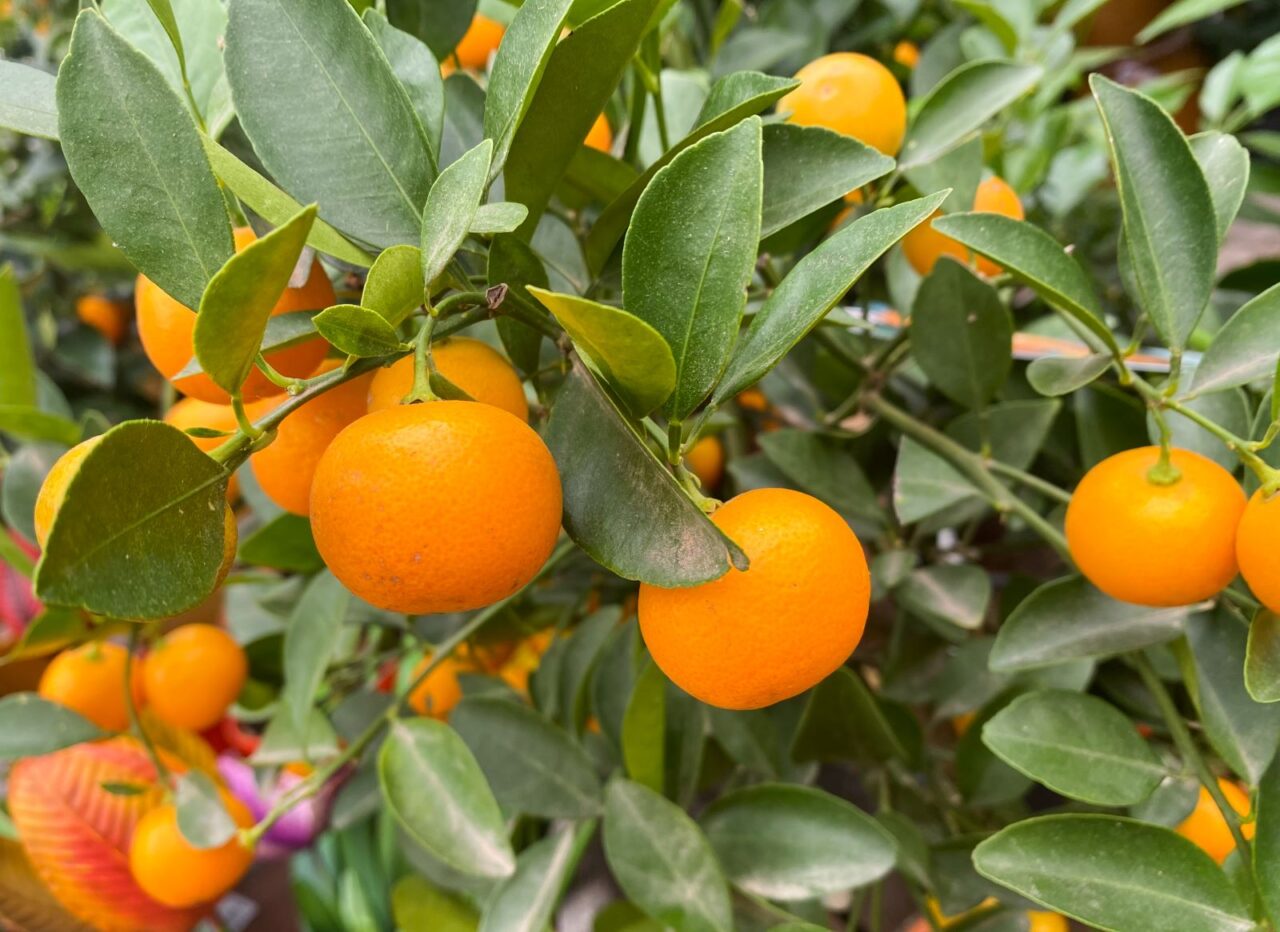
Fruit trees can be messy and attract critters, which is why many HOAs restrict them—especially in front yards. Even popular trees like citrus or fig might be off-limits.
Check your HOA’s approved tree list before planting. If fruit-bearing trees are allowed, placement and upkeep rules may still apply.
Allowing Overgrown Weeds and Grass

This is one of the quickest ways to get flagged by your HOA. Overgrown lawns and weeds make the whole neighborhood look neglected.
HOAs typically require grass to be mowed regularly and weeds kept under control. Staying on top of yard maintenance not only avoids penalties but also boosts your home’s curb appeal.
Outdoor Sculptures Exceeding Height Limits

That towering garden sculpture might be a work of art to you—but if it’s too tall, your HOA may not agree. Many communities cap outdoor décor at a specific height.
Always measure and check with your HOA before adding large yard features, especially ones visible from the street.
Setting Up a Clothesline Visible from the Street
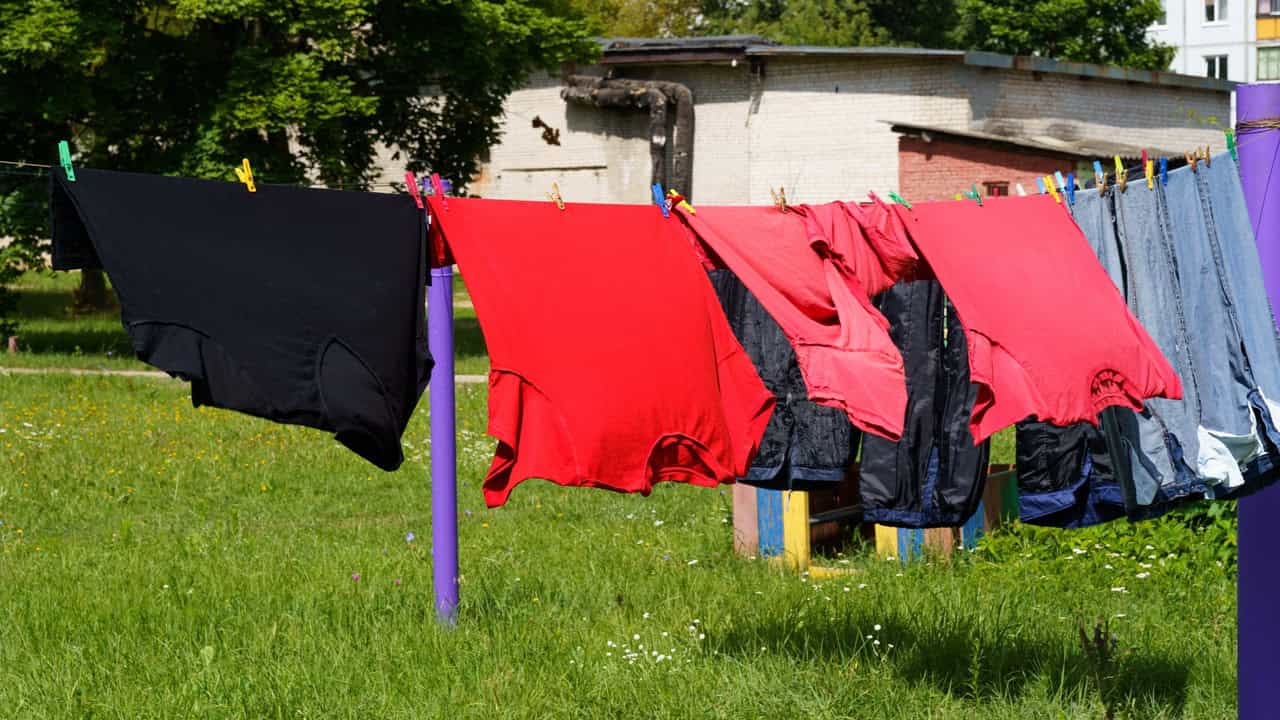
Air-drying clothes is eco-friendly, but in many HOA neighborhoods, visible clotheslines are a no-go. Some states have “right to dry” laws, but HOAs can still place limits on visibility.
If you want a clothesline, opt for one that can be folded away or installed in a private backyard area to avoid complaints.
Building a Fire Pit Without HOA Approval

Fire pits add ambiance, but some HOAs have safety rules or aesthetic standards that must be followed. You may need to submit plans or stick to certain fuel types.
Don’t build first and ask later—get written approval to avoid being told to dismantle your setup.
Painting the House Exterior in Non-Approved Colors

Want to make your house pop with a bold color? If you’re in an HOA, you’ll need permission first. Most have pre-approved palettes, and anything outside of that range usually requires board review.
Stick with colors that complement the neighborhood or you could end up repainting at your own expense.
Installing Solar Panels Facing Restricted Areas

Going solar? Great move—but even eco-friendly upgrades need HOA approval. Many associations regulate panel placement, often requiring them to face a certain direction or stay out of sight from the street.
Review your HOA’s solar rules and any applicable state laws before you install.
Having a Trampoline Without Prior Permission

Trampolines are fun—but many HOAs view them as both a liability and an eyesore. If you don’t get approval, you may be asked to remove it or pay a fine.
HOAs may also require safety measures like fences or netting. Always submit a request before setup.
Using Artificial Turf That Looks Unnatural
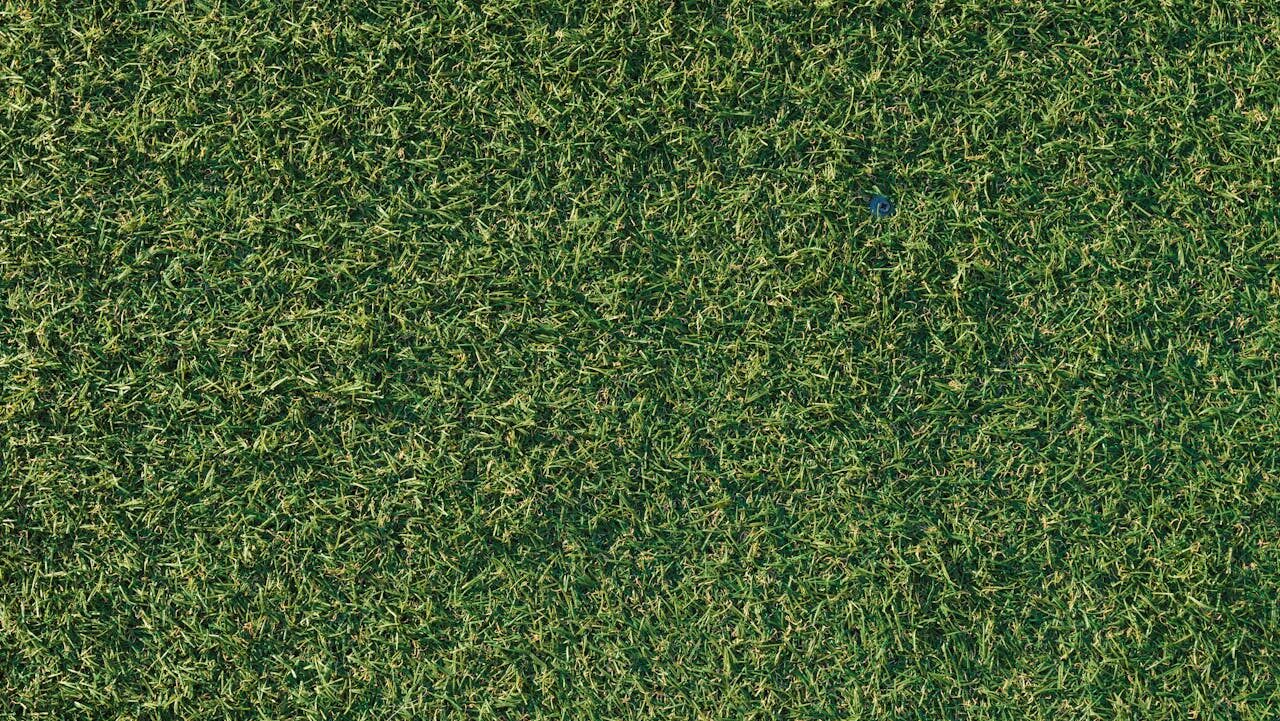
Artificial turf can save time and water, but not all types are HOA-approved. If the color is too bright or the texture looks unnatural, it might get flagged.
Choose high-quality turf that mimics the look of real grass, and always check with your HOA before installation.
Leaving Trash Bins in Front of the House
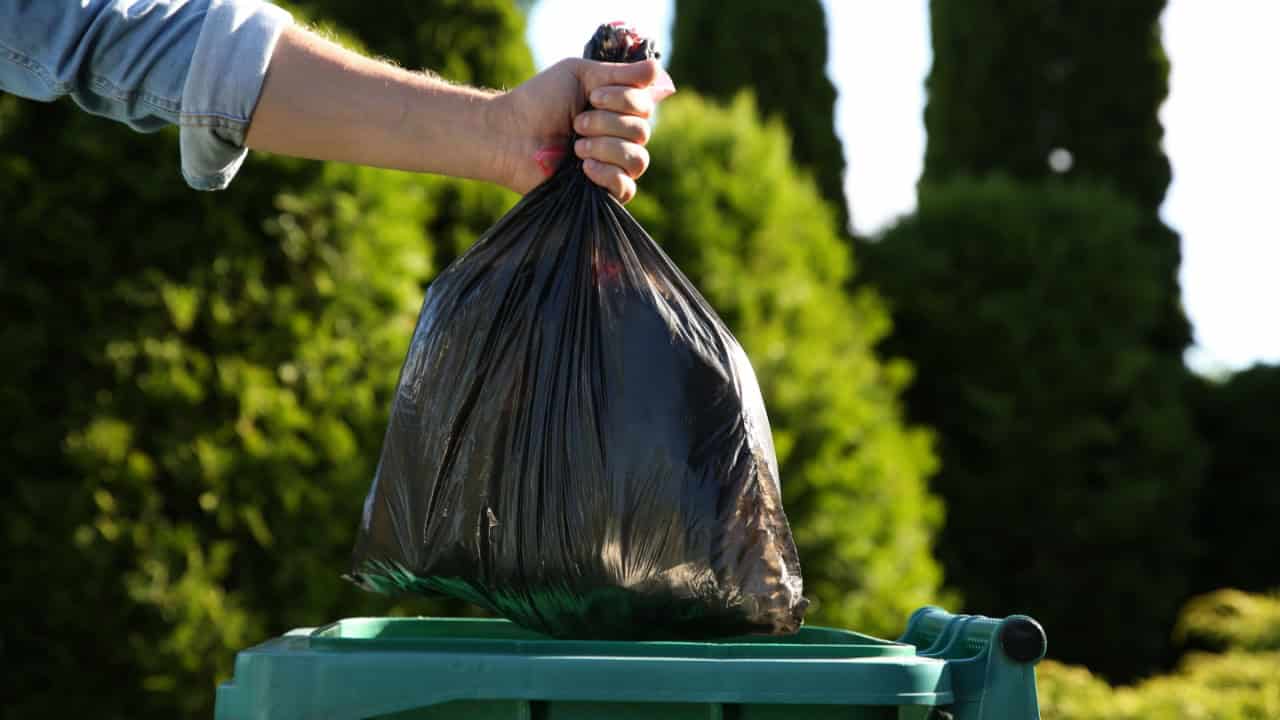
Most HOAs have rules about when and where trash bins can be visible. Leaving them curbside after pickup or storing them in front of your garage can get you a notice—or a fine.
Bring them in promptly and store them out of sight to stay in good standing with the association.