Plant viruses can spread in many unexpected ways, often without you realizing it. These viruses move from one plant to another through various channels, making it easy to unintentionally contribute to their spread when caring for your garden or crops.
Understanding how plant viruses travel is key to preventing their spread and keeping your plants healthy. Knowing the common ways these viruses move helps you take better precautions and protect your garden from potential outbreaks.
Advertisement
Aphids transmitting viruses while feeding

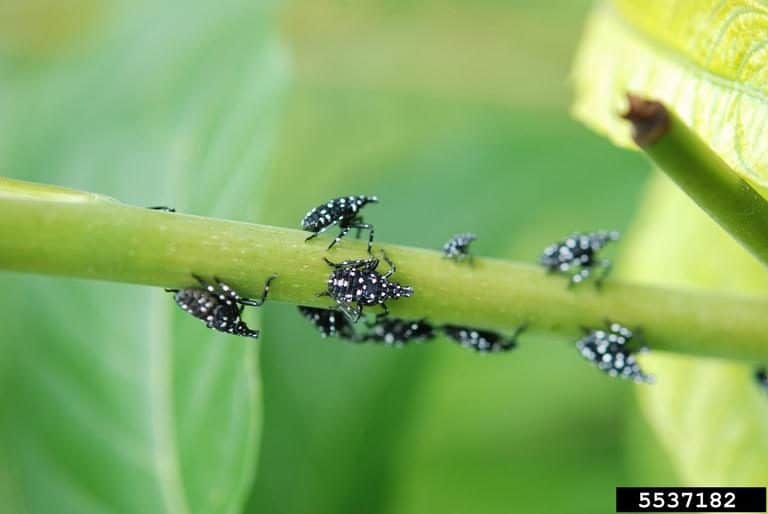
When aphids feed on your plants, they can carry virus particles on their mouthparts. These particles stick temporarily and transfer to the next plant they feed on.
You might notice aphids moving quickly between plants, not settling in one place. This movement spreads viruses more effectively because the virus doesn’t stay inside the aphid long.
By watching for aphids early, you can reduce the chance of viruses hopping from plant to plant in your garden.
Mechanical spread via farm equipment

You can spread plant viruses easily through your farm equipment. Tools like pruners, hoes, and harvesters can carry infected sap from one plant to another.
If your equipment isn’t cleaned regularly, viruses hitch a ride and infect healthy plants. Always sanitize your tools to reduce the risk of spreading disease.
Seed transmission of viruses

You can spread plant viruses through seeds when the virus invades the embryo or other seed parts. This often happens if the virus infects the floral tissues during seed development.
Sometimes, viruses get into seeds via pollen, which means infected pollen grains can carry viruses to new plants. This makes seed trade one way viruses move between places, so be careful with the seeds you use or share.
Grafting infected branches
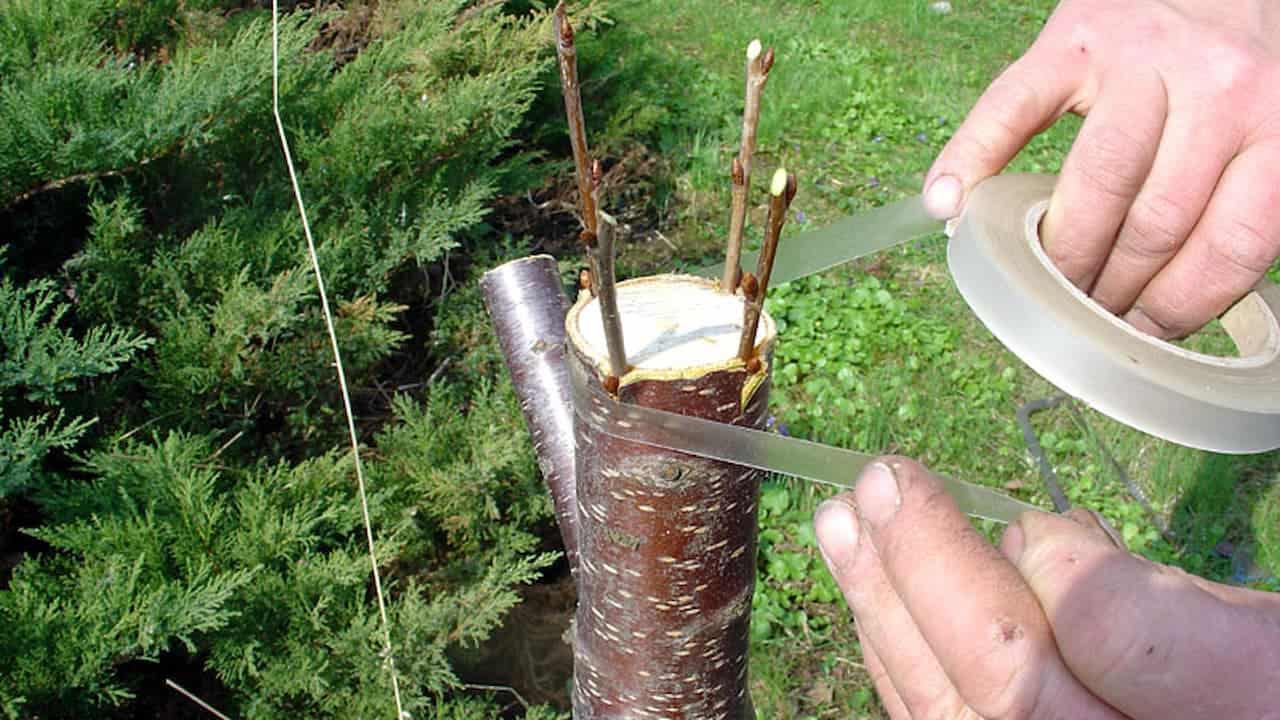
When you graft a branch from a diseased plant onto a healthy one, you risk spreading viruses directly. The virus moves through the graft union and infects the entire plant over time.
Always inspect branches carefully before grafting to avoid using infected material. Using clean, healthy branches helps keep your plants virus-free and thriving.
Transmission through vegetative propagation
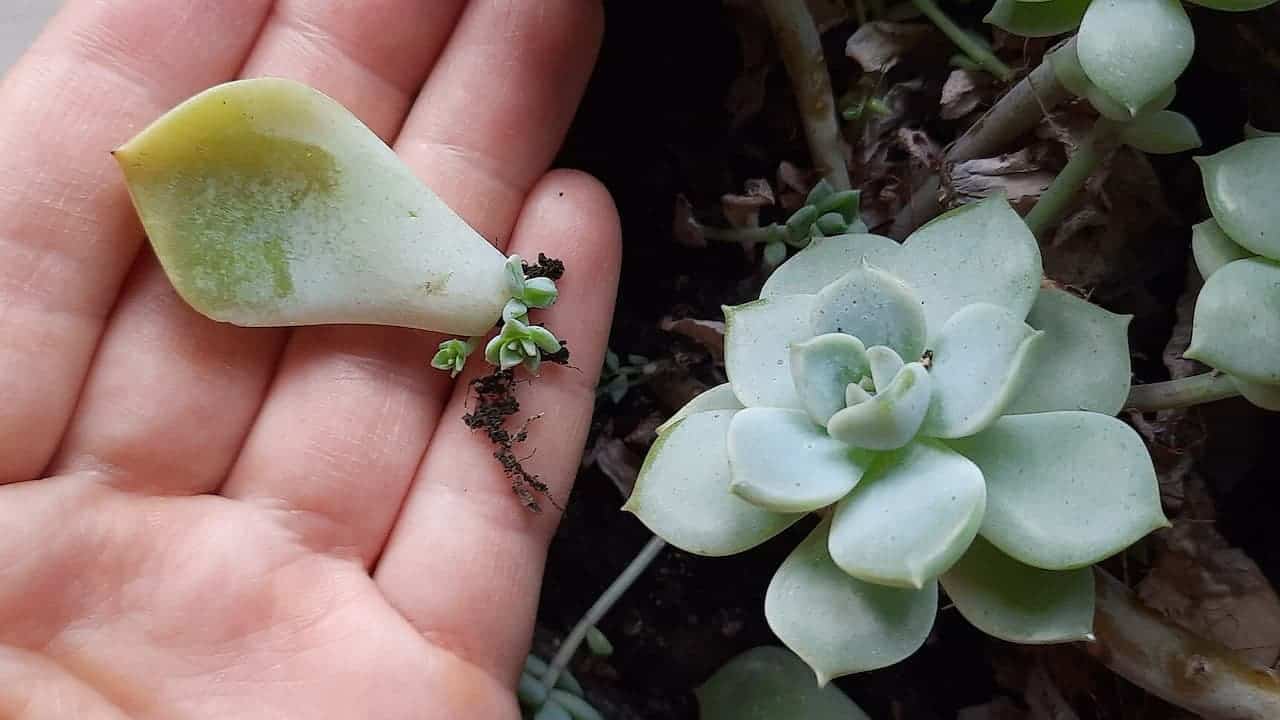
When you use cuttings, grafts, or buds from infected plants, you can unknowingly spread viruses. These methods transfer not just healthy tissue but any viruses present in the original plant.
Vegetative propagation is common in gardening and farming, making it important to inspect your plant material carefully. Using virus-free stock helps keep your plants healthy and prevent disease spread.
Spread by beetles crawling on plants

When beetles crawl on your plants, they can pick up viruses from infected areas. These viruses move efficiently through the plant because beetle-transmitted viruses spread well inside plant tissues.
As beetles travel from plant to plant, they carry viruses on their bodies. This increases the chance your healthy plants might get infected. Watching for beetle activity helps you protect your garden.
Western flower thrips as virus vectors

You might not realize it, but western flower thrips can spread harmful plant viruses. These tiny insects transmit viruses like tomato spotted wilt virus by carrying them inside their bodies.
The virus must circulate through the thrips before it can infect your plants. Managing these pests helps protect your garden from disease outbreaks.
Direct contact between plants

You can spread plant viruses simply by letting infected plants touch healthy ones. When plants come into direct contact, viruses can move through their sap or tissues.
Be careful when handling plants, especially if they are crowded close together. Even a gentle brush can transfer viruses from one plant to another.
Human handling of infected plants

You can spread plant viruses simply by touching infected plants. The virus can stick to your hands, tools, or clothing and then transfer to healthy plants.
Even pruning or moving infected plants can unintentionally carry viruses. Washing your hands and disinfecting tools regularly helps reduce this risk.
Remember, the virus won’t infect you, but it can easily travel from plant to plant through your actions.
Spread by grazing animals

You might not realize it, but grazing animals like deer and rabbits can carry plant viruses from one area to another. When they feed, they often damage plants, creating openings for viruses to enter.
Your animals’ movement can increase virus spread by touching infected and healthy plants. Managing grazing patterns can help reduce this risk in your garden or pasture.
Transmission through contaminated pruning tools
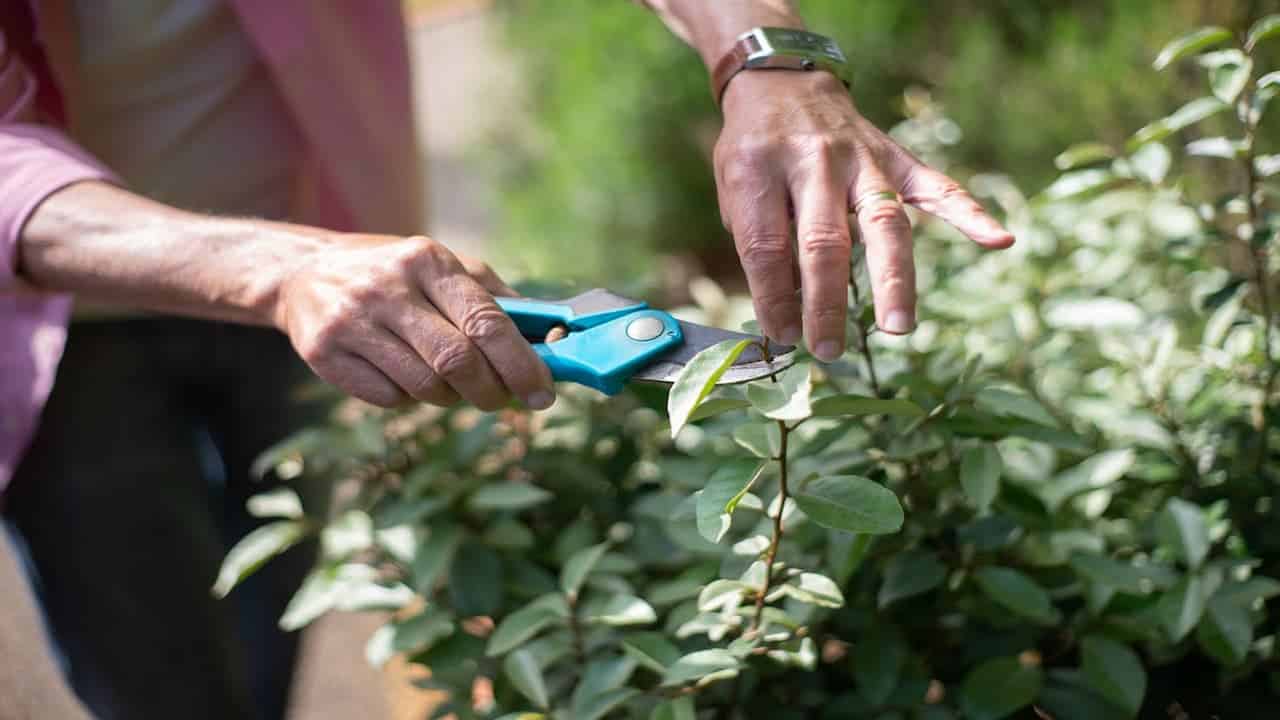
You can spread plant viruses easily if your pruning tools are contaminated. When you cut an infected plant, viruses can stick to your tools and transfer to healthy plants during the next cut.
To protect your garden, always clean and sterilize your pruning tools between uses. This simple step helps stop viruses and viroids from moving around your plants.
Spread by soilborne fungi

You might not realize it, but some fungi living in soil can carry plant viruses. These fungi infect plant roots and pass viruses directly to your plants.
When you work with soil, these fungi can move from one plant to another. Keeping your tools clean and avoiding contaminated soil can help protect your garden.
Pay attention to soil health, as it plays a big role in controlling these hidden virus carriers.
Spread via infected pollen
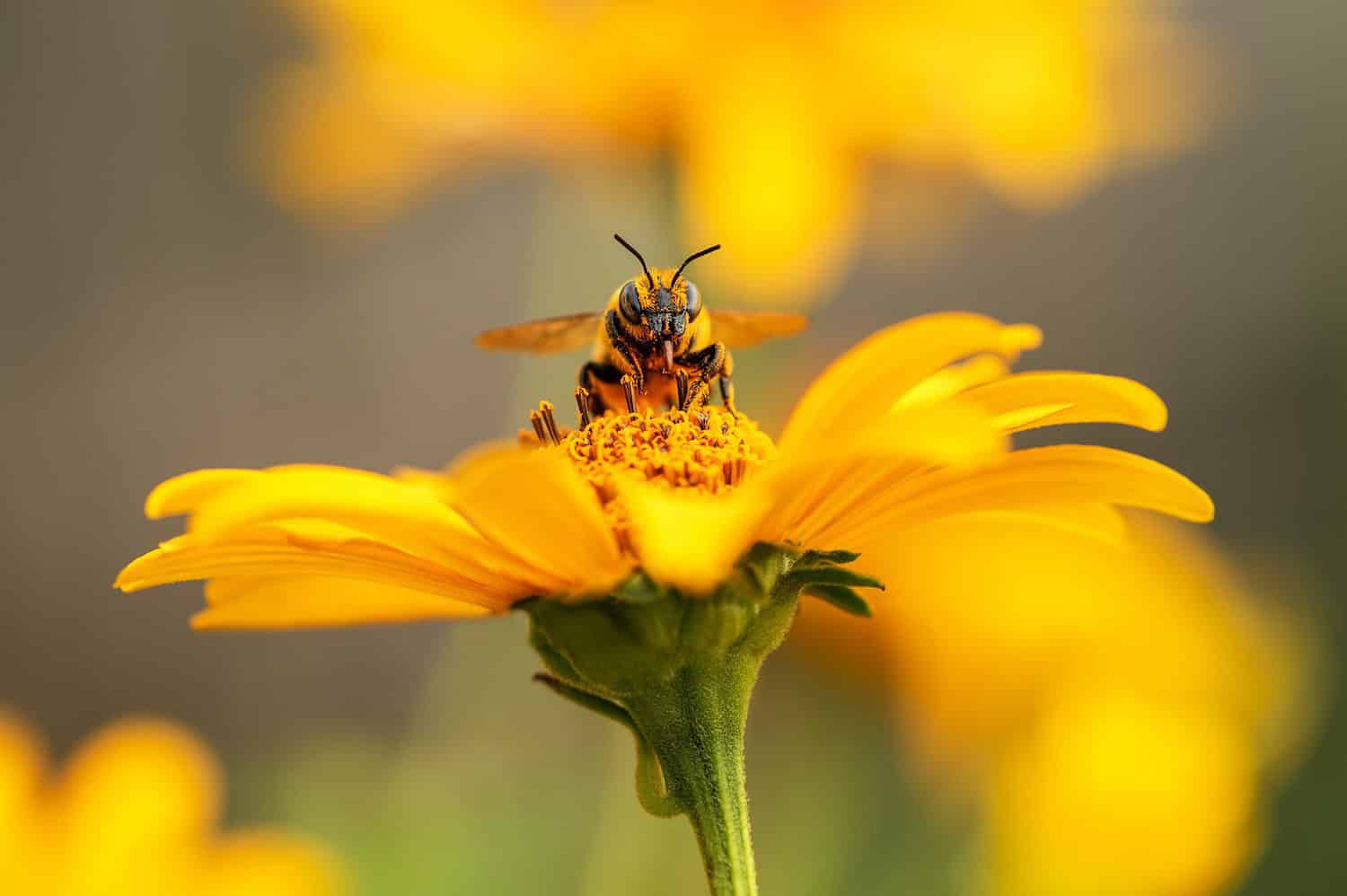
You can spread plant viruses when pollen from an infected plant reaches a healthy one. Pollinators like bees carry this virus-loaded pollen as they move between flowers in your garden.
Infected pollen can introduce viruses directly to the reproductive parts of plants, helping the virus move quickly. Be aware that handling or moving plants with infected pollen can also spread viruses to other plants nearby.
Transmission through dodder (Cuscuta) parasitic plants
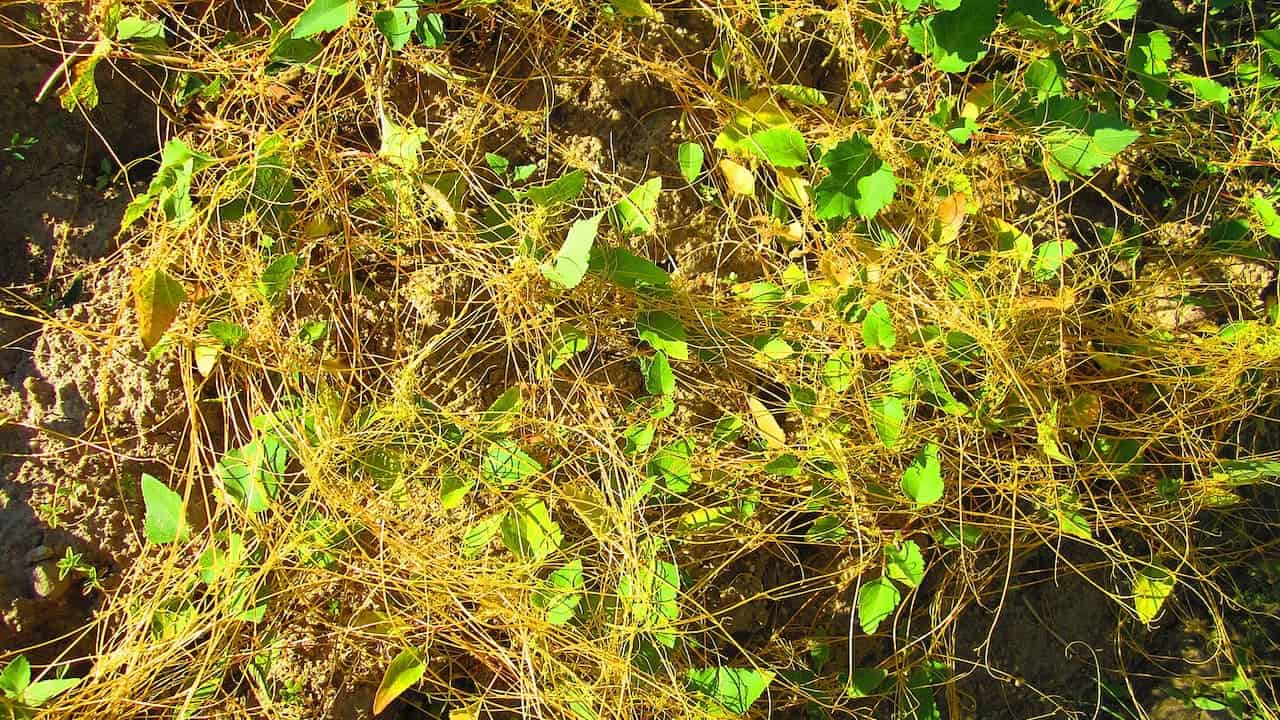
You might not realize it, but dodder plants can spread viruses between your crops. These parasitic plants connect to multiple hosts, creating a bridge where viruses can easily travel.
When dodder attaches, it transfers not only nutrients but also viruses and other pathogens from one plant to another. This makes controlling dodder crucial to prevent disease spread in your garden or farm.
Wind dispersal of insect vectors

You might not realize it, but wind can carry insects over long distances. These insects often carry plant viruses with them.
When insects like aphids or beetles get picked up by the wind, they can land on new plants. This helps spread viruses quickly across a wide area.
So, even if you don’t move plants yourself, wind can still help virus-carrying insects reach your garden or crops.