If your houseplants look like they’re on the edge of dying, don’t give up on them just yet. Many plants that seem dead can actually recover with a little care and attention.
You can often bring your struggling plants back to life by understanding their basic needs and making some simple adjustments. Knowing what factors affect their health is the first step to helping them thrive again.
Advertisement
Check for green under the bark with a scratch test

You can check if your plant is still alive by doing a simple scratch test. Use your fingernail or a small knife to gently scratch the bark on a branch or stem.
Look closely at the color beneath the bark. If you see green, your plant is still alive in that area.
If the layer is brown and dry, try scratching lower on the stem. Finding green bark means parts of your plant can still recover.
Remove dead or yellow leaves promptly

You should regularly check your plant for dead or yellow leaves. These leaves no longer help your plant and can attract pests or disease.
Gently remove them by pinching or trimming close to the stem. This helps your plant focus energy on healthy growth.
Keeping your plant clean also lets you spot problems early, so your plant stays healthier longer.
Hydrate the plant by soaking the pot in water for 15-30 minutes

If your plant looks dry and the soil is hard, try soaking the entire pot in water. Place it in a sink or bucket filled with lukewarm water and let it sit for 15 to 30 minutes.
This method allows the soil to absorb moisture evenly, reaching all the roots. It helps when watering from the top just isn’t enough or water runs off the sides.
After soaking, let the pot drain before putting it back in its usual spot. Keep an eye on your plant to see how it responds.
Inspect roots for rot; trim mushy parts carefully

Start by gently removing your plant from its pot to check the roots. Look for any that are brown, black, or mushy—these are signs of root rot.
Use sterilized scissors to trim away the damaged roots. Be careful not to cut healthy ones, as they are essential for your plant’s recovery.
Rinsing the roots with water can help you see the damage more clearly. After trimming, replant in fresh, well-draining soil to prevent further rot.
Repot in fresh, well-draining soil

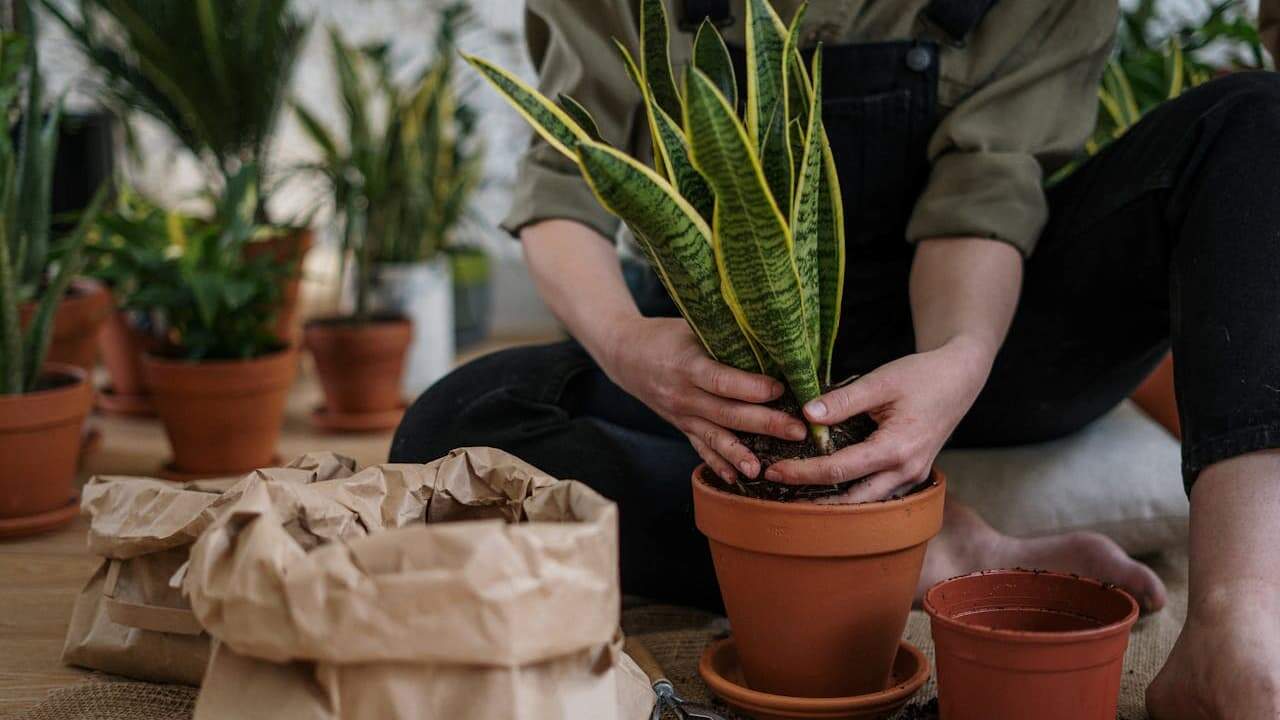
When your plant struggles, repotting it in fresh soil can make a big difference. Use a soil mix that drains well to prevent root rot and keep the roots healthy.
You can improve drainage by adding materials like perlite, sand, or orchid bark. Pick a pot slightly larger than the current one to give your plant room to grow.
After repotting, water thoroughly and let excess water drain out. This helps settle the soil and encourages strong root growth.
Avoid overwatering; let top inch of soil dry before watering
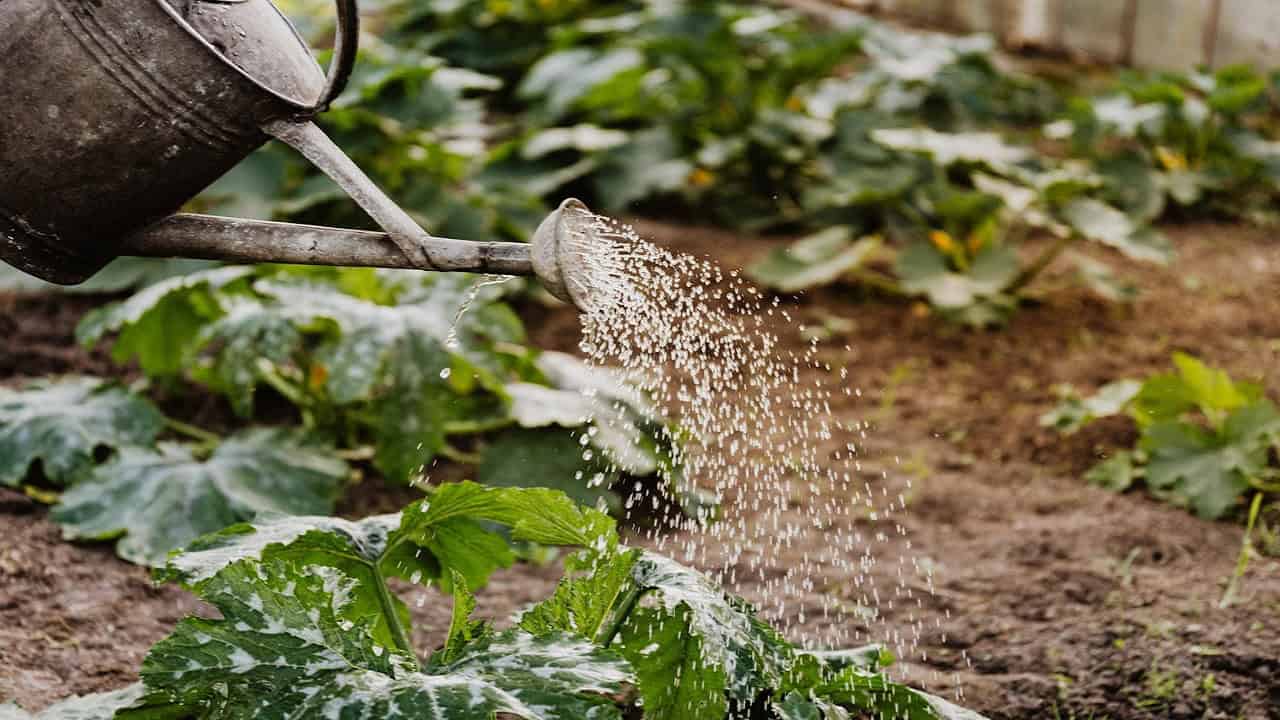
You should always check if the top inch of soil is dry before watering your plant again. This helps prevent water from sitting too long, which can damage roots.
Using your finger or a moisture meter can make this easier. Giving your plant time to dry out supports healthier growth and helps avoid common problems caused by overwatering.
Use filtered or distilled water to avoid chlorine damage

You can help your houseplants recover by using filtered or distilled water. These types of water have fewer chemicals like chlorine and fluoride, which can sometimes harm sensitive plants.
If you only have tap water, let it sit out for 24 hours before using it. This helps chlorine evaporate, making the water safer for your plants. You can also use a carbon filter to reduce contaminants in tap water.
Place plant where it gets appropriate light levels

You need to find the right light balance for your plant. Most houseplants prefer bright, indirect light, but some do better in lower light.
If your plant is stretching or leaning toward a light source, it’s a sign it needs more light. Try moving it closer to a window or use a grow light if natural light is limited.
Avoid sudden changes in light. Gradually adjust the plant’s position to help it adapt without shock.
Increase humidity with a pebble tray or humidifier
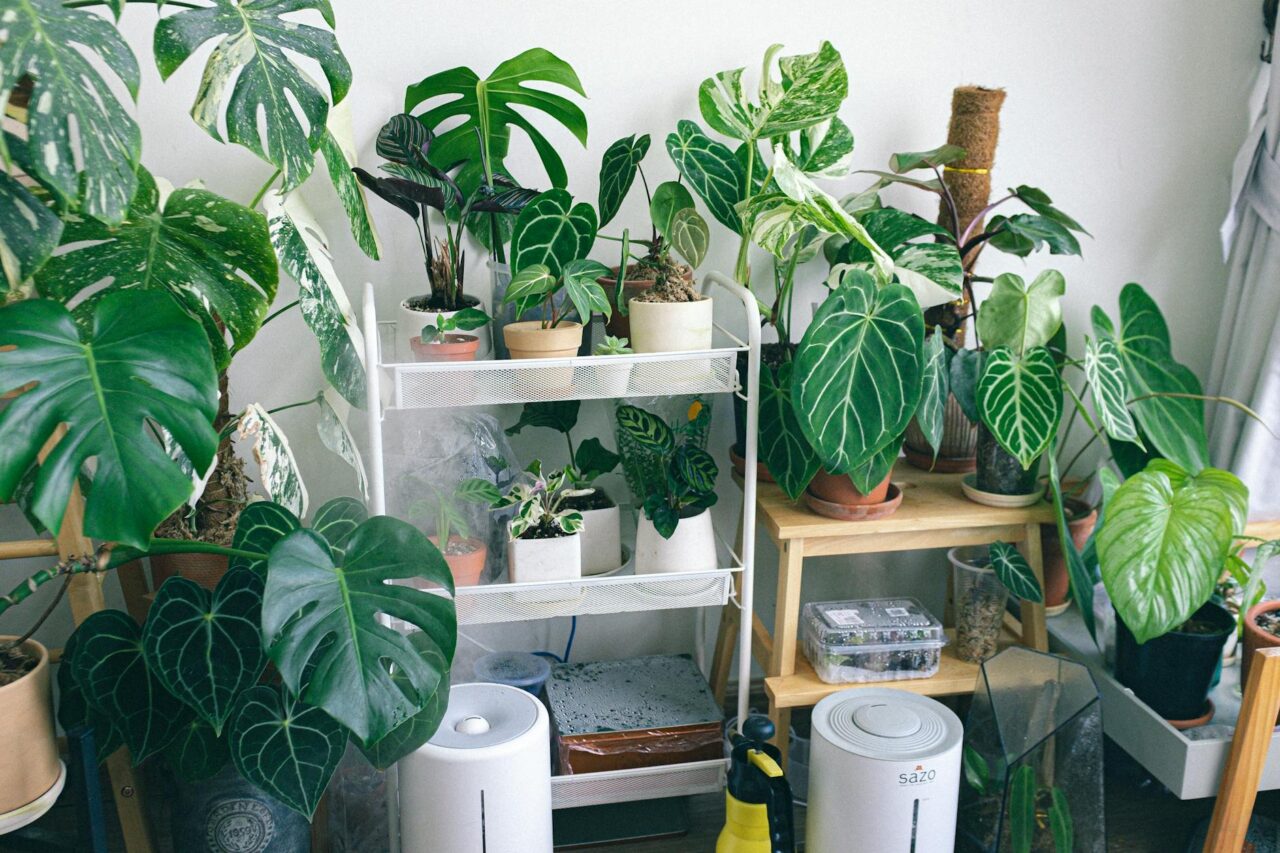
If your plant looks dry or has browning leaf tips, boosting humidity can help. You can set a pebble tray by filling a shallow dish with water and placing pebbles on top. Put your pot on the pebbles so it doesn’t sit in the water directly.
As the water evaporates, it raises moisture around your plant. Keep in mind, the effect is mild and works best close to the tray. For stronger humidity, consider using a humidifier near your plants, especially in dry indoor air.
Create and maintain a consistent watering schedule
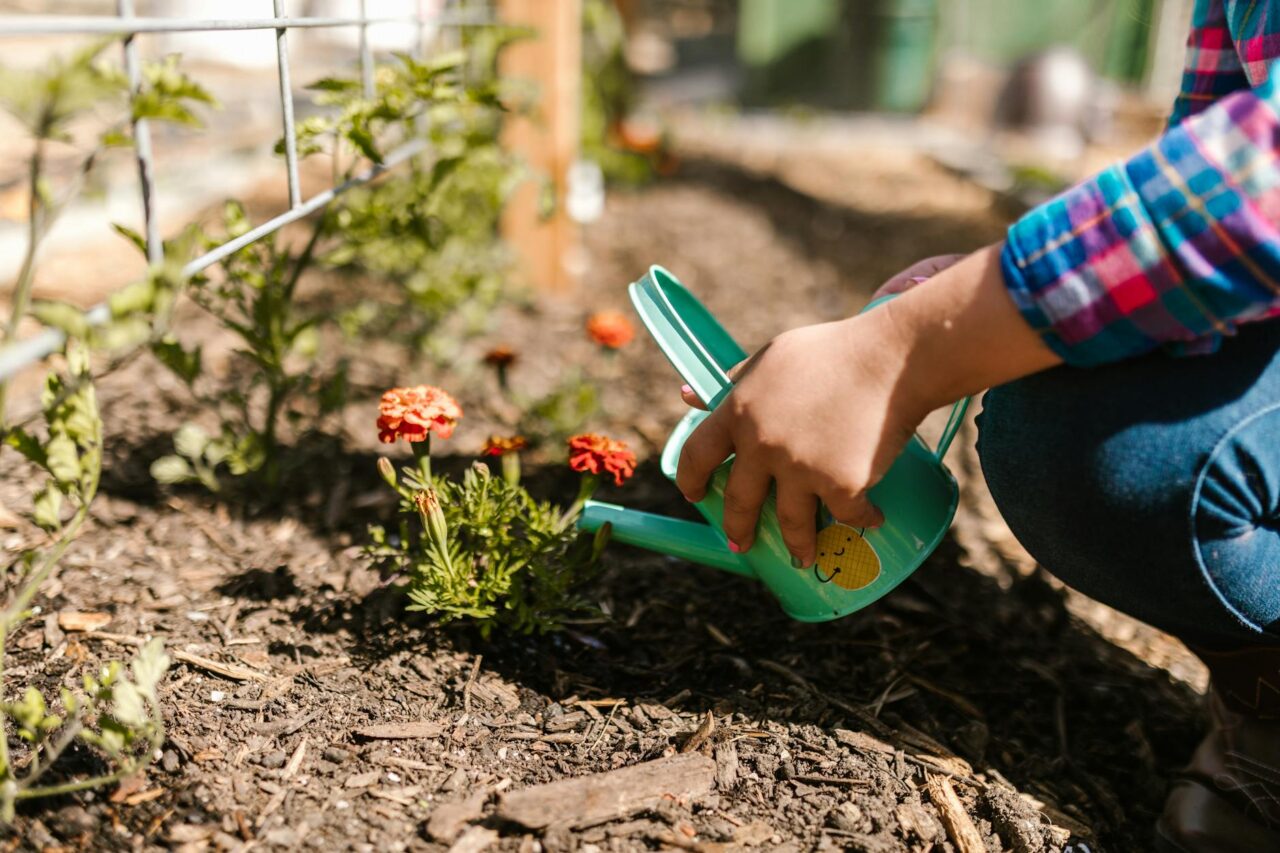
You should check your plant’s soil regularly. If the top inch feels dry, it’s time to water.
Stick to a routine that suits your plant’s needs. Tropical plants often like moist soil, but too much water can cause root problems.
Adjust your schedule based on your plant’s environment. More light or heat means it might need water more often.
Isolate the plant to prevent pest spread

If you notice pests on your struggling plant, move it away from your other houseplants right away. This helps stop pests like aphids or spider mites from spreading.
Keeping your plant isolated makes it easier to treat without risking your whole collection. Check it regularly to catch any new signs of infestation quickly.
Treat pests immediately with natural insecticidal soap
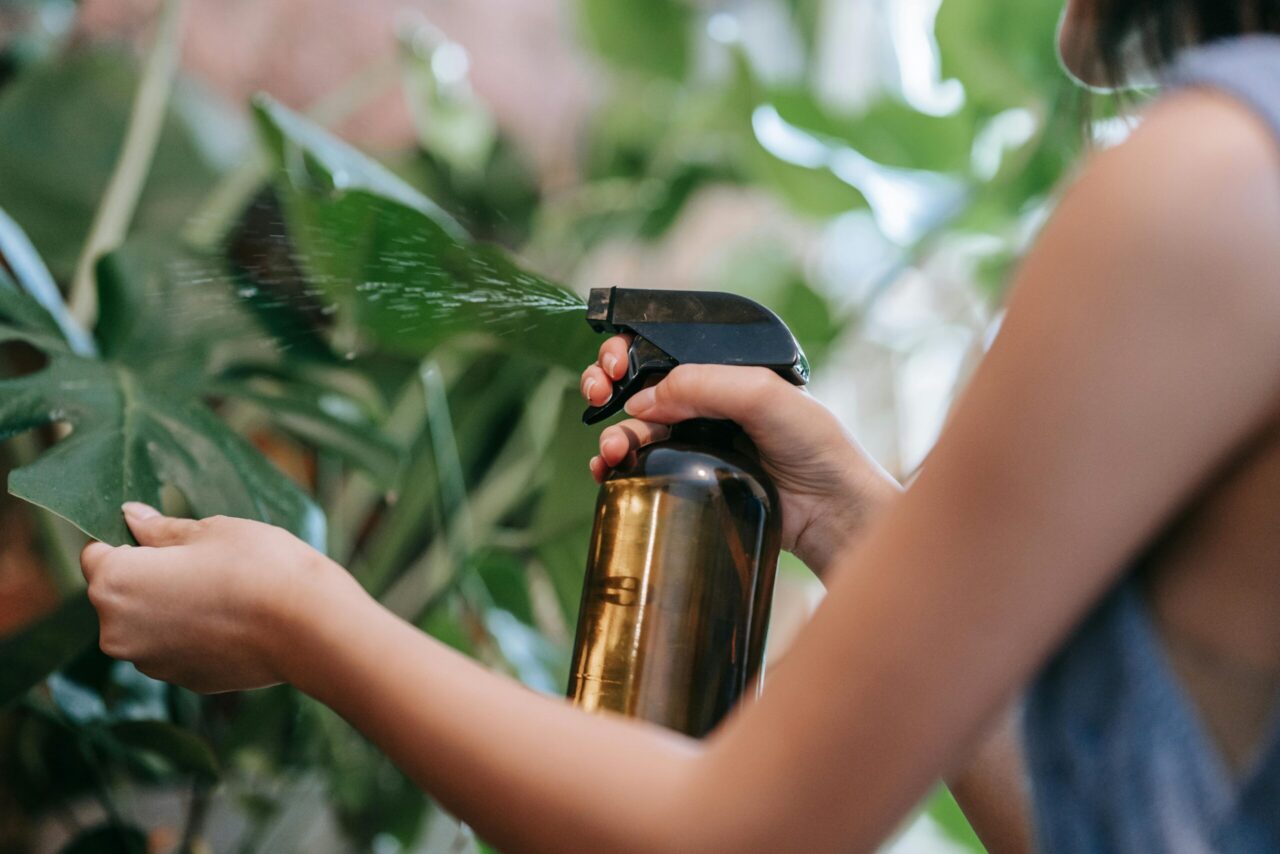
If you notice pests on your houseplants, act quickly to prevent harm. Natural insecticidal soap is a great option because it kills soft-bodied insects without harsh chemicals.
You can make your own by mixing mild liquid soap with water. Spray this solution directly on the pests and affected areas of your plant.
This method works by breaking down the pests’ protective coating, causing them to dry out. It’s safe for most plants and won’t hurt beneficial insects around your home.
Prune dying stems to encourage new growth

You should trim away any dead or dying stems using clean, sharp scissors or pruning shears. This helps your plant focus energy on healthy parts instead of struggling to sustain damaged growth.
Check the stems carefully; if they snap easily or look dry inside, cut them back to where the stem is still green. Removing old, weak stems encourages your plant to produce fresh, stronger shoots.
Provide balanced, slow-release fertilizer sparingly

You want to give your houseplants nutrients without overdoing it. Slow-release fertilizer is a great choice because it feeds your plants gradually over weeks. This steady supply helps prevent nutrient shock.
Choose a balanced formula that includes nitrogen, phosphorus, and potassium. Apply it sparingly, following the package instructions to avoid buildup. Too much fertilizer can stress or damage recovering plants.
If you use slow-release pellets or granules, mix them gently into the soil surface. This helps nutrients reach the roots as your plant starts to recover and grow.
Use a spray bottle to mist leaves for extra moisture
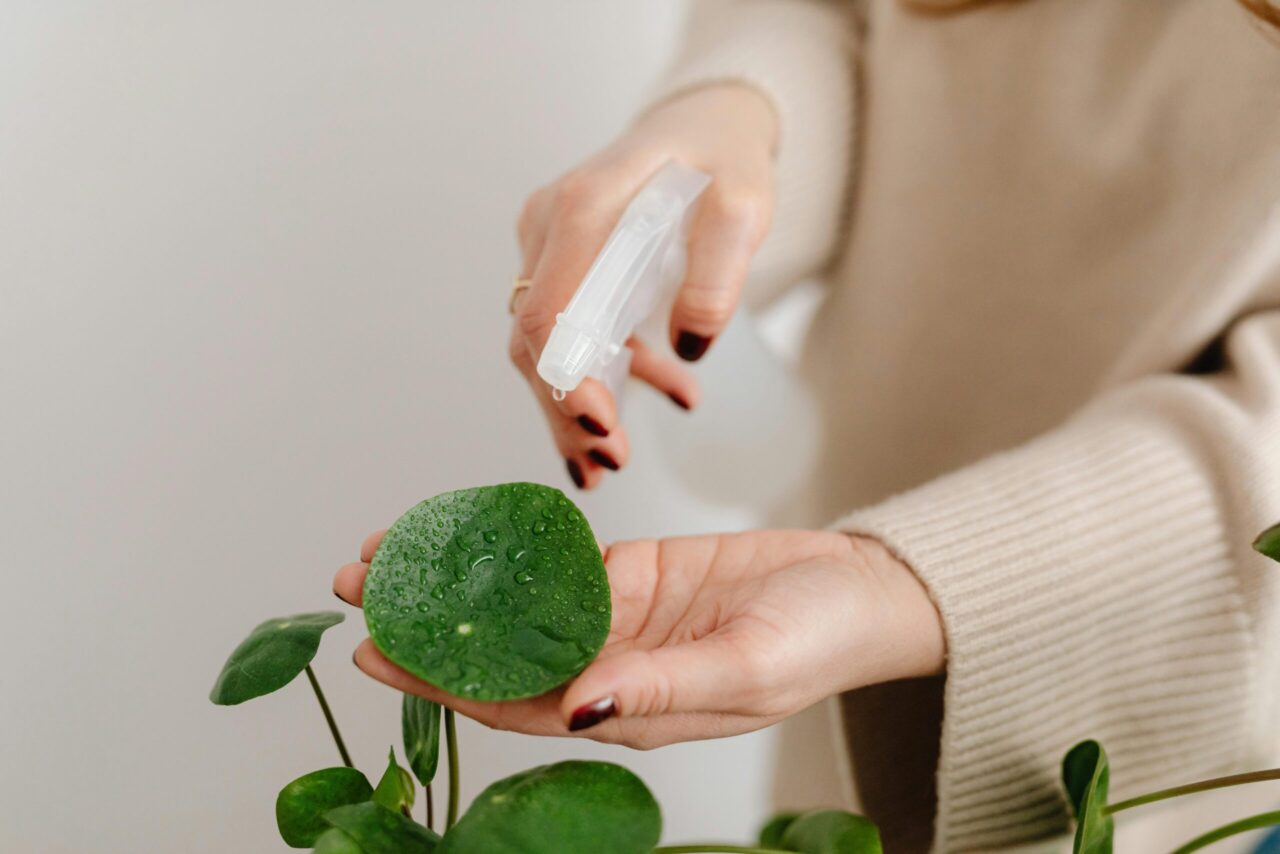
Using a spray bottle to mist your plant’s leaves adds humidity, which some plants really appreciate. Fill the bottle with lukewarm or room temperature water for the best results.
Mist your plants in the morning so the leaves have time to dry during the day. This helps prevent fungal issues.
Aim for a fine mist rather than large droplets to avoid water sitting too heavily on the leaves. You can gently spray both the tops and bottoms of the leaves for even moisture.
Understanding Why Houseplants Die

Knowing the specific signs your plant shows and the environmental causes behind its condition is key to bringing it back to health. You’ll want to spot issues early and understand what changes around your plant might be affecting it.
Common Signs of Plant Distress

Watch out for wilting, yellowing, or browning leaves, which often indicate problems with water or nutrients. Leaves turning brown at the edges can mean underwatering or low humidity, while yellow leaves can suggest overwatering or nutrient deficiency.
Pay attention to the texture and firmness of the leaves. Limp or mushy leaves often point to root rot caused by too much water. Also, slow or stunted growth signals that your plant may be stressed or lacking in light or nutrients.
Removing dead or damaged leaves promptly helps the plant focus energy on healthy growth. Checking the soil regularly for dampness can prevent root problems before they start.
Environmental Factors That Impact Houseplants

Sudden changes in temperature, light, or humidity can shock your plant. Most houseplants prefer stable conditions, so drafts or moving them into direct sunlight too quickly might cause stress.
Overwatering is the most common killer. Soil that stays wet for too long can suffocate roots and lead to rot. Make sure pots have drainage holes and that the soil dries out between waterings.
Tap water quality also matters. Chlorine, fluoride, and minerals like calcium can build up in soil and harm sensitive plants. Using filtered or distilled water can prevent these issues.
Strong airflow or very dry air can cause leaf browning and weaken your plant’s defenses. Try to keep humidity levels consistent, especially during winter heating.
Long-Term Plant Recovery Tips
Giving your plant a chance to fully bounce back means sticking to a solid care plan and knowing when it’s smart to get extra help. These steps ensure your houseplant won’t just survive, but gradually get stronger over time.
Building a Consistent Care Routine
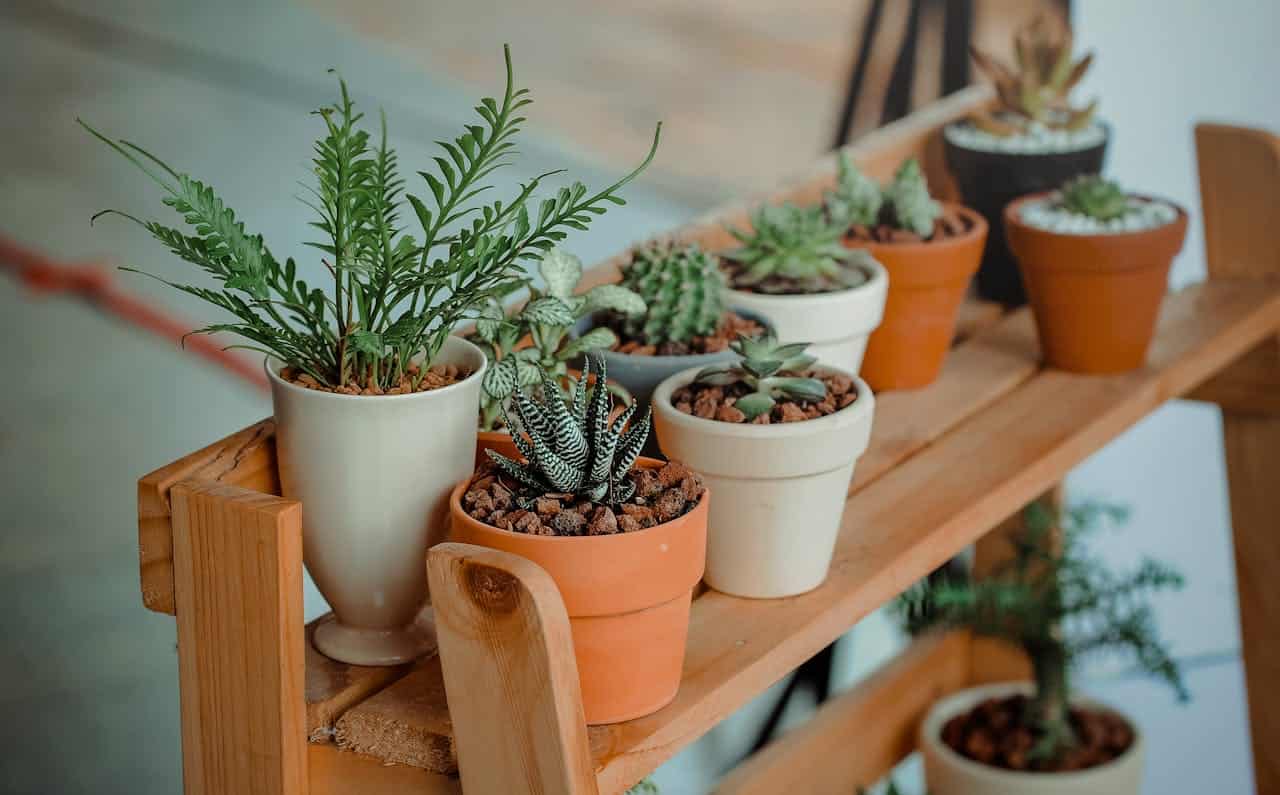
Consistency is key when nursing a plant back to health. Start by setting a watering schedule based on your plant’s specific needs—overwatering or underwatering can stall recovery. Use a moisture meter or simply check the soil regularly.
Feeding your plant every 4-6 weeks during the growing season with a balanced liquid fertilizer helps provide essential nutrients. If you prefer organic options, worm castings or compost can support your plant’s growth naturally.
Humidity plays a major role for tropical plants. Grouping plants together or using a pebble tray with water can create a more humid microclimate. Avoid relying on misting alone since it only offers short-term moisture.
Finally, monitor light exposure. Adjust your plant to indirect sunlight or bright shade according to its type. Keep your environment stable, avoiding drafts or sudden temperature changes.
When to Seek Expert Advice
If your plant shows no signs of improvement after several weeks despite your efforts, it might be time to consult a professional. Serious root problems like rot or pests sometimes require specialized treatment beyond basic care.
You can reach out to local nurseries, extension services, or plant care forums that offer diagnostic help. Don’t hesitate to share clear photos and details about your plant’s symptoms.
Also, if you’re unsure about repotting or using fertilizers, experts can guide you safely. Remember, preventing further damage is as important as promoting recovery.
Knowing when to ask for help prevents frustration and gives your plant the best shot at long-term health.