As an avid outdoors person and a DIY enthusiast, I’ve always found joy in completing outdoor projects. However, these projects can sometimes be a bit harsh on the wallet, which can take away some of the excitement. But over the years, I’ve learned some handy tricks to cut costs without compromising on the quality of my projects.
I’ll be sharing 15 ways I’ve managed to save money on outdoor projects. These tips are great for those who love to take on new DIY projects but want to keep a lid on expenses.
Advertisement
1. Plan Ahead

One of the most effective ways to save money on outdoor projects is to plan ahead. Before you start any project, take time to sit down and outline what you want to achieve. This will help you identify the materials you need, the tasks you need to undertake and the potential problems you may face.
By planning ahead, you can avoid unnecessary purchases and costly mistakes. For example, if you’re planning to build a deck, you can make sure you buy just the right amount of wood and other materials, thus avoiding waste. Additionally, by anticipating problems, you can plan for contingencies, which can help you avoid costly last-minute solutions.
2. Do It Yourself

Hiring professionals can be expensive. If you have the skills and the time, consider doing the project yourself. Not only will this save you money, but it will also provide you with a sense of achievement.
Of course, you should only undertake projects that you’re comfortable with. If a project involves complicated tasks or dangerous work, it’s better to hire a professional. But for simpler projects, like painting a fence or building a small garden shed, DIY can be a great, cost-saving option.
3. Shop Around

Shopping around for materials is another great way to save money. Different stores may offer the same products at different prices. By comparing prices, you can ensure that you’re getting the best deal.
Take advantage of sales and discounts whenever possible. Also, consider buying materials in bulk, as this can often be cheaper. For example, if you’re planning to plant a lot of flowers, buying seeds in bulk can save you a significant amount of money.
4. Use Recycled Materials
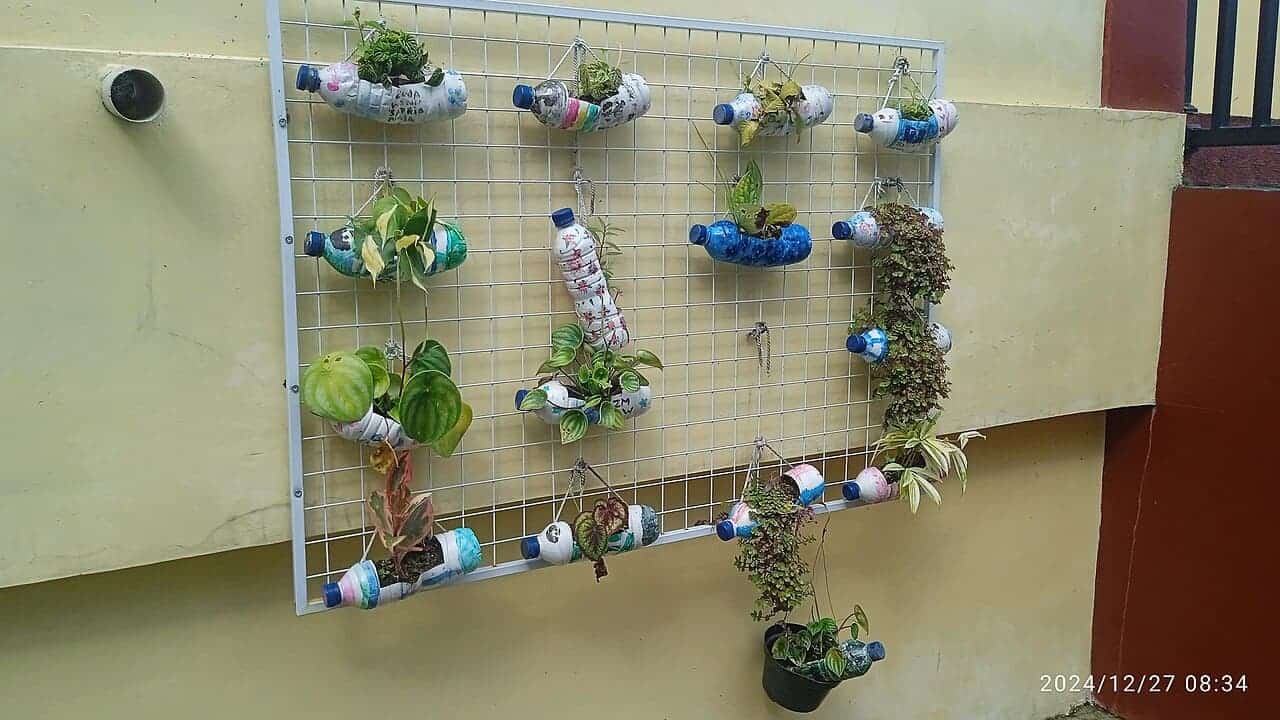
Recycled materials can be a great way to save money on outdoor projects. Many people throw away perfectly good materials that can be reused. By using recycled materials, you not only save money but also help the environment.
For example, old wooden pallets can be used to create a rustic garden bench. Old bricks can be used to create a beautiful garden path. The possibilities are endless, and all it takes is a little creativity.
5. Borrow or Rent Equipment

Instead of buying expensive equipment that you’ll only use once, consider borrowing or renting. Many home improvement stores offer equipment rental services. Additionally, you may have friends or neighbors who are willing to lend you the equipment you need.
Renting or borrowing equipment can save you a lot of money, especially for projects that require specialized tools. For example, if you’re planning to build a deck, you may need a power saw. Instead of buying one, you can rent it from a home improvement store or borrow it from a friend.
6. Take Advantage of Free Resources

There are many free resources available that can help you with your outdoor projects. YouTube, for example, has thousands of how-to videos that can guide you through various tasks. There are also many websites and forums where you can get advice from experienced DIYers.
By taking advantage of these resources, you can learn new skills and techniques that can help you complete your projects more efficiently and cost-effectively. For example, if you’re planning to build a garden shed, you can find free plans and tutorials online that can guide you through the process.
7. Do One Project at a Time
While it may be tempting to start multiple projects at once, this can lead to overspending. By focusing on one project at a time, you can ensure that you’re using your resources wisely.
By completing one project before starting another, you can also avoid the stress and chaos of having multiple unfinished projects. Furthermore, you can take the time to enjoy each completed project before moving on to the next one.
8. Reuse and Repurpose
Before you buy new materials, see if there’s anything you can reuse or repurpose. This can be a great way to save money and reduce waste.
For example, if you’re planning to build a garden bench, see if you have any leftover wood from previous projects. If you’re planning to plant a new garden, see if you can use compost from your kitchen waste instead of buying fertilizer.
9. Buy Quality Materials

While it may be tempting to buy cheap materials to save money, this can end up costing you more in the long run. Cheap materials can break or wear out quickly, forcing you to replace them sooner.
Instead, invest in quality materials that will last. While they may be more expensive upfront, they can save you money in the long run by reducing the need for repairs and replacements.
10. Use Native Plants
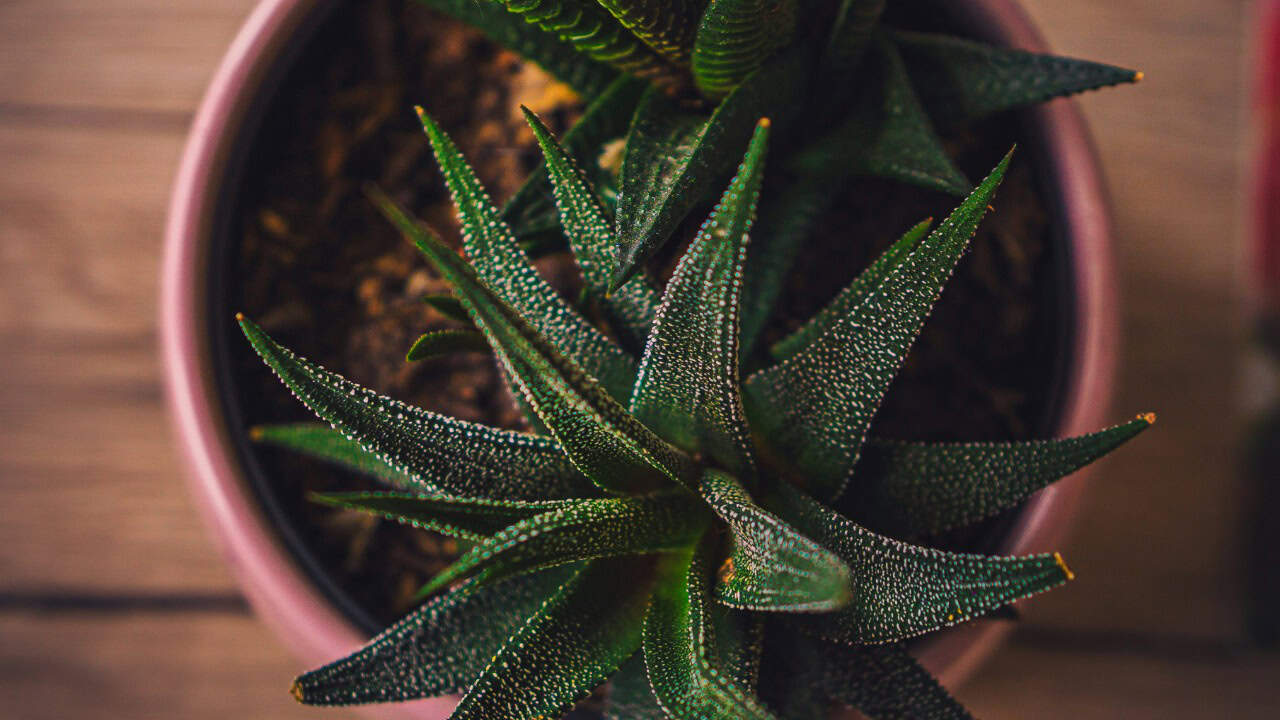
If you’re planning a landscaping project, consider using native plants. Native plants are adapted to your local climate and soil conditions, which means they require less maintenance and less water.
Not only can this save you money, but it can also help the environment by reducing water use and supporting local wildlife.
11. Trade and Barter

Consider trading and bartering with friends, neighbors, and local businesses. This can be a great way to save money and build community.
For example, if you have a friend who is an electrician, they might be willing to help you with a project in exchange for something you can offer, like help with a project of their own or a homemade meal.
12. Buy Used Equipment

Instead of buying new equipment, consider buying used. Many people sell perfectly good equipment that they no longer need. This can be a great way to get high-quality equipment at a fraction of the cost.
Check out online marketplaces, garage sales, and second-hand stores. Just make sure to inspect the equipment before you buy it to ensure it’s in good condition.
13. Learn to Maintain Your Tools
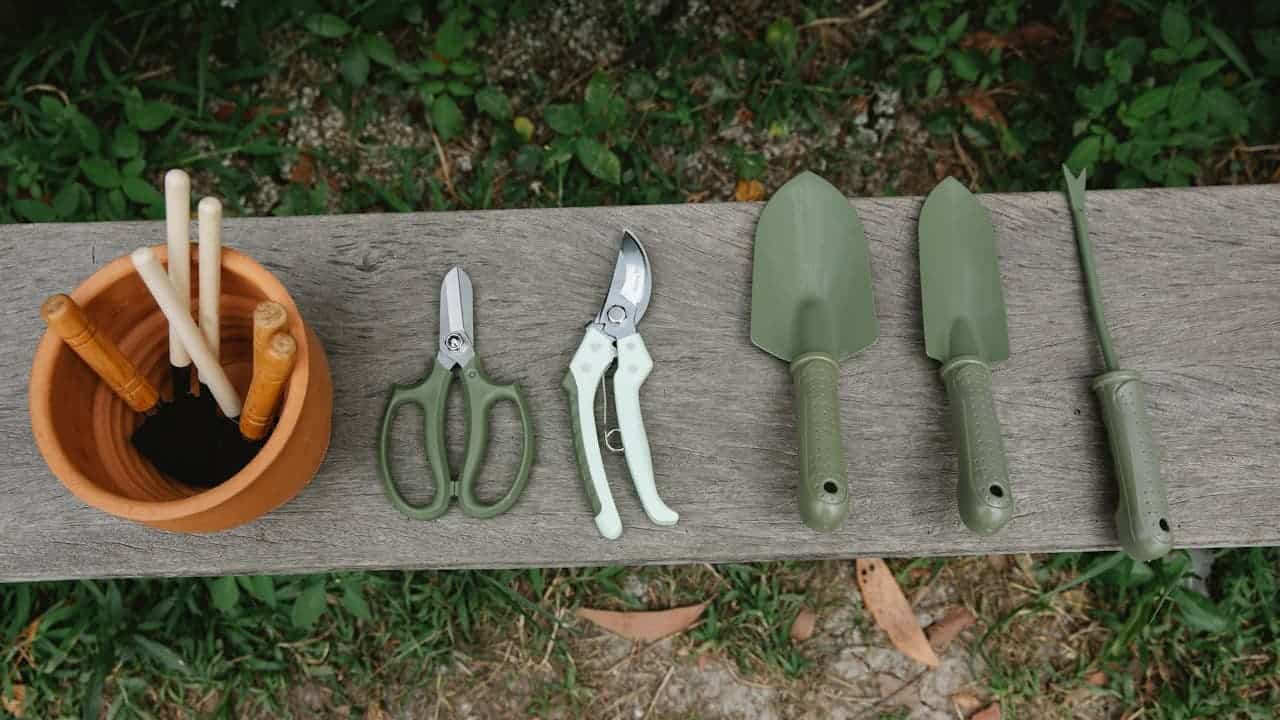
Proper maintenance can extend the life of your tools, saving you money in the long run. Learn how to clean, sharpen, and store your tools properly. This can prevent rust, wear and tear, and other damage.
There are many resources online that can guide you through the process of tool maintenance. By investing a little time and effort, you can save money and ensure your tools are always ready to use.
14. Be Patient

Sometimes, the best way to save money is to be patient. Instead of rushing into a project, take your time to plan, shop around, and wait for sales and discounts.
Patience can also help you avoid mistakes. By taking your time, you can ensure that you’re doing things right the first time, thus avoiding costly do-overs.
15. Learn from Your Mistakes

Finally, don’t be afraid to make mistakes. Mistakes are a natural part of DIY projects, and they can be great learning opportunities.
When you make a mistake, take the time to figure out what went wrong and how you can avoid making the same mistake in the future. This can help you improve your skills and save money on future projects.