As winter rolls in, the days grow shorter, the nights grow longer, and the temperature drops dramatically. One might start to dread the harsh chill that comes with the season. However, winter doesn’t have to feel like an icy invasion in your home.
With a few tweaks and adjustments, you can transform your home into a warm and cozy sanctuary, keeping the cold at bay. In this post, we’ll explore 15 ways I make my home feel warmer in winter, offering advice you too can use to create a snug and inviting environment.
Advertisement
1. Lay Down Rugs

Wall-to-wall carpeting might not be feasible or desirable for everyone, but a few strategically placed rugs can make a world of difference in a chilly room. Hardwood and tile floors may look beautiful, but they can feel icy cold underfoot in the winter.
Rugs act as an insulator, trapping cool air beneath them and provide a warm barrier between your feet and the floor. Plus, they can add a pop of color and coziness to any room. Opt for thicker rugs in high-traffic areas for maximum warmth and comfort. A shaggy rug in the living room or a plush runner in the hallway can make a significant difference.
2. Use Heavier Curtains

Cold air can seep into your home through windows, especially if they’re not double-glazed. Using heavier or thermal curtains during the winter months can help to keep your home warmer by creating an insulating barrier between the cold glass and your room.
Invest in a set of thermal curtains or simply line your existing curtains with a heavy material. When drawn, they will help to trap heat inside the room, reducing the need for high thermostat settings. Remember to open them during the day to let in sunlight and close them as soon as dusk falls to keep the chill out.
3. Add Throws and Blankets
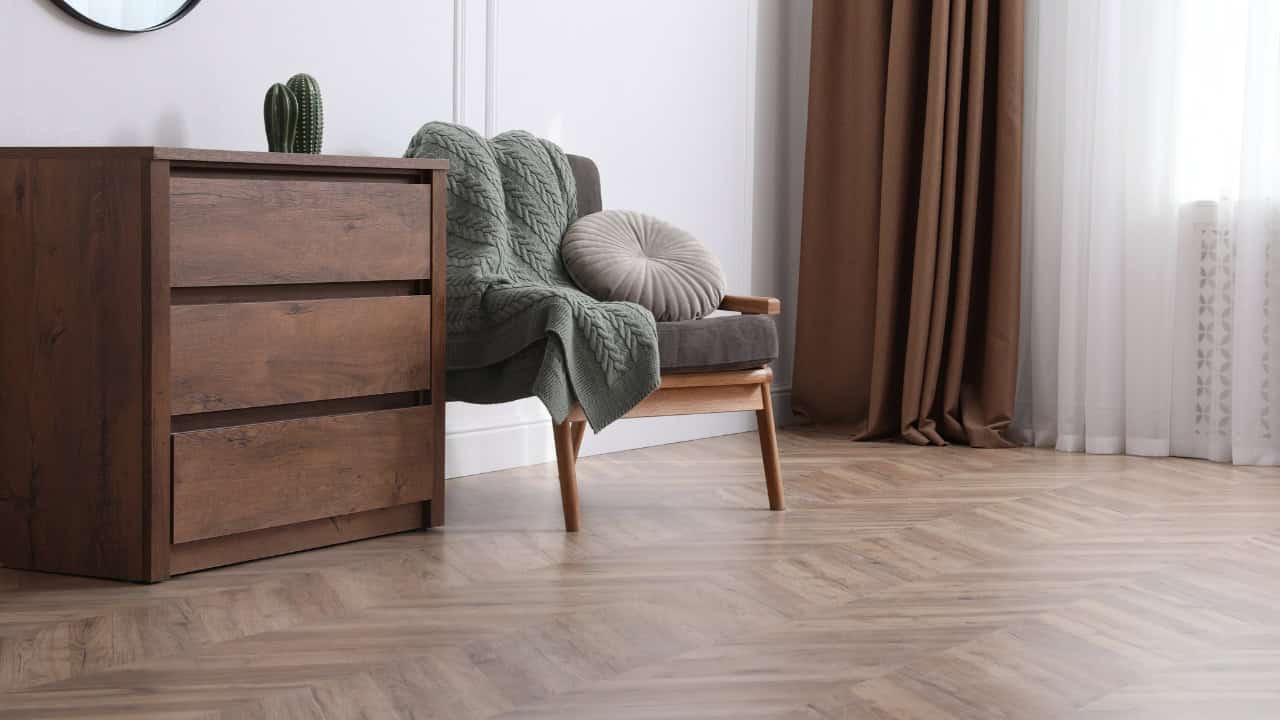
There’s nothing like curling up with a good book under a cozy blanket on a cold winter’s day. Throws and blankets are not just functional, they can also be a great way to add a warm aesthetic to your home.
Drape a plush throw over your sofa or chair for a cozy touch. Keep extra blankets handy in a decorative basket or trunk for easy access when the chill hits. Experiment with different textures and materials – fleece for its lightness and warmth, chunky knit for a cozy country feel, or faux fur for a touch of luxury.
4. Install a Fireplace or Wood-Burning Stove

While this may be a more substantial investment, installing a fireplace or wood-burning stove can provide both a practical and aesthetically pleasing solution to winter chill. There’s nothing quite like the crackle and glow of a real fire to make a room feel warm and cozy.
Beyond the physical warmth they provide, fireplaces and wood-burning stoves also add a visual warmth to a room. They can serve as a beautiful focal point and create a cozy ambiance. If installing a traditional fireplace isn’t an option, consider an electric or gas alternative. They require less maintenance and can still provide the warmth and cozy atmosphere you’re after.
5. Use Warm Lighting

The right lighting can make a room feel warmer and more inviting. In winter, it’s all about soft, warm lighting that creates a cozy ambiance. Think candlelight, fairy lights, and lamps with warm bulbs.
Switch out any cool, harsh white bulbs for ones with a warm glow. Use table lamps and floor lamps to create pools of light, and consider using dimmer switches so you can adjust the level of lighting to suit the time of day and mood. Fairy lights aren’t just for Christmas – a string of lights can add a magical warmth to any room.
6. Cook and Bake

There’s a reason comfort food and baking are popular in the winter months. Using your oven and stove can help heat your home while also filling it with the delicious smells of your favorite meals or baked goods.
Try making a pot of soup on the stove or roasting a chicken in the oven. The heat from cooking will help warm up your kitchen and even adjacent rooms. Plus, you’ll end up with a comforting meal to enjoy. Baking bread, cookies or a pie not only provides a warm treat but also fills your home with a comforting aroma.
7. Dress Your Bed for Winter

Switching out your bedding for the season can make a big difference in your comfort level. In winter, opt for flannel sheets, a down comforter, quilt, or heated blanket to stay warm at night.
Consider layering blankets for extra warmth and adding a throw blanket at the foot of the bed for a cozy touch. A bed skirt or dust ruffle can also help to block drafts that may come in under the bed. Don’t forget about your pillow – a flannel pillowcase will feel much warmer than cotton one when you first lay your head down.
8. Keep Doors Closed
It may seem obvious, but keeping doors closed can help to keep heat in certain areas and prevent it from dissipating throughout the house. This is especially useful for rooms that aren’t used as often.
If you have rooms that don’t get used much, like a guest room or storage room, keep the doors closed. This will help to keep the heat in the main areas of your home where you spend the most time. You can also close the doors to rooms that tend to be draftier to help prevent cold air from flowing into other areas.
9. Use a Humidifier

Dry winter air can not only be bad for your skin and respiratory system, but it can also make your home feel colder. Using a humidifier can help to add moisture back into the air, making the room feel warmer.
A humidifier can also help to reduce static electricity, which can be a problem in dry winter months. Plus, some humidifiers have the ability to diffuse essential oils, which can make your home smell great and provide additional relaxation benefits.
10. Put Up Wall Tapestries
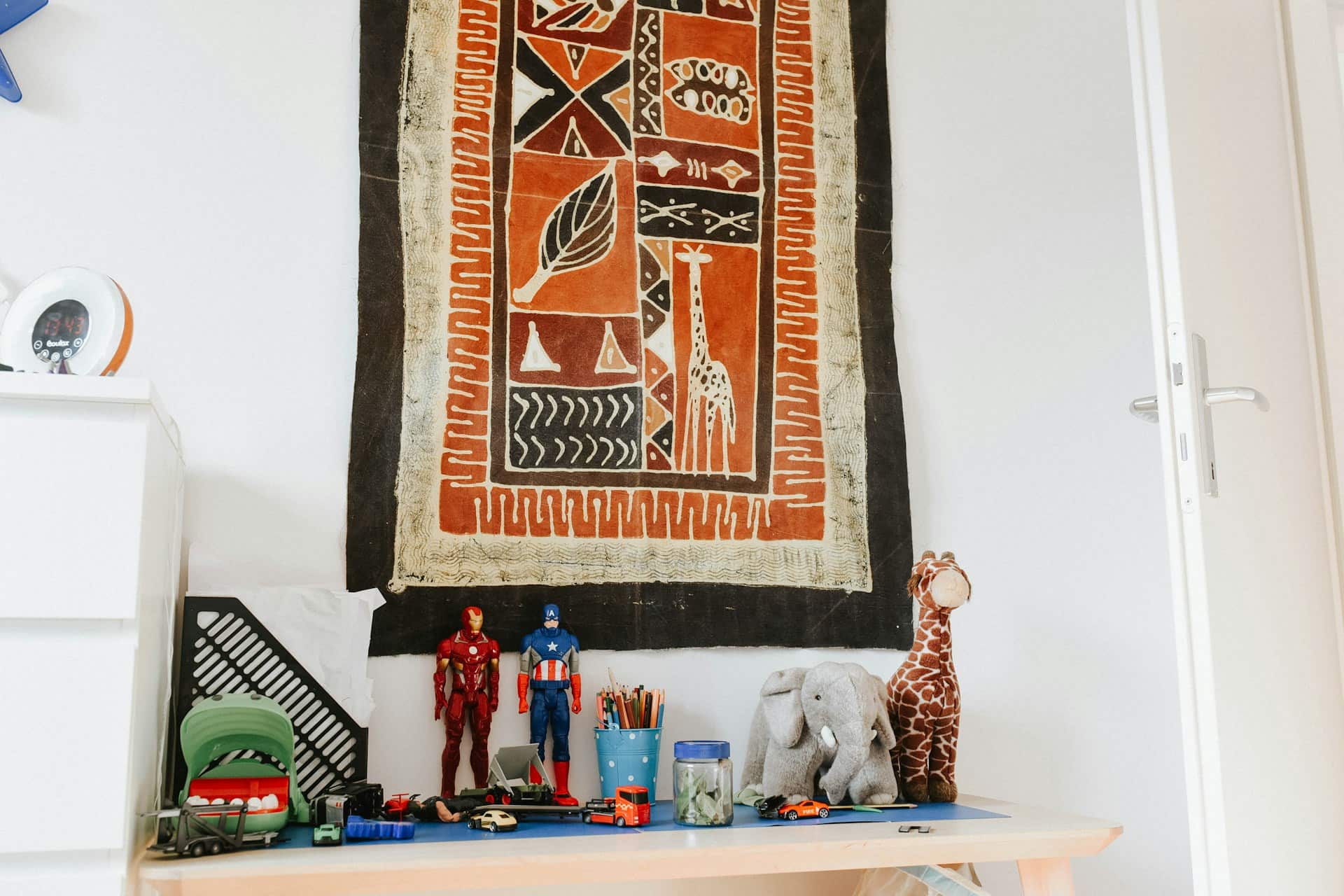
If you have a lot of exposed wall space, particularly if your walls are made of a material like brick or concrete, they can contribute to a colder feeling home. Hanging wall tapestries can help to insulate your home and add a touch of warmth and personality.
Tapestries come in a wide variety of designs and sizes, so you can find something that fits your style and the size of your space. They can be hung on the wall with simple push pins or hooks, making this a relatively easy and affordable way to warm up your home.
11. Use a Space Heater
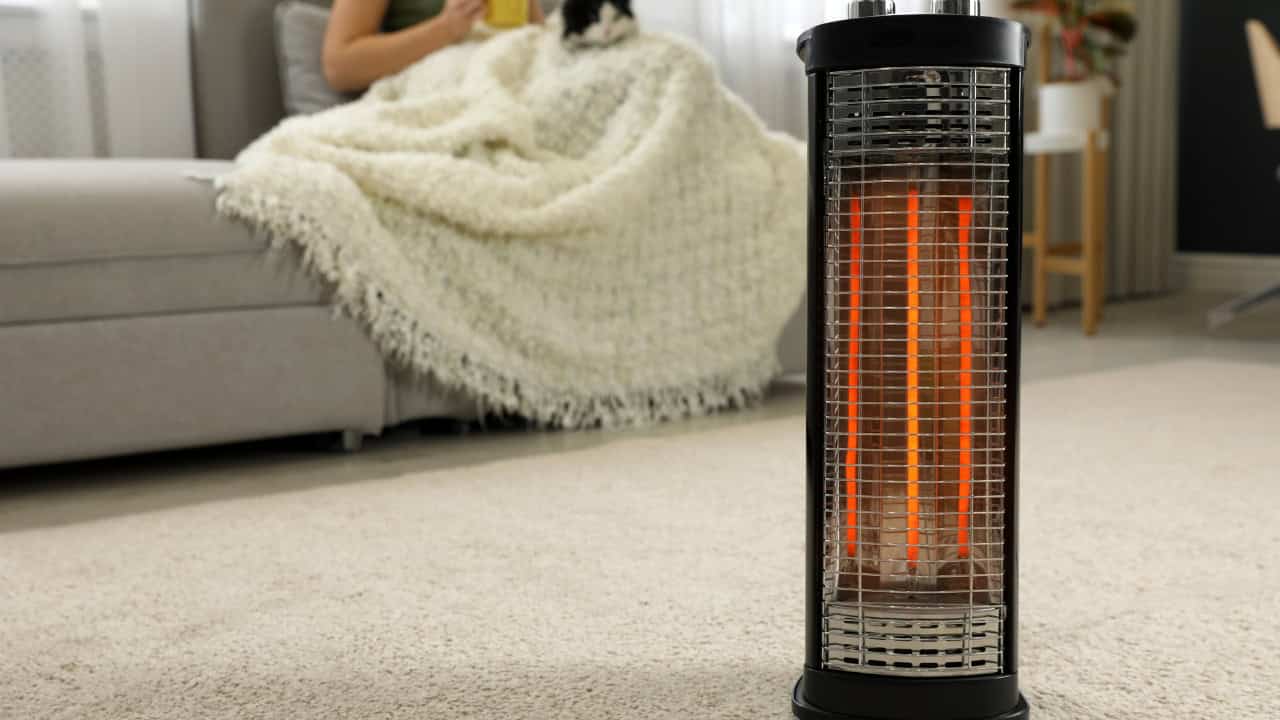
If you have areas in your home that are particularly drafty or cold, consider using a space heater. Space heaters can provide a lot of heat in a small area, making them great for warming up specific rooms or areas.
When using a space heater, be sure to follow all safety guidelines to prevent fires. This includes keeping the heater away from flammable materials, not using it while you’re sleeping or away from home, and ensuring it’s on a level, stable surface.
12. Add Some Greenery
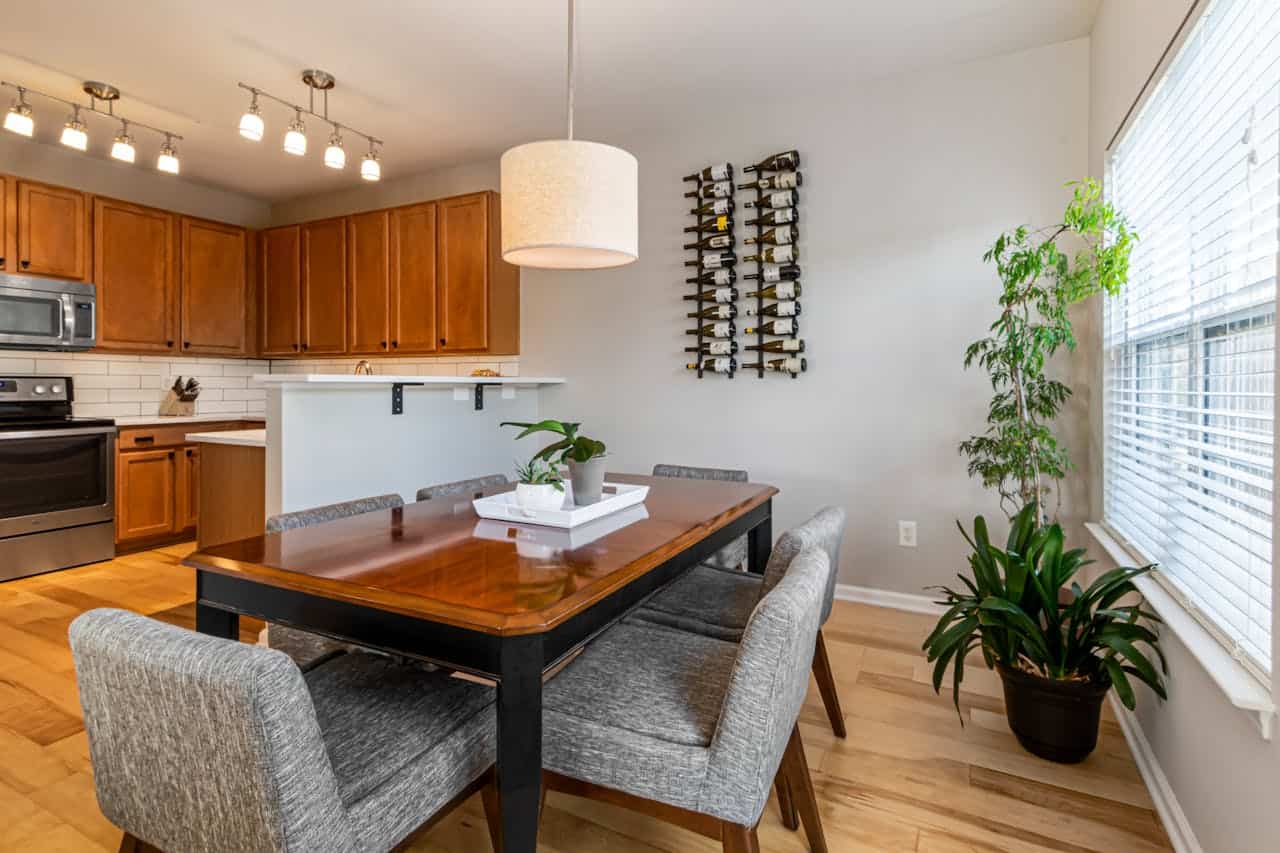
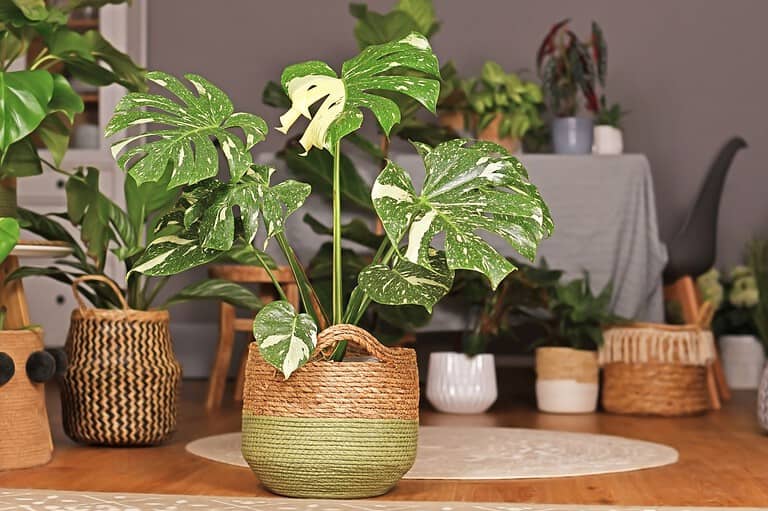
House plants can help to clean the air in your home, but they can also add a sense of warmth and life to your space. Choose plants that do well in lower light and cooler temperatures for the best results.
Consider hanging plants in front of windows to create a bit of an insulating barrier, or place larger plants in corners to fill in empty space. Even a few small plants on a shelf or table can add a touch of warmth and comfort to your home.
13. Use Warm Colors

Color can have a big impact on how warm or cool a room feels. Warm colors, like reds, oranges, and yellows, can make a room feel warmer, while cool colors like blues and greens can make a room feel cooler.
Consider adding pops of warm colors to your home through throw pillows, rugs, curtains, or wall art. If you’re feeling adventurous, you could even paint a wall or piece of furniture a warm color. Just remember, a little goes a long way – you don’t want to overwhelm your space with too much color.
14. Create a Cozy Nook
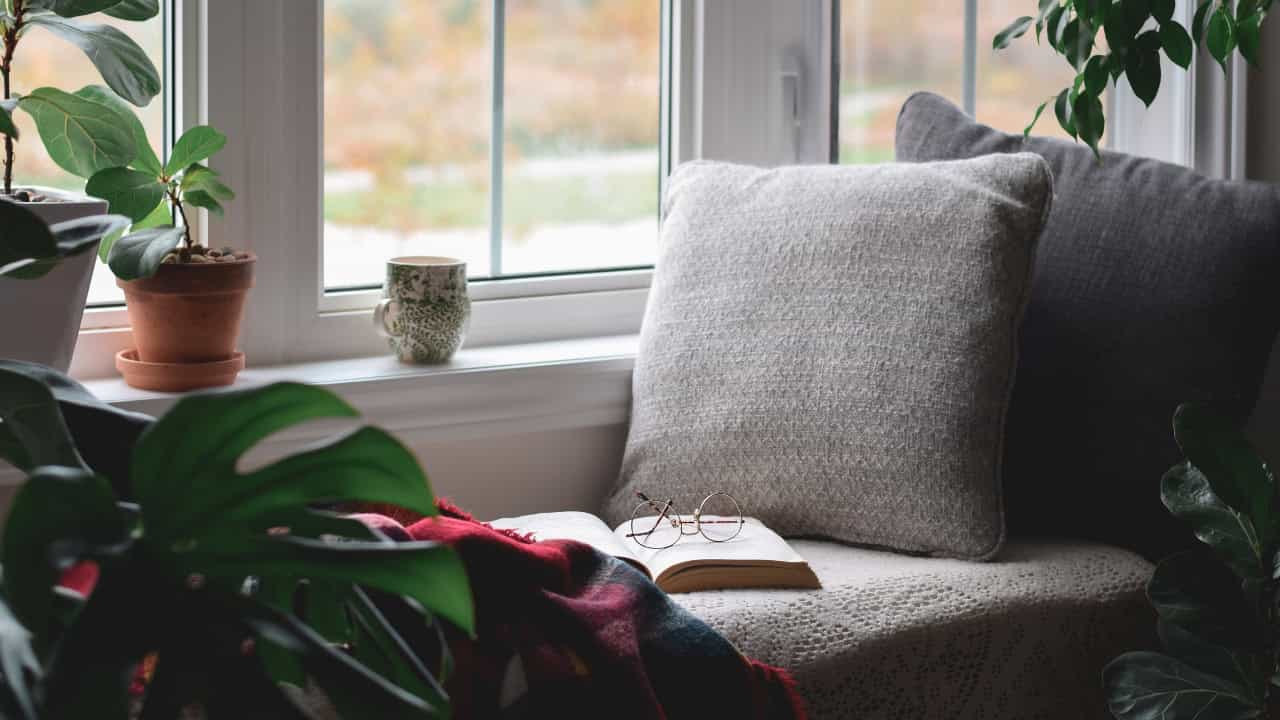
Sometimes, all you need to feel warm and cozy is a comfortable spot to relax. Creating a cozy nook in your home can provide a warm and inviting place to read, nap, or simply relax.
This could be as simple as a comfortable chair with a warm blanket and a good reading light, or it could be a more elaborate setup with a built-in window seat and shelves full of books. Whatever you choose, make sure it’s a space that invites you in and encourages you to stay awhile.