As a parent, the safety of my children is always my first concern, and that includes the outdoor space they play in. While it’s important for kids to experience nature and get their hands dirty, it’s equally important to ensure they are safe while doing so. I’ve spent a considerable amount of time making my outdoor space not only kid-friendly but also fun and engaging. In this post, I’ll share 15 ways I’ve achieved this, which I hope will inspire and help other parents to do the same.
1. Installing a Safe Playset
The playset is the heart of any kid-friendly outdoor space. When choosing a playset for my yard, I prioritized safety above all else. I looked for a playset with smooth, well-sanded surfaces, rounded corners, and sturdy construction. I also ensured that it had a proper fall surface—like rubber mulch or mats—surrounding it to soften any falls.
Advertisement
Additionally, the playset needed to be age-appropriate. For my toddlers, I chose a playset with a small slide, a sandbox, and a swing with safety straps. As they grow older, I plan to upgrade to a playset with more challenging features like a climbing wall or a higher slide. It’s important to choose a playset that matches your child’s abilities to prevent accidents and keep them safely engaged.
2. Setting Up a Fenced Area
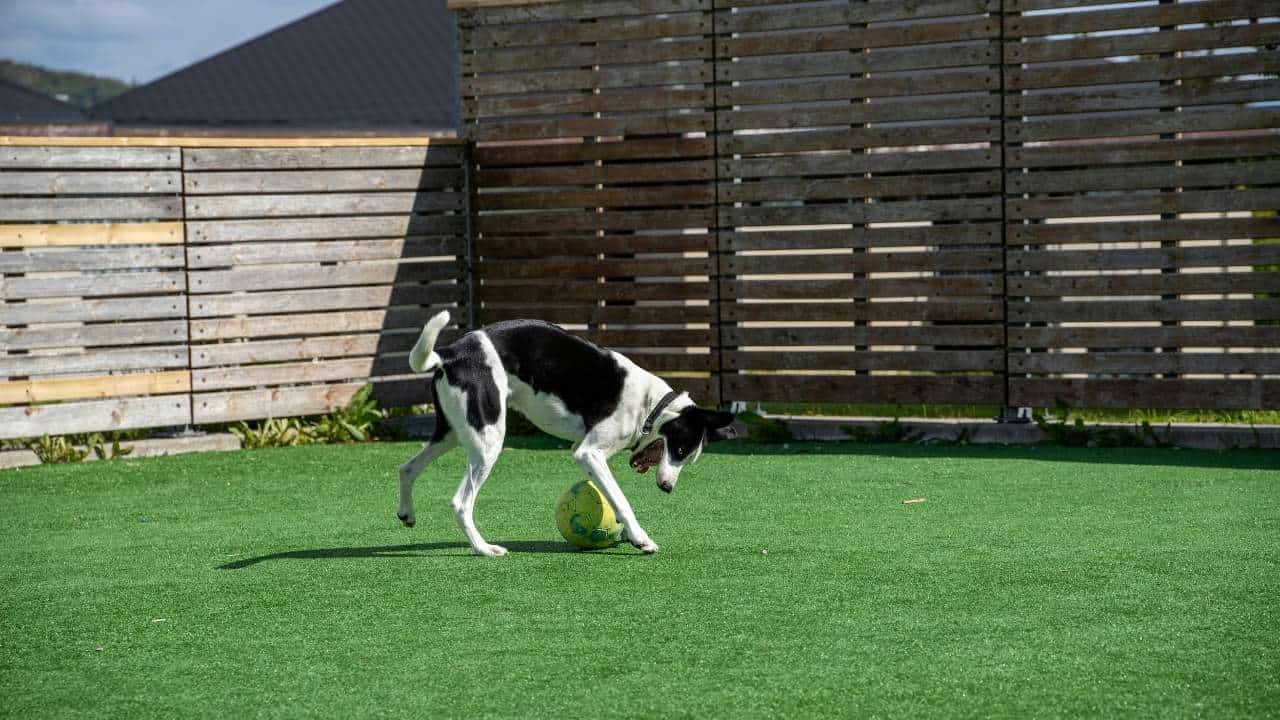
Another step I took was to enclose my outdoor space with a kid-friendly fence. This not only prevents my children from wandering off but also keeps unwanted visitors (like stray dogs or other animals) out. I chose a fence with vertical bars to prevent climbing, and ensured the bars were close enough together that my kids couldn’t squeeze through.
I also made sure that the fence was sturdy and stable, and didn’t have any sharp edges or points. For the gate, I installed a child-proof latch that my toddlers couldn’t easily open. Remember, the goal of a fenced area is to create a safe, contained space for your child to play in, so it’s crucial to consider all these factors when setting it up.
3. Creating a Natural Play Area
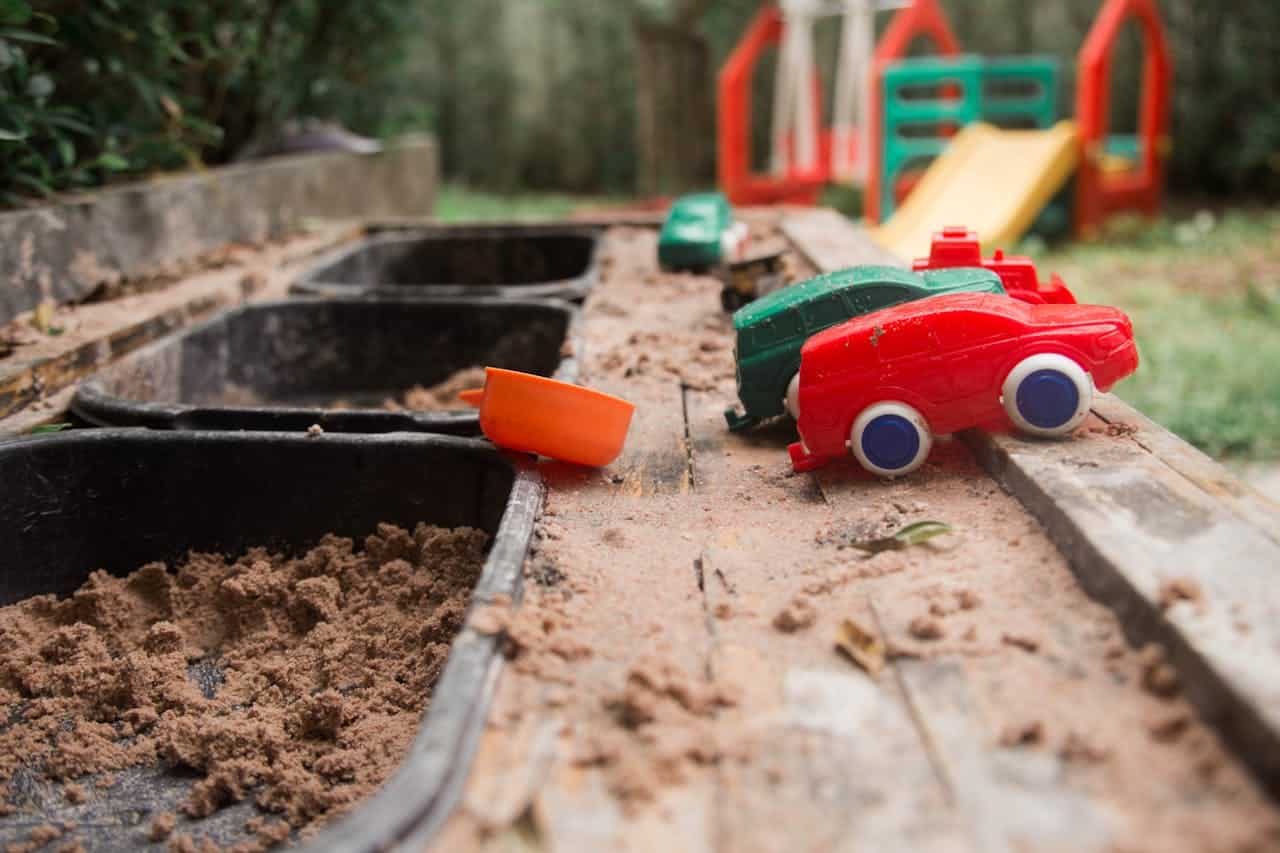
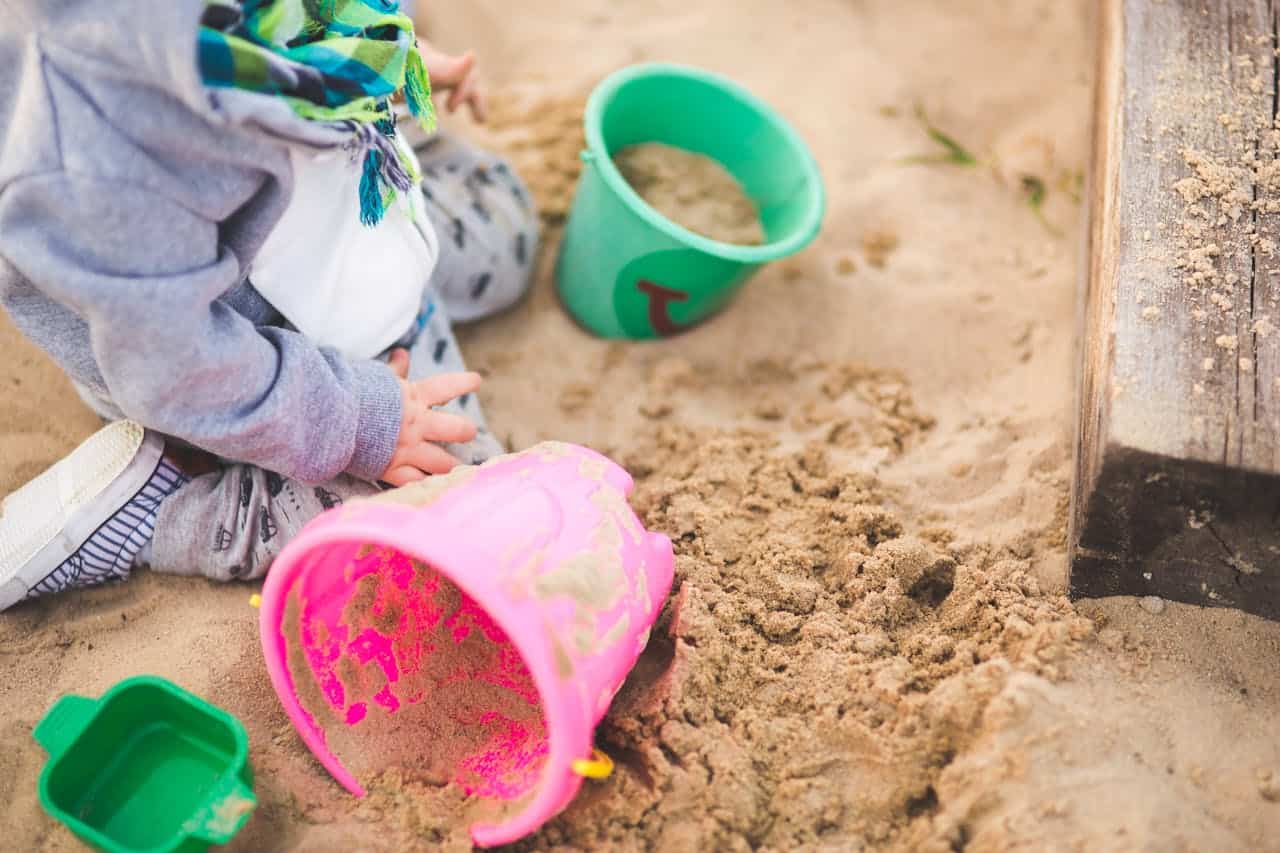
I am a firm believer in the benefits of nature play, so I dedicated a part of my outdoor space for natural play. This included a sandbox and a mud kitchen, where my kids could play and explore with natural elements. I used non-toxic, natural sand in the sandbox, and filled the mud kitchen with old pots, pans, and utensils.
I’ve found that this natural play area not only keeps my kids entertained for hours but also stimulates their creativity and sensory skills. Just remember to supervise your children while they’re playing in this area, as they might end up eating some of the sand or mud!
4. Planting a Kid-Friendly Garden
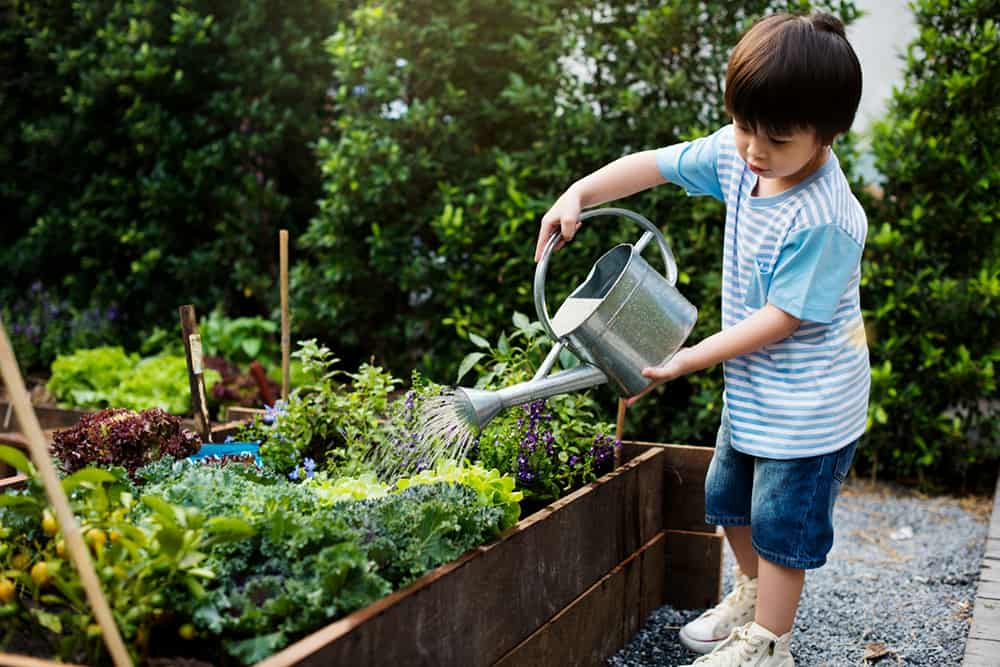
A garden is a wonderful way for kids to learn about nature and develop responsibility. My kid-friendly garden includes a mix of vegetables and flowers, all of which are non-toxic and safe for kids. I gave each of my children their own little plot where they could plant and care for their own plants.
In addition to teaching them about the life cycle of plants, this garden also helps them understand where their food comes from. Plus, there’s nothing quite like the joy of harvesting and eating vegetables that you’ve grown yourself! Just be sure to use organic, kid-safe fertilizers and pesticides in your garden.
5. Using Non-Toxic Outdoor Furniture
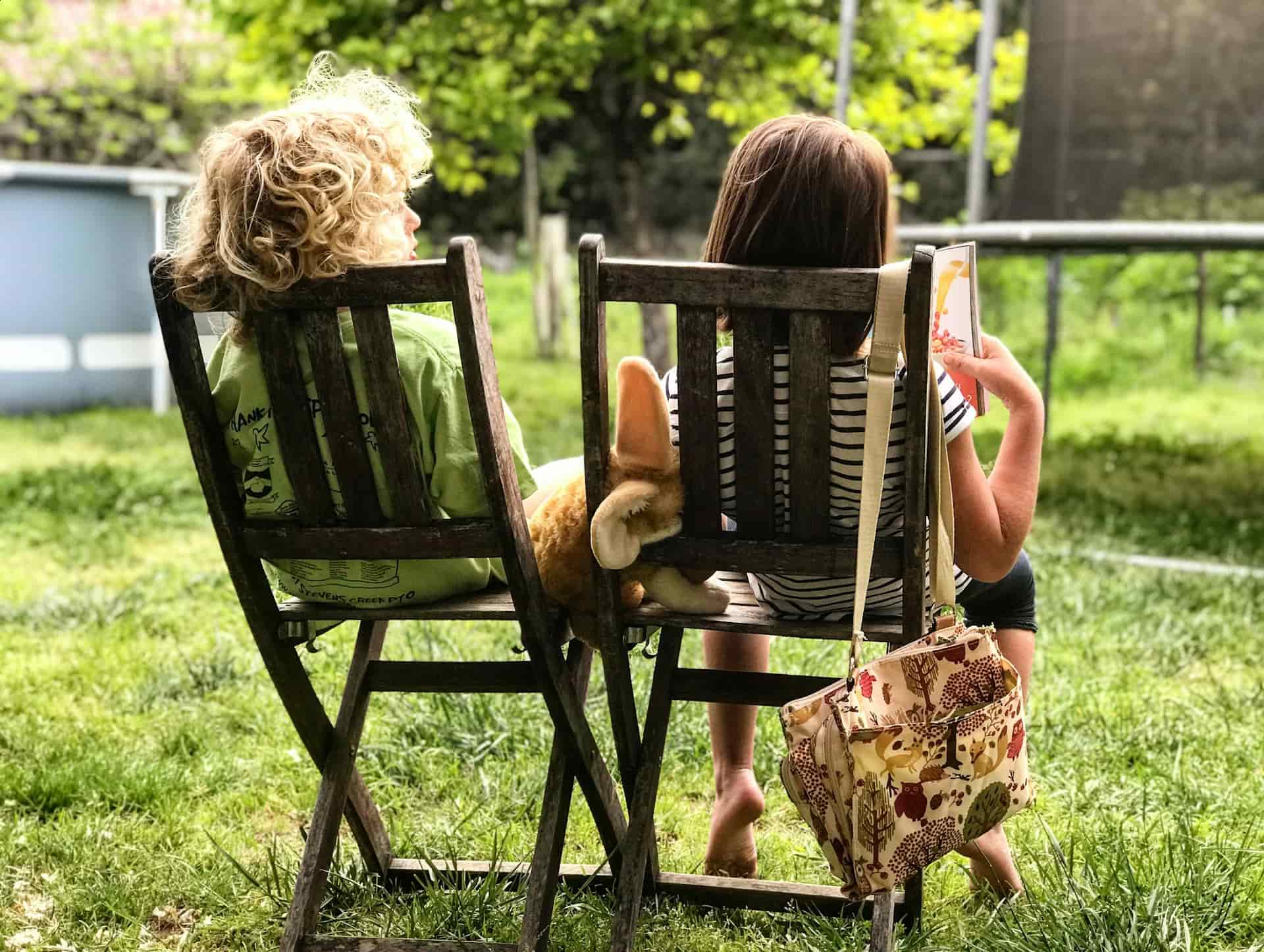
When choosing outdoor furniture, I made sure to select pieces that were not only sturdy and safe, but also non-toxic. This meant avoiding furniture with lead-based paint or harmful chemicals. I also looked for furniture with rounded edges and corners to prevent accidents.
Remember, kids are going to climb on furniture, no matter what you tell them. So, it’s important to choose furniture that can withstand this kind of wear and tear. I chose a durable, weather-resistant picnic table and chairs set for my kids, and I’ve been very happy with it so far.
6. Providing Plenty of Shade
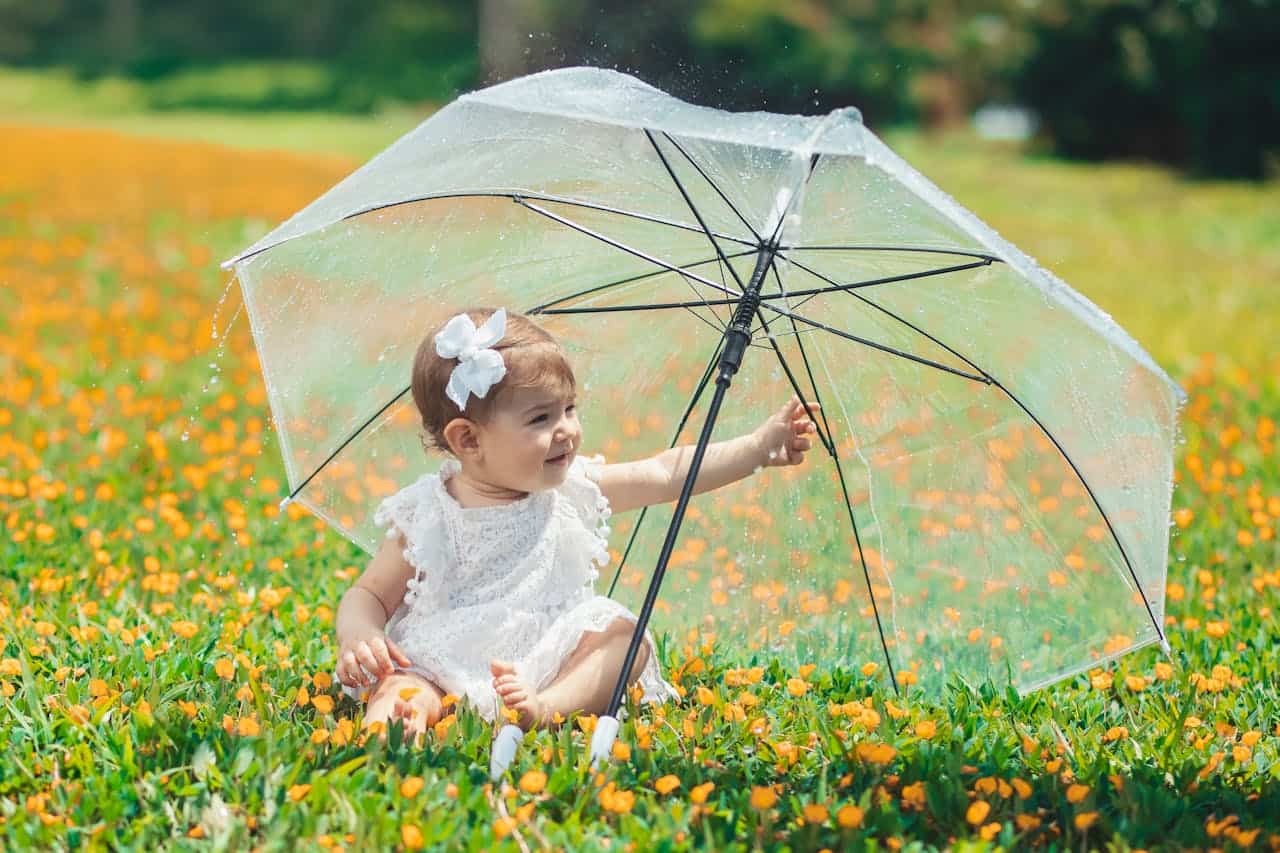
Children’s skin is more sensitive to the sun’s harmful rays than adults’, so providing plenty of shade in your outdoor space is crucial. I installed a large, sturdy umbrella over the play area and set up a canopy over the sandbox. I also planted a few trees, which will provide even more shade as they grow.
Remember, even with plenty of shade, it’s still important for your kids to wear sunscreen while playing outside. I keep a bottle of kid-friendly, water-resistant sunscreen by the back door as a reminder.
7. Incorporating Water Play
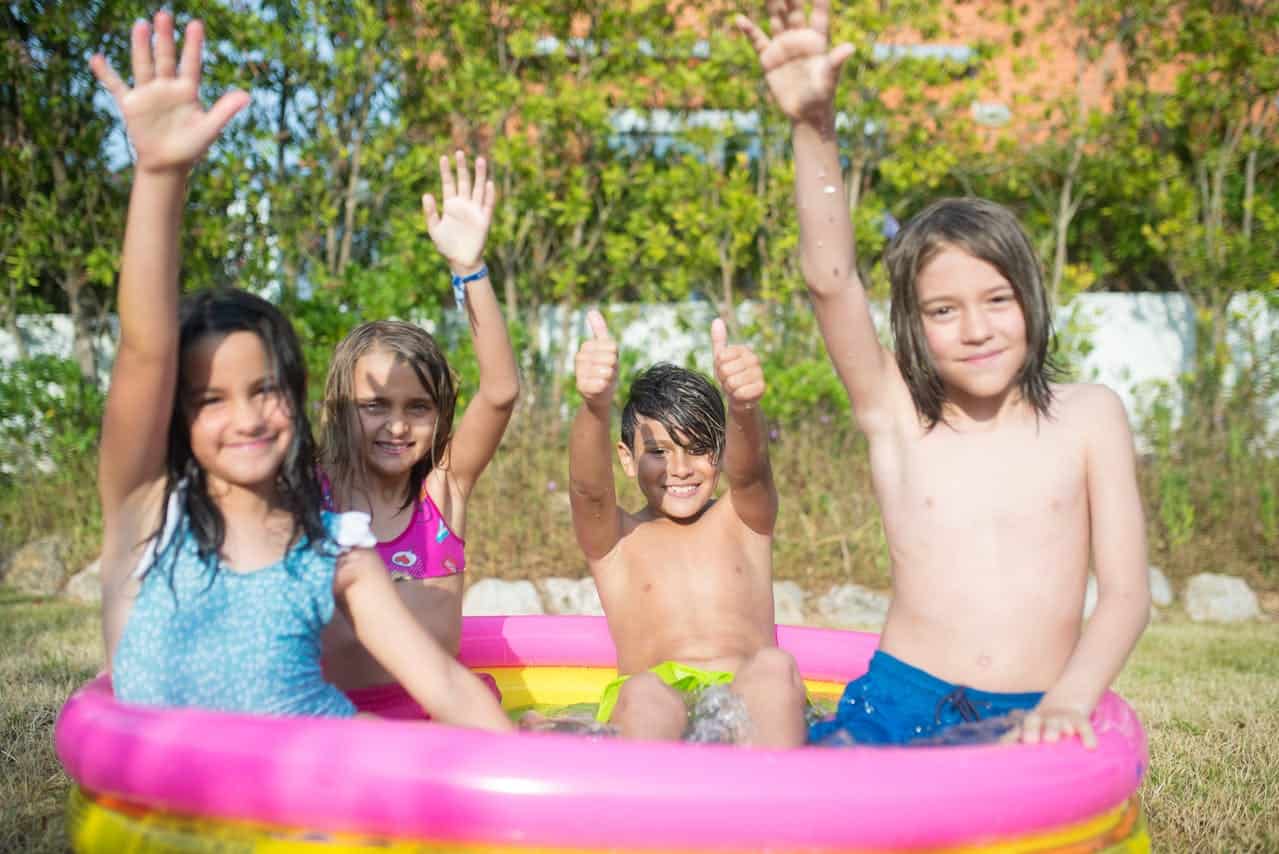
In the hot summer months, there’s nothing my kids love more than water play. I set up a small, shallow paddling pool for them to splash around in. I also added a water table, which is great for sensory play.
It’s important to remember that water play should always be supervised, no matter how shallow the water. I always make sure that I or another adult is present when my kids are playing with water. And at the end of the day, I empty out the pool and water table to prevent mosquitoes from breeding.
8. Including Sensory Play Items

Sensory play is great for children’s development, so I included various sensory play items in my outdoor space. This includes a sensory bin filled with different textures like sand, pebbles, and shells, and a music wall made with various items that make different sounds.
Remember, sensory play doesn’t have to be complicated or expensive. Many items you already have around the house can be used. Just make sure they are safe and non-toxic.
9. Avoiding Toxic Plants

While plants can add beauty to your outdoor space, not all of them are safe for kids. I made sure to research each plant before adding it to my garden, and removed any existing plants that were toxic.
Common plants like oleander, foxglove, and lily of the valley are toxic and should be avoided in a kid-friendly garden. If you’re unsure about a plant, it’s best to err on the side of caution and not include it.
10. Keeping Outdoor Toys Organized
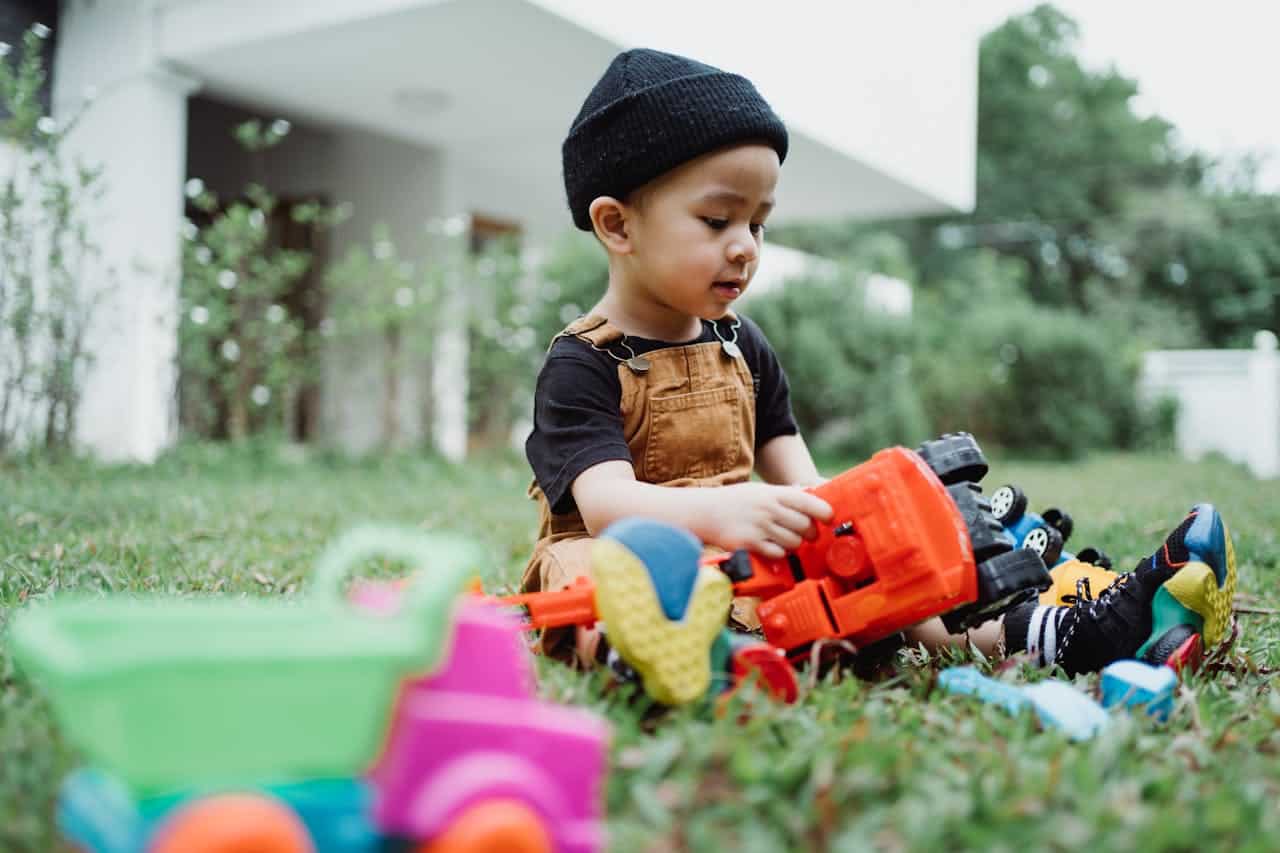
With all the outdoor toys and games, it’s easy for the yard to become cluttered. I set up a storage system to keep everything organized. I used a combination of storage bins and outdoor shelving, and I made sure everything was within easy reach for my kids.
Remember, kids are more likely to clean up after themselves if it’s easy to do. So, make sure your storage system is simple and kid-friendly.
11. Regularly Checking for Hazards
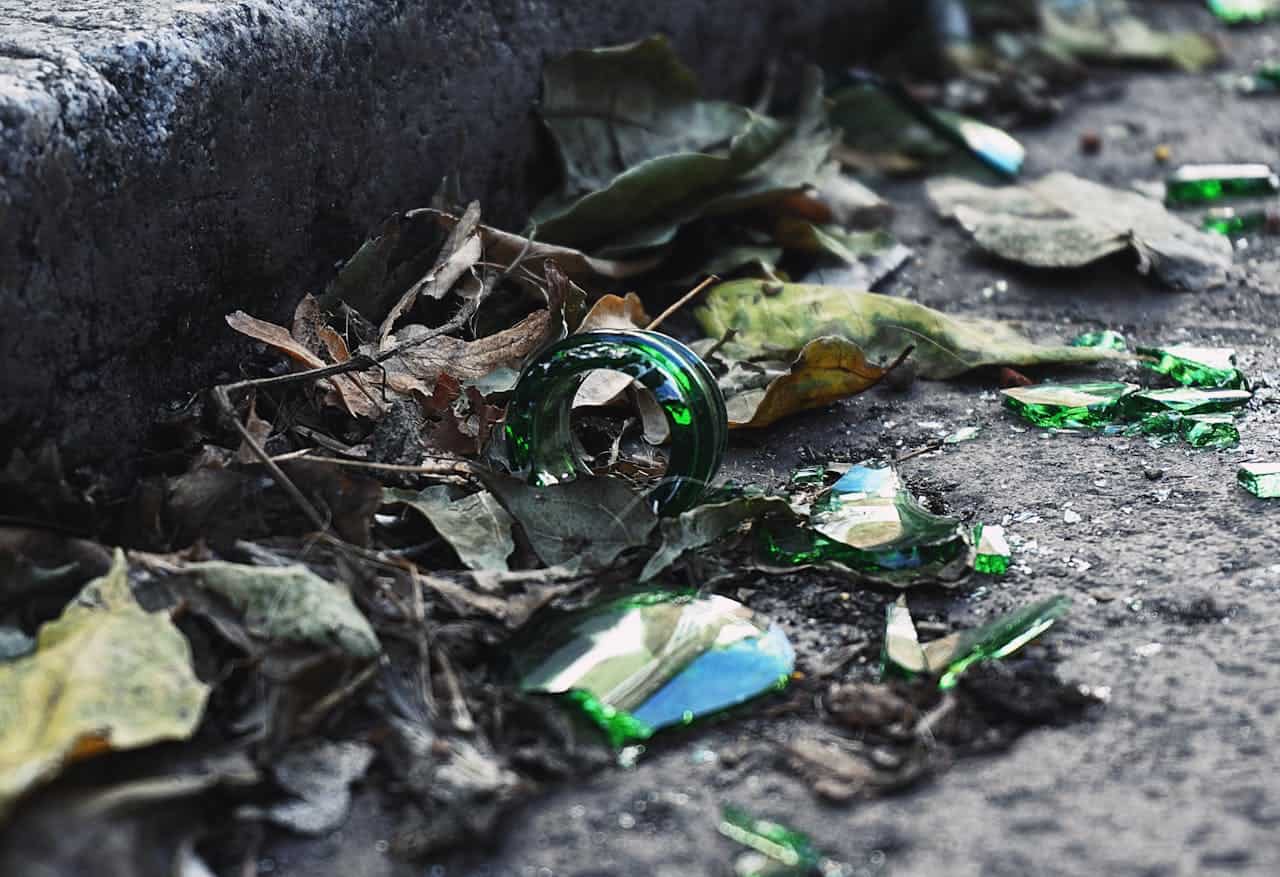
Even with all these precautions, it’s still important to regularly check your outdoor space for hazards. This includes checking the playset for wear and tear, looking for broken glass or other debris, and making sure the fence is still secure.
I make it a habit to do a quick check of the yard each morning before my kids go out to play. This way, I can address any potential hazards before they become an issue.
12. Teaching Outdoor Safety Rules
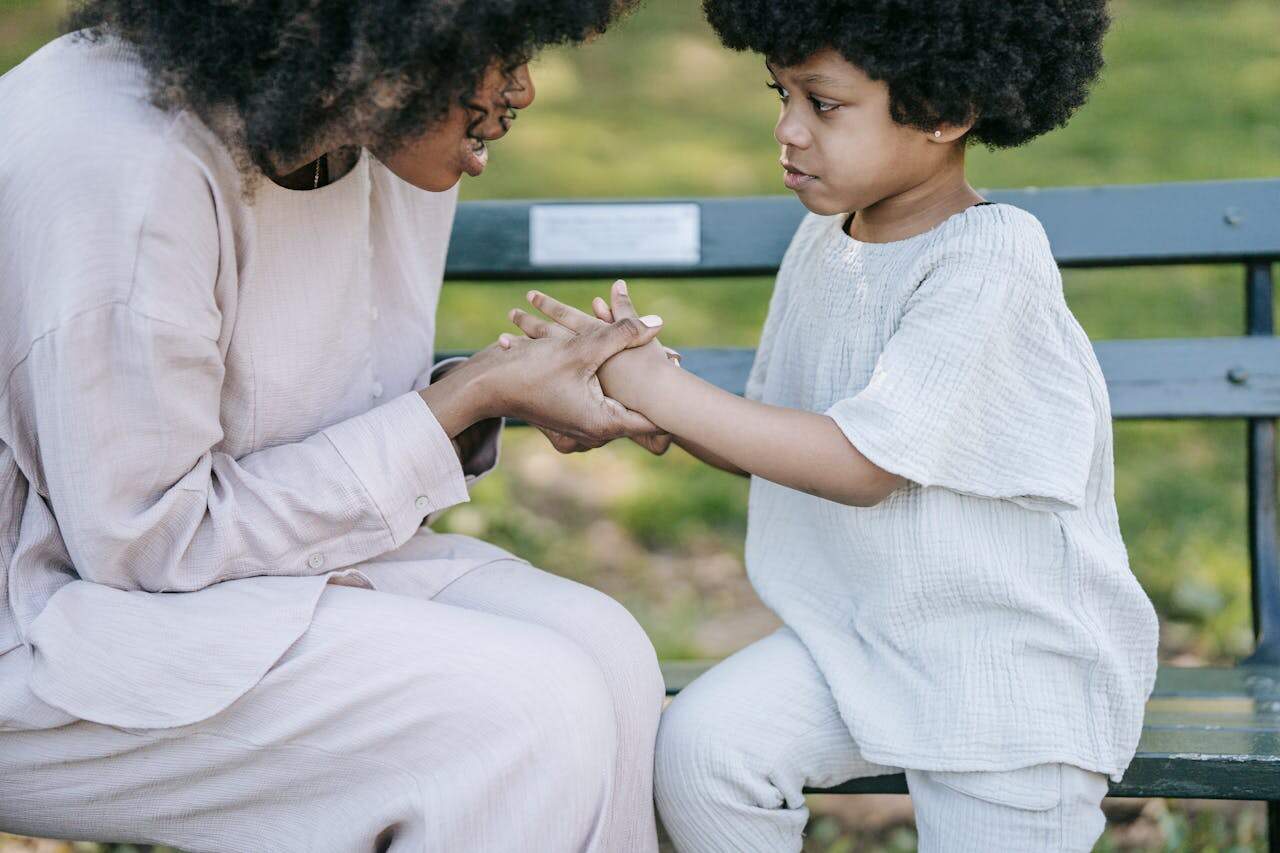
While it’s important to make your outdoor space as safe as possible, it’s also crucial to teach your kids about outdoor safety. I regularly talk to my kids about the importance of staying within the fenced area, not eating anything from the garden without asking, and being careful on the playset.
Remember, safety is not just about the environment, but also about behavior. By teaching your kids about outdoor safety, you’re helping them develop skills that will keep them safe throughout their lives.
13. Creating a Comfortable Seating Area
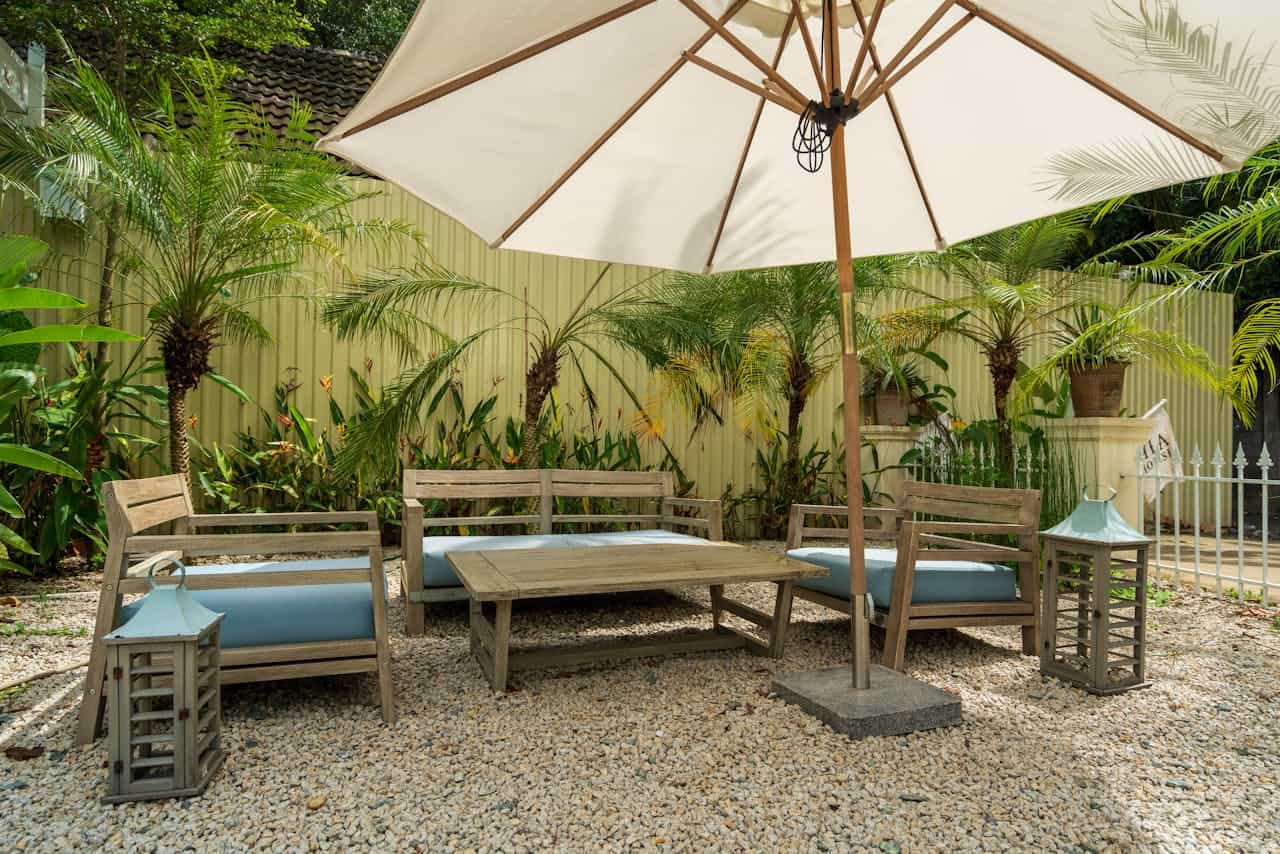
As a parent, I spend a lot of time watching my kids play outside. So, I created a comfortable seating area where I could relax while keeping an eye on them. This includes a comfortable outdoor couch, a coffee table, and a patio umbrella for shade.
Remember, your outdoor space should be enjoyable for the whole family, not just the kids. By creating a comfortable seating area, you’re making the space more inviting for everyone.
14. Including Educational Elements

I believe that play should also be educational, so I included various educational elements in my outdoor space. This includes a weather station, a bird feeder (which attracts various species of birds for observation), and various plant markers in the garden that help my kids learn about different plants.
Remember, the goal is not to create a classroom outside, but rather to provide opportunities for natural learning through play. By including educational elements, you’re helping your kids learn while they have fun.
15. Making it Fun!
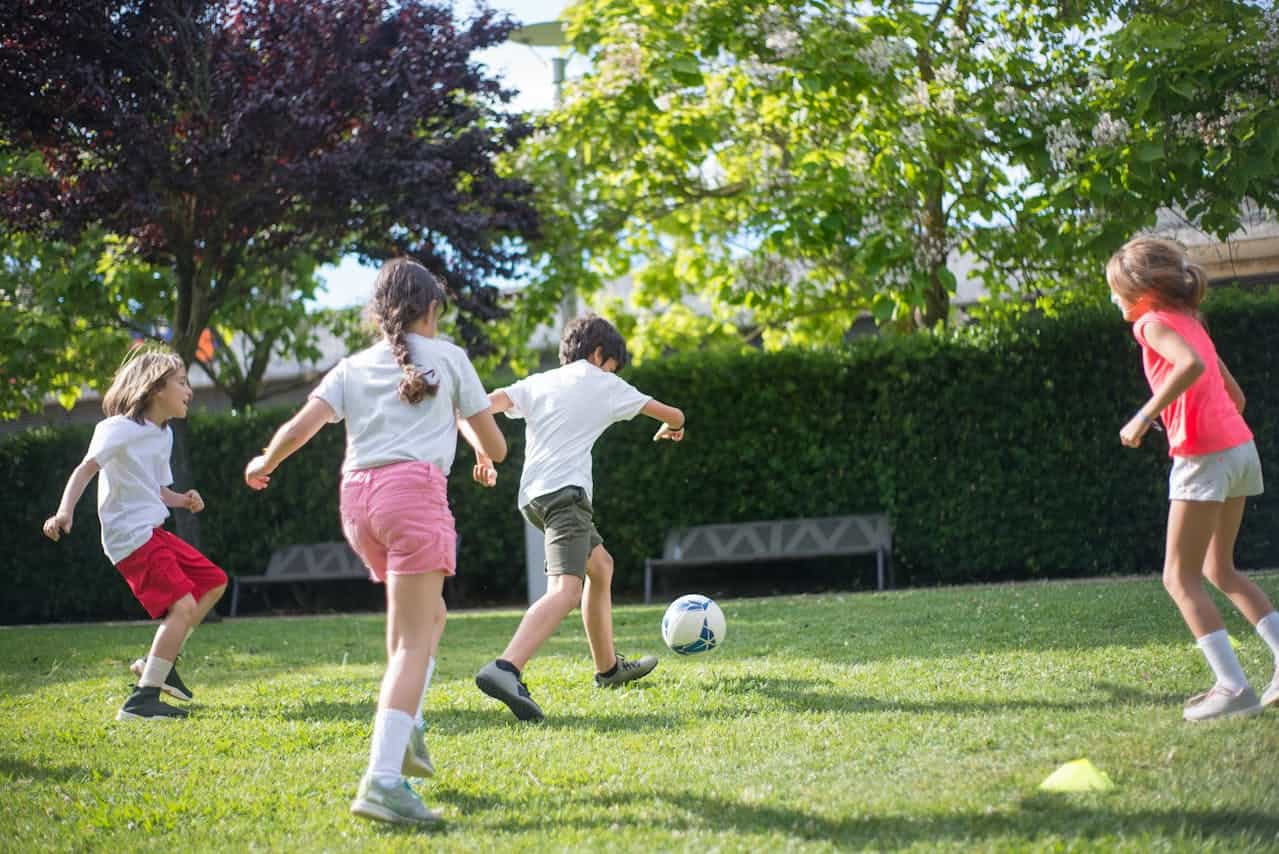
Last but not least, I made sure my outdoor space was fun! I included a variety of games and activities that my kids love, like a chalkboard for drawing, a rope swing, and a mini soccer field. I also change up the toys and games regularly to keep things fresh and exciting.
Remember, the goal of a kid-friendly outdoor space is not just safety, but also enjoyment. By making your outdoor space fun, you’re creating a place where your kids will love to play and spend time.