As a passionate gardener, I’ve always sought ways to create a garden that’s not just visually stunning but also environmentally friendly. Over the years, I’ve learned that sustainable gardening isn’t just about reducing your carbon footprint; it’s about creating an ecosystem that can sustain itself.
By making our gardens more sustainable, we can contribute to preserving biodiversity, conserving water, and making healthy soil. Here are 15 ways that I’ve made my garden more sustainable. These are all practical, tried-and-tested methods that you can easily implement in your own garden.
Advertisement
1. Composting
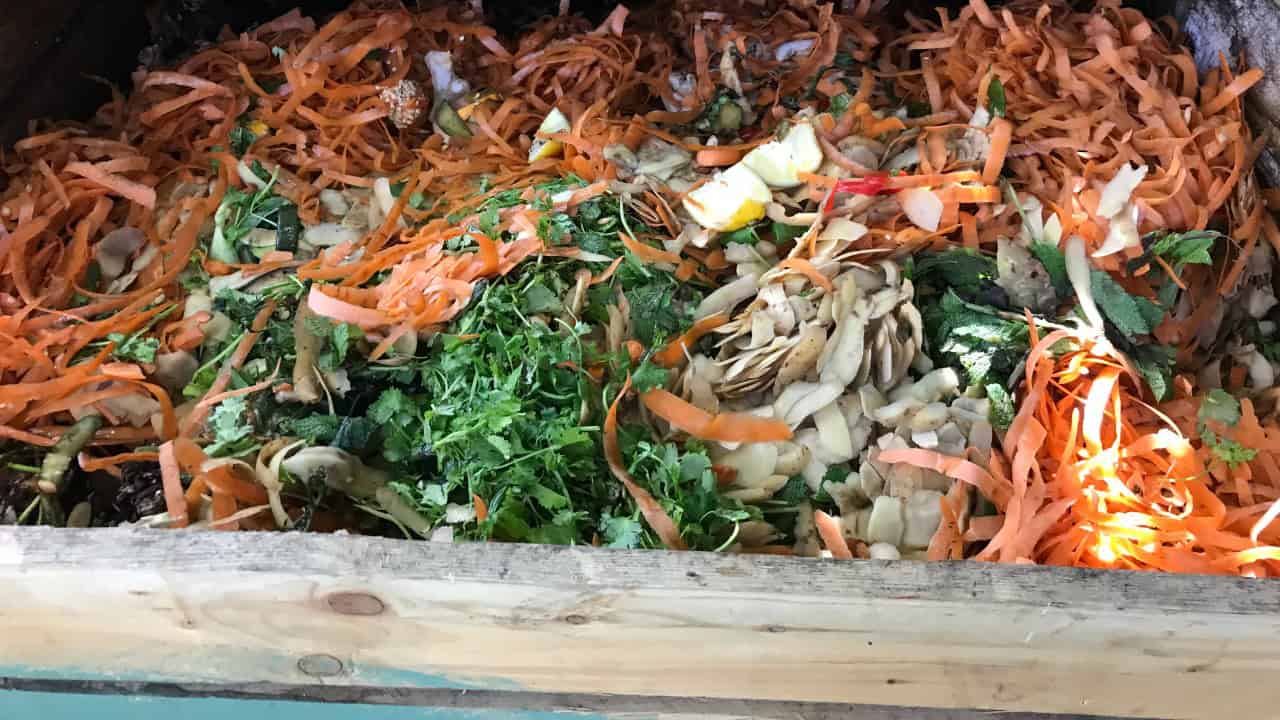
Composting is a simple way to reduce waste and enrich your soil. I started composting by collecting kitchen scraps like vegetable peels, coffee grounds, and eggshells. These organic materials decompose to create nutrient-rich compost, which is an excellent natural fertilizer for the garden.
It’s important to maintain a good balance of green (nitrogen-rich) and brown (carbon-rich) materials in your compost pile. Too much of one or the other can slow the composting process or create unpleasant odors. I found that a 3:1 ratio of brown to green materials works best for me.
2. Rainwater Harvesting

I installed a rain barrel to collect rainwater, which I then use to water my plants. This simple method of rainwater harvesting conserves water and reduces reliance on municipal water supplies.
Rainwater is also better for plants than treated water because it doesn’t contain chlorine or other chemicals. Additionally, if you’re in a location where water rates are high or water is scarce, rainwater harvesting can save you money and ensure you have an adequate water supply for your garden.
3. Planting Native Plants
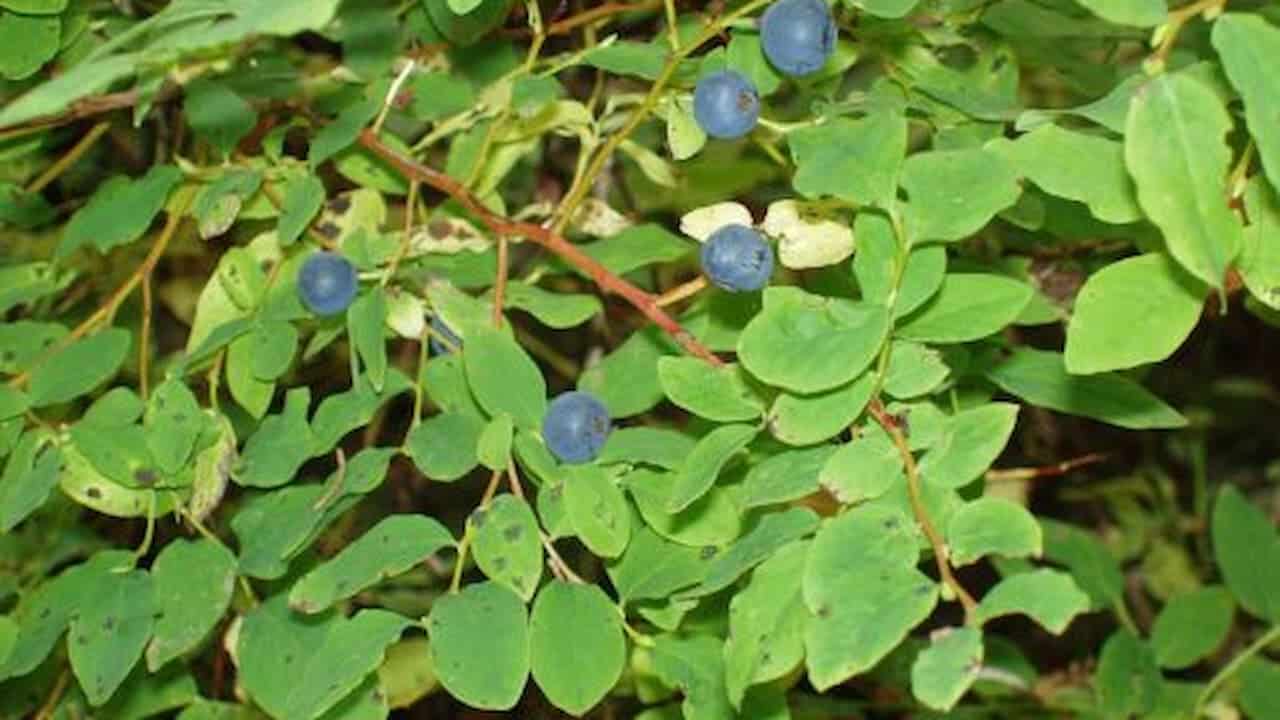
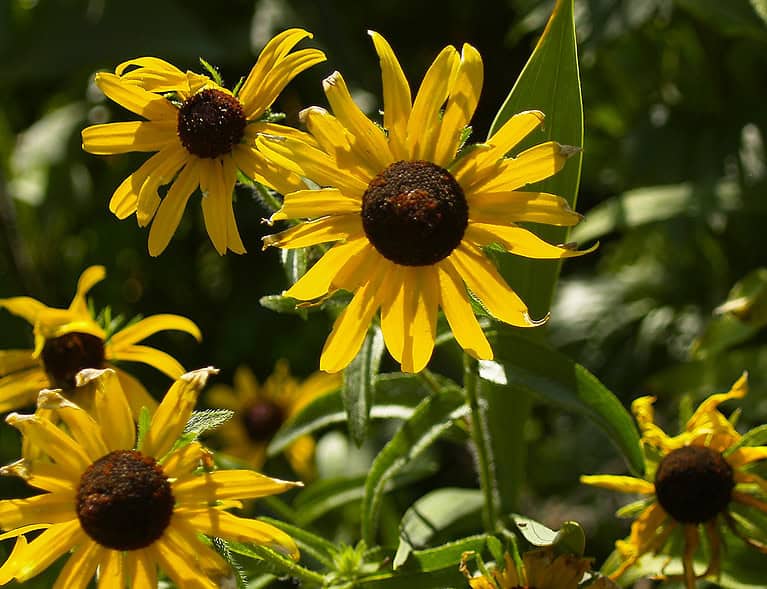
I began incorporating native plants into my garden after learning about their many benefits. Native plants are adapted to local climate conditions and soil types, so they require less water, less fertilizer, and less maintenance overall than non-native plants.
Plus, native plants often have built-in defenses against local pests, reducing the need for chemical pesticides. They also provide habitat and food sources for local wildlife, helping to support biodiversity in my garden.
4. Mulching
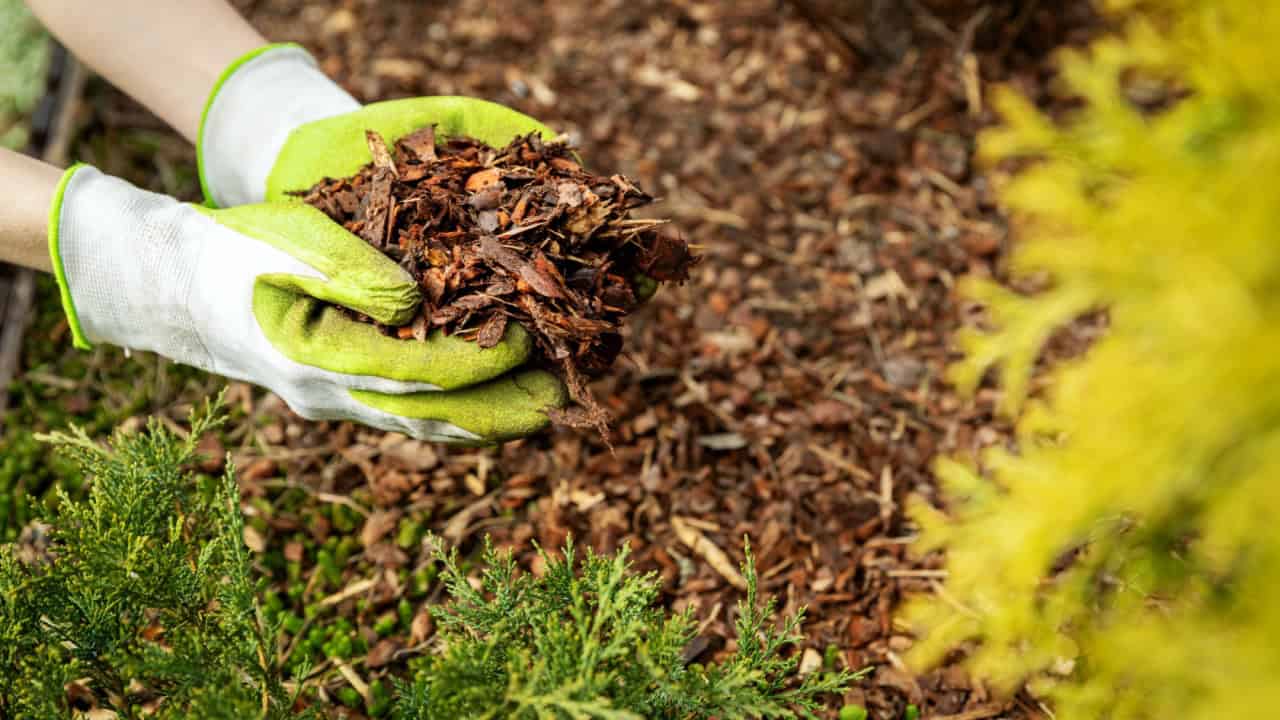
Mulching is a fantastic way to conserve water, suppress weeds, and enrich the soil. I use organic mulches like leaves, grass clippings, and compost, which slowly break down and release nutrients into the soil.
Mulch also protects the soil from the sun’s harsh rays, helping to keep it cool and moist. I’ve found that a 2-3 inch layer of mulch is enough to reap these benefits without smothering the plants.
5. Using Solar-Powered Garden Lights
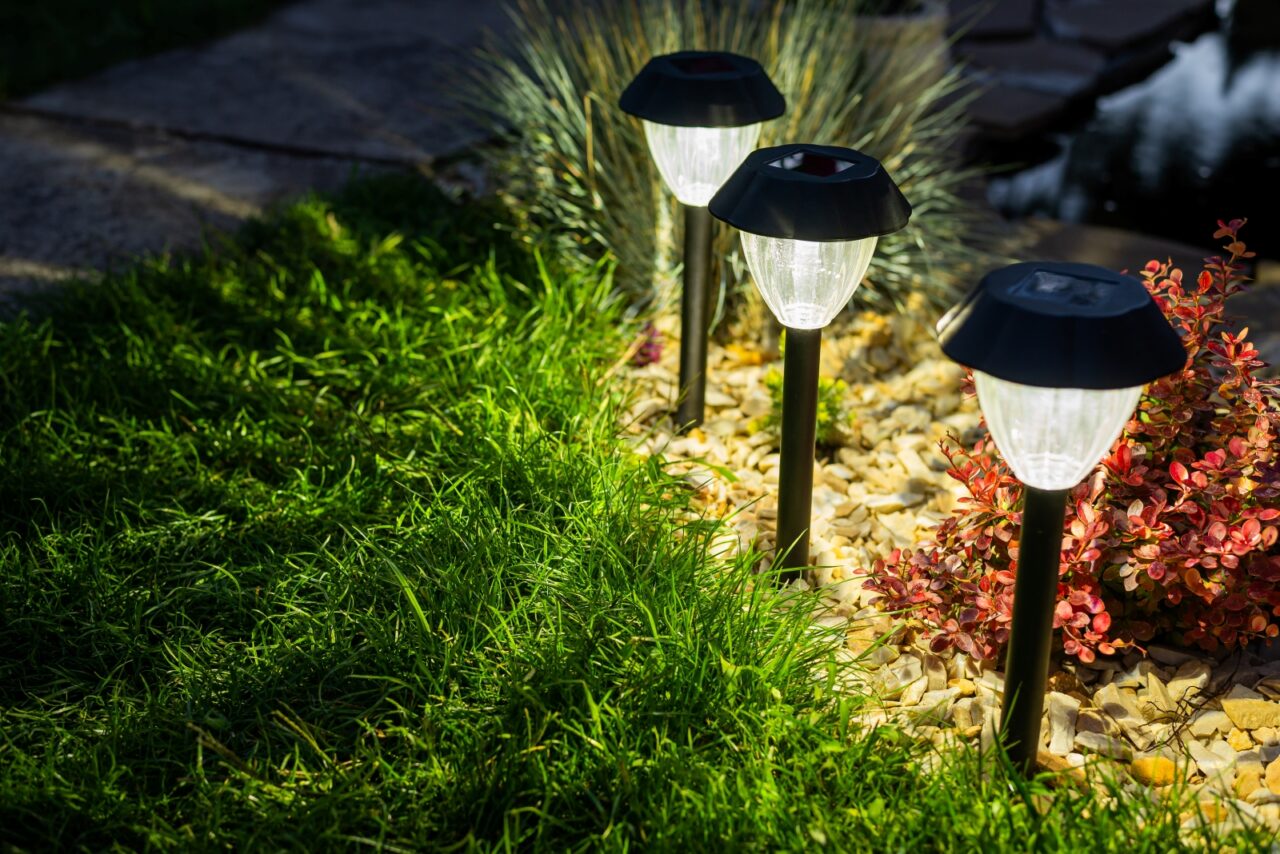
To light up my garden at night, I chose solar-powered garden lights. They absorb sunlight during the day and illuminate the garden at night. This eliminates the need for electricity, making my garden more energy-efficient.
Solar lights are easy to install and require little maintenance. Plus, they come in a variety of styles and sizes, so you can find ones that match your garden’s aesthetic.
6. Growing Food
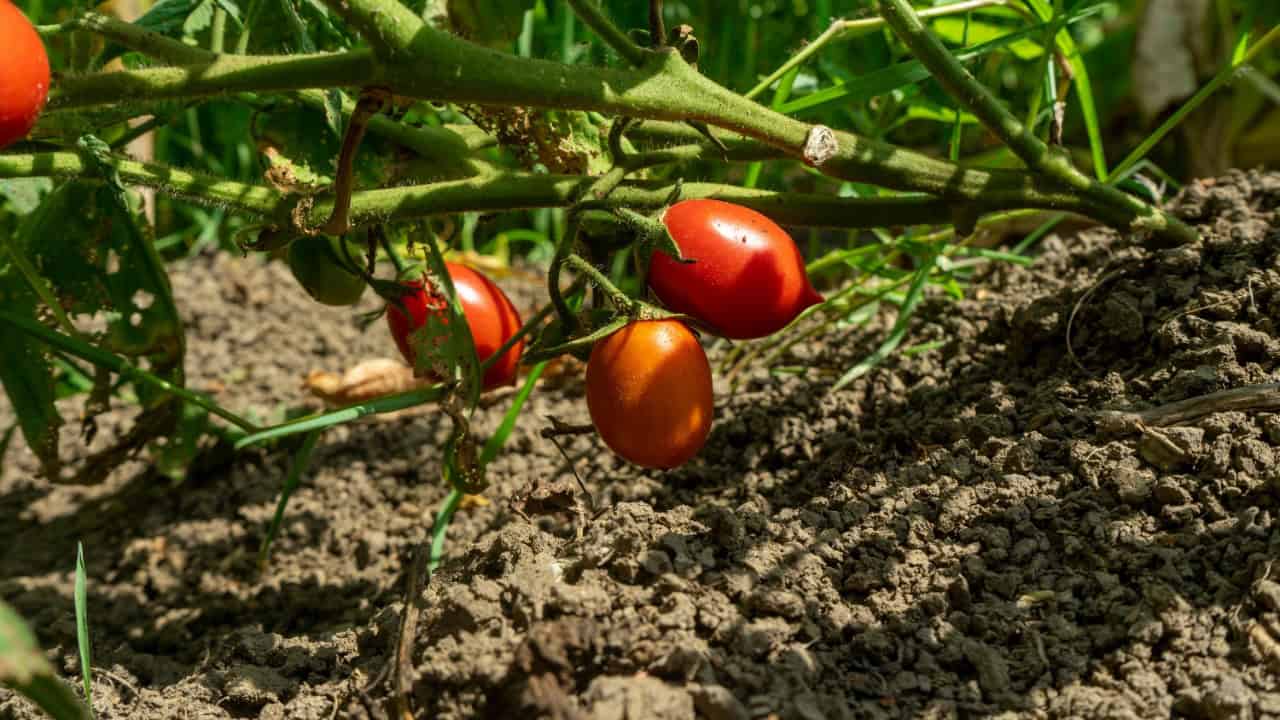
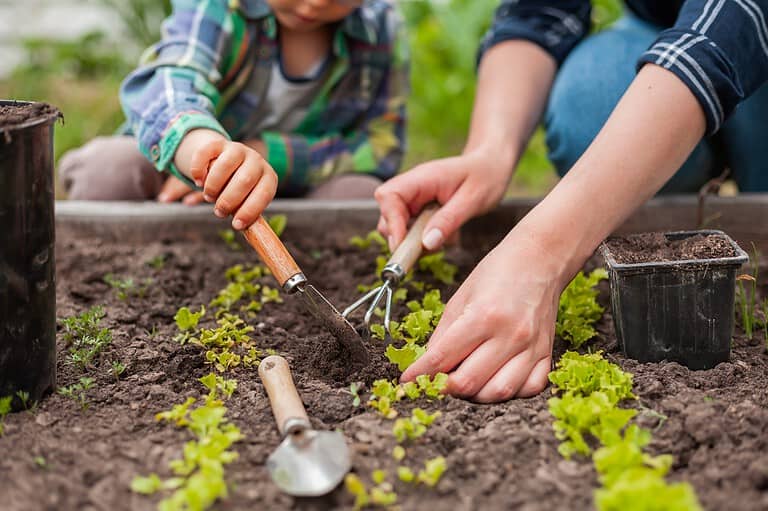
Growing my own food has been one of the most rewarding aspects of sustainable gardening. It reduces the carbon footprint associated with transporting food from farm to table and ensures that I have fresh, organic produce on hand.
Even if you have a small garden, you can still grow food. Consider vertical gardening or container gardening to make the most of your space. Start with easy-to-grow crops like tomatoes, lettuce, and herbs.
7. Encouraging Wildlife
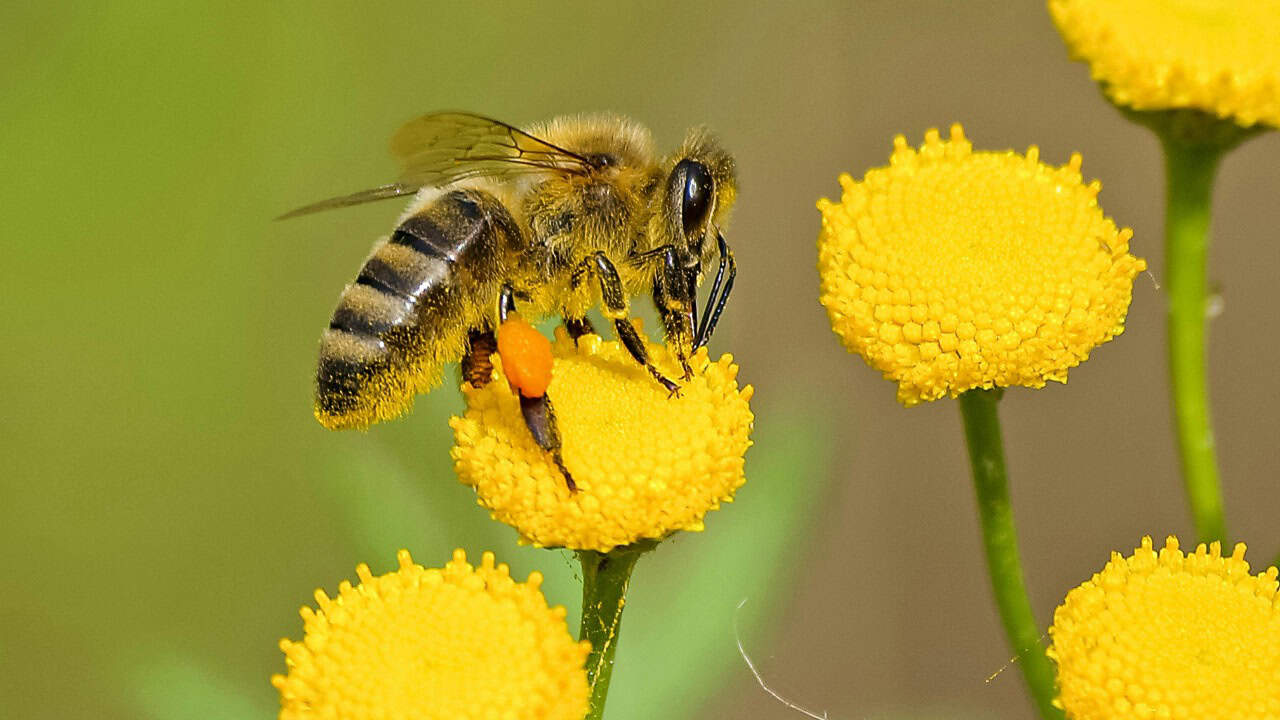
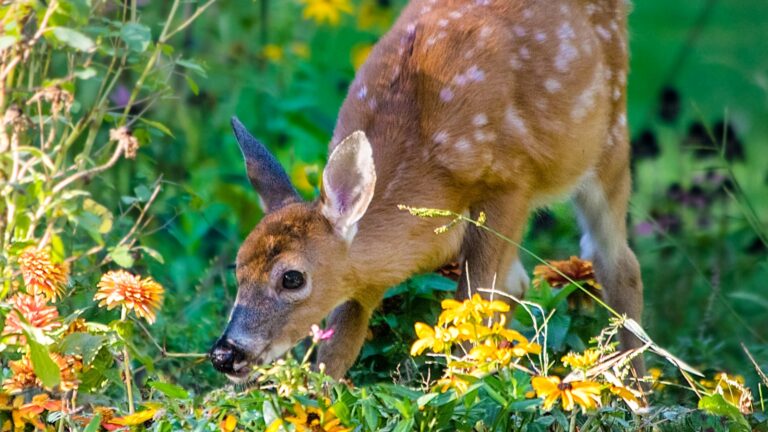
I’ve made my garden a welcoming place for bees, birds, and butterflies by providing food, water, and shelter. These creatures help pollinate plants, control pests, and add life and beauty to the garden.
To attract bees and butterflies, I plant nectar-rich flowers. For birds, I put up birdhouses and bird baths. I also leave some areas of the garden a bit wild to provide natural habitats for wildlife.
8. Reducing Lawn Space

I reduced the amount of lawn space in my garden because maintaining a lawn requires a lot of water and energy. Instead, I’ve filled my garden with a mix of native plants, vegetable beds, and paths.
Reducing lawn space doesn’t mean you have to sacrifice aesthetics. There are many beautiful, low-maintenance alternatives to grass, such as ground cover plants, gravel, and pavers.
9. Using Natural Pest Control

Instead of resorting to chemical pesticides, I use natural methods to control pests. Companion planting, encouraging beneficial insects, and using homemade sprays made from natural ingredients are all effective ways to keep pests in check.
Remember, a healthy garden will have some pests. They are part of the ecosystem and provide food for beneficial creatures. The goal is not to eliminate pests completely, but to keep their numbers in check.
10. Planting Perennials
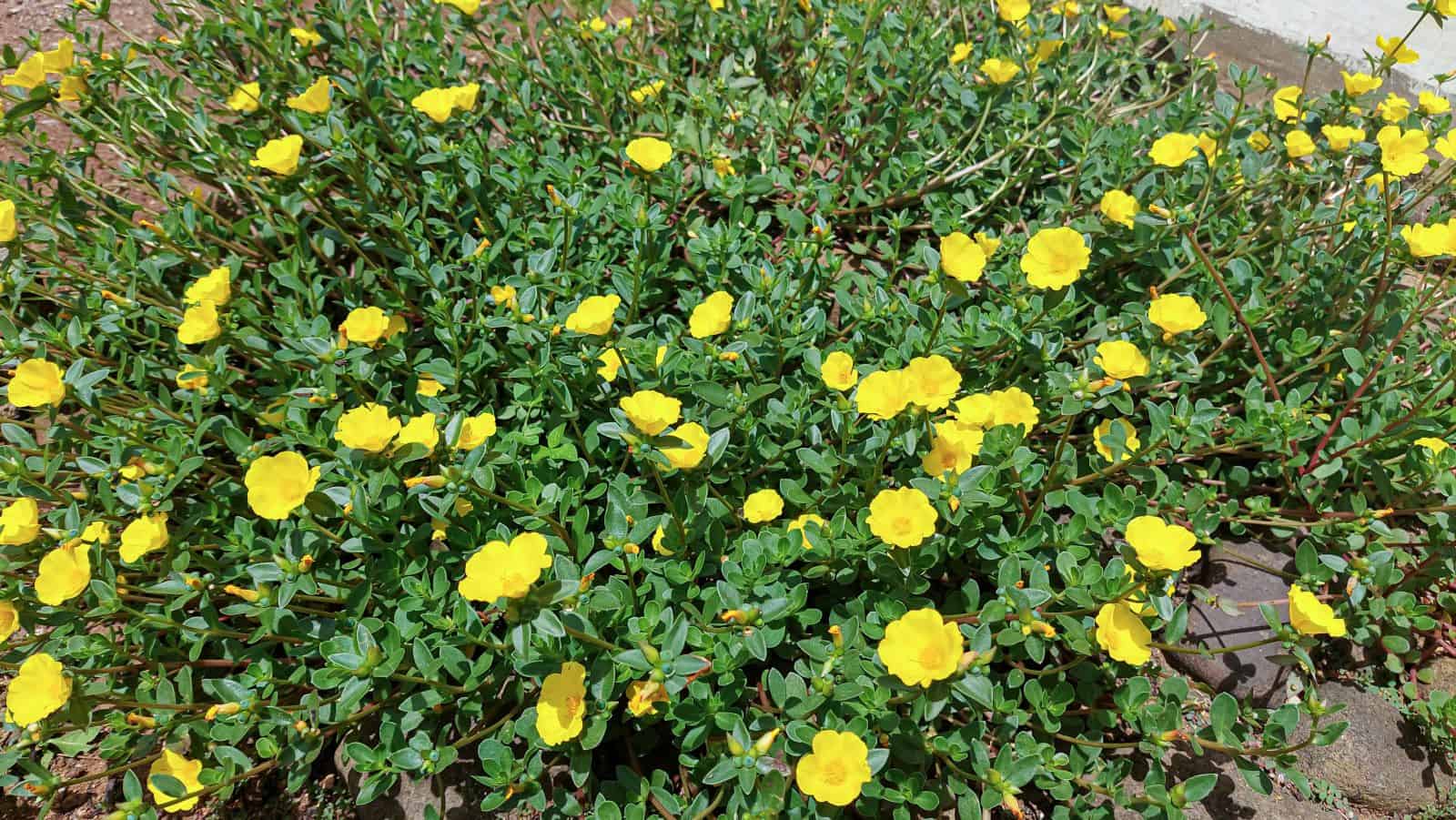
I’ve swapped many of my annual plants for perennials. Perennials are plants that live for more than two years, so you don’t have to replant them each year. This saves time, money, and resources.
Perennials also tend to have deeper root systems than annuals, which helps them withstand drought and prevent soil erosion. Plus, many perennials are native plants, so they support local wildlife.
11. Creating a Compost Tea

Compost tea is a liquid fertilizer made from compost. I use it to provide a nutrient boost to my plants and improve soil health.
Making compost tea is simple. All you need is compost, water, and a bit of time. The resulting tea is packed with beneficial microbes that help plants absorb nutrients and fend off disease.
12. Using a Drip Irrigation System

I installed a drip irrigation system to water my plants more efficiently. Drip irrigation delivers water directly to the root zone of plants, reducing evaporation and water waste.
Drip irrigation systems are more efficient than sprinklers and can be customized to fit any garden. They can also be automated to water at optimal times, such as early morning when evaporation rates are low.
13. Planting Trees

Planting trees is one of the best ways to make your garden more sustainable. Trees absorb carbon dioxide, cool the air, and provide habitat for wildlife.
Choose trees that are native to your area and suitable for your soil and climate conditions. Consider the tree’s mature size and growth rate when deciding where to plant it.
14. Using Recycled Materials
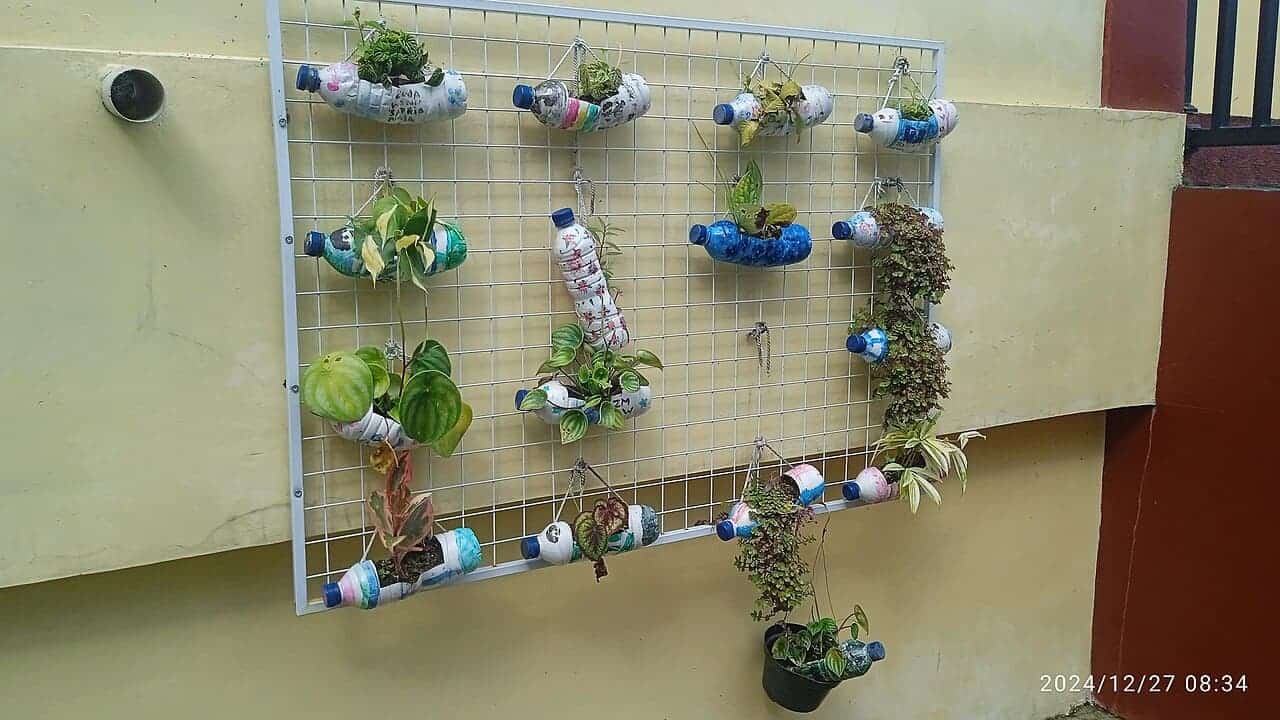
Instead of buying new pots, trellises, and garden decorations, I use recycled materials. This reduces waste and adds a unique touch to my garden.
You can use all sorts of things in your garden, from old pallets to broken ceramics. Be creative and think about how you can repurpose items before throwing them away.
15. Practicing Crop Rotation
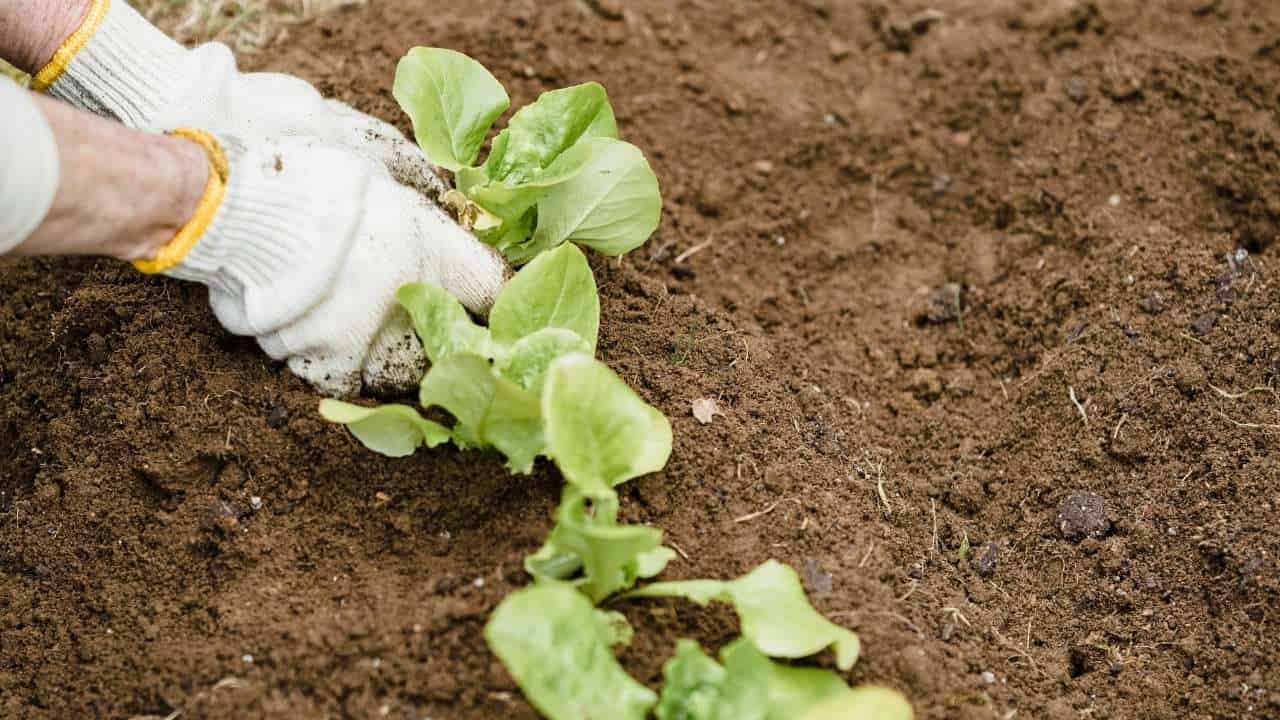
Finally, I practice crop rotation in my vegetable garden. This involves changing the location of crops each year to prevent the buildup of pests and diseases, and to maintain soil fertility.
Crop rotation requires some planning, but it’s worth the effort. By rotating crops, you can grow a variety of vegetables without depleting the soil or resorting to chemical fertilizers and pesticides.