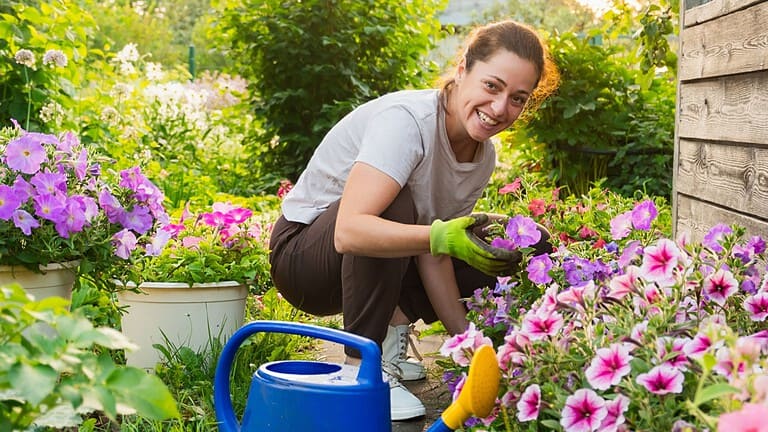
In today’s world, sustainability is more than just a buzzword. It’s a lifestyle choice that reflects our commitment to preserving our planet and future generations. And where better to start than in our very own gardens? By making our gardens more sustainable, we can reduce our environmental impact, while also creating a space that is healthier and more enjoyable for us to spend time in. Here are 15 ways I made my garden more sustainable, and how you can too.
1. Composting
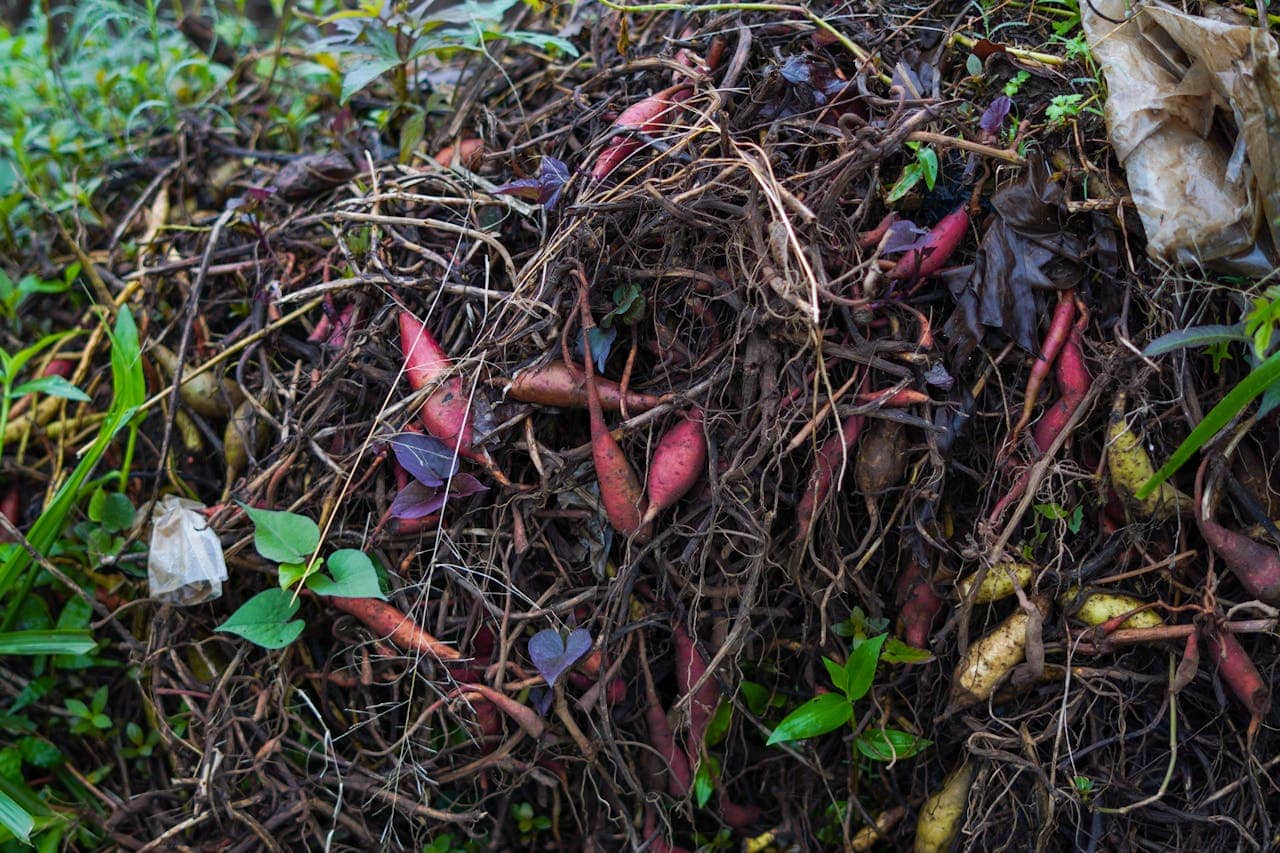
Composting is a fantastic way to reduce waste while also enriching your soil. All you need is a compost bin and some organic waste like vegetable scraps, coffee grounds, and yard trimmings. The process is simple: you add your organic waste to the bin, turn it occasionally, and after a few months, you have nutrient-rich compost that your plants will love. Not only does composting reduce the amount of waste that goes to the landfill, but it also eliminates the need for chemical fertilizers.
Advertisement
2. Collecting Rainwater

Rainwater is a free, sustainable source of water for your garden. By installing a rain barrel, you can collect and store rainwater to use for watering your plants. This not only conserves water but also saves you money on your water bill. Plus, rainwater is typically softer and free of chlorine, which can be beneficial for certain plants.
3. Planting Native Species
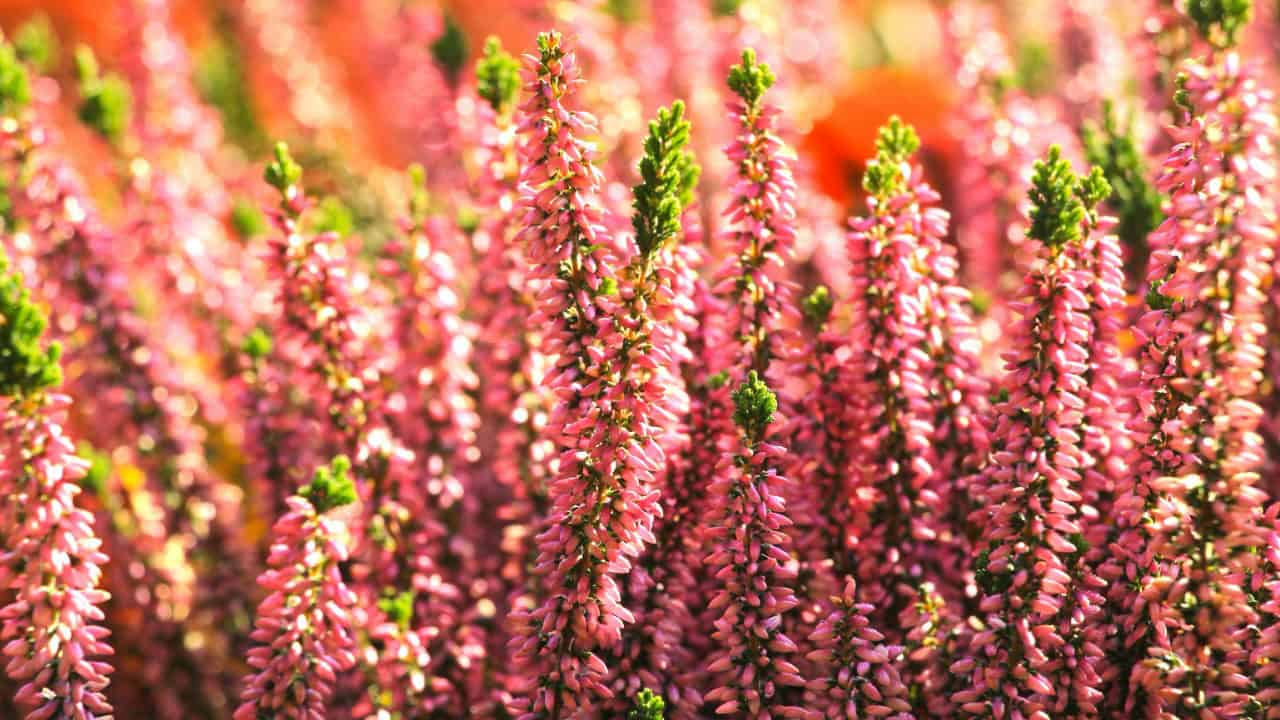
Native plants are perfectly adapted to your local climate and soil conditions, which means they require less water and care than non-native species. Plus, they provide valuable habitat and food sources for local wildlife. Consider replacing some of your non-native plants with native ones to create a more sustainable garden.
4. Using Mulch
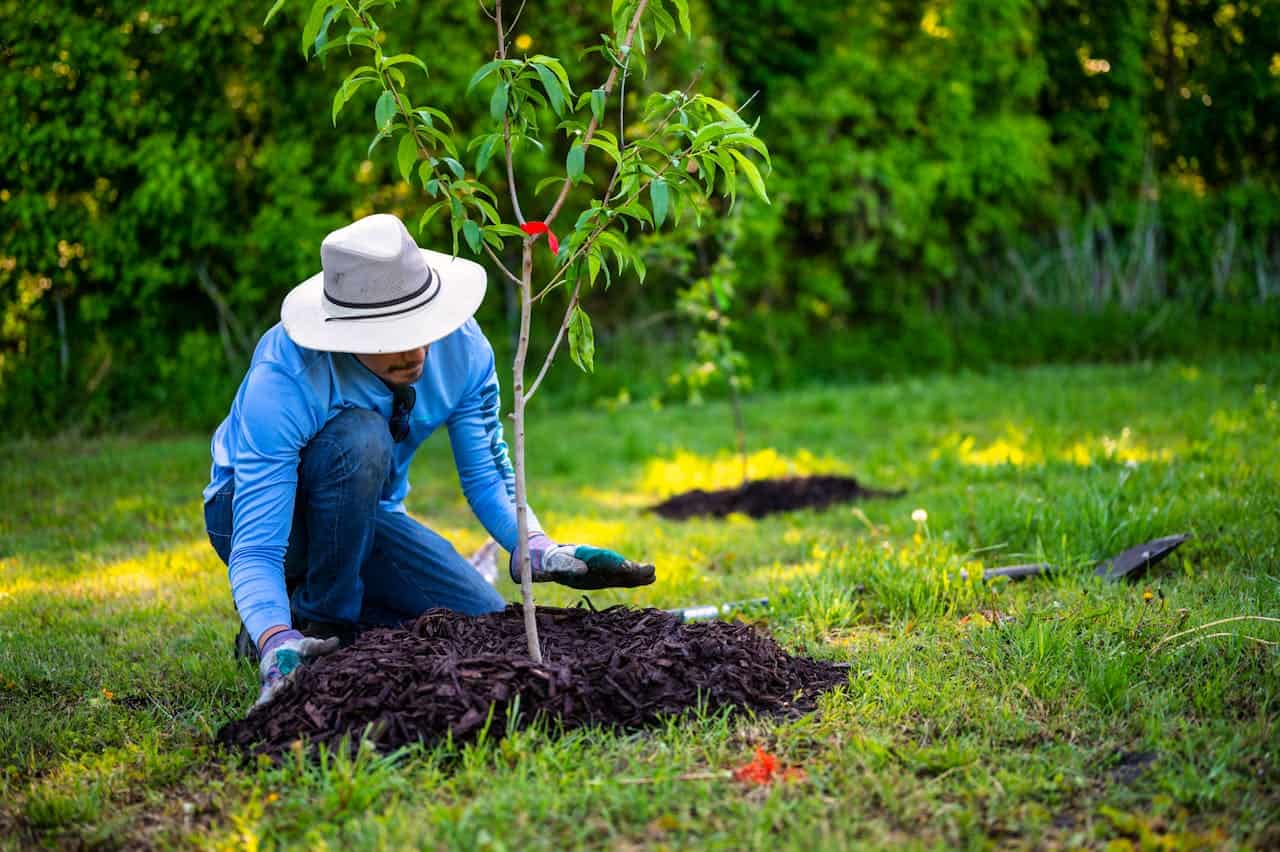
Mulch is a gardener’s best friend. It helps to retain soil moisture, suppress weeds, and improve soil structure. Plus, it can help to reduce the need for watering and weeding, saving you time and effort. Consider using organic mulches like straw, wood chips, or compost, which will break down over time and add nutrients to the soil.
5. Installing a Drip Irrigation System
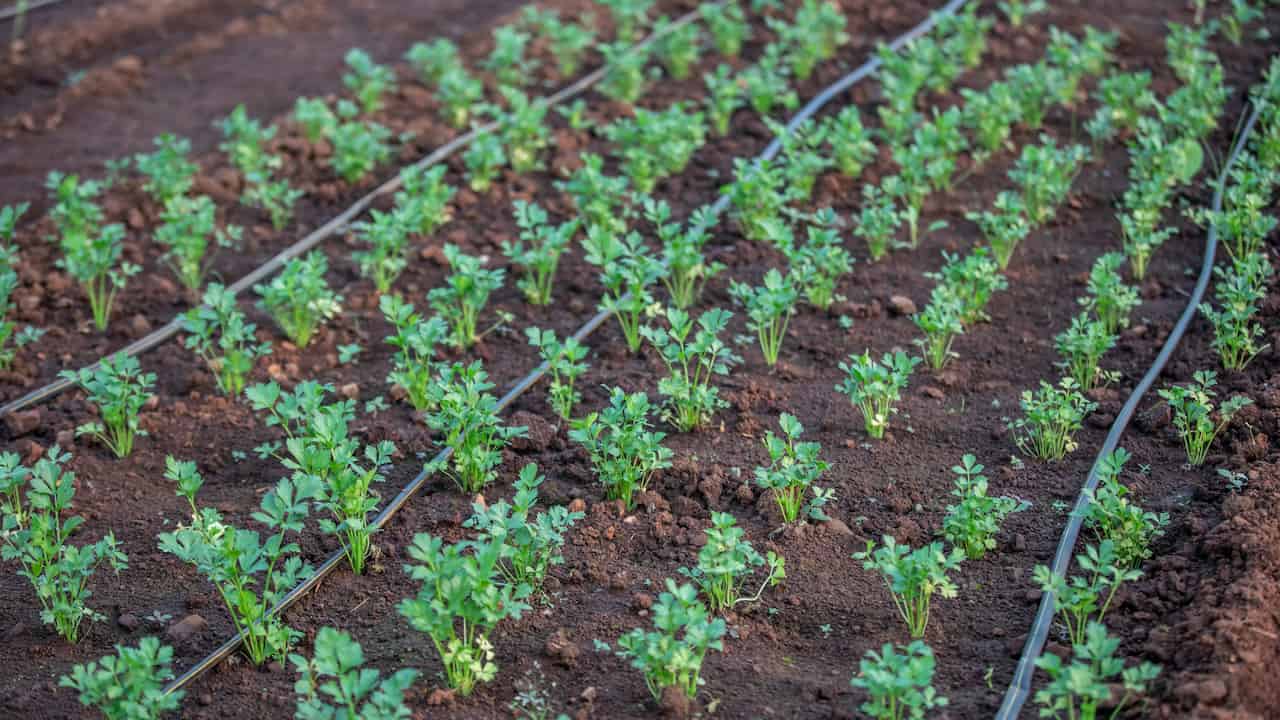
Drip irrigation is a more efficient way to water your plants than traditional sprinklers. It delivers water directly to the root zone, reducing water waste and improving plant health. Installing a drip irrigation system can be a bit of an investment, but the water savings can make it worthwhile in the long run.
6. Growing Your Own Food
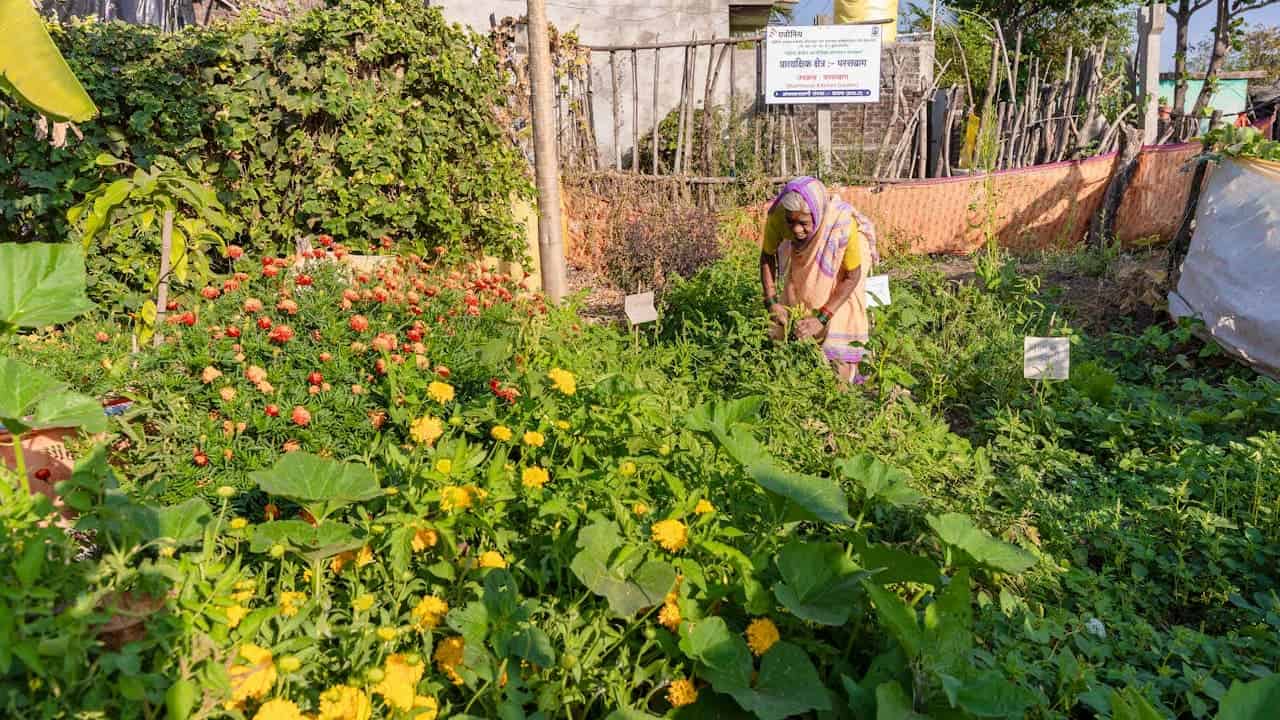
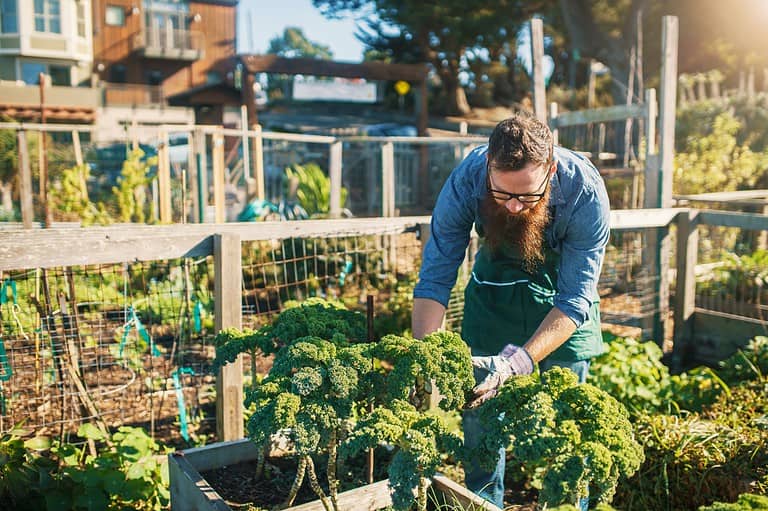
Growing your own food is a rewarding way to make your garden more sustainable. You’ll reduce your carbon footprint, save money, and get to enjoy fresh, organic produce right from your backyard. Start with easy-to-grow vegetables like tomatoes, lettuce, and cucumbers, and gradually expand your garden as you gain confidence.
7. Creating a Wildlife Habitat

Creating a wildlife habitat in your garden can help to support local biodiversity. Consider adding features like bird feeders, bat houses, and native flowering plants to attract a variety of wildlife. Remember, a healthy garden is a diverse garden, and every creature plays a role in the ecosystem.
8. Reducing Lawn Space

Lawn grasses are typically high-maintenance and require a lot of water and care. Consider reducing your lawn space and replacing it with native plants, vegetable gardens, or mulched areas. This can save water, reduce maintenance, and create a more diverse and interesting garden.
9. Using Solar-Powered Lights

Solar-powered lights are a sustainable and cost-effective way to illuminate your garden. They charge during the day and automatically light up at night, providing a beautiful glow without the need for electricity. Plus, they are easy to install and come in a variety of styles to suit any garden.
10. Planting Trees
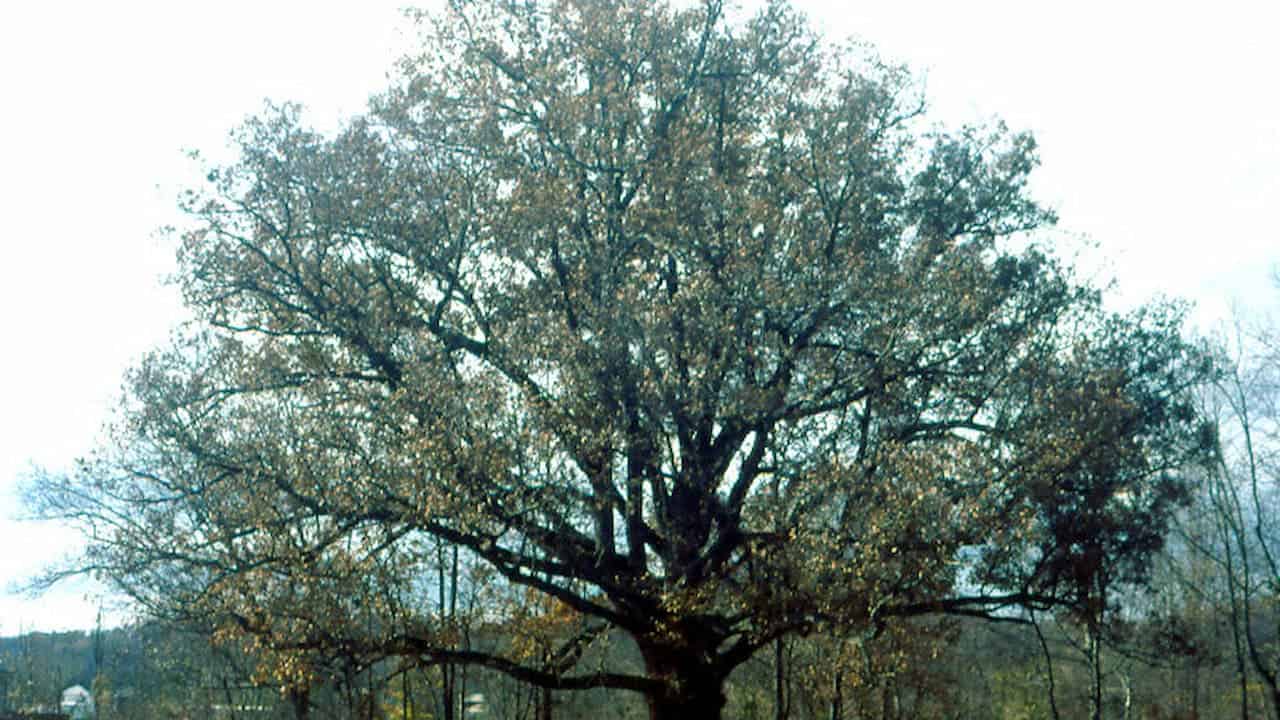
Trees are the ultimate sustainable garden feature. They provide shade, improve air quality, and can even increase property values. Plus, they provide habitat for birds and other wildlife. Consider planting a tree in your garden – it’s a long-term investment in the health of our planet.
11. Using Natural Pest Control Methods
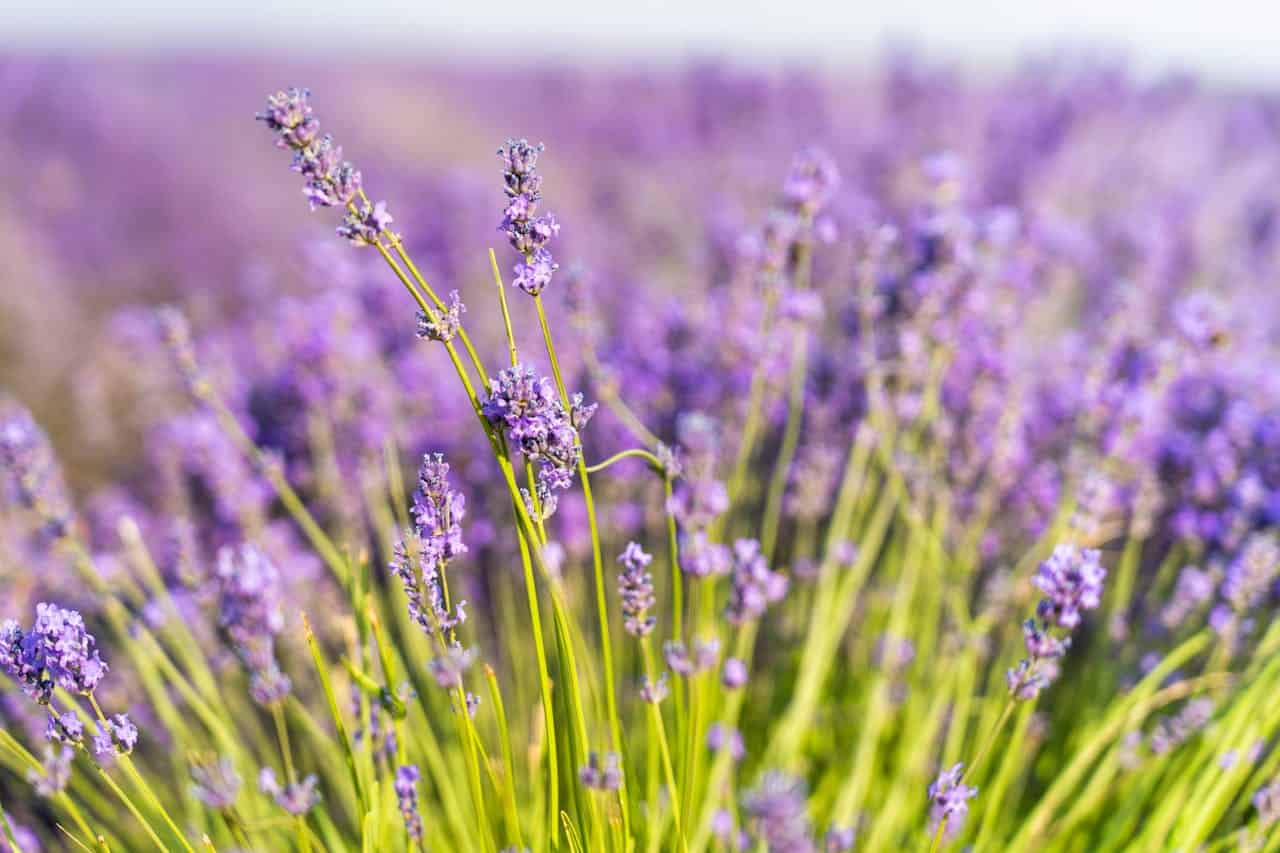
Instead of reaching for chemical pesticides, consider using natural pest control methods. These can include introducing beneficial insects, using homemade sprays, or planting pest-repelling plants. These methods are not only safer for you and the environment, but they can also be more effective in the long run.
12. Recycling Garden Waste

Recycling garden waste is another way to reduce your environmental impact. Instead of sending your yard trimmings to the landfill, consider using them as mulch or composting them. You can also donate or sell them to local farms or composting facilities.
13. Choosing Sustainable Garden Furniture

When choosing garden furniture, consider opting for sustainable materials like reclaimed wood or recycled plastic. These materials are not only durable and attractive, but they also help to reduce waste and conserve natural resources.
14. Practicing Crop Rotation

If you’re growing vegetables, practicing crop rotation can help to keep your soil healthy and productive. This involves changing the location of your crops each year to prevent the build-up of pests and diseases and to balance soil nutrients. It’s a simple practice with big benefits for your garden’s sustainability.
15. Choosing Hand-Powered Tools

Finally, consider choosing hand-powered tools over electric or gas-powered ones. They are quieter, more energy-efficient, and can often do the job just as well. Plus, they’re a great way to get some exercise while you garden!
By adopting these practices, you can create a garden that’s not only beautiful and productive, but also kinder to our planet. Happy gardening!