Basements often become a storage spot for items you don’t use every day, but over time, many of these things can start to gather mold. This not only affects their condition but can impact your health and the value of what you have stored.
Knowing which basement items are valuable despite mold can help you decide what to keep, clean, or safely remove. Understanding the risks and potential worth of these belongings can save you money and protect your living space.
Advertisement
1964 Kennedy Half Dollar Coins
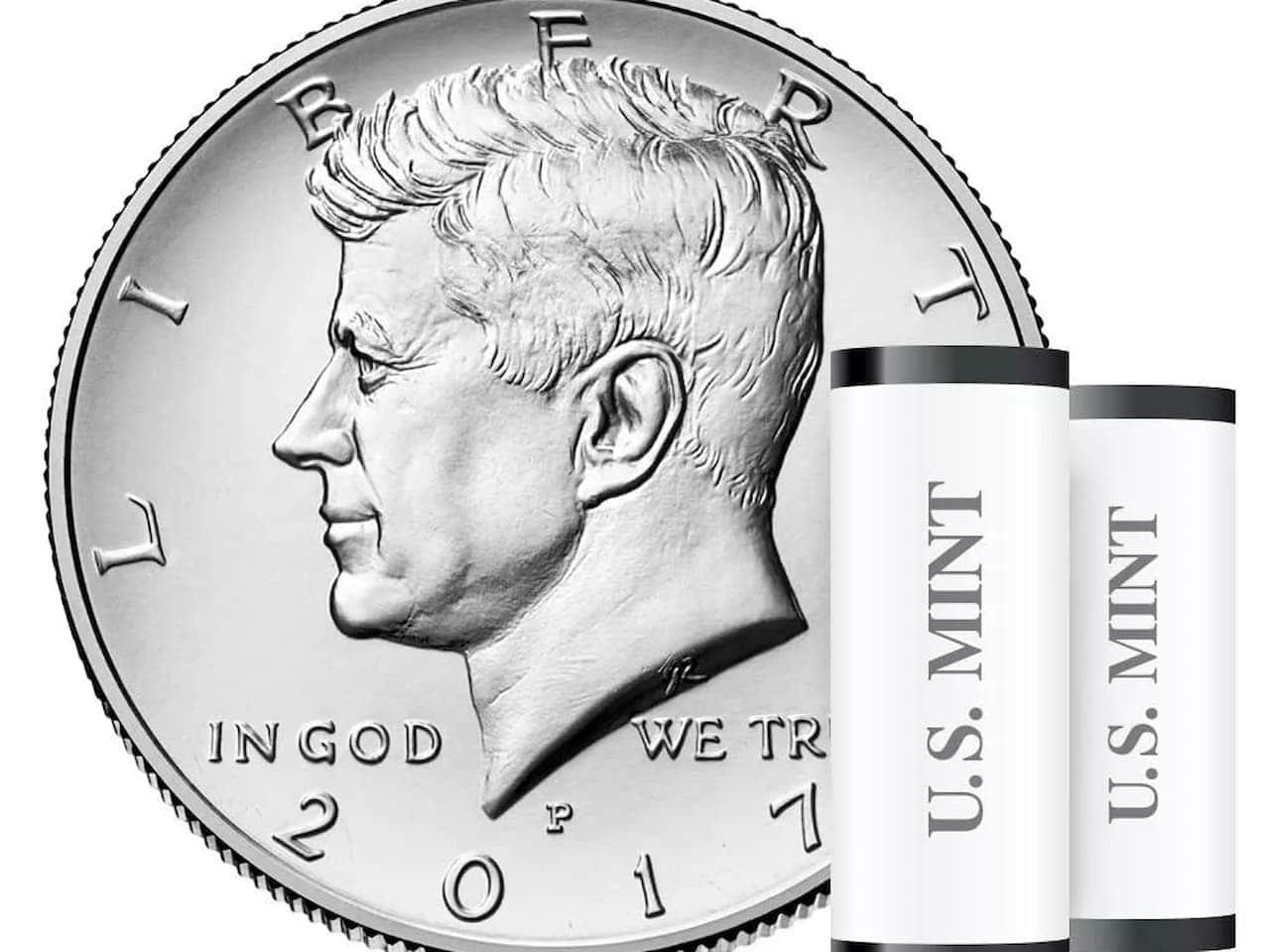
If you have a 1964 Kennedy Half Dollar, it could be worth keeping an eye on. These coins were the first issued after President Kennedy’s assassination, making them historically important.
The 1964 coins are made of 90% silver, which adds to their value. Some special versions, like the Accented Hair proof, are rarer and can be worth significantly more.
Even common coins from this year hold some value, especially if they are in good condition. Your coin’s worth depends on factors like mint mark and quality.
Flowing Hair Silver Dollar 1794/95
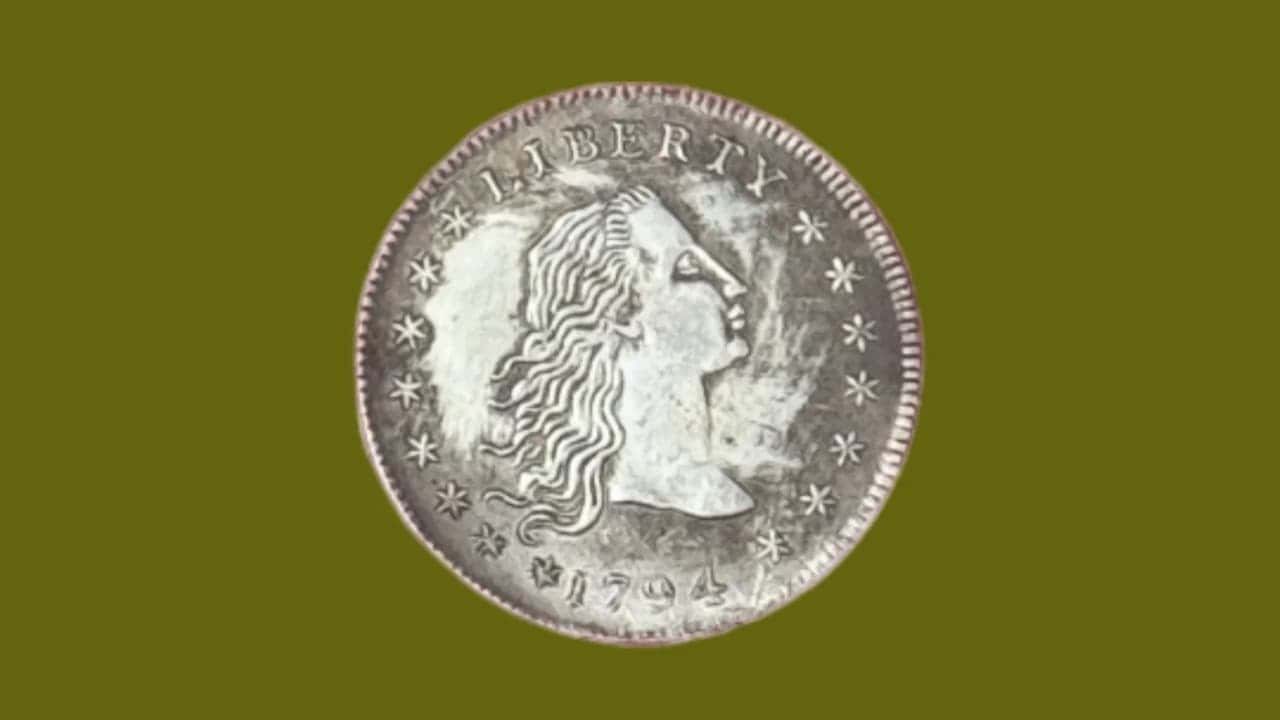
If you find a Flowing Hair Silver Dollar from 1794 or 1795 in your basement, you have a rare piece of history. These coins were among the first silver dollars ever minted, with only about 1,758 made in 1794.
The coin features a classic design and weighs nearly 27 grams. Its edge shows the inscription “HUNDRED CENTS ONE DOLLAR OR UNIT,” which helps identify it. Even worn examples can hold value for collectors.
Rare 1995 U.S. Penny with Doubled Inscriptions
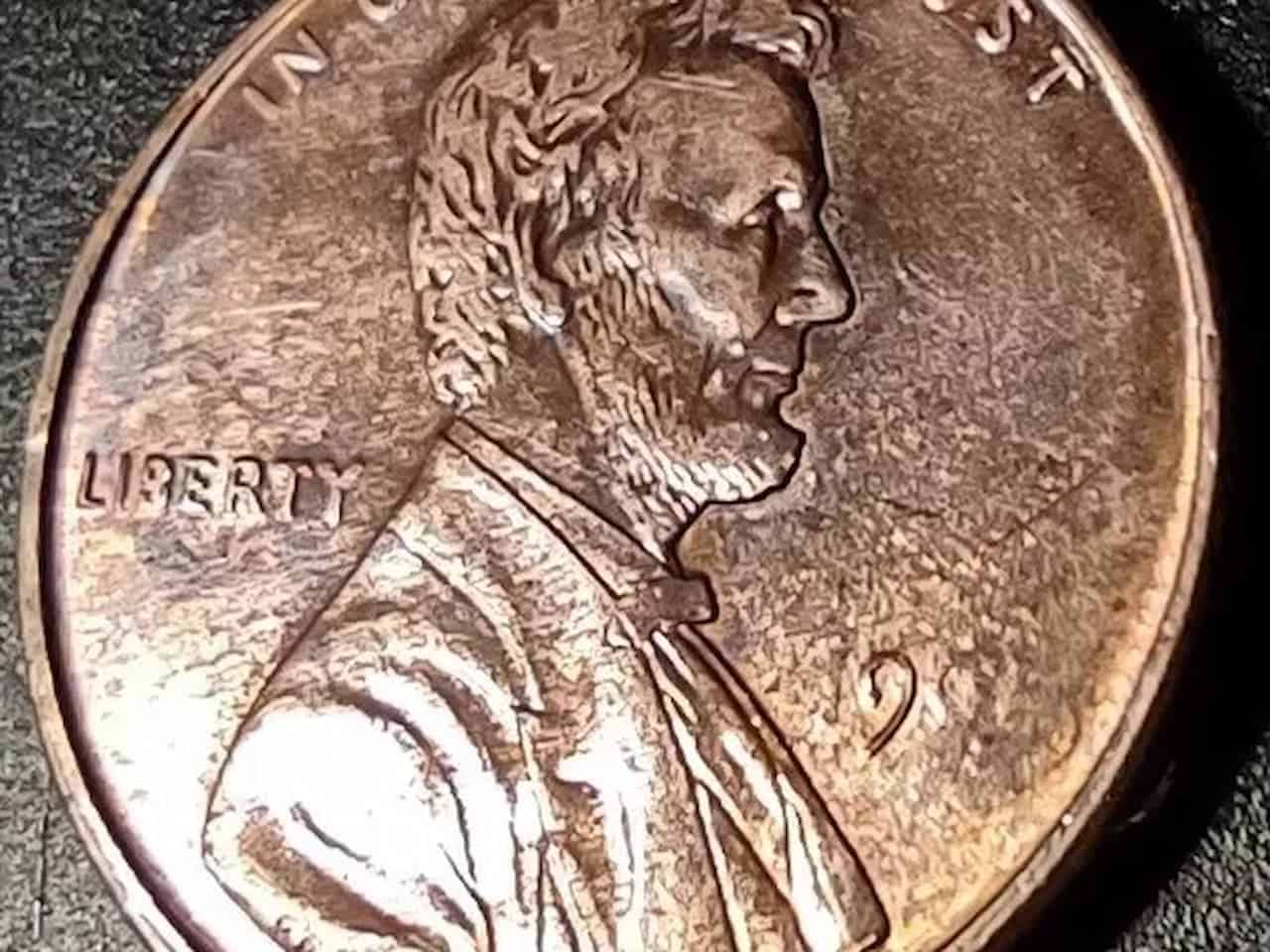
If you find a 1995 penny with doubled inscriptions, you might have something special. This doubled die error causes the letters and numbers on the coin’s front to appear doubled.
These coins are much rarer than regular 1995 pennies and can be worth more, sometimes dozens or even thousands of dollars depending on condition.
To check yours, look closely at the inscriptions on the heads side. If you see distinct doubling, your penny could be collectible.
Original Super Mario Bros. Cartridge
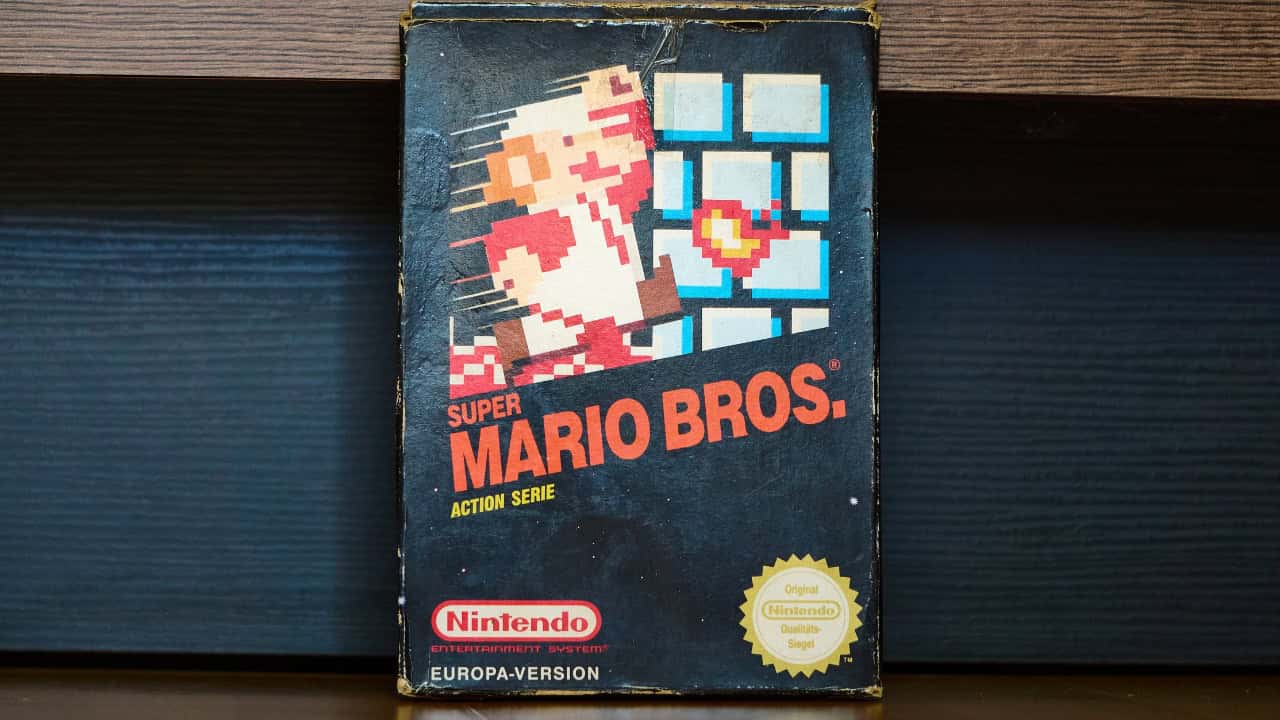
If you find an original Super Mario Bros. cartridge in your basement, it might be more valuable than you think. Sealed copies have sold for hundreds of thousands of dollars at auction. Even loose versions hold some collector’s worth, especially if they’re in good condition.
Keep in mind that moisture or mold can damage the cartridge’s value. If you spot mold, try to clean it gently and store the game in a dry place. Your old game could be a hidden treasure!
1933 Atlantic City Edition Monopoly
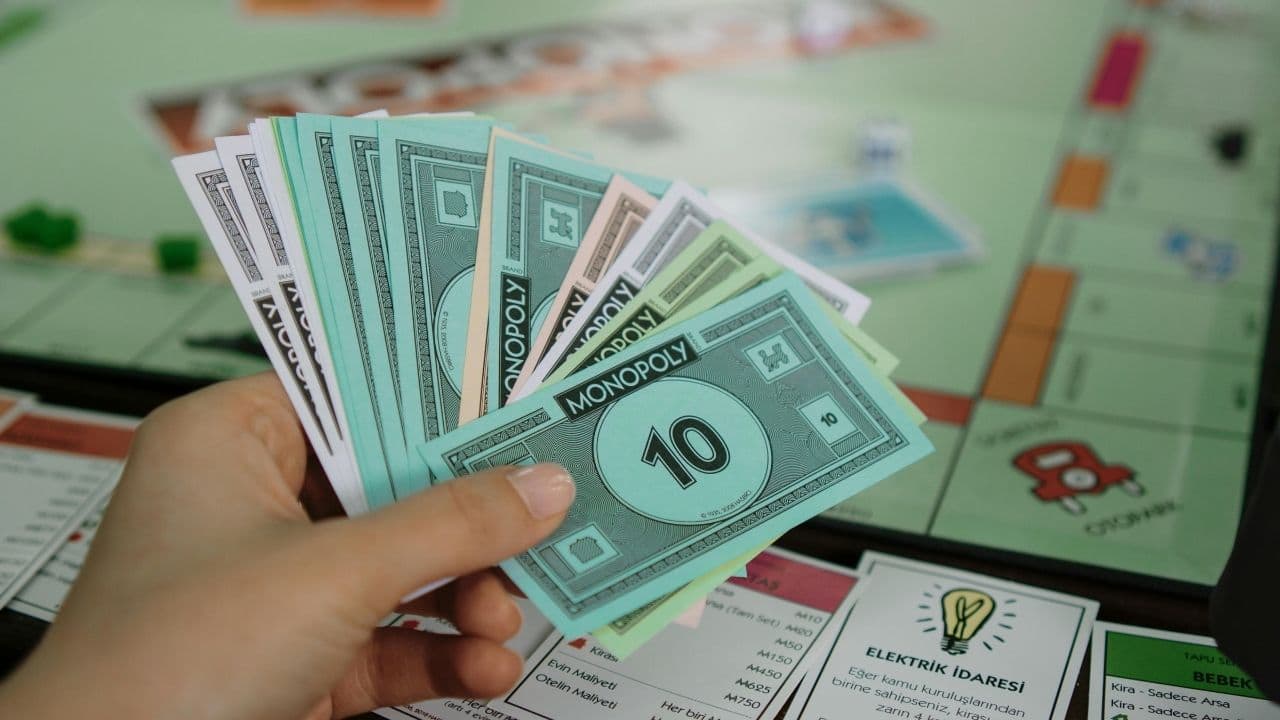
If you find a 1933 Atlantic City Edition Monopoly in your basement, you might have a valuable item. This special edition was handmade by Charles Darrow and features Atlantic City street names.
Collectors pay a lot for these sets. One sold at auction for over $140,000. Even if yours isn’t in perfect condition, it could still be worth something. Keep it safe and consider getting it appraised.
Vintage Asteroids Arcade Game

If you find a vintage Asteroids arcade game in your basement, you’re sitting on a classic piece of gaming history. These machines are popular with collectors and usually sell for under $500, making them accessible for many enthusiasts.
The game’s simple but addictive gameplay still draws attention. If your machine is in good working condition, it could be a valuable find. Even a non-working unit may interest buyers for parts or restoration.
Antique Oriental Rug
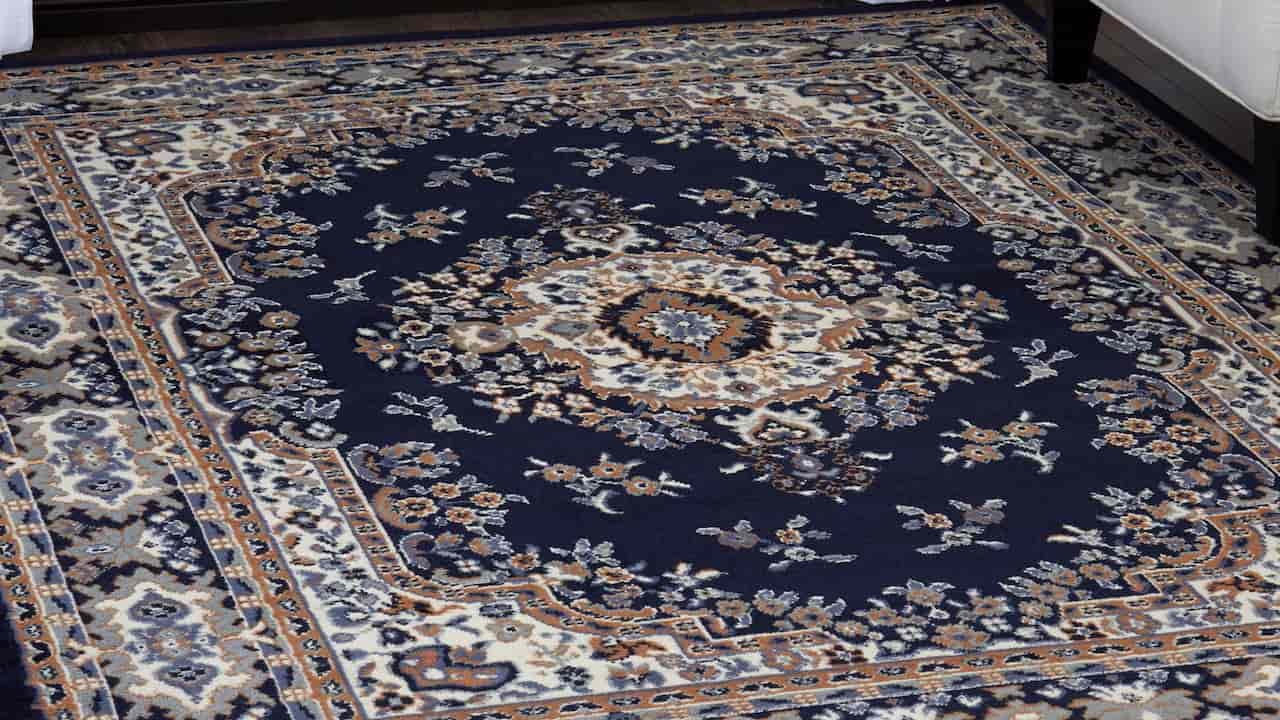
If you have an antique Oriental rug in your basement, it could be more valuable than you think. These rugs often hold cultural and historical significance, especially if they are handmade.
You’ll want to check its condition carefully because worn rugs may lose value but can still be worth quite a bit. Proper care helps maintain their worth over time.
Knowing how to identify authenticity and craftsmanship will help you understand what you have. Consulting an expert can also give you a clearer picture of its value.
Dusty Piggy Bank with Old Coins
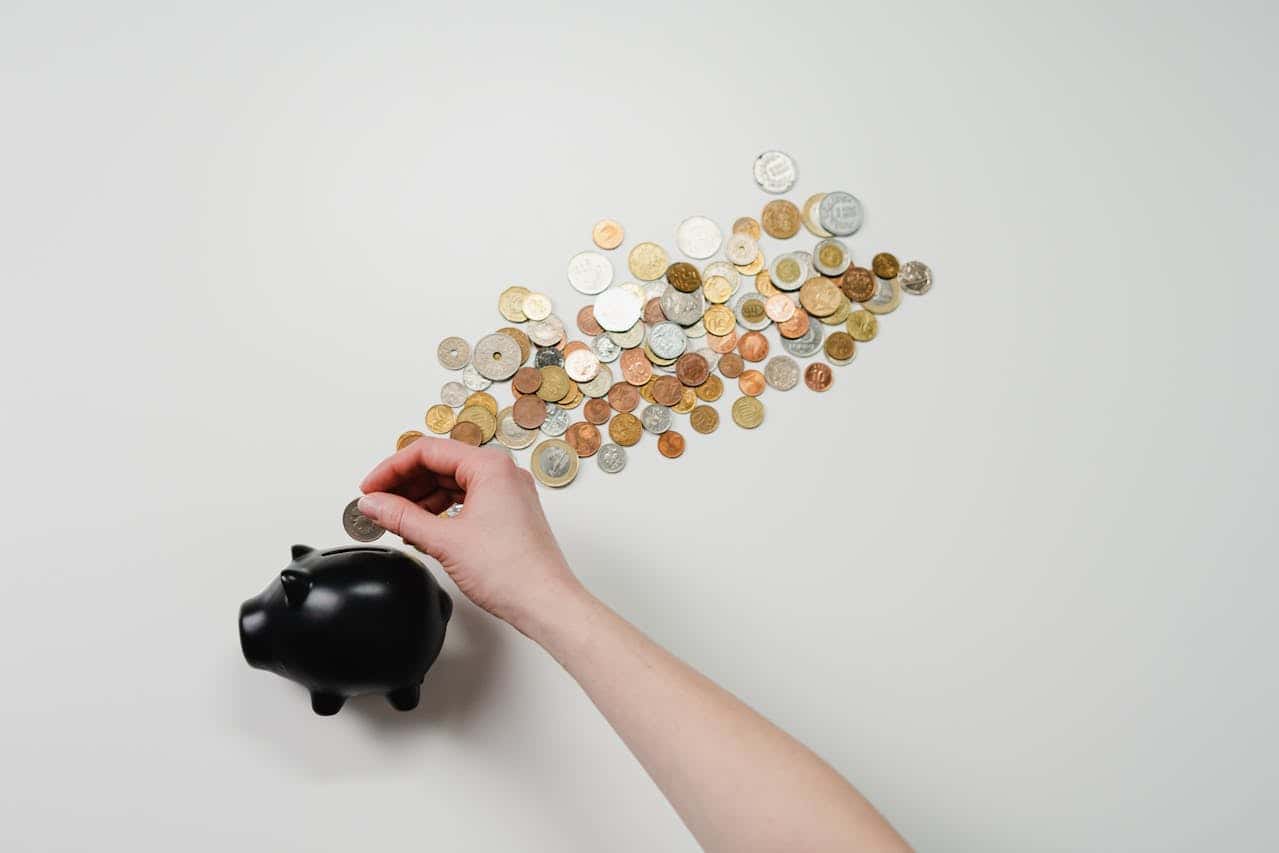
You might find an old piggy bank tucked away in your basement collecting dust. Inside, there could be coins that hold more value than you expect.
Some old coins, even if worn, can be worth well beyond their face value. Look closely for rare dates or unusual markings.
Even common pennies from certain years can sometimes be collectible. Checking your coins carefully could surprise you with a small treasure.
Classic Board Games like Monopoly
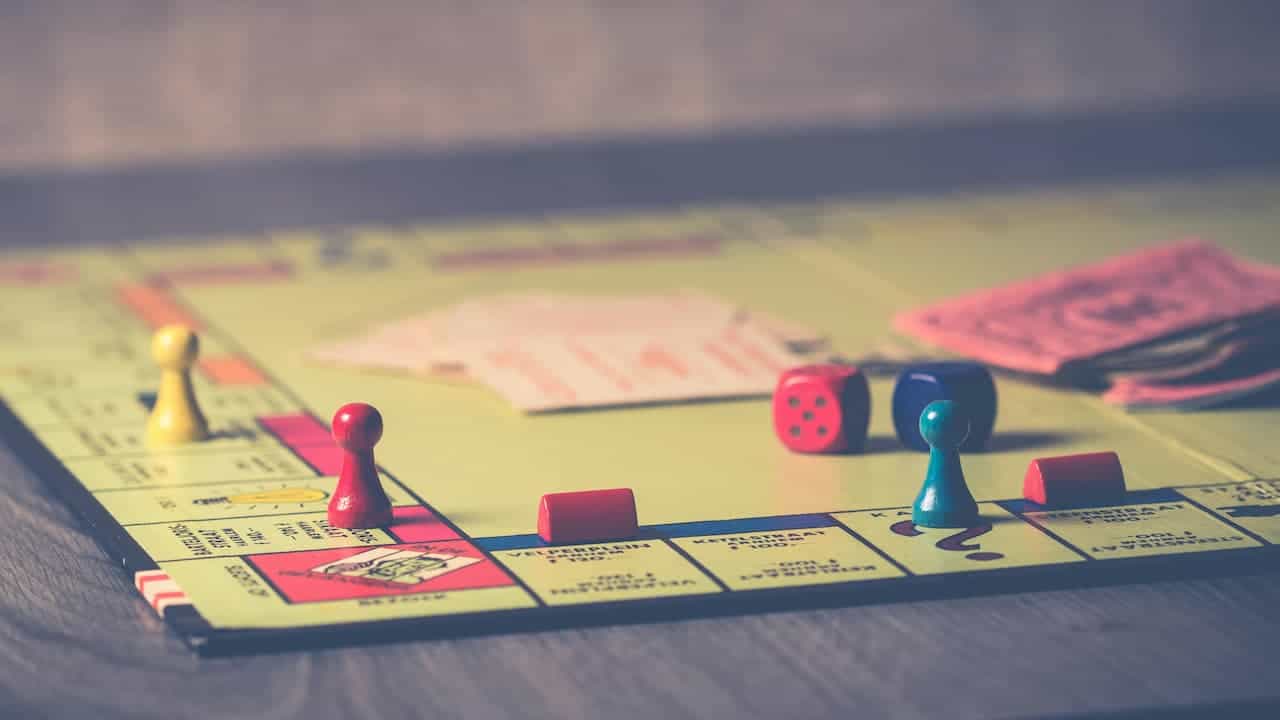
If you find old versions of Monopoly in your basement, they might be worth more than you expect. Vintage editions, especially those with original boxes and pieces, tend to attract collectors.
Other classic board games like Scrabble and Clue can also have value, particularly if they are well-preserved. Keep an eye out for rare or limited edition versions, as those often increase in worth over time.
Old Stereo Equipment and Speakers

If you have old stereo equipment or speakers in your basement, don’t overlook them. Vintage turntables, tube amps, and classic speakers from the mid-20th century can hold value.
With some cleaning or refurbishing, your equipment might work well again or even appreciate in worth. Even if you’re not an expert, professionals can help restore them while keeping their original charm.
Retro Handheld Video Games
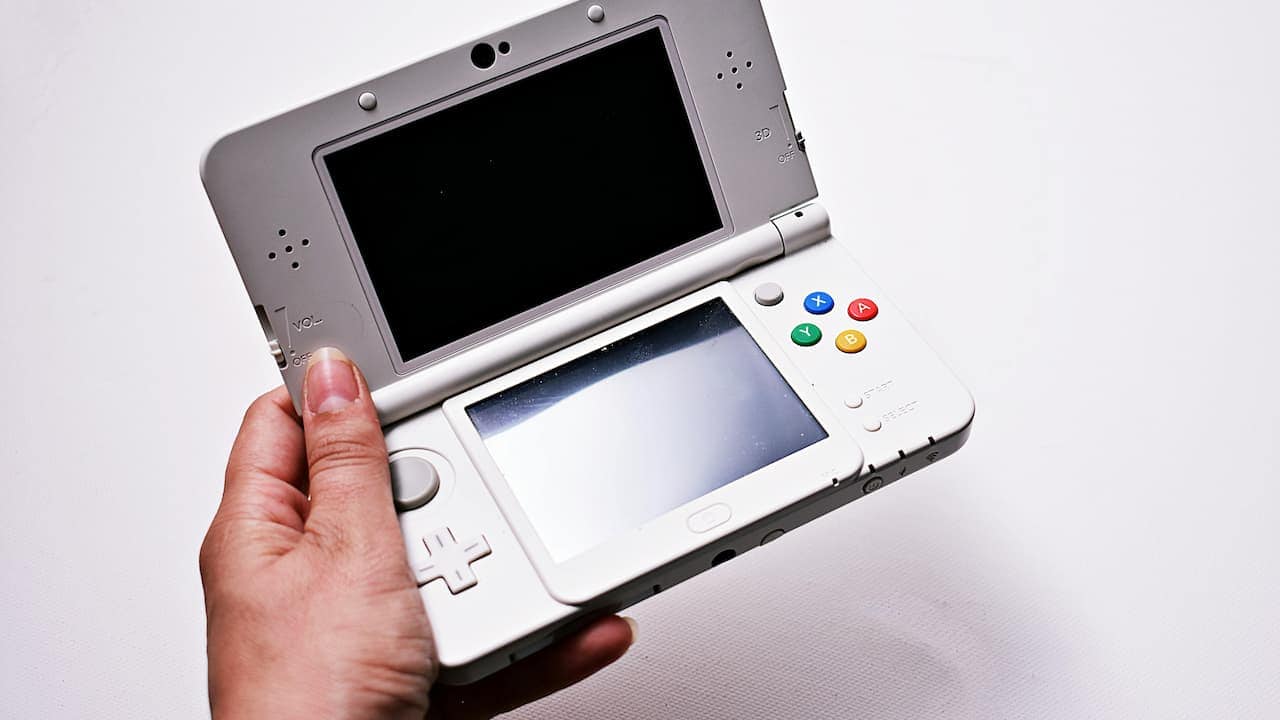
If you find old handheld video games in your basement, they might be worth more than you think. Classic models like the original Game Boy or rare limited editions can attract collectors.
Condition matters a lot, so keeping your devices and cartridges clean and intact helps maintain their value. Some nostalgic titles hold steady demand, especially if you have original packaging. Check your collection—you might have a hidden gem!
Rare Comic Books
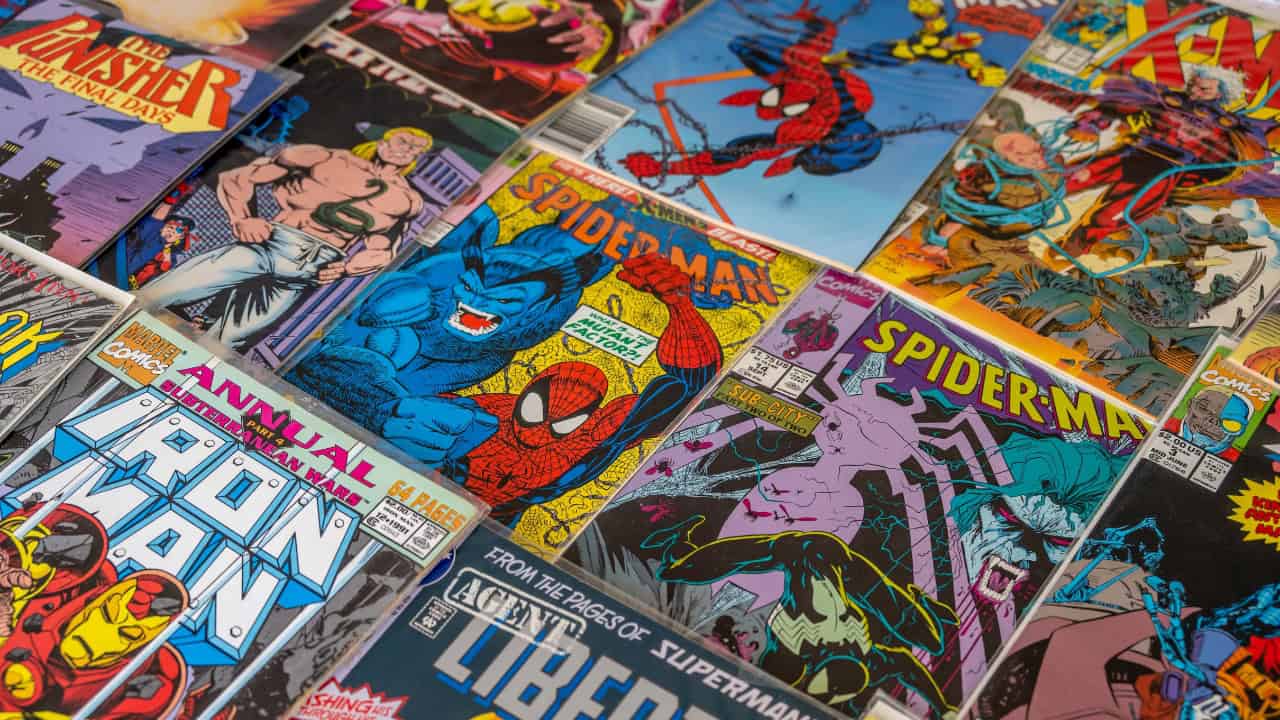
If you have old comic books in your basement, you might be sitting on a small treasure. Comics like Action Comics #1 or Amazing Fantasy #15 can be worth millions, especially in good condition.
Even less famous titles from the Golden or Bronze Age can have significant value. Check the condition carefully—wear and mold damage can greatly reduce their worth.
It’s worth having your comics professionally graded to understand their true value before deciding what to do with them.
Collector’s Edition Baseball Cards

If you have collector’s edition baseball cards hidden away, you might want to check their condition. Cards from brands like Topps and Bowman remain popular, especially those featuring stars like Shohei Ohtani or Fernando Tatis Jr.
Mold can easily damage these cards, reducing their value. Make sure your cards are stored in a dry, cool place to keep them safe.
Vintage Typewriters
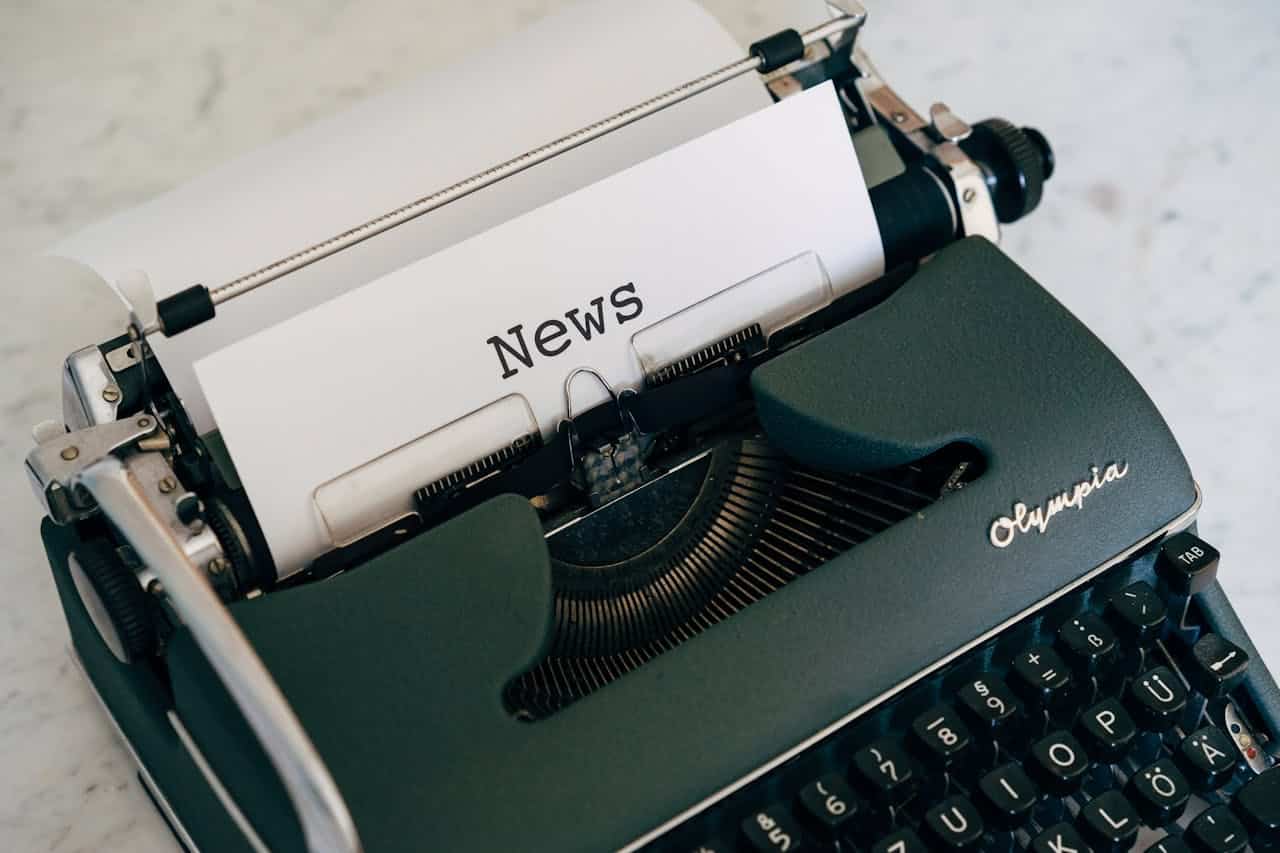
If you find an old typewriter in your basement, it might be worth more than you think. Early 20th-century models and some late 19th-century designs, like the Remington No. 1, are especially prized by collectors.
Condition matters a lot, so check for rust or missing parts. Even dusty, unused typewriters can catch the eye of buyers looking for classic or historic pieces.
First Edition Novels

If you have old first edition novels in your basement, they might be valuable even if they’re molding. Books like early prints of Pride and Prejudice or Moby-Dick are highly sought after by collectors.
Keep in mind that mold can damage their value, but experts can sometimes restore them. Checking for rare features, such as print errors or signatures, can help you understand their worth.
Treat these books carefully to avoid further damage, as their historical significance often outweighs their condition.
Understanding Mold Growth in Basements
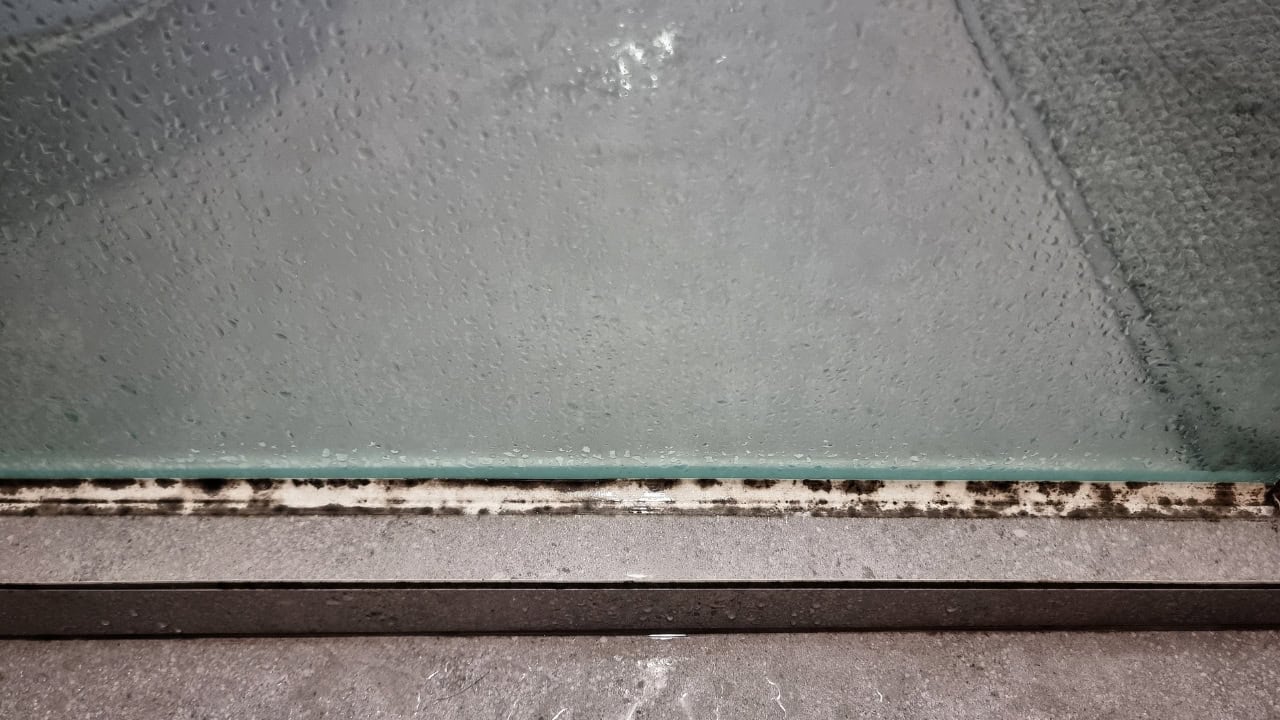
Mold grows when moisture meets a food source, often thriving in dark, humid places like basements. You can catch mold early by knowing what conditions lead to its growth and recognizing typical signs of presence.
Common Causes of Mold Accumulation
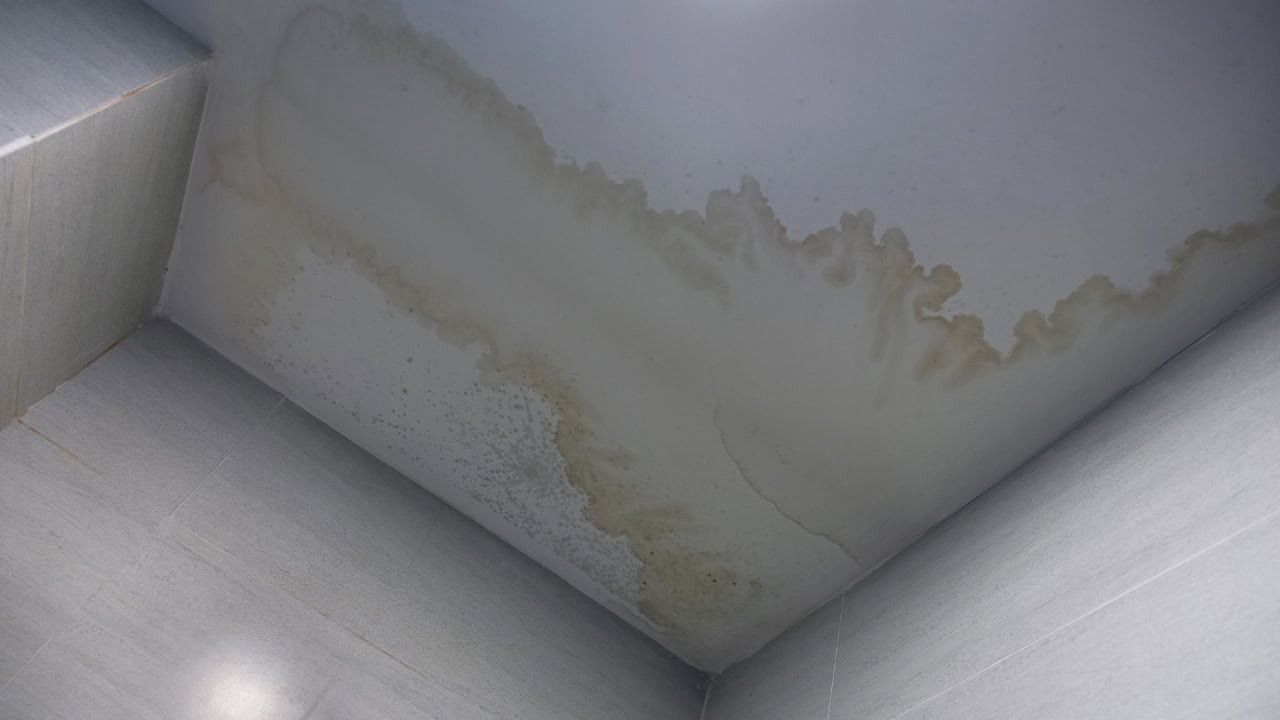
High humidity is one of the main culprits. When basement humidity exceeds 60%, it creates a perfect environment for mold to thrive.
Leaks from pipes, foundation cracks, or flooding add moisture, feeding mold colonies. Poor ventilation traps damp air, letting mold spread faster.
Storing damp clothes, cardboard boxes, or fabrics directly on basement floors gives mold easy access to organic material.
Using materials like standard drywall without moisture resistance can worsen problems if they get wet. Proper organization and mold-resistant materials reduce risk.
Signs That Mold May Be Present

Look for musty, earthy odors even if you don’t see mold. This smell often signals hidden growth behind walls or under flooring.
Visible mold appears as spots or patches in colors like black, green, or white on surfaces like walls, ceilings, and stored items.
You might notice water stains, peeling paint, or warped surfaces, which indicate excess moisture buildup—a precursor to mold growth.
Allergies, coughing, or irritation when in the basement can also suggest mold is present nearby, especially if symptoms improve when you leave the area.
The Health and Home Impact of Mold

Mold in your basement can affect both your well-being and the condition of your home. Understanding how it impacts health and property helps you take the right steps to protect yourself and your investment.
Potential Health Risks From Mold Exposure

Mold releases spores that can irritate your respiratory system when inhaled. You might experience symptoms like coughing, sneezing, nasal congestion, and eye irritation. People with asthma, allergies, or weakened immune systems are especially vulnerable.
Long-term exposure can worsen chronic respiratory conditions. Mold can also trigger skin rashes or headaches in some individuals. Since mold types vary, you can’t predict the exact reaction, but it’s safest to avoid prolonged contact.
Controlling moisture is key to stopping mold growth and reducing health risks. Fix leaks and improve ventilation in your basement to limit mold exposure for you and your family.
Effects on Home Value and Integrity
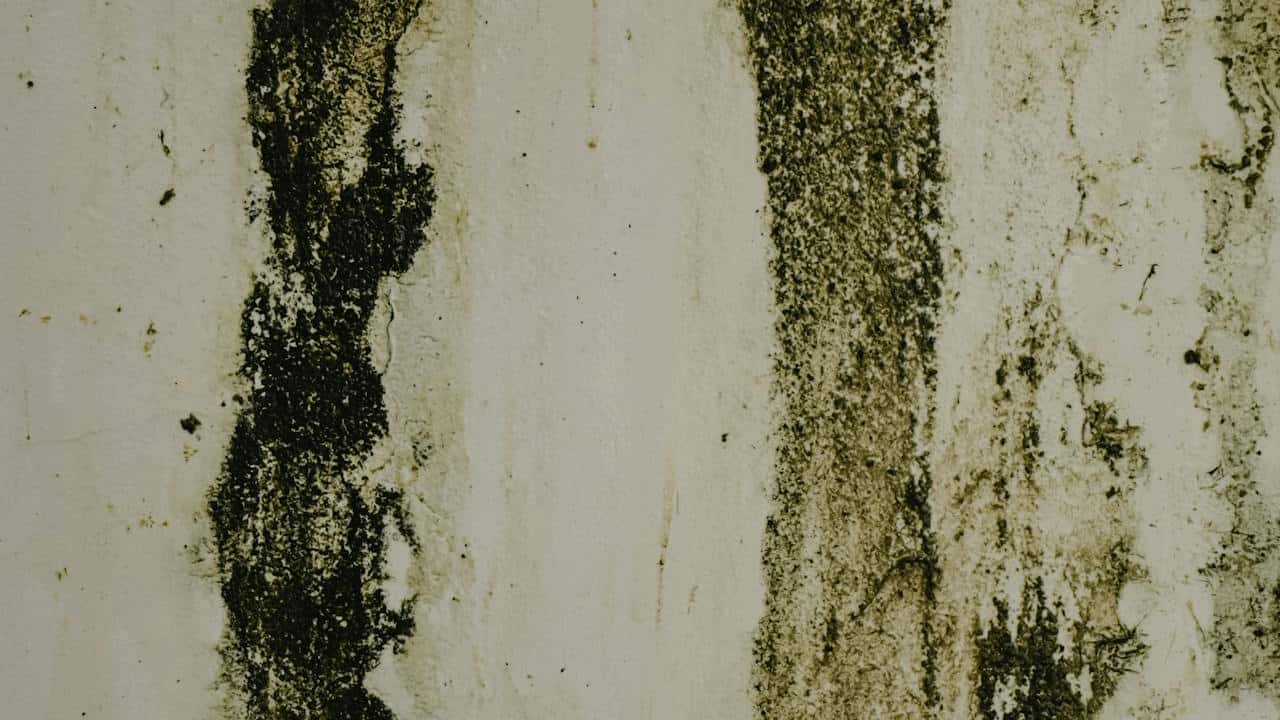
Mold damages building materials like drywall, wood, and insulation. Over time, it weakens these structures, increasing the chance of costly repairs. If mold spreads behind walls or floors, hidden damage can escalate without immediate notice.
Visible mold is often a red flag for homebuyers and inspectors. It can reduce your home’s market value and make selling more difficult. Many buyers demand mold remediation before closing a sale.
To protect your home’s value, address mold early by removing affected materials and fixing moisture sources. Regular basement inspections help catch problems before they grow.