Gardening can sometimes feel like solving a puzzle, especially when your space brings challenges like awkward shapes, slopes, or limited room. Finding creative solutions can help you make the most of your garden while tackling common issues that slow progress or limit enjoyment.
This article offers 15 unusual garden ideas designed to address many of these everyday problems, making your outdoor space both practical and enjoyable. Whether you want to manage erosion, maximize small areas, or create a peaceful retreat, these ideas can inspire you to transform your garden in smart, effective ways.
Advertisement
Vertical herb gardens to save space and add greenery

You can grow your favorite herbs using vertical garden setups that fit small spaces. These gardens work well on walls or fences, freeing up ground area.
Using pocket planters or hanging pots helps you keep herbs close at hand for cooking. Plus, vertical gardens add a fresh, green touch to your home or balcony.
With simple DIY methods, you can create a vertical herb garden that’s both practical and attractive. It’s an easy way to boost your garden’s productivity without needing more space.
Curved flower beds along fences for flow and coverage
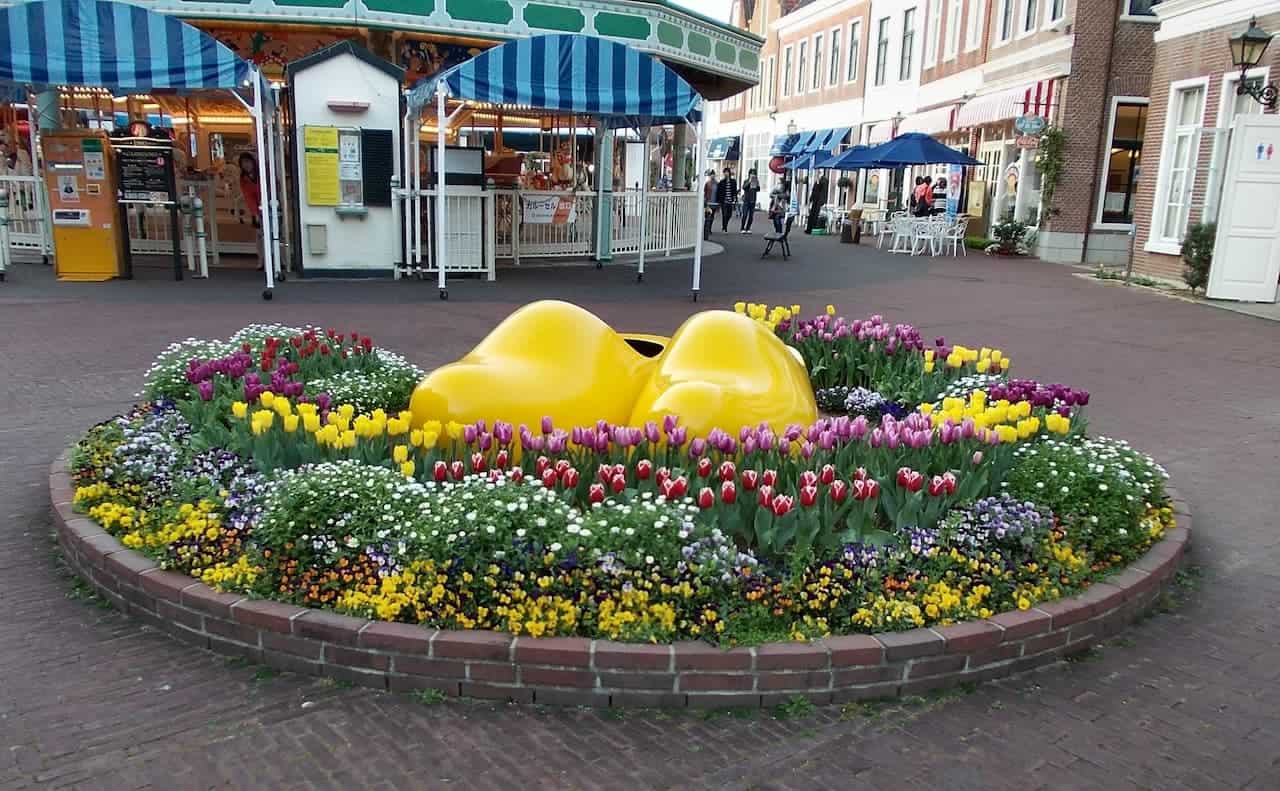
You can create a gentle curve with your flower bed along the fence to soften harsh lines. This adds a natural flow to your garden and makes the space feel more inviting.
Curved beds also allow for better plant placement, giving your flowers more room to grow and cover bare fence areas. This helps improve privacy and adds visual interest without needing extra structures.
Garden paths made of reclaimed wood to define spaces
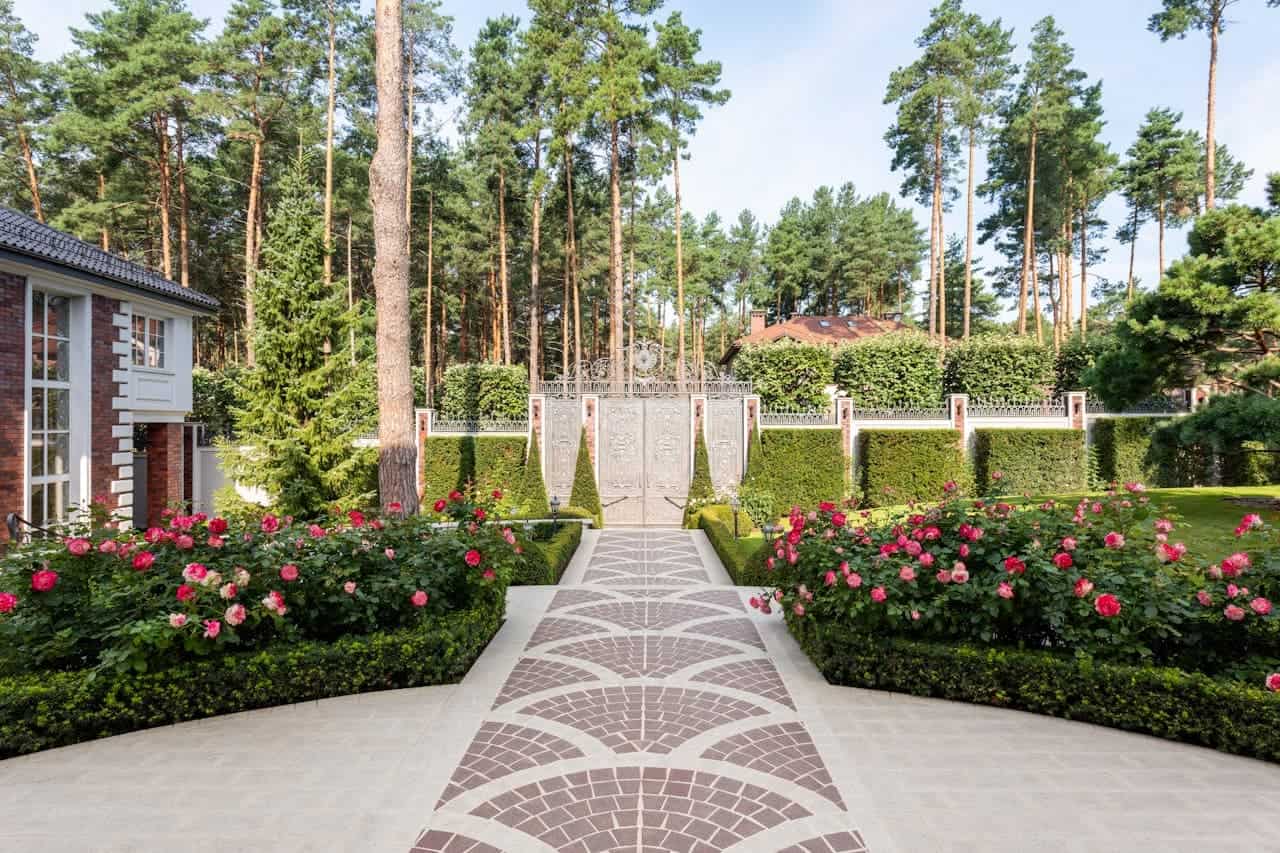
You can create charming garden paths using reclaimed wood. This material adds a rustic feel while clearly marking different areas in your garden.
Using wood pallets or old planks, you can build frames that resist rot with simple treatments. It’s an easy way to define walkways without needing new materials.
Reclaimed wood paths blend well with natural surroundings and help organize your garden layout effectively.
Installing a pergola with climbing plants for shade and privacy
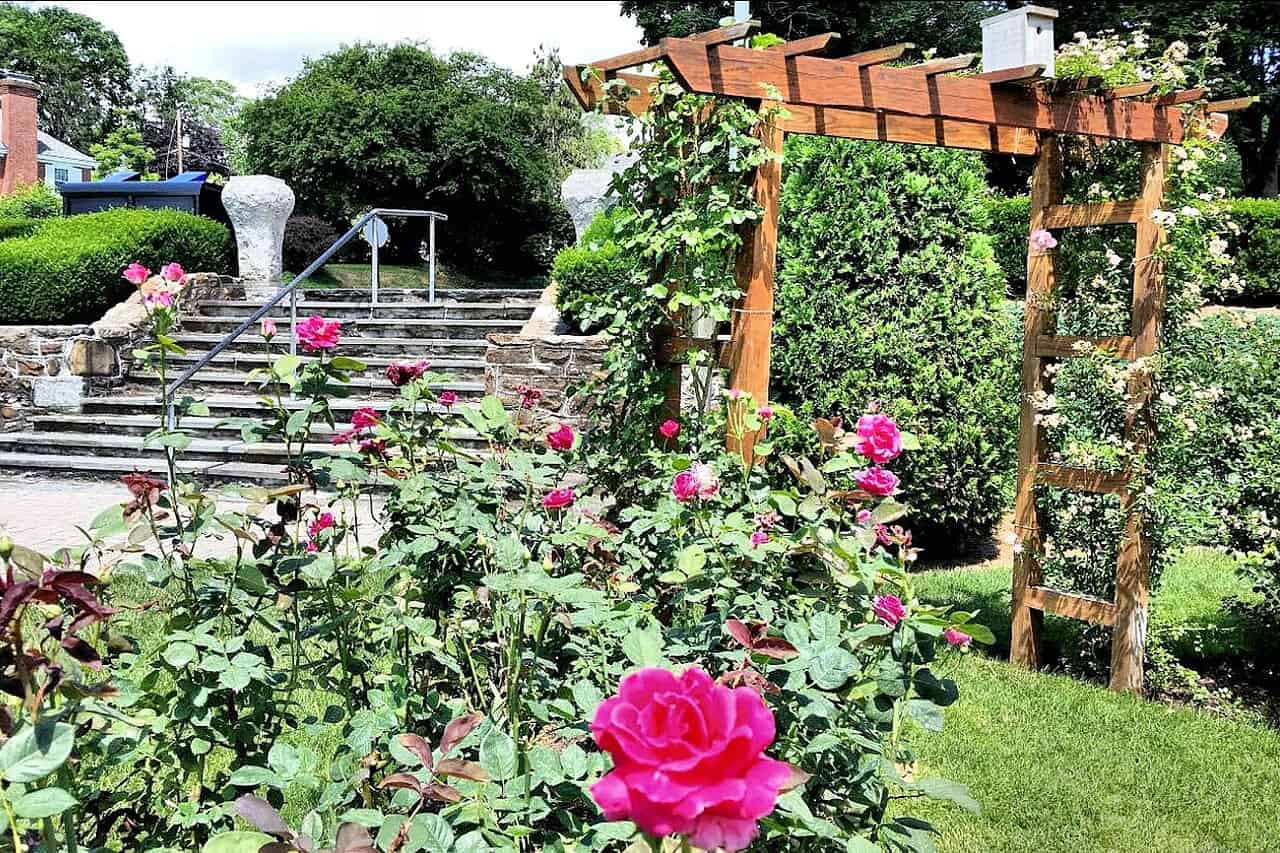
You can add a pergola to your garden to create a natural shaded spot. Climbing plants like vines or ivy grow around the posts, slowly covering the structure.
This living canopy offers privacy while softening the look of your outdoor space. Over time, the plants can provide more shade, making the pergola cooler and cozier.
Choose plants that suit your climate and maintenance preference to keep your pergola thriving year-round.
Using al fresco sculptures to add charm and disguise bare spots

You can use al fresco sculptures to bring personality to your garden while covering empty, bare areas. These pieces don’t have to be expensive or complex; even simple DIY sculptures work well.
Placing a sculpture in underused corners draws the eye and creates focal points. Choose something that matches your garden’s style to keep the vibe cohesive and inviting.
Raised beds with built-in water reservoirs to reduce watering

You can save time by using raised beds that have built-in water reservoirs. These beds hold water below the soil, letting plants draw moisture as needed.
This reduces how often you need to water and helps prevent overwatering. Plus, it keeps soil consistently moist, which is great for healthy plant growth.
Building or buying a self-watering raised bed makes gardening easier, especially in hot or dry conditions.
Creating a Zen garden corner for calm and minimal maintenance
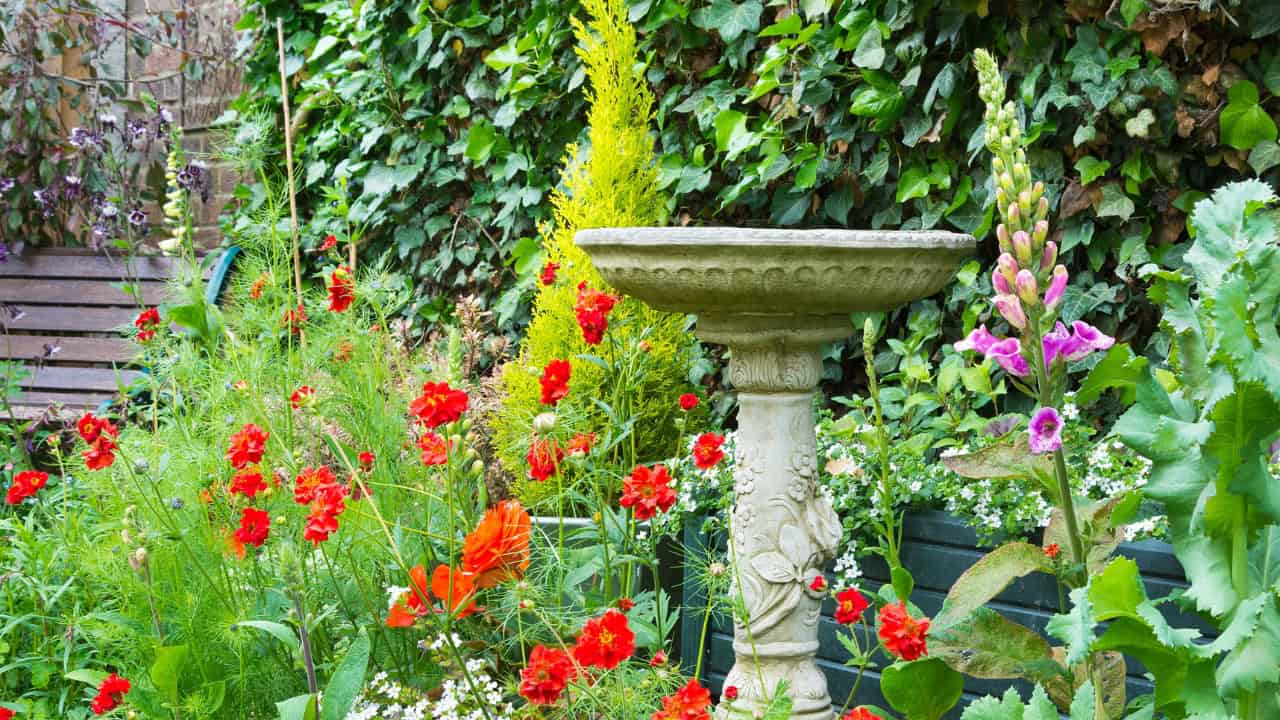
You can create a Zen garden corner that brings calm without much upkeep. Use simple materials like gravel, stones, and a few low-maintenance plants.
A small water feature or bamboo can add soothing sounds. Keep the design minimal to make the space peaceful and easy to care for. This corner can become your quiet retreat for relaxation.
Building a greenhouse to extend the growing season
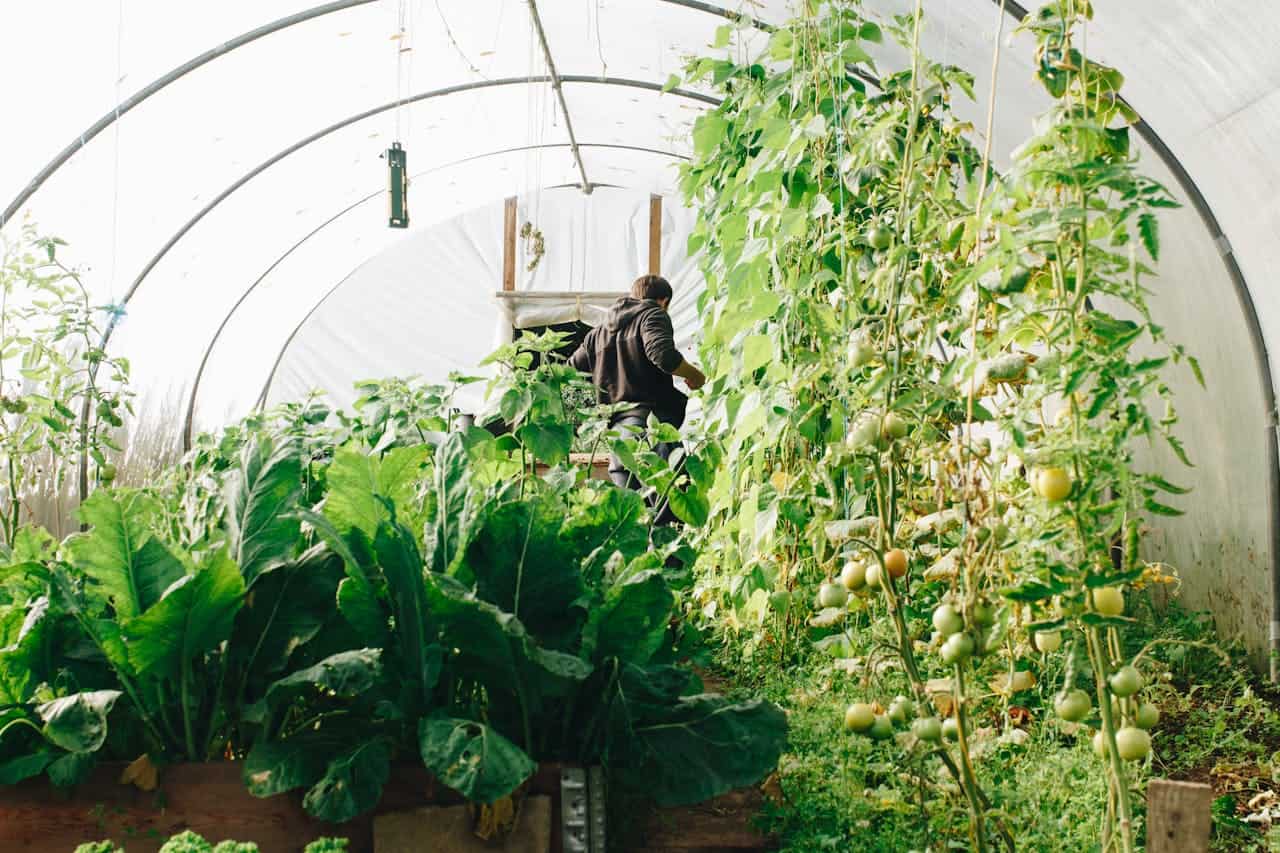
Building a greenhouse lets you grow plants longer than usual. You can protect your garden from cold weather and frost, helping your plants thrive.
You don’t need complex skills or expensive materials. A simple, flexible design can keep your plants cozy through different seasons.
Using raised beds or containers inside your greenhouse can make it easier to manage your plants and soil. This way, you get fresh produce for more months of the year.
Planting climbers like Montana and Armandii to cover ugly fences
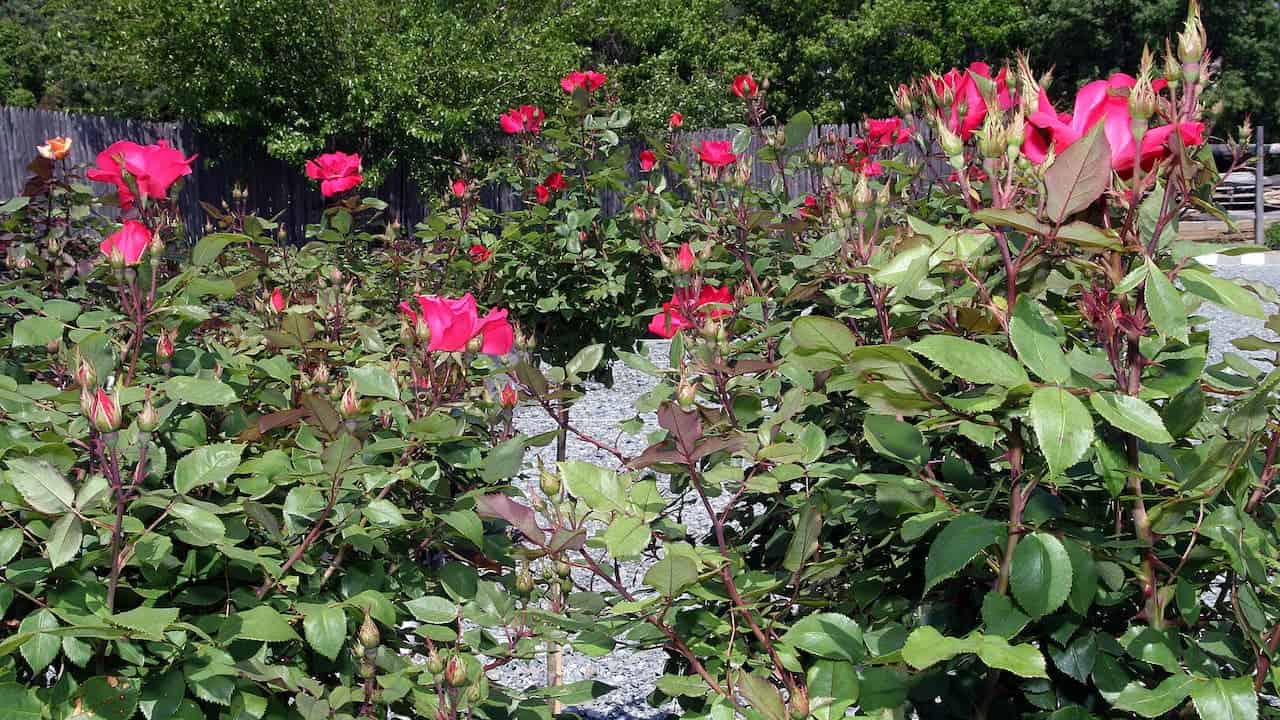
If you want to hide an ugly fence, climbers like Montana and Clematis Armandii are great choices. They grow quickly and provide good coverage.
Montana produces lovely flowers in spring, adding color to your fence. Armandii stays evergreen, offering year-round privacy with its shiny leaves.
Both need some support and occasional pruning to keep them tidy. These plants can transform your fence into a natural, attractive feature in your garden.
Installing garden water features to mask noise and attract birds
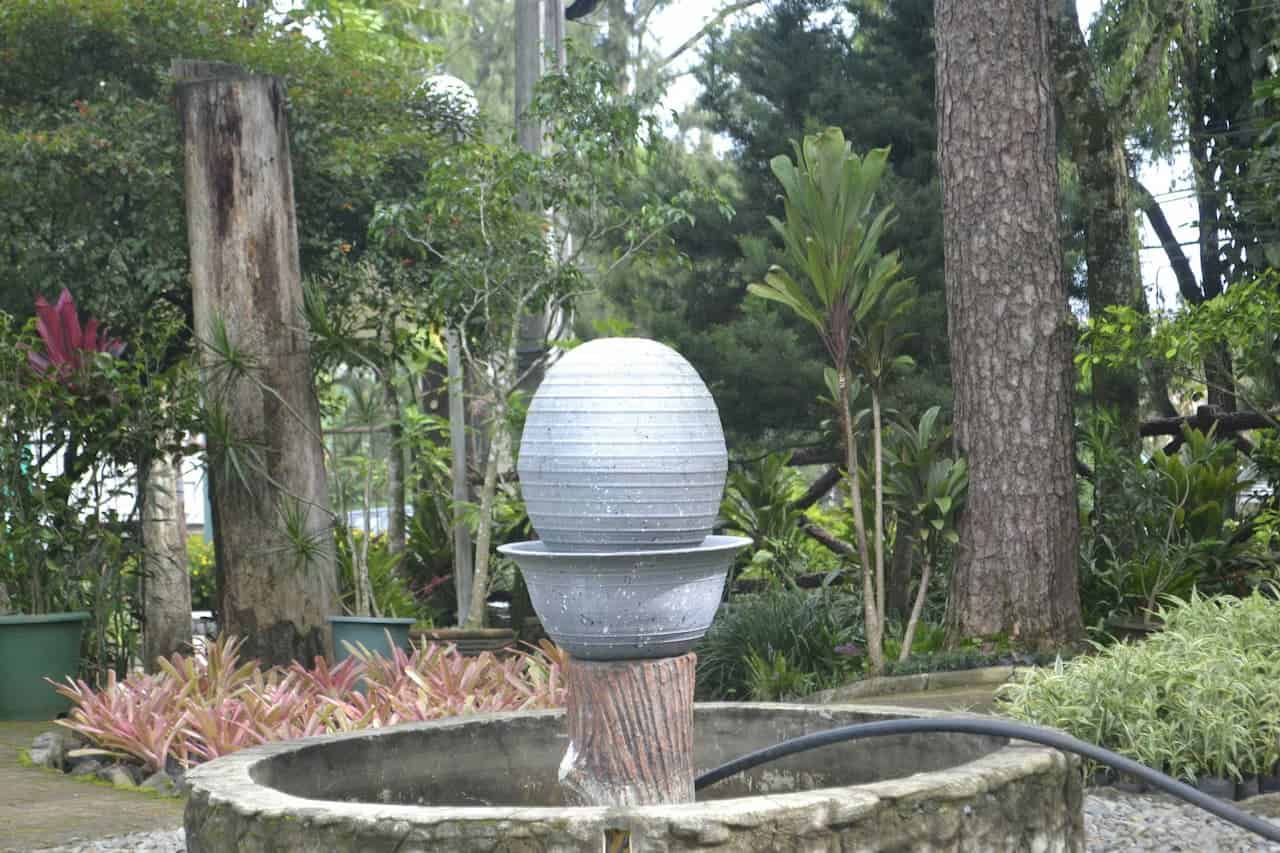
You can install a small fountain to add soothing sounds that help mask traffic or neighborhood noise. The gentle water flow creates a calm atmosphere.
Water features also attract birds, giving your garden more life and activity. A birdbath or bubbler encourages feathered visitors to stop by for a drink or a quick bath.
Choose a design that fits your space, from simple stone basins to multi-tiered fountains. This adds both beauty and function to your garden.
Seating areas tucked into awkward corners to maximize use
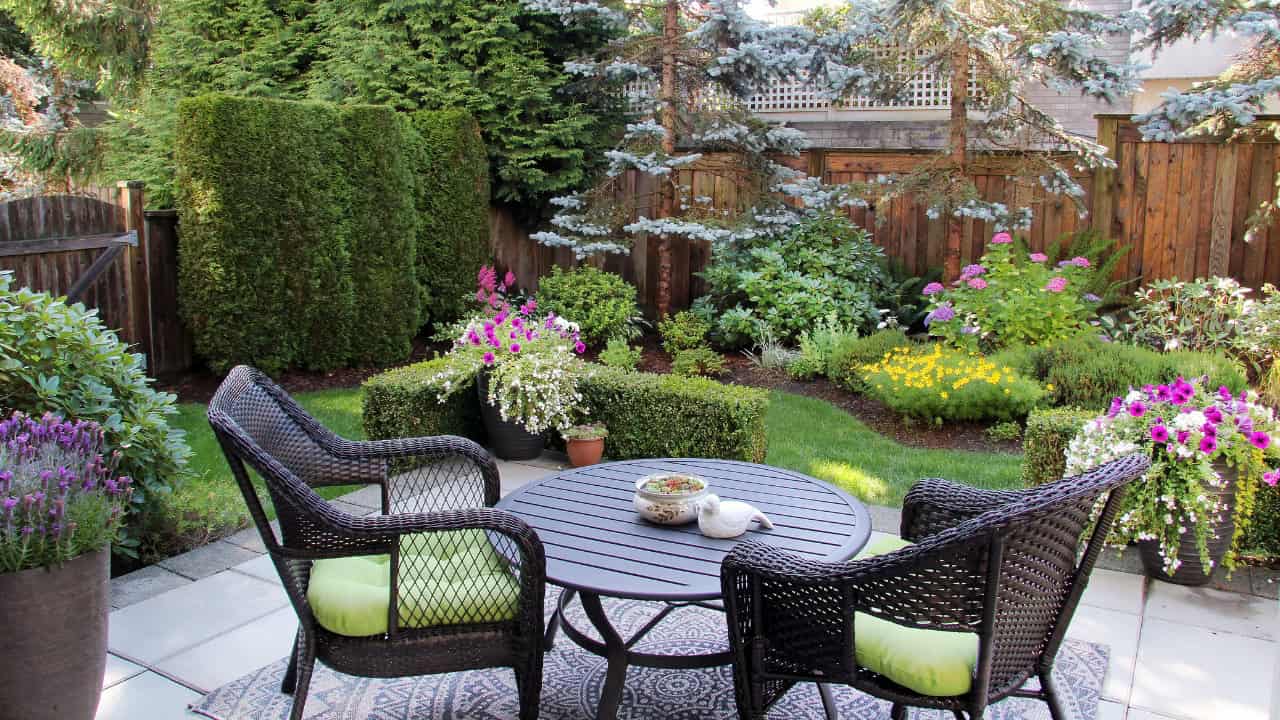
You can turn awkward corners into cozy seating spots. A small bench or built-in seating fits well and creates a quiet place to relax.
Add cushions or pillows to make it inviting. Consider using weatherproof materials to keep it durable outdoors.
If space is tight, a corner chair or even a swing can work. This way, you make use of space that often goes unnoticed.
Low-maintenance colorful perennials for year-round interest

You can add color and texture to your garden without constant care. Choose perennials like sedum or agapanthus, which are known for their resilience and vibrant blooms.
These plants handle different climates and still brighten your space through many seasons. With just occasional watering and minimal pruning, they stay attractive and healthy.
Including evergreens like loropetalum also helps keep your garden lively even in winter. This way, your garden looks good with less effort from you.
Planting edible hedges for privacy and fresh produce

You can create a living fence that gives you privacy and tasty food. Edible hedges include shrubs and small trees that produce fruits, nuts, or herbs.
Choose plants like dwarf mulberry or espaliered fruit trees to fit your space. These hedges not only screen your yard but also provide fresh ingredients for your kitchen.
Using terraces or retaining walls to stabilize slopes and prevent erosion

You can use terraces to turn a steep slope into a series of flat steps. This slows water runoff and helps keep soil in place.
Retaining walls work well too, especially if you want spaces for plants. They provide support and create level areas.
For gentler slopes, planting can sometimes be enough to control erosion without walls. Choose what fits your garden best.
Adding a fire pit area for warmth and social gatherings

You can create a cozy spot in your garden by adding a fire pit area. It brings warmth on cool evenings and becomes a natural place for friends and family to gather.
Choose unique materials or shapes to make your fire pit stand out. Surround it with comfortable seating to encourage conversation and relaxation. Adding soft lighting can also enhance the inviting atmosphere.