Your garage is often the go-to spot for storing all sorts of things, from tools to seasonal items. While it might seem convenient, not everything is safe or suitable to keep there.
Knowing what not to store in your garage can help protect your belongings and keep your space safer and more organized. Taking the time to avoid storing certain items will save you trouble down the road.
Advertisement
Propane tanks
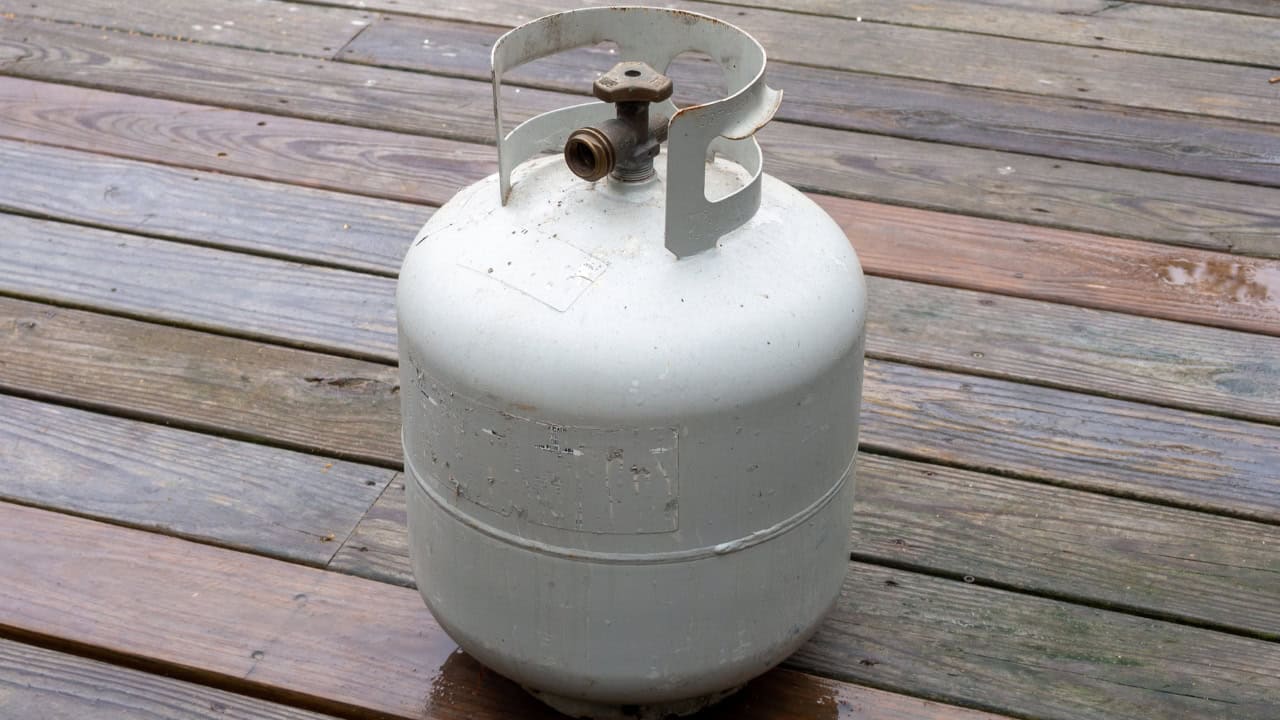
You should never store propane tanks in your garage. Even a small leak can create a fire risk, especially in an enclosed space with sparks from cars or tools.
Keep your propane tanks outside, away from your house and direct sunlight. Make sure they stay in temperatures between −40 °F and 120 °F to keep them safe.
Oily rags
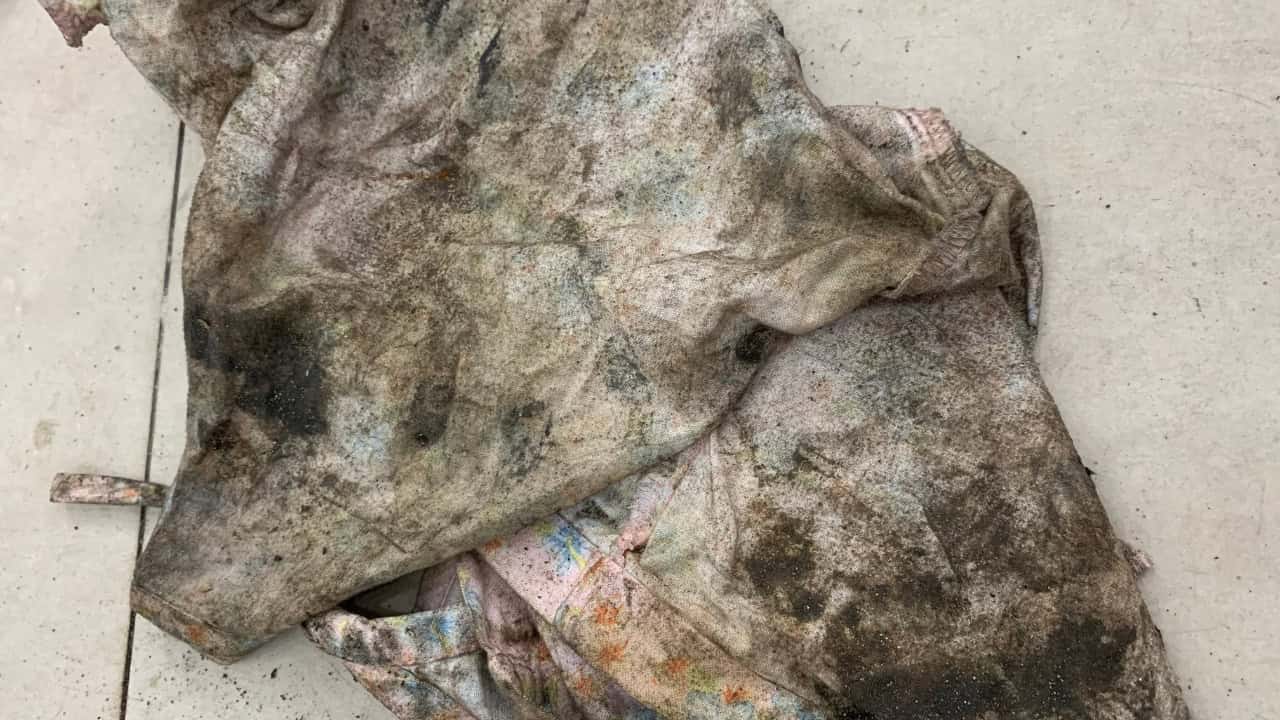
You should never store oily rags in your garage. They can spontaneously catch fire if left piled up.
To keep safe, always store oily rags in a metal container with a tight lid. Make sure the container is dry and well-ventilated.
Taking this small step helps protect your garage and home from potential fires.
Paint cans

You should avoid storing paint cans in your garage, especially if it gets very hot or damp. High temperatures can cause the paint to separate or dry out, making it unusable.
Water-based paints are particularly sensitive to freezing or extreme heat, which can ruin them. Keep your paint cans in a cool, dry place inside your home for best results.
Pet food
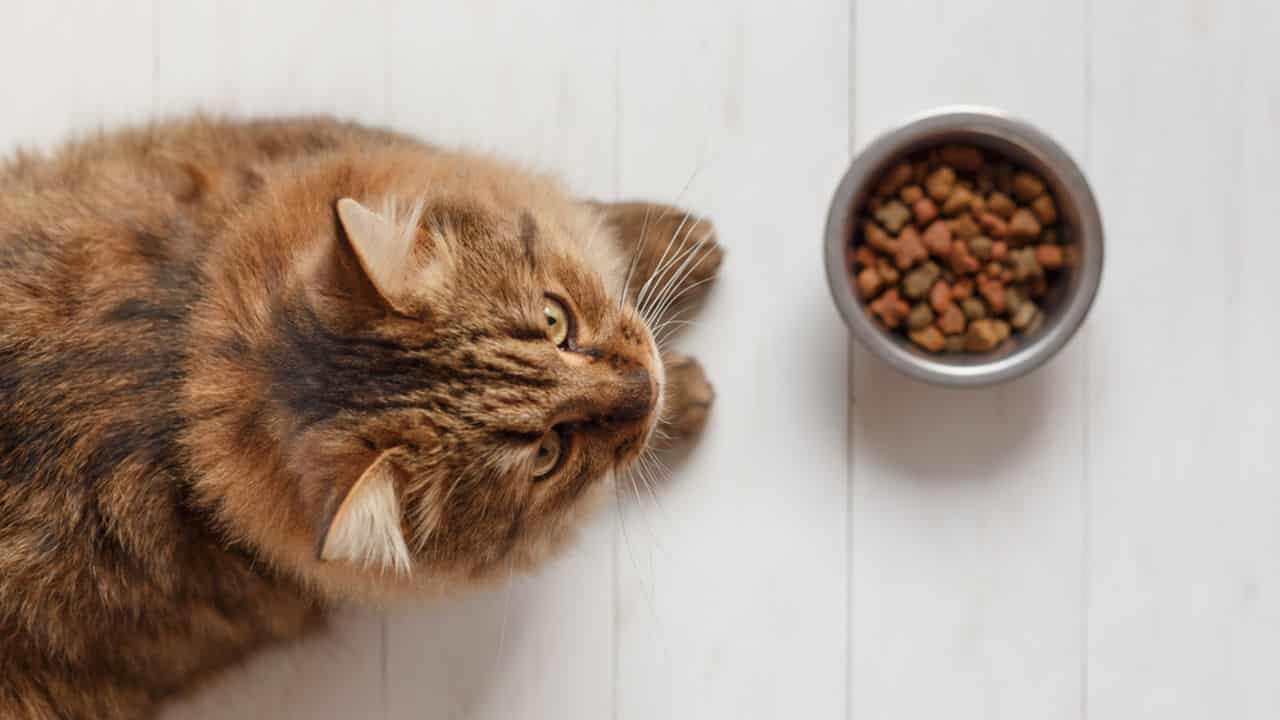
You should avoid storing pet food in your garage. The space is often damp and can attract pests like rodents and insects.
Even if you use sealed containers, moisture and temperature changes can spoil the food.
It’s best to keep pet food in a cool, dry place inside your home to keep it fresh and safe for your pets.
Books

You should avoid storing books in your garage. The temperature and humidity can fluctuate a lot, which can damage paper and bindings.
Moisture can cause mold and mildew to grow, ruining your books.
Keeping them inside a climate-controlled space will help preserve their condition.
Sleeping bags

You should avoid storing sleeping bags in your garage. The fluctuating temperatures and humidity can damage the materials over time.
Pests like rats may also nest in them, causing further damage. Instead, keep your sleeping bags in a dry, climate-controlled space inside your home.
Using clear plastic zipper pouches helps keep them clean without compressing the insulation too much.
Indoor furniture
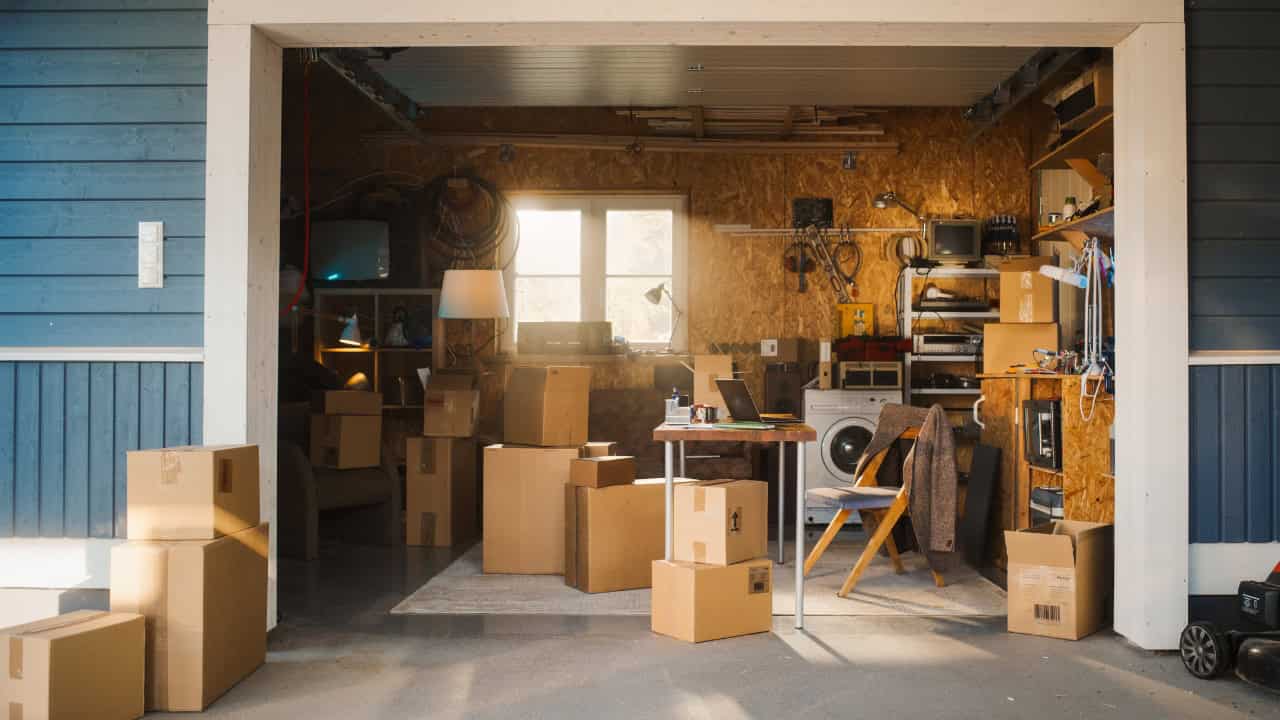
You should avoid storing indoor furniture in your garage. Changes in temperature and humidity can cause wood to warp or crack.
Fabric and cushions can absorb moisture, leading to mold and unpleasant odors.
If you need extra space, consider climate-controlled storage to protect your indoor furniture from damage.
Clothing and textiles
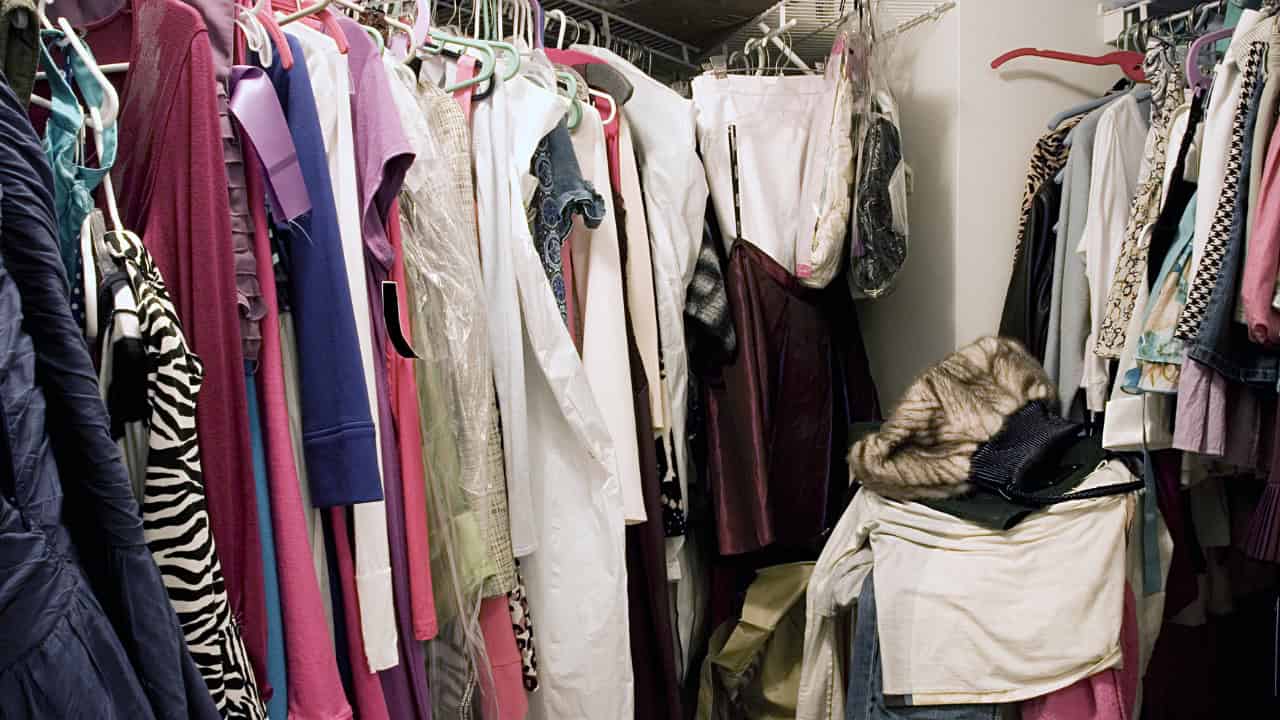
You should avoid storing clothes and textiles in your garage. Dampness can cause mold and mildew, damaging fabrics.
Fabrics like wool and leather are especially vulnerable to moisture and pests like moths.
If you need to store clothing, use sealed plastic bags and keep them in a dry, climate-controlled space to protect your items.
Important papers
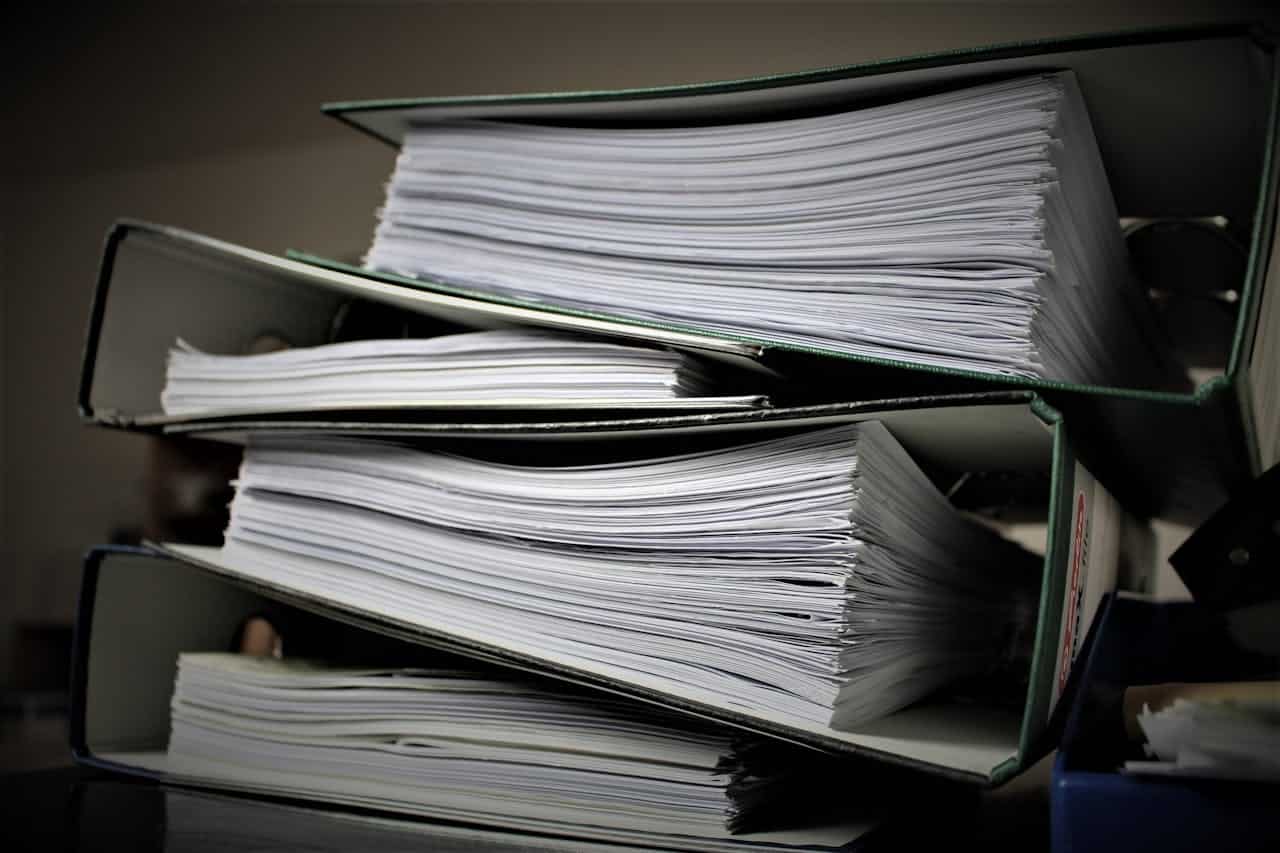
You should avoid storing important papers in your garage. Temperature changes and humidity can damage documents like passports, medical records, and birth certificates.
These items are best kept in a cool, dry place inside your home. Using a fireproof and waterproof safe can help protect your important papers even more.
Wine bottles

You should avoid storing wine bottles in your garage. Temperature fluctuations and humidity changes can affect the taste and quality of the wine.
Light, especially UV rays, can also damage wine, causing it to age prematurely. Keeping wine in a stable, cool, and dark place is best to preserve its flavor.
Electronics and vinyl records

You should avoid storing electronics in your garage. High humidity and temperature changes can damage circuits and cause malfunctions.
Vinyl records are also sensitive. Heat and moisture can warp or mold them, ruining your collection.
Keep these items inside where the environment is more stable. This helps protect their condition and extend their life.
Wooden furniture
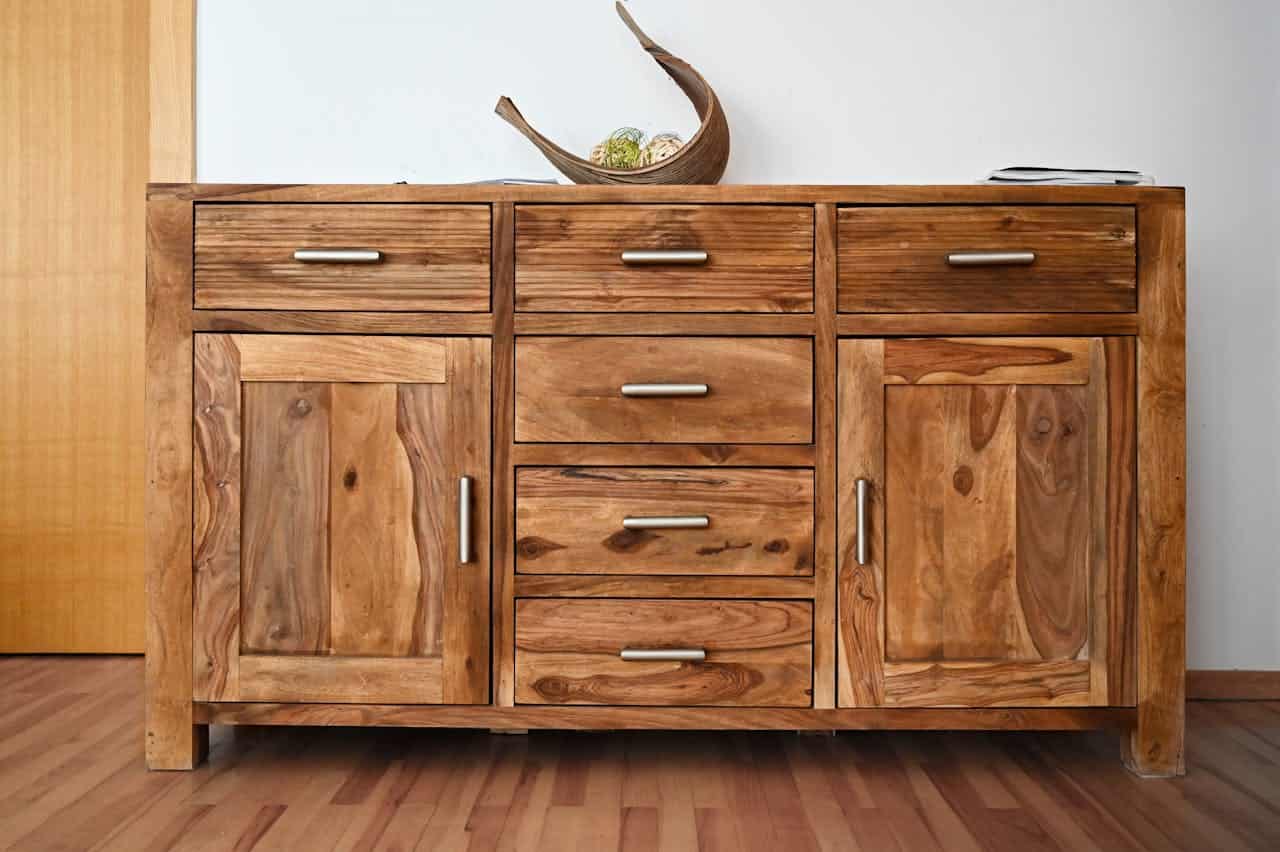
You should avoid storing wooden furniture in your garage. Changes in temperature and humidity can cause the wood to warp, crack, or weaken over time.
Pests may also find wooden furniture in the garage an inviting place to nest. Keeping your wood furniture indoors helps maintain its condition and appearance.
Pantry goods

You might think your garage is a handy spot for storing pantry goods like flour, rice, or cereal. However, these items can easily attract pests when kept in a non-climate-controlled space.
Temperature and humidity changes can cause pantry goods to spoil or become stale. It’s better to keep them inside your home’s pantry to maintain freshness and safety.
Hazardous chemicals
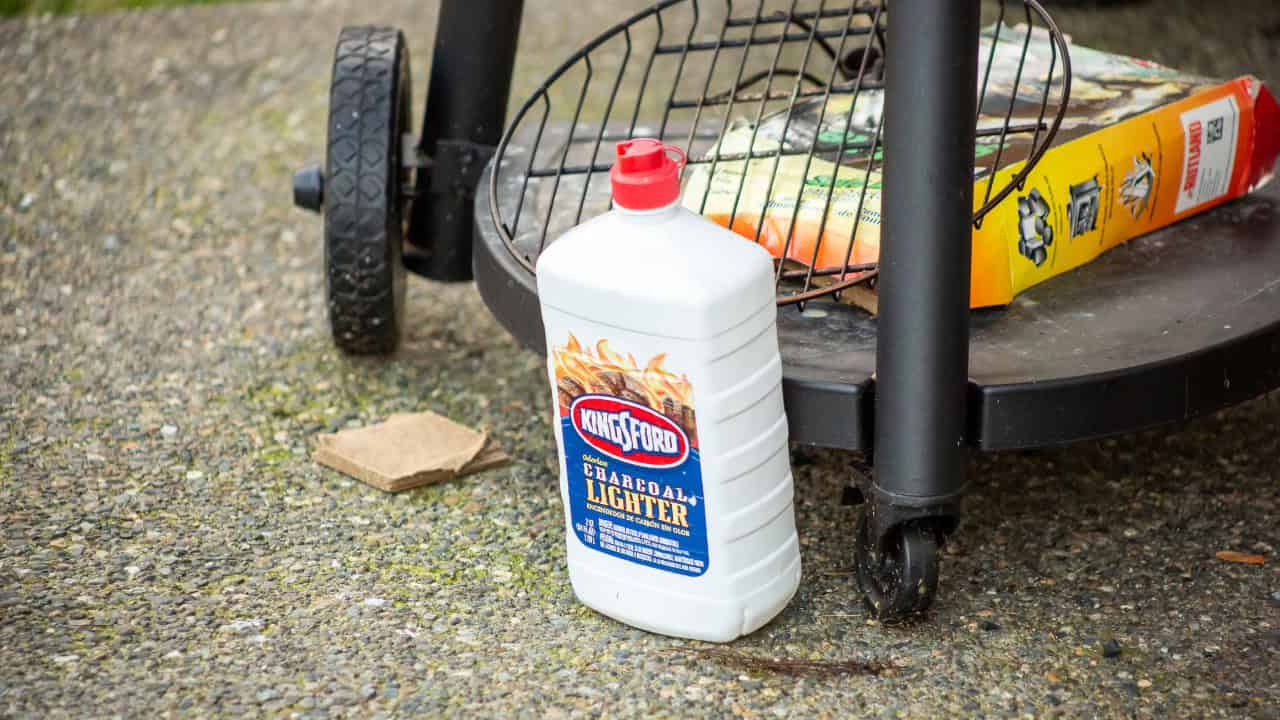
You should avoid storing hazardous chemicals like gasoline, oil, and paint in your garage. These substances can ignite easily, especially in the heat or near a spark.
Oily rags are risky too. They can spontaneously combust if left piled up without proper ventilation.
Keep these materials in a cool, well-ventilated area away from your living spaces to stay safe.
Canned goods
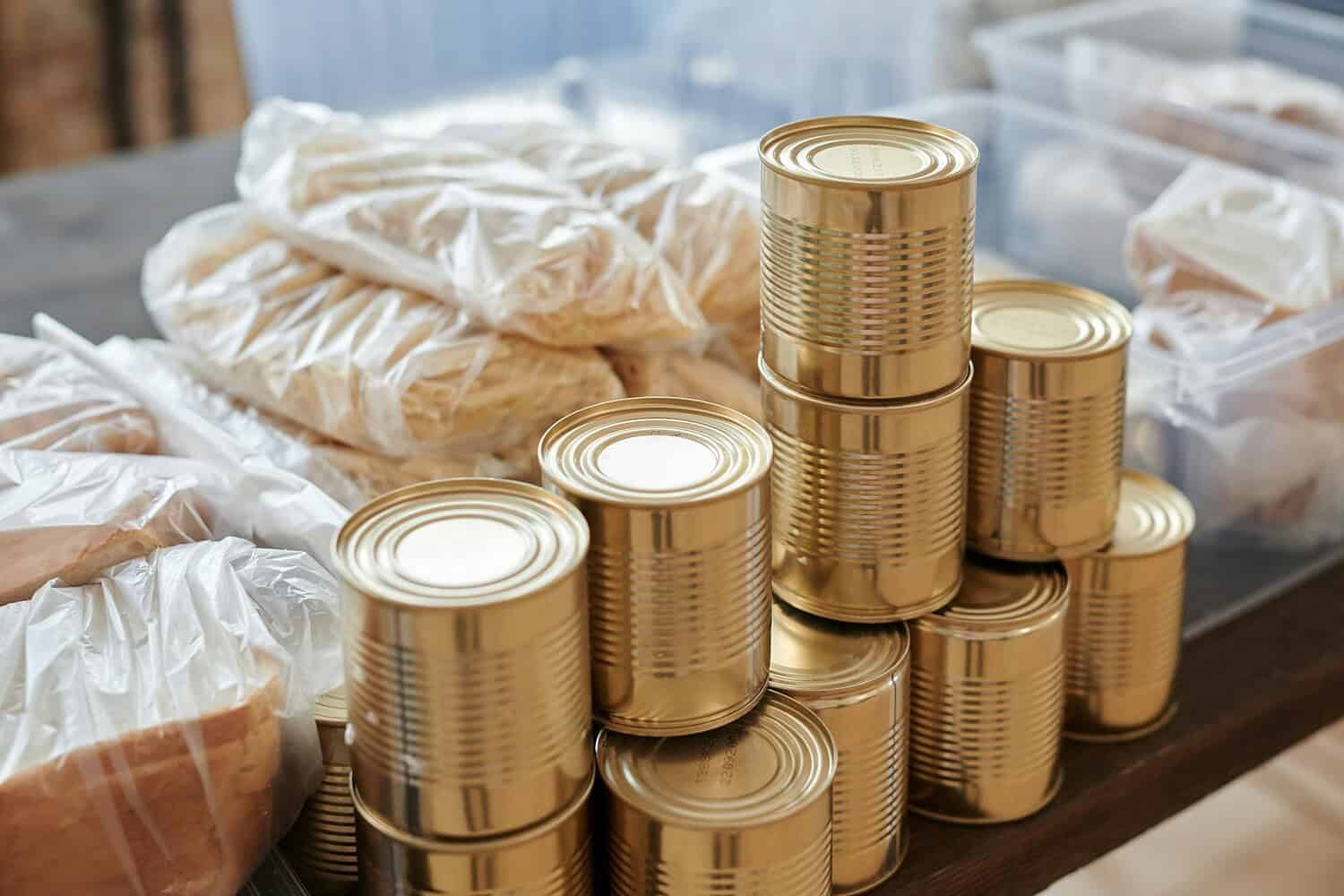
You should avoid storing canned goods in your garage. Temperature swings can affect the quality and safety of the food inside.
High heat can cause cans to bulge or spoil faster.
Humidity may lead to rust on the cans, which isn’t safe for food storage.
Keep your canned goods in a cool, dry place to maintain freshness and safety.