When it comes to using power strips, safety should always be a top priority. Knowing what not to plug in can prevent potential hazards and keep your home safe from electrical issues. Many people underestimate the risks associated with certain appliances, which can lead to overheating or even fires.
Understanding the limitations of power strips is essential for their proper use. By being aware of which devices should be avoided, you can ensure that your electronics operate efficiently and securely in your space.
Advertisement
Refrigerators
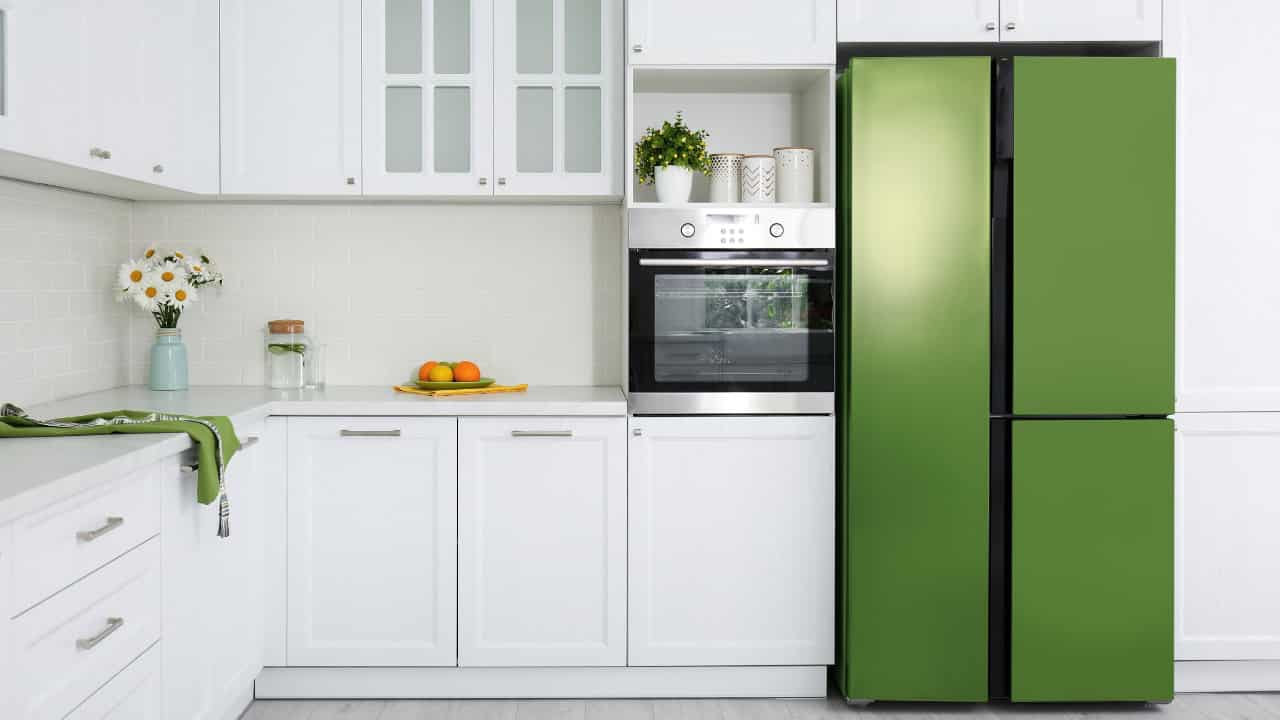
You should never plug a refrigerator into a power strip. These appliances draw a lot of power, especially when the compressor kicks in.
Using a power strip can lead to overheating or even cause a fire hazard. It’s best to plug your fridge directly into a wall outlet.
This ensures that it gets the power it needs safely and efficiently. Keeping your refrigerator connected properly helps avoid any potential issues down the line.
Microwaves
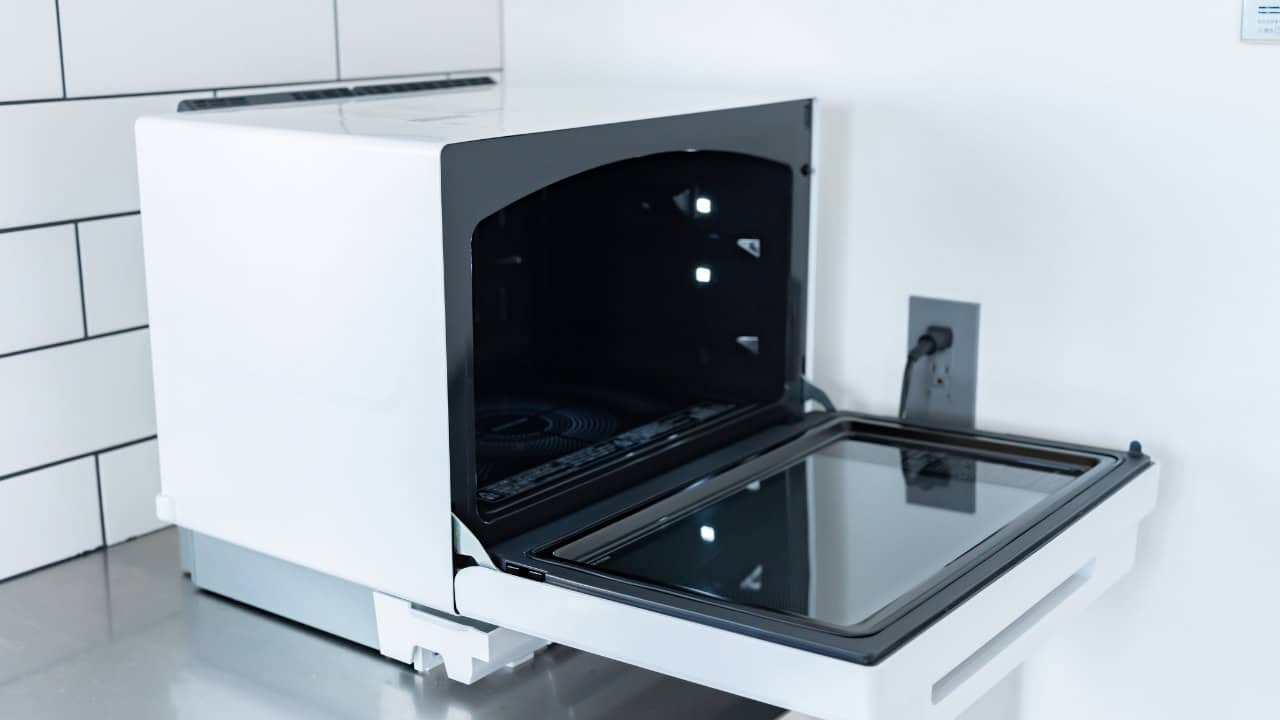
You should never plug a microwave into a power strip. Microwaves use a lot of power, more than most power strips can handle safely.
If you do plug one in, it can cause overheating and even potential fire hazards.
Always connect your microwave directly to a wall outlet to ensure it operates safely and efficiently. This helps protect both your appliance and your home.
Coffee Makers
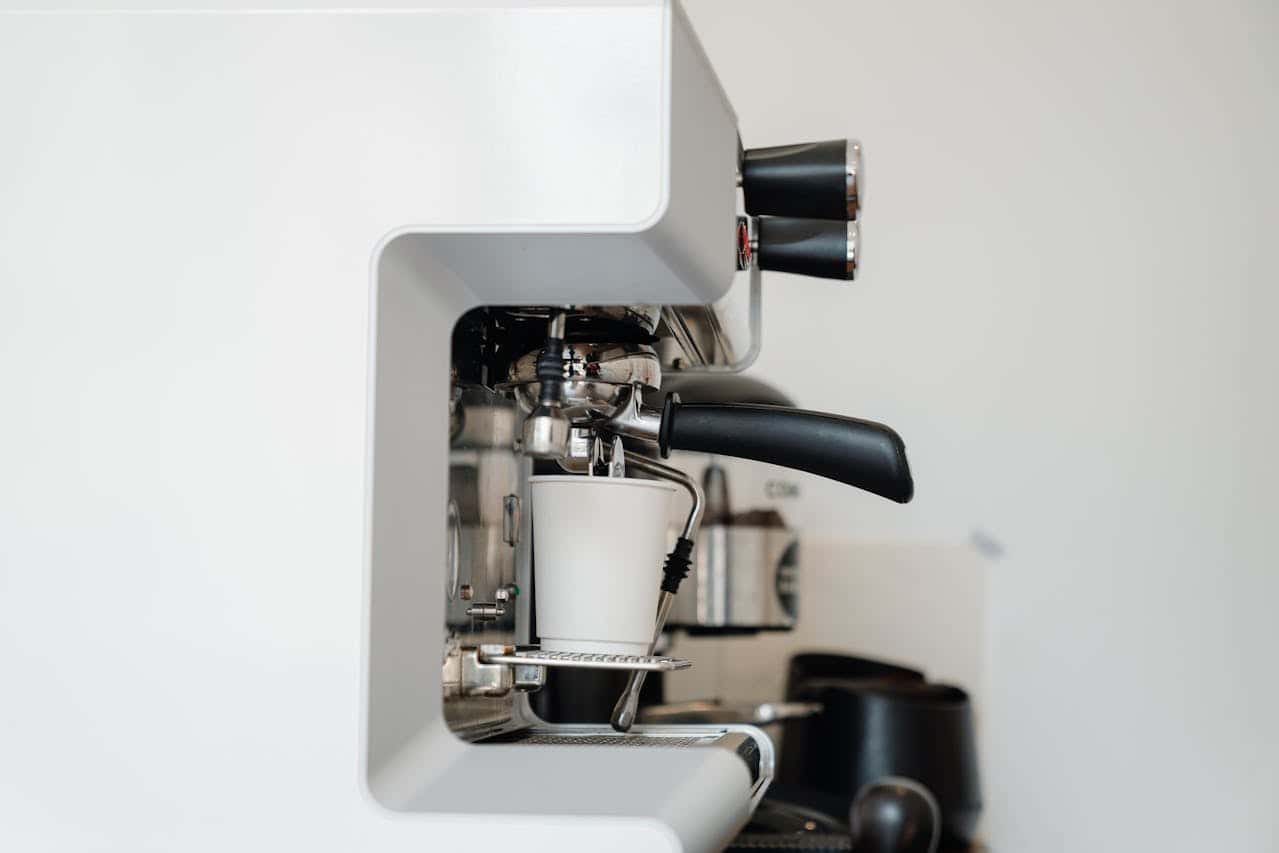
You might be tempted to plug your coffee maker into a power strip, but this isn’t a good idea. Coffee makers draw a lot of power, especially when they heat water.
Using a power strip can put your appliance at risk of overheating. It’s safer to plug your coffee maker directly into a wall outlet.
Keep your morning routine hassle-free by following this simple tip. Your coffee will be better for it!
Toasters

When it comes to toasters, it’s best to skip the power strip. They draw a significant amount of power, especially when heating those bread slices.
Plugging a toaster into a power strip can lead to overheating, which is a fire hazard you want to avoid.
Instead, use a dedicated outlet for your toaster. Keeping it plugged in directly helps ensure it operates safely and efficiently while you prepare your breakfast.
Slow Cookers
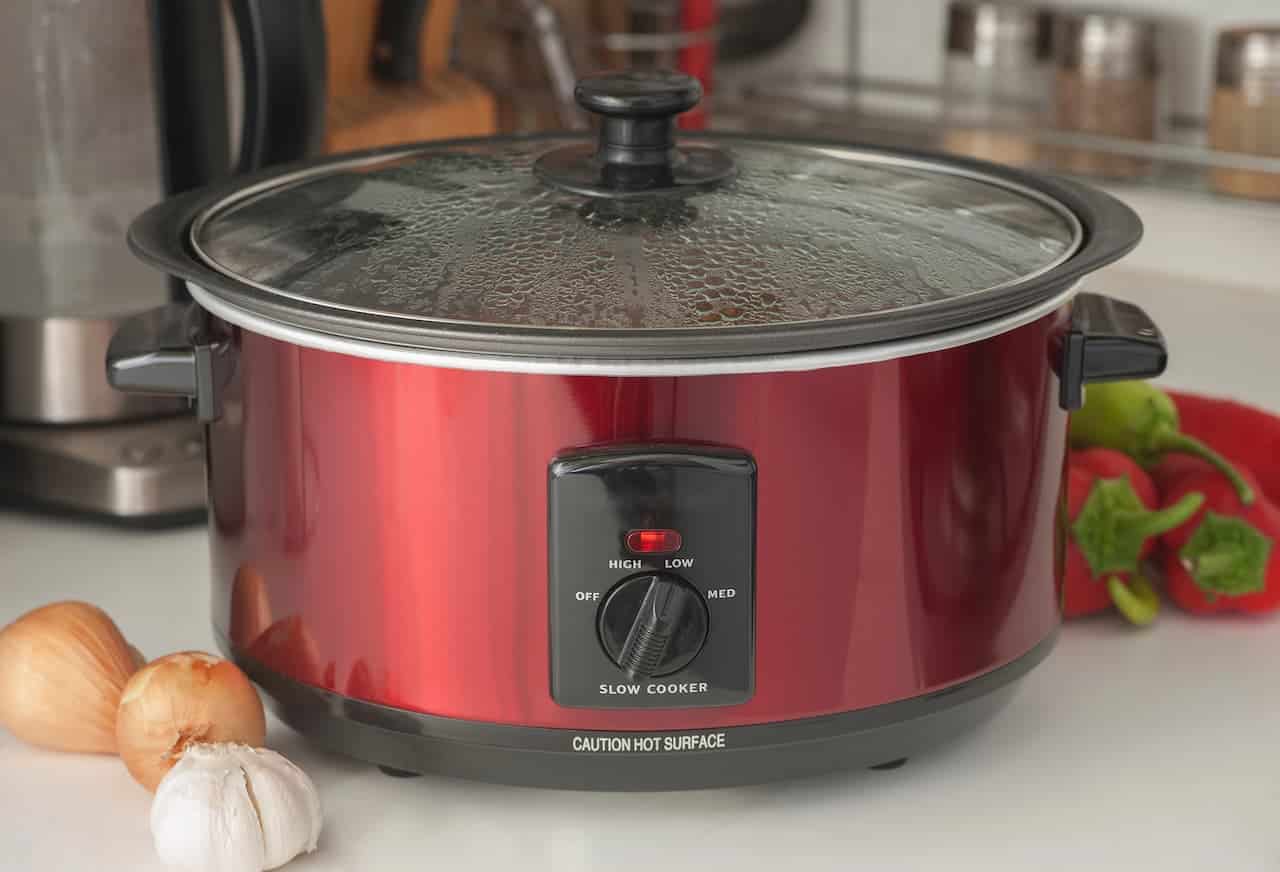
You might love using a slow cooker for easy meals, but it’s important to be cautious about where you plug it in. Slow cookers often draw a significant amount of power. Connecting one to a power strip can overload it.
This can lead to overheating, which poses a fire risk. It’s better to plug your slow cooker directly into a wall outlet. This way, you keep your kitchen safe while enjoying delicious, hassle-free dishes.
Blenders
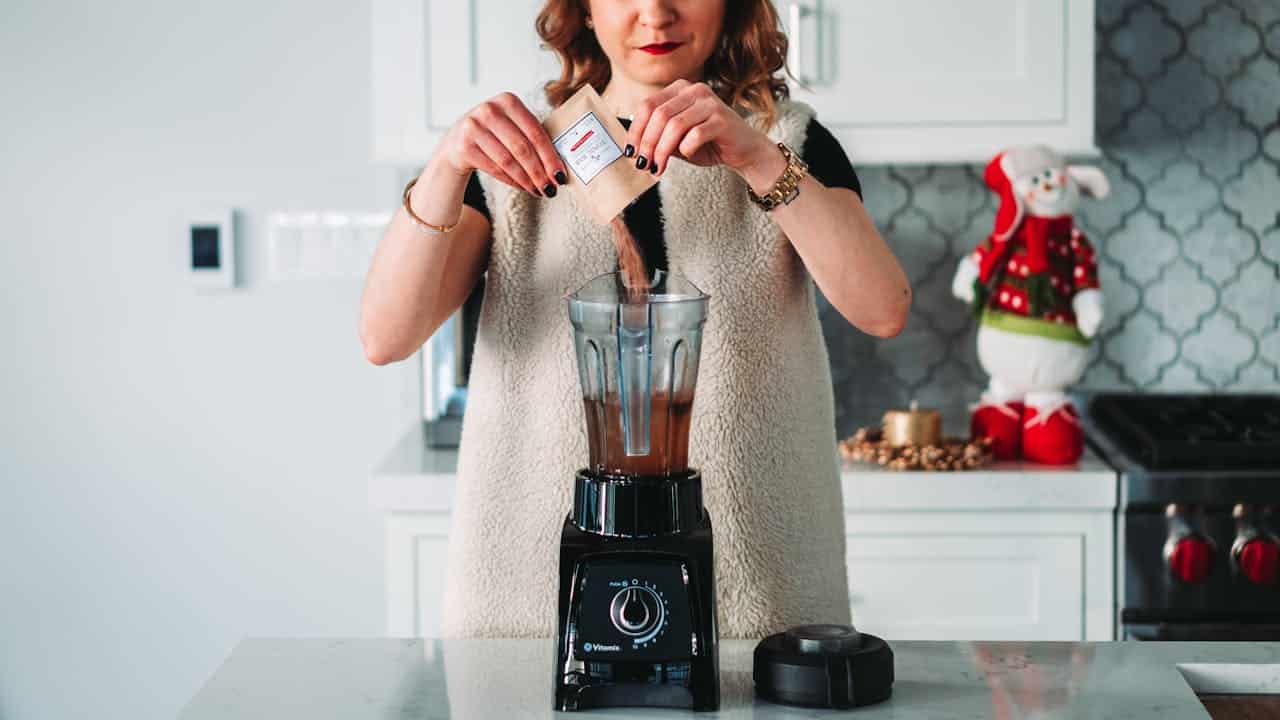
When you’re whipping up smoothies or soups, it’s best to avoid plugging your blender into a power strip. Blenders typically draw a lot of power, especially when blending tough ingredients.
Using a power strip can lead to overheating, which poses a fire risk.
Instead, plug your blender directly into a wall outlet. This keeps it running smoothly without any safety issues. Stay safe while you blend!
Space Heaters
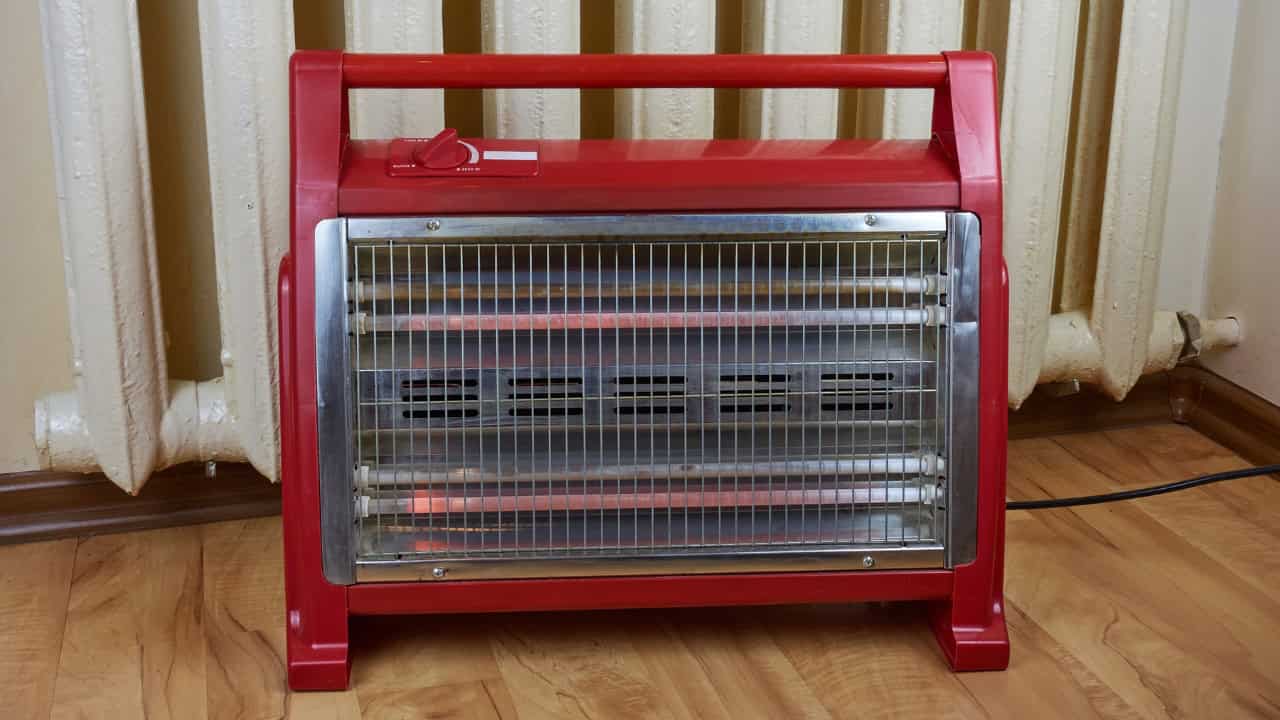
You should never plug a space heater into a power strip. These devices draw a lot of current, and most power strips just can’t handle that.
Using a power strip with a space heater can lead to overheating and potentially start a fire. It’s safer to plug your heater directly into a wall outlet to avoid any risks.
Keep your space heater plugged in where it can operate safely and effectively. Your safety is the priority when using these high-wattage appliances.
Air Conditioning Units

You should never plug an air conditioning unit into a power strip. These units draw a lot of power and can easily overload the strip.
If you do use a power strip, it might trip the circuit breaker. In worst-case scenarios, it can lead to overheating and potential fire hazards.
Always plug your air conditioner directly into a wall outlet for safety. Your comfort shouldn’t come at the cost of safety.
Freezers

You should never plug a freezer into a power strip. Freezers use a significant amount of power, which can easily exceed the capacity of a standard strip.
If the power strip is overloaded, it might overheat, leading to potential fire hazards. Always plug your freezer directly into a wall outlet to keep it running safely and efficiently. This helps ensure your food stays frozen, avoiding spoilage.
Hair Dryers

You should never plug a hair dryer into a power strip. These devices draw a lot of power, which can overload the strip.
Using a hair dryer directly in a wall outlet is much safer. This helps prevent potential overheating or even electrical fires.
If you want to keep your space tidy, consider using a designated outlet for your hair dryer. It’s a simple way to stay safe while getting ready.
Electric Skillets
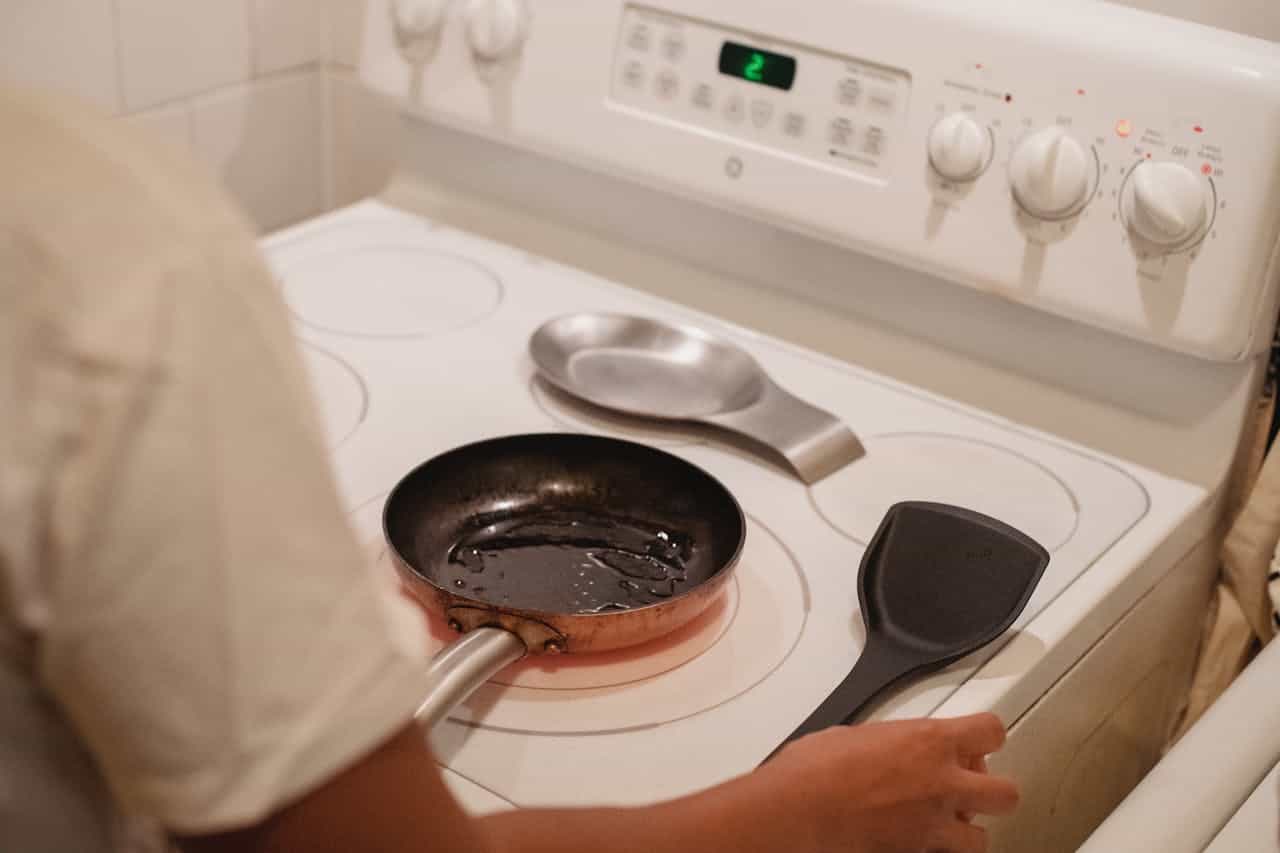
When it comes to electric skillets, it’s best to avoid plugging them into a power strip. These appliances typically draw significant power, which can lead to overheating or even pose fire risks.
Using an electric skillet on its own outlet ensures that it receives adequate power without overloading the circuit. For safety, always check the wattage of your skillet and make sure it’s compatible with your home’s wiring.
To keep your cooking safe and efficient, bypass the power strip and find a wall outlet for your electric skillet. Prioritize safety in the kitchen!
Pressure Cookers
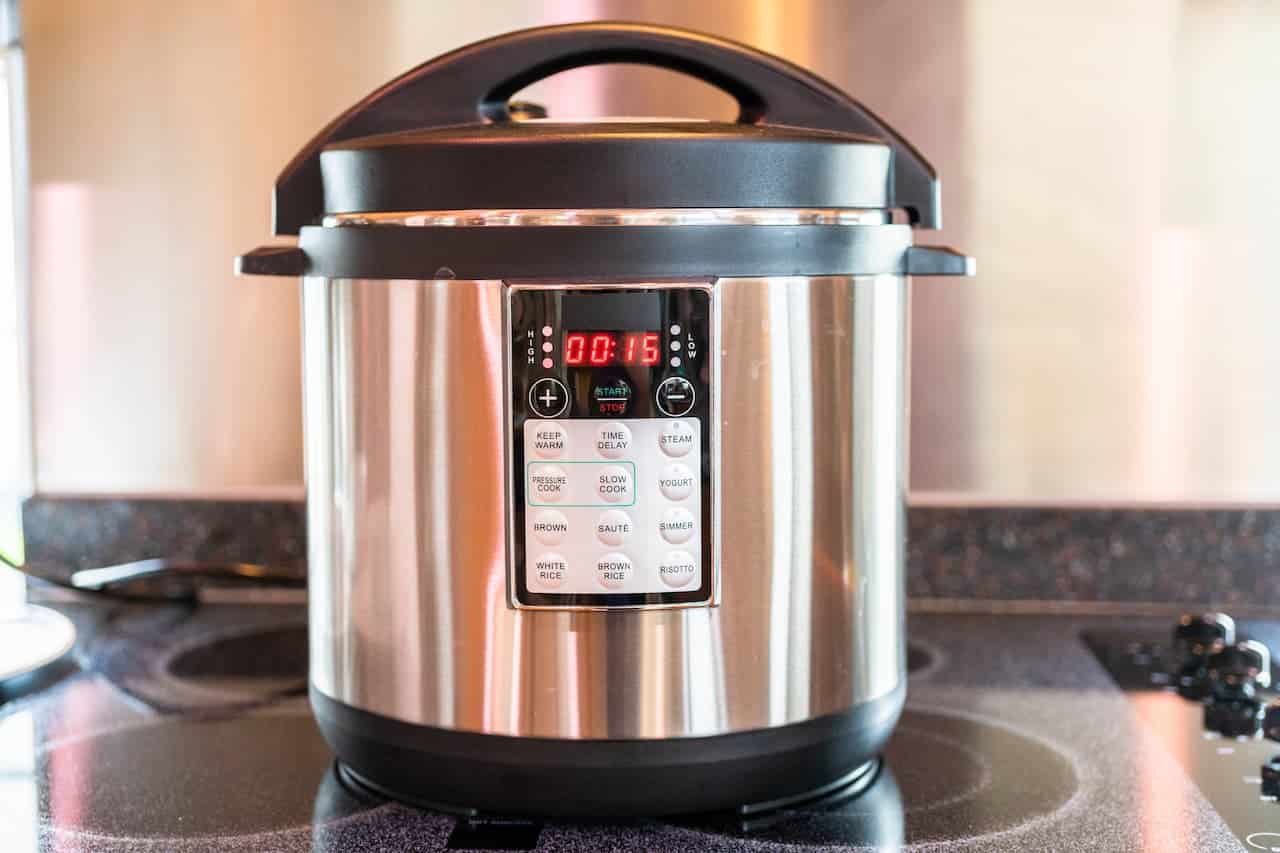
You might love using your pressure cooker for quick meals. However, it’s not safe to plug it into a power strip.
Pressure cookers draw a significant amount of power. If you connect one to a power strip, it can overload the strip and lead to overheating.
Always plug your pressure cooker directly into a wall outlet. This way, you reduce the risk of electrical hazards and ensure safe cooking.
Dishwashers
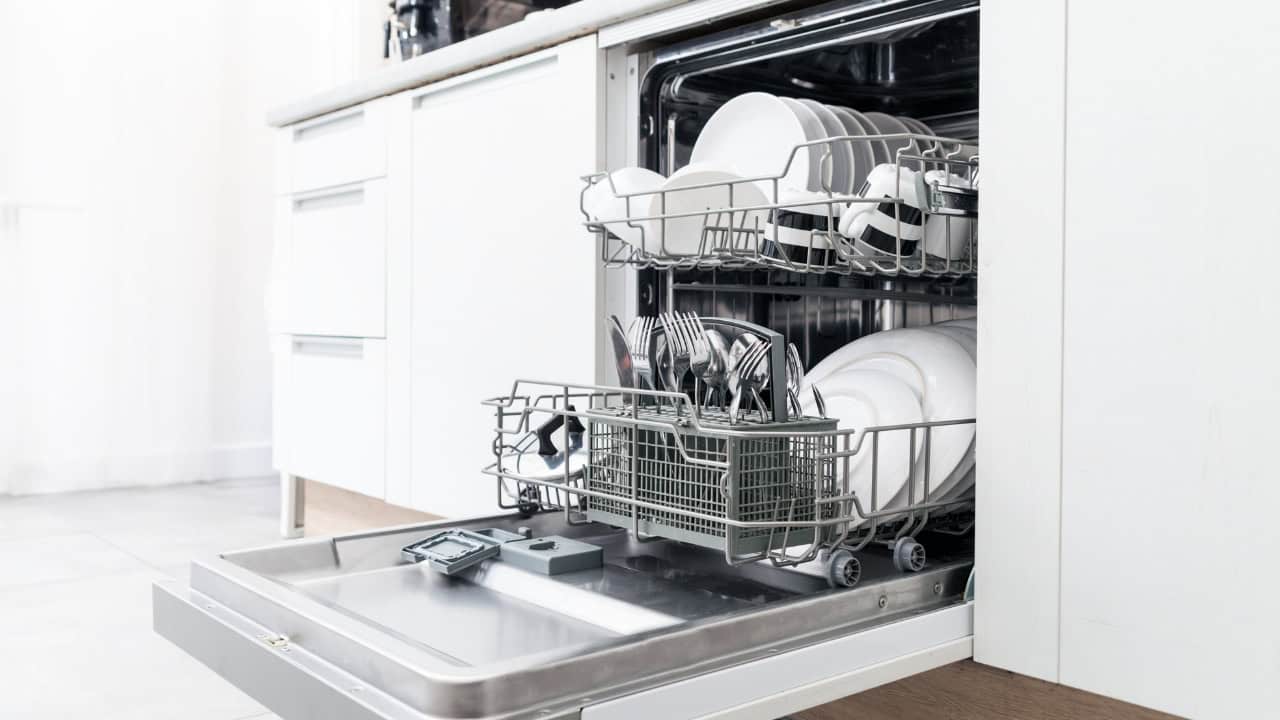
You should never plug a dishwasher into a power strip. Dishwashers typically require a significant amount of power, which can exceed the strip’s capacity.
Using a power strip can lead to overheating or even fire hazards. It’s best to connect your dishwasher directly to a wall outlet.
This helps ensure safe operation and prevents damage to your appliance. When in doubt, always follow the manufacturer’s guidelines for installation.
Washing Machines
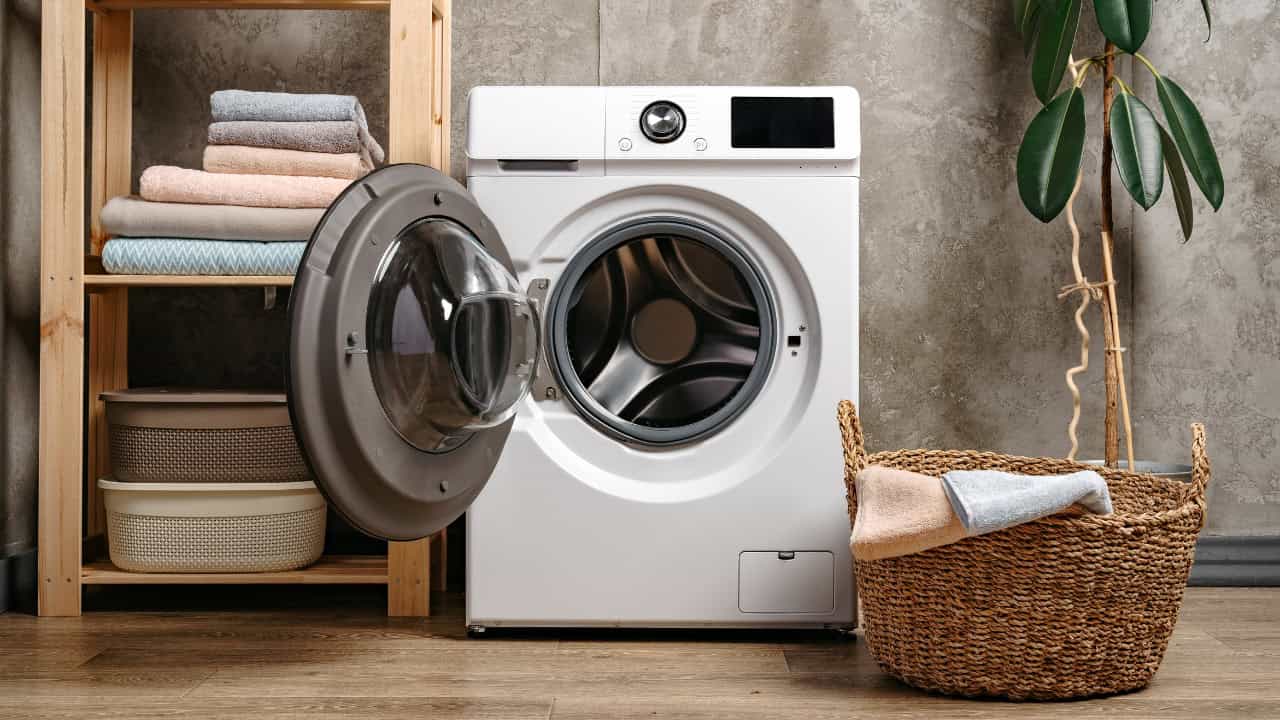
You should never plug your washing machine into a power strip. These machines draw a significant amount of power, which can overload the strip.
Instead, always plug your washing machine directly into a wall outlet. This ensures it receives a stable power supply and reduces the risk of overheating or fire.
Keeping appliances like your washing machine directly connected is the smartest way to stay safe while doing laundry.
Portable Ovens

Portable ovens are handy for quick meals but should never be plugged into a power strip. They draw significant power, which can easily overload the strip.
If that happens, your power strip can overheat and pose a fire hazard.
Stick to using them directly in a wall outlet for safety. It’s better to play it safe and ensure your cooking gets done without any risks.