Bleach is a common household cleaner that you might use to disinfect and brighten surfaces. While it’s effective, there are important precautions you need to keep in mind to use it safely.
Knowing what not to do with bleach can protect you from harmful reactions and accidents. This article will help you avoid common mistakes that can put your health and home at risk.
Advertisement
Never mix bleach with vinegar
You should never mix bleach with vinegar. When combined, they create chlorine gas, which can be harmful to your lungs and cause breathing problems.
If you smell a strong, pungent odor after mixing these, leave the area immediately. It’s important to use each cleaner separately to keep your home safe.
Avoid combining bleach and ammonia

You should never mix bleach and ammonia. This combo produces chloramine gas, which can irritate your eyes and lungs.
Exposure to this gas can cause coughing, shortness of breath, and other respiratory issues.
For your safety, always use these products separately to avoid harmful reactions.
Do not use bleach on wooden surfaces

You should avoid using bleach on wood because it can cause damage over time. Bleach may discolor or weaken the wood, especially if left on for too long.
If you want to brighten or clean wooden furniture, use products specifically made for wood. This will protect your wood and keep it looking good longer.
Never apply bleach on stainless steel
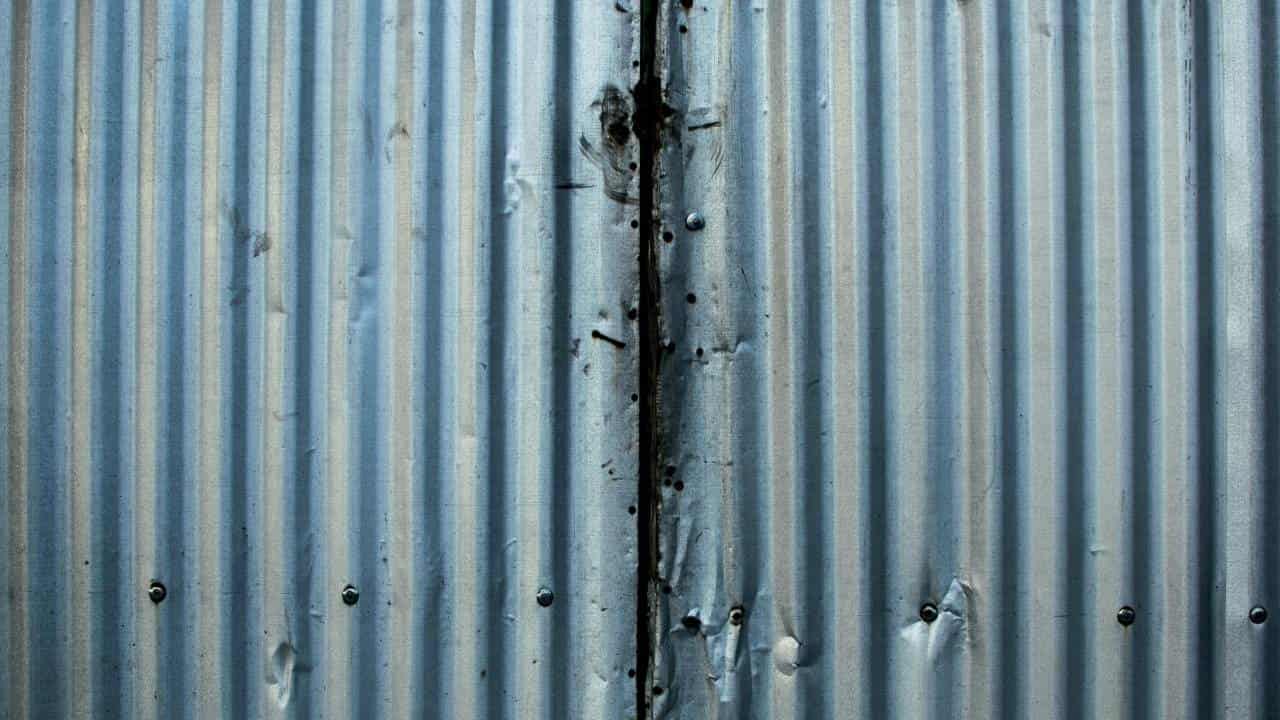
You should avoid using bleach on stainless steel. Bleach can damage the protective layer that keeps the steel from rusting.
If that layer gets harmed, rust spots can form, which are hard to remove. It’s best to choose gentler cleaners to keep your stainless steel looking good.
Avoid using bleach on aluminum
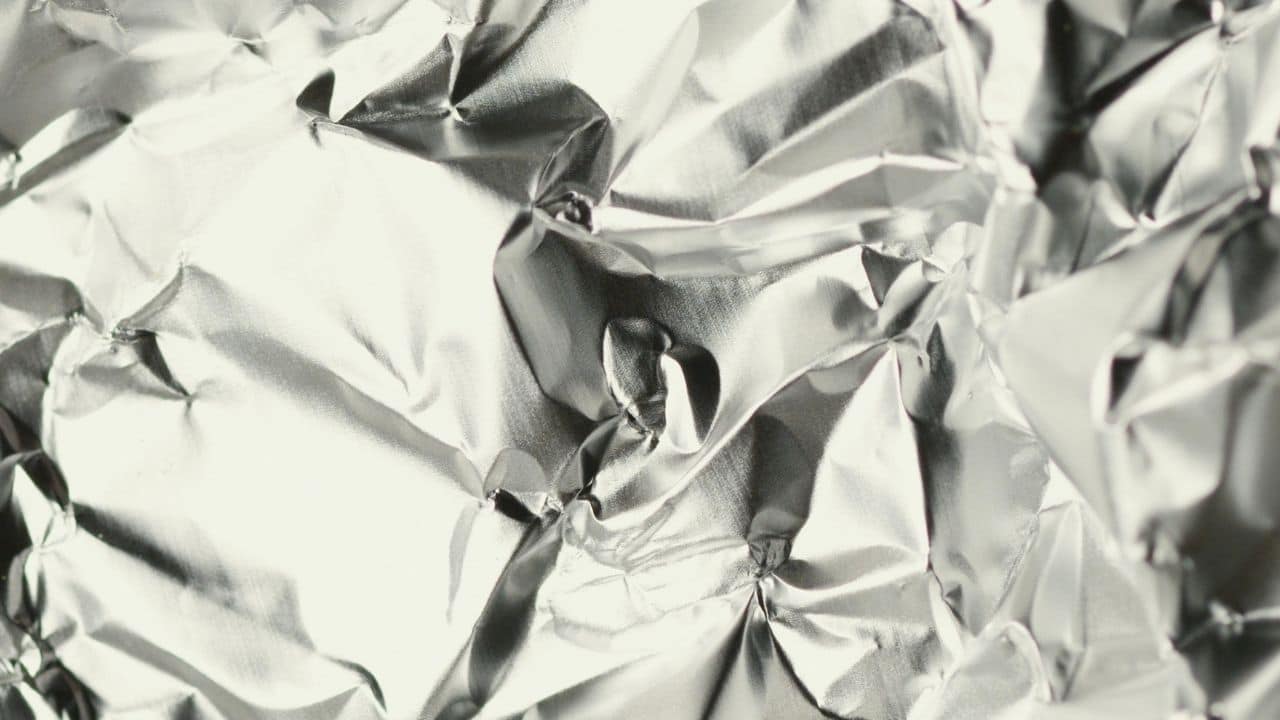
You should avoid using bleach on aluminum because it can cause corrosion. Bleach’s high pH reacts with aluminum, leading to pitting and damage.
If you need to clean aluminum, choose a mild detergent instead. This helps keep your items looking good and lasting longer.
Do not bleach copper items
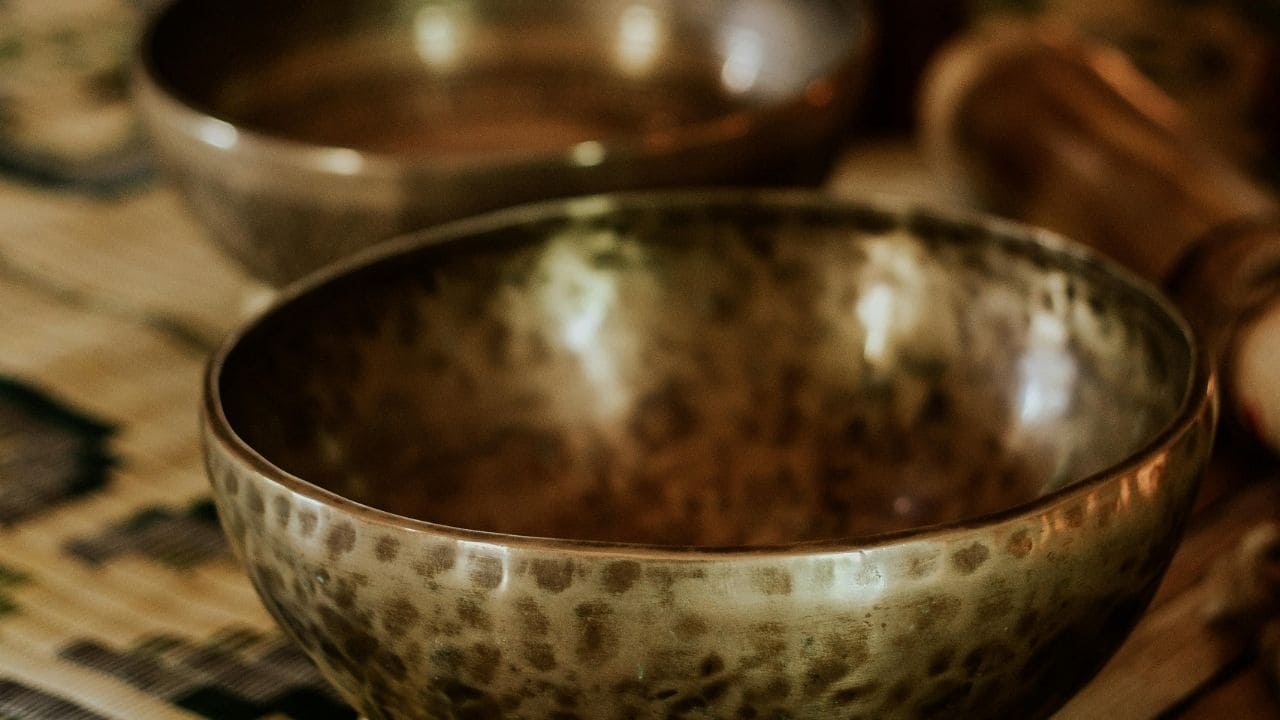
You should avoid using bleach on copper because it can damage the metal. Bleach is corrosive and can cause discoloration or pitting on copper surfaces.
Instead, use a cleaner made specifically for copper to keep your items looking their best. This will help protect the finish without risking damage.
Never mix bleach with acids
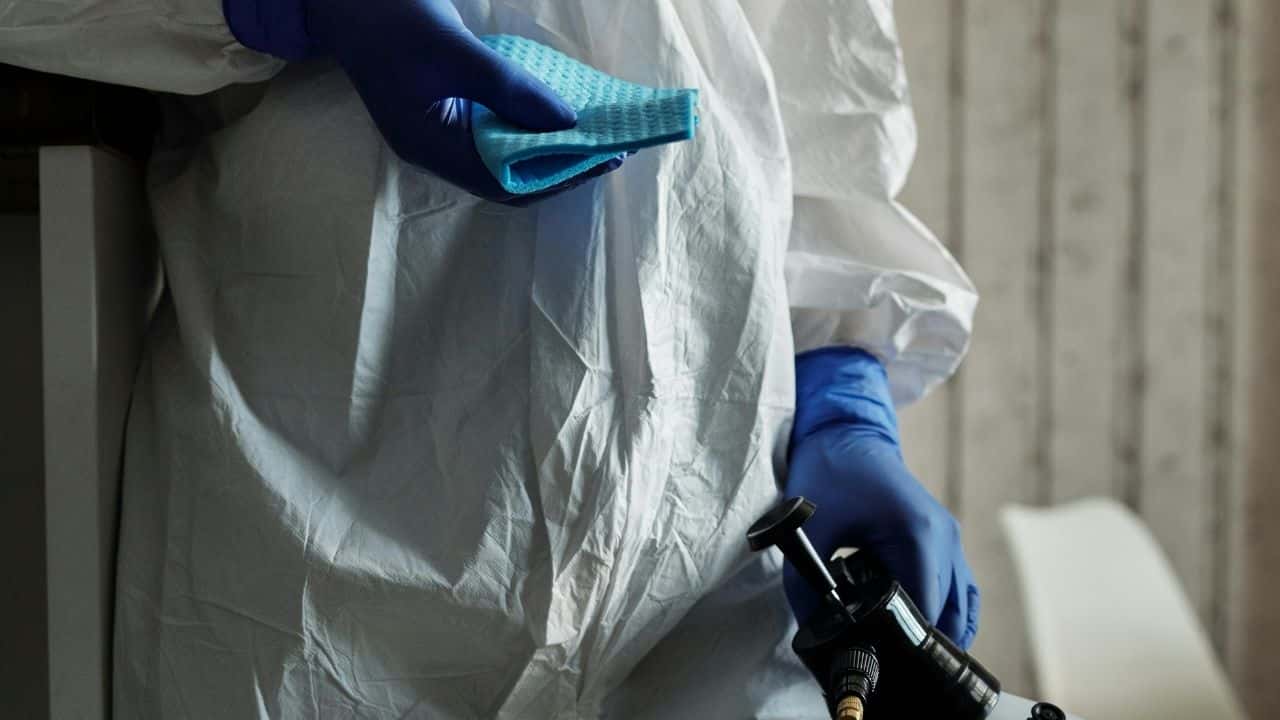
You should never mix bleach with acids like vinegar or toilet cleaners. Doing so creates chlorine gas, which is harmful to your lungs and eyes.
Even small amounts can cause irritation or breathing problems. Always use bleach on its own and rinse thoroughly before applying other cleaners. This keeps your cleaning safe and effective.
Avoid using bleach on brass
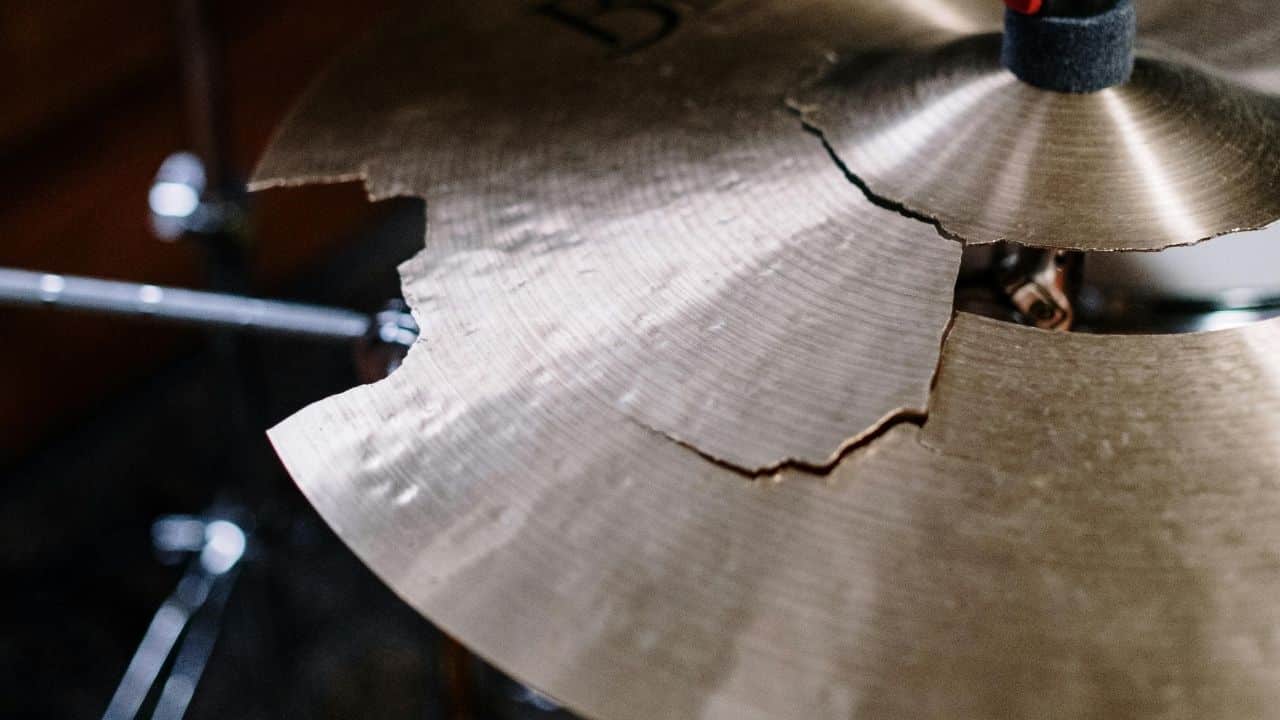
You should avoid using bleach on your brass items. Bleach can cause discoloration and damage the surface.
Instead, use gentle cleaners made specifically for brass. This will help keep your brass looking its best without scratches or dullness.
If you accidentally get bleach on brass, rinse it off immediately with water to reduce damage.
Do not use bleach on marble surfaces
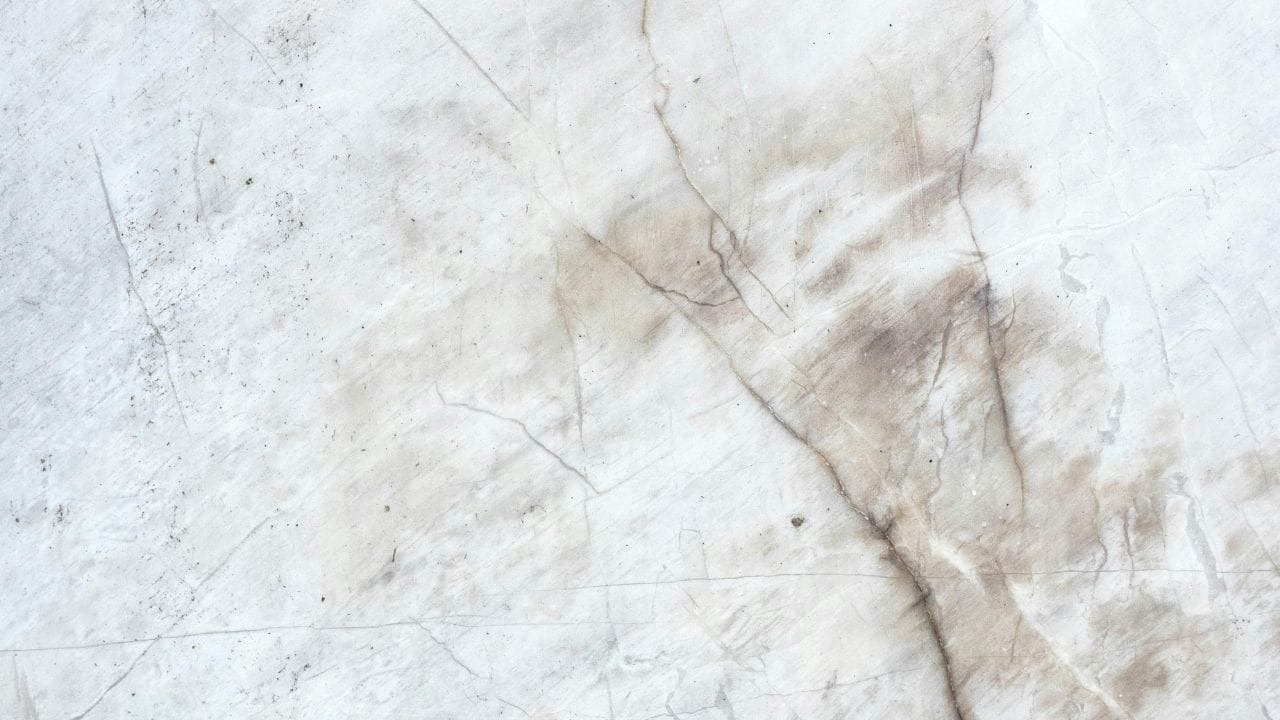
You should avoid using bleach on marble surfaces like countertops or floors. Bleach can damage the stone by dulling and etching its finish.
Marble is sensitive to harsh chemicals, especially acidic or strong cleaners like bleach. Instead, clean your marble with mild soap and water to keep it safe and looking good.
Never bleach granite countertops

You should avoid using bleach on your granite countertops. Bleach can damage the sealant that protects the stone. This can lead to dullness and discoloration over time.
If you need to clean granite, use a gentle cleaner made specifically for natural stone. Always wipe with a soft cloth to keep your countertops looking their best.
Avoid applying bleach on wool fabrics
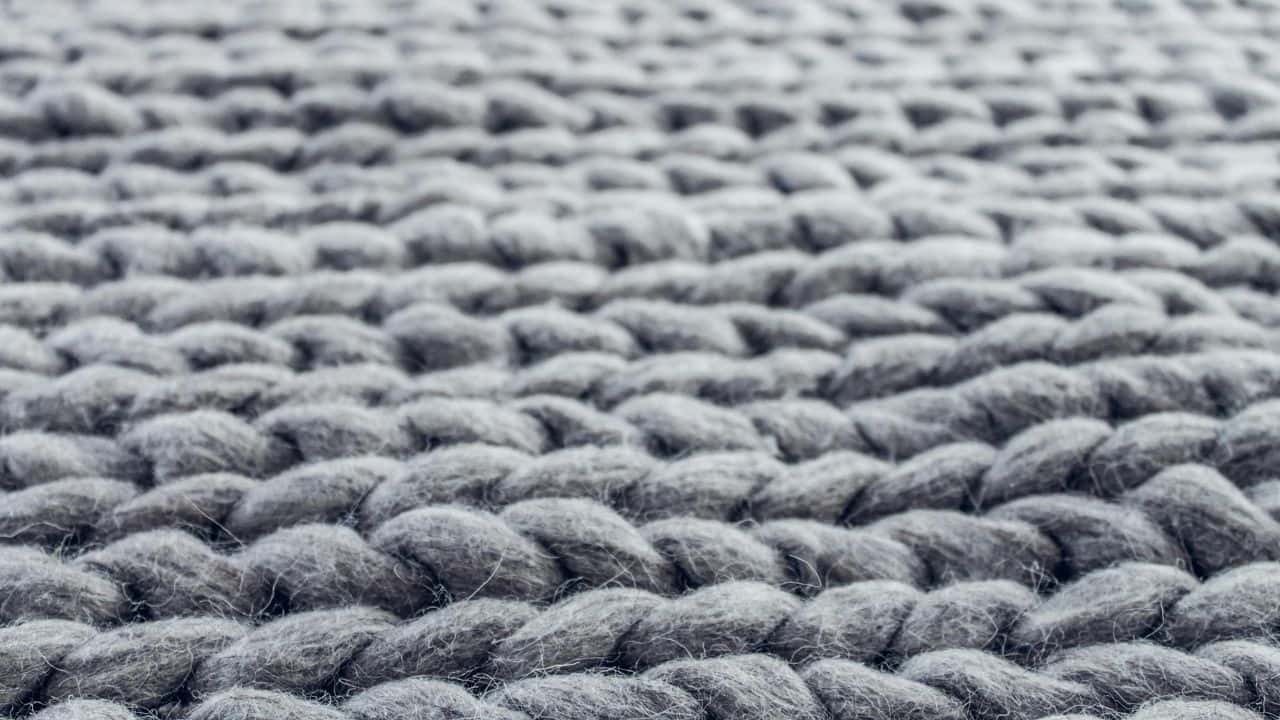
You should never use bleach on wool. It can cause serious damage to the fibers, making your wool garments weak and brittle.
Even small amounts of bleach can ruin the texture and color of wool. To keep your wool items in good shape, follow the care label and avoid harsh chemicals like bleach.
Do not use bleach on silk materials
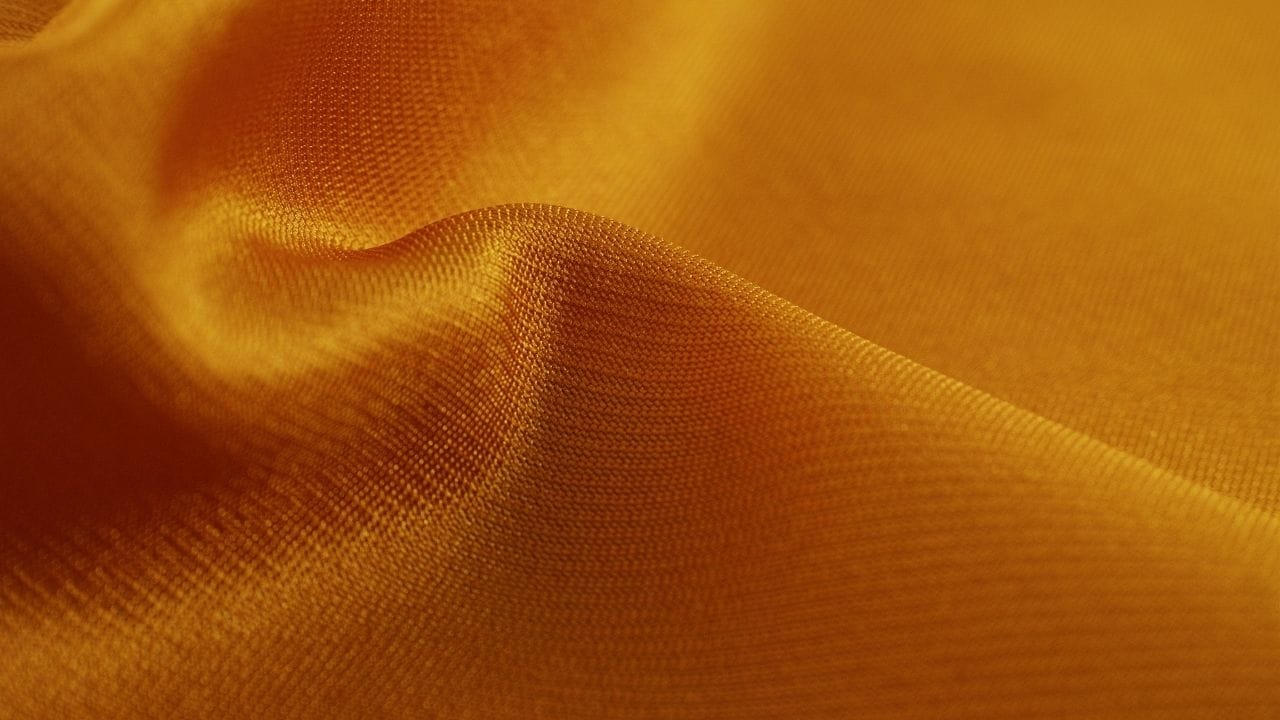
You should avoid using bleach on silk because it can damage the delicate fibers. Bleach may weaken the fabric and cause discoloration.
If you need to clean silk, it’s best to use gentle detergents or take it to a professional cleaner. Using bleach can permanently ruin your silk items.
Never mix bleach with any other household cleaners
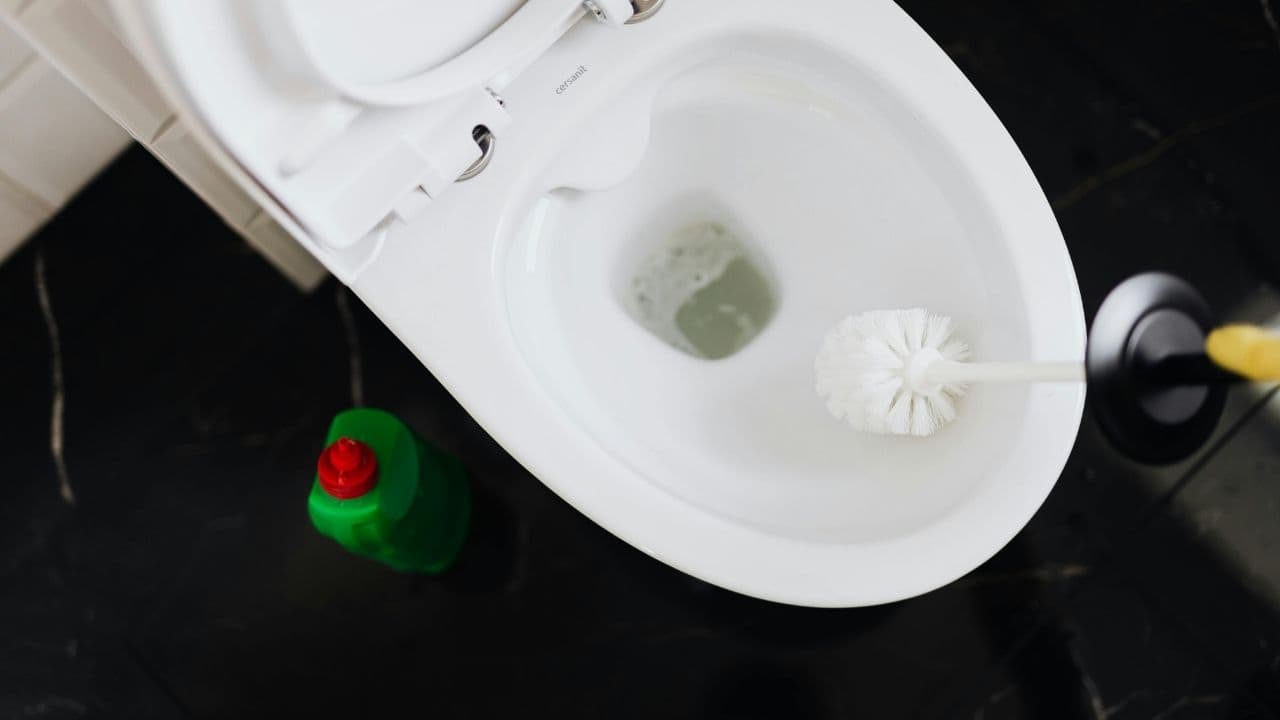
You should never mix bleach with other cleaners. Combining bleach with ammonia, vinegar, or toilet bowl cleaners can create harmful gases.
These fumes can cause coughing, eye irritation, and breathing issues. Always use bleach on its own and follow the instructions on the label for safe cleaning.
If you need to use multiple cleaners, rinse thoroughly between products to avoid dangerous reactions.
Avoid using bleach on colored fabrics

You should avoid using bleach on colored fabrics because it can cause discoloration and spots. Bleach works well on whites but can fade or damage colors like cotton, polyester, and nylon.
If you need to sanitize colored clothes, consider using laundry sanitizers made without bleach. Always check care labels to keep your clothes looking their best.
Do not use bleach on nylon with caution

You should avoid using bleach on nylon because it can weaken the fibers. Even a small amount of bleach can cause damage, making your nylon items wear out faster.
If you want to lighten nylon, bleach is not a safe option. Instead, look for products designed specifically for delicate fabrics to protect your clothes and gear.