When it comes to cleaning, professionals have certain habits and boundaries that help them deliver efficient and safe results. Understanding what experienced cleaners avoid can help you improve your own cleaning routine and protect your belongings.
Knowing what professional cleaners would never do can save you time, prevent damage, and keep your home healthier. These are practical guidelines based on years of experience that you can easily apply in your daily cleaning tasks.
Advertisement
Never begin cleaning without a clear plan

You should always start with a clear plan before cleaning. Knowing which rooms and tasks to tackle first saves time and effort.
A good plan helps you gather the right tools and cleaning products ahead of time. It also prevents you from wasting energy on unnecessary tasks. By organizing your cleaning order, you work more efficiently and avoid missing important spots. This approach makes the whole process smoother for you.
Avoid leaving rooms empty-handed
When you leave a room during cleaning, take a few items with you. This habit helps you avoid extra trips and keeps you efficient.
You can carry small things like trash, dirty laundry, or misplaced objects. This way, you make steady progress without wasting time backtracking. Having a clear plan for what to remove each time you exit a room keeps your workflow smooth and your space cleaner faster.
Don’t skip asking family members for help

You don’t have to do everything alone. Asking your family members to pitch in can make cleaning quicker and less overwhelming.
Everyone living in your home shares responsibility for keeping it tidy. When you involve others, you create teamwork that eases your workload. Simple tasks like putting away shoes or clearing dishes can add up. Encourage family help to keep your space clean and organized.
Never neglect having a place for everything
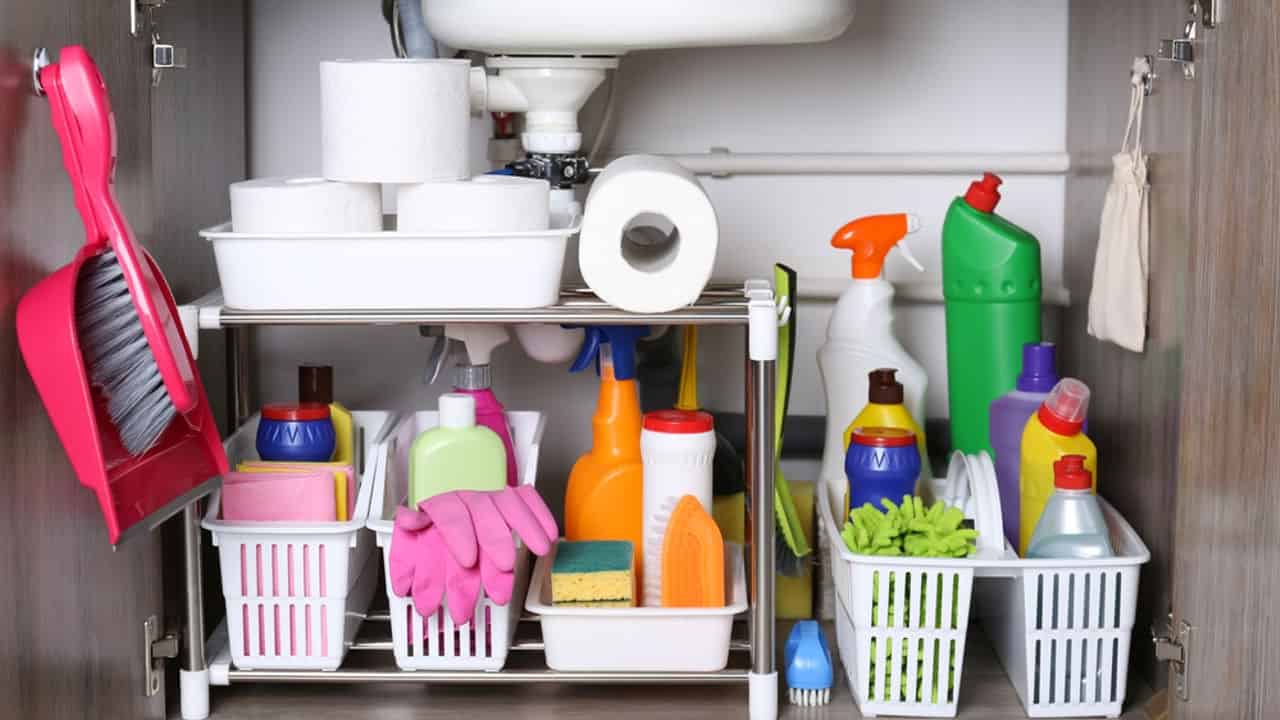
You’ll find cleaning much easier when every item has its own spot. Without a designated place, clutter builds up quickly and slows you down.
Keeping things organized helps you move efficiently through each room. It also makes tidying up faster and less stressful. Try to assign a specific place for cleaning tools and supplies. This way, you always know where to find what you need.
Never mix different cleaning products
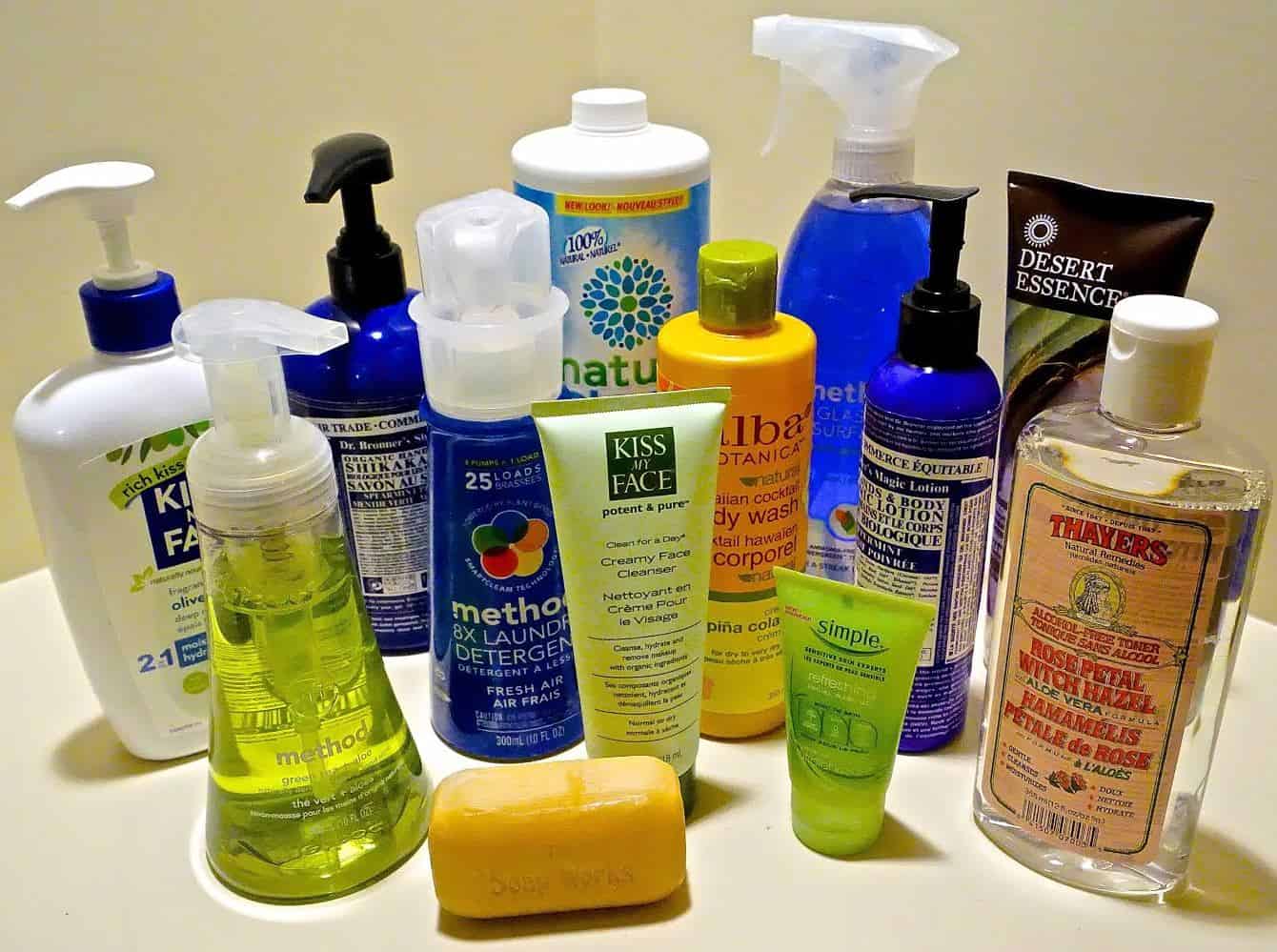
You should never mix cleaning products because the reactions can produce harmful gases. For example, bleach combined with ammonia or vinegar creates toxic fumes that can hurt your lungs and eyes.
Always use one product at a time and rinse surfaces well before switching. This keeps your cleaning safe and effective.
Always remove pet hair before cleaning
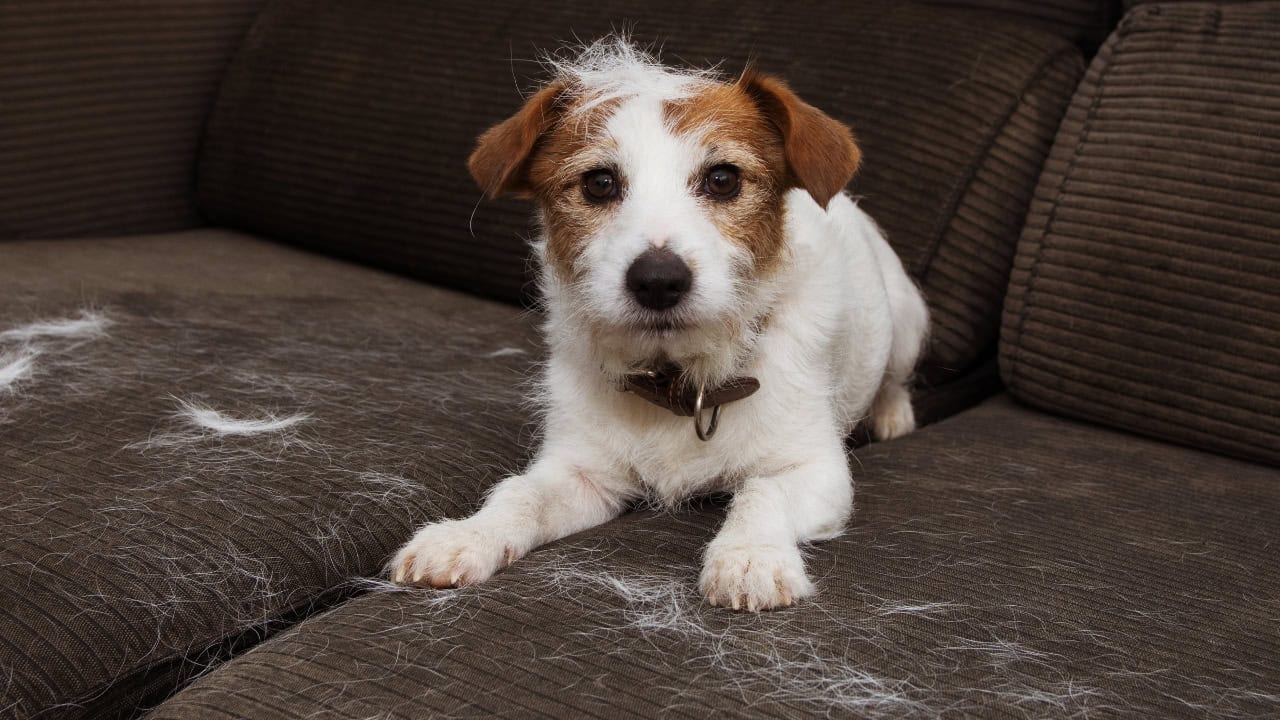
You should remove pet hair before you start cleaning to make the job easier and more effective. Pet hair can get stuck in vacuum brushes and mops, reducing their ability to clean properly.
Use a vacuum designed for pet hair or a lint roller to pick up loose fur. Running an air filter can also help reduce airborne pet dander, keeping your space fresher while you clean.
Avoid using acidic products on glass
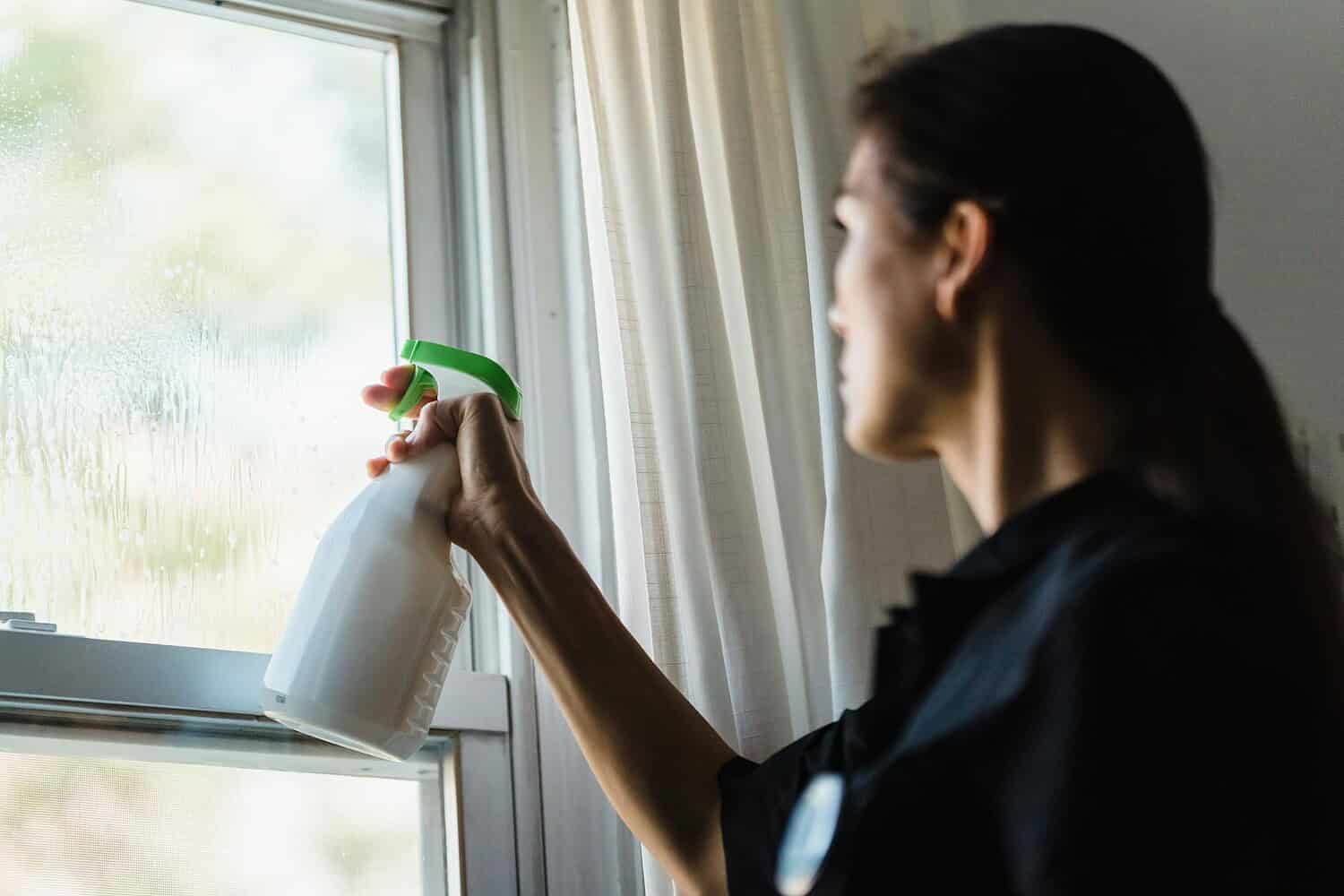
You should avoid acidic cleaners on glass surfaces. Acids can cause scratches or cloudiness that are irreversible.
It’s best to use gentle, non-acidic cleaners to keep your glass clear and damage-free. This helps maintain your glass’s appearance over time. If you want to remove hard water stains, look for acid-free options to protect your glass long term.
Never skip wearing gloves
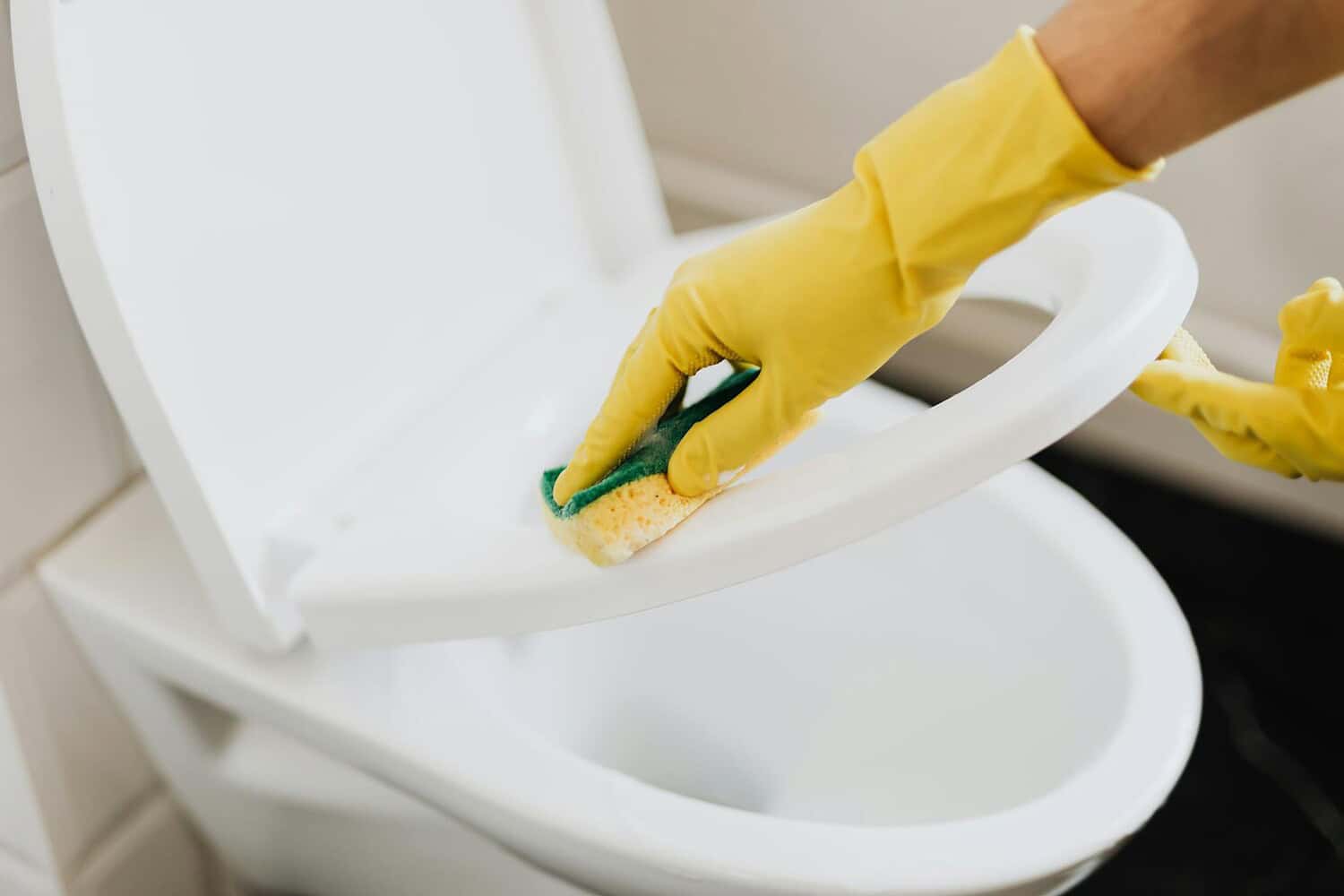
You should always wear gloves when cleaning, especially with chemicals. Gloves protect your skin from harsh substances that can cause irritation or damage.
They also help prevent germs from spreading. Wearing gloves keeps your hands clean and safe, making your job easier and more hygienic.
Don’t clean antiques or specialty items without training

You should avoid cleaning antiques or specialty items without proper knowledge. These objects can be delicate and easily damaged by the wrong cleaning methods.
If you want to care for these items, consider consulting a professional with experience. This helps preserve their value and condition over time.
Avoid too much grout or tiny tiles in showers
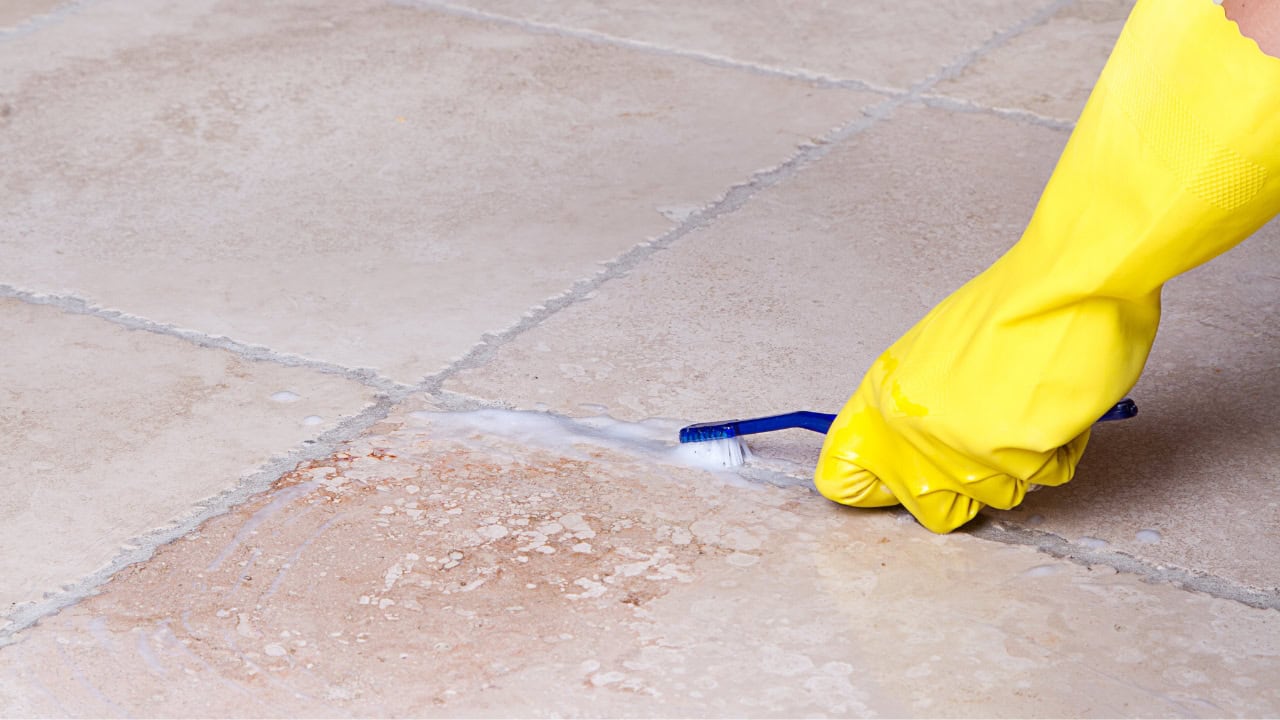
You’ll want to skip tiny tiles with lots of grout lines in your shower. More grout means more places for dirt and mold to settle, making cleaning harder.
Grout tends to stain and can wear down quickly when exposed to water and soap. Choosing larger tiles reduces maintenance and keeps your shower looking cleaner for longer.
Never use steel wool or Brillo pads on delicate surfaces
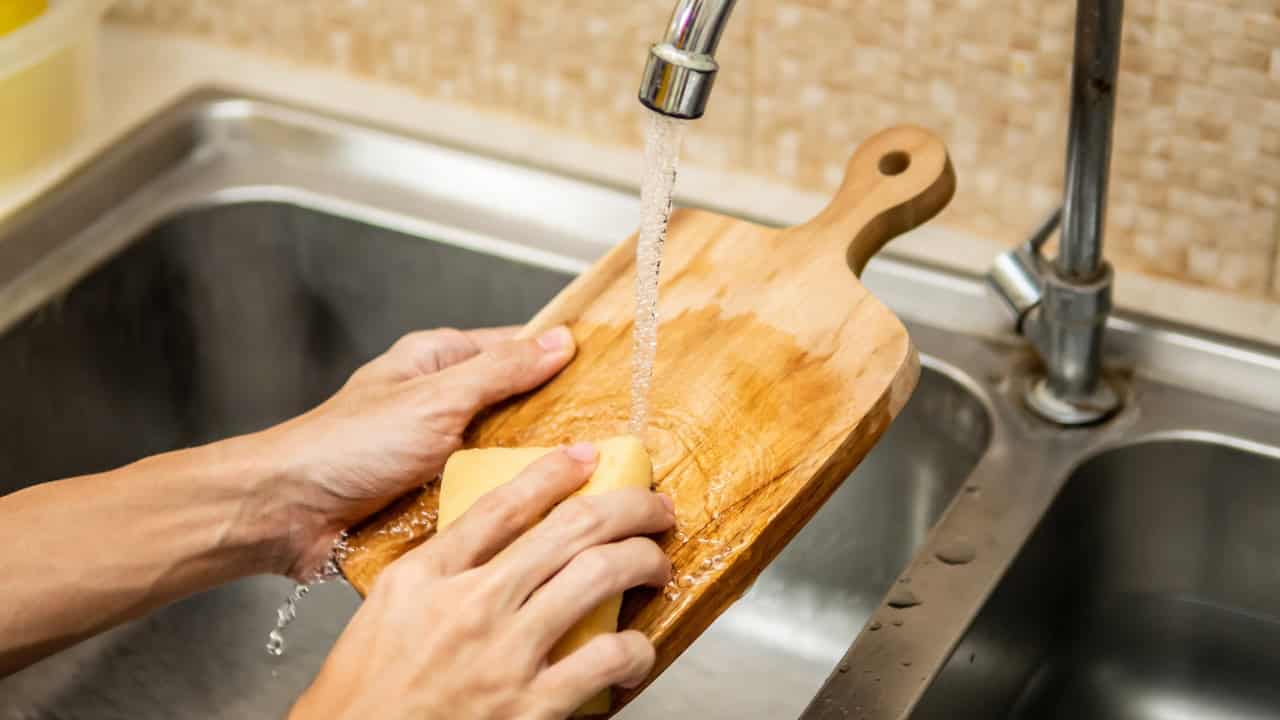
You should avoid using steel wool or Brillo pads on delicate surfaces like glass, non-stick cookware, and stainless steel. These pads are abrasive and can easily scratch or damage the finish.
If you need to clean tough grime, choose gentler tools like microfiber cloths or soft sponges. This way, you protect your surfaces while still getting them clean.
Don’t clean crystal with harsh products
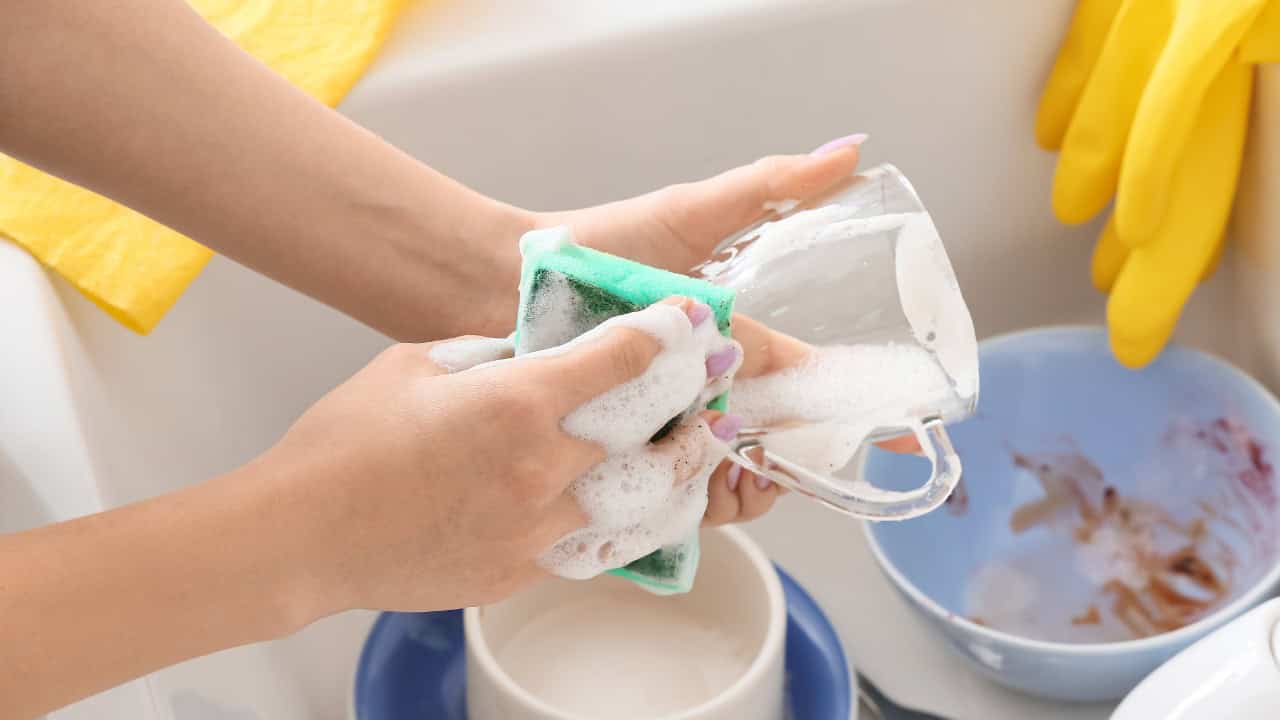
When you clean crystal, avoid using harsh or acidic cleaners. These products can damage the delicate surface and cause cloudiness. Instead, use mild dish soap with warm water. Gently hand wash your crystal to keep it clear and sparkling.
Always dry with a soft cloth to prevent scratches. This simple care helps maintain your crystal’s shine.
Avoid cleaning glass panel china cabinet doors
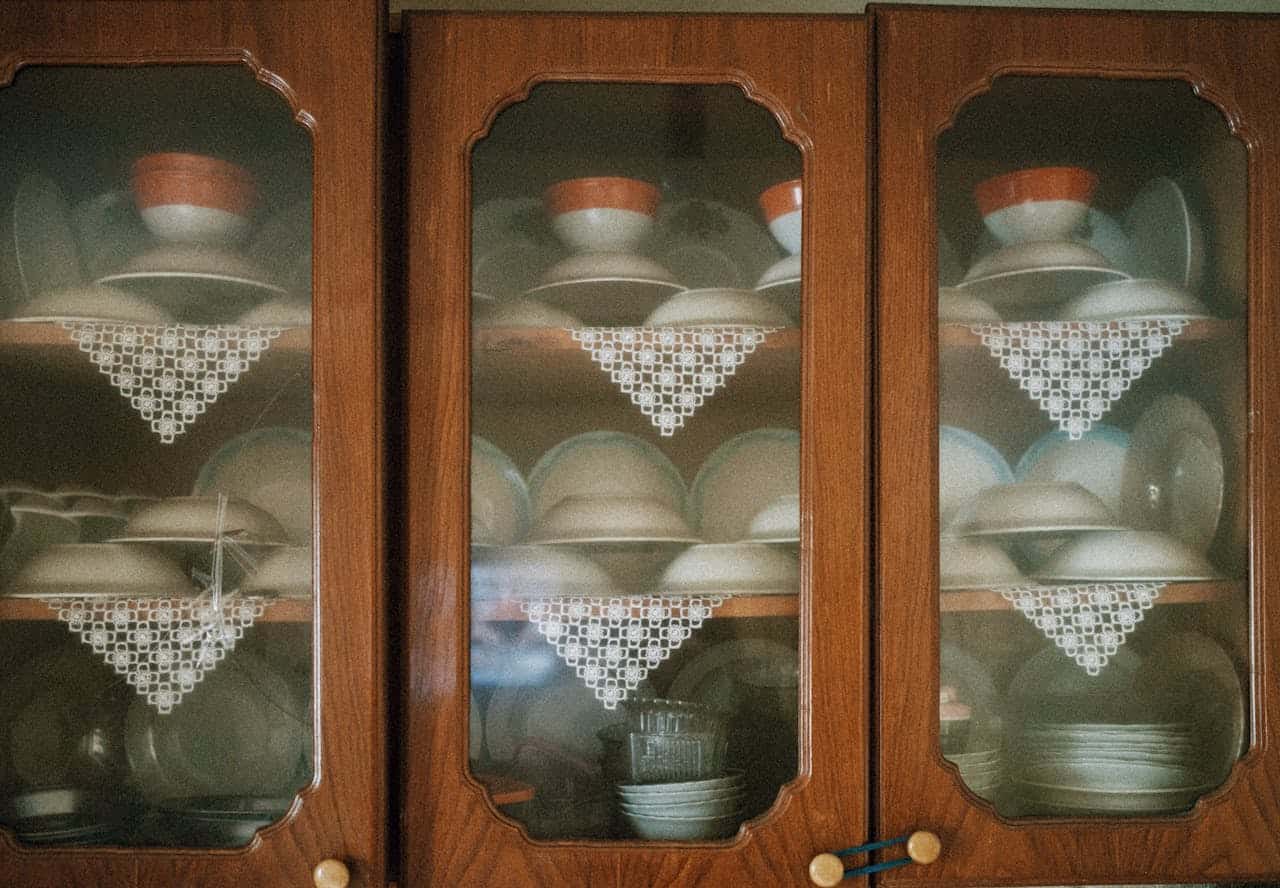
You should avoid using abrasive materials to clean glass panel doors. These can scratch the glass easily and damage the finish.
Instead, use a soft cloth and gentle, non-toxic glass cleaner. Be careful not to let excess moisture drip onto wooden frames. Taking a light touch will help keep your cabinet looking great without causing damage.
Never mix bleach with any other cleaners
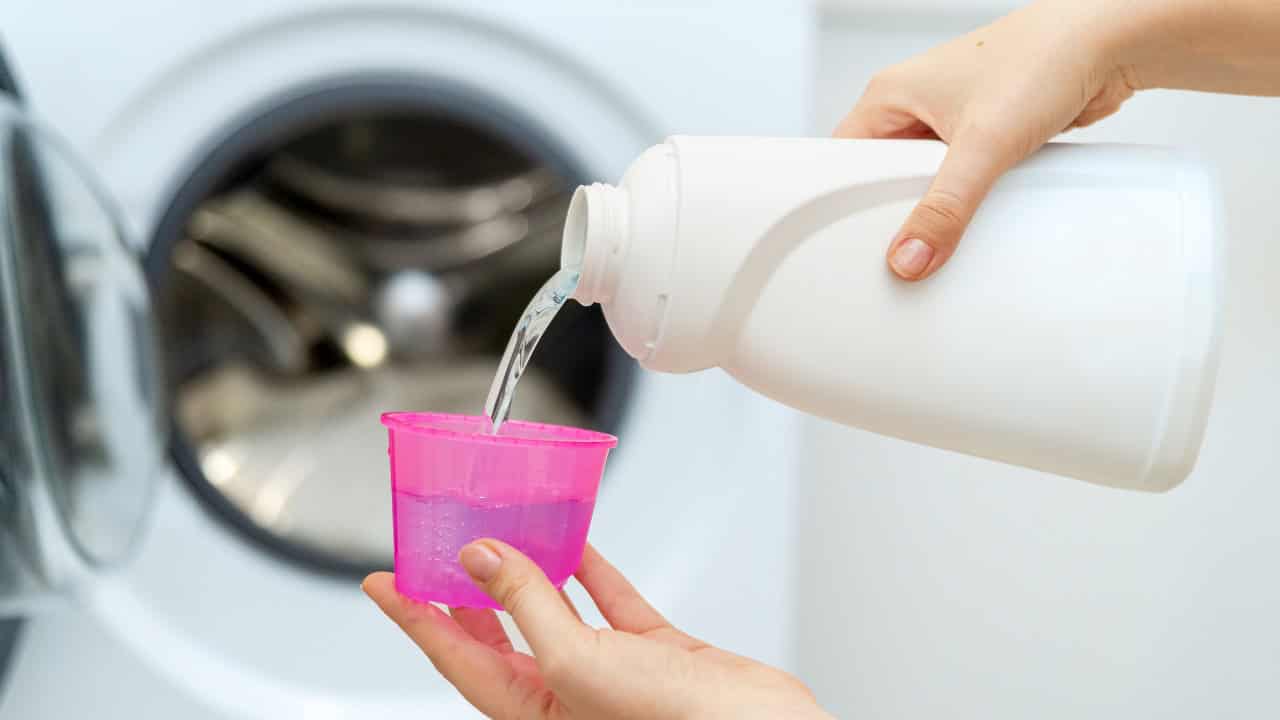
You should never mix bleach with other cleaning products. Combining bleach with ammonia or acids creates dangerous gases that can harm your lungs.
Even common cleaners like vinegar or rubbing alcohol can cause toxic reactions when mixed with bleach. Always use bleach on its own and rinse surfaces well before using anything else. Your safety depends on it.
Don’t use toilet bowl cleaner on surfaces other than the bowl
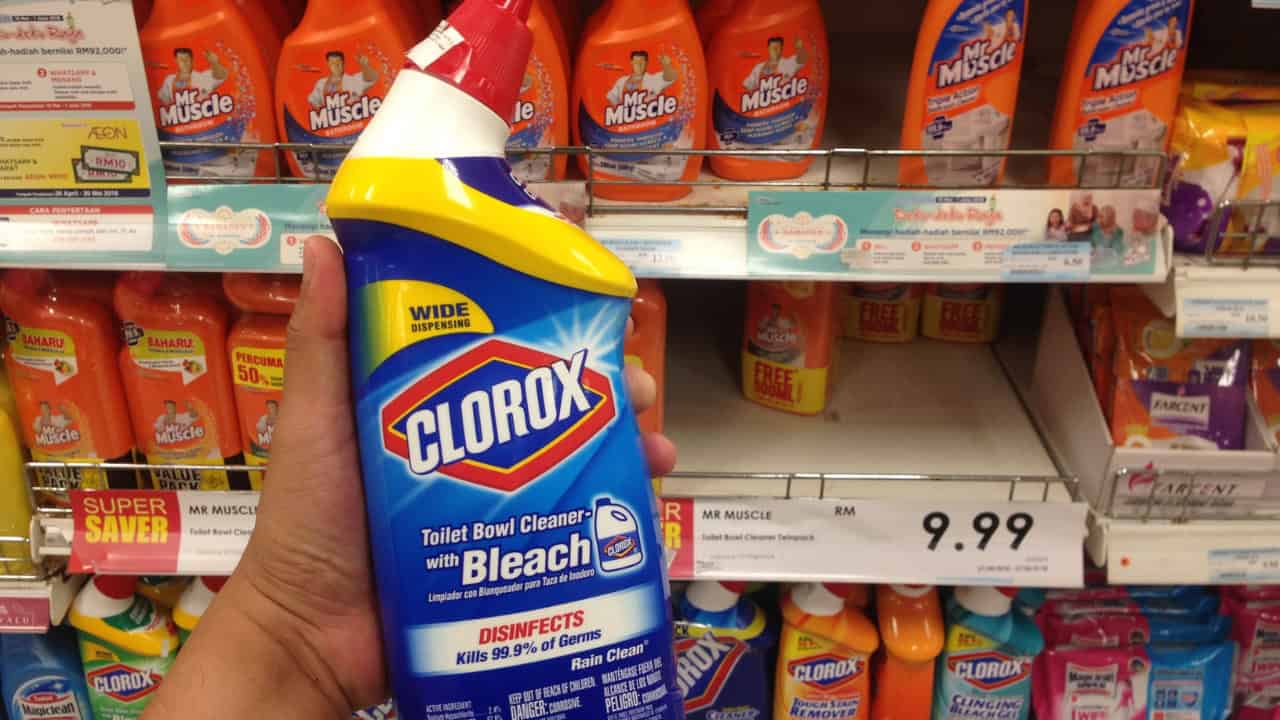
You should avoid using toilet bowl cleaner on tubs, showers, or walls. These products are designed for porcelain and may damage other materials. Using toilet cleaners on the wrong surfaces can cause discoloration or wear down finishes. Stick to cleaners made for each specific area in your bathroom.
If you want to clean pots or other items, use products made for those surfaces instead of toilet bowl cleaner. This keeps your things safe and clean.