Starting a vegetable garden can be an incredibly rewarding experience, but it can also be challenging, especially for beginners. From understanding the correct soil mix to mastering the art of crop rotation, there’s a lot to learn. I know this because I’ve been there, and I wish someone had given me a handy guide to vegetable gardening before I started.
With that in mind, I’ve decided to share 15 things I wish I’d known before starting a vegetable garden, in the hopes that it will make your garden journey a bit easier. So, let’s dig in!
Advertisement
1. Understand Your Soil

Your success in vegetable gardening largely depends on the quality of your soil. The type of soil in your garden will dictate what plants will thrive and which ones won’t. For instance, root vegetables like carrots and radishes prefer sandy soil, while leafy greens like kale and spinach do well in loamy soil.
You can improve your soil’s quality by adding organic matter such as compost, manure, or grass clippings. Regular soil testing is also essential to determine pH levels and nutrient deficiency. Most vegetables prefer a pH level between 6.0 and 7.0.
2. Choose the Right Location
The location of your vegetable garden matters a lot. Most vegetables require at least six hours of sunlight each day. Without adequate sunlight, your vegetables may struggle to grow and produce.
Ensure your garden is in a location that gets sufficient sunlight, and is also close to a water source. The site should also be well-drained to avoid water logging. If you’re in a city, consider rooftop, balcony, or container gardening.
3. Start Small
Starting a vegetable garden can be exciting, and it’s easy to get carried away. However, gardening requires commitment and time. It’s better to start small, get the hang of it, and then gradually expand.
Choose a few easy-to-grow vegetables for your first season. Tomatoes, lettuce, and peppers are excellent choices for beginners. Once you’ve mastered these, you can try your hand at more challenging crops.
4. Plan Your Garden Layout

Planning your garden layout is vital for proper spacing and crop rotation. Drawing a simple map of your garden can help you visualize where each vegetable will go and ensure you have enough space for everything.
Remember to rotate your crops each year. This practice helps prevent soil nutrient depletion and disrupts disease and pest cycles. For instance, don’t plant tomatoes in the same spot year after year as this can lead to diseases.
5. Learn About Companion Planting
Companion planting is the practice of growing certain plants together for mutual benefits. For example, planting marigolds with tomatoes can help deter harmful insects, while planting beans with corn can improve soil nitrogen levels.
However, some plants can inhibit each other’s growth. For instance, planting onions next to beans can stunt the beans’ growth. Researching companion planting can help you maximize your garden’s potential.
6. Invest in Quality Tools
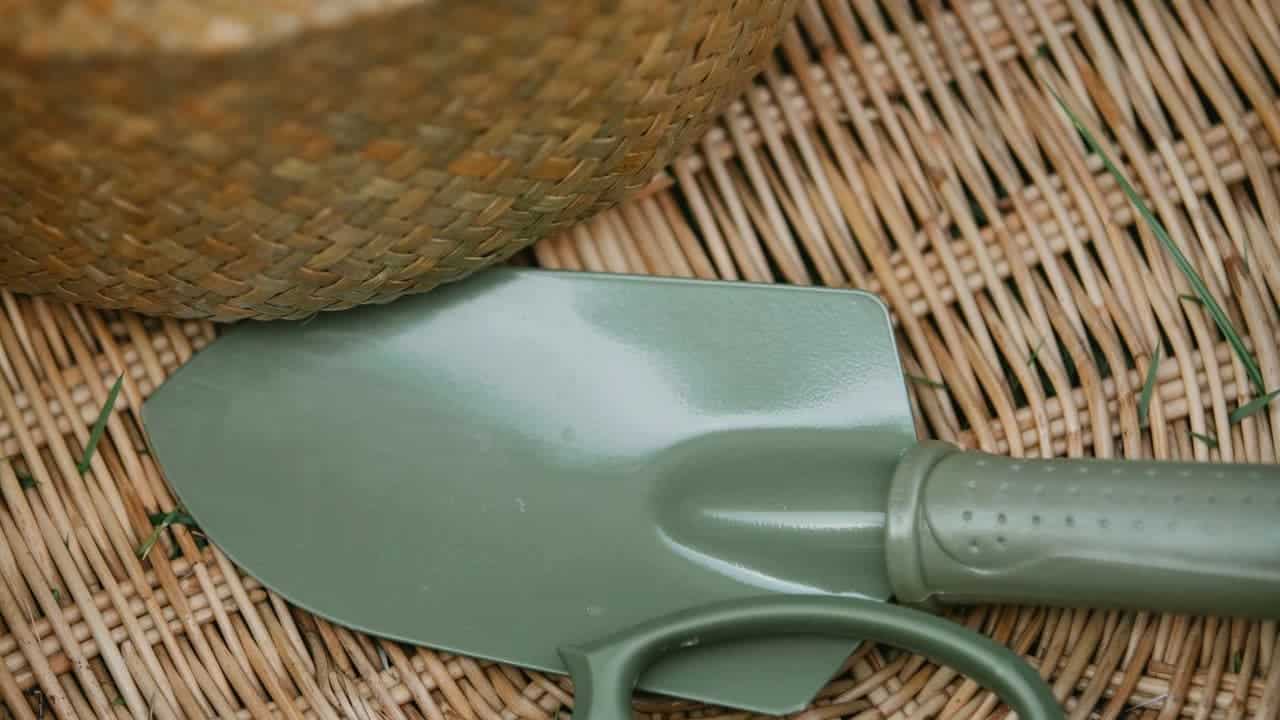
Good quality gardening tools can make all the difference in your gardening experience. They can make your work easier, more efficient, and more enjoyable.
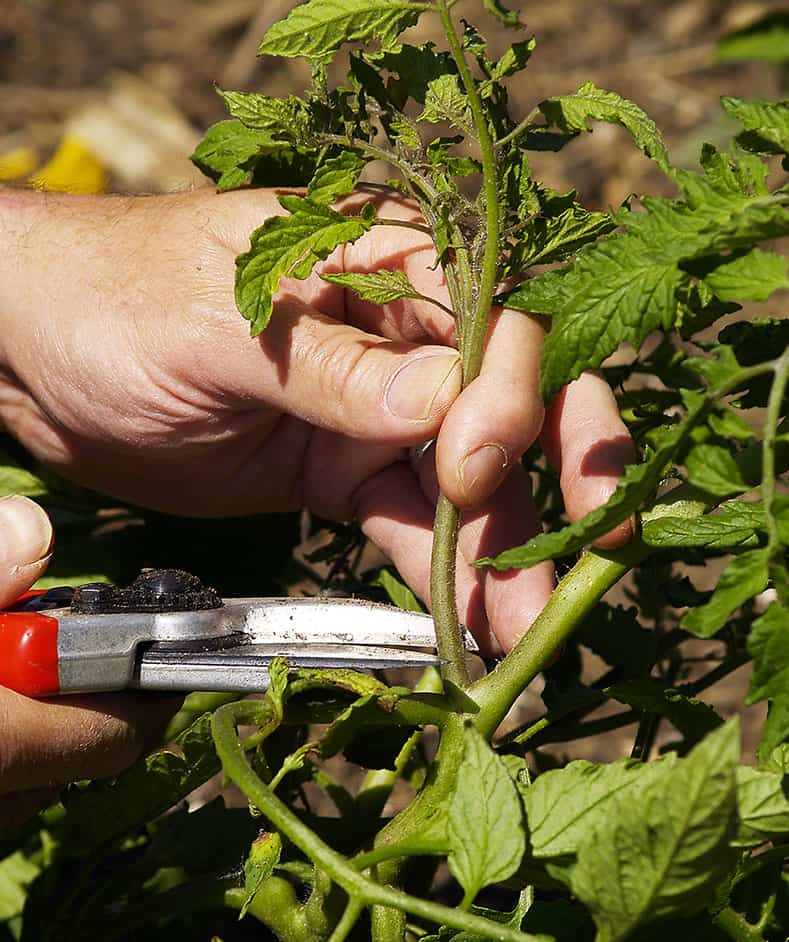
Invest in essential tools like a shovel, rake, hoe, pruners, and a watering can. Remember to clean and store your tools properly to extend their lifespan.
7. Learn About Pests and Diseases
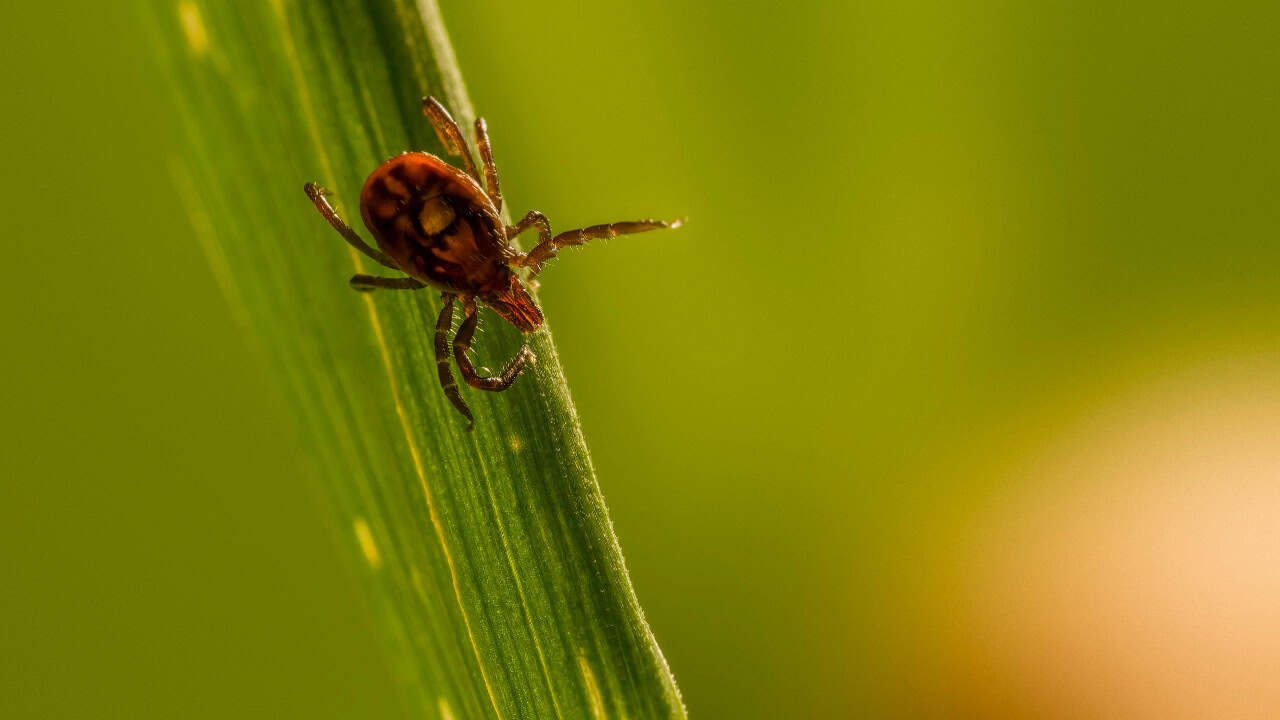
Your vegetable garden will likely attract pests and diseases at some point. The key is to catch these problems early before they become unmanageable.
Regularly inspect your plants for signs of pests and diseases. If you spot any issues, research the best organic methods to tackle them. Companion planting, crop rotation, and proper sanitation can help prevent many common garden problems.
8. Water Wisely

Watering your vegetable garden may seem straightforward, but there’s more to it than just turning on the hose. Overwatering can lead to root rot, while underwatering can stress your plants.
Most vegetables prefer deep, infrequent watering rather than shallow, frequent watering. This practice encourages deep root growth, making your plants more drought-resistant. Water your garden early in the morning to reduce evaporation.
9. Mulch Your Garden

Mulching your garden can provide numerous benefits. It can help retain soil moisture, suppress weeds, regulate soil temperature, and improve soil fertility.
Use organic mulch like straw, grass clippings, or compost. Apply a thick layer around your plants, but be careful not to pile it against the plant stems as this can lead to rot.
10. Grow What You Eat
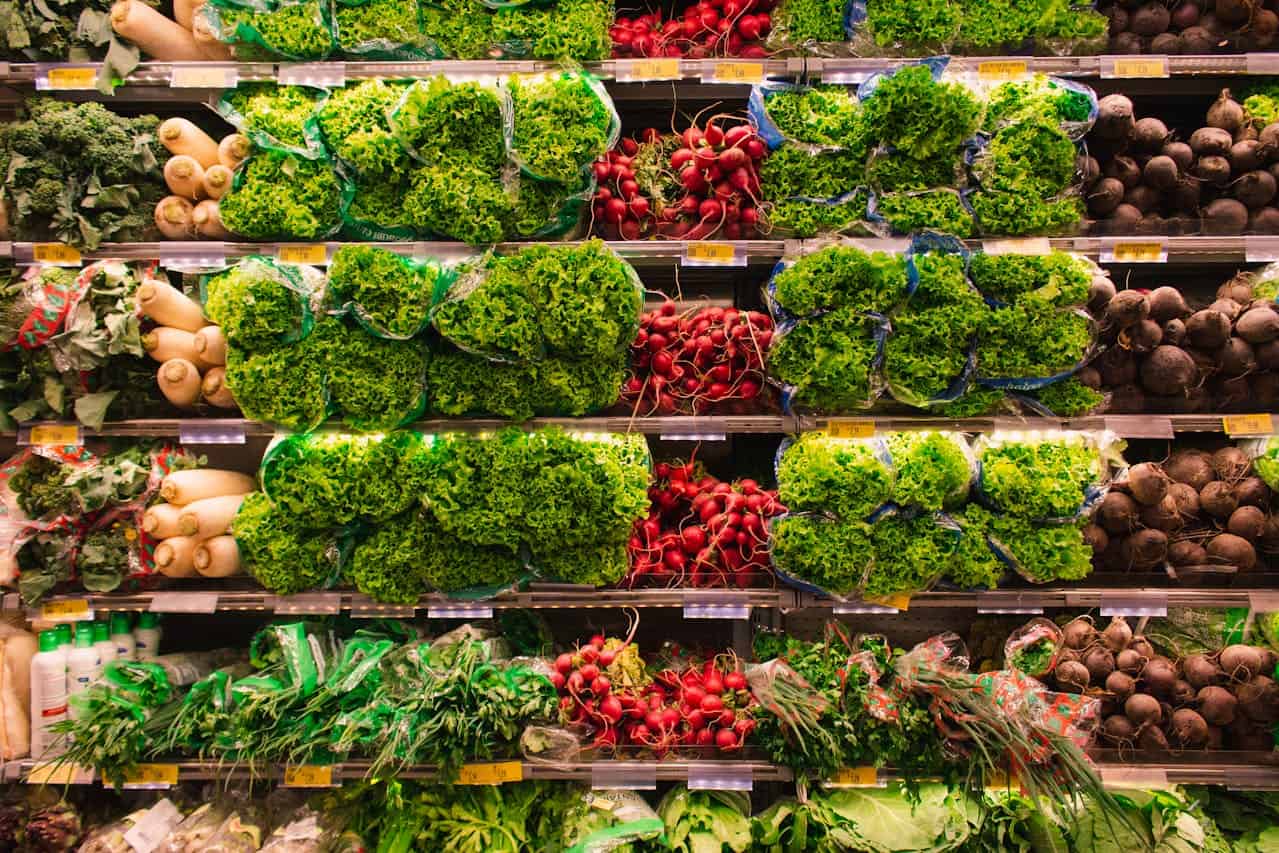
It may seem obvious, but it’s essential to grow vegetables that you and your family enjoy eating. There’s no point in growing a bountiful crop of Brussels sprouts if no one in your household likes them.
Also, consider growing vegetables that are expensive or hard to find in your area. This way, you can enjoy fresh, homegrown produce while saving some money.
11. Practice Succession Planting
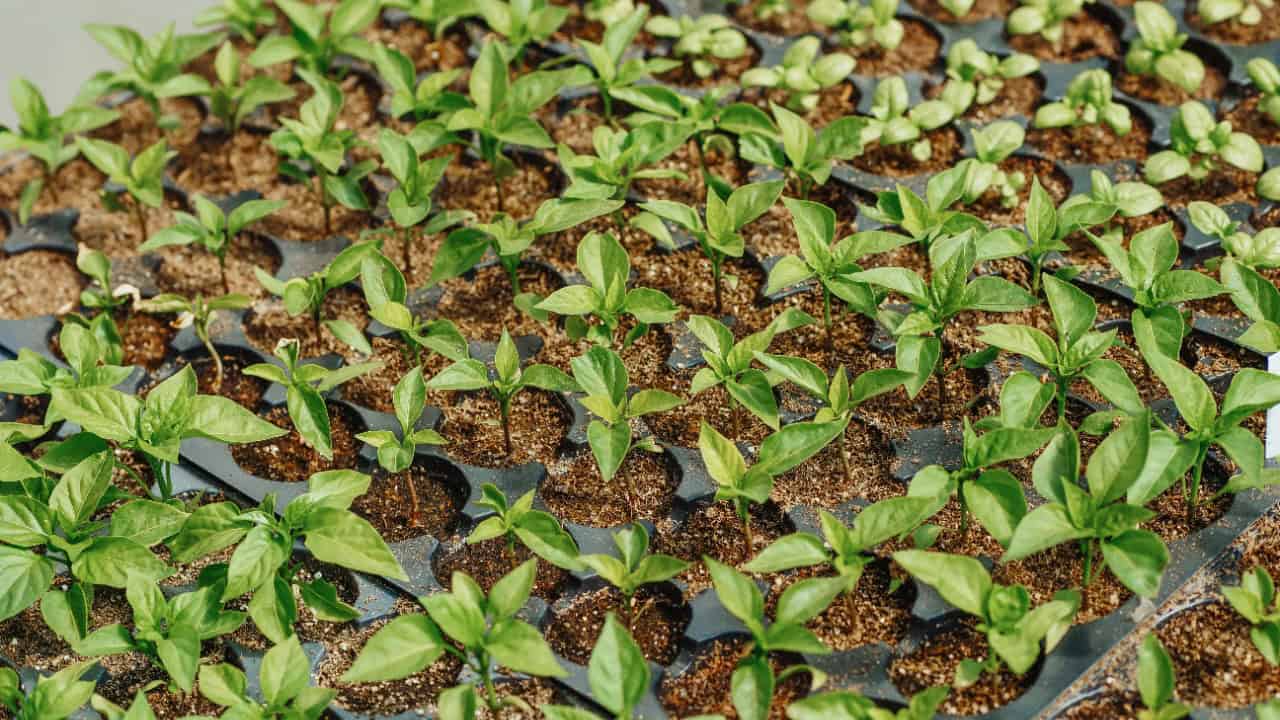
Succession planting is the practice of planting new crops in the same space as soon as the previous crop is harvested. This technique can help you maximize your garden’s productivity and extend your harvest season.
For instance, after harvesting spring radishes, you can plant summer beans in the same spot. Then, in the fall, you can plant spinach or other cool-season crops.
12. Preserve Your Harvest
Sometimes, your garden can produce more vegetables than you can eat fresh. Learning how to preserve your harvest can help you enjoy your homegrown produce year-round.
Canning, freezing, drying, and pickling are excellent ways to preserve your garden bounty. Plus, preserved vegetables make great homemade gifts!
13. Join a Local Gardening Group

Joining a local gardening group can provide a wealth of knowledge and support. You can learn from experienced gardeners, share seeds and plants, and even make new friends.
Check if there’s a gardening club or community garden in your area. If not, consider starting one!
14. Keep a Garden Journal

Keeping a garden journal can help you track your garden’s progress, learn from your mistakes, and plan for future seasons. You can record when you planted seeds, when you harvested crops, what worked well, and what didn’t.
Looking back on your garden journal can be rewarding and informative. Plus, it’s a great way to keep all your garden information in one place.
15. Enjoy the Process

Last but not least, remember to enjoy the process of gardening. It’s not just about the end result, but also the journey.
Gardening can be therapeutic, rewarding, and a great way to connect with nature. So, take your time, learn as you go, and don’t forget to stop and smell the roses (or rather, the tomatoes)!
In conclusion, starting a vegetable garden can be a bit daunting, but with the right knowledge and preparation, it can also be incredibly rewarding. I hope these tips help you on your gardening journey. Happy gardening!