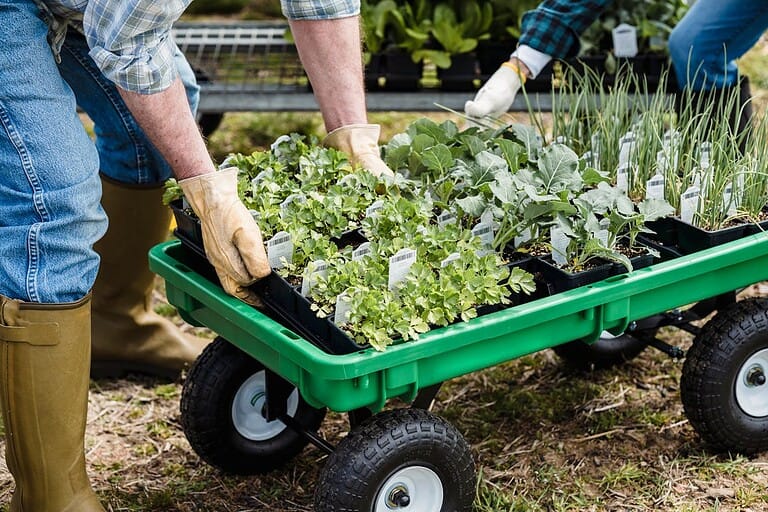
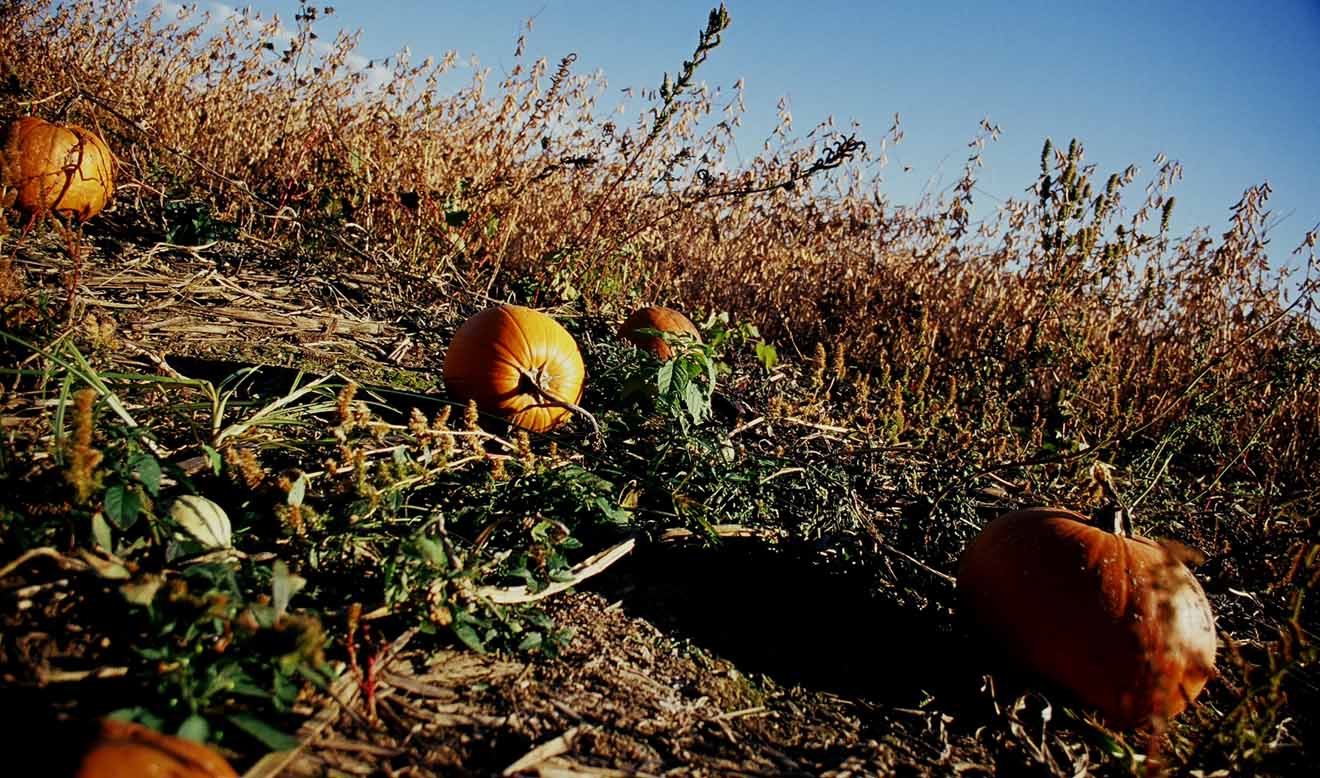
When it comes to gardening, figuring out what not to plant can be just as important as knowing what to grow. Over time, you may notice some plants simply don’t work well in your space, taking up valuable resources without delivering results. Understanding which plants to avoid can lead to a thriving garden that flourishes with the right choices.
Gardening can be both a joy and a challenge, especially when certain plants just seem to struggle. By making a few changes to what you plant, you can create an environment where your garden can truly thrive. Let’s dive into the 15 things you might want to stop planting for a healthier and more productive garden experience.
Advertisement
1. Zucchini
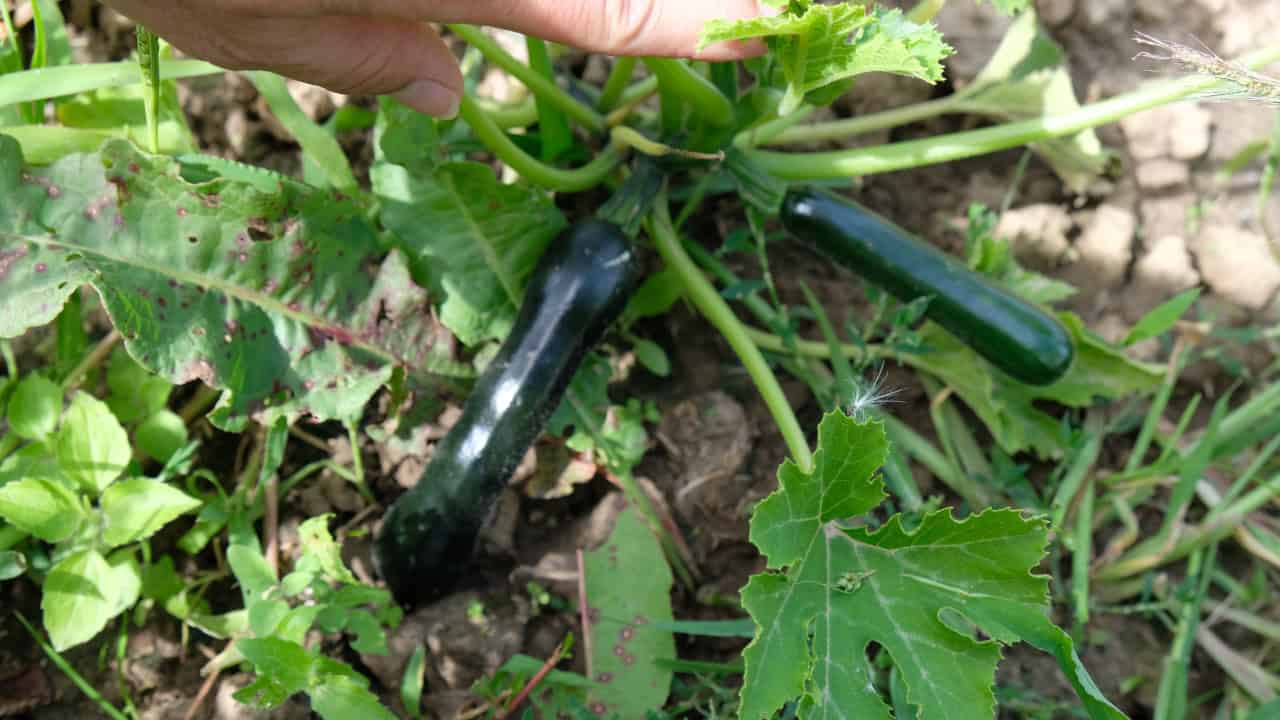
Zucchini might seem like a garden staple, but it can be surprisingly tricky. Many new gardeners end up with an overabundance of it, and that can be overwhelming.
You might want to reconsider planting them if you’re short on space. Zucchini can spread out and take over areas quickly.
If you do decide to grow some, remember they need good soil and frequent watering. Check for pests and be ready to prune, as they can grow quite large.
2. Broccoli
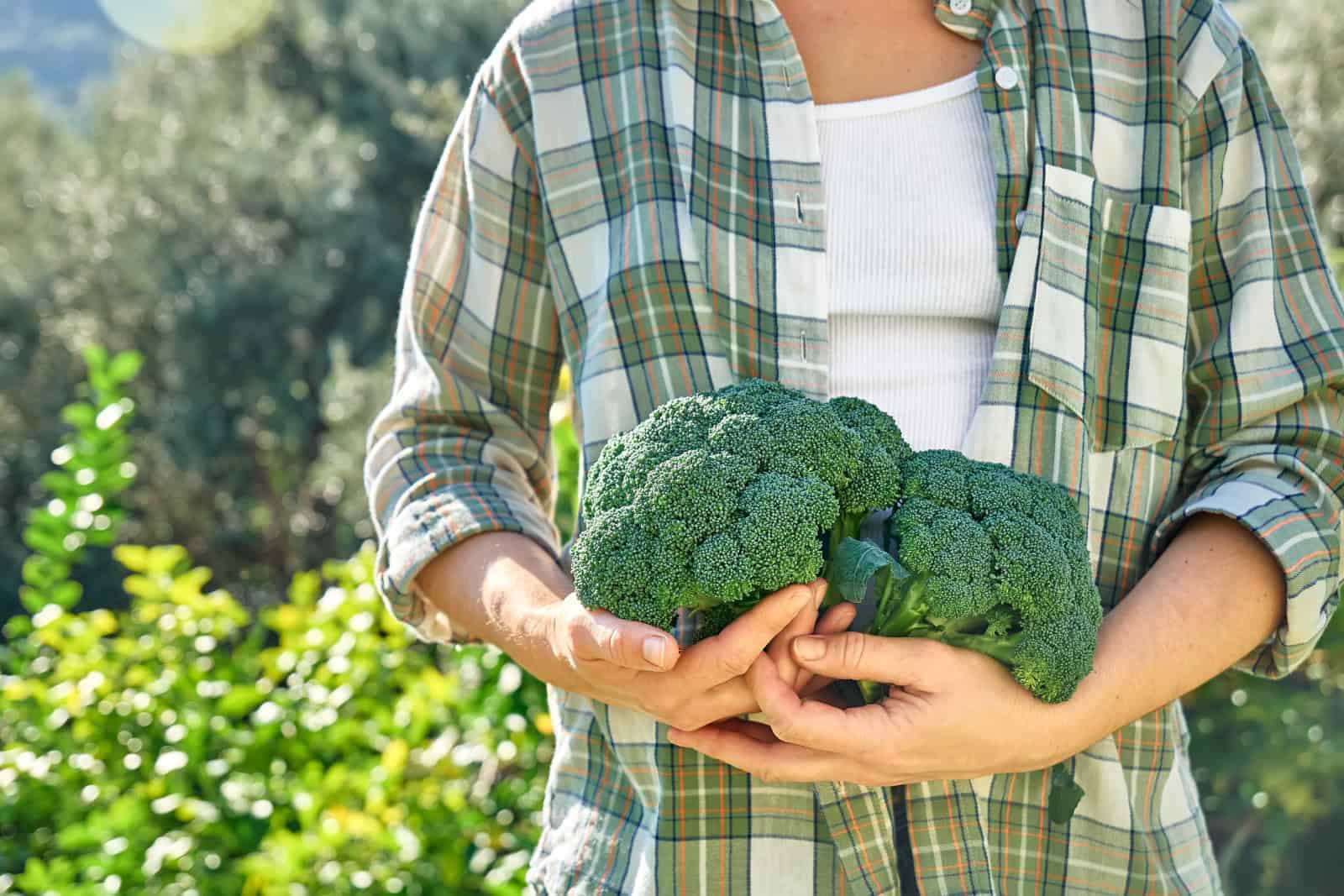
You might think broccoli is a great choice for your garden, but it can be tricky. It takes up a lot of space and can be finicky about conditions. If you crowd your plants, they won’t thrive and you’ll just end up with leaves instead of florets.
Broccoli often needs specific growing conditions to flourish. If your soil is too rich in nitrogen, for example, it may focus more on leaf growth than producing tasty heads. You might find better success with other crops that suit your garden’s layout and soil type better.
3. Eggplant
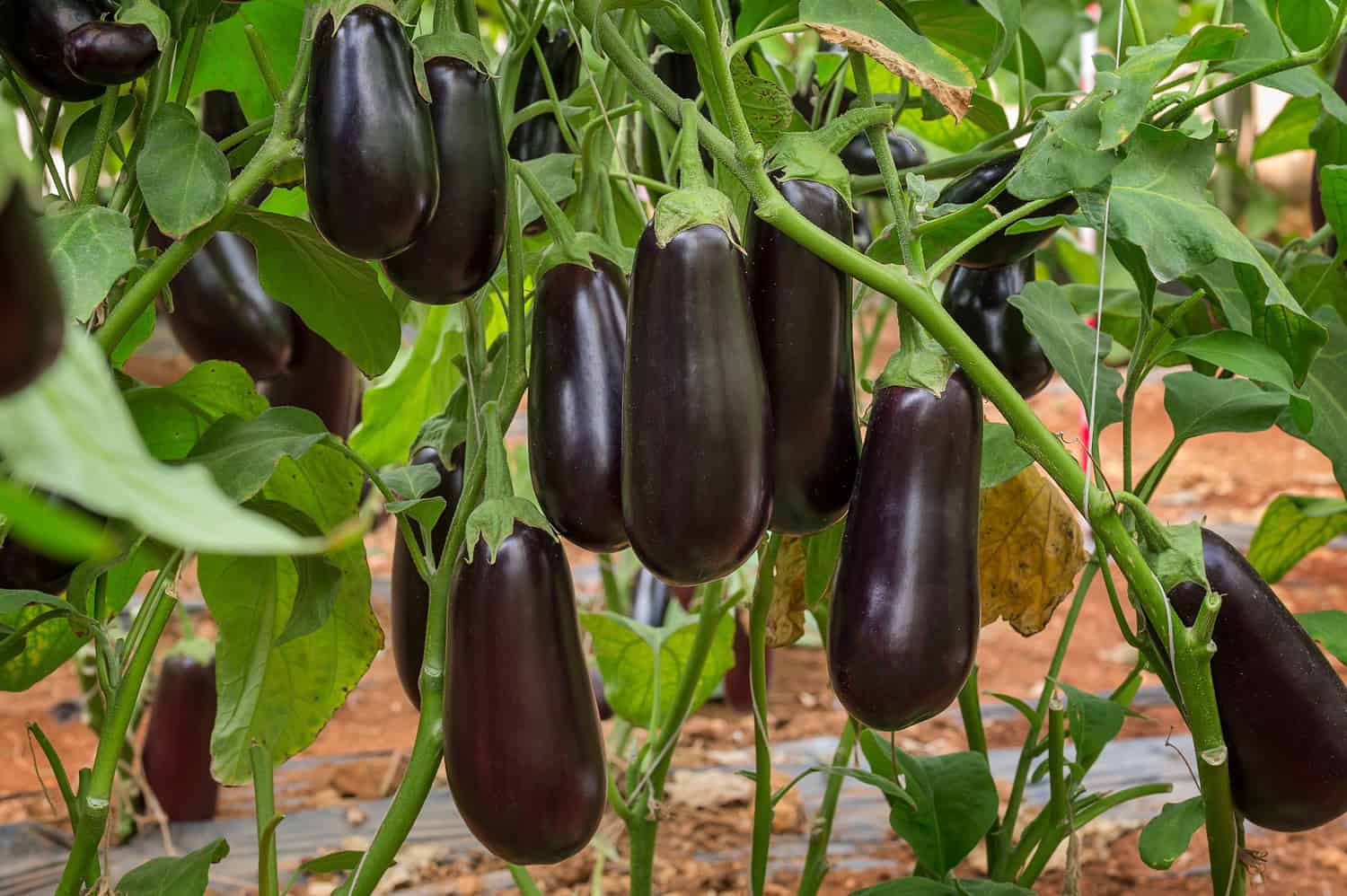
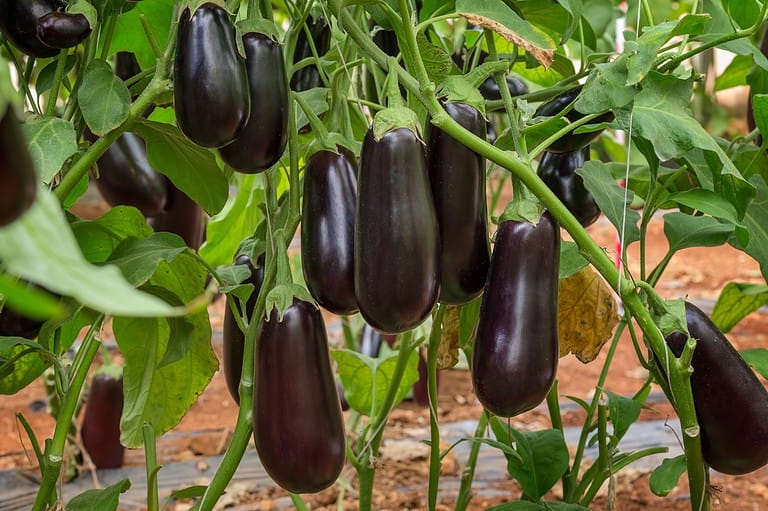
If you’ve struggled with eggplants, you’re not alone. They can be tricky to grow and often need specific conditions.
Eggplants thrive in warm weather, preferring soil temperatures in the 70s and 80s. If the temperature drops too low, your plant may stop growing.
They also require ample sunlight and proper watering. Too much or too little can lead to poor growth and quality.
If you’ve faced issues, consider skipping eggplants and focusing on easier crops for your garden.
4. Carrots
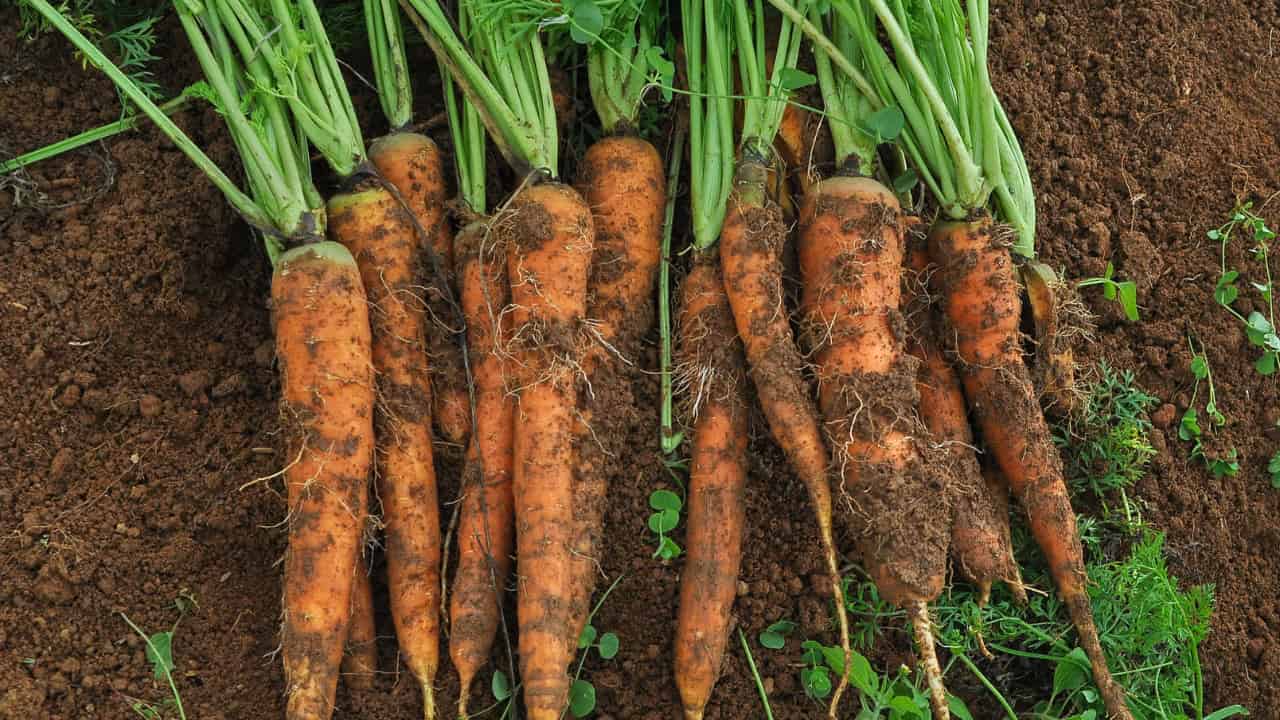
Carrots can be tricky. They really require loose, well-draining soil to grow properly. If your soil is too compacted, you’ll end up with misshapen, stunted roots.
You might find it easier to skip growing carrots altogether. They often attract pests like carrot flies, which can damage your crop.
Instead, focus on vegetables that are less finicky and require fewer resources. Your garden can thrive without them!
5. Asparagus
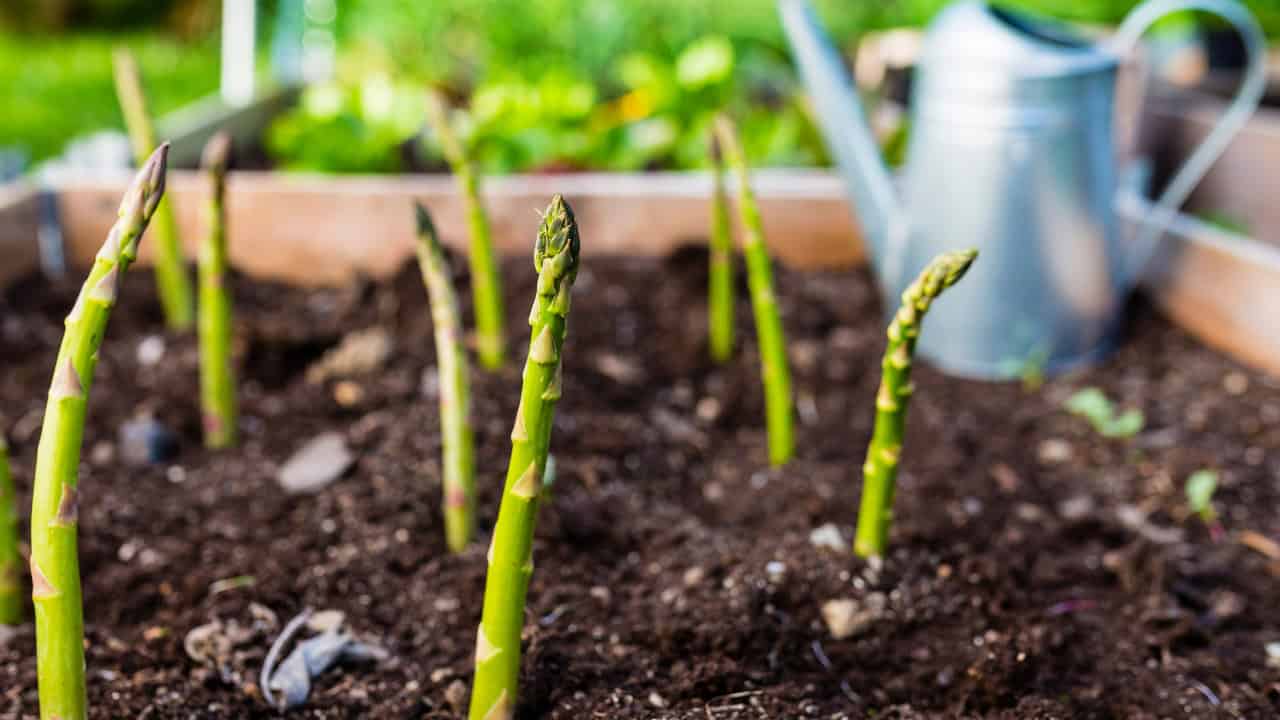
Asparagus can be tricky to grow if you’re not careful. Many gardeners skip essential steps, leading to poor results. Avoid planting in the wrong conditions, like during a frost.
With asparagus, patience is key. If you harvest too early, it can weaken the plant. Let it establish before picking for a healthier crop later on.
Watering is crucial, especially during dry spells. Deep roots help it thrive, but they still need your help. Making sure your asparagus patch is well-drained can lead to great long-term production.
6. Radishes
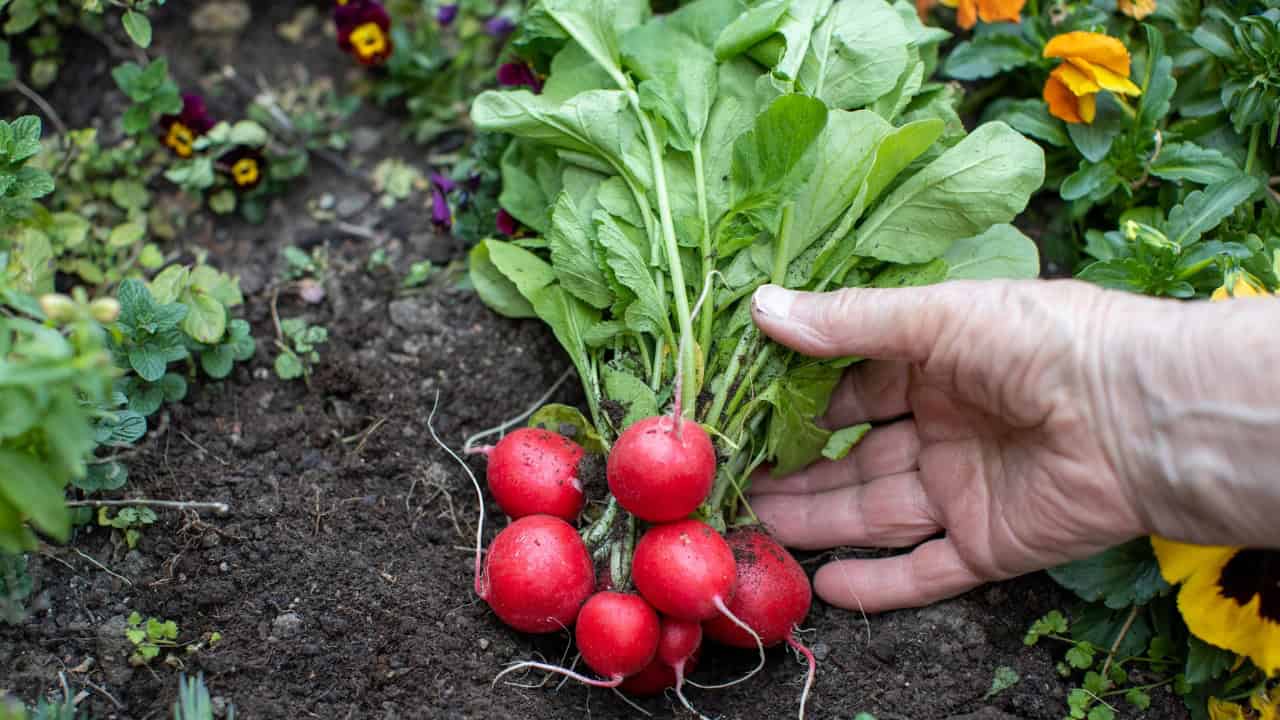
Radishes can be a fun addition to your garden, but they’re not always worth the space. While they sprout quickly and grow fast, you might find that they bolt easily in warm weather.
If you’re not careful with your planting, they can turn fibrous and woody. To avoid this, ensure your soil is well-drained and not too crowded.
You might find that dedicating your garden space to other vegetables yields better results overall. Sometimes, it’s just not worth the effort for a quick crop when you can focus on more rewarding plants.
7. Cauliflower
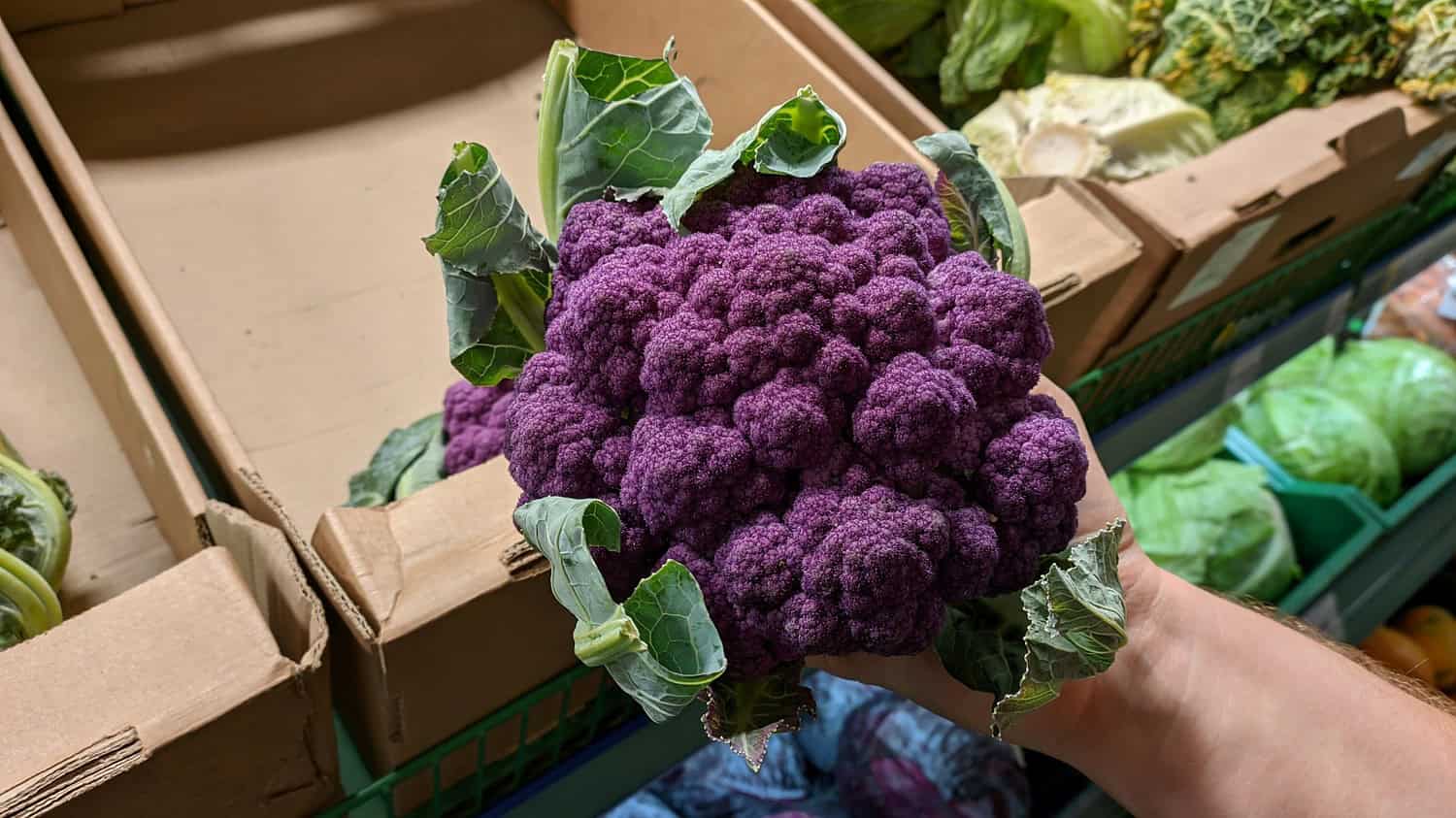
Growing cauliflower can be tricky. You might find that it struggles in your garden, especially if temperatures climb above 75 degrees Fahrenheit. It prefers cooler weather with an average temperature in the 60s.
Instead of trying to grow it, consider focusing on more resilient crops. Many gardeners have had better luck with veggies like kale or broccoli, which thrive in similar conditions.
If you do want to give cauliflower a shot, timing is key. Transplant in early fall or spring for optimal results. You might also want to check if your soil is properly amended for better growth, as nutrient-rich soil can make a difference.
8. Brussel Sprouts
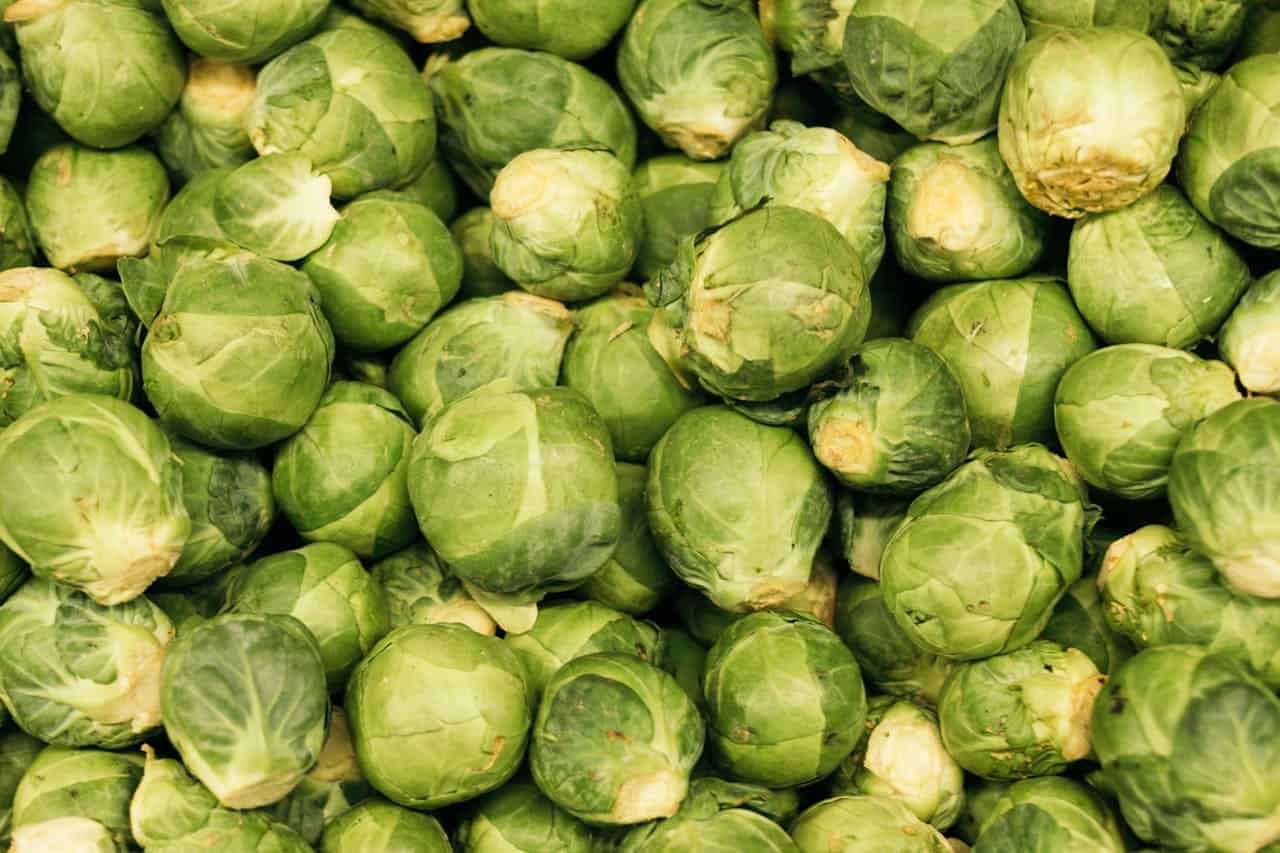
If you’ve struggled with growing brussel sprouts, you’re not alone. These vegetables can be picky about their conditions.
They thrive in cool weather and need fertile, well-drained soil to develop properly. You might want to amend your soil with compost for the best results.
Shading them during hot spells can also help prevent bolting. Plus, keeping an eye out for pests like aphids can save your harvest.
If you find them frustrating, it might be worth skipping them and focusing on easier veggies instead.
9. Celery
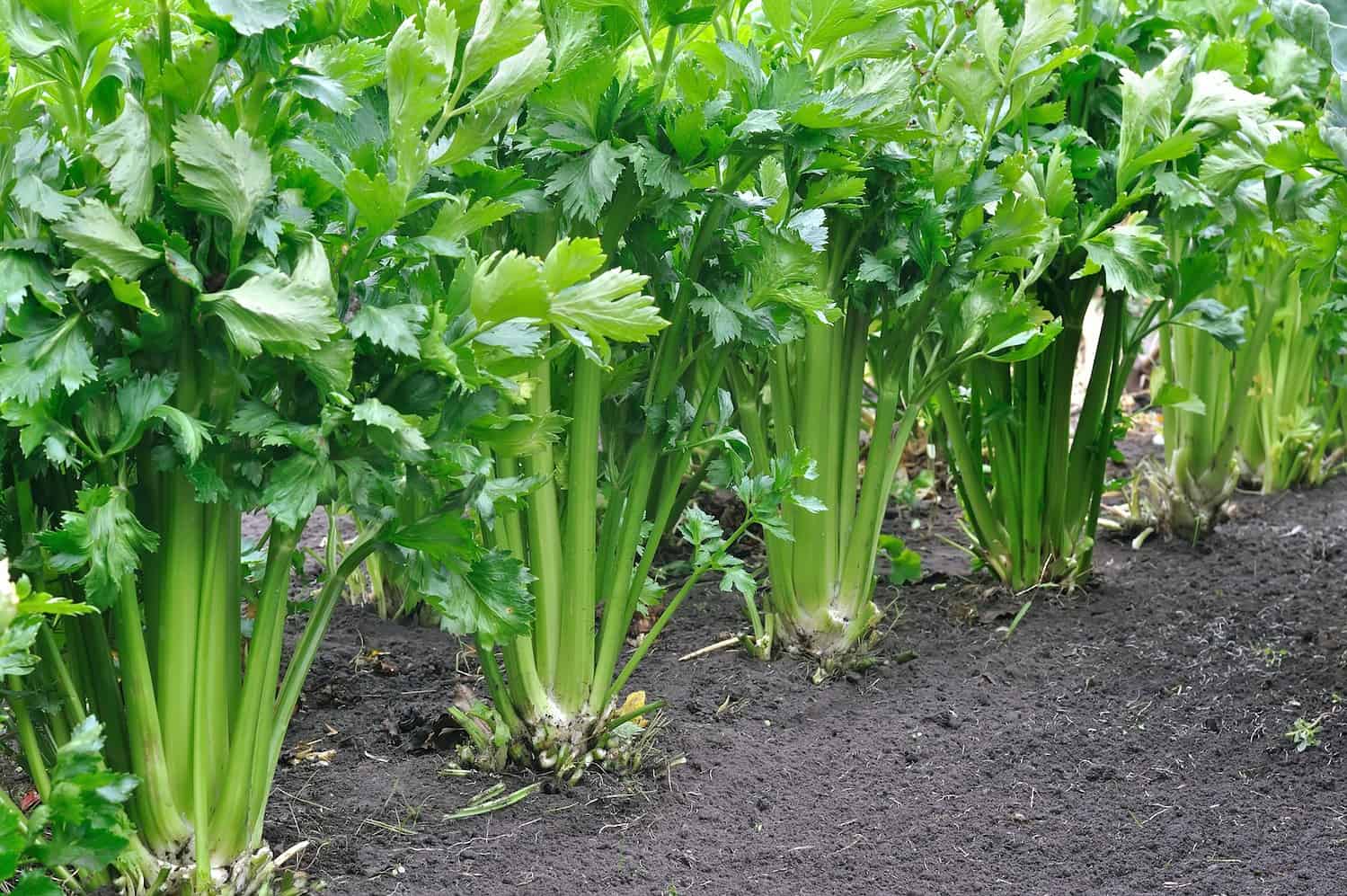
Celery can be a bit tricky to grow. It requires a lot of moisture and nutrient-rich soil, which can be a hassle for some gardeners. You may find that growing other vegetables is easier and more rewarding.
If you love celery, consider regrowing it from kitchen scraps. Just place the base in water, and it will root and produce new stalks. This method can simplify your gardening routine.
You can also plant celery in compost-rich soil if you decide to grow it. It thrives with regular fertilization, especially with fish emulsion. It’s a bit of work, but you might find it easier to enjoy finding alternatives that suit your garden style better.
10. Cabbage
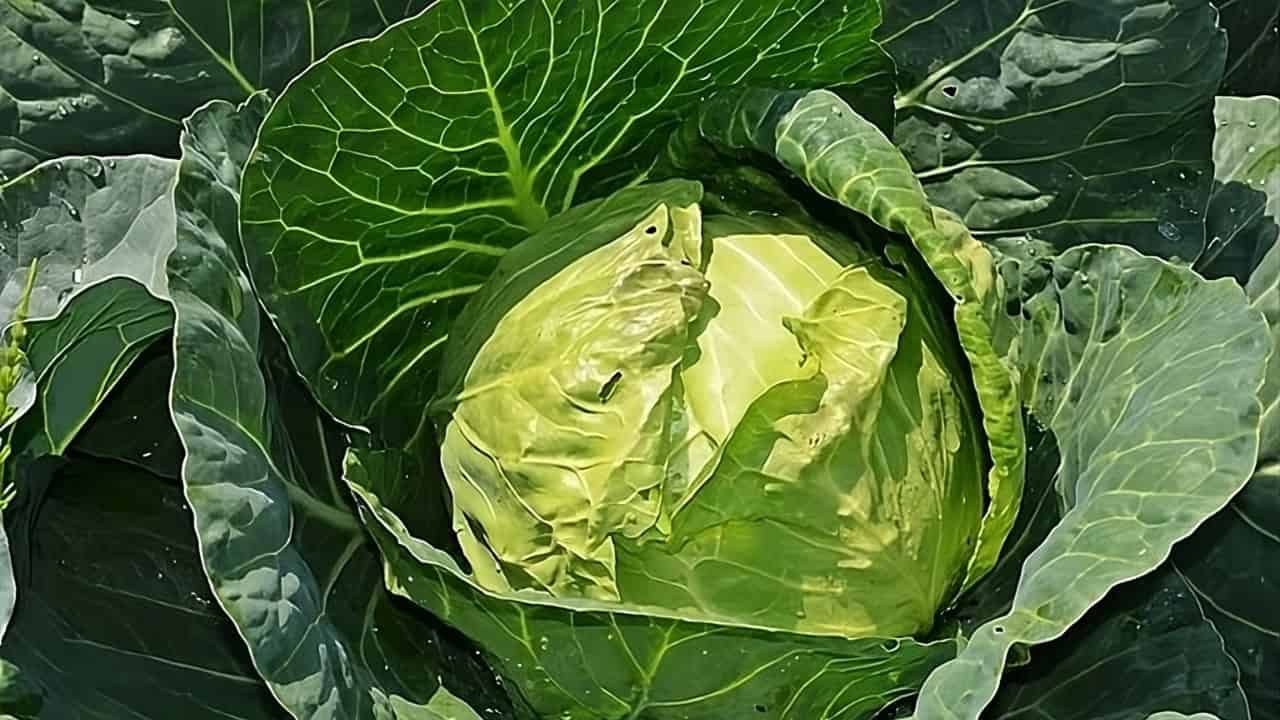
Cabbage can be tricky to grow successfully. Many gardeners, including yourself, might have faced issues with drought stress or disease from overwatering.
If you’ve noticed “headless” cabbages, it’s likely due to inconsistent watering. You don’t need those headaches in your garden.
Also, cabbage tends to bolt in warm weather, turning bitter and unappetizing. Skipping this plant can save you time and frustration while giving you room for more reliable vegetables.
Consider choosing crops that are easier to grow and yield better results. Focus on other options that thrive more easily in your garden environment.
11. Turnips
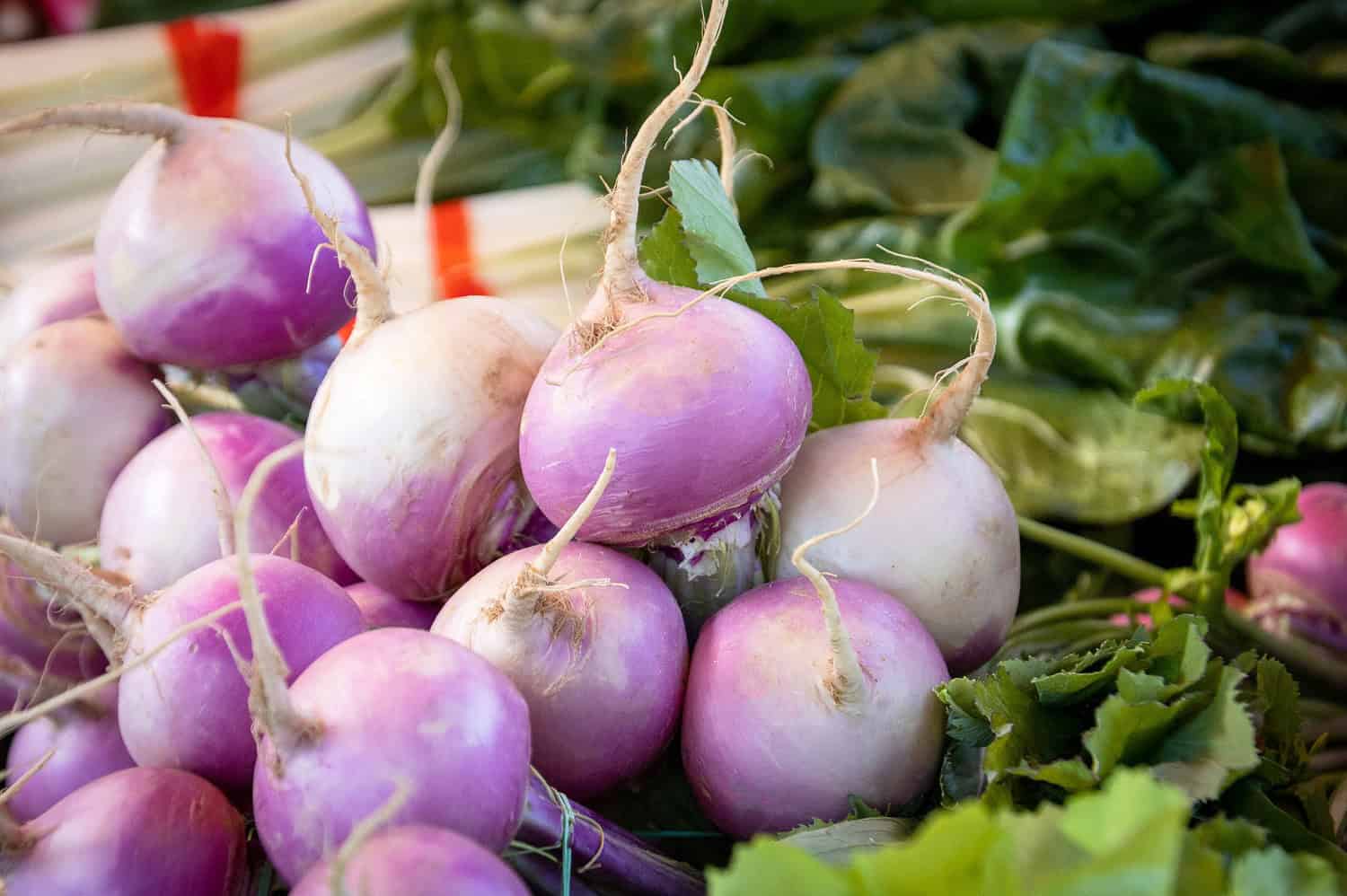
Turnips can be a bit of a hassle in the garden. They often compete with other root crops, like carrots and radishes, for nutrients. This can lead to stunted growth and smaller yields.
If you choose to plant them, make sure to give them space. Turnips thrive better when they aren’t crowded by other plants.
You might also consider companion planting. Certain vegetables, like green onions or garlic, can help deter pests that might harm your turnips. Keeping things simple may lead to a better harvest.
12. Leeks
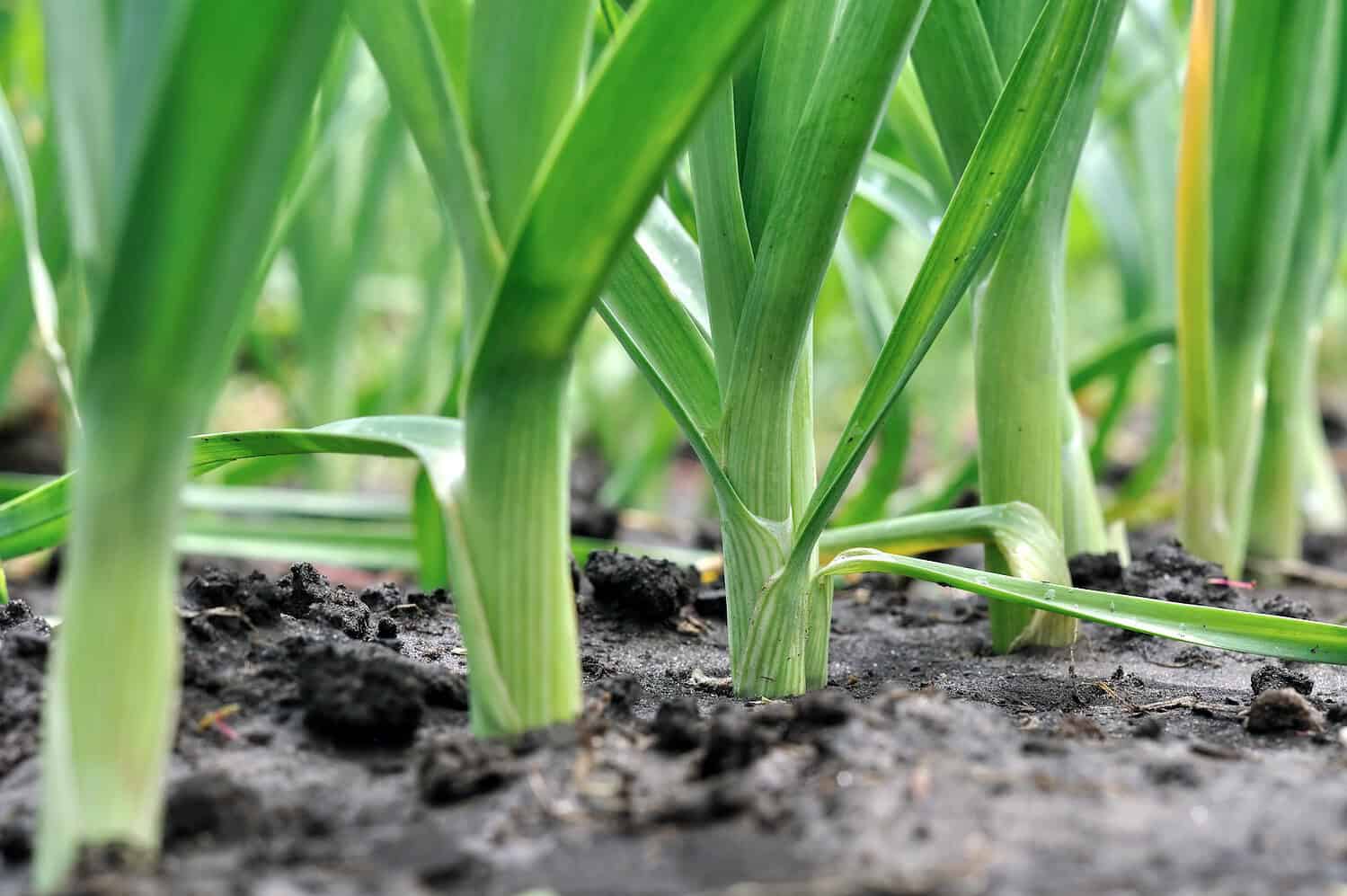
Leeks can be a bit tricky. They take up a lot of space and require specific growing conditions. Instead of planting them, consider using the space for other vegetables that are easier to manage.
If you want leeks, try saving the cuttings from store-bought ones. Just place the base in water, and you’ll see new shoots in no time. It’s a fun way to multiply your harvest without the hassle.
You’ll find that herbs and quick-growing greens can be more rewarding. Focus on those instead, and your garden will thrive with less effort.
13. Peas
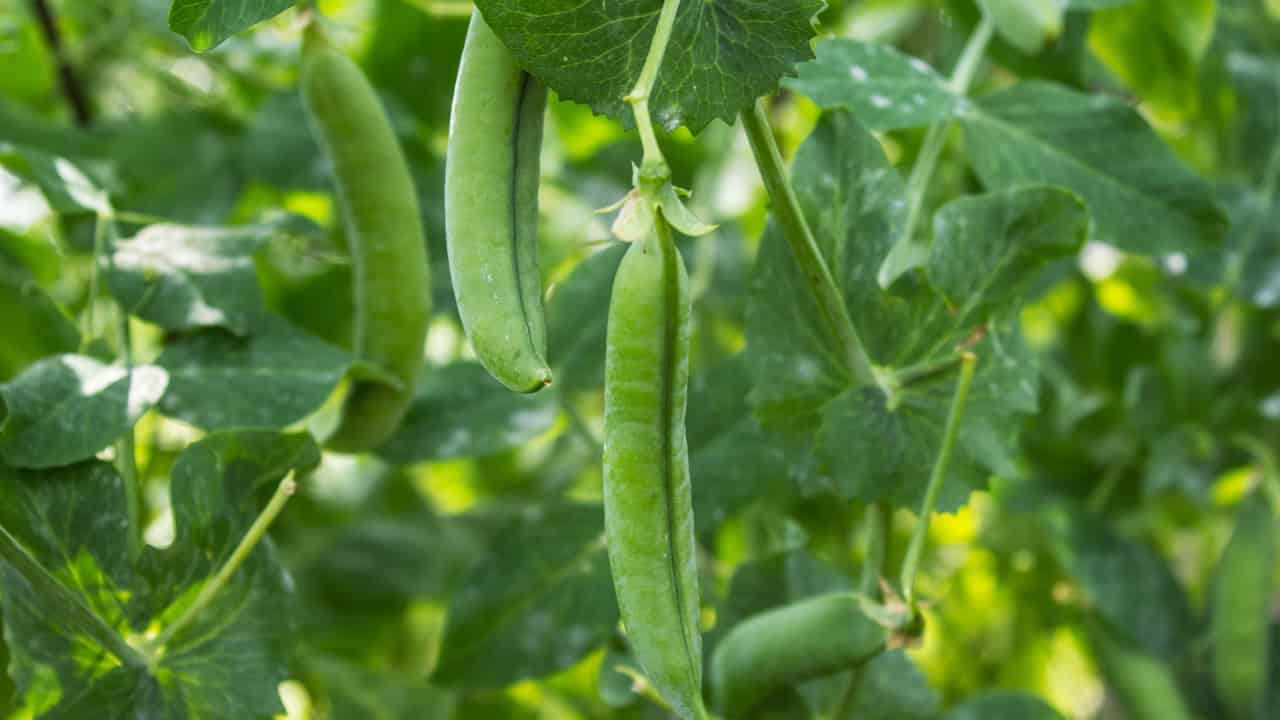
You might think peas are a must-have in your garden, but they can be tricky. They thrive in cool weather, which means timing is everything. If you plant them too late, you’ll miss the window for a good crop.
Instead, consider growing other vegetables that can handle heat better. You can enjoy spring peas, but be mindful of their growing season. If you’re looking for more variety, alternatives like beans might be a better fit.
If you do decide to grow peas, remember they can struggle in hot weather. Try planting them earlier or even consider a fall crop for better results.
14. Corn
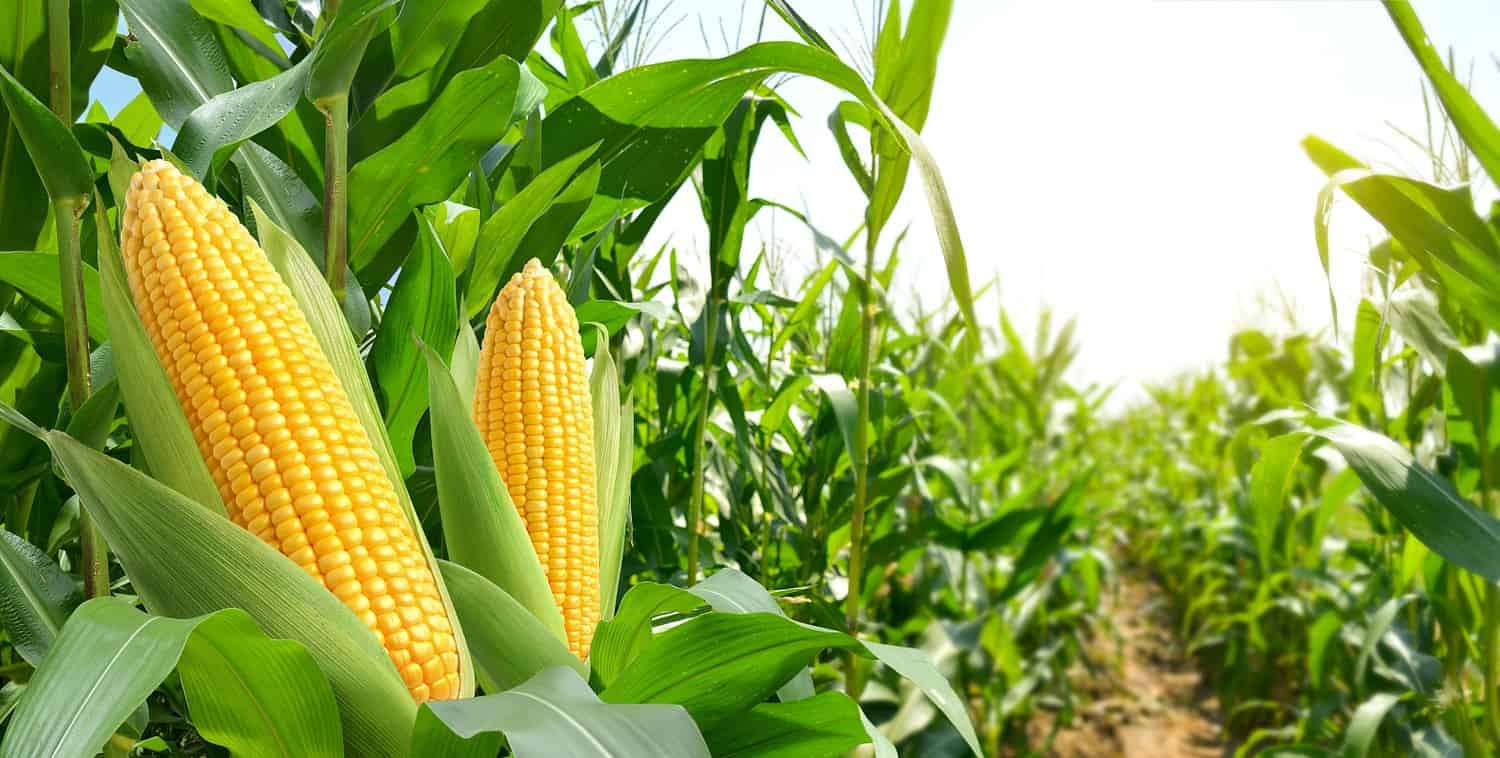
Growing corn can be quite a challenge. It needs a lot of nutrients, especially nitrogen. If you haven’t added compost or a nitrogen source before planting, your corn might struggle.
The space it requires can also be a problem. Corn needs room to grow tall and spread out, which means you might have to give up space for other crops.
Pests love corn too. You may find yourself dealing with more bugs than you’d like. This can take the joy out of gardening, especially when you have to keep a close eye on it.
15. Beetroot
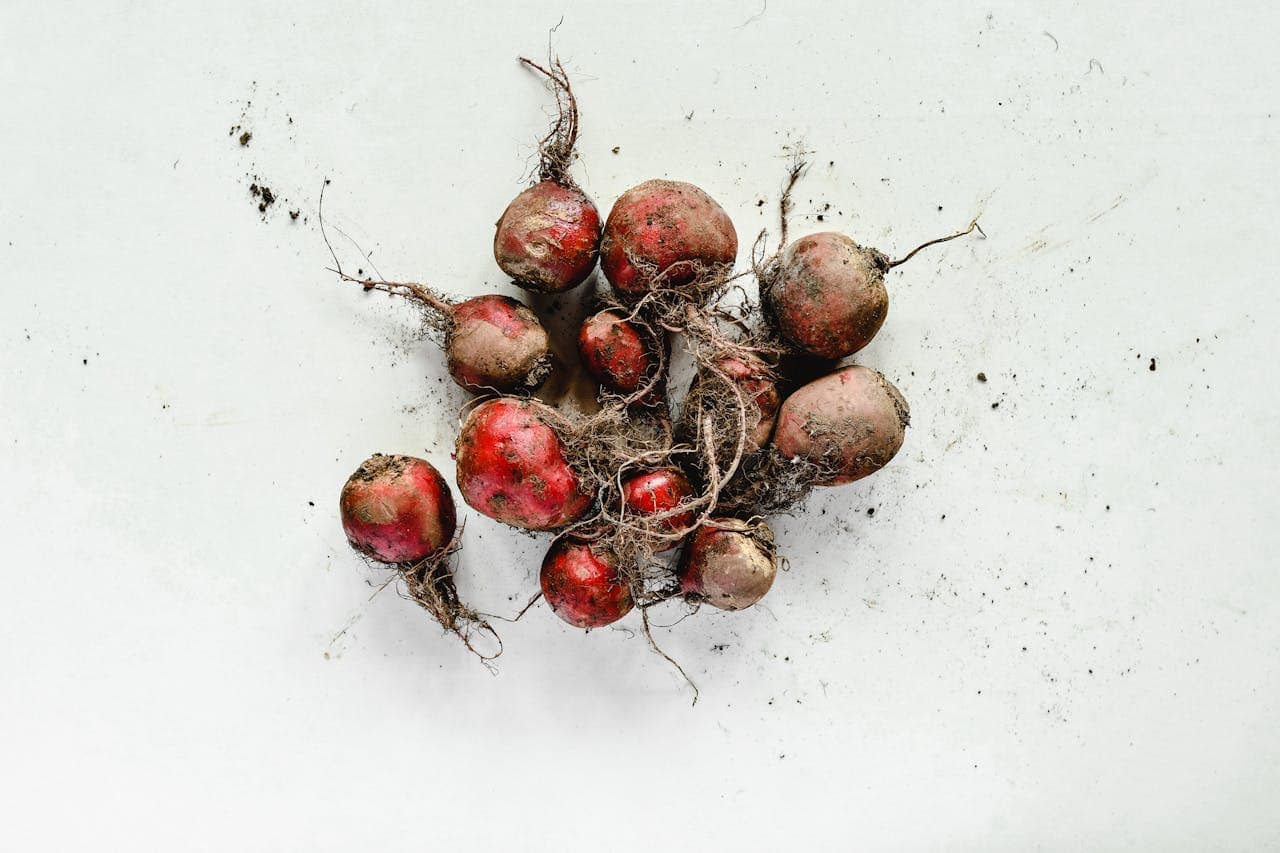
Beetroot can be tempting to grow, but it often brings more frustration than joy. If you’ve struggled with your beet plants, it might be time to step back. These veggies need specific conditions to thrive. They prefer well-drained soil and full sunlight for at least 6-8 hours a day. Without these, you won’t get the results you want.
Leaving every seedling in place can lead to overcrowding, which can reduce your yield significantly. So, don’t hesitate to thin them out. When you focus on fewer, stronger plants, you’ll likely see better success. If you’re tired of battling these challenges, consider skipping beetroot for now. There are plenty of other crops that might suit your garden better.
*This article was created with the help of AI.