Having a beautiful, well-tended yard is a point of pride for many homeowners. But, as most of us know, maintaining that idyllic outdoor space can require a lot of time, effort, and even money. Over the years, I’ve learned that sometimes, less is indeed more when it comes to yard maintenance.
By stopping certain habits and practices, I’ve been able to create a yard that’s not just easier to maintain, but also healthier and more environmentally friendly. Here are the 15 things I stopped doing that made my yard easier to maintain.
Advertisement
1. Overwatering
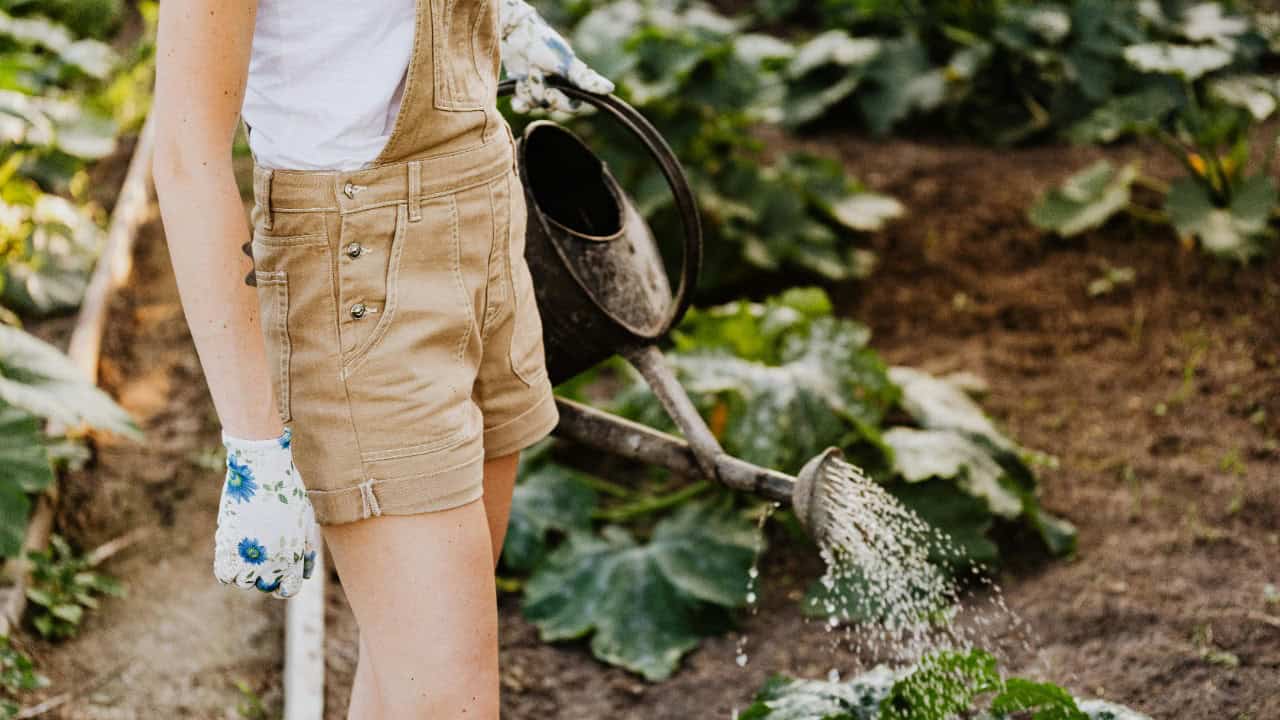
Overwatering is one of the most common mistakes that homeowners make when maintaining their yards. It’s not just wasteful, it can also be harmful to your plants and lawn. Excess water can lead to root rot and other diseases, and it can also wash away important nutrients in the soil.
Instead of watering your yard daily, try watering it deeply but less frequently. This encourages your plants to develop deeper root systems, which can help them withstand periods of drought. Additionally, consider installing a rain sensor or smart irrigation system to help manage your watering schedule more effectively.
2. Ignoring Soil Health
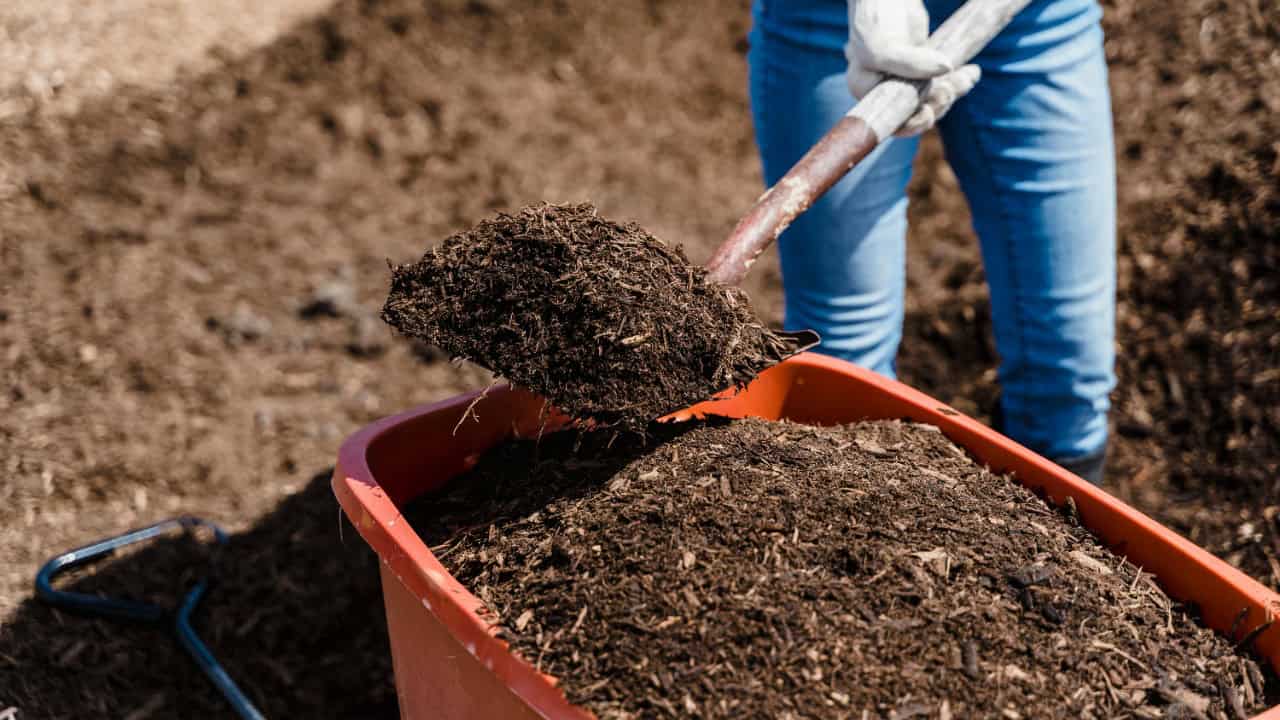
Soil health is fundamental to a healthy yard, but it’s something that many homeowners overlook. If your soil lacks the necessary nutrients, your plants won’t thrive, no matter how much you water or fertilize them.
Start by having your soil tested to understand its composition and nutrient levels. From there, you can amend your soil with compost or other organic materials to improve its health. Healthy soil not only supports plant growth, but it also helps conserve water and resist pests and diseases.
3. Using Chemical Fertilizers and Pesticides

Chemical fertilizers and pesticides may seem like a quick fix for your yard’s problems, but they can cause more harm than good in the long run. They can damage your soil, harm beneficial insects, and even pose risks to your health and the environment.
Consider using organic alternatives instead. Compost, for example, is a great natural fertilizer that can improve your soil’s health. For pest management, consider using beneficial insects, like ladybugs and praying mantises, or plant herbs like marigold and lavender that naturally deter pests.
4. Mowing Too Frequently
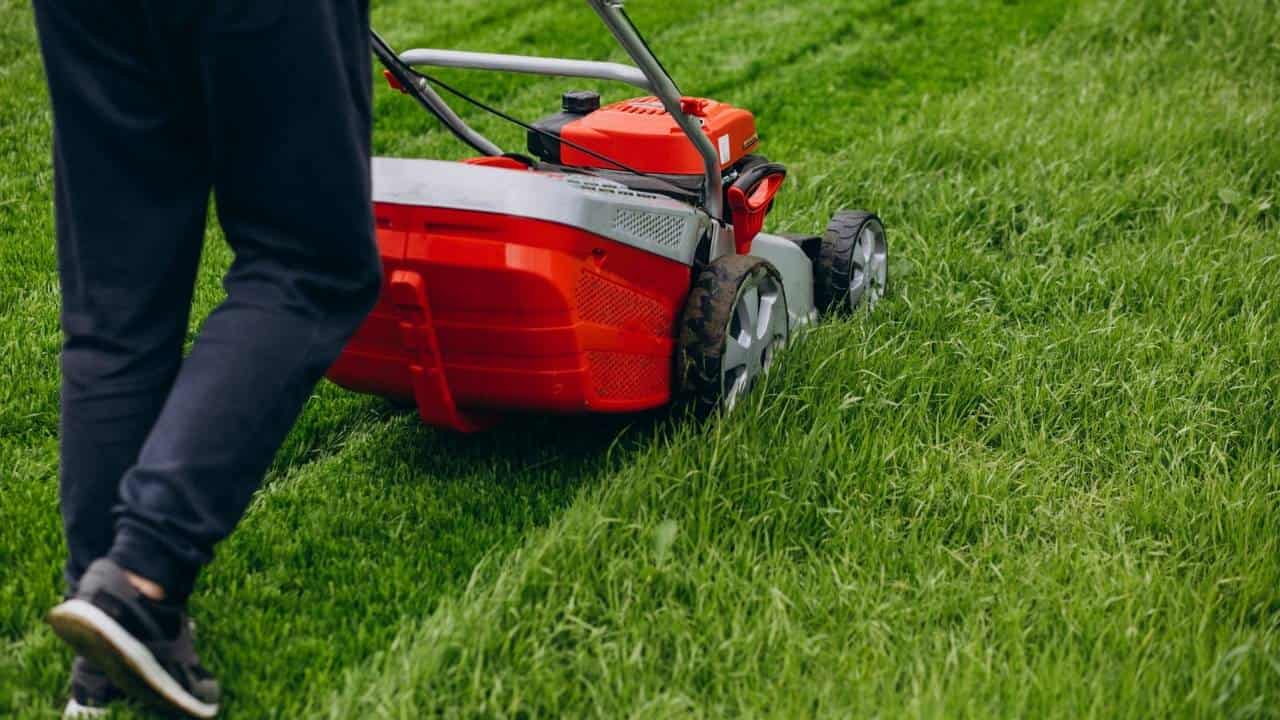
Mowing your lawn too frequently can stress your grass and leave it susceptible to pests and diseases. Plus, it’s a lot of work!
Try raising the cutting height on your mower and mowing less often. Taller grass shades the soil, which helps conserve water, and it can also crowd out weeds. Plus, you’ll save time and energy by not having to mow as often.
5. Ignoring Native Plants
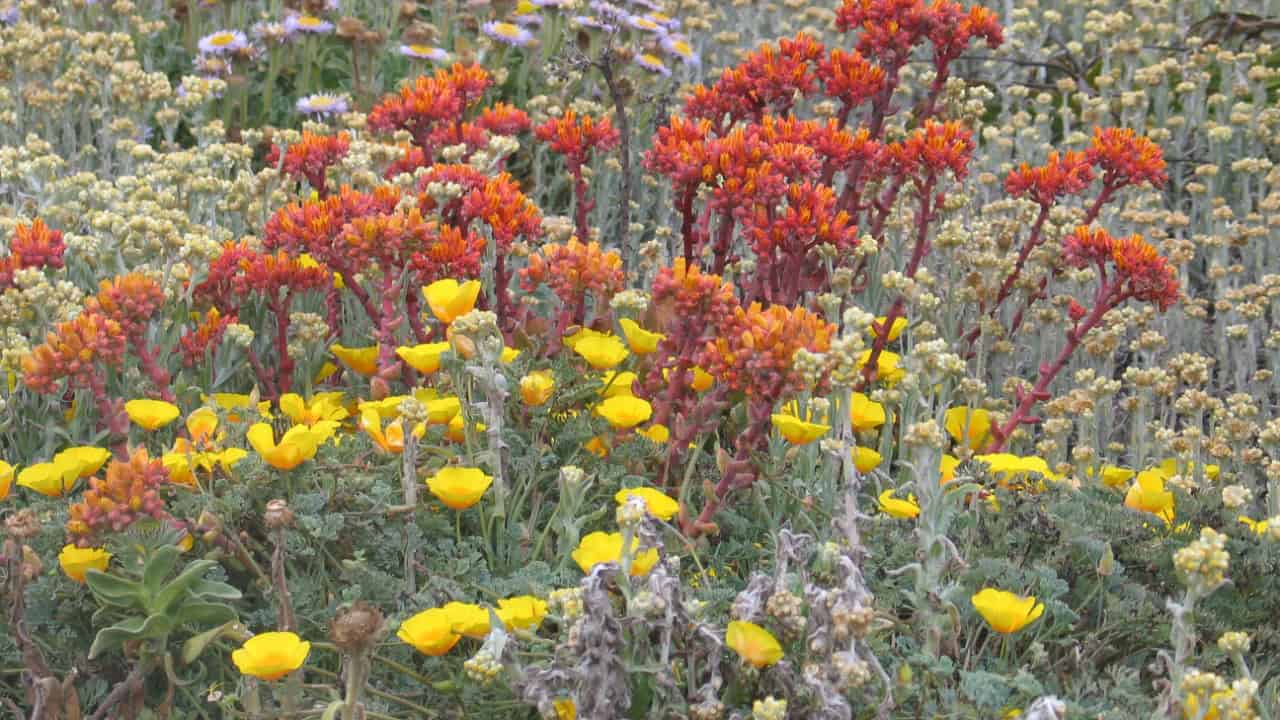
Many homeowners are drawn to exotic plants for their yards, but these often require more care and resources than native plants. Native plants are adapted to your local climate and soil conditions, which makes them easier to maintain and more resistant to pests and diseases.
Consider replacing some of your non-native plants with native ones. Not only will this make your yard easier to maintain, but it can also provide habitat for local wildlife.
6. Keeping a Monoculture Lawn
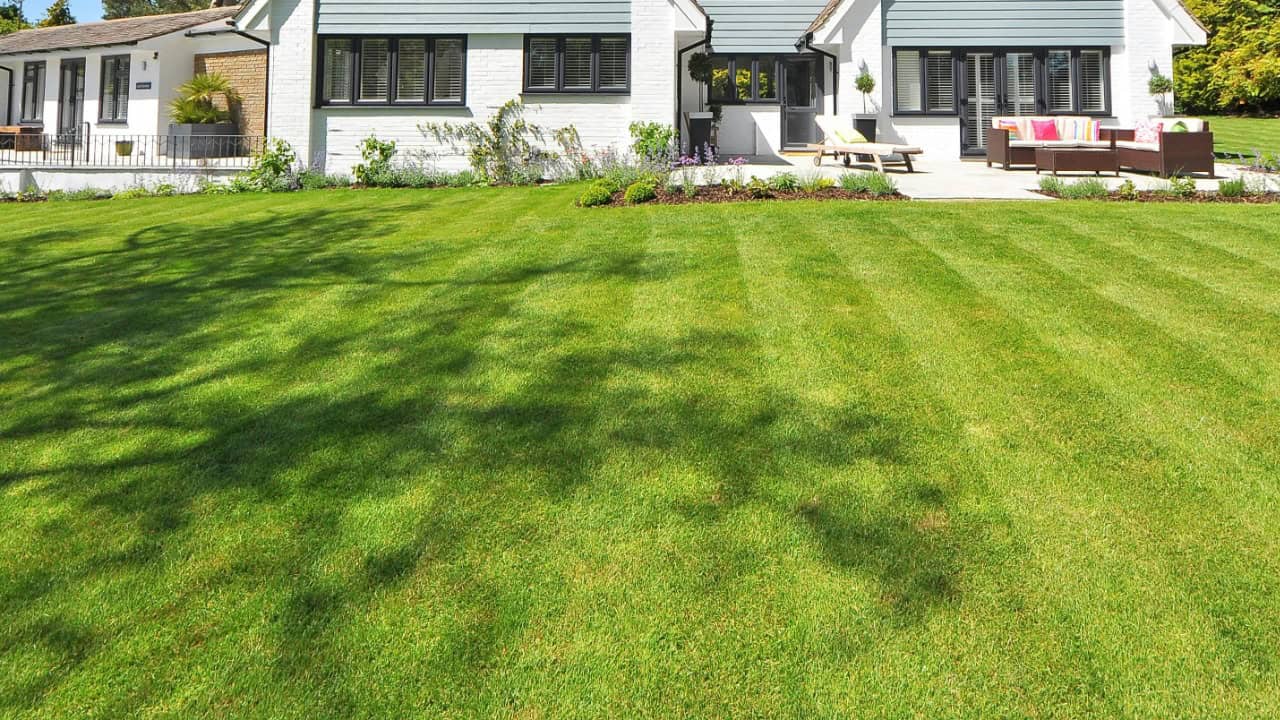
A lawn of just one type of grass might look nice, but it’s actually harder to maintain and more susceptible to pests and diseases. A diverse yard, on the other hand, is healthier and more resilient.
Consider introducing a variety of grass species to your lawn, and don’t be afraid to mix in some clover or other ground covers. These can add visual interest to your yard and even provide additional benefits, like attracting pollinators.
7. Raking Leaves

Raking leaves is a time-consuming task, and it can actually be harmful to your yard. Leaves provide a natural mulch that helps conserve water, insulate your soil, and provide habitat for beneficial insects.
Instead of raking, consider mulching your leaves with a lawn mower. This can help break them down faster and return valuable nutrients to your soil. If you have a lot of leaves, you might want to rake some of them up to prevent smothering your grass, but try to leave a thin layer.
8. Ignoring Weeds

Weeds are often a sign of an underlying problem in your yard, such as compacted soil or a nutrient imbalance. Ignoring them won’t make them go away, and it could allow the problem to worsen.
Instead of just pulling weeds, try to understand why they’re growing in the first place. Then, address the underlying issue. This might involve aerating your soil, adjusting your watering schedule, or amending your soil with compost.
9. Using Inappropriate Plants

Every yard has its own unique conditions, and not all plants will thrive in every yard. Planting inappropriate plants is a surefire way to create more work for yourself.
Instead, choose plants that are well-suited to your yard’s conditions, such as the amount of sunlight it receives, the type of soil you have, and your local climate. This will help ensure that your plants thrive with minimal intervention.
10. Over-pruning
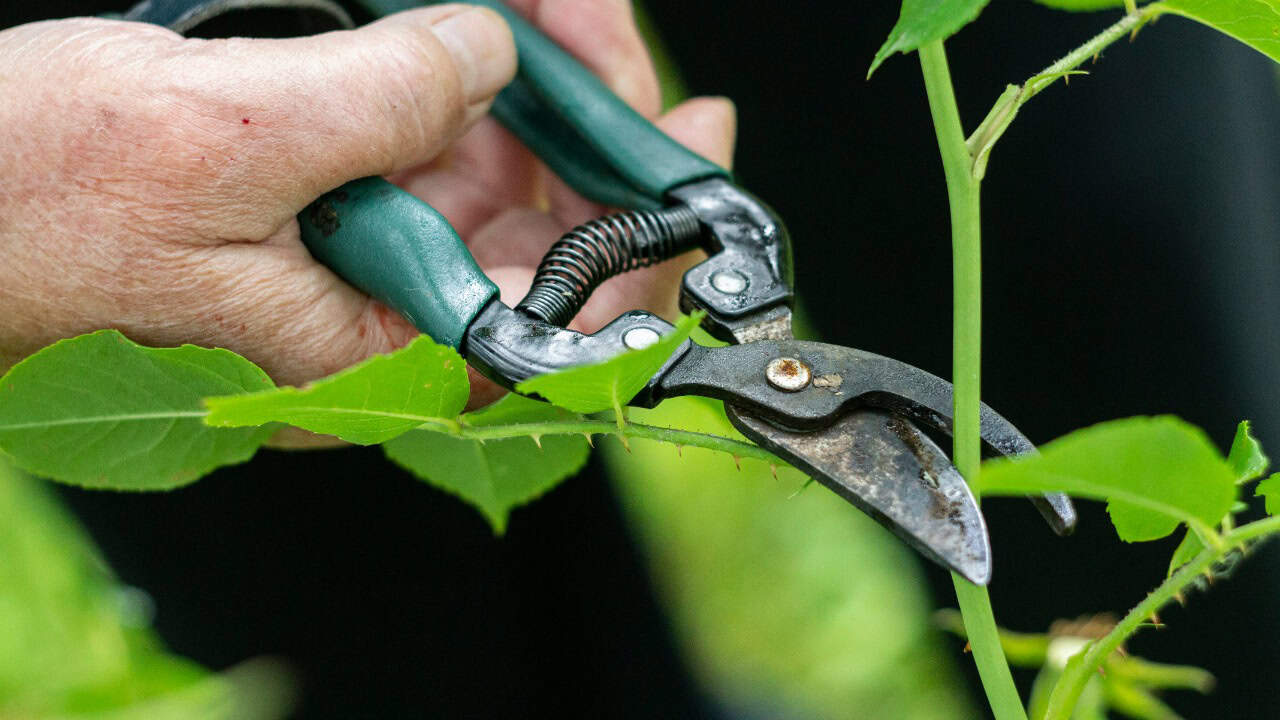
Pruning can help shape your plants and keep them healthy, but over-pruning can stress them and make them more susceptible to pests and diseases.
Try to prune your plants only when necessary, such as to remove dead or diseased wood, or to control their size. When you do prune, make sure to use sharp, clean tools to prevent the spread of disease.
11. Ignoring Wildlife

Your yard is part of a larger ecosystem, and wildlife can play an important role in its health. Ignoring wildlife—or worse, trying to eliminate it—can upset this balance and create more work for you.
Instead, try to attract beneficial wildlife, like birds, bees, and butterflies, to your yard. They can help control pests, pollinate your plants, and even provide some natural beauty. Avoid using chemicals that could harm wildlife, and consider adding features like bird baths or bee houses to make your yard more welcoming.
12. Planting Too Close Together

Plants need space to grow and thrive. Planting them too close together can hinder their growth, promote disease, and make your yard harder to maintain.
When planting, make sure to leave enough space for each plant to reach its mature size. This will help ensure that your plants have adequate light, air circulation, and root space.
13. Ignoring Microclimates

Every yard has microclimates—small areas that have different conditions than the rest of the yard. Ignoring these microclimates can lead to plant stress and extra work for you.
Take note of your yard’s microclimates, such as areas that are particularly shady, windy, or wet. Then, choose plants that are suited to these conditions. This will help ensure that your plants are healthy and your yard is easier to maintain.
14. Neglecting Tools
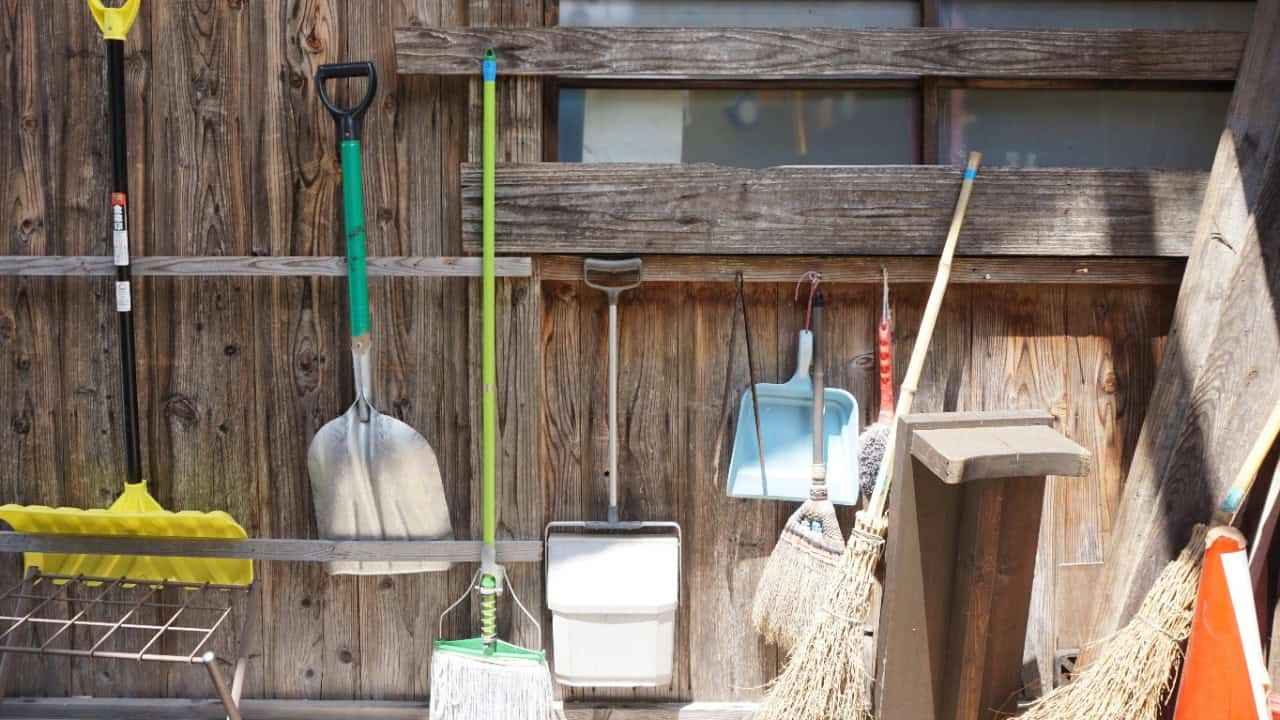
Maintaining your yard is much easier when you have the right tools, and when those tools are in good condition. Neglecting your tools can make your work harder and even harm your plants.
Make sure to clean, sharpen, and repair your tools as needed. This will help them last longer and perform better. If you’re missing a tool, invest in a quality version—it will pay for itself in the long run.
15. Trying to Do It All Yourself
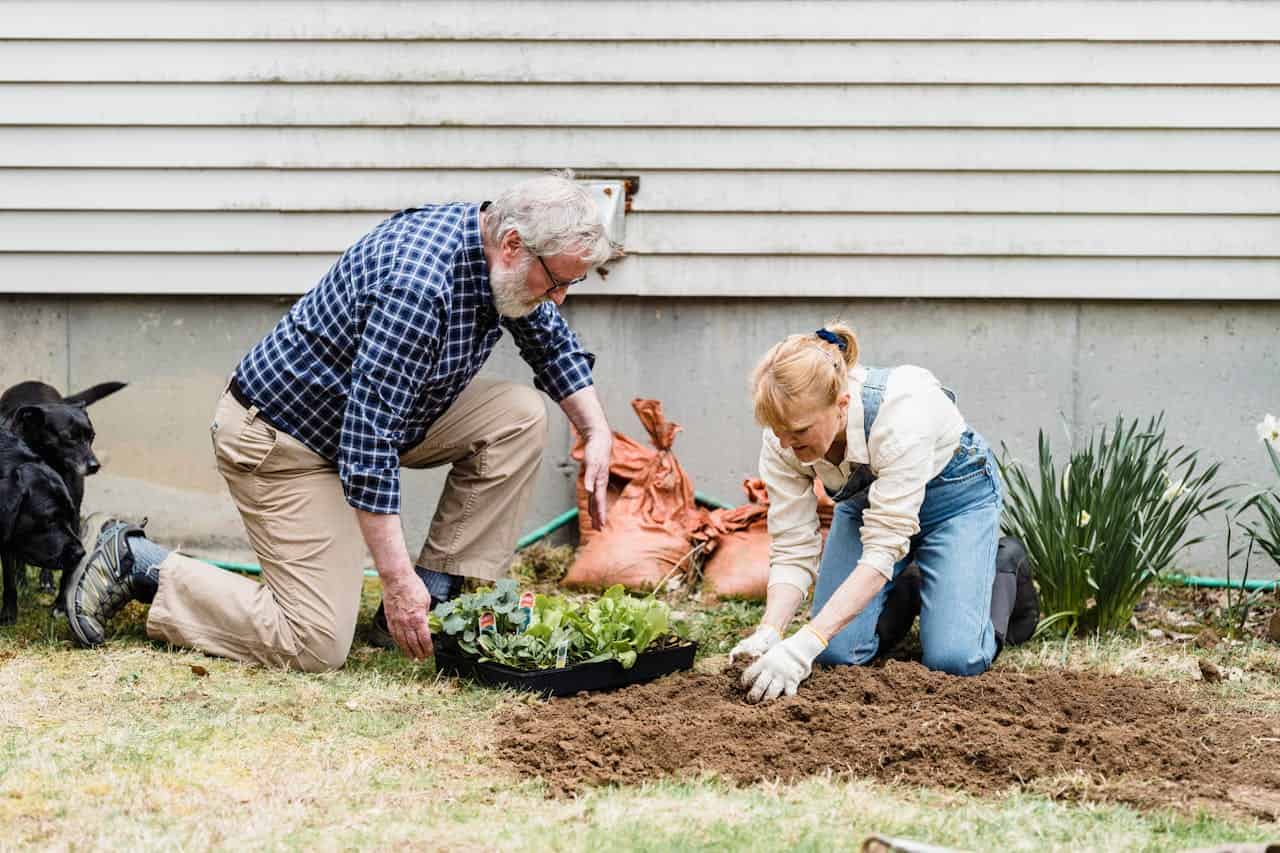
Maintaining a yard can be a lot of work, and it’s okay to ask for help. Trying to do it all yourself can lead to burnout and a less-than-ideal yard.
Consider hiring a professional for tasks that are beyond your skill level or that you simply don’t enjoy. You could also enlist the help of family members or neighbors, or even trade services with a friend. Remember, the goal is a yard that you can enjoy—not one that causes you stress.